This Small New York City Still Has Homes Listed Under $90K
Somewhere in upstate New York, there is a town that never got the memo that everyone is supposed to be priced out forever.
I found it the way most bad decisions begin, scrolling listings late at night. I expected the usual letdown.
Instead, the screen stopped me cold.
Real houses. Real yards.
Prices that made me read the numbers twice, then a third time to be sure. Hornell is quietly making a case that owning a home is not a fantasy reserved for lottery winners.
I am talking about actual front porches, not closets dressed up with good lighting. The kind of place where your money buys square footage instead of bragging rights.
I sat there doing math I had given up on years ago. If you have ever assumed homeownership left without you, this little town might change your mind.
Sometimes the dream just relocates somewhere quieter.
Why This Town Is Turning Heads In The Housing Market
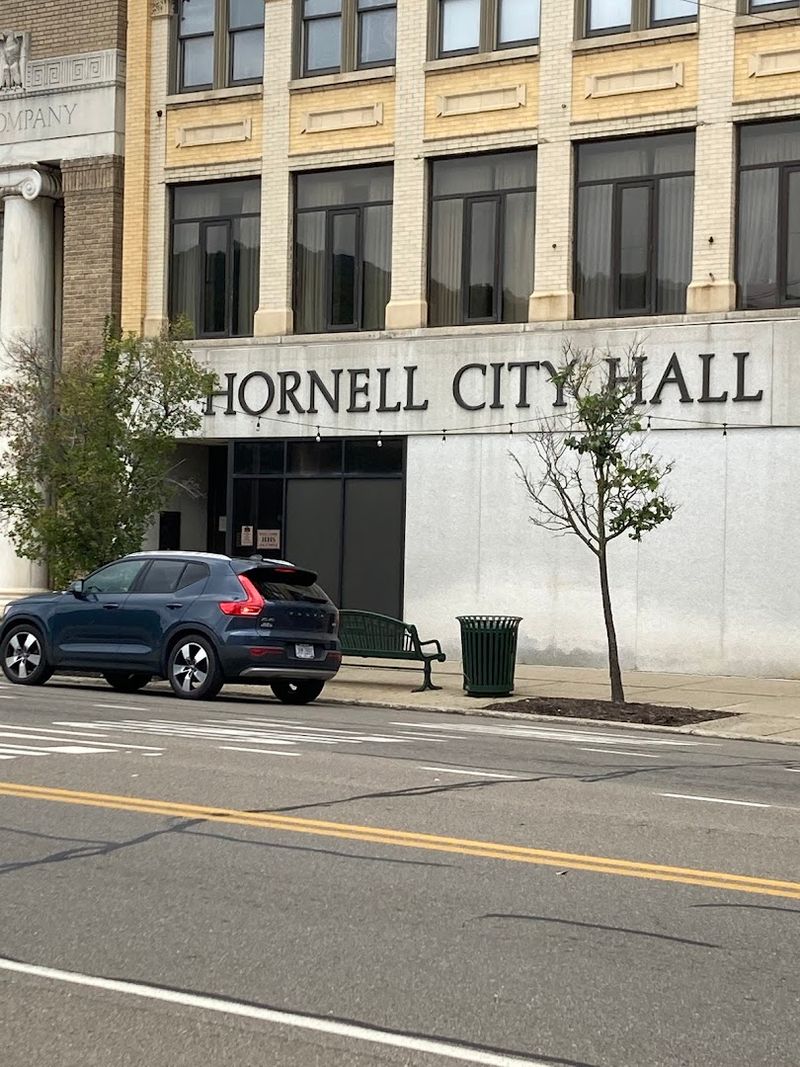
Hornell, New York is not the kind of place that shows up in flashy real estate headlines, and that is exactly what makes it interesting.
While buyers in bigger cities are being priced out of starter homes, Hornell is offering something rare: actual affordability.
The median home price here sits well below the national average, with many listings coming in under $90,000.
Located in Steuben County in the Southern Tier region, Hornell has a population of around 8,000 people.
It is a real working town with a Main Street, local businesses, and a community that has been there for generations.
The housing stock includes Victorian-era homes with original woodwork, solid brick structures, and modest ranches.
For first-time buyers or anyone tired of renting, those price points are genuinely exciting. A budget that would barely cover a down payment in New York City can buy an entire house here.
The math is almost hard to believe until you start pulling up the listings yourself and seeing the photos.
The Real Cost Of Living In Hornell
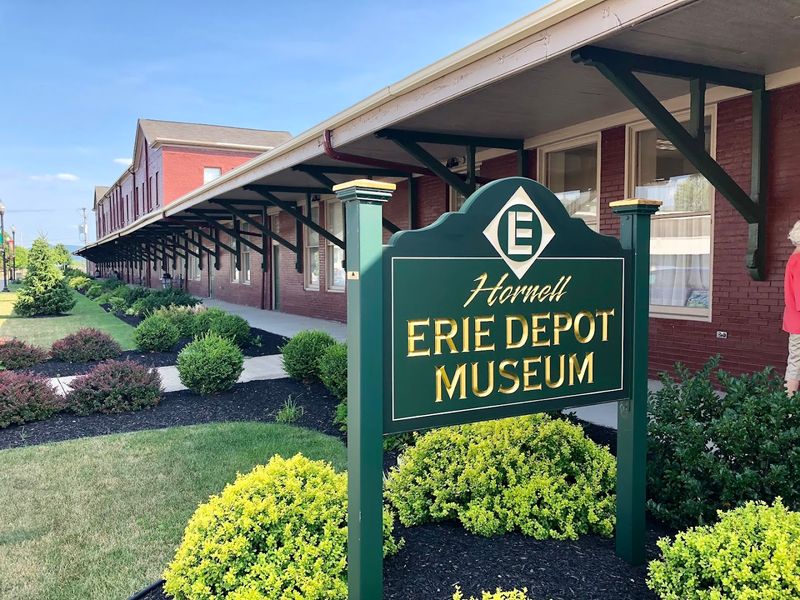
Buying a home is only part of the equation. What keeps people in Hornell is how far a dollar stretches once you are actually living there.
Property taxes in Steuben County are manageable compared to many parts of New York State, and everyday expenses like groceries and utilities are noticeably lower than in urban areas.
Heating costs matter in upstate New York winters, and many of the older homes in Hornell have been updated with modern insulation and efficient systems.
Renters who make the switch to ownership often find their monthly costs stay surprisingly similar, or even drop. That kind of financial breathing room changes everything about daily life.
There is also something to be said for not having to commute two hours each way. Many Hornell residents work locally or within a short drive.
The town has medical facilities, schools, and basic services all within easy reach. When your housing cost drops dramatically, the rest of your budget has room to actually work for you instead of against you.
What $90K Gets You Here
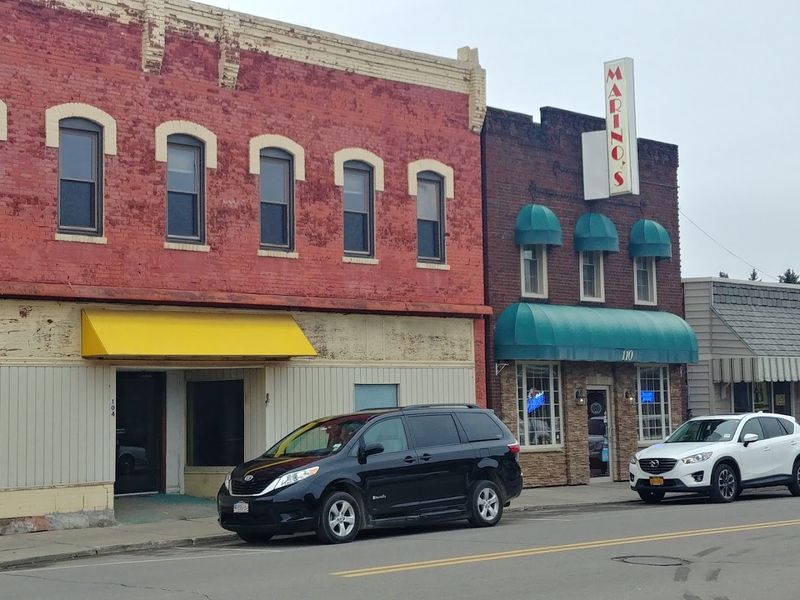
Pull up any real estate site and search Hornell, New York, and prepare to feel a little shocked.
For under $90,000, buyers have found three-bedroom homes with original hardwood floors, covered porches, and detached garages.
Some listings include updated kitchens and bathrooms, which means move-in ready is not just a phrase being used loosely.
A recent listing showed a four-bedroom home on a corner lot for just over $75,000. Another offered a two-story house with a finished basement and fenced backyard for under $85,000.
These are not fixer-uppers in the roughest sense. They are older homes that need some love, but they have good bones and real character.
Compare that to the national median home price, which recently crossed $400,000, and the contrast is almost disorienting.
In Hornell, a buyer with a modest savings account and decent credit can potentially skip the decade-long waiting game entirely.
Homeownership here feels less like a fantasy and more like a plan you can actually execute within the next year or two.
Hornell’s History Adds Character To Every Block
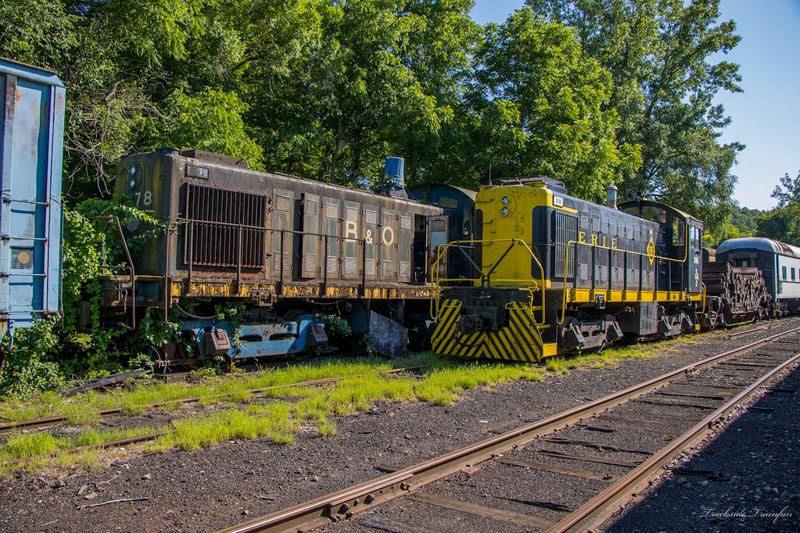
Hornell has a history that shows up in the architecture, and that is part of what makes the housing stock so appealing.
The town grew significantly during the railroad era, when the Erie Railroad made it a major hub in the late 1800s.
That industrial prosperity funded the construction of beautiful homes that still stand today.
Walking through certain neighborhoods feels like flipping through a catalog of American architectural history.
Queen Anne homes with decorative trim, Craftsman bungalows with wide overhangs, and solid brick colonials line the streets in ways that newer suburbs simply cannot replicate.
These are homes built to last, and many of them have done exactly that.
For buyers who appreciate craftsmanship and detail, Hornell offers something money truly cannot buy in a new construction development: genuine character.
Stained glass transoms, original bannisters, and wide plank floors are not uncommon finds here. Restoring one of these homes is not just a project.
It is a way of participating in a town’s story, and for a lot of buyers, that turns out to matter more than they expected.
Schools, Services, And What Daily Life Looks Like

Before buying anywhere, the practical questions need real answers. Hornell City School District serves the area and includes elementary, middle, and high school options.
The district has faced challenges like many small-town schools across the country, but it also has dedicated staff and community involvement that bigger districts sometimes lack.
Healthcare is covered by St. James Mercy Hospital, which offers emergency care and a range of medical services right in town.
Not having to drive 45 minutes for a doctor’s appointment is something that sounds minor until you actually need it on a Tuesday afternoon.
Basic conveniences like grocery stores, pharmacies, and hardware stores are all accessible without leaving the area.
The town also has parks, a public library, and community events that bring residents together throughout the year.
Hornell is not a place trying to be something it is not. It is a functional, genuine small town where people know their neighbors and local businesses actually remember your name.
For buyers moving from a city, that adjustment takes some getting used to, but most people find it becomes one of their favorite parts of the whole deal.
The Commute Question

One of the first things buyers ask about any rural town is how hard it is to get anywhere from there.
Hornell sits along Route 17, which connects the Southern Tier to larger cities and eventually links up with Interstate 86.
That makes driving to Corning, Elmira, or even Buffalo more manageable than the map might initially suggest.
Corning is about 46 miles away, which means commuters with jobs there can make the trip in under 30 minutes on most days.
The Corning area has a stronger job market with manufacturing, glass industry work, and healthcare employment.
For buyers willing to drive a short stretch, Hornell becomes a very affordable home base for a reasonable commute.
The train option is not a daily commuter solution for most people, but it adds flexibility.
Hornell rewards buyers who are willing to plan their lifestyle around it rather than expecting it to function like a suburb. That trade-off, lower cost for a little more planning, is one many people are finding completely worth it.
Who Is Buying Homes In This Town Right Now
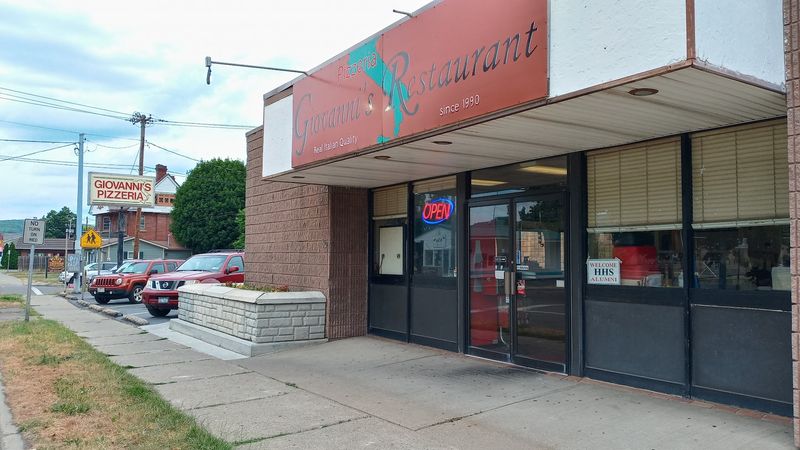
The buyers showing up in Hornell are not all the same, and that mix is part of what makes the market interesting right now.
Remote workers who no longer need to live near a major office have discovered that their income stretches dramatically further here.
A salary that felt tight in a city becomes genuinely comfortable when housing costs drop by two-thirds.
Retirees looking to downsize are another growing group. A paid-off home in a more expensive area can fund an outright cash purchase in Hornell, leaving retirement savings intact and monthly expenses minimal.
That kind of financial reset at retirement age is not something most people expect to be possible, but Hornell keeps making it happen.
First-time buyers in their mid-to-late twenties are also showing up, often priced out of every other market they looked at.
Buying a starter home for $80,000 instead of competing for a $400,000 condo changes the entire trajectory of someone’s financial life.
The decision to buy in a small town is not a consolation prize for these buyers. For many of them, it turns out to be the smartest financial move they ever made.
Is It The Right Move For You?
Hornell is not for everyone, and it is honest enough not to pretend otherwise. If you need walkable nightlife, a dense social scene, or access to major airports every other week, this is not your town.
But if what you actually want is stability, space, and a home you can afford without financial stress, the case for Hornell gets pretty compelling pretty fast.
The smartest thing a potential buyer can do is visit in person before committing. Drive the neighborhoods on a weekday morning.
Walk Main Street. Talk to someone at a local diner.
The feel of a place tells you things that a listing description never will, and Hornell has a feel that surprises most people who show up expecting something grim and find something genuinely livable instead.
The broader lesson Hornell teaches is that the housing crisis has geography. It is brutal in some places and almost nonexistent in others.
Finding those pockets requires looking past the obvious markets, tolerating some uncertainty, and being willing to ask what you actually need versus what you assumed you needed.
Hornell answered that question for a lot of people already, and the number keeps growing.