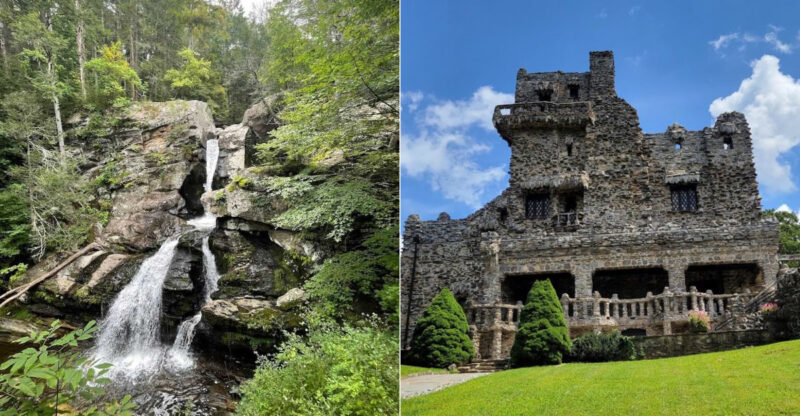
This Under-The-Radar Connecticut State Park Is Packed With Trails Worth Wandering
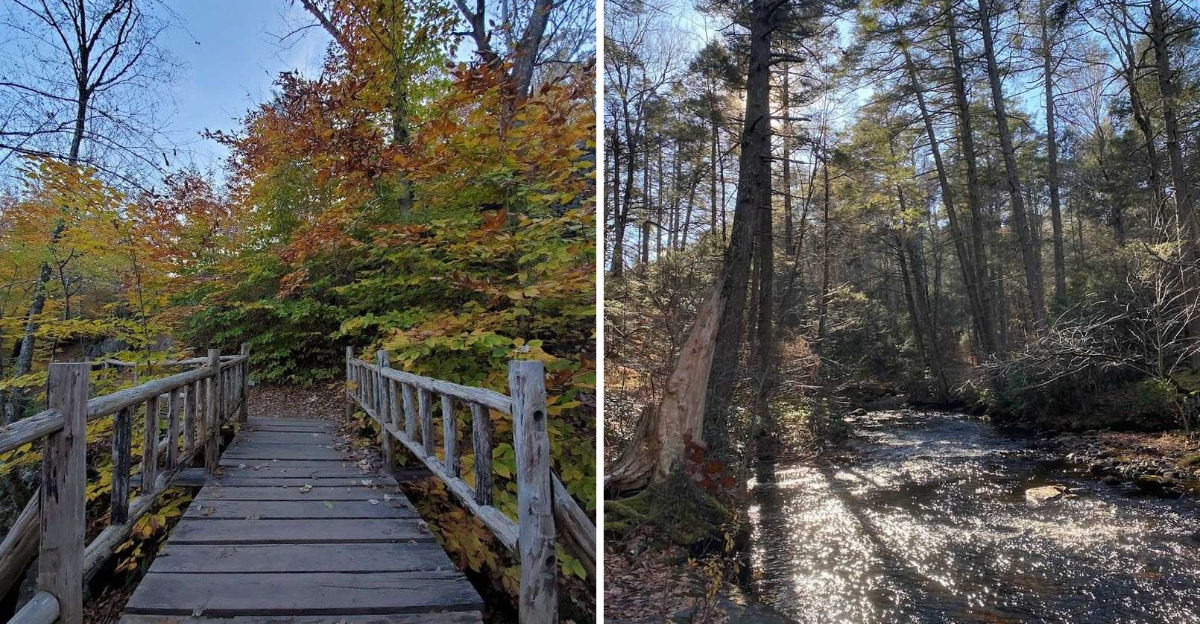
Forget the famous parks for one quiet day. This one waits patiently for the right wanderer.
A trail sign appears where you least expect. Suddenly the whole afternoon changes course.
Waterfalls tumble through mossy, ancient gorges. Forest grows thick enough to dim the light.
I love when my phone loses all signal. Out here, that silence feels like a gift.
Miles of trails wind deeper into the green. Connecticut hides this beauty in plain sight. Locals pass it around like a soft secret.
The place earns every single mile. Soft birdsong fills the quiet between falls. Surprises hide everywhere. Bring boots and let yourself drift.
Chapman Falls Is Pure Magic
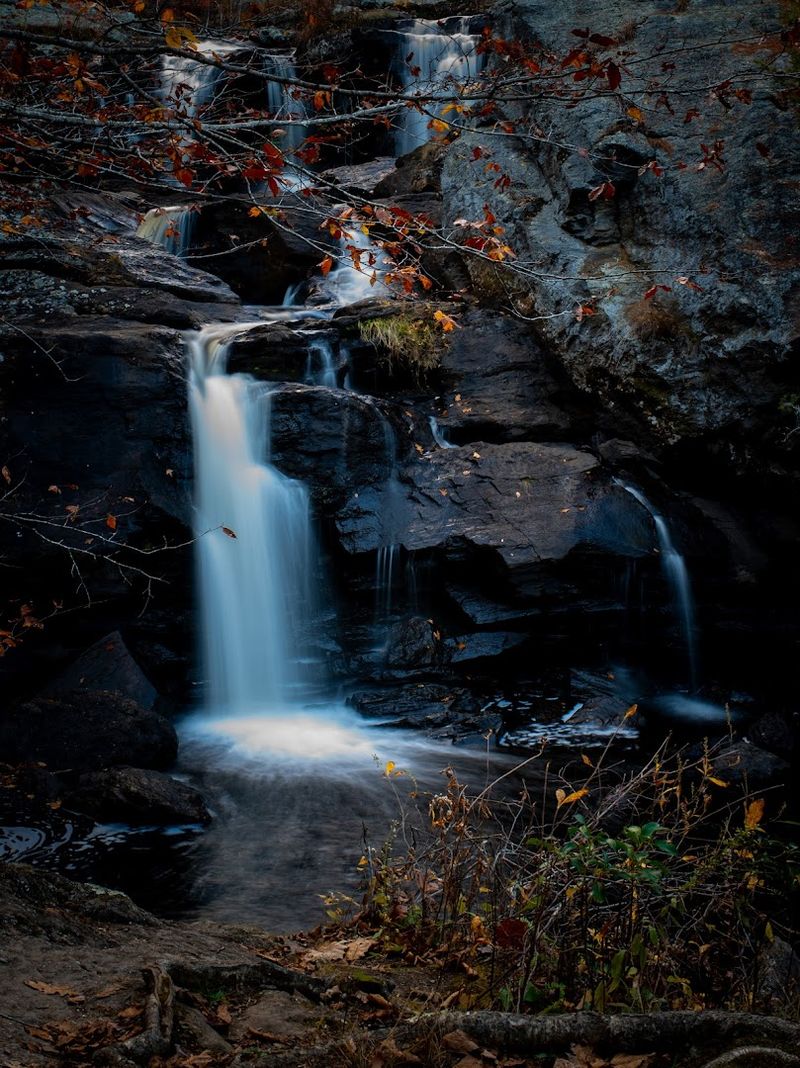
Some waterfalls politely trickle. Chapman Falls does not trickle.
It drops about sixty feet over a series of dark schist stair-step ledges in a rush of white water that you can hear long before you see it.
The sound alone is worth the drive. Standing at the base, the mist hits your face and the roar fills your ears in a way that makes every trail ache in your legs feel completely worth it.
The rocks around the base are slick, so good footwear is not optional here, it is necessary.
One thing that caught my eye was the perfectly circular potholes carved into the bedrock near the falls. They look almost too perfect, like someone drilled them by hand. The science behind them is fascinating.
Fast-moving water spins rocks in a circular motion over thousands of years, grinding those smooth holes right into the stone.
This is the crown jewel of Devil’s Hopyard State Park, and most visitors make it their first stop. The trailhead parking area is right off the main road, making access straightforward.
You can access the park at 366 Hopyard Rd in East Haddam.
Trails That Actually Challenge You
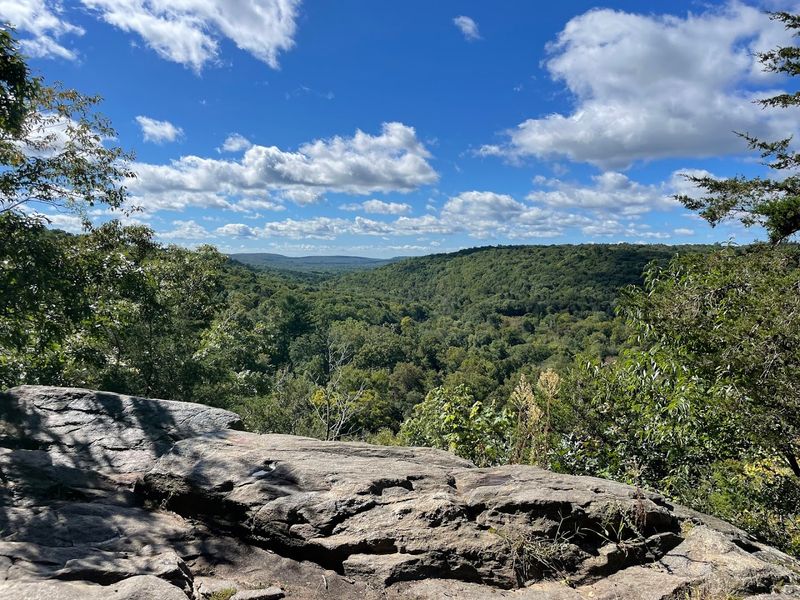
Not every trail here is a casual stroll.
Devil’s Hopyard State Park offers a solid network of paths that range from easy riverside walks to steeper ridge climbs that get your heart pumping in the best possible way.
The Orange Trail is a favorite for those who want a longer loop through varied terrain. It winds through hardwood forest, crosses small streams, and delivers some surprisingly good elevated views of the Eight Mile River valley below.
The trail markers are well maintained, which I appreciated because getting lost in the woods is only fun in movies.
What makes these trails stand out is how different each section feels. One stretch puts you beside the river with the sound of rushing water as your soundtrack.
Another pulls you up through rocky outcroppings where the forest thins and you can actually see the sky. The trail surfaces shift between soft leaf litter, exposed root networks, and bare stone slabs.
Eight Mile River Is Stunning
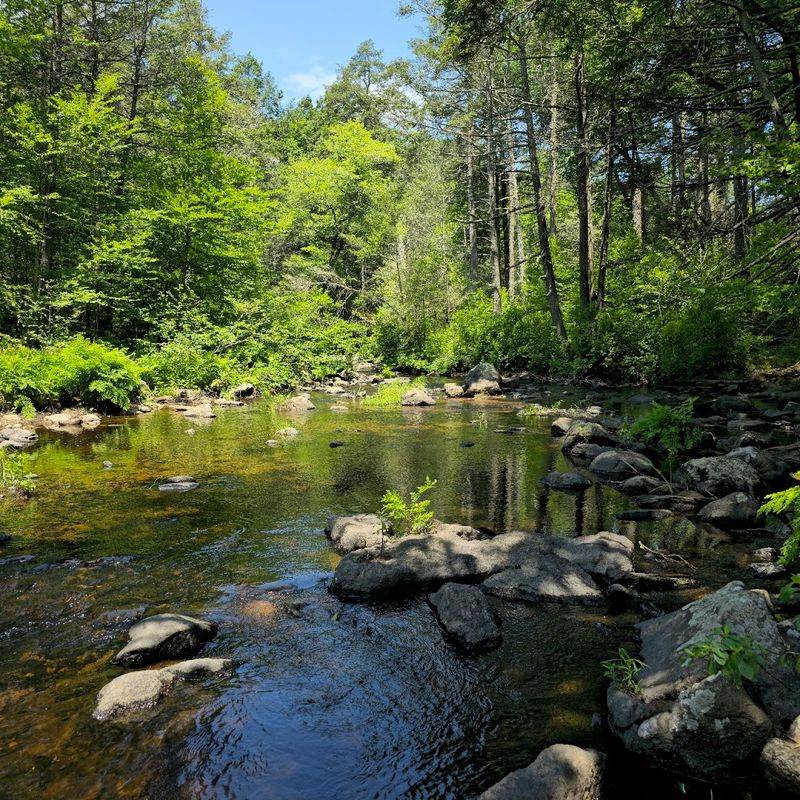
The Eight Mile River runs right through Devil’s Hopyard State Park, and it is one of the most photogenic stretches of moving water in all of Connecticut.
The river shifts personality constantly, going from calm glassy pools to quick rocky riffles within just a few hundred feet.
In spring, the water runs high and fast and the color turns that deep green-gray that rivers get when they mean business.
By summer, the flow slows down and the shallower sections become almost inviting, with smooth river stones visible through crystal clear water.
The Eight Mile River is actually designated as a National Wild and Scenic River, which is a big deal. That designation protects it from development and keeps the water quality exceptionally high.
You can see that quality firsthand. The riverbanks are clean, the water is clear, and the wildlife that depends on it is visibly thriving.
Wildlife Sightings Around Every Corner
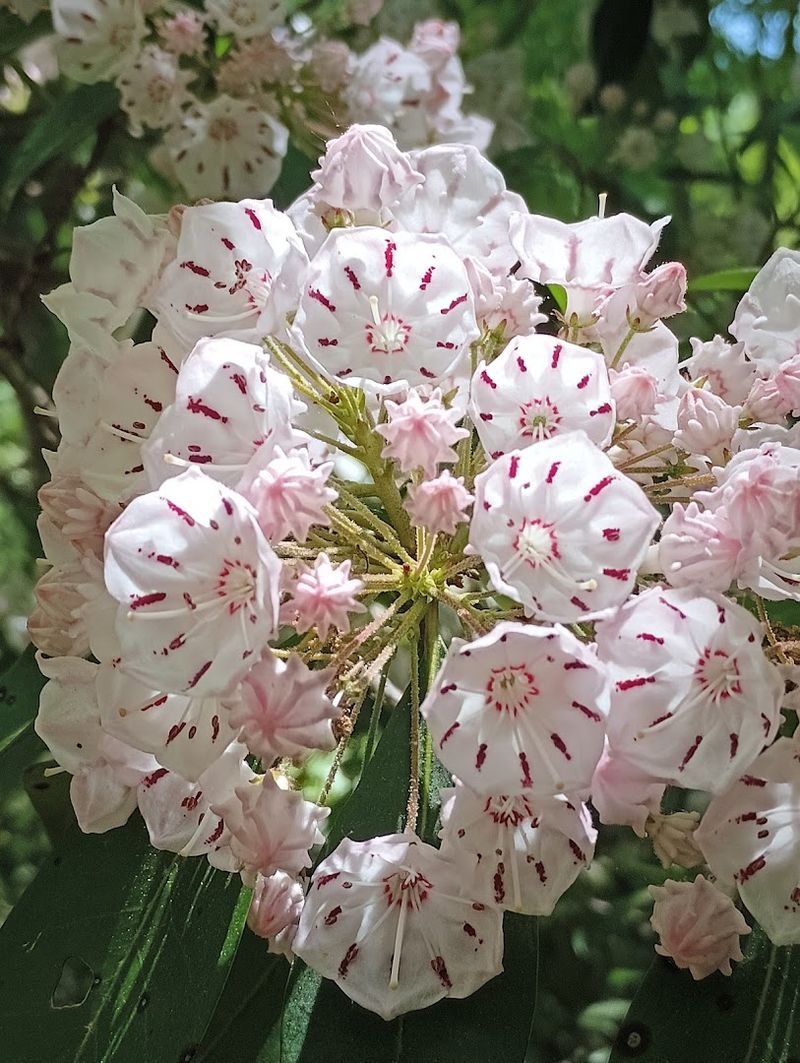
Connecticut might be a small state, but it packs in an impressive variety of wildlife.
Devil’s Hopyard State Park is one of the best places in the region to actually see it. The park’s protected forests and clean river corridor create conditions where animals genuinely thrive.
White-tailed deer are common sightings, especially in the early morning and late afternoon hours when they move toward the water.
Red foxes occasionally dart across the trail with that confident trot they have, acting like they own the place. Which, honestly, they kind of do.
Bird life here is exceptional. Warblers, thrushes, and woodpeckers are regular presences in the canopy. During spring migration, the forest practically hums with bird activity.
Salamanders and frogs are abundant near the wetter sections of the park, especially around the river’s edge and in the mossy rock zones near the falls.
The biodiversity of this park is a quiet testament to how well Connecticut has protected this corridor.
Camping Right In The Forest
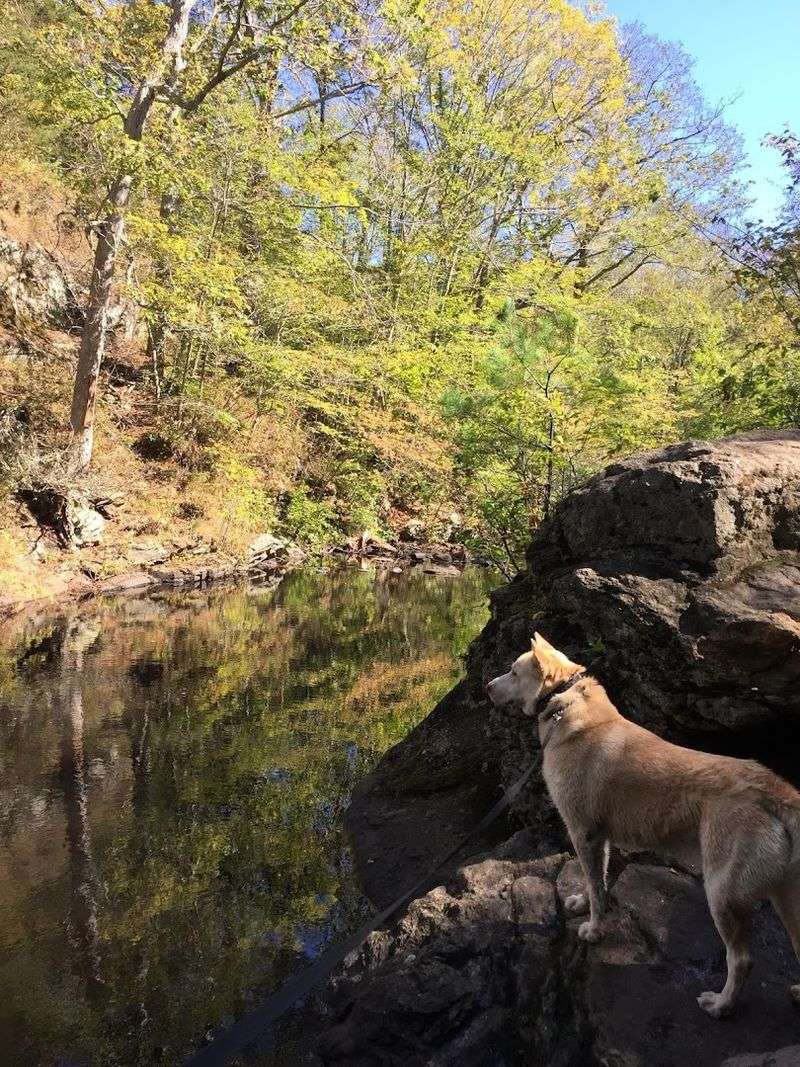
Spending a night at Devil’s Hopyard State Park is a completely different experience from a day visit.
The park has a campground that puts you directly in the woods, with sites surrounded by mature trees that block out most of the outside world.
The campsites are spread out enough that you get a real sense of privacy. There is no wall-to-wall tent city situation here. You pick your spot, set up camp, and the forest does the rest.
Falling asleep to the sound of the Eight Mile River in the background is the kind of thing that resets your whole nervous system.
The campground has basic facilities including restrooms, which is exactly the right balance between comfort and roughing it.
Firewood is available nearby, and the fire pits at each site are well-used and solid. There is something deeply satisfying about cooking over a camp stove while the smell of pine and damp earth fills the air around you.
One morning I woke up to a thick fog sitting low over the campground. The trees disappeared into the mist about halfway up and the whole scene looked like something out of a fantasy novel.
The Geology Here Is Wild
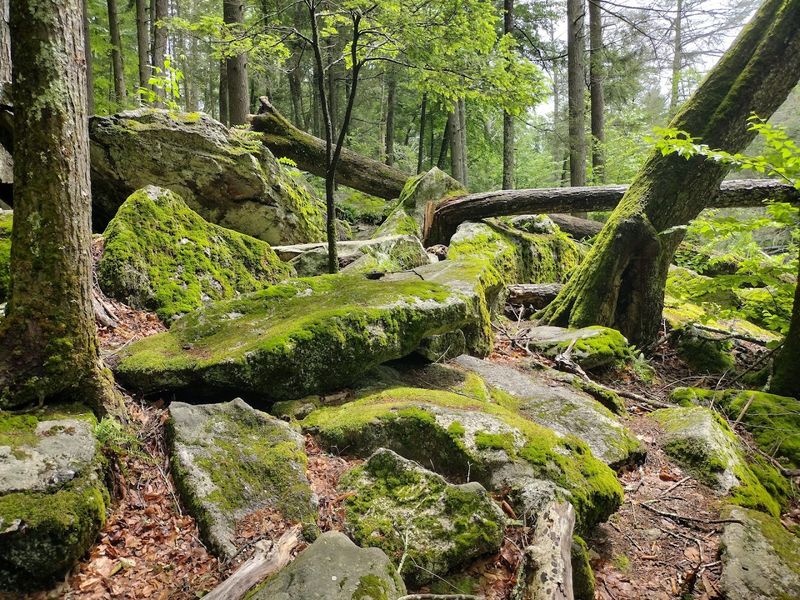
Most people come to Devil’s Hopyard State Park for the waterfall and the trails.
But the geology of this place is quietly one of its most fascinating features, and it does not get nearly enough attention.
The bedrock exposed near Chapman Falls is an ancient metamorphic rock known as Scotland schist. It formed hundreds of millions of years ago when this region was geologically very different from what it is today.
The dark, almost black color of the rock around the falls gives the whole area a dramatic, slightly otherworldly look that photographs do not fully capture.
Those potholes carved into the rock near the base of the falls are textbook examples of a process called pothole formation. Swirling water traps small stones and spins them in place for thousands of years, grinding perfectly circular holes into solid bedrock.
There is an old local legend that says the devil himself made those holes by burning his hooves on the rock. That story is actually part of where the park gets its name.
Geology and folklore in one place is a combination that I find hard to resist. Connecticut has layers, and this park shows them off beautifully.
Picnic Spots Worth Claiming Early
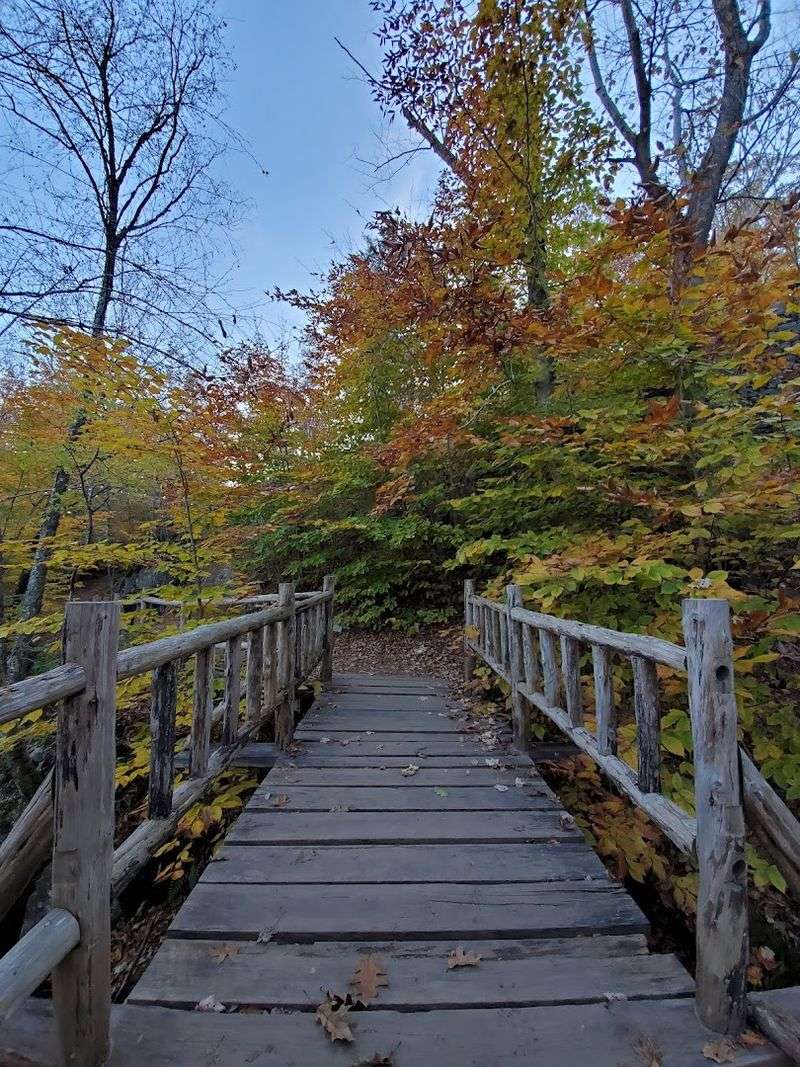
Picnicking at Devil’s Hopyard State Park is not an afterthought.
The park has designated picnic areas that are well-placed, putting you close to the river and the falls without crowding the natural scenery.
The best spots go fast on weekends, especially during the warmer months. Arriving early is the move.
The tables near the water get the best combination of shade and sound, with the river providing a constant background that makes a simple lunch feel like an event.
Grills are available at some of the picnic sites, which opens up the option for a proper outdoor cookout. The area around the picnic zone is kept clean and the grounds are well maintained.
Families tend to spread out across the open clearing near the parking area, letting kids run while adults set up food and take in the surroundings.
You rarely feel like you are competing for space, which is a luxury that more popular parks in Connecticut simply cannot offer on a sunny Saturday afternoon.
Best Time To Visit Here
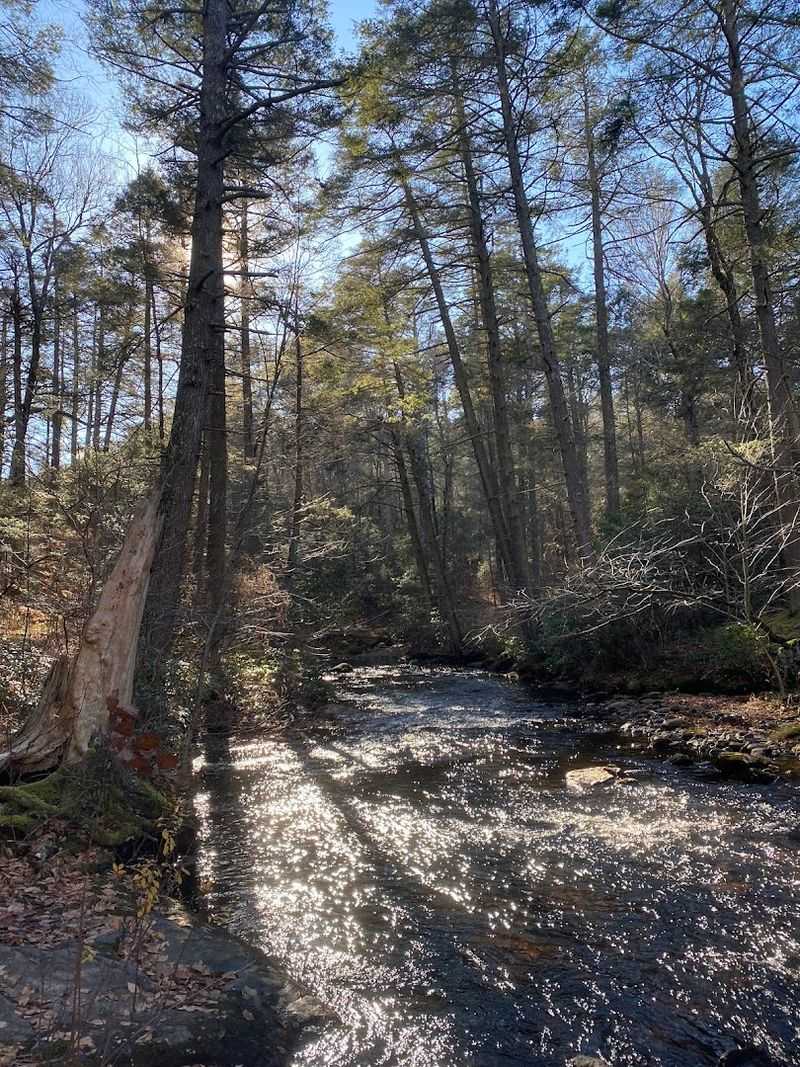
Timing a visit to Devil’s Hopyard State Park makes a real difference in what you experience.
Each season brings something distinct to the park, and honestly, there is no bad time to go, just different versions of great.
Fall is the showstopper. The hardwood forest transforms into a wall of orange, red, and gold that frames the falls and river in a way that feels almost theatrical.
The air gets crisp, the crowds thin out slightly after peak foliage weekends, and the light at midday is stunning through the canopy.
Spring brings high water to Chapman Falls and the Eight Mile River, making the waterfall more dramatic than at any other time of year.
The forest floor explodes with wildflowers in April and May, and the bird activity during migration peaks in ways that make every trail feel alive. Summer is lush and green, perfect for slower walks and longer picnic sessions.
Winter visits are underrated. The bare trees open up long sight lines through the forest that summer hides completely.