This Sleepy North Carolina Town Still Has Homes Under $150,000, And Moving There Might Make Sense
Housing prices have been acting like they swallowed a motivational speech and decided to climb forever.
That is why one quieter North Carolina town gets attention without needing to wave a giant sign.
In a market where bigger cities can make regular buyers feel like they showed up to an auction with lunch money, this place offers something that still feels possible.
Real homes at more manageable prices should not sound shocking, but here we are.
For anyone tired of watching listings disappear into budget-crushing territory, a community with lower housing costs can feel like a deep breath.
Nothing about homebuying is magically easy, because income, timing, and personal needs still matter.
Still, the appeal is hard to ignore.
A town like this gives people room to imagine ownership without immediately hearing their bank account yell, “Absolutely not.”
Homes Under $150,000 Still Show Up Here
Finding a livable home under $150,000 can feel almost mythical in many housing markets, but Kinston still has properties that land in that range.
Current listings show active homes below that threshold. Lower-priced options range from small bungalows and older single-family homes to modest ranches and fixer-uppers that deserve a careful inspection before anyone gets too excited.
That is the important part. A low price does not automatically mean easy living.
Some properties may need roof work, HVAC updates, electrical repairs, cosmetic improvements, or neighborhood research before they make sense. Still, the fact that these listings exist at all gives Kinston a real advantage for budget-conscious buyers.
Bigger North Carolina markets can make first-time ownership feel like a moving target. Kinston makes the math feel less impossible.
Buyers who are flexible, patient, and willing to compare condition carefully may find options that would be hard to imagine in Raleigh, Charlotte, Asheville, or many fast-growing suburbs. This is not a magic market with perfect houses at bargain prices.
It is a place where the starting line can still be lower, and that matters.
Eastern North Carolina Keeps Prices More Approachable
Lower prices in Kinston are not random. Eastern North Carolina has generally stayed more affordable than the state’s fastest-growing metro corridors, especially places tied closely to major job hubs, universities, tech growth, and heavy in-migration.
Kinston benefits from that distance. It sits away from the highest-demand housing pressure, which keeps many home prices more approachable for buyers who do not need to live near Raleigh, Durham, Charlotte, or Wilmington.
Everyday costs can also feel easier than in larger cities, though families should compare utilities, insurance, transportation, taxes, and repairs before assuming everything will be cheap. Affordability works best when the whole budget is honest.
A lower mortgage payment can create breathing room, but commuting costs, older-home maintenance, flood risk, and limited local job options can change the picture quickly.
That is why Kinston makes the most sense for certain buyers. Remote workers, retirees, locals with established jobs, investors familiar with the area, and first-time buyers willing to research each block closely often have the best experience.
The appeal is real, but it is not one-size-fits-all. Eastern North Carolina offers value because it is less overheated.
Buyers who understand why prices are lower will make better decisions than those chasing a number alone.
Downtown Kinston Has More Life Than Expected
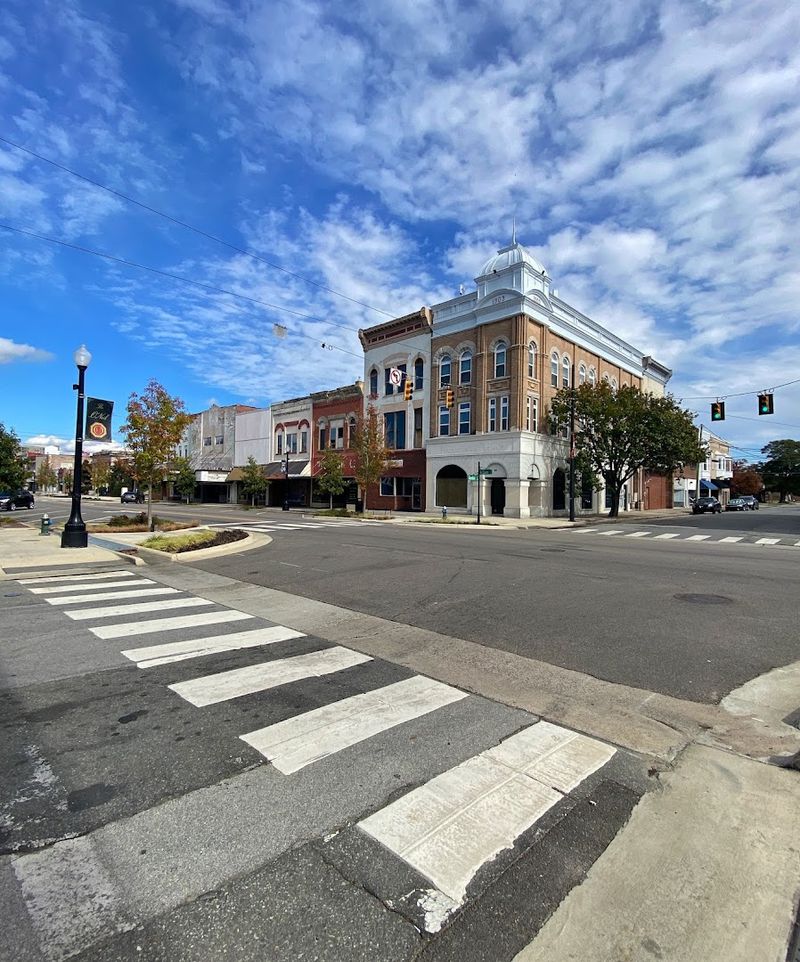
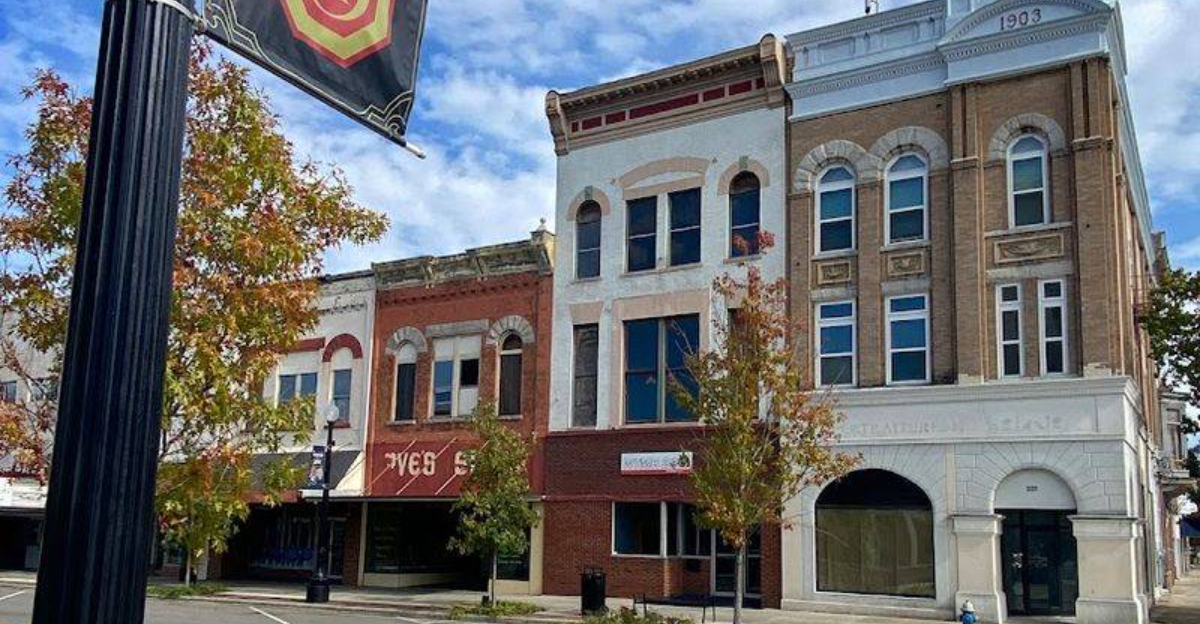
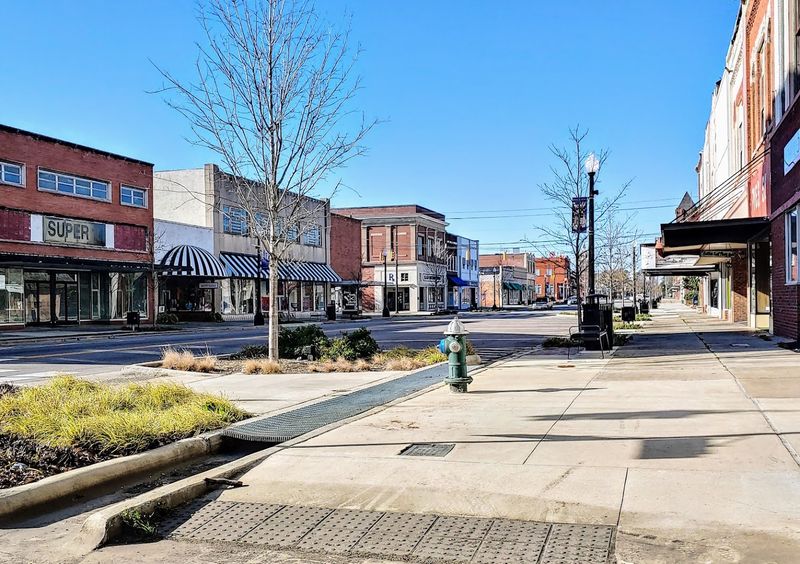
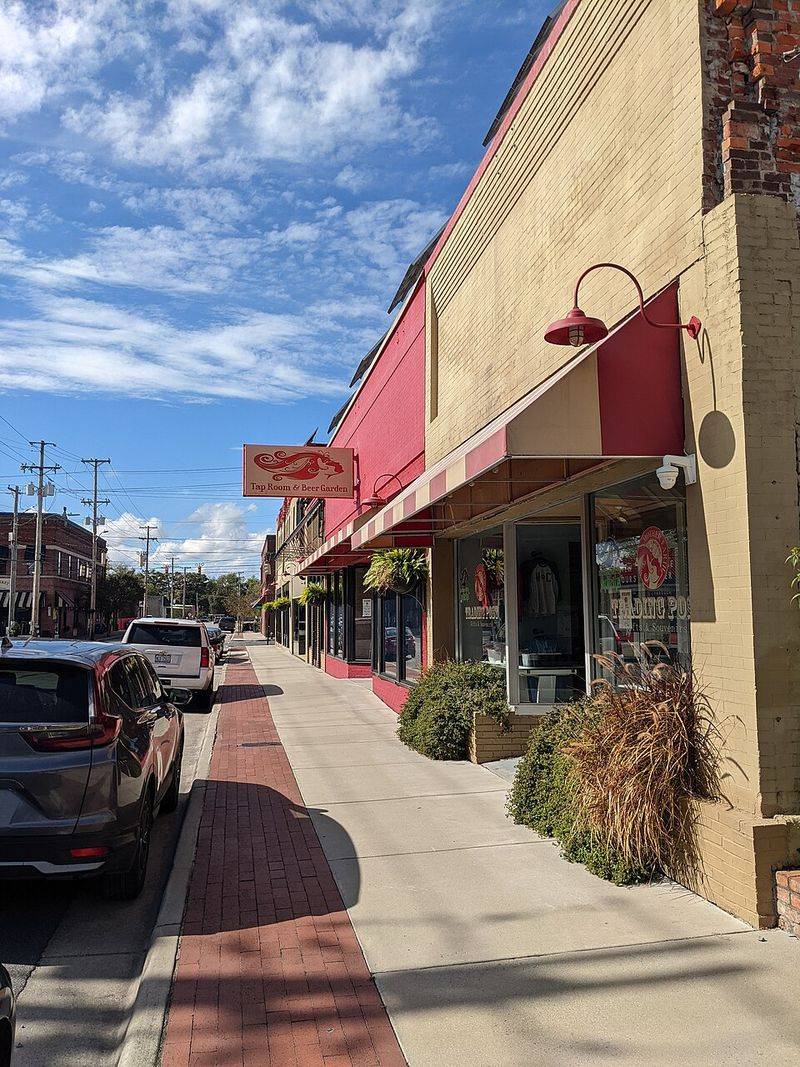
Downtown Kinston gives the town more personality than a quick drive-through might suggest.
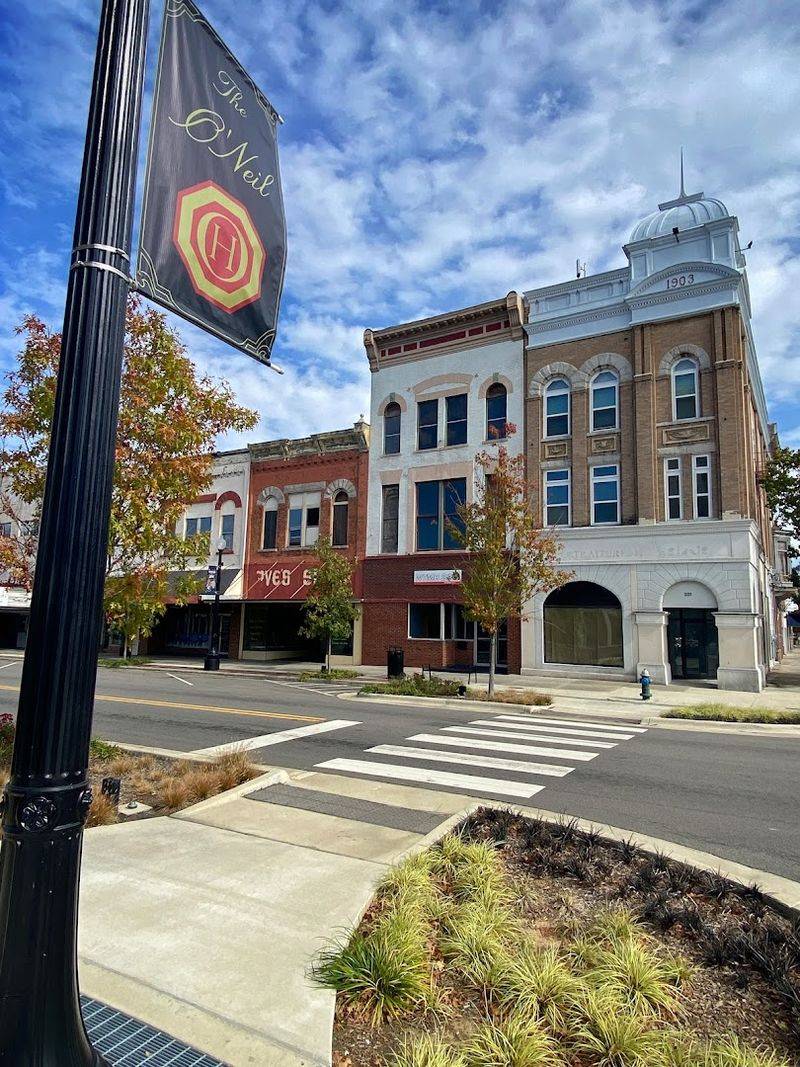
Queen Street and the surrounding blocks have seen years of revitalization, with restaurants, arts spaces, historic buildings, murals, small businesses, and community events adding visible life to the center of town.
That matters for anyone thinking about moving here because affordability alone is not enough. People still need somewhere to go, something to do, and a reason to feel connected.
Kinston’s downtown does not feel like a polished big-city district, and that is part of its character. It has empty spaces, older buildings, and signs of economic strain mixed with real creativity and local pride.
The city has earned attention for food, arts, and preservation, which gives newcomers more to explore than the home prices alone. Someone moving from a larger metro should not expect endless nightlife or luxury shopping.
That would be the wrong comparison. Kinston works better for people who appreciate smaller-scale momentum.
A coffee stop, a meal downtown, a gallery visit, a local event, or a walk past old commercial buildings can make the town feel more layered than its quiet reputation suggests.
The Neuse River Adds A Scenic Everyday Bonus

Living near a river changes the feel of a town, and the Neuse gives Kinston one of its strongest natural features. The river runs along the city, adding views, open space, wildlife, and a slower outdoor rhythm that does not depend on a paid attraction.
For residents, that can mean walking, fishing, biking, picnicking, or simply having a scenic place to clear your head without driving far. Kinston’s riverfront and nearby recreation areas make the town feel less flat and more connected to the landscape around it.
That said, river beauty comes with practical homework. Eastern North Carolina has dealt with major flooding in the past, and buyers should take flood maps, insurance costs, elevation, drainage, and storm history seriously before purchasing any property near low-lying areas.
The Neuse is an asset, but it is also part of the local risk profile. That is not a reason to dismiss Kinston.
It is a reason to be careful. A river can add genuine quality of life when a home is well-sited and properly insured.
The best version of moving here means enjoying the water while respecting what it can do during storms.
First-Time Buyers May Have Real Options
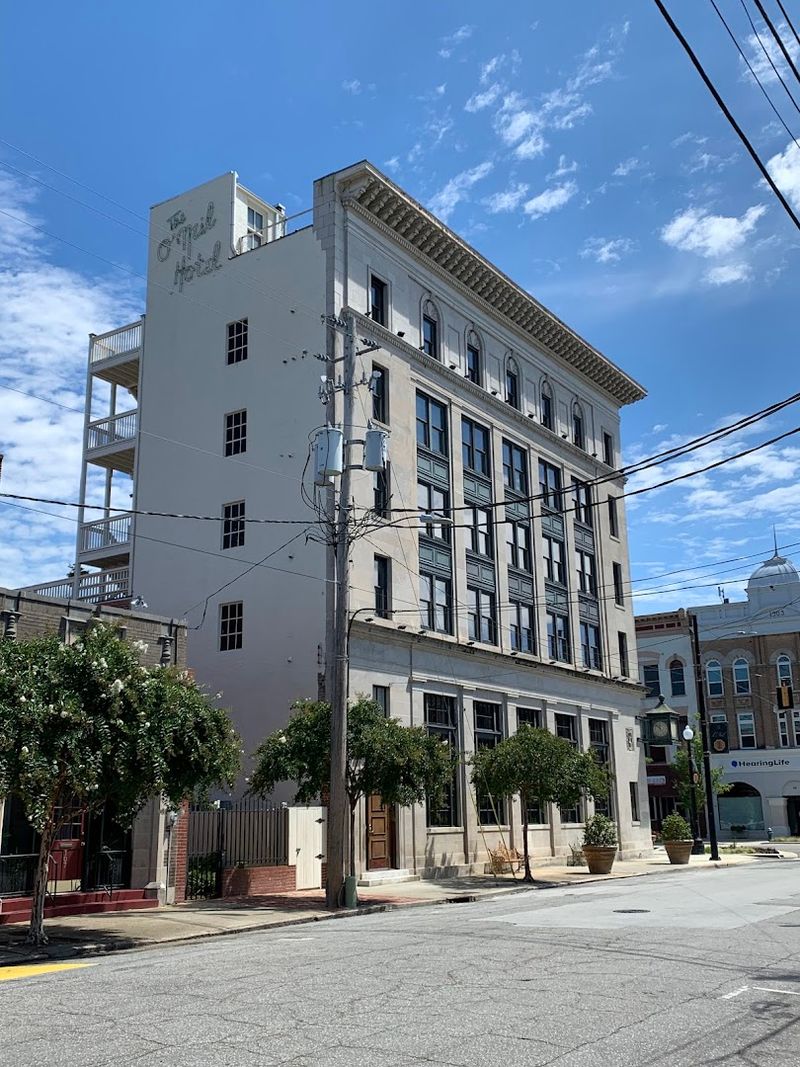
Stepping into the housing market for the first time is intimidating almost everywhere right now. Down payments, closing costs, and competitive bidding wars have pushed many first-time buyers to the sidelines in major metro areas.
Kinston offers a different entry point, one where the numbers can actually work in a buyer’s favor.
At price points under $150,000, the required down payment on a conventional loan becomes far more manageable. A 5% down payment on a $120,000 home is $6,000, compared to $30,000 or more in high-cost cities.
That difference is what separates dreaming about homeownership from actually achieving it.
Several state and local assistance programs in North Carolina also target first-time buyers, offering grants and low-interest loan options that can reduce upfront costs even further.
Kinston’s affordability paired with those resources creates a combination that financial advisors rarely get to point clients toward anymore.
For buyers ready to stop renting and start building equity, this city presents one of the more realistic paths available in the current market.
Older Homes Bring Charm And A Few Projects
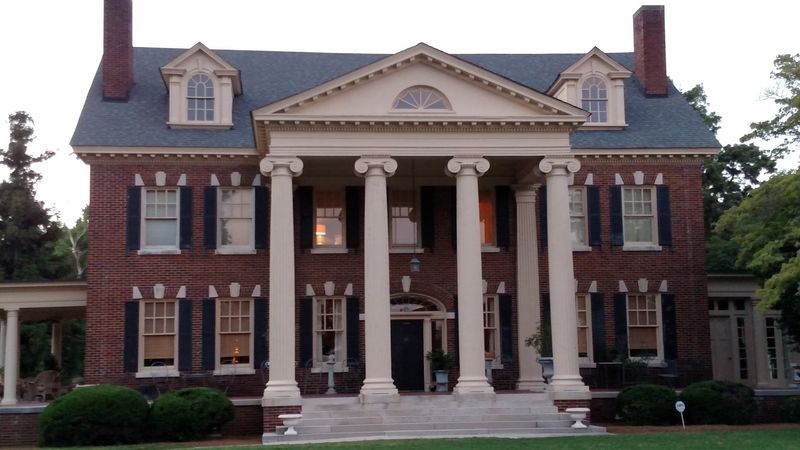
Kinston has the kind of older residential streets that can tempt anyone who loves porches, hardwood floors, mature trees, and houses with actual character. Many lower-priced homes in town are older properties, which can be a gift or a warning depending on condition.
The charm can be real: bungalow shapes, traditional layouts, vintage details, deep lots, and neighborhoods with a stronger sense of age than newer subdivisions. The projects can be real, too.
Older homes may need updated wiring, plumbing, roofing, insulation, windows, drainage, paint, flooring, or foundation attention. Buyers should not romanticize that part away.
A $125,000 house can be a smart purchase if the structure is solid and repairs are manageable. It can also become a money pit if inspection issues stack up quickly.
Renovation-minded buyers may find Kinston appealing because the lower entry price leaves more room for improvements than pricier markets allow. The best approach is practical enthusiasm.
Admire the original details, then call the inspector. Notice the porch, then check the crawl space.
Kinston’s older homes can offer beauty, space, and affordability, but they reward buyers who respect both the charm and the work.
Food, Arts, And History Give The Town Extra Pull
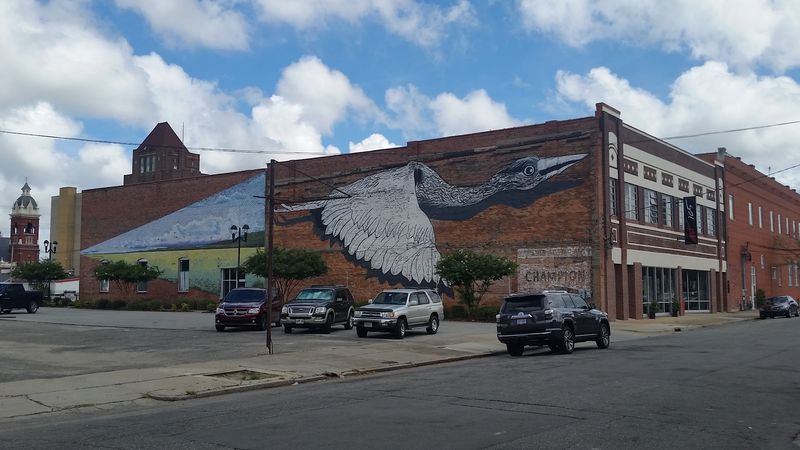
A town’s personality shows up most clearly in its food and creative scene, and Kinston has developed both with surprising depth.
The city has earned a regional reputation for its farm-to-table dining culture, driven in part by chefs who have chosen to plant roots here rather than chase bigger city stages.
CSS Neuse State Historic Site, found at 100 North Queen Street, preserves the remains of a Confederate ironclad gunboat and offers a window into the Civil War history that shaped this part of eastern North Carolina.
The arts community here is small but active, with events, exhibitions, and public installations that reflect genuine local creativity rather than imported trends.
Food festivals and community gatherings draw visitors from surrounding counties, giving the town an energy that punches above its weight.
For people who want culture without the congestion of a major city, Kinston delivers a satisfying and authentic version of it.
The Lower Price Tag Comes With Trade-Offs
Honest conversation about Kinston has to include the full picture, not just the appealing parts. The city has faced economic challenges over the years, including job losses tied to the decline of tobacco farming and textile manufacturing that once anchored the regional economy.
Those shifts left marks that are still visible in certain neighborhoods and commercial strips.
The unemployment rate has historically stayed above the state average. Meanwhile, certain professional services, specialty healthcare, and major retail chains still require a drive to larger cities like Greenville or Goldsboro.
For people accustomed to having everything within a short radius, that adjustment takes some getting used to.
School performance metrics in the area have also been a point of concern for families doing their research, making it worth looking closely at individual school options before committing to a neighborhood. None of these factors make Kinston a bad choice, but they do make it an honest one.
The low price tag reflects real conditions on the ground, and buyers who go in clear-eyed tend to find the experience far more rewarding than those who do not.