Tiny Coastal California Restaurant Packs A Michelin-Starred Dinner Into Just Over 20 Seats
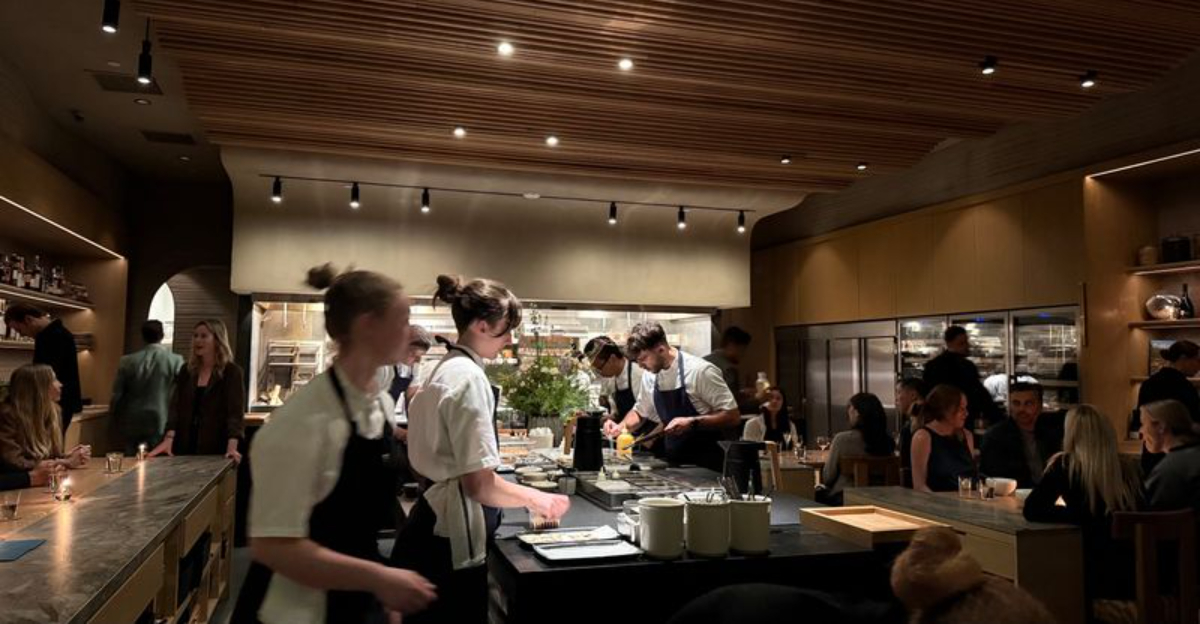
Tiny restaurants raise the stakes in the best way.
Every table feels intentional. Every plate has less room to hide.
A dining room with just over 20 seats does not have space for empty drama, so the food has to carry the whole experience.
That is where the magic happens.
Along the California coast, dinner can feel extra intimate when the room is small and the kitchen is working at this level.
The ocean-town setting helps, but the real draw is the rare feeling of being inside something carefully built.
Not crowded. Not flashy. Just close, focused, and quietly impressive.
A Michelin-starred meal in a room this small feels personal in a way bigger restaurants rarely manage.
You notice the details and how quickly a single dinner can start feeling like the reason for the whole trip.
Carlsbad Village Makes The Setting Feel Unexpected
There is something quietly surprising about finding a Michelin-starred restaurant in a village setting rather than on a well-known urban dining strip.
Carlsbad Village has a relaxed, walkable character that feels more like a neighborhood than a destination dining district, which makes the presence of Lilo feel genuinely unexpected in the best way.
The contrast between the casual coastal surroundings and the caliber of what is served inside adds a layer of charm that a city location would not provide.
Lilo is located at 2571 Roosevelt St, Carlsbad, CA 92008, sitting within easy reach of the village’s low-key streets and the Pacific coastline nearby.
The area does not announce itself as a fine dining hub, and that understatement seems to suit the restaurant’s personality.
Arriving for dinner here feels less like entering a performance and more like discovering something that rewards the people who sought it out.
For visitors traveling from outside San Diego County, Carlsbad Village itself offers a pleasant reason to arrive early and spend some time walking the area before a reservation.
The coastal setting adds a relaxed quality to the evening that a purely urban dining experience rarely delivers on its own.
The Michelin Star Arrived Fast
Six weeks is an unusually short time for any restaurant to earn a Michelin star, and that timeline alone signals something worth paying attention to.
Lilo opened on April 17, 2025, and received its star in June 2025 as part of the California Michelin guide, making it one of the fastest recognitions in recent memory for a newly opened spot.
The achievement is even more notable given the restaurant’s size and its location outside a major metropolitan area.
Carlsbad is a coastal city in San Diego County, and while it has developed a strong local dining culture, earning Michelin recognition there is still a meaningful distinction.
The star reflects the overall experience rather than a single standout dish, covering everything from the quality of the tasting menu to the consistency of service and the thoughtfulness of the setting.
Lilo was also included in The New York Times 2025 list of America’s 50 Best Restaurants, which arrived alongside the Michelin recognition as further confirmation of the restaurant’s standing.
For diners who follow food culture closely, both honors together suggest that what is happening in this small Carlsbad space is genuinely competitive with restaurants in much larger cities.
Only A Few Diners Get This Counter Seat Each Night
Getting a seat at Lilo is not like booking a table at a typical restaurant, and that distinction matters before anything else is said about the food.
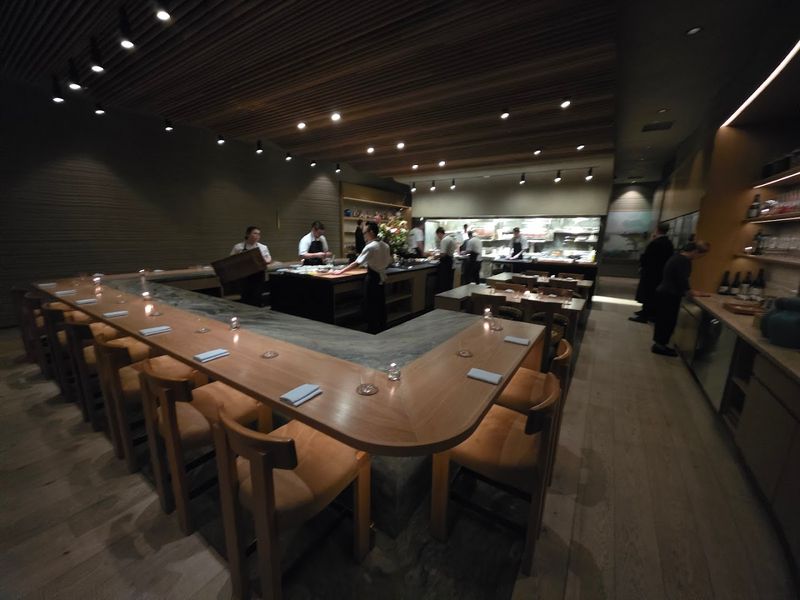
The restaurant centers on a 22-seat chef’s counter, with some configurations including 14 counter seats and two four-seat tables, all arranged so that guests are genuinely close to where the cooking happens.
That physical closeness to the kitchen is not a gimmick or a design flourish added for atmosphere.
The limited seating is the entire foundation of what makes the experience feel different from a conventional fine dining meal.
When fewer than two dozen people share a space on any given evening, the pace of service tends to feel measured and personal rather than rushed or impersonal.
Each course arrives with a clear sense of intention, and staff members take time to explain what is on the plate.
Securing a reservation well in advance is strongly recommended, since the small capacity means availability fills up quickly.
Planning ahead is simply part of the experience here, and approaching the reservation process with that mindset makes the whole evening feel more like an event worth anticipating rather than a last-minute decision.
The Open Kitchen Is Part Of The Show
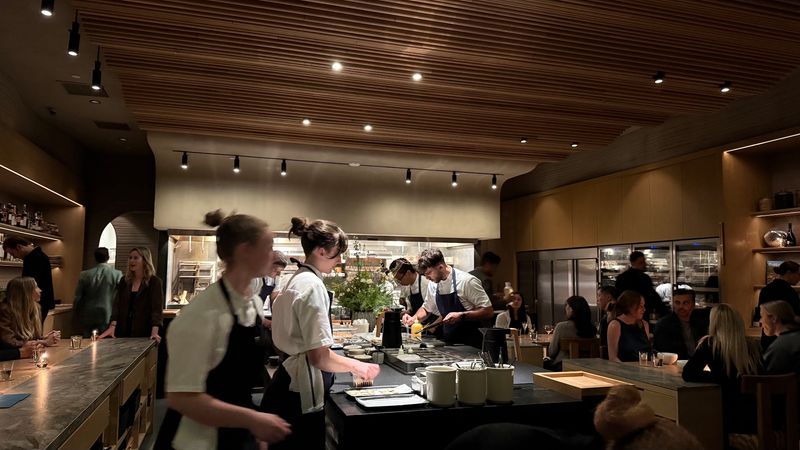
Watching a meal come together in real time changes the way dinner feels, and at Lilo that visibility is built directly into the layout.
The counter seats wrap around the open kitchen, so the preparation of each course unfolds in full view rather than behind closed doors.
Guests can observe the precision and care that goes into each plate without needing to imagine what the kitchen looks like.
That transparency tends to make the meal feel more collaborative than transactional.
When a chef brings a dish to the counter and explains its components, the explanation lands differently because the guest has already watched parts of it being assembled.
The sensory experience of seeing, then smelling, then tasting creates a rhythm that feels layered and intentional rather than abrupt.
The noise level at a counter this intimate tends to stay conversational rather than loud, which makes it easier to hear the dish descriptions clearly and to talk with the people seated nearby.
For guests who appreciate understanding what they are eating and why certain ingredients were chosen, the open kitchen format provides a level of context that a traditional dining room setup rarely offers.
The kitchen becomes as much a part of the evening as the food itself.
The Menu Leans Into The Coast
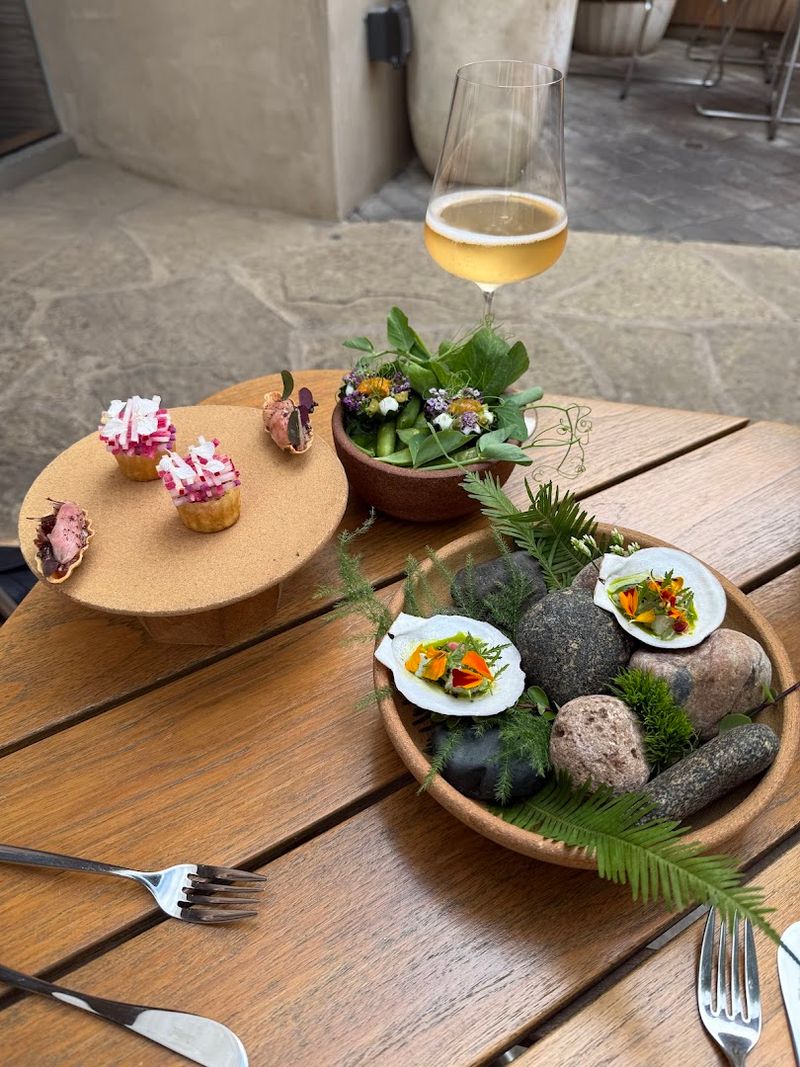
Seafood anchors the tasting menu at Lilo, with a concept described as rooted in the California coast and the world’s shorelines.
The multi-course format draws on coastal ingredients and global coastal influences, which gives the menu a consistent identity even as individual dishes shift with the seasons and ingredient availability.
Abalone, scallop, lobster, and sea bream have appeared on past menus, though specific courses may vary depending on what is available at the time of a visit.
Each course tends to arrive with a detailed explanation from a staff member covering where the ingredients were sourced and how the dish was prepared.
That level of transparency about sourcing and technique reflects a kitchen that is confident in its decisions and wants guests to understand the reasoning behind each plate.
The portions in a tasting menu format are deliberately smaller than a standard entree, but the progression of courses is designed so that guests leave feeling genuinely satisfied.
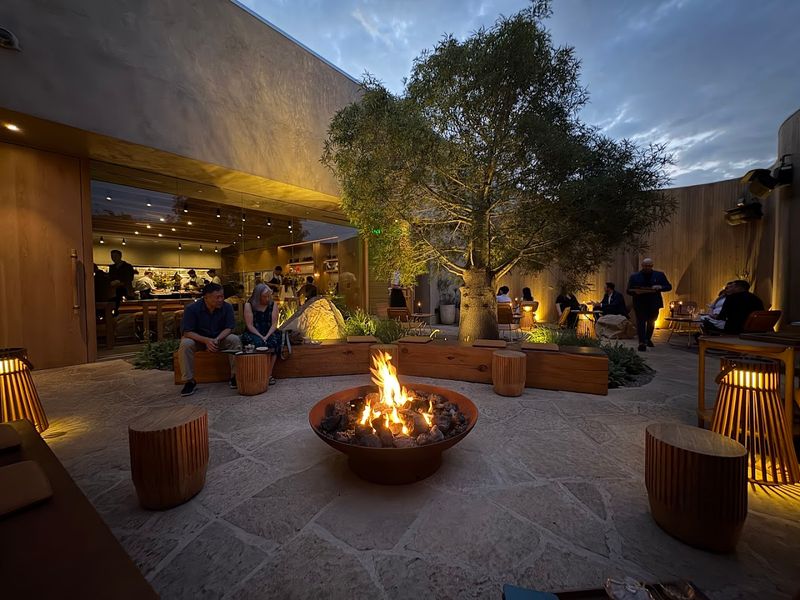
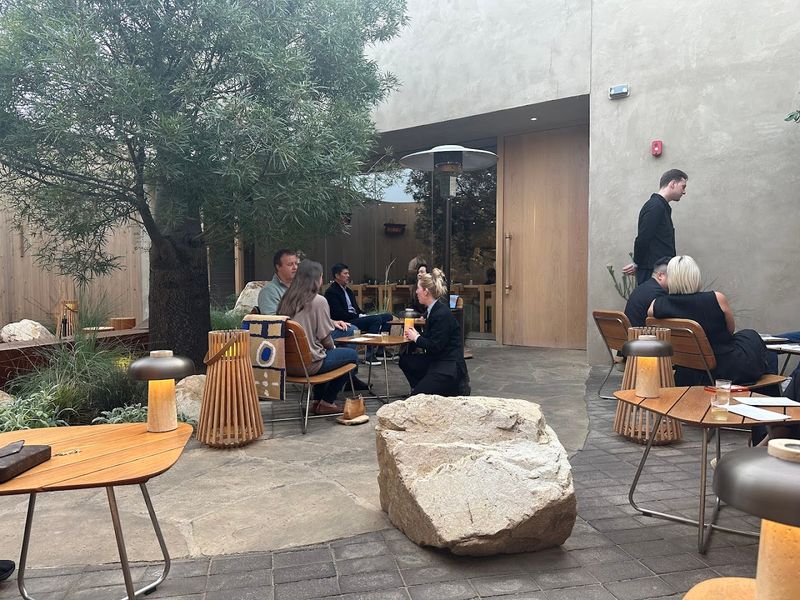
The experience begins outdoors on a heated patio with canapés before guests move inside to the main counter for the full progression of courses.
That movement between spaces gives the evening a natural sense of pacing and transition that keeps the meal from feeling stationary or monotonous from start to finish.
The Room Looks Warm Instead Of Stiff
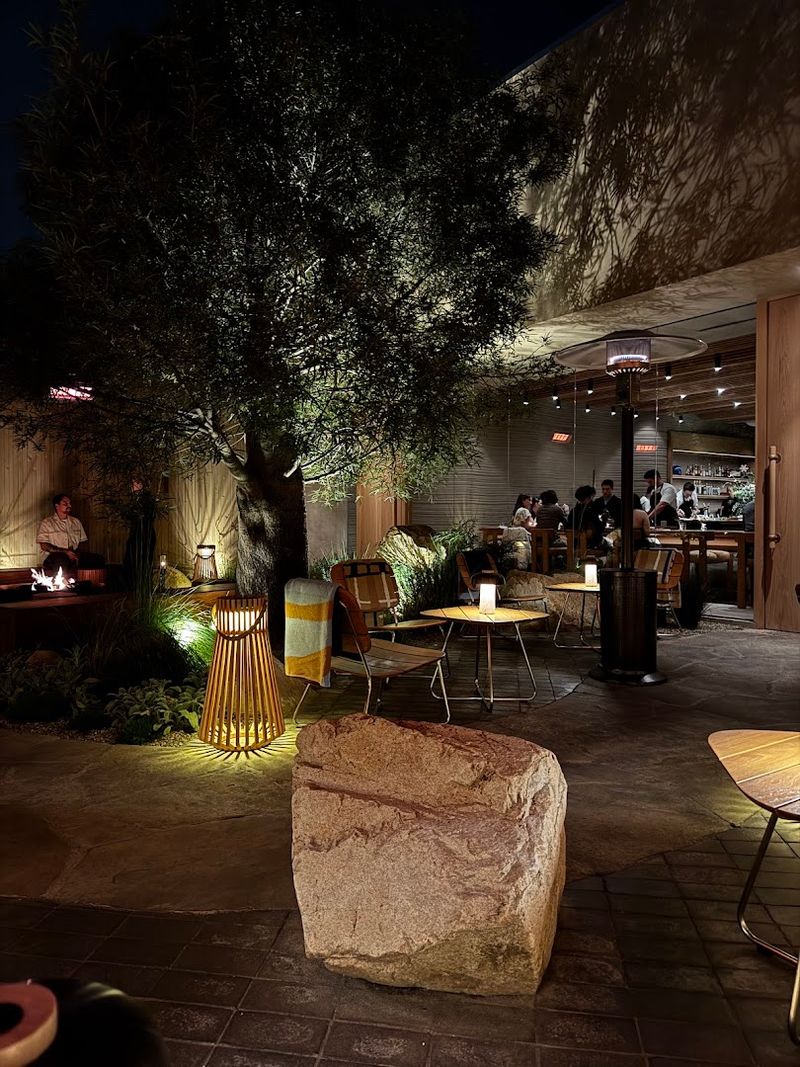
Fine dining spaces sometimes carry a formal tension that makes guests feel like they need to behave a certain way from the moment they walk in, but Lilo pushes back against that expectation.
Wood surfaces, soft lighting, and counter seating give the interior a grounded warmth that feels more like a well-designed home kitchen than a ceremonial dining hall.
The atmosphere is refined without being rigid, which tends to put guests at ease earlier in the evening.
The experience starts outside on a heated patio where canapés are served before the main courses begin indoors.
That outdoor-to-indoor progression adds a casual, welcoming quality to the arrival that softens the transition into a multi-course tasting format.
By the time guests move to the counter, the evening already has a comfortable momentum built into it.
Sound levels at a space this size stay manageable, and the music selection has been described as fitting the room’s tone without overpowering conversation.
The scent of the kitchen, the texture of the counter, and the visual rhythm of watching dishes being prepared all contribute to an atmosphere that feels considered rather than accidental.
For guests who find traditional fine dining rooms stiff or intimidating, the physical environment at Lilo tends to work against that discomfort from the start.
Reservations Matter Here
A restaurant with just over 20 seats operates on a completely different availability model than a larger venue, and understanding that changes how someone should approach planning a visit.
Lilo takes reservations through its website at restaurantlilo.com, and given the limited counter space, seats fill up well ahead of time especially on weekends.
Treating the reservation as a required step rather than an optional one is the practical starting point for anyone serious about going.
The restaurant is open Tuesday through Saturday from 5 to 10 PM and is closed on Sunday and Monday.
The hours are consistent but the format is fixed, meaning there is no walk-in option or bar seating that allows for a more spontaneous visit.
Prepayment for the tasting menu is part of the booking process, which removes the need to handle a bill at the end of the evening and lets guests focus entirely on the experience.
Parties larger than four should note that the maximum group size the restaurant can seat together is four guests, so larger groups may be seated in separate sections.
Keeping that detail in mind when planning a group outing avoids disappointment on the night of the reservation.
The Price Point Makes It A Special-Occasion Spot
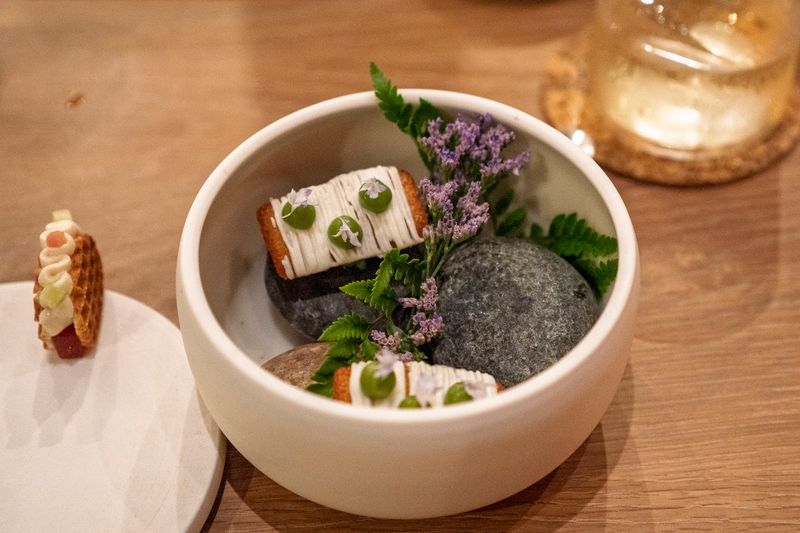
At $265 per person before tax and gratuity, the tasting menu at Lilo sits firmly in special-occasion territory, and approaching it with that framing makes the investment feel appropriate rather than surprising.
The base price covers the full multi-course progression, and optional add-ons such as white truffles or supplemental courses are available for guests who want to extend the experience further.
Going in with a clear sense of the total cost including add-ons helps avoid sticker shock when the final amount is tallied.
The prepaid format means the financial part of the evening is handled before guests arrive, which removes a common source of end-of-meal awkwardness at high-end restaurants.
That structure also allows the staff to focus entirely on the experience rather than managing payment logistics during service.
For guests celebrating a birthday, anniversary, or other meaningful occasion, the prepaid and fully planned format tends to suit the celebratory mood well.
The value of the experience extends beyond the food itself, covering the setting, the service rhythm, the open kitchen access, and the overall pacing of the evening.
For guests who have attended other tasting menus at comparable price points, the consensus from those who have visited suggests that Lilo delivers a strong return on the investment relative to what is offered inside those 20-plus seats.