The Iconic Scenic Idaho Bike Trail Offers 15 Miles Of Tunnels, Trestles, And Mountain Views
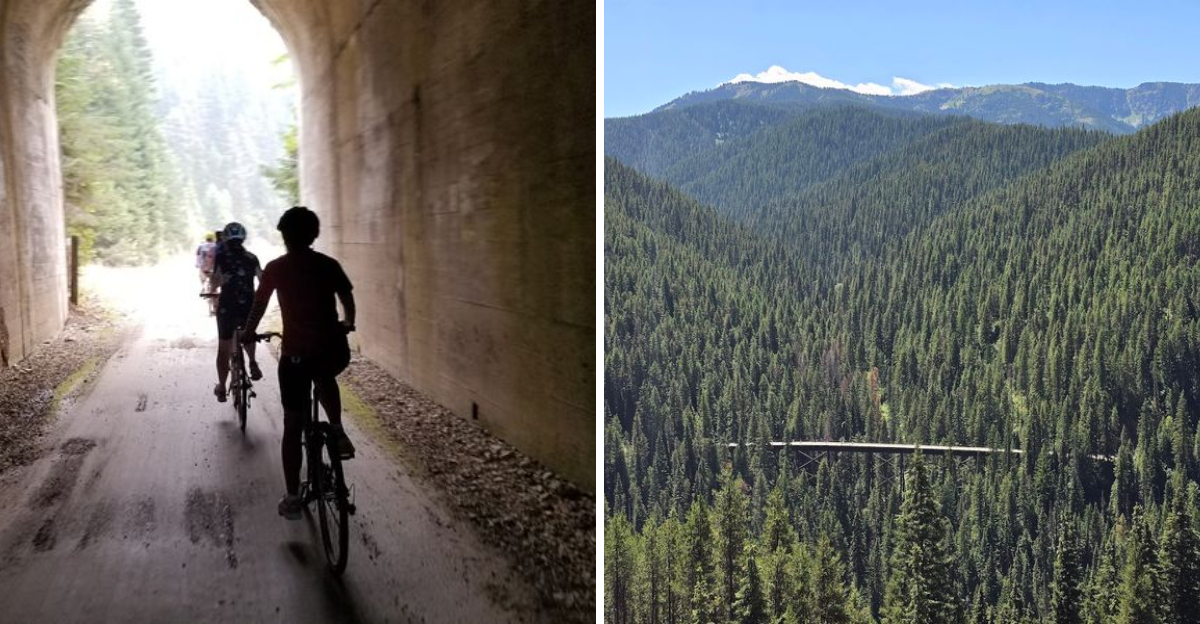
Starting a bike ride inside a mountain tunnel feels like the trail is trying to scare you just enough to earn your attention.
The first stretch disappears into darkness for more than a mile, and suddenly the sunny outdoor plan feels much more serious.
This Idaho ride does not ease people in with gentle scenery.
It begins cold, damp, and dramatic, like the mountain wants to check everyone’s preparation before revealing the good part.
A strong light matters here. So does a jacket, unless shivering sounds like a fun personality choice.
Water can drip overhead, and the surface may feel slick in spots, so steady riding wins over showing off.
Then daylight finally appears, the mountains open wide, and the whole adventure feels much bigger than expected.
Pedal Into The Tunnel Before The Views Open Up
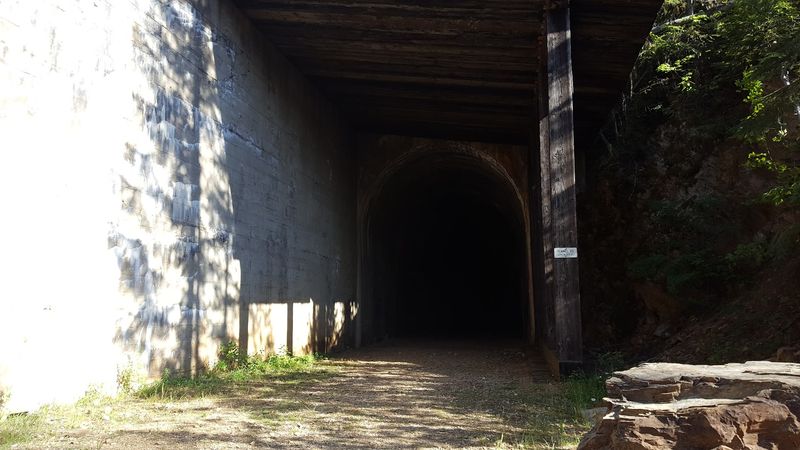
Before the sweeping mountain panoramas appear, riders on the Route of the Hiawatha must first earn their views by passing through one of the most thrilling tunnel entrances on any trail in the country.
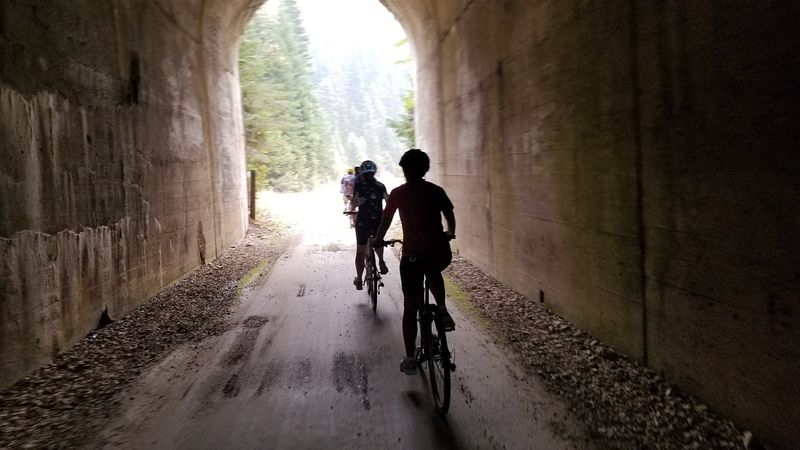
The Taft Tunnel, stretching nearly 1.7 miles long, greets cyclists right at the start near Taft, Montana, setting the tone for everything that follows.
Riding through complete darkness with only a headlamp cutting through the cold, damp air creates a sense of suspense that no other trail can replicate.
The tunnel was originally built in the early 1900s as part of the Milwaukee Road railroad line, and its sheer scale still impresses riders more than a century later.
Cool temperatures inside the tunnel hover around 34 degrees Fahrenheit year-round, so having a light jacket hidden into a bag makes a noticeable difference.
Once riders emerge on the Idaho side, the sudden burst of daylight and mountain color feels almost cinematic.
That dramatic contrast between darkness and open sky is what makes this first section so unforgettable for everyone who rides it.
Let The Downhill Ride Do Most Of The Work
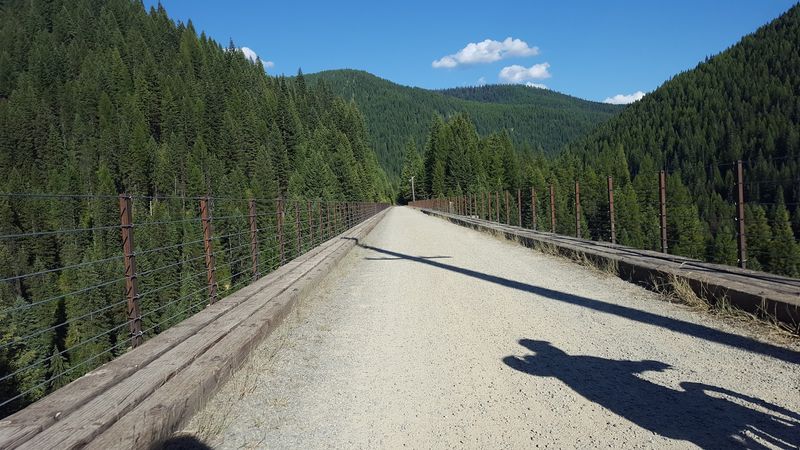
A gentle downhill grade is one of the biggest reasons this trail draws riders who might normally avoid mountain biking. The Route of the Hiawatha was built on an old railroad line, so the grade stays mild instead of turning into a punishing climb.
That original railroad engineering now works beautifully for bikes. Riders can roll through the 15-mile route with gravity helping most of the way, which makes the experience approachable for families, casual cyclists, and visitors who want scenery more than suffering.
That does not mean the ride is effortless. The trail surface is gravel, tunnels are dark, and the route still requires attention.
Good brakes matter because the steady descent can let speed build without much warning. A bike with wider tires is more comfortable than a skinny road bike, especially on rougher sections.
Helmets are required, and lights are essential for the tunnels. The best pace is relaxed, not rushed.
Letting the downhill grade do the work gives riders more energy to enjoy trestles, signs, views, and photo stops. This is not a race.
It is a rail-trail adventure designed to be savored one easy downhill stretch at a time.
Cross Trestles That Make The Mountains Feel Huge
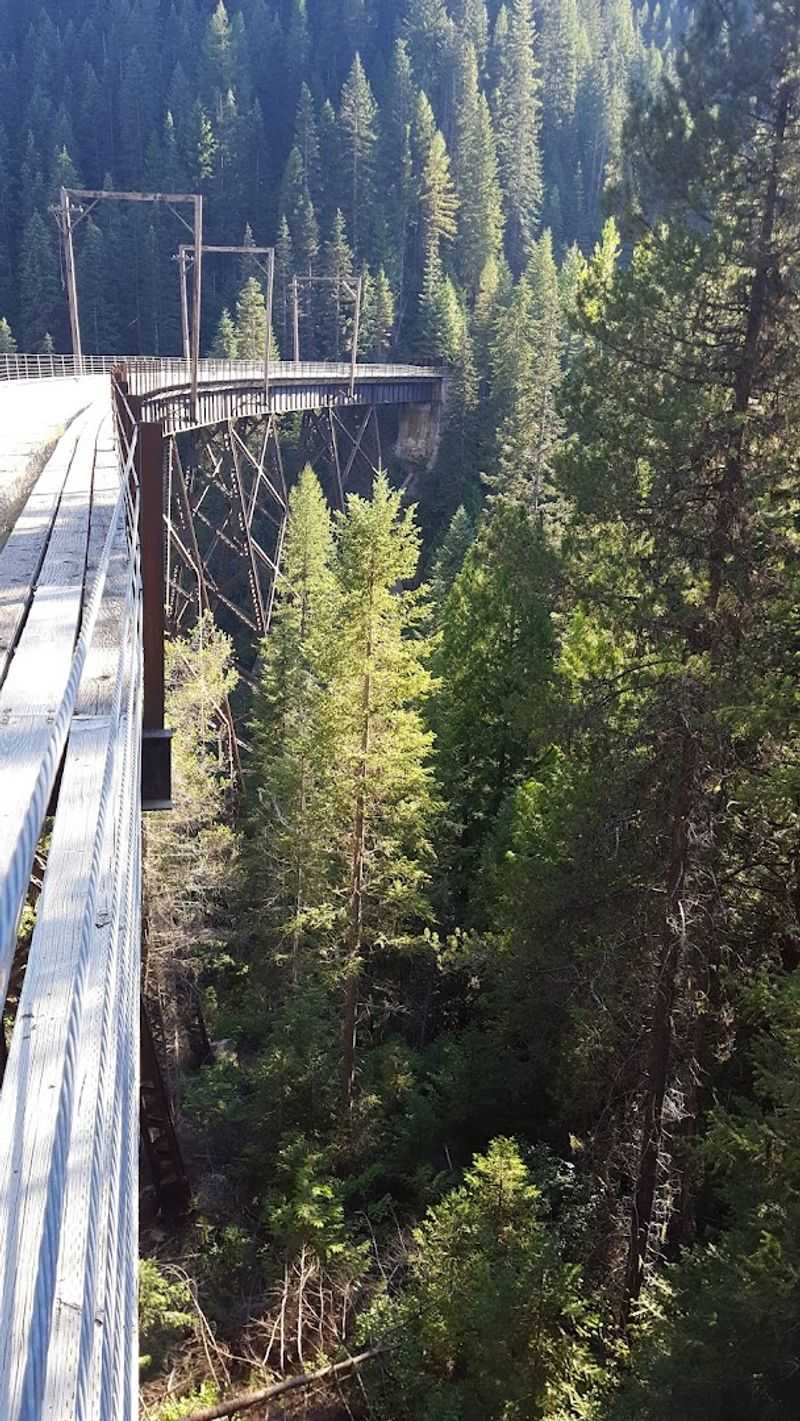
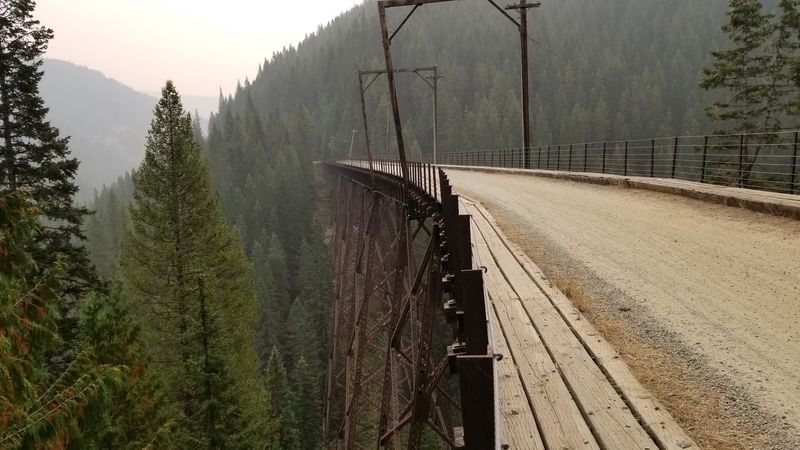
Trestles give the Route of the Hiawatha its biggest open-air thrills, and seven of them help turn the ride into something unforgettable. The trail crosses high railroad bridges that once carried trains across deep ravines and forested mountain cuts.
On a bike, those crossings feel both exciting and slightly unreal. The structure beneath you is solid, but the drop, the wind, and the wide view make the mountains feel enormous.
Some riders pedal across slowly. Others stop, walk the bike, and take in the view without pretending they are braver than they are.
Either approach works. The trestles are part of the trail’s restored railroad identity, and they give riders a physical sense of what it took to push a rail line through this rugged country.
Forest rises on every side. Valleys open below.
The old route bends through terrain that would feel almost impossible without those bridges. Photos from the trestles are usually some of the best from the entire ride, but the feeling is better than the picture.
Standing above the trees on a former railroad span makes the 15-mile trail feel much larger than its distance.
Bring A Light For The Darkest Tunnel Moments
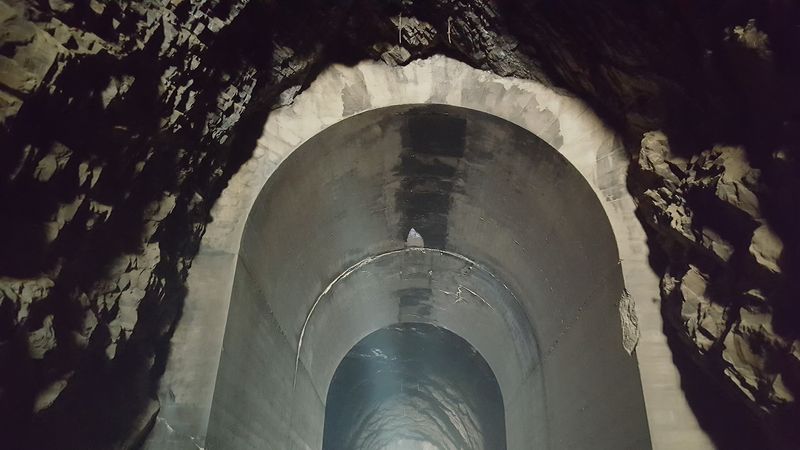
Tunnel riding is one of the great joys of the Hiawatha, but it is only fun when riders are prepared. The route is known for 10 tunnels, though not every tunnel experience is the same, and the long St. Paul Pass Tunnel is the one that demands the most respect.
Some tunnel stretches are short enough for daylight to help. Others turn dark fast.
A strong light lets riders see the gravel, walls, other cyclists, puddles, and any uneven spots before they become problems. A helmet light is especially useful because it points where you look.
A handlebar light helps fill in the trail ahead. Together, they make the ride calmer and safer.
The tunnel air can feel cold even on warm summer days, so layers belong in the plan. Gloves can help if your hands chill easily.
Water dripping from the ceiling adds atmosphere, but it can also make glasses, phones, and snacks damp if they are not packed well. Riders who rent gear through the trail operation can usually get lights and helmets, but checking ahead is wise.
The tunnels are the signature experience. Showing up prepared makes them thrilling instead of stressful.
Stop Often When The Views Start Showing Off
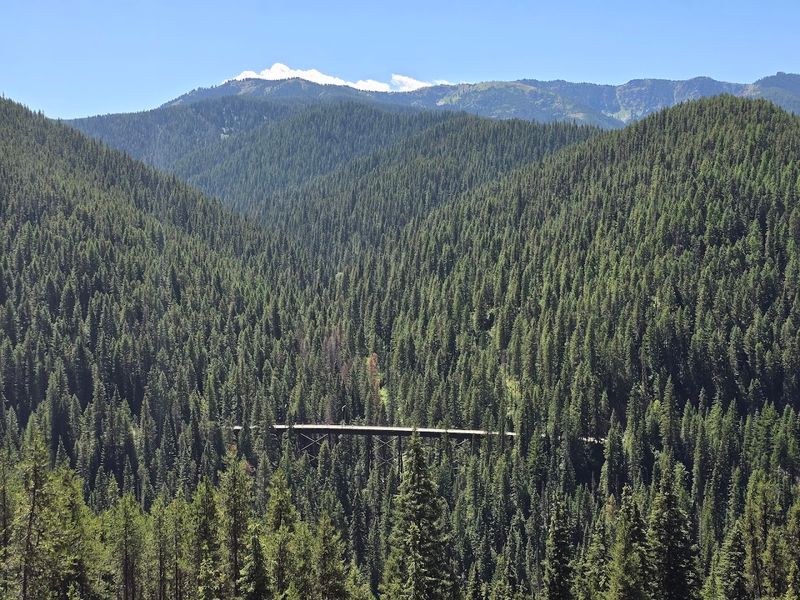
Rushing the Route of the Hiawatha misses half the point. The trail is only 15 miles, but the scenery, trestles, tunnels, interpretive signs, and quiet forest sections make it feel much fuller than the number suggests.
Pullouts and wider spots give riders chances to pause, drink water, take photos, and let faster groups pass. Those pauses matter.
The Bitterroot Mountains do not reveal themselves all at once. The views change between tunnel portals, bridge crossings, shaded forest, open cuts, and curves where the old railroad grade suddenly gives riders a new angle.
Summer brings green slopes, wildflowers in places, and enough shade to make the ride feel cooler than many lower-elevation trails. Wildlife is possible, though riders should never count on sightings or crowd animals if they appear.
A snack break on a safe wide section can make the outing feel more like a mountain picnic than a workout. Bring water, a small lunch, and layers that can handle both sun and tunnel cold.
The trail rewards people who look around instead of only watching the mileage. Every stop adds texture to the ride, and the best views often happen when you were planning to keep moving.
Use The Shuttle When Your Legs Vote No
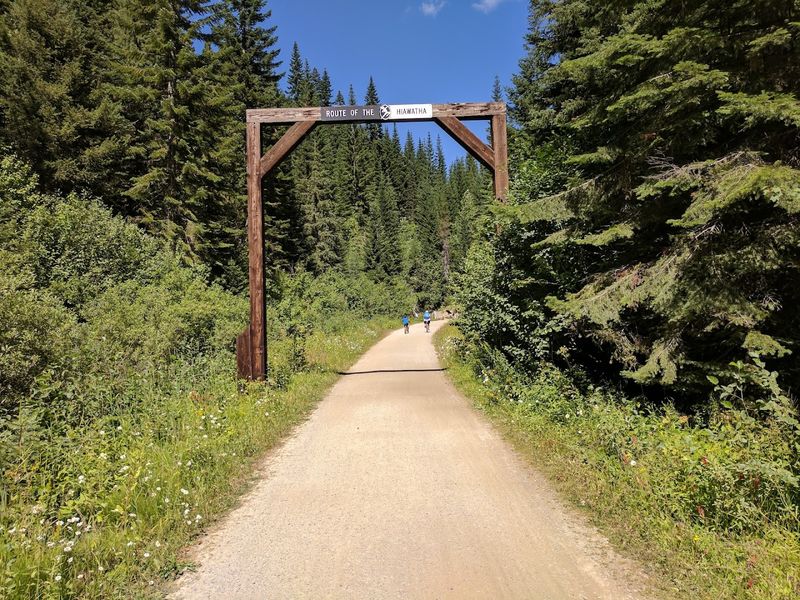
The downhill ride is famous for being approachable, but getting back to the top is where planning matters. Many riders use the paid shuttle system rather than turning around and pedaling uphill.
Shuttle service typically carries riders and bikes from the lower end of the trail back toward the upper access area. This setup helps families, casual cyclists, and tired legs finish the day without turning the route into a much harder climb.
Passes, shuttle tickets, and rental options should be handled before the ride, especially on busy summer weekends and holidays.
The trail operates seasonally, generally from late spring or early summer into early fall, with daily riding hours that normally run through the afternoon. Exact dates, shuttle details, ticket rules, and rental availability can change, so checking current information before driving out is essential.
The shuttle can also affect timing. Lines may build on popular days, and riders should leave enough cushion instead of planning a tight schedule after the ride.
Choosing the shuttle is not cheating. It is part of the way most visitors enjoy the trail.
Save your energy for tunnels, trestles, and mountain views, then let the return ride handle the climb.
Make Lookout Pass Part Of The Adventure
Lookout Pass is the practical hub that makes the Hiawatha easier for first-time riders to understand. The ski area sits at the Idaho-Montana state line near Interstate 90 and handles many of the trail services visitors need, including information, passes, rentals, helmets, lights, and shuttle planning.
The actual East Portal trailhead is reached from the Taft exit in Montana, so newcomers should not assume the lodge and the trail entrance are the same exact spot. That distinction matters.
Stopping at Lookout Pass first can help with gear, tickets, questions, snacks, and last-minute supplies before heading to the trailhead. It also gives the day a clearer starting point.
The surrounding pass area has its own mountain feel, with forest, ridges, and that border-country atmosphere that makes northern Idaho trips feel more remote than they look on a map. Riders who rent bikes should build in extra time for pickup, fitting, lights, helmets, and shuttle logistics.
Anyone bringing their own bike should still check requirements before arriving. Lookout Pass turns the Hiawatha from a confusing mountain outing into a manageable plan.
Treat it as part of the experience, not just a transaction before the fun begins.
Ride A Rail Trail That Feels Bigger Than 15 Miles
Fifteen miles sounds simple until the Route of the Hiawatha starts stacking tunnels, trestles, old railroad history, cold mountain air, and sweeping Bitterroot views into one ride. The trail follows a former Milwaukee Road corridor, which gives every tunnel portal and bridge a sense of purpose.
This was not a path designed only for recreation. It was once part of an ambitious railroad route through difficult mountain terrain, and that history still shapes the ride.
Interpretive signs along the way help explain pieces of that past, making the journey feel richer than a scenic bike path alone. Riders move through darkness, burst into sunlight, cross high bridges, coast through forest, and gradually understand why this trail has become such a famous Idaho adventure.
The experience works because it blends drama with accessibility. You do not need to be an elite cyclist to enjoy it, but you do need to respect the gear, gravel, tunnels, weather, and shuttle logistics.
A good light, a layer, water, brakes, and a little patience go a long way. By the end, the mileage almost feels misleading.
The trail may be 15 miles, but the memory feels much bigger.