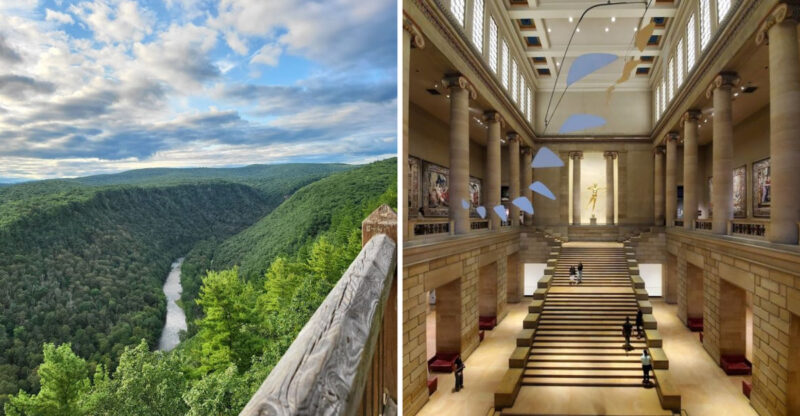
Just One Mile Of Hiking Unlocks A Stunning Pennsylvania Escape
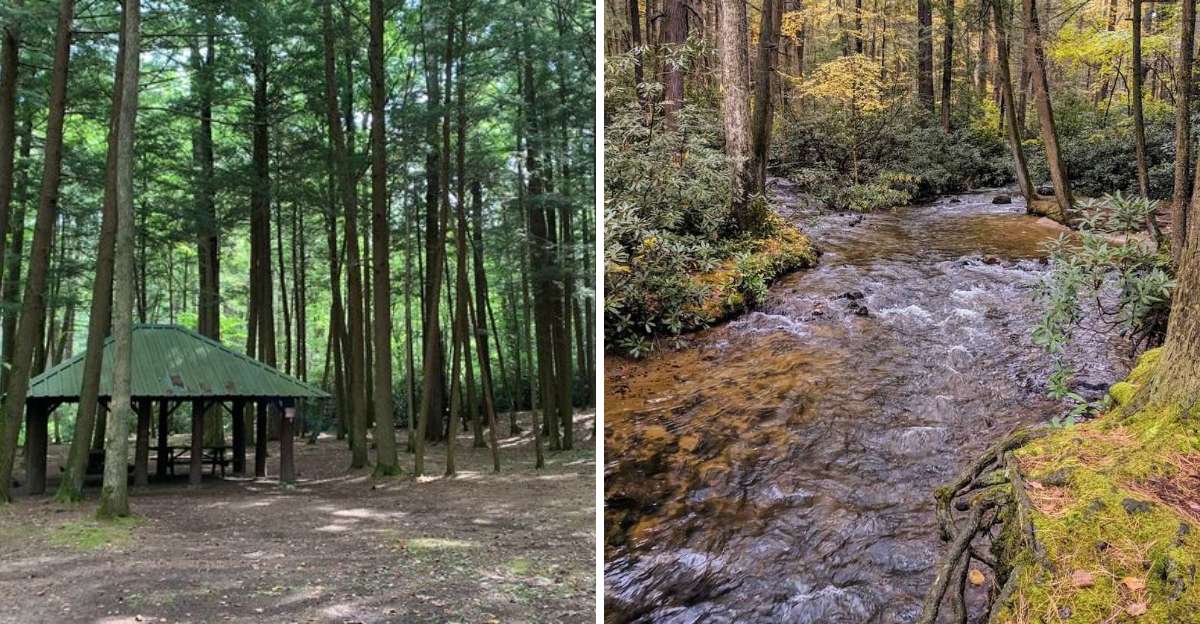
I am deeply suspicious of any hike that promises a big payoff for little effort.
This one in Pennsylvania is the rare exception that actually delivers. A single mile.
That is the whole ask. You barely break a sweat before the trees pull back and the view does something dramatic.
I have done grueling all-day climbs for less reward than this short stroll hands you. The trail is gentle enough for almost anyone, which feels like a loophole in nature’s usual rules.
You walk a few minutes, round a bend, and suddenly Pennsylvania is showing off like it has something to prove.
It is the perfect outing for lazy ambition. Big scenery, minimal commitment, zero regret.
Pack water and a snack, mostly so you have an excuse to linger at the top.
Some escapes make you earn them. This one practically gift wraps itself.
The Ancient Hemlocks Of Alan Seeger
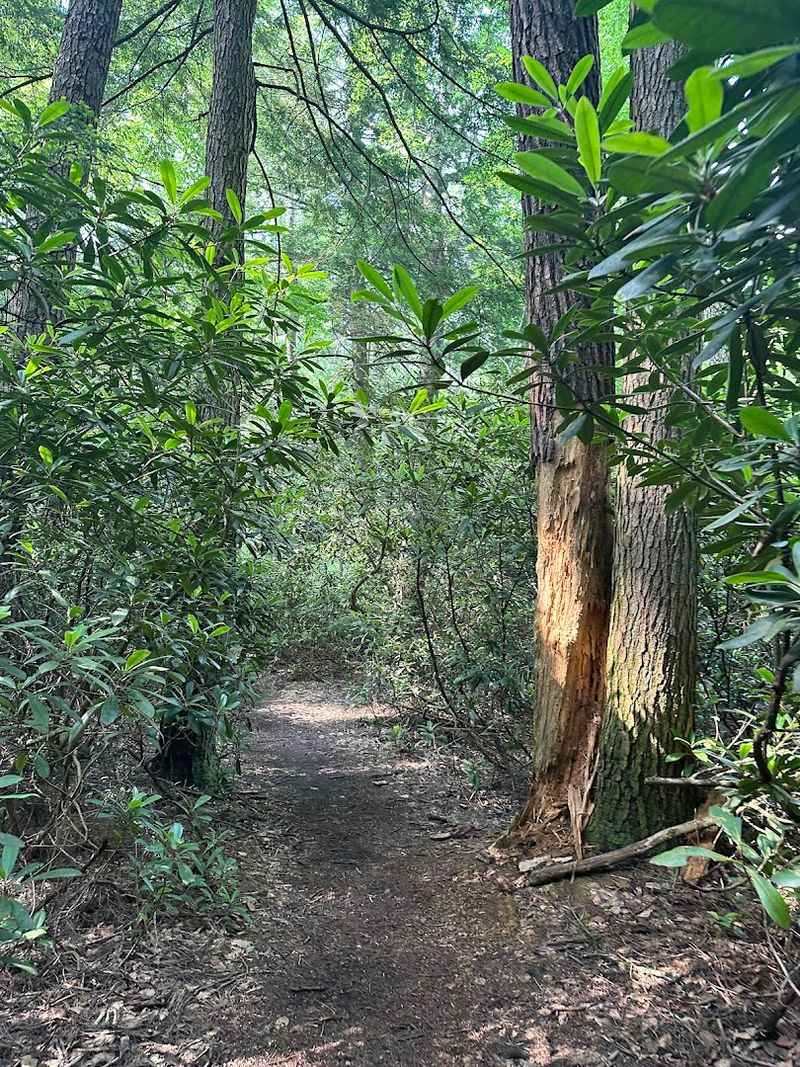
Alan Seeger Natural Area in Huntingdon County is home to some of the oldest trees in Pennsylvania, and standing beneath them feels genuinely humbling.
These eastern hemlocks have been growing for centuries, long before anyone thought to name the place or build a trail through it.
Some stretch over 100 feet tall, their trunks so wide you would need three people to wrap arms around them.
The canopy blocks most of the sky, creating a cool, shaded corridor that feels like a cathedral built entirely by nature.
Even on warm summer days, the temperature drops noticeably once you step inside the forest. That natural air conditioning alone makes the short hike worth the effort.
What makes these trees especially remarkable is their age and rarity. Old-growth hemlock forests are increasingly rare in the eastern United States.
Walking among them feels less like a hike and more like a privilege, one that only costs you a mile of easy trail.
Stone Creek Running Through The Trail
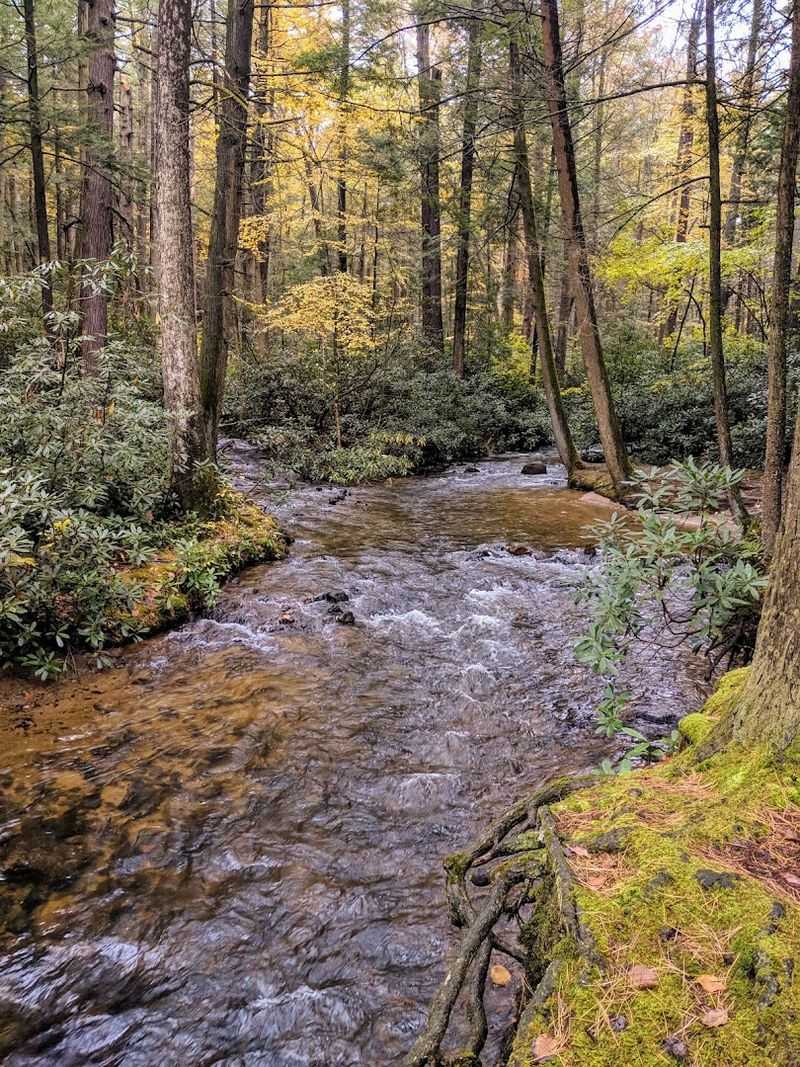
Water has a way of turning a good hike into a great one, and Stone Creek does exactly that along the Alan Seeger loop. The creek runs alongside most of the trail, never far from earshot.
That constant sound of moving water keeps the whole experience feeling refreshing and alive.
The creek is shallow and clear enough to see every pebble on the bottom. Kids love stopping to poke around the edges, and honestly, so do adults who have not lost their sense of curiosity.
The water reflects the hemlock canopy above, creating a greenish glow that photographers chase for good reason.
After a dry stretch of summer, the creek slows but never disappears entirely. Spring visits are especially rewarding, when snowmelt pushes the water level up and the sound becomes almost musical.
Bring a small towel if you plan to let your feet dangle in for a moment. Nobody judges you here, and the cold water is genuinely restorative after even just half a mile on the trail.
The One-Mile Loop That Packs A Real Punch
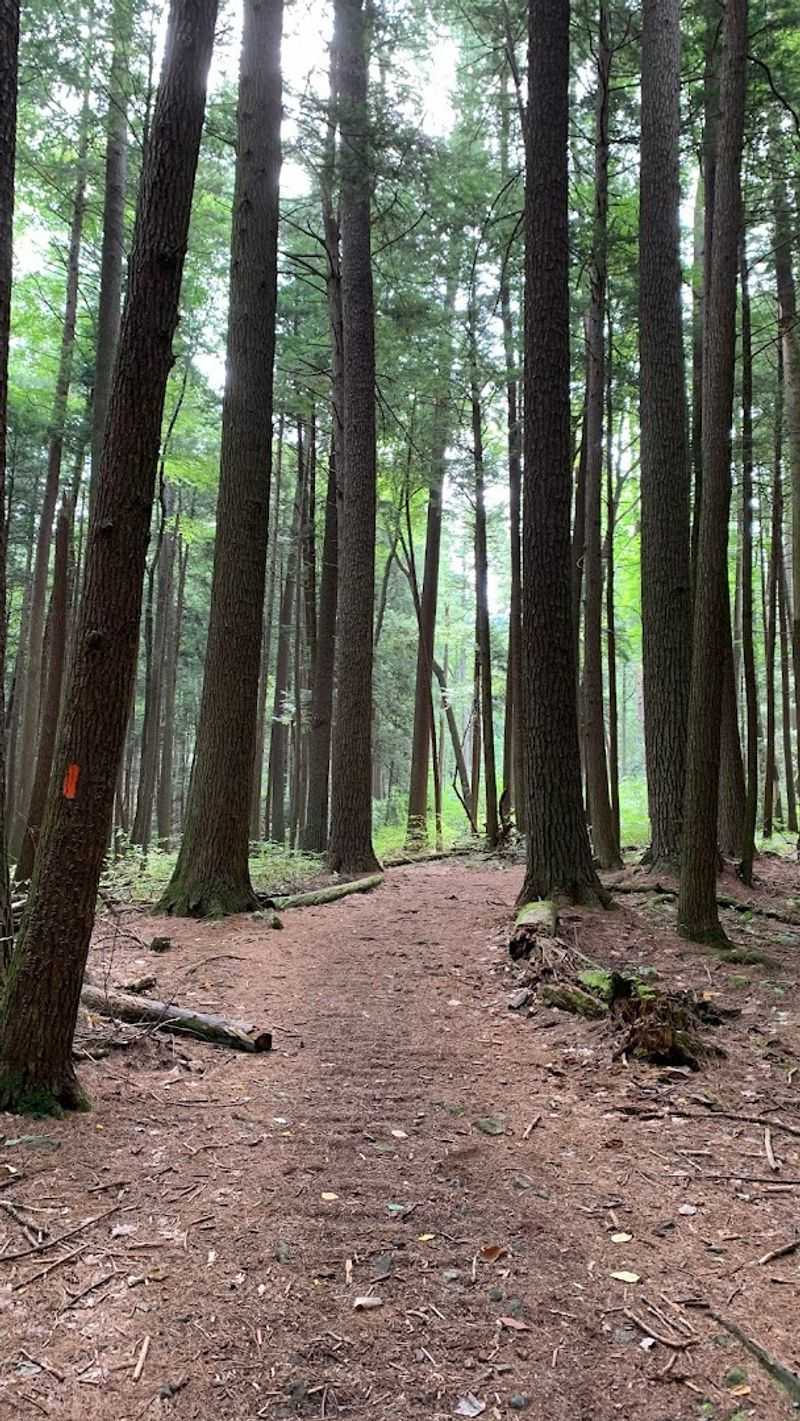
Short trails often get dismissed as not serious enough, but the Alan Seeger loop proves that distance has nothing to do with impact.
One mile here delivers more visual payoff per step than most five-mile hikes I have completed elsewhere. The trail is well-marked, easy to follow, and loops back cleanly to the parking area.
The path is relatively flat with minimal elevation change, making it accessible for families, older hikers, and anyone who wants a meaningful outdoor experience without punishing their knees.
Strollers can even manage parts of the trail during dry conditions. That kind of accessibility is rare in Pennsylvania’s natural areas.
Do not let the short distance fool you into rushing. Most visitors spend 45 minutes to over an hour on this loop simply because there is so much to stop and observe.
Every bend in the trail reveals something worth pausing for, whether it is a massive root system, a cluster of ferns, or a particularly dramatic tree.
Slow down and the one-mile loop becomes one of the most satisfying short hikes in the entire state.
Fern-Covered Forest Floor
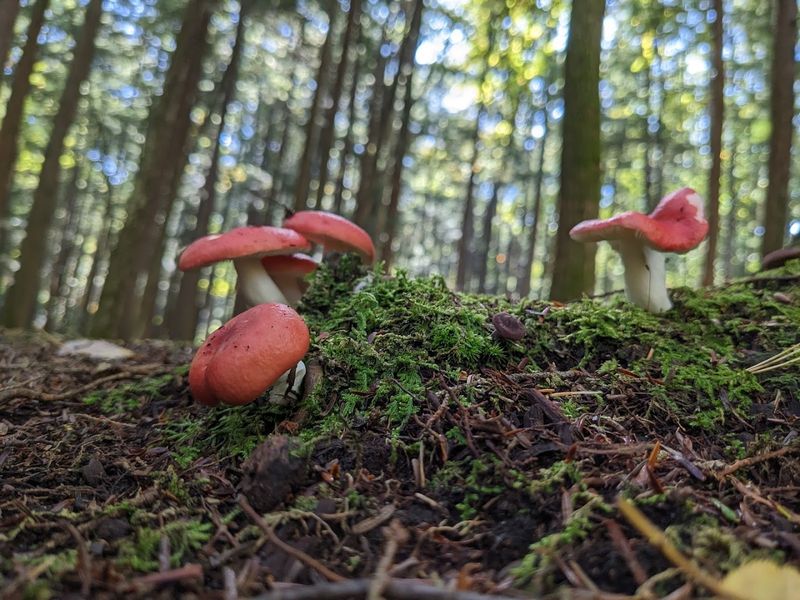
The ground at Alan Seeger looks like someone rolled out a green carpet and forgot to stop.
Ferns cover virtually every inch of the forest floor, creating a lush, layered look that feels almost tropical despite being firmly in central Pennsylvania.
The contrast between the dark hemlock trunks and the bright fern green is visually striking at any time of year.
Several species of fern thrive here thanks to the moist, shaded conditions created by the old-growth canopy.
Christmas ferns, cinnamon ferns, and sensitive ferns all make appearances along the trail. You do not need to be a botanist to appreciate them, but having a simple field guide makes the walk even more interesting.
In early morning, dewdrops collect on the fern fronds and catch whatever light filters through the canopy.
That window of time, roughly an hour after sunrise, produces some of the most beautiful natural lighting you will find anywhere in Pennsylvania.
Photographers who show up early rarely regret it. The fern floor alone justifies carrying a camera on this particular hike.
Wildlife You Might Spot
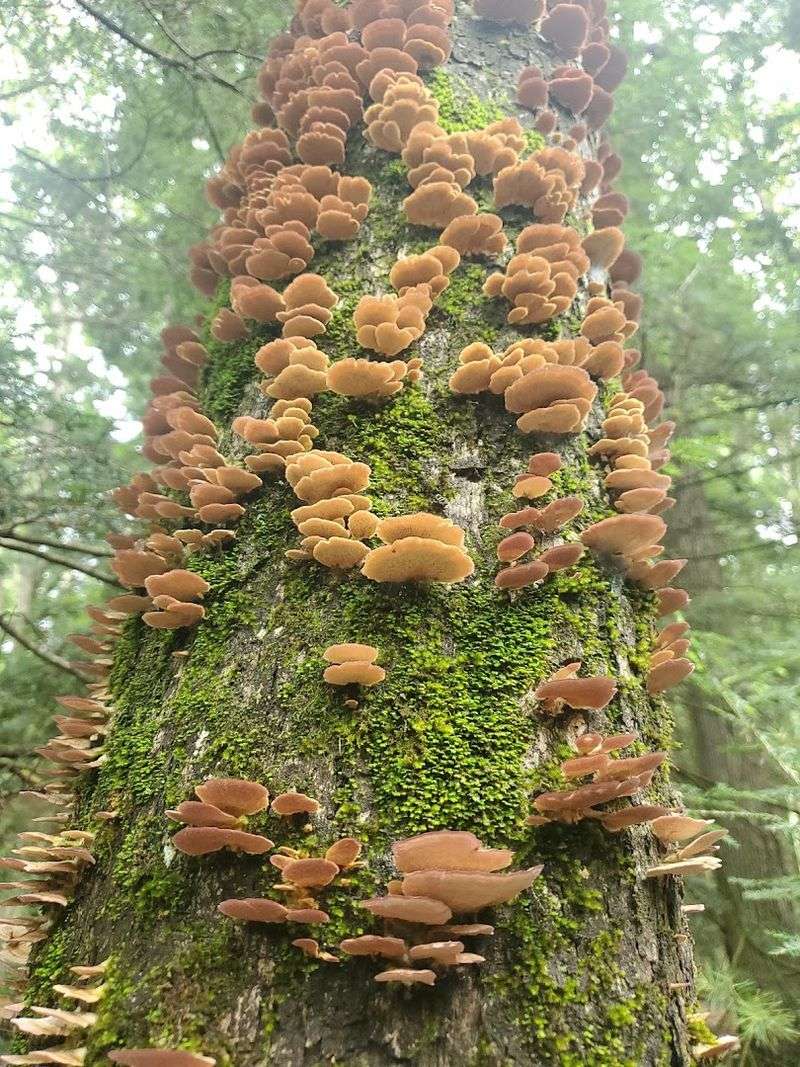
Wildlife sightings at Alan Seeger are not guaranteed, but the odds are better here than at many busier parks. The dense hemlock forest and nearby creek create ideal habitat for a wide range of animals.
White-tailed deer are common, especially during early morning and late afternoon visits when they move through the ferns without much concern for human observers.
Birding here rewards patience. The forest supports species like the black-throated green warbler and the hermit thrush, both of which favor mature hemlock stands.
Bring binoculars and move quietly, and you will likely hear far more birds than you expected for a one-mile trail. The hermit thrush in particular has a song that stops people mid-step.
Salamanders and wood frogs appear near the creek edges, especially in spring when the moisture levels peak. Flipping a log to find a red-backed salamander is a small thrill that kids remember for years.
The ecosystem here is healthy and active, which says something meaningful about how well this natural area has been protected over the decades.
How To Get There And What To Bring
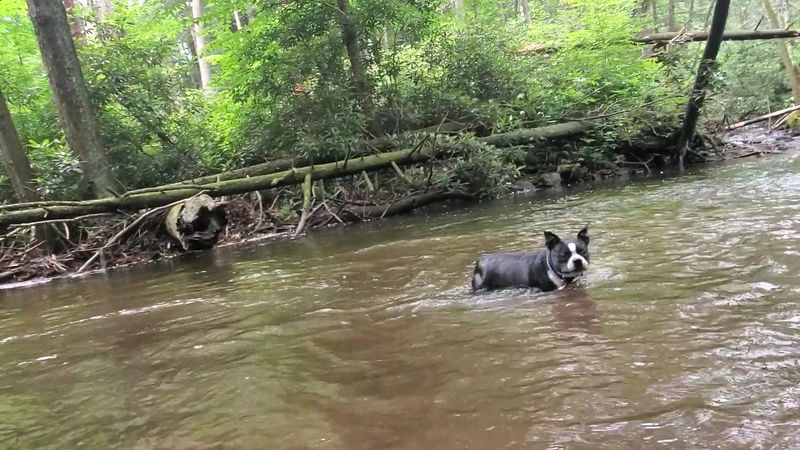
Alan Seeger Natural Area sits in Huntingdon County, Pennsylvania, managed by the Pennsylvania Bureau of Forestry as part of Rothrock State Forest.
Getting there requires a short drive on unpaved forest roads, but nothing that demands a four-wheel drive vehicle under normal conditions. The parking area is small, so arriving early on weekends is a smart move.
Cell service is limited or nonexistent once you leave the main roads, so download offline maps before you go. A simple Pennsylvania state forest map works fine and is available free on the Bureau of Forestry website.
The trailhead is clearly marked from the parking area, so getting turned around is not a realistic concern.
Pack water even for a one-mile hike, especially during warmer months. Insect repellent is useful from late spring through early fall when mosquitoes and ticks are active in the understory.
Sturdy shoes beat sandals here because the trail can be damp near the creek. A small bag for any trash you bring in keeps this special place exactly as beautiful as you found it.
Best Times To Visit For Peak Experience
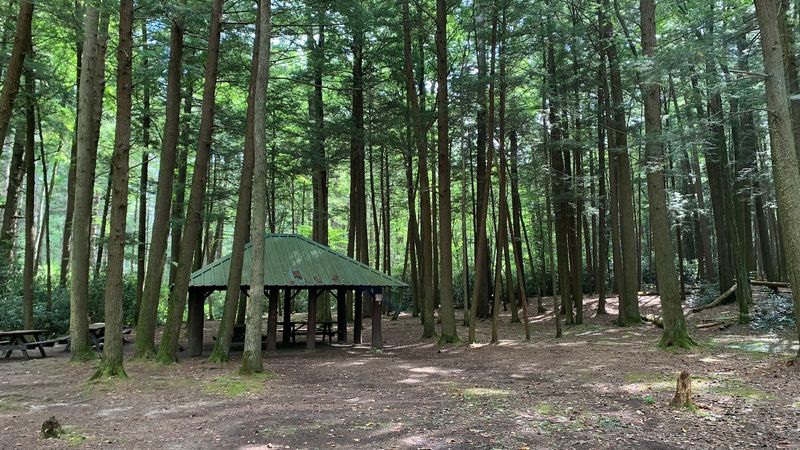
Every season brings something different to Alan Seeger, but not every season is equally rewarding for every type of visitor.
Spring is arguably the most dramatic, when the creek runs high, wildflowers emerge at the forest edges, and migrating birds pass through the hemlock canopy.
April and May deliver the widest variety of sights and sounds on that one-mile loop.
Summer visits are cooler than expected because the dense canopy keeps direct sunlight off the trail for most of the day.
Midweek visits in July and August are quieter than weekends, which can see a surprising number of families. The ferns are at their fullest and greenest during these months, making summer a strong choice for photography.
Fall brings a subtle beauty that surprises people expecting the explosion of color found in deciduous forests. Hemlocks stay green year-round, so the palette here in October is more muted and moody than dramatic.
Winter visits are peaceful and rarely crowded, and snow on the hemlock branches creates a genuinely striking visual. Any month works here, which is part of what makes Alan Seeger so consistently worth the drive.
Why This Place Deserves More Credit
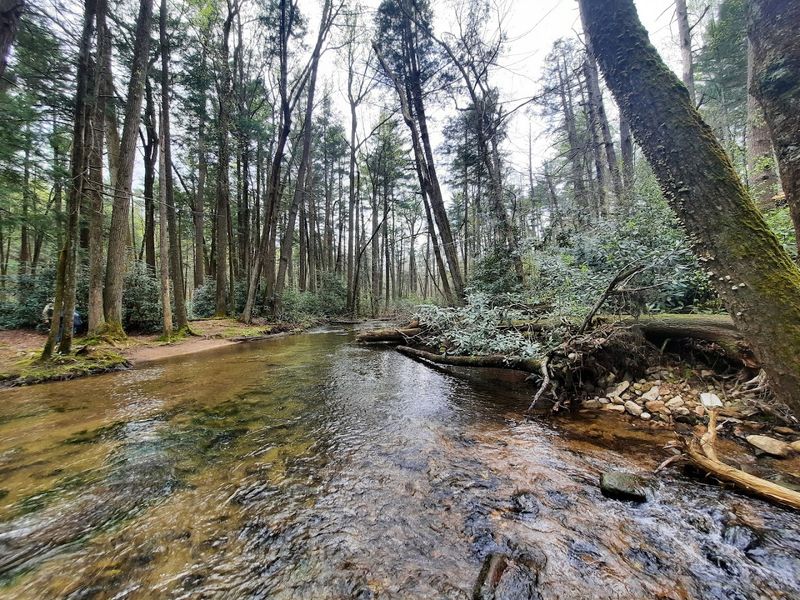
Pennsylvania has no shortage of outdoor destinations that attract long lines and social media saturation.
Alan Seeger Natural Area gets far less of both, which is genuinely baffling once you have walked the loop.
The combination of old-growth trees, a clear mountain creek, and dense fern coverage in a single easy mile is not something most states can offer.
The Bureau of Forestry has managed this area carefully, and it shows. There is no commercial development nearby, no entrance fee, and no crowds competing for the same view.
What you get instead is a rare sense of stillness that is increasingly hard to find anywhere close to a parking lot.
Sharing this place feels like handing someone a gift they did not know they needed. First-time visitors consistently express surprise at how much the trail delivers for such a modest distance.
If you have been sleeping on Pennsylvania’s natural areas in favor of better-marketed destinations, Alan Seeger is the correction you owe yourself.
One mile in, and the place earns every bit of quiet loyalty it inspires in the people who find it.