A Groovy Connecticut Greenhouse That Feels More Like A Day Trip Than A Quick Plant Run
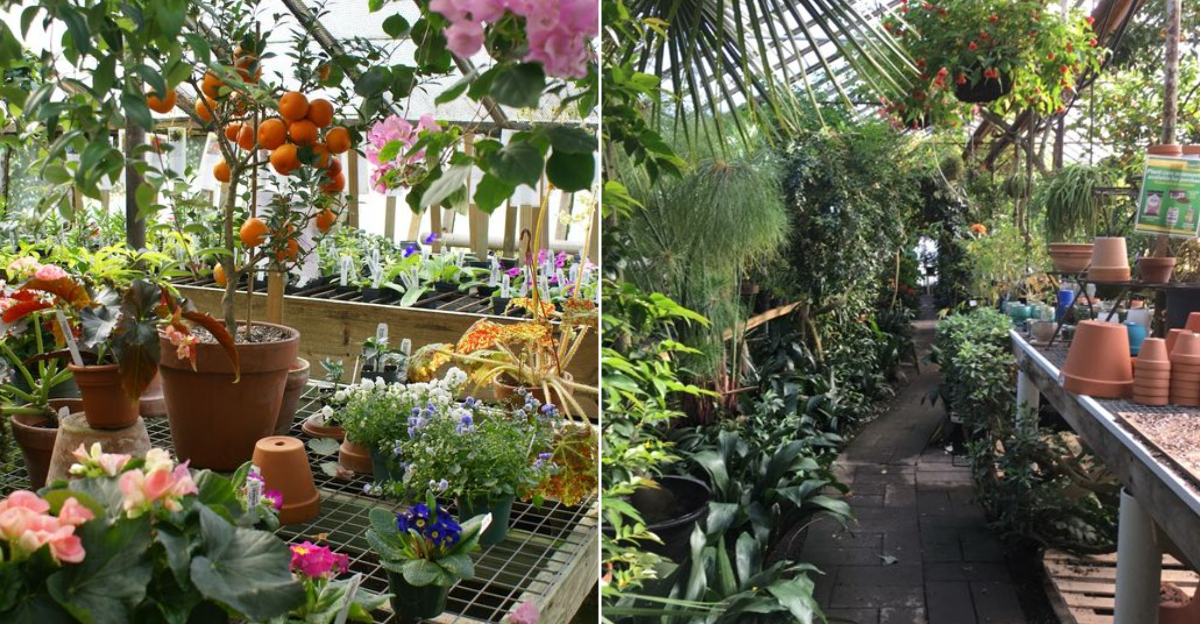
Plant shopping usually sounds like a quick errand, but every so often a place completely changes the mood. Step into a greenhouse packed with winding paths and leafy corners, and suddenly the whole thing feels more like a little escape than a stop on the way home.
Inside this Connecticut greenhouse, rare plants make a quick plant run feel like a real day trip. The air feels warm, the colors are bold, and there is always another strange bloom or glossy leaf pulling your attention.
It has that fun, slightly wild feeling that makes plant lovers slow down without meaning to.
Even if you are not hunting for anything specific, the browsing is the best part. One room leads to another, and the place keeps surprising you in small ways.
By the end, you may forget you came for a plant and start thinking about the whole visit instead.
1. Historic Greenhouses Filled With Tropical Magic
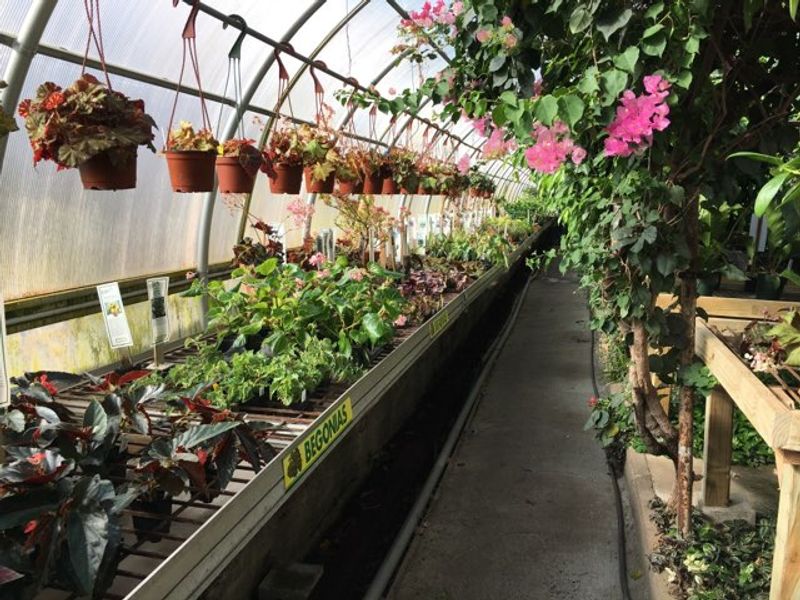
A greenhouse with roots reaching back to 1892 has a way of making plants feel like part of a much bigger story. Logee’s Plants for Home & Garden is best known for its historic retail greenhouses, with the original Fern House still serving as the heart of the property.
Warm, earthy air fills the space, and the mix of age, humidity, and greenery gives plant lovers that instant sense of calm.
The Fern House holds mature staghorn ferns, large banana trees, hibiscus, terrarium plants, and the rare Jade Vine, a tropical beauty that is not commonly found in everyday nurseries.
Other connected houses each bring their own focus, from the Herb House to the Big House, where visitors can see a 150-year-old kumquat tree with multiple grafts.
The Long House adds another layer with begonias, rare blooming plants, fragrant selections, and other unusual finds.
You can visit the nursery at 141 North St, Danielson, CT 06239. With six connected greenhouses, the experience keeps unfolding from one room to the next, often with some unexpected plant waiting around the corner.
The buildings feel classic, practical, and old-school in the best way, which only adds to the appeal. Logee’s is open Wednesday through Sunday from 9 AM to 5 PM, with seasonal hour changes possible in late fall and winter.
2. Rare Plants That Feel Like Living Art
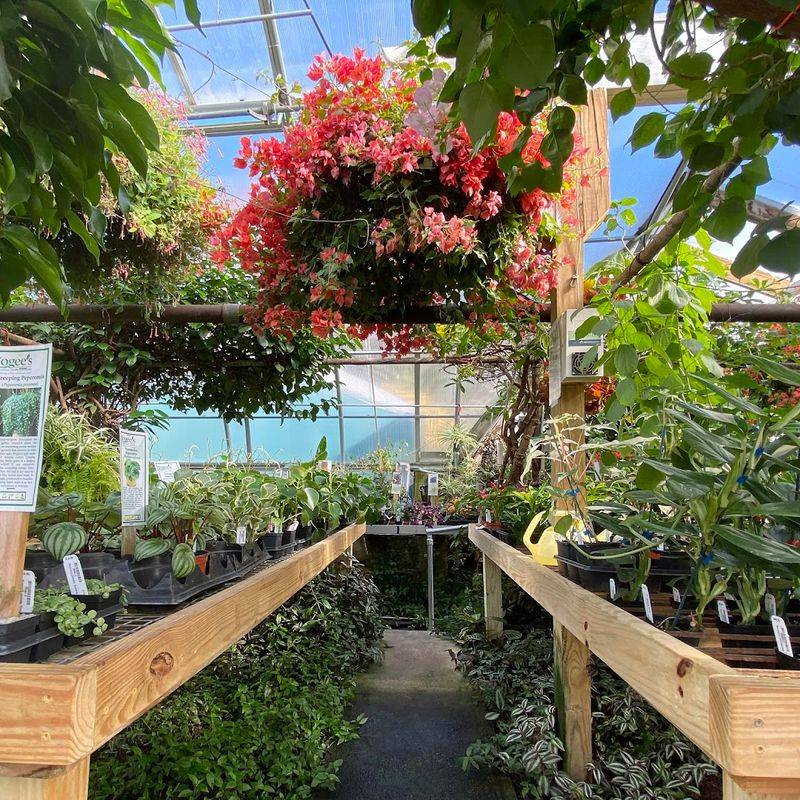
Finding a plant you would never spot at an ordinary garden center brings its own little thrill.
Logee’s has earned its reputation by offering more than 1,500 cultivars, with most propagated right in its own greenhouses, giving the plants a level of care and consistency that mass-produced varieties often miss.
The collection leans toward rare, tropical, fragrant, fruiting, and unusual plants, so browsing feels closer to wandering through a botanical display than making a quick shopping stop.
The standout selection can include treasures like Philodendron melanochrysum ‘Black Gold,’ Anthuriums, Dombeya wallichii with its soft buttery fragrance, and Amorphophallus titanum, better known as the titan arum, famous for its huge bloom and unforgettable smell.
African Gardenia and tree tomato varieties also help fill out the collection, adding to the sense that visitors are seeing plants they may never have encountered before.
Prices at Logee’s range widely, with some plants staying nicely affordable and others reflecting the age, rarity, or size of the specimen. Collectors searching for something truly hard to find often discover that the selection alone makes the trip worthwhile.
Nearly every shelf seems to hold a plant worth stopping over.
3. The Famous Lemon Tree Inside
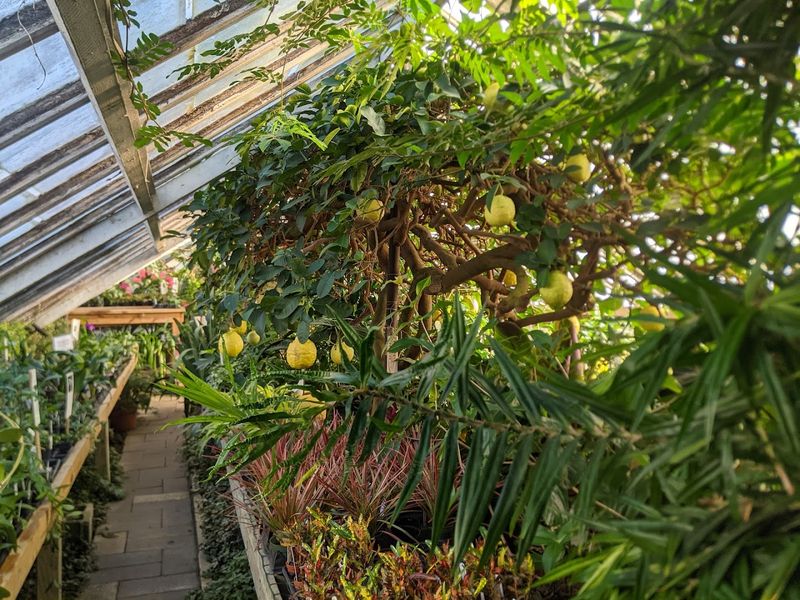
Planted in 1900, the American Wonder Lemon tree at Logee’s has been growing inside the Lemon Tree House for well over a century.
Also known as the Ponderosa Lemon, this tree produces fruit that can weigh up to five pounds per lemon, which is genuinely hard to believe until it is seen in person.
The sheer size of the lemons hanging from the branches tends to stop visitors mid-step.
The Lemon Tree House also features a variety of other citrus plants and orchids, making it one of the more fragrant and visually striking greenhouses on the property.
Citrus trees naturally release a clean, bright scent when they are in bloom, and being surrounded by them in an enclosed space creates an atmosphere that feels almost spa-like.
The Ponderosa Lemon tree itself has become something of a living landmark at Logee’s, drawing visitors who have heard about it long before they arrive.
The Big House adds to the citrus experience with large grafted citrus trees, including one remarkable specimen that carries over ten different citrus varieties grafted onto a single tree.
That particular tree is considered a museum-quality piece and is not for sale, but it is absolutely worth finding on a visit.
4. Winding Greenhouse Paths And Lush Corners
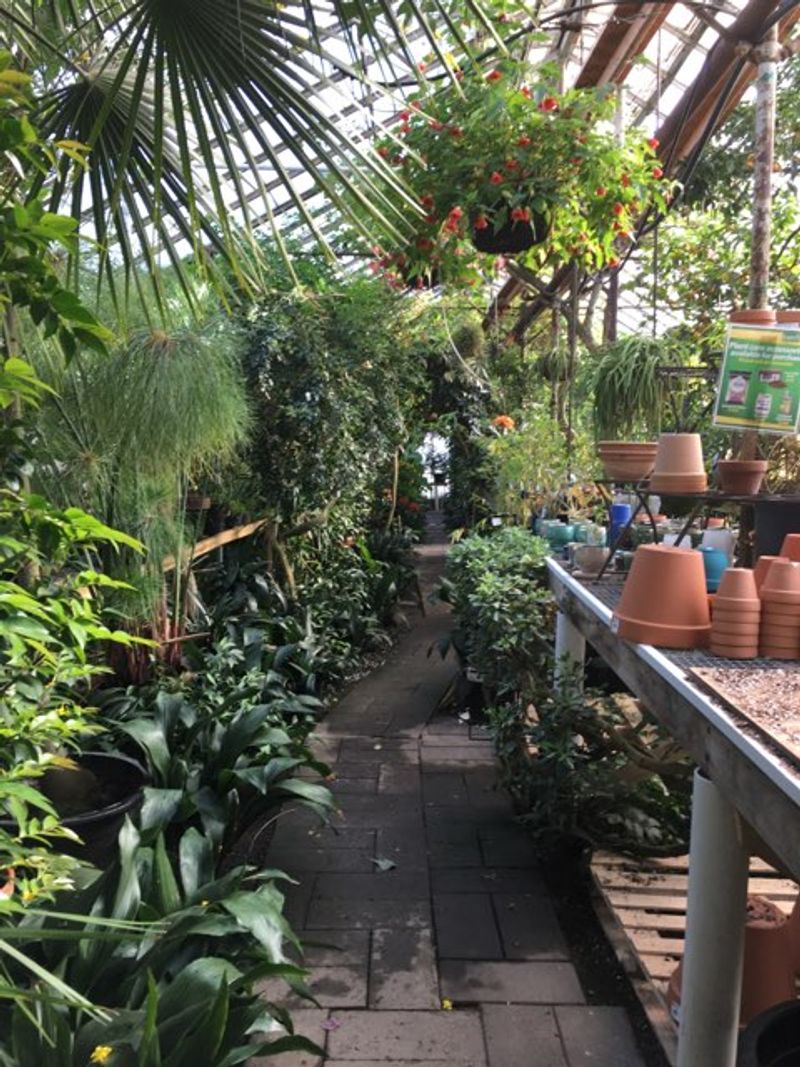
The layout of Logee’s does not follow a straight line, and that is entirely the point. The six greenhouses connect through winding pathways that create a jungle-like atmosphere, with plants leaning in from every direction and overhead foliage occasionally brushing past.
The aisles are narrow in places, which means visitors naturally slow down and take their time rather than rushing through.
Benches are placed throughout the greenhouses, giving anyone the option to simply sit and absorb the surroundings without feeling the pressure to keep moving.
That small detail changes the entire energy of a visit, turning it from a shopping trip into something more like a slow afternoon spent somewhere genuinely peaceful.
The combination of warm air, layered greenery, and soft greenhouse light creates an environment that feels removed from the pace of everyday life.
Because the greenhouses are historic structures, it is worth noting that they are not wheelchair accessible, though the Big House does allow for some access and efforts have been made over the years to improve the experience for all visitors.
Planning for extra time is a good idea since the winding paths and dense plant displays make it easy to spend far longer than expected wandering through each connected space.
5. A Dreamy Stop For Plant Lovers
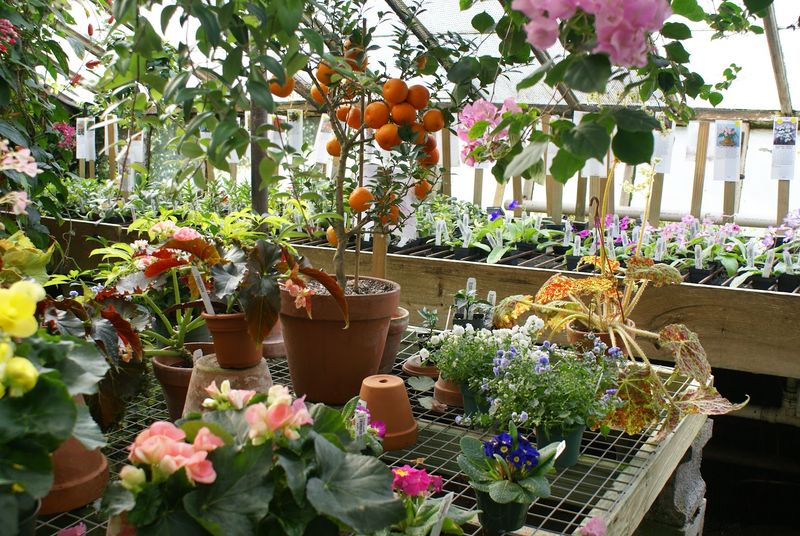
For anyone who genuinely loves plants, Logee’s operates on a different level than a standard nursery. The selection covers everything from beginner-friendly houseplants to rare collector specimens that serious hobbyists spend years searching for.
Having both ends of that spectrum under one roof makes the experience feel welcoming rather than intimidating, regardless of how much plant knowledge a visitor brings through the door.
The staff at Logee’s are generally described as knowledgeable and willing to help, which matters when navigating a collection this large and varied. A small cafe on the property adds to the overall experience, offering a place to grab a coffee and decompress between greenhouse sections.
Sipping something warm while surrounded by tropical plants and fragrant blooms turns a plant shopping trip into something that actually feels like a treat.
Logee’s also produces educational videos and plant care guides, which are available online and serve as a useful resource for anyone who wants to learn more about the plants they bring home.
The nursery ships plants through its mail-order business as well, making the collection accessible to plant lovers across the country who cannot make the trip to Danielson in person.
Plant lovers are particularly lucky to have it nearby.
6. Colorful Blooms In Every Direction
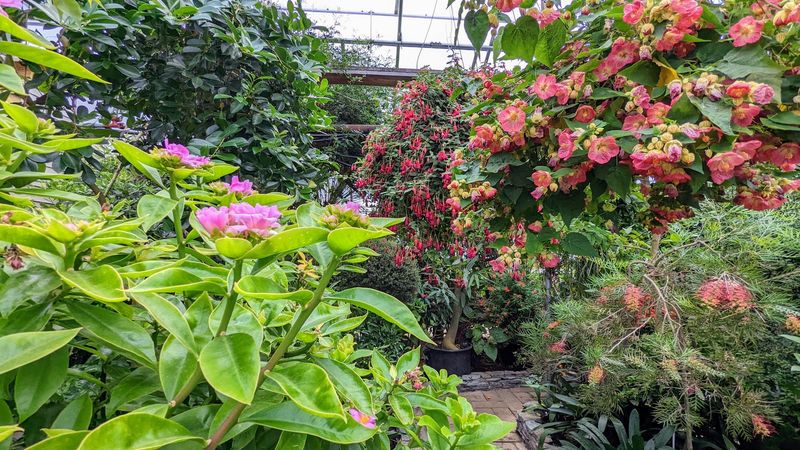
Color is one of the first things that hits when moving through the greenhouses at Logee’s. Begonias are a particular specialty here, with the nursery having a recognized history in begonia hybridizing, including varieties like Joy’s Jubilee and the Mother Goose Series.
The Long House holds a significant portion of the begonia collection, and the range of colors and leaf shapes on display is genuinely impressive even for non-collectors.
Beyond begonias, the greenhouses are filled with hibiscus, camellias, clivia, and flowering tropical plants that keep the visual energy high throughout the space.
During the holiday season, the greenhouses are decorated with thousands of multicolored lights that run across the plants and structures, creating a festive evening experience on Friday, Saturday, and Sunday from 4 to 7 PM in December.
That seasonal event turns an already memorable visit into something that feels genuinely special.
Fragrant bloomers like jasmine and Dombeya wallichii add a sensory layer that goes beyond what the eyes can take in alone.
The combination of scent and color throughout the connected greenhouses means that every section offers something different, keeping the experience fresh as visitors move from one space to the next.
Logee’s earns its reputation as a destination simply through the sheer variety on display.
7. Unusual Plants You Won’t See Everywhere
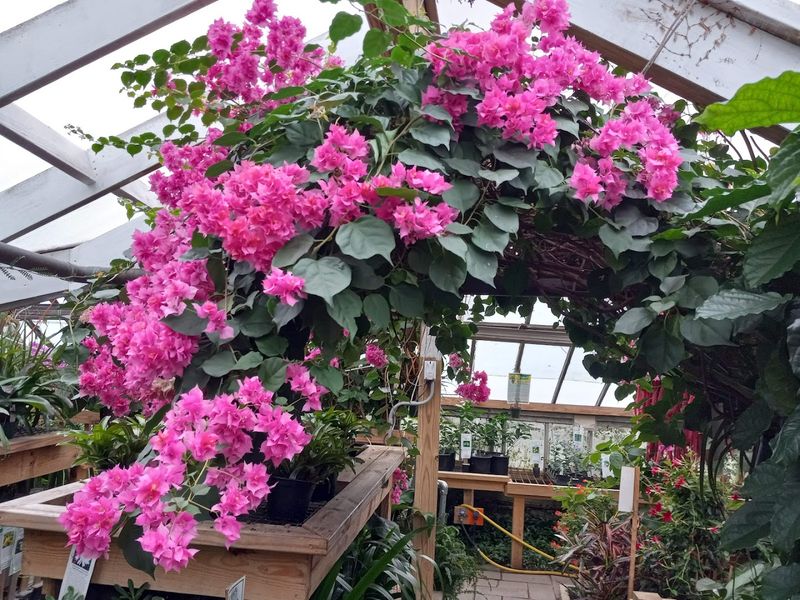
Stumbling across a carnivorous plant display next to a row of passion flowers is the kind of moment that makes Logee’s feel genuinely different from anywhere else.
The Potting House specializes in passion flowers and spice plants, while the Long House is home to carnivorous plants including the famous Sensitive Plant, which folds its leaves when touched.
Finding plants like these in a retail setting, rather than behind glass in a botanical garden, is part of what makes the collection so engaging.
The titan arum, known scientifically as Amorphophallus titanum, is one of the more dramatic plants in the collection and is well known for producing one of the largest blooms in the plant world, accompanied by a famously unpleasant odor when it flowers.
The Cyphomandra crassicaulis, or tree tomato, and the Euclinia longiflora, also called the African Tree Gardenia, are the kinds of plants that require a bit of explanation before most visitors have any frame of reference for them.
Logee’s has been sourcing and propagating unusual varieties since 1892, which means the depth of the collection reflects well over a century of intentional curation. Visitors who enjoy learning about plants as much as buying them tend to find the unusual specimens particularly rewarding to explore.
8. A Cozy Escape From Everyday Errands
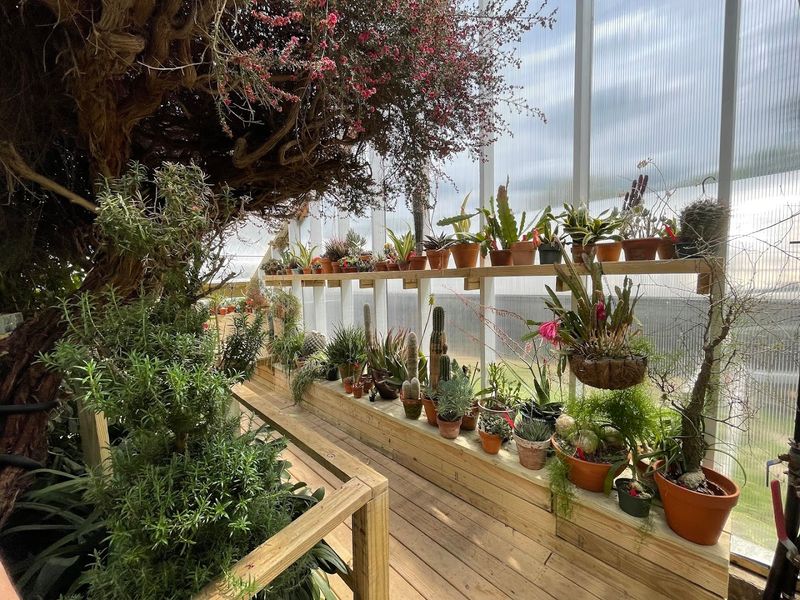
A packed itinerary is not really the point here, since this kind of visit works best when you let the greenhouses set the pace. Logee’s rewards slow wandering, especially when the warm, humid air feels like a welcome break from chilly weather outside.
The contrast between the state’s colder seasons and the tropical interior can be surprisingly comforting, giving the whole visit the feeling of a small reset.
Benches throughout the greenhouses make it easy to pause, look around, and take in the mature tropical plants without hurrying. When the seasonal café is open, coffee and greenery make a pretty calming pair, especially with the sounds of a working greenhouse in the background.
The space does not feel polished for social media or arranged to impress in a flashy way; it feels practical, old-school, and real.
Logee’s is open Wednesday through Sunday, with hours generally running 9 AM to 5 PM from March through October and 9 AM to 4:30 PM in the colder months. A midweek visit can feel especially relaxed for those who prefer a quieter atmosphere.
The greenhouses have a funny way of making an hour feel like an afternoon and an afternoon feel completely well spent. For a low-pressure outing that still feels like a true destination, this nursery delivers beautifully.
9. A Place That Rewards Slow Wandering
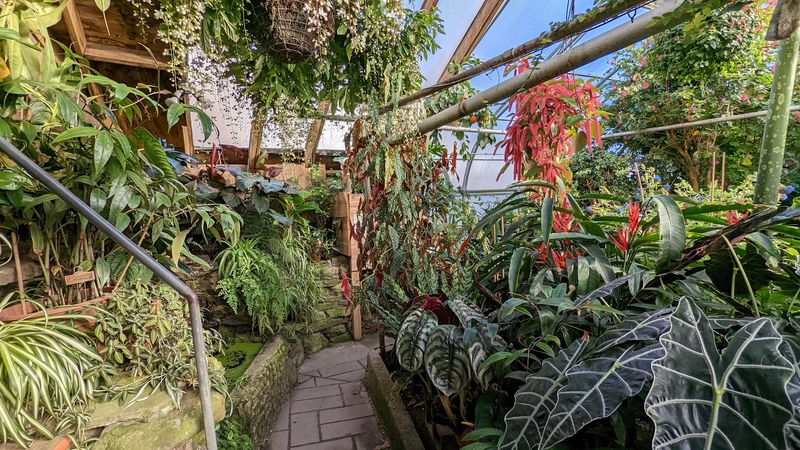
The best visits to Logee’s tend to be the ones with no particular rush attached to them. The six connected greenhouses cover enough ground that moving quickly would mean missing most of what makes the place worth visiting in the first place.
Specimen trees, century-old citrus plants, and rare tropicals appear in corners and along pathways in a way that rewards careful, unhurried attention.
The Big House is a good example of why slow wandering pays off. It contains large grafted citrus trees, cacti, succulents, geraniums, camellias, clivia, and the 150-year-old kumquat tree, all within a single greenhouse that could easily take up a significant chunk of a visit on its own.
The conservatory-style walkway added to the center of the Big House has made more of the growing areas accessible while keeping the old-school character of the space intact.
Logee’s does not change dramatically from visit to visit in terms of layout, but the plant collection is always evolving, which means returning visitors tend to find something new each time.
The combination of history, variety, and atmosphere makes it the kind of place that earns a spot on a regular rotation rather than being a one-time destination.
Danielson, Connecticut is well worth the drive for plant enthusiasts across New England and beyond.