This Michigan Boardwalk Trail Ends With A View You’ll Remember Long After The Walk
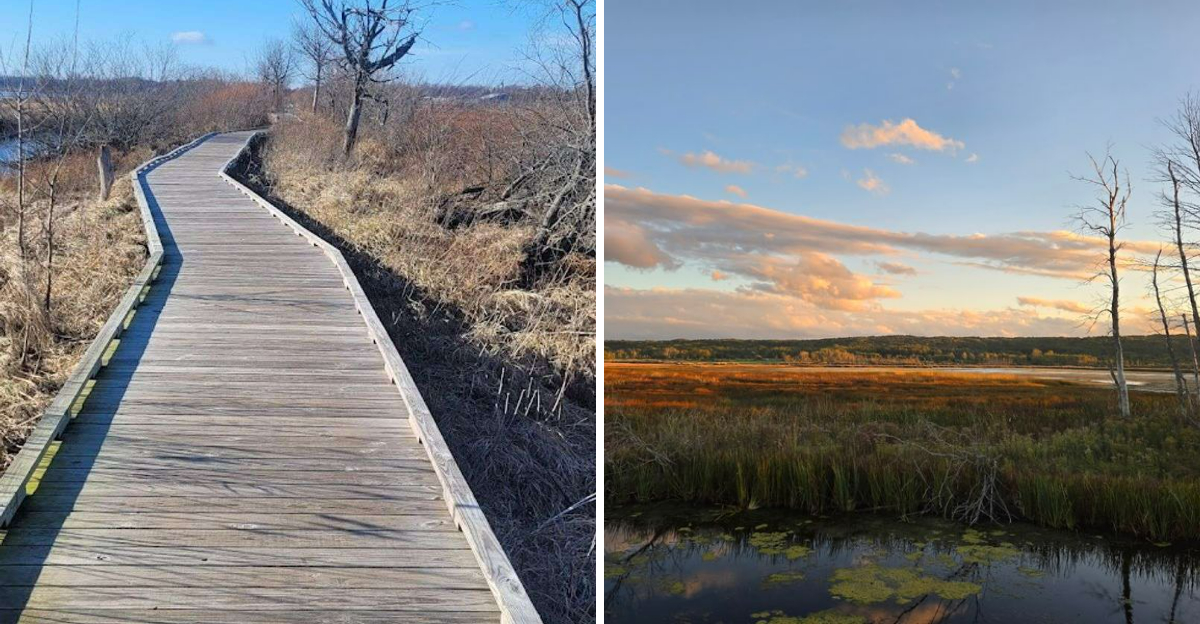
Not every great walk announces itself. Sometimes the trail that stays with you longest is the one you almost skipped.
I had no real plan that afternoon, just a free hour and a parking lot I had never noticed before. What waited at the end of that wooden path was the kind of view that makes you go quiet.
Michigan has no shortage of beautiful outdoor spaces, but this one felt different. The boardwalk stretches just under two miles through marsh and open water, and the whole thing costs nothing but your time.
By the end you are standing somewhere that feels genuinely removed from the rest of the world. I kept thinking about it for days afterward.
Michigan has a way of doing that to people, and this trail might be the best example of it.
A Boardwalk That Floats Above The Wild
Most trails start with a parking lot and end with sore feet. This one starts with the sound of frogs and ends with something much harder to describe.
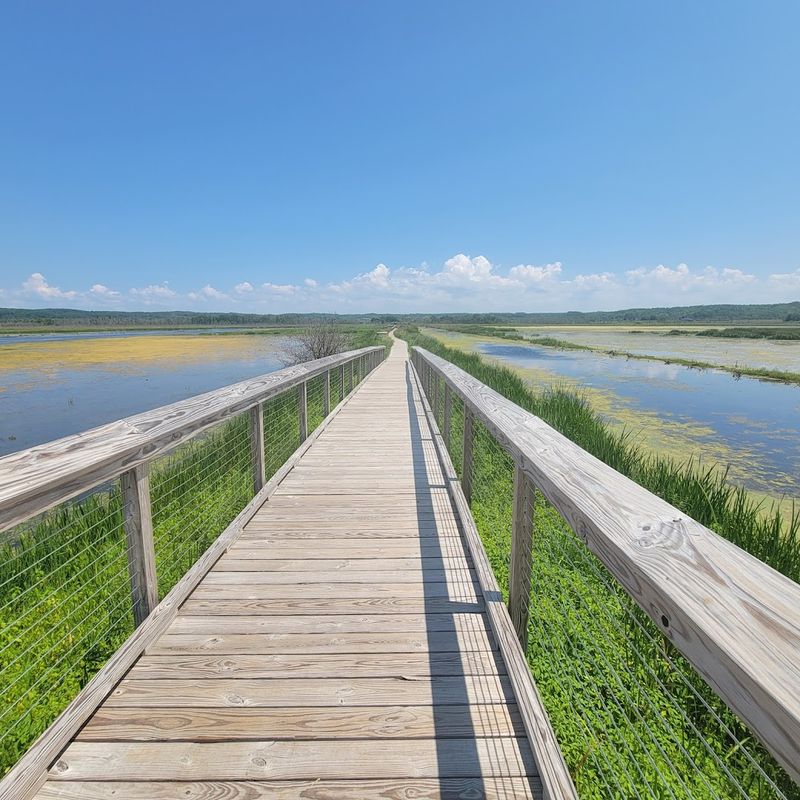
The boardwalk is engineered to sit two feet above ground level. That design is not just for looks.
It protects native plants and soil while keeping your shoes dry even when lake levels rise.
The boardwalk offers a short, easy walk into the marsh, with sources describing it as roughly three-quarters of a mile to nearly one mile. Every plank feels solid, wide, and intentional.
Arcadia Marsh Boardwalk in Arcadia, MI 49613 opened in 2019 after years of restoration work led by the Grand Traverse Regional Land Conservancy. The entire trail is universally accessible, meaning wheelchairs, strollers, and walkers of all abilities are genuinely welcome here.
Bump-outs with benches appear at regular intervals so you can stop, breathe, and actually look around. Nobody is rushing you.
The marsh does not rush either.
One Of Michigan’s Rarest Ecosystems Beneath Your Feet
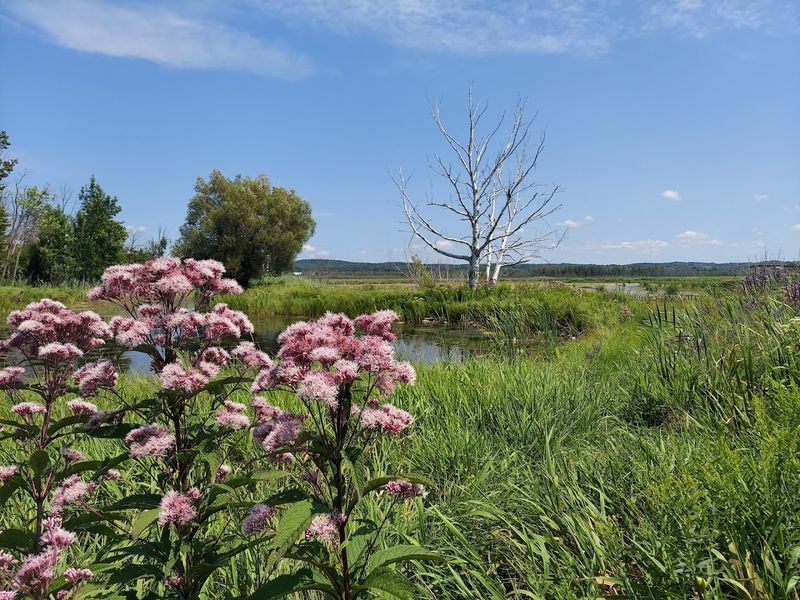
Standing on a wooden path above ancient wetland feels a little like walking on water. Except the water beneath you is doing something extraordinary.
Great Lakes coastal marshes act as natural filters, cleaning pollutants before they reach the lake. Scientists estimate that over 80 percent of original Great Lakes marshes have already been lost.
This preserve is one of only about 15 remaining along Lake Michigan’s shoreline in Michigan’s Lower Peninsula. That number is worth sitting with for a moment.
The marsh sits along M-22 in Manistee County, half a mile south of the small town of Arcadia. It is easy to drive right past it without realizing what you are missing.
Restoration efforts began in 2010, slowly bringing the ecosystem back to health. The result today is a thriving, layered habitat that supports wildlife, filters water, and quietly holds the shoreline together.
Visiting here feels less like recreation and more like witnessing something fragile and important. The marsh does not need your applause.
But it does deserve your attention.
Bird Species That Make This Marsh Worth Bringing Binoculars
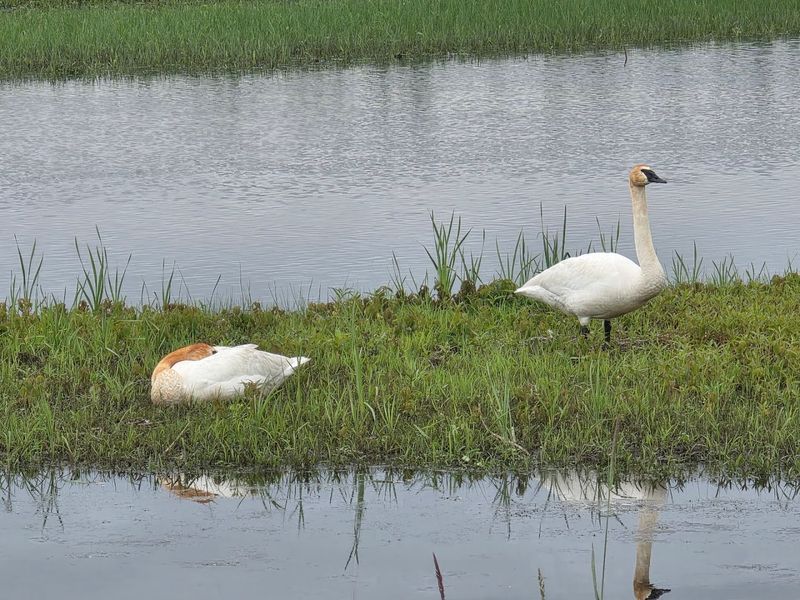
Bring binoculars. Seriously, do not skip the binoculars.
You will regret it the moment a sandhill crane walks past at close range.
More than 150 bird species have been documented here, with some local sources noting totals closer to 250.
Sandhill cranes, great blue herons, green herons, and snowy owls have all been spotted here. Rarer sightings include American Bittern, Purple Gallinule, and even a Black-billed Magpie.
Migrating waterfowl pass through during spring and fall, turning the marsh into one of the best birding spots in the entire state. Rough-legged hawks drift overhead during cooler months.
Morning and evening visits tend to produce the most activity. Midday is quieter, though swans seem to operate on their own schedule entirely.
Red-winged blackbirds nest along the edges and get very vocal if you walk too close. That territorial chirping is somehow both annoying and deeply satisfying at the same time.
Wildflowers That Deserve Their Own Photography Session
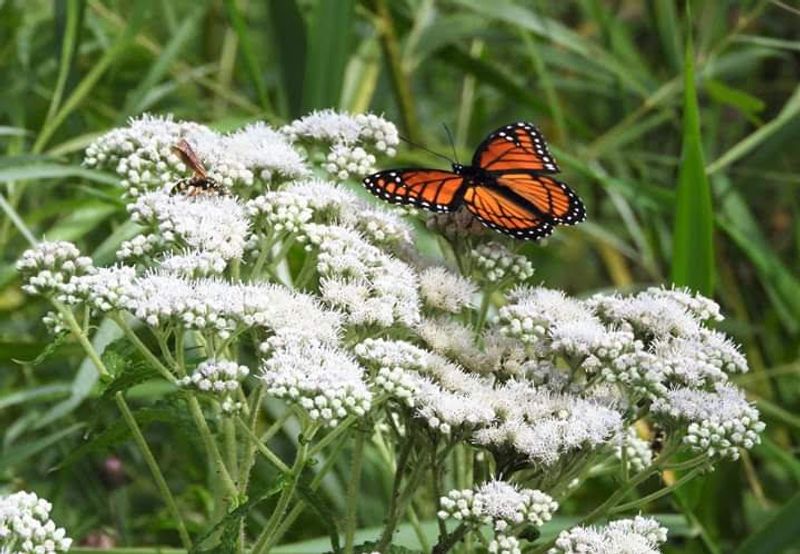
Nobody expects a marsh to be this pretty. Then the blue flag irises show up and completely change the conversation.
The preserve blooms with wildflowers throughout the warmer months. Blue flag irises, white water lilies, swamp roses, blue vervain, marsh skullcap, and marsh vetchling all grow naturally along the trail.
Each flower plays a specific role in the ecosystem. They provide habitat, food, and shelter for the insects and birds that keep the whole system running.
Photographers tend to slow down dramatically once the lilies appear on the water’s surface. The reflections alone are worth the detour off M-22.
Spring and early summer bring the most dramatic floral displays. By late summer, the marsh shifts into deeper greens with bursts of purple and white still dotting the edges.
Walking through this in full bloom feels genuinely cinematic. You half expect a nature documentary narrator to start speaking somewhere behind you.
The colors are that vivid and that real.
Wildlife Beyond The Birds That Will Catch You Off Guard
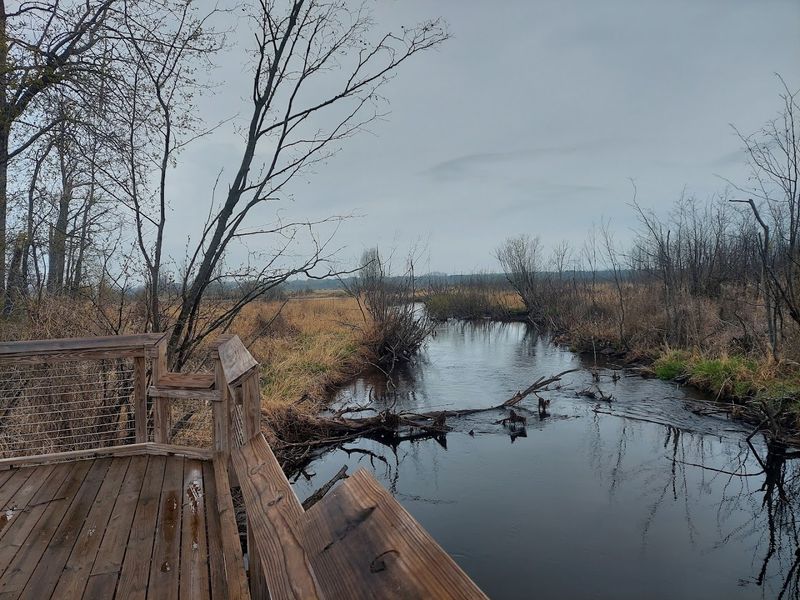
A muskrat once ate reeds directly at someone’s feet on this boardwalk. Completely unbothered, fully committed to its meal, zero interest in the humans staring at it.
Beyond the impressive bird list, the marsh supports deer, mink, river otters, and marsh hare. Over 25 species of fish live in the water below the boards.
Turtles are spotted regularly basking near the edges of the path. Swans appear in groups, sometimes as many as ten at a time gliding across the open water.
The animal activity here feels genuinely wild, not curated. Nothing is behind a fence or arranged for your convenience.
You are simply walking through their home.
Otters are shy and quick, so spotting one requires patience and a little luck. Mink move fast along the water’s edge, appearing and vanishing before you can fully process what you saw.
Keeping quiet and moving slowly makes a real difference. The marsh rewards patience with moments that feel almost too good to be true.
The Viewing Deck That Stops You Cold
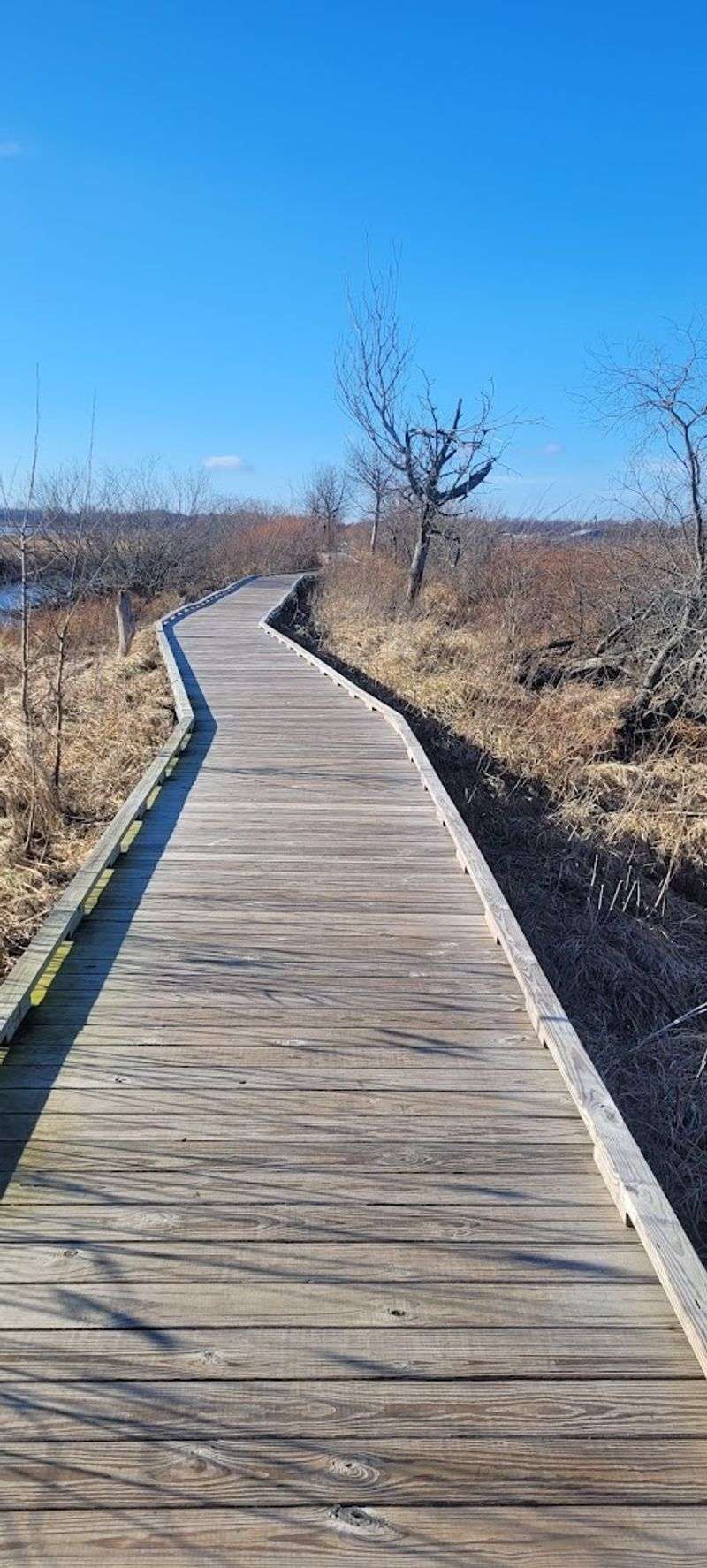
There is a moment somewhere in the middle of the trail where the boardwalk widens into a full viewing deck. That moment is the reason people come back.
The deck sits directly in the heart of the marsh, with open water stretching in multiple directions. On a calm morning, the sky reflects perfectly off the surface below.
No buildings are visible from this spot. No road noise reaches it.
Just wind, birds, and the occasional splash of something deciding to dive beneath the surface.
This is the view mentioned in every enthusiastic conversation about this trail. It is the kind of panorama that makes you put your phone down and just stand there.
Interpretive signs placed along the trail provide context for what you are seeing. QR codes link to additional information about the birds, plants, and fish found in the preserve.
The deck has seating, which is fortunate because most people need a few minutes to process the view. It is unexpectedly moving for what started as a casual afternoon walk.
Seasonal Rules That Actually Make Sense
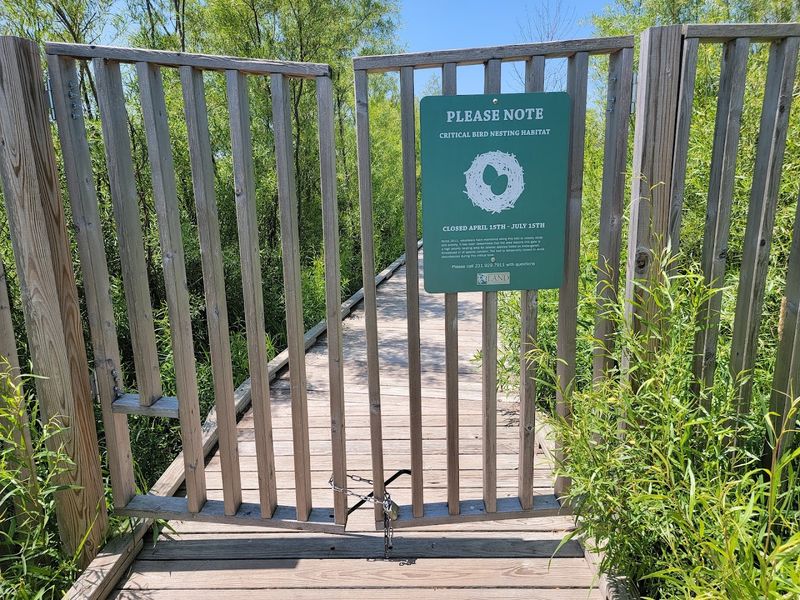
Not every trail closes part of itself to protect nesting birds. This one does, and that detail says a lot about how seriously the preserve takes its role.
Each year from April 15 to July 15, a central section of the boardwalk closes to protect nesting bird populations. The timing aligns with peak breeding season for several sensitive species.
Planning your visit around this closure is straightforward. Late summer, fall, and early spring offer full access and often spectacular wildlife activity as migration patterns shift.
Dogs are not permitted anywhere on the preserve. Biking is also not allowed.
The rules exist to keep the ecosystem stable and the wildlife undisturbed.
These restrictions are clearly posted, and most visitors respect them without complaint. The payoff for following the rules is a trail that remains genuinely wild and worth visiting year after year.
Checking the preserve’s seasonal schedule before visiting saves disappointment. A quick look at the Grand Traverse Regional Land Conservancy website will give you current access information before you make the drive.
Full Accessibility That Means Everyone Gets The View
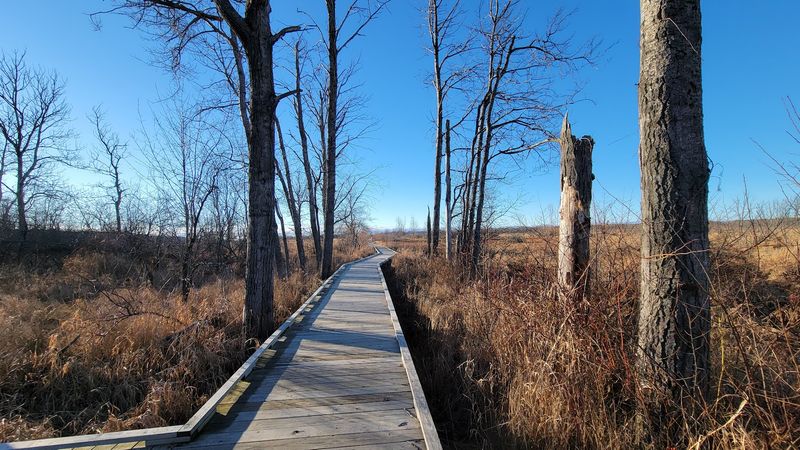
Accessible trails often come with an asterisk. This one does not.
The boardwalk is genuinely wide, smooth, and designed for everyone from the start.
Upgraded to a universally accessible path in 2019, the trail accommodates wheelchairs, mobility aids, and strollers without compromise. The surface is stable and well-maintained throughout the entire route.
Accessible fishing piers extend from the boardwalk at certain points, giving anglers of all abilities a chance to cast a line into the marsh. Over 25 fish species live in the water below.
The bump-outs with benches provide natural rest points that benefit everyone, not just those who need a break. They also happen to be excellent spots for watching herons stalk their meals.
Families with young children find the trail manageable and engaging. The interpretive signs give kids something to read and respond to, turning the walk into a casual outdoor classroom.
No trail fee is required to visit. Parking is available directly off M-22, making the logistics as simple as the trail itself.
Show up, walk, and leave changed.
Why This View Stays With You Long After You Leave
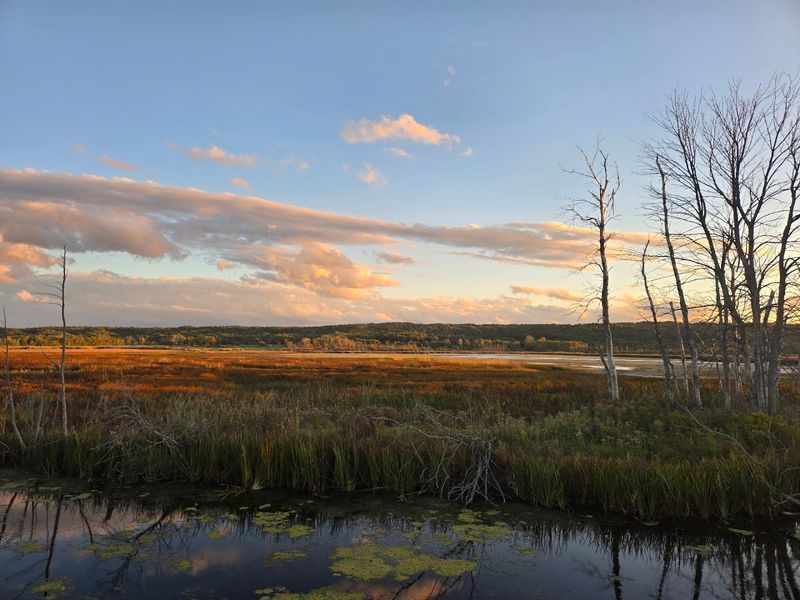
Some places leave a mark you cannot explain to someone who was not there. This marsh is exactly that kind of place, and the ending of the trail proves it.
The final stretch opens toward Lake Michigan’s influence, where the marsh meets the broader landscape of the shoreline. The light changes here depending on the time of day you arrive.
Sunset visits produce colors that seem almost too saturated to be real. Pinks and oranges spread across the water’s surface while herons stand perfectly still in the shallows.
Morning visits bring mist rising off the water and bird calls layering over each other in a way that feels genuinely orchestrated. Neither version of this trail is better than the other.
The experience lingers because it is quiet in a way that modern life rarely offers. No notifications, no background noise, no performance.
Just a marsh doing what marshes have done for thousands of years.
Most people who visit once come back. The trail is short enough to feel approachable and rich enough to reward every single return visit with something new.