The 10 Most Charming Walkable Towns In Connecticut You Should Explore This Summer
Summer is when a good walkable town really shows off. Not in a loud way.
More like the moment you park once and realize the rest of the afternoon can unfold at an easy pace.
A summer walk through Connecticut feels best when the town gives you pretty corners and plenty of room to wander. That is the charm here.
You might pass old homes with flower boxes, peek into a small shop, or pause near a green that feels made for lingering. Nothing has to be complicated.
The best towns for this kind of day have a gentle rhythm, where the sidewalks lead you from one pleasant little discovery to the next. Shade matters.
So does a place to sit for a minute. Add a cafe nearby and suddenly the whole outing feels like it planned itself.
That is why these towns feel so easy to love in warm weather.
1. Mystic
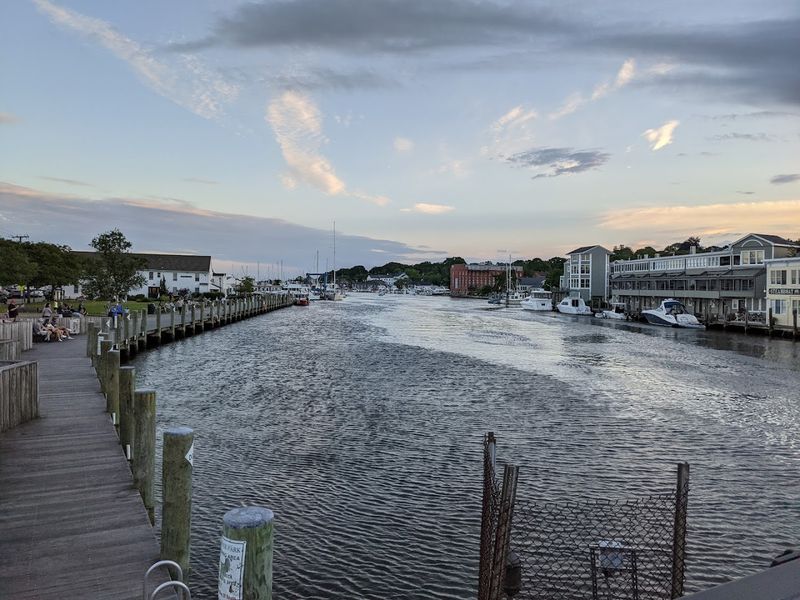
A summer afternoon in Mystic can feel cinematic without trying very hard. Cobblestone paths, old wooden buildings, and river views give the village a historic texture that still feels lived-in.
The working bascule bridge adds the best kind of pause, especially when traffic stops and the span lifts for boats passing through. It is one of those simple waterfront moments that people remember because it feels so tied to the place.
A major part of the area’s maritime story sits nearby at 75 Greenmanville Avenue, where the museum campus includes historic vessels, a re-created coastal village, and hands-on exhibits about seafaring life.
Downtown stays compact enough to explore on foot, with small shops, book browsing, and plenty of places to eat close to the water.
The streets near the river have an easy rhythm, so the best parts often happen between planned stops. Weekday mornings usually feel calmer in summer, before the busiest stretch of the day settles in.
Uneven older streets make comfortable shoes helpful, but the real reward is taking it slow and letting the waterfront scenery, salty air, and historic details shape the visit.
2. Essex
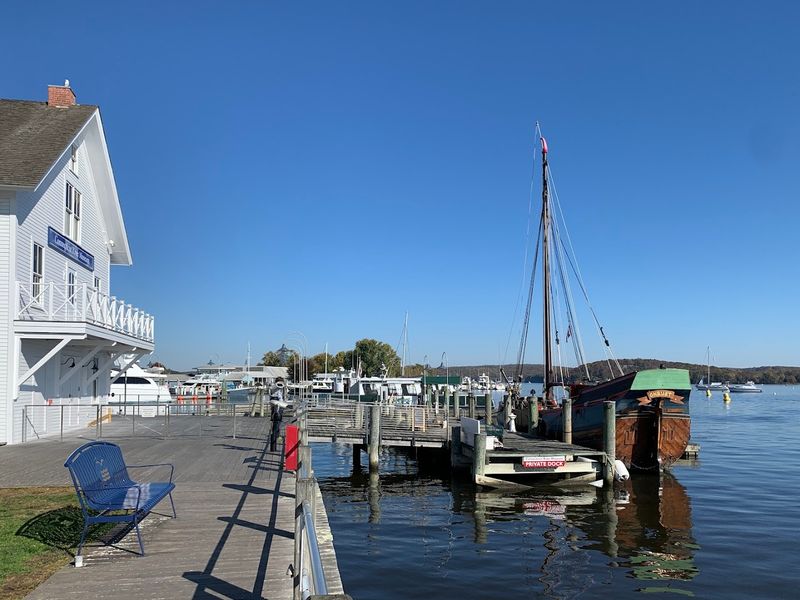
A river village with this much history does not need to work hard for attention. The harbor sets the tone first, with wooden docks, moored sailboats, and white clapboard buildings reflected in the water on calm mornings.
Main Street keeps the pace easy, giving visitors time to notice the preserved homes, small storefronts, and quiet details that make the village feel so polished without becoming flashy.
One of the most memorable ways to see the surrounding landscape starts at 1 Railroad Avenue in Essex, where the scenic train and riverboat experience follows the river through a softer, greener side of the area.
The vintage train ride and river cruise give the day a sense of occasion while still feeling relaxed. Away from the harbor, historic homes line the streets like an architectural timeline, showing how carefully the village has held onto its character.
Shops and cafes stay manageable in size, so browsing feels pleasant instead of exhausting. The town tends to appeal to visitors who prefer understated beauty, and that slower rhythm is exactly what makes it so inviting.
Mornings are especially comfortable for walking before the midday heat settles over the village.
3. Guilford
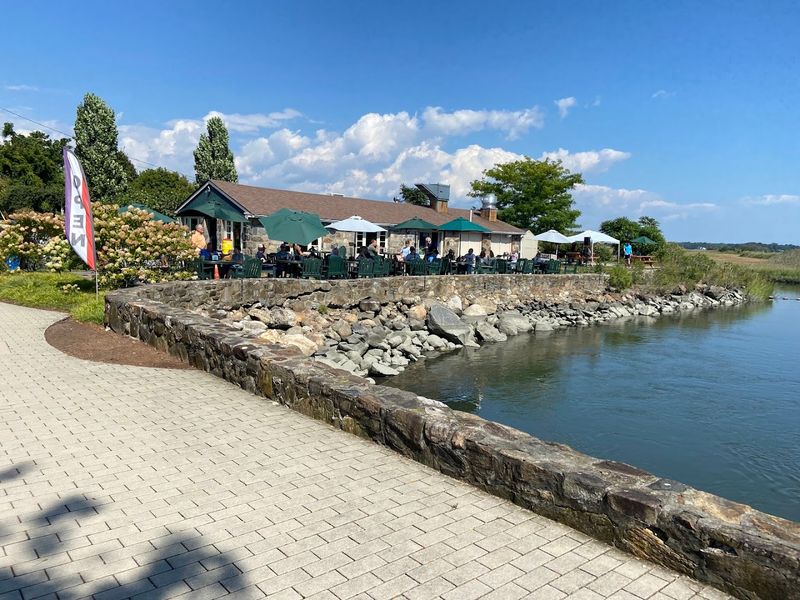
One of the state’s oldest towns carries its age well, and Guilford is proof that history and livability can coexist without one overshadowing the other.
The town green here is one of the largest in New England, stretching out in a way that invites picnics, casual strolls, and long conversations on shaded benches.
Tree-lined streets radiate outward from the green, lined with historic homes that span several centuries of architectural styles.
Jacobs Beach, a public shoreline along Long Island Sound, offers a natural complement to the town’s walkable downtown and gives visitors a reason to extend their visit into the afternoon.
The Henry Whitfield State Museum, located at 248 Old Whitfield St, Guilford, CT 06437, is the oldest stone house in New England and provides a fascinating look at early colonial life in Connecticut.
Standing inside its thick stone walls on a warm summer day creates a noticeable contrast in temperature that is both practical and atmospheric.
Downtown Guilford has a solid collection of independent shops, cafes, and restaurants that stay approachable in scale. The pace here leans relaxed rather than rushed, which suits the town’s overall character well.
Parking near the green is generally available on weekdays, making it a practical starting point for a full afternoon of exploration on foot.
4. Niantic
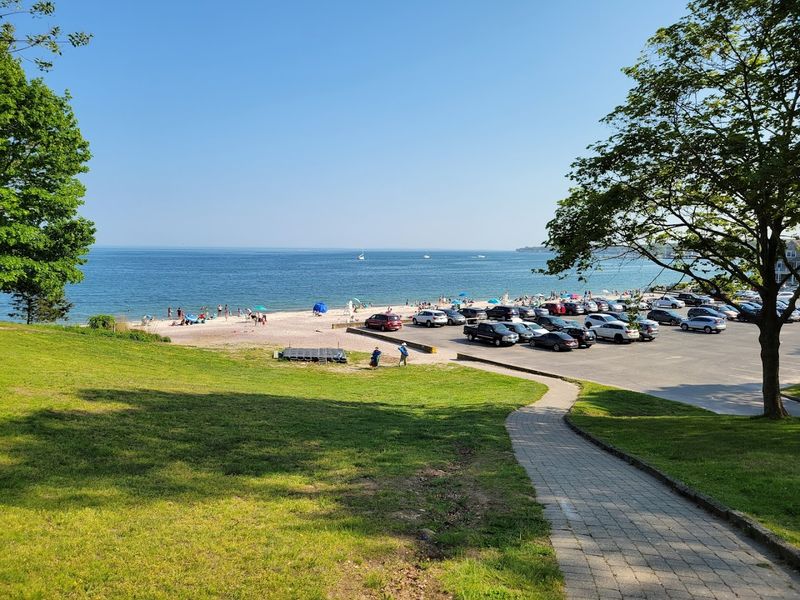
A coastal town does not have to feel crowded or flashy to be memorable. Niantic proves that with a shoreline setting that feels easy from the start, especially along the bayfront boardwalk.
The flat waterfront path gives visitors open water views, beach grasses, and plenty of room to enjoy a slower morning before summer foot traffic picks up. Main Street runs close to the water, keeping shops, bakeries, and casual places to eat within a simple walking route.
One favorite stop sits at 269 Main Street, where a beloved used bookstore spreads through multiple buildings and outdoor spaces. Its wandering layout, open-air shelves, and resident cats give the experience a personality that feels playful without trying too hard.
The town works especially well for visitors who like coastal scenery without the heavier pace of bigger beach areas. Waterfront access, independent storefronts, and an easy-to-follow downtown make several hours pass comfortably.
Weekdays usually bring more breathing room along the boardwalk and through the busier Main Street stops, which helps the whole visit feel calm rather than packed.
5. Wethersfield
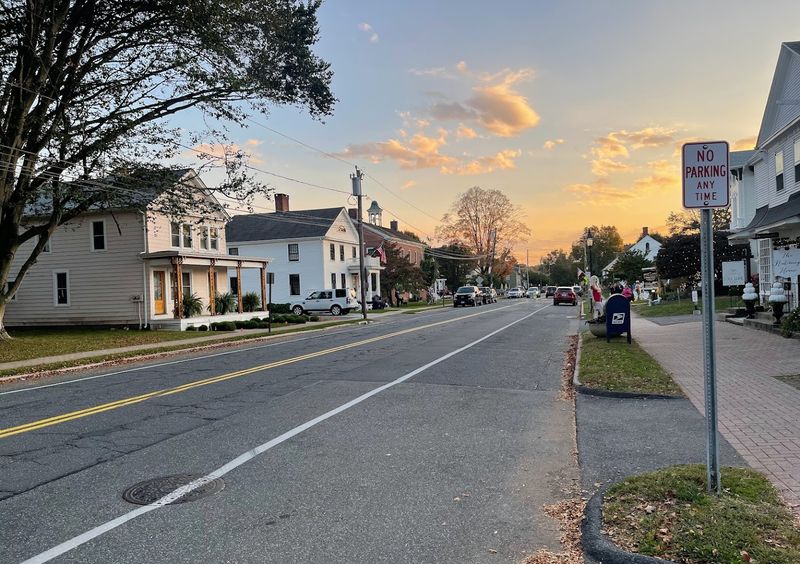
Old Wethersfield holds a quiet kind of pride that comes from being one of the oldest continuously inhabited towns in the state, and walking its streets feels like moving through a carefully preserved chapter of American history.
The historic district contains one of the largest collections of original colonial and Federal-style homes in the entire country, and many of them line the streets close enough to the sidewalk that architectural details are easy to appreciate up close.
Brick sidewalks and mature trees add to the sense that very little has been rushed here over the centuries.
The Webb-Deane-Stevens Museum, located at 211 Main St, Wethersfield, CT 06109, brings three distinct 18th-century houses together under one historic site and offers guided tours that provide real context for the neighborhood surrounding it.
The Wethersfield Museum at the Keeney Memorial Cultural Center, located at 200 Main St, Wethersfield, CT 06109, adds another layer of local history that rounds out the experience nicely.
Both sites sit within easy walking distance of each other, making the historic district genuinely practical to explore on foot.
The town green and surrounding streets stay relatively uncrowded compared to more well-known destinations, which makes the experience feel personal rather than performative. Summer afternoons here have a calm, almost meditative quality that suits the town’s character.
Flat sidewalks and short distances between landmarks make Wethersfield accessible for visitors of most mobility levels.
6. West Hartford
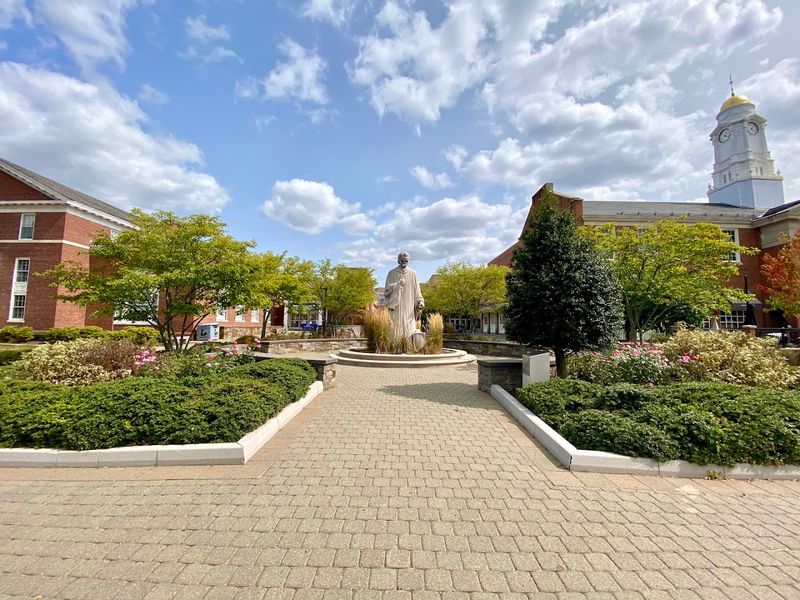
A town center with real energy can make an afternoon feel effortless, and this one has that balance down. Wide sidewalks, outdoor tables, and a tight mix of shops and restaurants keep the area easy to explore without constant backtracking.
The pace feels polished but still relaxed, which is a big part of the appeal. It works just as well for a slow lunch as it does for an evening out, and the steady foot traffic gives the streets a friendly buzz.
Along LaSalle Road and Farmington Avenue, dining choices cover casual meals, special-occasion spots, and plenty of options for groups trying to agree on one plan.
Blue Back Square adds shopping, entertainment, and public gathering space nearby, while the older streets keep the area from feeling too manufactured.
A dose of local history waits at 227 South Main Street, where the historic house museum gives the visit a quieter counterpoint to the busy center. That mix of modern convenience and older neighborhood character is what makes the area feel so complete.
Summer evenings usually bring a lively sidewalk scene, with patios filling up and people staying out later. Weekends add extra bustle and occasional events, while weekday midmornings tend to be easier for parking and slower wandering.
7. Litchfield
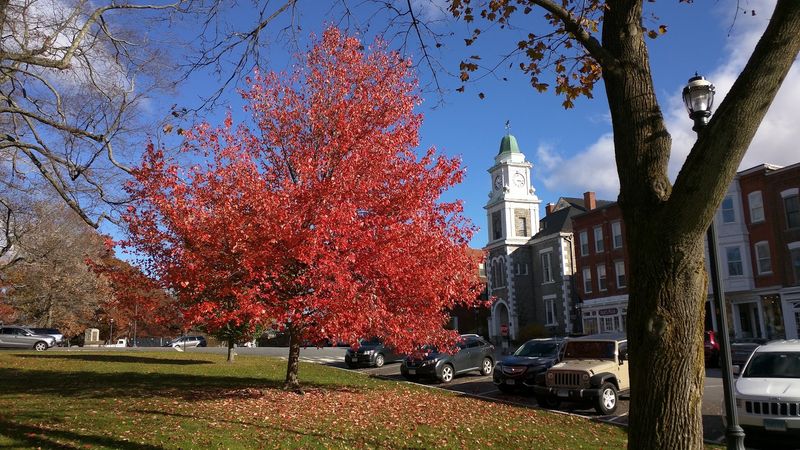
Driving into Litchfield for the first time tends to produce a genuine pause, because the town green and surrounding architecture look almost too well-preserved to be real.
Wide, tree-shaded streets radiate from a classic New England green flanked by white colonial-era buildings, and the whole composition feels like it was designed to be experienced at walking pace.
The town sits in the hills of northwestern Connecticut, which gives the surrounding landscape a different character than the coastal towns further south.
Antique shops, boutiques, and restaurants line the streets near the green and stay manageable enough in number that browsing never feels overwhelming.
The Litchfield History Museum, located at 7 South St, Litchfield, CT 06759, provides a well-organized look at the town’s significant role in early American legal and political history.
Litchfield was home to the first law school in the United States, which adds an intellectual dimension to what might otherwise seem like a purely scenic destination.
Local farms surrounding the town offer pick-your-own experiences during summer months, making a day trip here easy to extend beyond the town center itself.
The terrain around the green is flat and comfortable for walking, though some side streets have uneven surfaces worth watching on older footwear.
Litchfield rewards visitors who take time to read the historic markers and look up at the buildings rather than simply passing through.
8. Kent
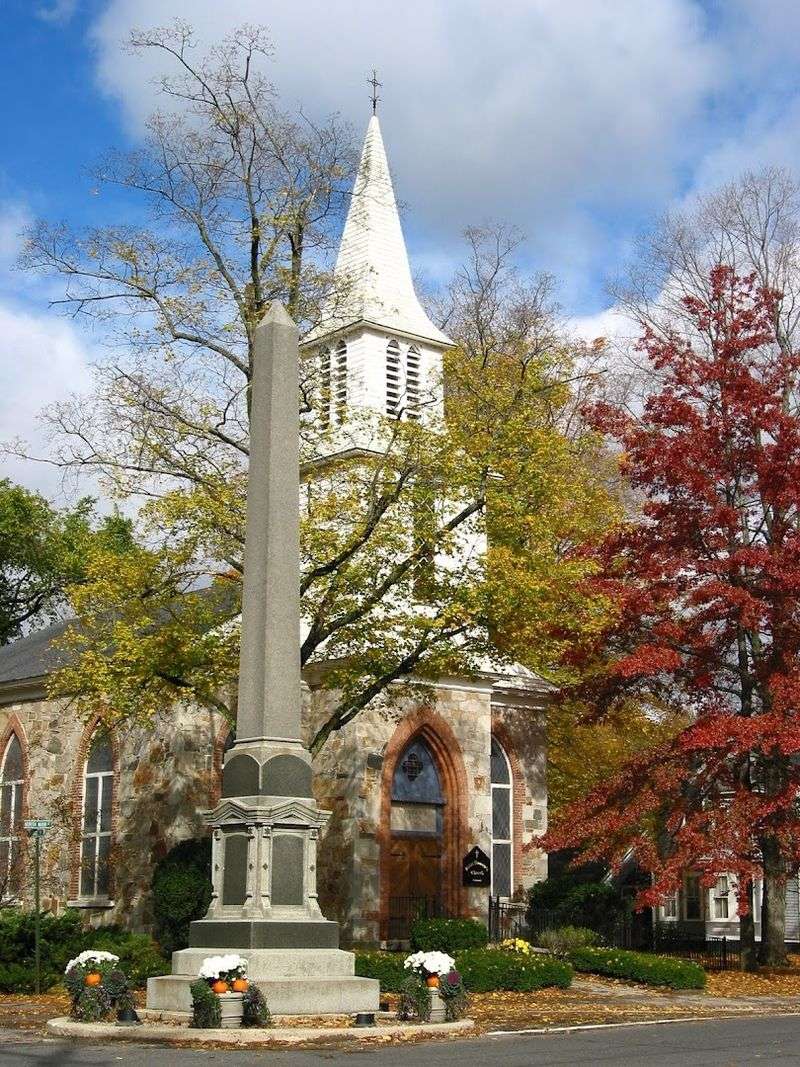
A small town can feel especially memorable when its creative side is woven right into the everyday streetscape. In this northwestern village, historic buildings, independent shops, and active galleries give Main Street a sense of personality that goes beyond pretty scenery.
The center is compact enough to explore on foot, but it does not feel one-note. Colonial and early American buildings hold businesses with their own rhythm, so each block brings a slightly different feel.
That mix gives the town real depth, as if its past and present are both part of the same conversation.
A short drive north adds another reason to linger, with cascading waterfalls reached by a manageable trail at the nearby state park.
Another worthwhile stop waits at 31 Kent Cornwall Road, where early American farm tools, woodworking pieces, and paintings by Eric Sloane create a quieter kind of historical experience.
Its setting near the Housatonic River gives the visit an extra scenic layer without pulling attention from the collection itself.
Summer brings changing gallery exhibitions along Main Street, which keeps the arts scene feeling active rather than static. Weekends can draw day-trippers, so weekday mornings usually make browsing feel more relaxed.
With hills and river views close by, even a simple walk through town feels connected to the landscape around it.
9. New Canaan
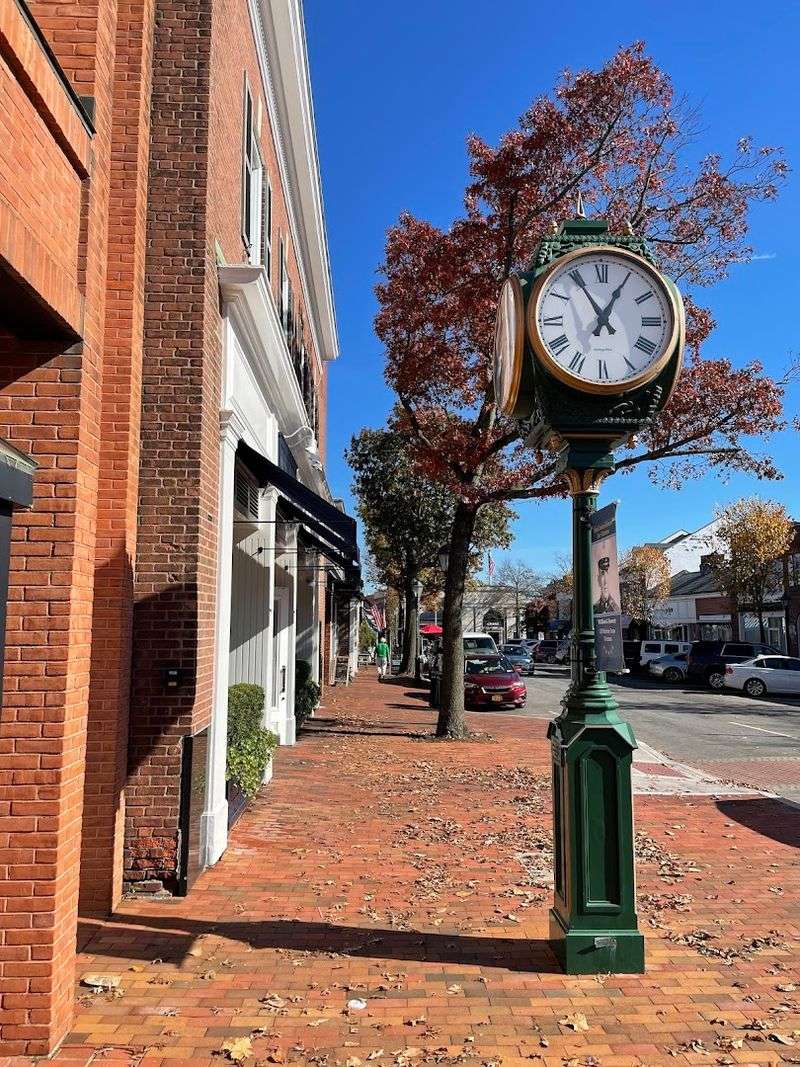
A polished downtown can still feel relaxed when it has enough character behind the storefronts. That is the appeal here, where well-kept streets near the train station make browsing feel easy without turning the area into a glossy showroom.
Independent boutiques, coffee shops, and restaurants fill the compact center, giving a summer afternoon a pleasant rhythm that does not require much planning. The architecture feels consistent in a quiet way, and the sidewalks make it simple to move from one block to the next.
A few minutes away, the pace changes completely at 144 Oenoke Ridge, where the nature center spreads across 40 acres of meadows, woodlands, wetlands, and easy trails.
Pairing a downtown stroll with time outdoors gives the day a nice shift, especially when the weather is warm and the shaded paths feel inviting.
It is a strong contrast, but not a jarring one. The polished center and the calmer natural setting seem to balance each other.
Architecture adds another layer to the visit through the Glass House, the National Trust Historic Site designed by Philip Johnson. Its presence gives the town a cultural weight that goes beyond shopping and dining.
Summer programming can bring extra energy on weekends, while parking near the train station makes a practical starting point for exploring on foot.
10. Putnam
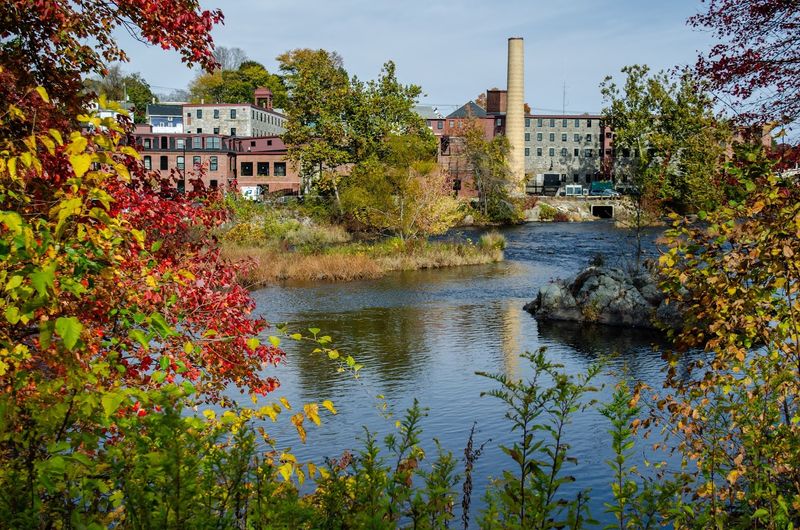
Antique lovers who have not yet made it to Putnam are missing one of the most concentrated and genuinely accessible antique destinations in all of New England.
The downtown area along Main Street and the surrounding blocks hosts dozens of dealers spread across multi-story buildings, making it possible to spend several hours browsing without covering much physical ground.
The brick streetscape and historic mill-era architecture give the whole district a texture that feels earned rather than decorated.
Putnam Antiques District anchors the town’s identity and draws collectors, decorators, and casual browsers from across the region throughout the summer months.
The Putnam River Trail runs along the Quinebaug River and offers a flat, scenic walking path that connects the downtown area to the surrounding natural landscape with minimal effort.
Antique Center of New England, located at 109 Main St, Putnam, CT 06260, is one of the largest multi-dealer antique centers in the region and serves as a useful anchor point for first-time visitors exploring the district.
Putnam sits in the state’s Quiet Corner, a region that sees far fewer tourists than the coastal or Litchfield Hills areas, which means the overall atmosphere tends to stay relaxed even on summer weekends.
Prices at the antique shops vary widely, and patient browsing often turns up genuinely interesting finds at reasonable values.
The combination of walkable streets, riverside trails, and a strong antique culture makes Putnam a satisfying and underrated summer destination.