This 982-Acre Island State Park In Michigan Feels Like A World Away From Everything Else
Some places make the noise stop. Not gradually, but all at once.
You cross a bridge, and the city you just left feels like it belongs to a different world entirely. Michigan has state parks that draw visitors from across the country, but this one does something the others cannot.
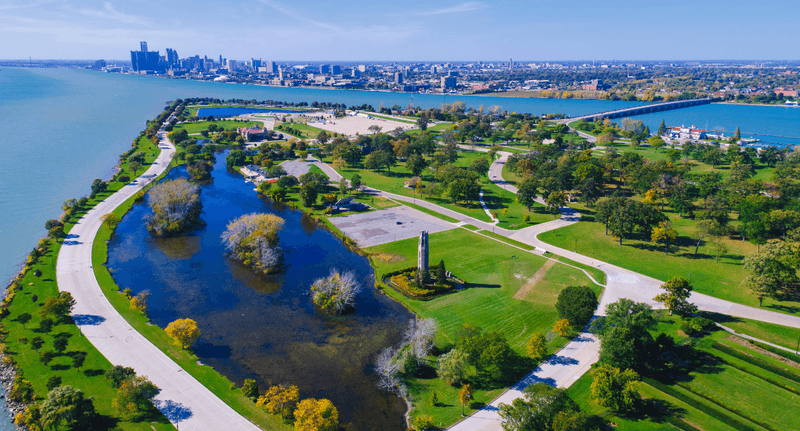
It sits on 982 acres in the middle of the Detroit River, larger than Central Park, surrounded by water on every side. The trees here are old and the trails are quiet and the views across the river make it genuinely hard to leave.
I kept telling myself five more minutes. Michigan has a talent for producing places that feel completely removed from ordinary life, and this island is one of the most striking examples of that.
It is already there, already free, and most people have never set foot on it.
An Island Bigger Than Central Park
Most people do not realize this island beats Central Park in size, and that fact alone changes how you see it. At 982 acres, there is real room to breathe here.
You are not fighting for a bench or a patch of grass.
The island sits right in the Detroit River, with Canada visible on one side and the Detroit skyline glowing on the other. That view alone is worth the drive.
It feels almost impossible that something this vast and green exists inside a major American city.
The MacArthur Bridge connects the island to mainland Detroit, making it easy to reach by car or bike. A Michigan State Park Recreation Passport gets you in, so plan ahead.
Michigan officially made this its 102nd state park in 2014, managed by the Michigan Department of Natural Resources.
Frederick Law Olmsted, the same landscape genius behind Central Park, influenced the island’s design. That connection explains the sweeping open spaces and thoughtful layout.
Belle Isle, Detroit, MI sits at coordinates 42.3432541, -82.9743495, ready to surprise every first-time visitor who underestimates just how much is packed onto this island.
The Oldest Public Aquarium In North America
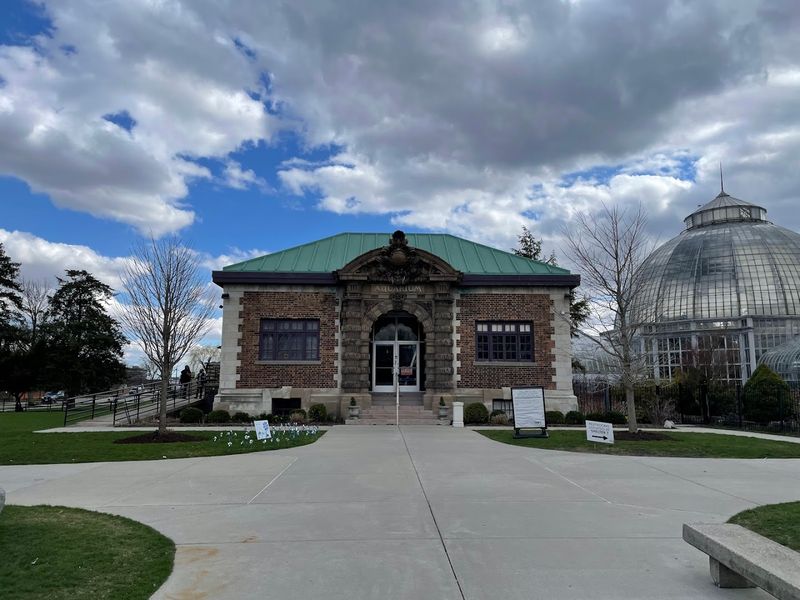
Some buildings just carry a certain energy, and this aquarium has it in full. Designed by architect Albert Kahn and opened in 1904, it is widely recognized as one of the oldest public aquariums in North America.
That is not a small claim.
The green-tinted lighting inside gives the whole place an underwater glow that feels almost magical. Fish tanks line the walls from floor to ceiling, and the architecture itself is worth admiring.
It feels like stepping into a different era entirely.
What makes this spot even more impressive is that admission is free. You can spend a solid hour wandering through exhibits featuring freshwater fish native to the Great Lakes region.
Kids are completely captivated, and honestly, so are adults.
The aquarium was closed for years before reopening in 2012 thanks to volunteer support and community funding. That comeback story adds meaning to every visit.
Knowing that regular people fought to keep this place alive makes the experience feel more personal and connected.
Plan to arrive early on weekends because the space fills up quickly. The cool interior also makes it a perfect stop on a hot summer afternoon when the rest of the island gets warm and sunny.
The Anna Scripps Whitcomb Conservatory
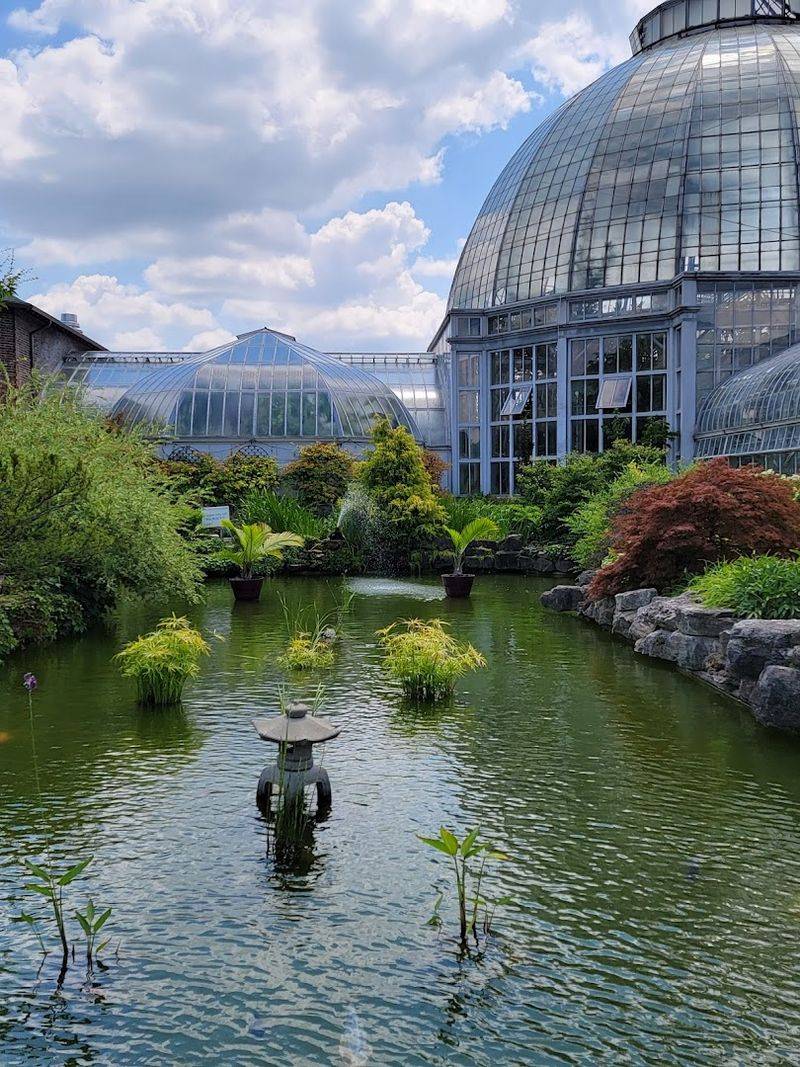
A glass greenhouse filled with tropical plants on a Michigan island is a genuinely surreal experience. The Anna Scripps Whitcomb Conservatory opened in 1904 and holds the remarkable title of oldest continuously running conservatory in the United States.
That record has stood for over a century.
Architect Albert Kahn designed this structure too, giving it that same stately, timeless look as the aquarium nearby. Inside, you will find palms, ferns, cacti, orchids, and flowering plants from across the globe.
The warmth and humidity hit you the moment you arrive.
Five different plant houses make up the conservatory, each featuring a distinct collection. The lily pond room is especially peaceful, with large water lilies floating silently in still water.
It is the kind of place that makes you slow down without even trying.
Volunteers play a huge role in keeping the conservatory running and looking beautiful. That community dedication shows in how well the plants are maintained throughout the year.
Visiting feels less like a tourist stop and more like being welcomed into something genuinely cared for and loved by the people of Detroit.
The James Scott Memorial Fountain
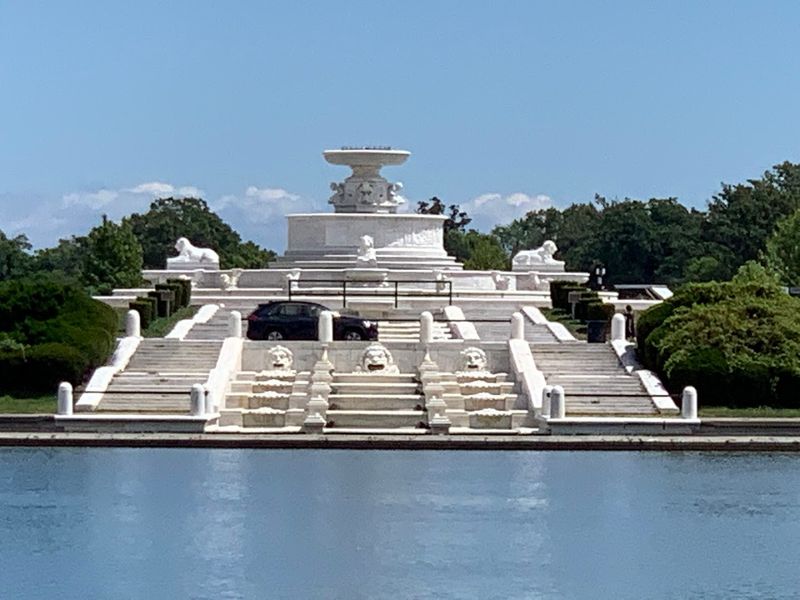
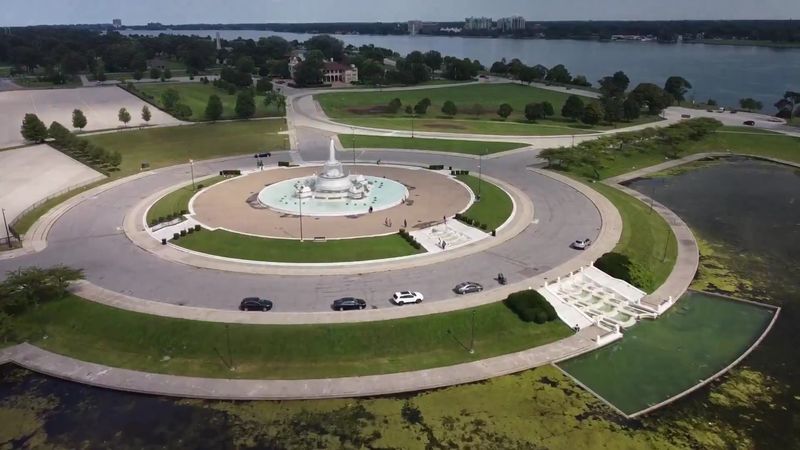
Few landmarks on the island command attention quite like this fountain does. Completed in 1925, the James Scott Memorial Fountain is a grand marble structure that stretches across a wide open plaza near the island’s western end.
It is genuinely impressive up close.
The fountain features intricate sculptures and a broad basin that catches light beautifully on sunny days. When water was flowing, it reportedly shot jets high into the air and could be seen from a considerable distance.
Photographs from its peak years show something truly spectacular.
Currently, the fountain is undergoing restoration efforts, which means the water display is not active during visits. The structure itself is still very much worth seeing, and the surrounding open space offers some of the best skyline views on the entire island.
Bring a camera.
The story behind the fountain adds an interesting layer. James Scott was a controversial Detroit figure who left money in his will specifically to fund a monument to himself.
The city debated accepting the gift for years before finally moving forward.
Even without running water, the fountain plaza is a favorite gathering spot. Families picnic nearby, cyclists loop around it, and photographers use the backdrop constantly throughout the warmer months.
The William Livingstone Memorial Lighthouse
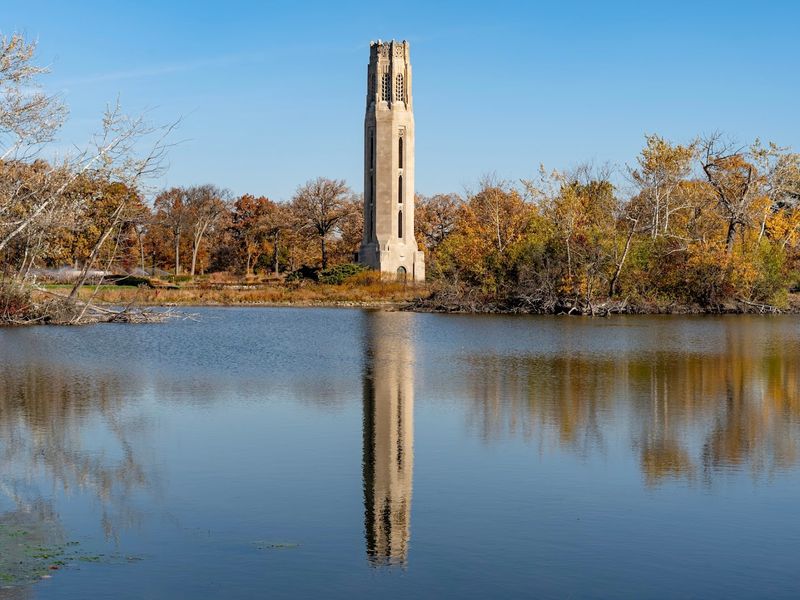
There is only one marble lighthouse in the entire country, and it stands right here at the eastern tip of the island. The William Livingstone Memorial Lighthouse was completed in 1930 and honors a man who spent his career improving navigation on the Great Lakes.
The material choice alone makes it unforgettable.
Most lighthouses are built from brick, stone, or cast iron. This one is pure white Georgia marble, which gives it a soft, almost glowing appearance against the sky and water.
Seeing it for the first time feels like spotting something from another world entirely.
The lighthouse marks the far eastern end of the island, making it a natural destination for anyone doing a full loop by bike or on foot. The path leading to it winds through quieter, less crowded sections of the park.
That stretch feels more remote than you would expect.
Standing beside the lighthouse, you can watch freighters and smaller boats navigate the narrow river channel. The combination of the marble structure, moving water, and open sky creates a scene that photographs brilliantly at any time of day.
It is a peaceful, slightly off-the-beaten-path reward for those who make the full journey to the island’s far end. Most casual visitors never quite make it this far.
The Dossin Great Lakes Museum
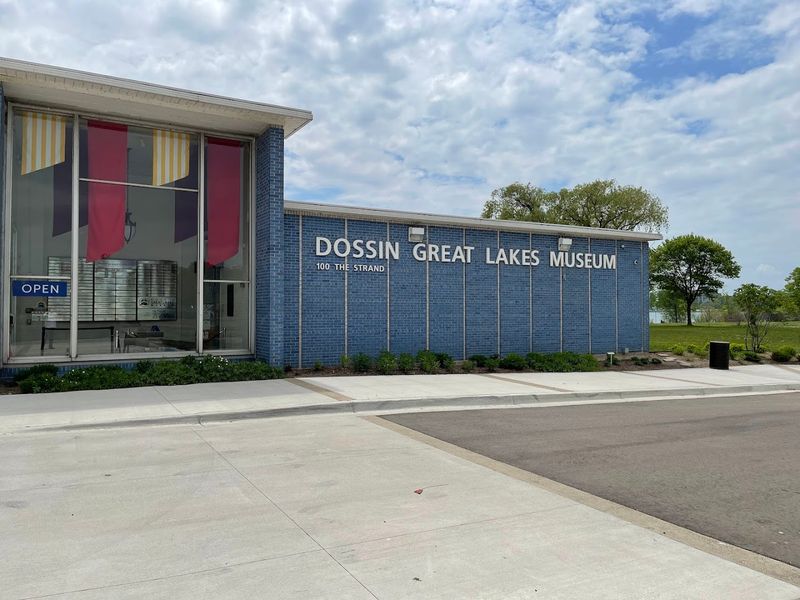
The Great Lakes hold more freshwater than anywhere else on Earth, and this museum gives that fact the respect it deserves.
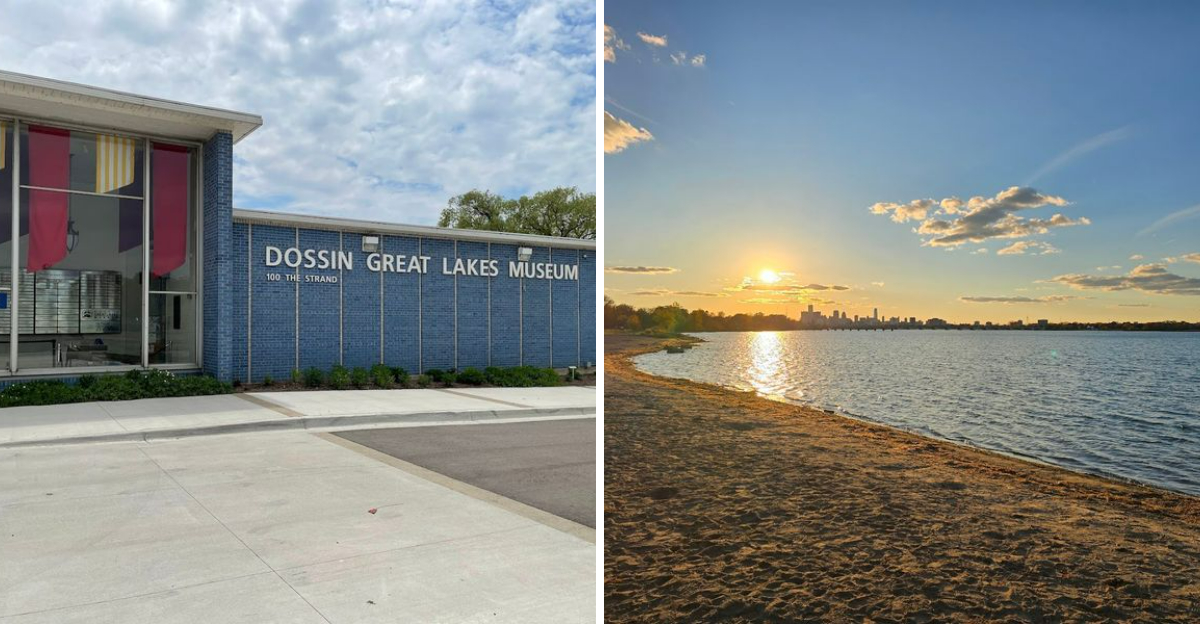
The Dossin Great Lakes Museum sits right on the southern shore of the island, offering front-row views of massive freighters moving through the Detroit River.
Watching those ships pass is oddly mesmerizing.
Inside, the exhibits trace the full maritime history of the Great Lakes region. Ship models, navigation equipment, historical photographs, and interactive displays fill the space.
It covers everything from early fur trade canoes to modern commercial shipping vessels.
One of the most striking features is the Gothic Room, salvaged from the luxury steamship SS City of Detroit III. The ornate woodwork and stained glass feel completely out of place in the best possible way.
It is the kind of unexpected detail that makes a museum visit memorable.
The museum also houses the bow anchor from the Edmund Fitzgerald, the famous freighter that sank in Lake Superior in 1975. That single artifact carries enormous emotional weight for anyone familiar with Great Lakes history.
Admission pricing is modest, and the waterfront location alone justifies stopping in. Pair it with a walk along the river path and you get one of the most satisfying stretches of the entire island visit.
The Belle Isle Nature Center
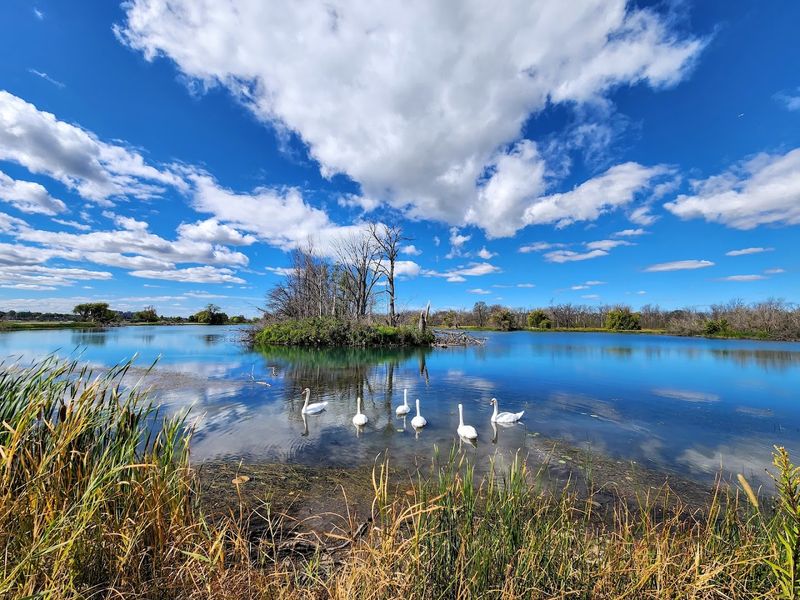
Not everyone comes to an island park looking for a forest, but that is exactly what waits near the northern edge of this one. The Belle Isle Nature Center sits within a forested wetland area that feels genuinely removed from everything urban.
Birds are everywhere, and the quiet is real.
The nature center offers exhibits focused on Michigan wildlife, local ecosystems, and the natural history of the island itself. It is educational without being dry, and the staff clearly cares about connecting visitors to the environment around them.
Kids respond especially well to the hands-on displays inside.
Outside, trails wind through the wetland habitat where you might spot turtles, herons, songbirds, and native plant species. The contrast between this area and the open lawns elsewhere on the island is striking.
It genuinely feels like a different park within a park.
Birdwatchers find this section particularly rewarding during spring and fall migration seasons. The island’s position in the Detroit River makes it a natural stopover point for traveling species.
Bringing binoculars here is a very good idea.
The nature center is free to enter, adding to the island’s reputation as one of the most accessible outdoor destinations in the entire metro Detroit area. Every season brings something new worth observing along those quiet, shaded trails.
Where The Trails End And The Water Begins
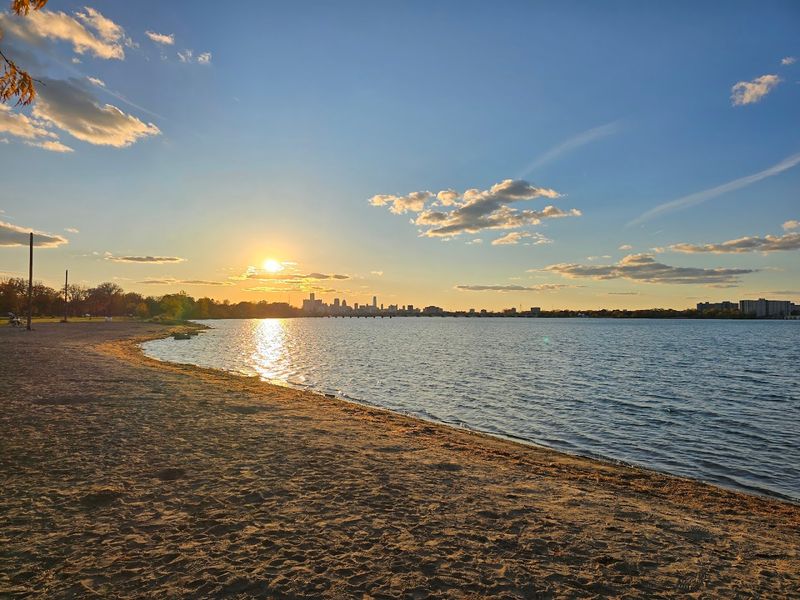
Some parks make you feel like a spectator, but this one pulls you right into the action. The island’s sandy beach stretches along the southern shore, offering a surprisingly pleasant swimming spot with views of passing boats and the Canadian shoreline across the river.
Summer weekends here have real energy.
Cycling is one of the most popular ways to explore the island, and a dedicated bike path loops the entire perimeter. The full loop is a satisfying ride with constantly changing scenery.
Rental options are available seasonally, so you do not need to bring your own gear.
Kayaking, canoeing, pedal boating, and stand-up paddleboarding are all available from the island’s boat rental area during warmer months. Getting out onto the Detroit River with the city skyline behind you is a perspective most visitors never experience.
It is genuinely one of the best views in all of Michigan.
Fishing piers attract anglers year-round, and the island also has a golf course for those who prefer fairways over footpaths. Picnic areas with grills are scattered throughout the park, making it easy to spend an entire day without needing to leave.
The variety of activities packed onto one island is remarkable.
Why This Island Deserves A Full Day Of Your Time
Some places reveal themselves slowly, and this island is one of them. A quick drive-through barely scratches the surface of what is actually here.
A full day gives you just enough time to feel like you have genuinely experienced it.
Entry requires a Michigan State Park Recreation Passport, either as an annual pass or a daily vehicle permit. Planning ahead saves time and frustration at the entrance.
Most Michigan residents already have the annual pass, which makes this visit essentially free.
Food trucks appear on the island seasonally, which solves the lunch question neatly. Packing a picnic is always a solid backup plan given the abundance of shaded spots and open lawns throughout the park.
What makes this island truly stand out is the sheer density of genuinely interesting things packed into one accessible location. History, nature, architecture, water, and recreation all exist here side by side.
Very few urban parks in the entire country can make that same honest claim with this level of variety and charm.