This Charming, Sleepy Georgia Town Has Homes Under $170,000, And It Might Actually Be Worth The Move
There is something almost suspicious about a place that is affordable, friendly, and full of history all at once. We have been trained to expect a catch.
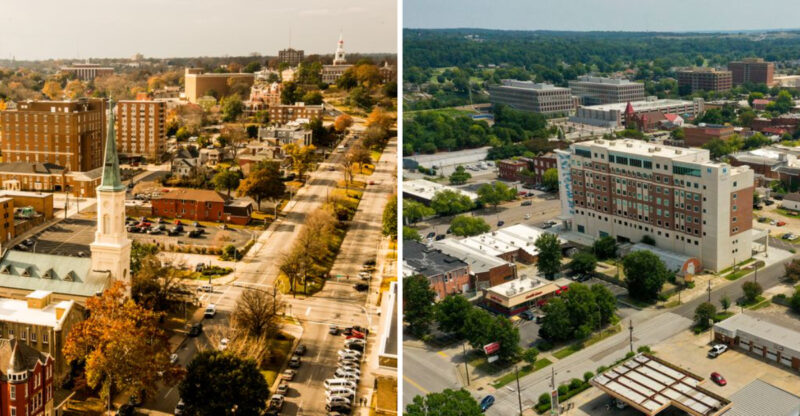
Yet here sits Americus, in the heart of southwest Georgia, quietly offering all three with no fine print attached. Tucked into Sumter County with a population around 16,000, it carries the kind of slow, settled charm that sprawling cities simply cannot fake into existence.
Then you see the home prices, routinely landing well under 170,000 dollars, and the whole thing starts to feel like a secret somebody forgot to keep. In a real estate climate that punishes everyone, that number reads like a typo.
If you have ever wondered what living somewhere genuinely rooted actually feels like, this little city might be the answer you never thought to look for.
1. A Downtown That Feels Like A Living History Lesson
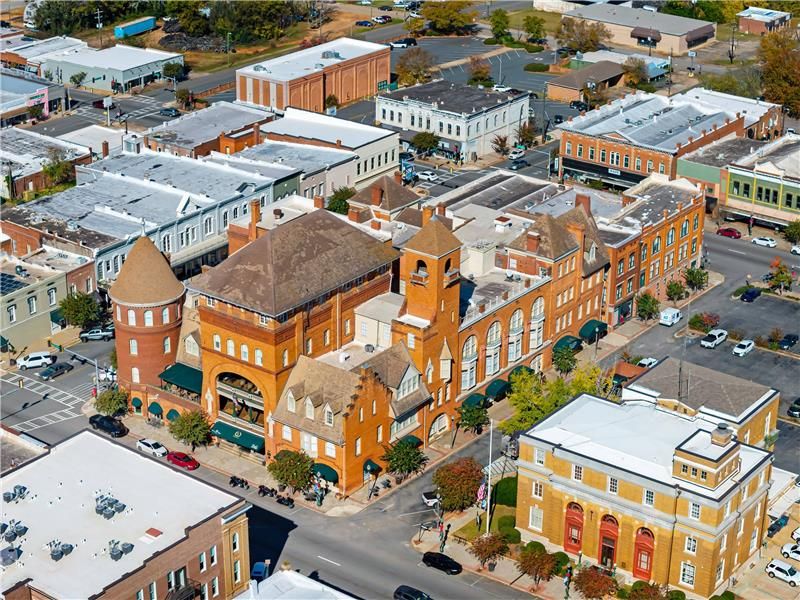
Walking through downtown Americus feels a bit like stepping into a well-preserved postcard from another era. The streets are lined with late 19th and early 20th century commercial buildings, many of which have been carefully restored and now house local shops, restaurants, and offices.
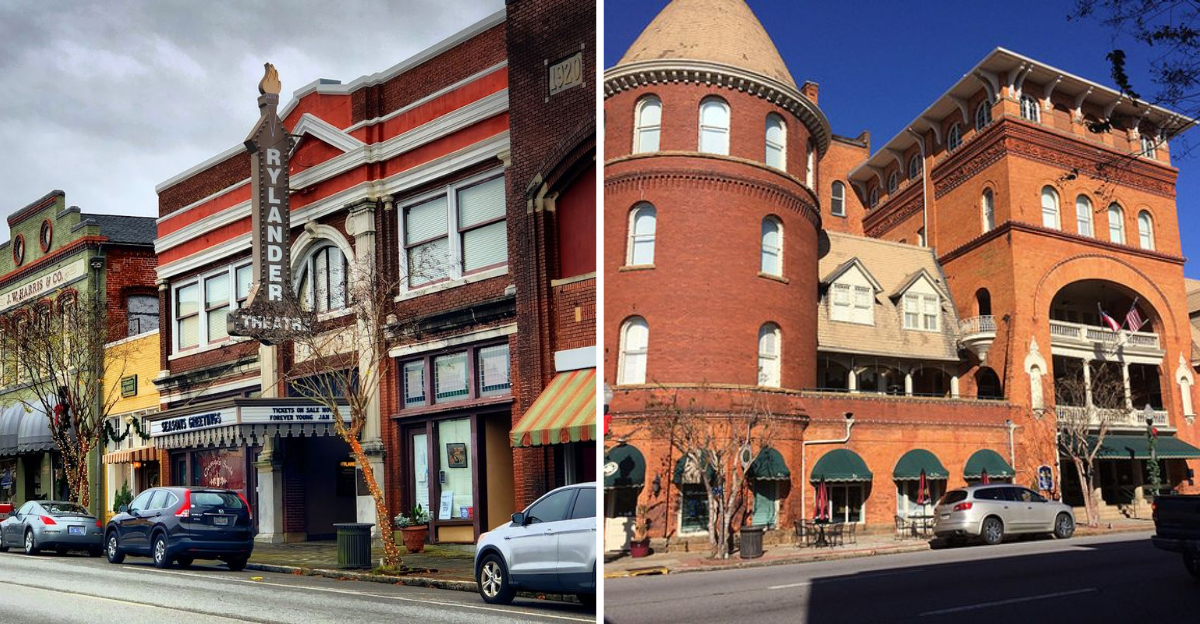
The Rylander Theatre, located at 310 West Lamar Street, Americus, GA 31709, stands as one of the crown jewels of the downtown area. Built in 1921, it continues to host live performances, community events, and film screenings, making it a genuine gathering place for residents of all ages.
Strolling this area on a weekend morning, when foot traffic is light and the light hits the old brick just right, is one of those simple pleasures that Americus residents tend to mention first when asked what they love about living here. The scale feels human, and that matters.
2. Windsor Hotel: A Landmark That Earns Its Reputation
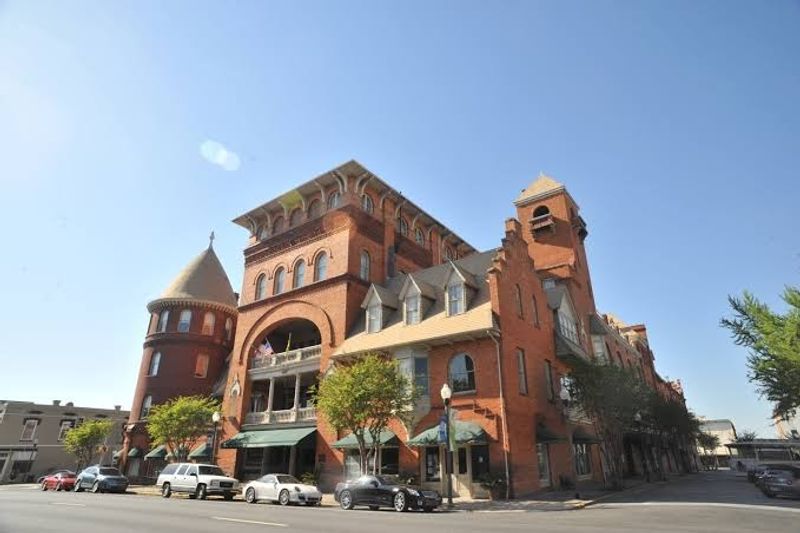
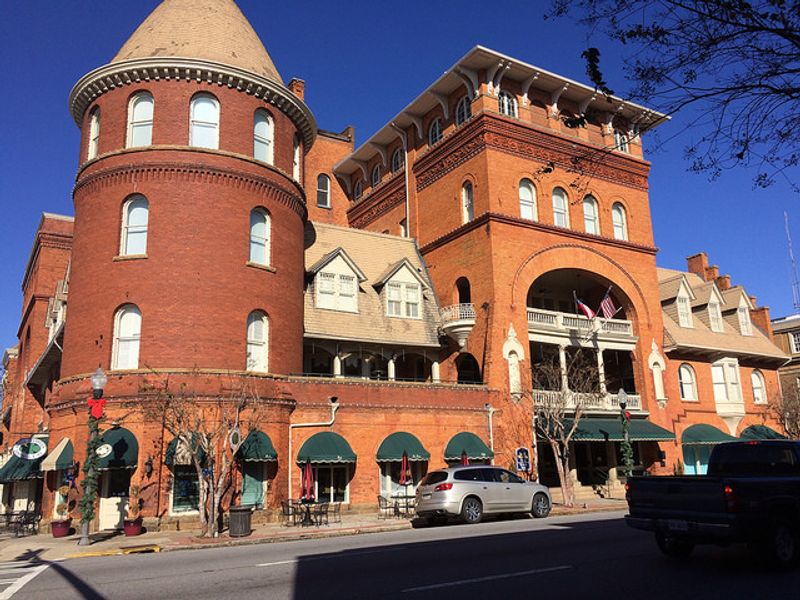
Few small Georgia towns can claim a hotel as genuinely spectacular as the Windsor. The Windsor Hotel, located at 125 West Lamar Street, Americus, GA 31709, was built in 1892 and stands as one of the most architecturally striking Victorian-era buildings in the entire state.
The hotel features soaring turrets, a sweeping lobby, and period-appropriate details that have been lovingly maintained through multiple renovations.
Guests and visitors alike are welcome to step inside, and the experience of simply walking through the lobby is worth the stop even if you are not staying overnight.
The on-site dining and bar areas give locals a reason to return regularly, not just out-of-town guests. For anyone moving to Americus, the Windsor quickly becomes a point of pride, the kind of landmark that makes you feel like your new hometown has genuine stories to tell and architecture that backs them up completely.
3. Jimmy Carter’s Hometown Is Just Minutes Away
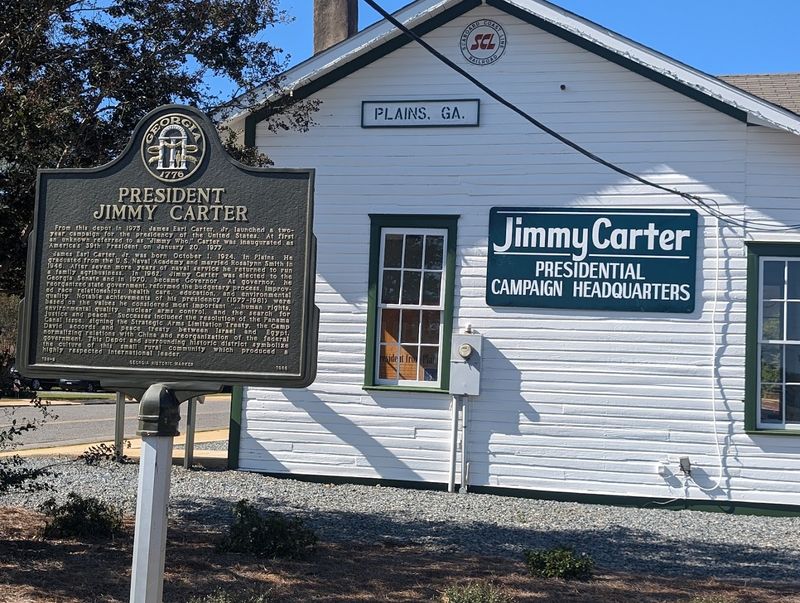
Living in Americus means being neighbors with one of the most historically significant small towns in American political history. Plains, Georgia, the hometown of President Jimmy Carter, sits just nine miles west of Americus, making day trips both easy and genuinely interesting.
The Jimmy Carter National Historical Park, located at 300 North Bond Street, Plains, GA 31780, preserves the boyhood farm, the old train depot that served as campaign headquarters, and other sites connected to the 39th president’s life and legacy.
The park is free to enter and well maintained by the National Park Service.
For families, history enthusiasts, or anyone who appreciates the idea of living near a place that shaped American history, this proximity is a meaningful perk.
It is the kind of thing that makes Americus feel connected to something larger than its modest size might initially suggest, adding depth to everyday life in southwest Georgia.
4. Georgia Southwestern State University Adds Real Energy
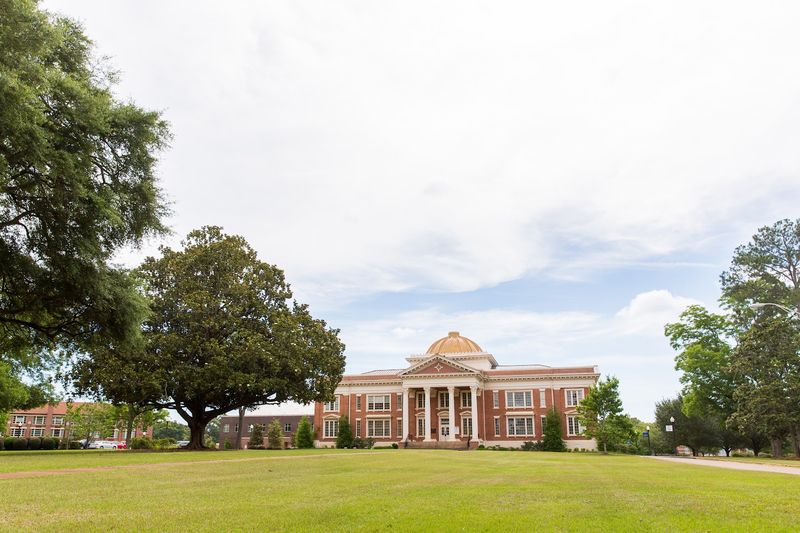
A university in a small town changes the entire character of a community, and Georgia Southwestern State University does exactly that for Americus.
The campus brings in students, faculty, cultural programming, and a steady pulse of activity that keeps the town from feeling too sleepy even on slower weekdays.
Georgia Southwestern State University is located at 800 Georgia Southwestern State University Drive, Americus, GA 31709, and serves thousands of students across undergraduate and graduate programs in fields ranging from nursing to business to education.
The campus itself is attractive, with open green spaces and well-maintained buildings.
For residents, the university means access to athletic events, theater productions, lecture series, and other public programming that enriches daily life without requiring a drive to a larger city.
Small towns with active universities tend to have stronger local economies and more diverse social scenes, and Americus reflects that pattern in noticeable, positive ways throughout the year.
5. Habitat For Humanity Was Born Here
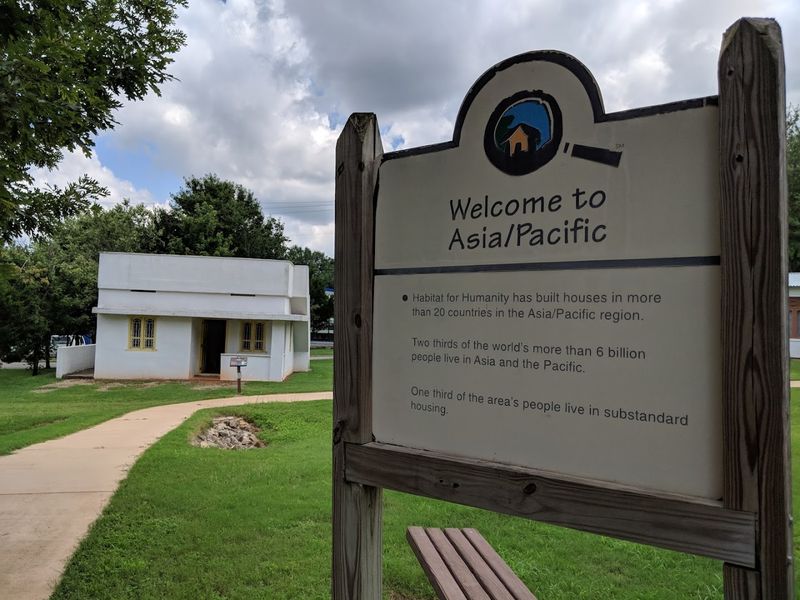
Not many towns of 16,000 people can claim to be the birthplace of a globally recognized humanitarian organization, but Americus holds that distinction with quiet pride.
Habitat for Humanity International was founded in Americus in 1976 by Millard and Linda Fuller, growing out of Koinonia Farm, a Christian intentional community located nearby.
The Global Village and Discovery Center, located at 721 West Church Street, Americus, GA 31709, tells the full story of how this small Georgia city gave rise to an organization that has since built hundreds of thousands of homes in dozens of countries around the world.
The center is open to visitors and offers a genuinely moving experience.
For potential residents, knowing this history adds a layer of meaning to choosing Americus as a home. The spirit of community-centered building and neighborly investment is not just a historical footnote here.
It feels woven into the culture of the city itself in a tangible way.
6. Andersonville National Historic Site Is Nearby
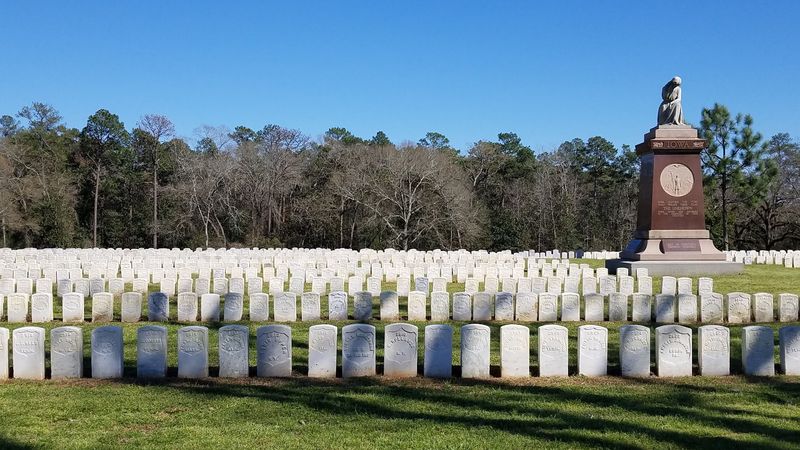
History in this part of Georgia runs deep, and one of the most significant and sobering sites in the entire country sits less than 30 minutes from Americus.
Andersonville National Historic Site preserves the location of the former Confederate prisoner of war camp that held Union soldiers during the Civil War, and it remains one of the most visited historical sites in the state.
The site, located at 760 POW Road, Andersonville, GA 31711, includes a museum, the national cemetery, and the preserved prison grounds. It is free to enter and managed by the National Park Service, making it easily accessible for residents and their visiting family members.
Living near a place like Andersonville gives everyday life in this corner of Georgia an undeniable historical weight. It is the kind of site that changes how you think about the land around you, and having it within easy reach is one of those quietly significant benefits of calling this region home.
7. Dining Options Reflect Southern Tradition
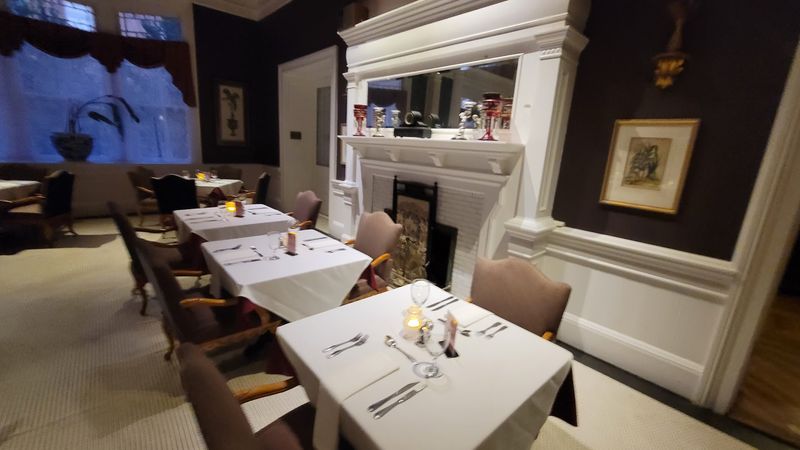
Southern food in Americus is not a performance for tourists. It is simply how people eat, and the local dining scene reflects that authenticity in a way that chain-heavy suburbs rarely can.
Meat-and-three style meals, slow-cooked barbecue, and homestyle cooking show up consistently at local spots throughout the city.
Grille 101, located at 101 West Lamar Street, Americus, GA 31709, is a downtown staple that draws both regulars and visitors with its casual atmosphere and solid American menu offerings.
The dining room has a comfortable, no-fuss energy that fits the city’s overall personality well.
Eating out in Americus tends to be genuinely affordable compared to what the same meal might cost in Macon or Columbus. Weekday lunch spots fill up with locals, which is always a good sign.
For anyone who values food that feels honest and unpretentious, the Americus dining scene delivers without overcomplicating things.
8. Outdoor Life Along The Flint River Region
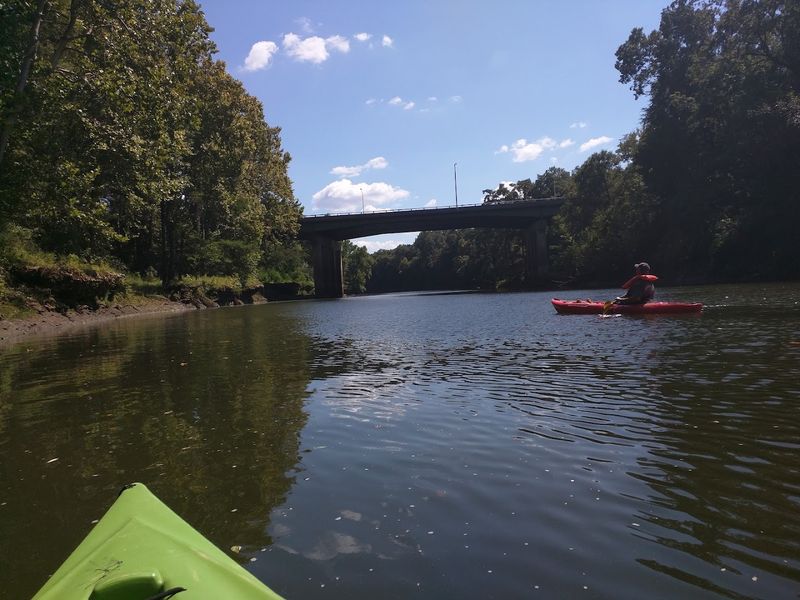
Southwest Georgia has a quiet, unhurried natural beauty that rewards those who take the time to notice it.
The broader Flint River region offers fishing, kayaking, and wildlife observation opportunities that are accessible without requiring expensive gear or long travel times from Americus.
Lake Blackshear, located near Cordele roughly 25 miles north of Americus, is a popular destination for boating, fishing, and lakeside relaxation, especially during Georgia’s long warm season.
The drive there is easy and the lake itself is well-maintained with public access points that make spontaneous outings very manageable.
Closer to home, local parks and green spaces around Americus give residents places to walk, jog, and simply sit outside without fighting crowds.
Georgia’s climate in this region means outdoor activity is possible for most of the year, which is a genuine lifestyle benefit for anyone who finds that fresh air and open space matter to their daily well-being.
9. The Rylander Theatre Keeps Culture Alive
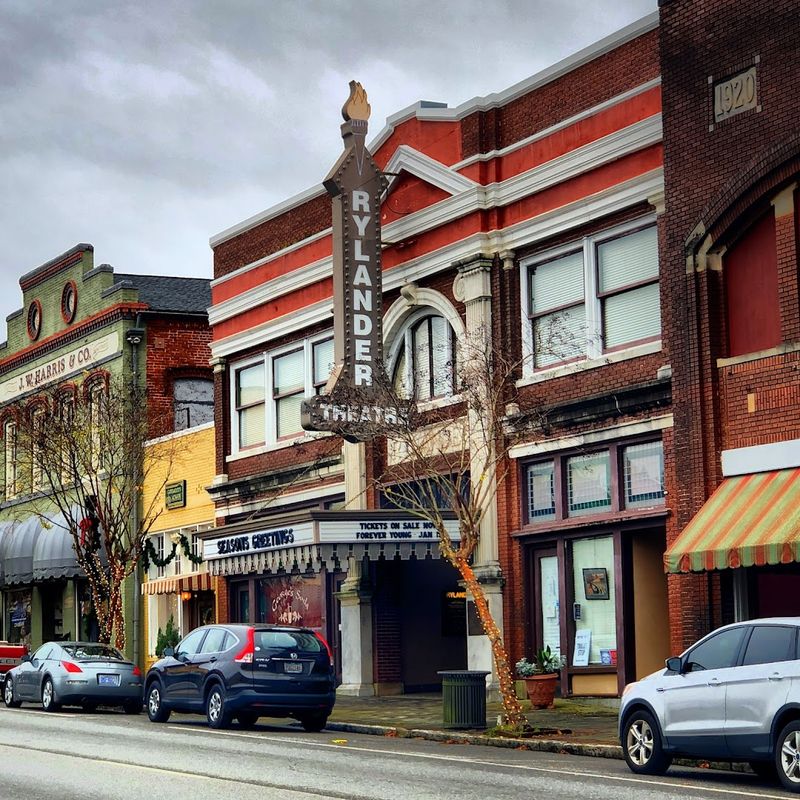
Culture in a small town does not have to mean driving an hour to see live performance, and Americus proves that with the Rylander Theatre.
Originally opened in 1921 as a vaudeville and silent film venue, the Rylander has been restored and continues to operate as a performing arts center that genuinely serves the community.
The theatre, located at 310 West Lamar Street, Americus, GA 31709, hosts a rotating calendar of concerts, theatrical productions, comedy shows, and community events throughout the year.
Ticket prices tend to be very reasonable compared to larger Georgia performing arts venues, making regular attendance feel accessible rather than occasional.
For residents who value having cultural programming within walking distance of home, the Rylander is a meaningful amenity.
It also serves as a social anchor for the downtown area, giving people a reason to gather, linger, and invest in the kind of shared experience that builds real community identity over time in a meaningful way.
10. Georgia’s Climate Means Long Warm Seasons
One practical reality of living in southwest Georgia is the weather, and for people who genuinely enjoy warmth, Americus delivers generously. Summers are hot and humid, which is worth acknowledging honestly, but the trade-off is a spring and fall season that stretches noticeably longer than what most northern states experience.
Winters in Americus are mild by most standards, with freezing temperatures being the exception rather than the rule. Snow is rare enough that even a light dusting becomes a memorable local event.
This climate means outdoor activities, gardening, and porch-sitting remain viable for a significant portion of the year.
For retirees or remote workers who relocated from colder states, the Georgia climate in this region is often cited as one of the most immediately appreciated aspects of the move. Heating bills stay lower in winter, and the long growing season means home gardens and local farmers markets can offer fresh produce across many months of the year.
11. Strong Sense Of Local Pride And Identity
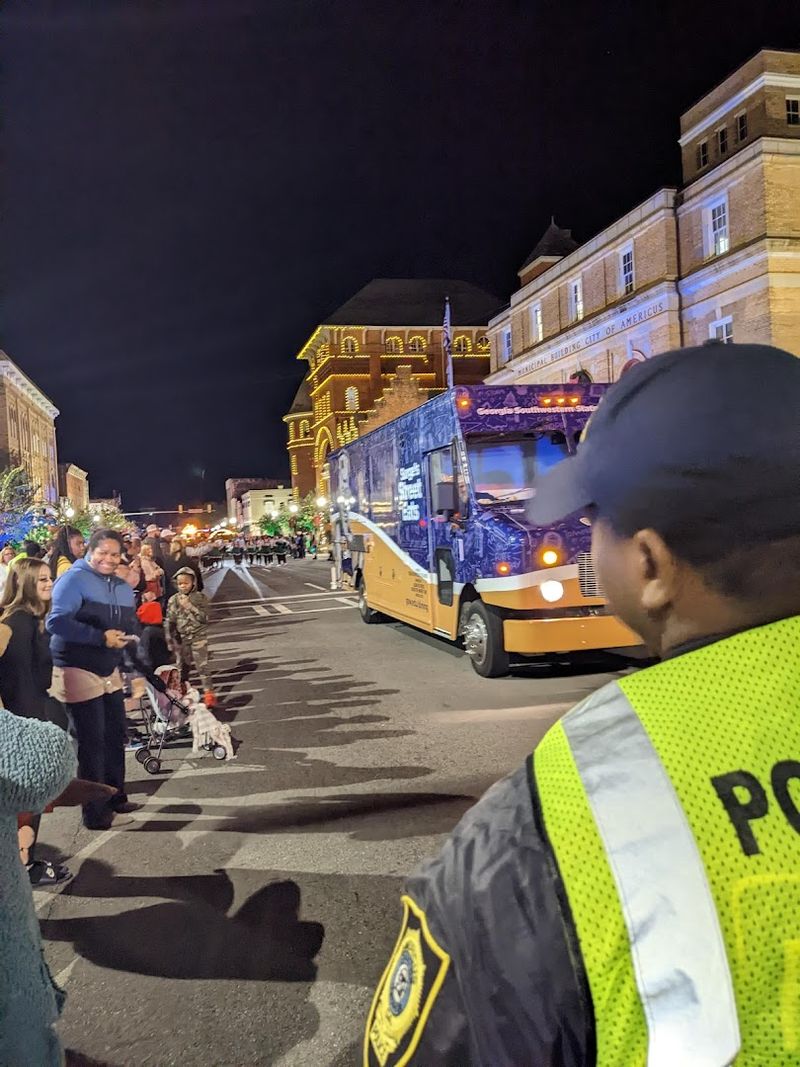
Something that surprises many newcomers to Americus is how strongly residents identify with their city. Despite its modest size, Americus carries itself with a quiet confidence rooted in real history, real institutions, and real community investment that larger cities sometimes struggle to maintain.
Local high school sports, particularly football, draw genuine crowds and create a shared seasonal rhythm that connects neighborhoods across the city. Community organizations, faith communities, and civic groups all contribute to a social infrastructure that gives residents ways to participate and belong fairly quickly after arriving.
Georgia has no shortage of small towns that feel forgotten or hollowed out, but Americus has enough active institutions, a working university, a functioning downtown, and ongoing civic investment to feel like a place that is actively choosing its future rather than simply coasting. That distinction matters when evaluating whether a move will feel rewarding over the long term and not just affordable in the short term.
12. Home Prices That Actually Make Sense
Real estate in Georgia can feel like a rollercoaster, but Americus keeps things refreshingly grounded. The median home price in Americus hovers well below $170,000, meaning buyers can find genuine square footage, character-filled architecture, and real yards without draining their savings account.
Many homes in the area feature classic Southern details like wide front porches, hardwood floors, and tall ceilings that would cost a fortune in Atlanta. First-time buyers especially find the market approachable, with options ranging from cozy cottages to larger family homes on tree-lined streets.
Renting is also more reasonable here than in most Georgia cities, which gives newcomers time to explore neighborhoods before committing. Whether someone is downsizing, starting out, or simply tired of overpaying, Americus offers a rare combination of value and livability that is hard to argue with in today’s housing market.