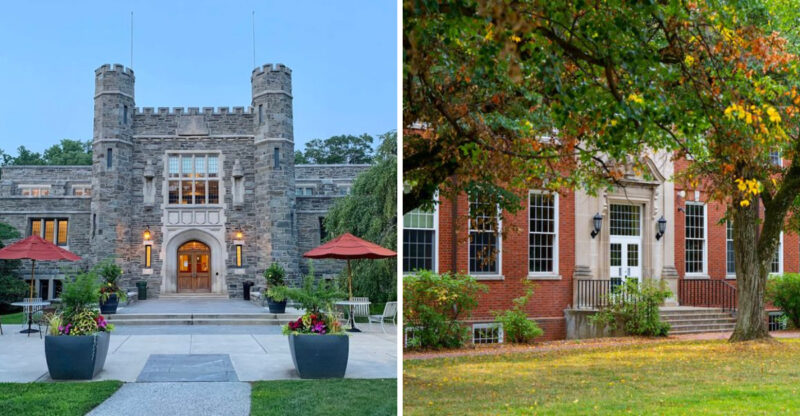
This Gothic Skyscraper In Pennsylvania Rises Higher Than Any Educational Building In The Western Hemisphere
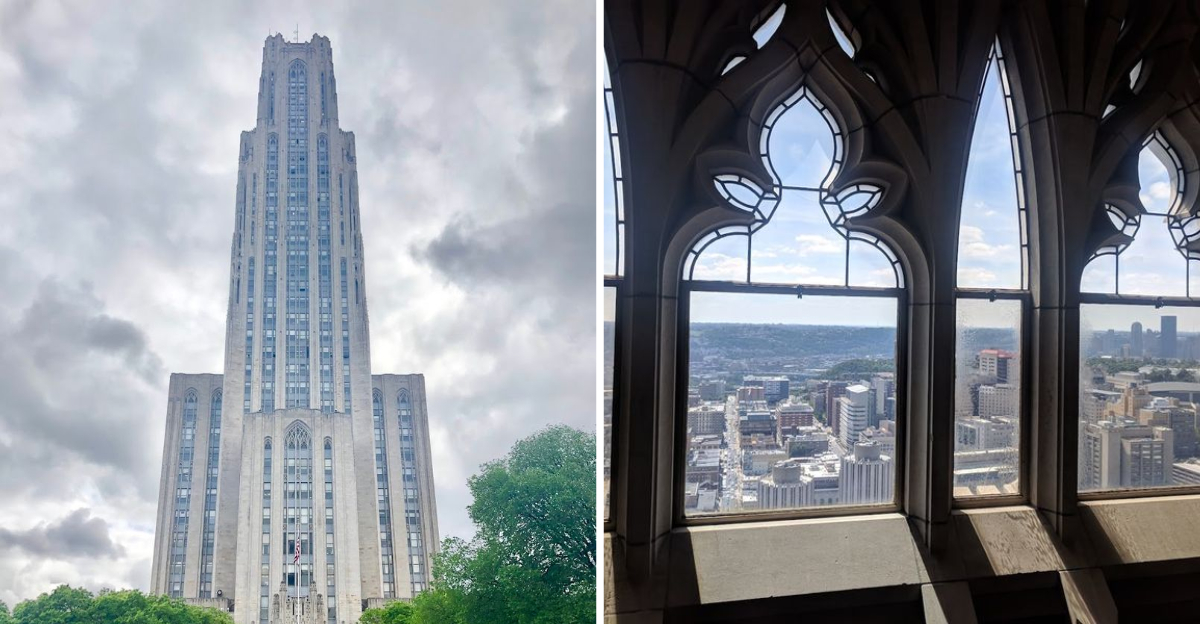
Stone spires climb forty-two stories into the sky. The tower doubles as a working university hall. It rises higher than any school building nearby.
Pennsylvania holds the tallest one in the hemisphere. Ever studied inside a Gothic tower? I tilted my head back and just stared.
Carved stone covers the soaring outer walls. Themed classrooms honor cultures around the world. The scale feels almost unbelievable up close.
Students hurry beneath centuries of fine detail. Nothing else on campus compares to it. Five hundred feet of ambition stand here.
Gargoyles peer down from carved ledges. Sunlight pours through tall arched windows.
Come look up and wonder.
A Tower Built To Inspire
Few buildings announce themselves quite like this one does.
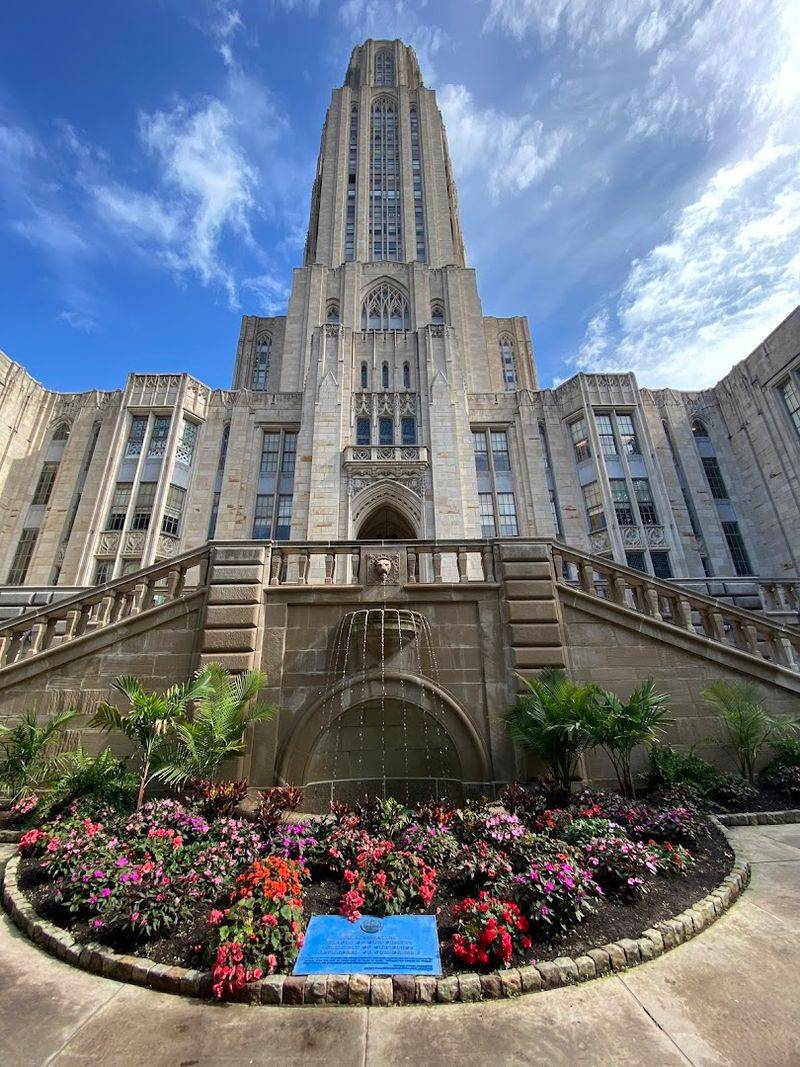
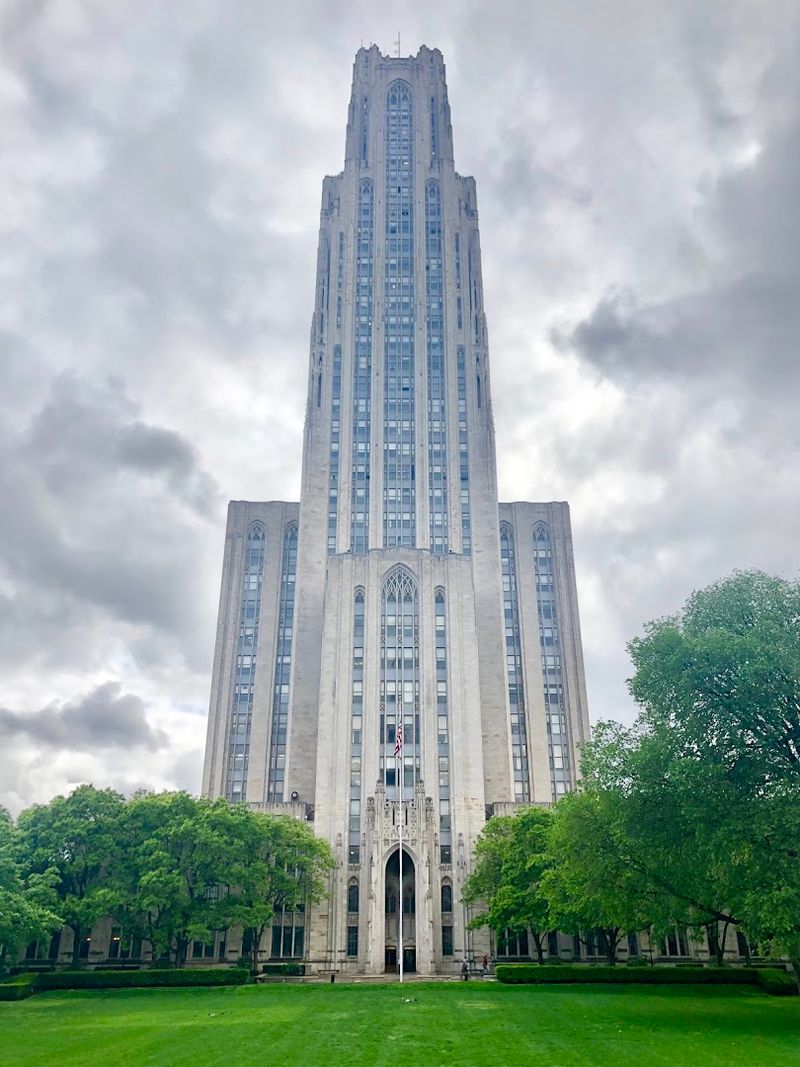
Rising 535 feet above the Oakland neighborhood of Pittsburgh, the Cathedral of Learning is the tallest educational building in the entire Western Hemisphere.
That is not a small claim, and the structure absolutely delivers on it. Construction began in 1926, following a commission issued in 1921 by the University of Pittsburgh.
The design by architect Charles Klauder blends Gothic Revival style with touches of Art Deco, creating a silhouette that looks both ancient and boldly modern at the same time. The building opened partially in 1931 and was completed in 1937.
It sits at the heart of the university campus. Local schoolchildren famously donated dimes to help fund the project during the Great Depression, making it a true community achievement.
That story alone gives the building a warmth that no amount of stone carvings could manufacture. Seeing it in person, I felt a genuine sense of awe that no photograph had quite prepared me for.
Gothic Architecture Up Close
Getting close to the building’s exterior at 4200 Fifth Ave is a reward all on its own.
The limestone facade is covered in pointed arches, decorative tracery, and carved stone details that seem to multiply the longer you look at them. Every corner reveals something new, and I found myself circling the base several times before even stepping inside.
The Gothic Revival style was a deliberate choice. The University of Pittsburgh wanted a building that communicated permanence, scholarship, and ambition all at once.
Klauder’s design achieves exactly that, with vertical lines that pull your eyes upward and ornamental details that reward slow, careful observation.
Pennsylvania has no shortage of impressive architecture, but nothing quite prepares you for this tower rising above a busy urban campus. The contrast between the medieval-looking stonework and the modern city skyline around it creates a visual tension that is thrilling.
I kept stopping mid-sentence during conversations just to look up at it again, which my travel companion found equal parts endearing and mildly irritating.
The Commons Room Experience
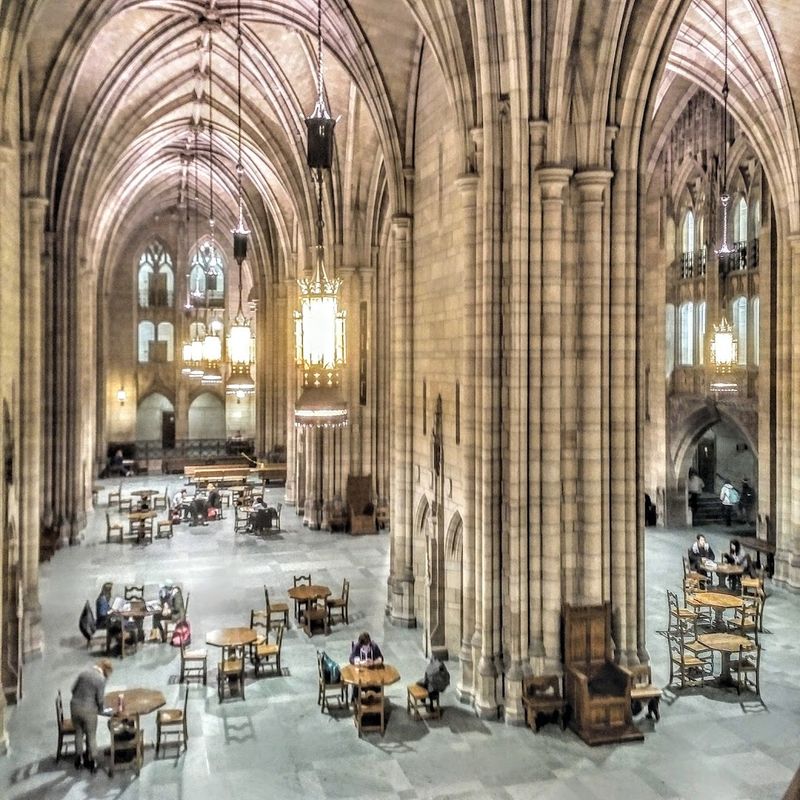
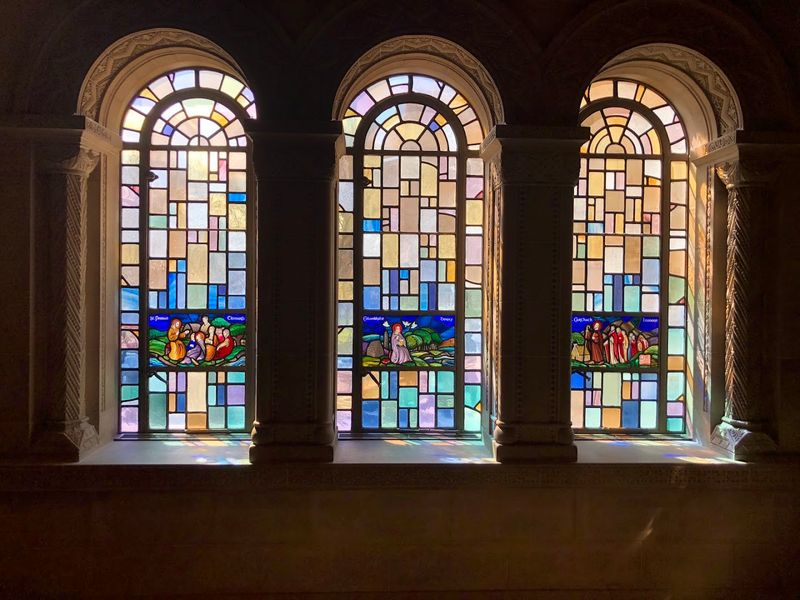
The Commons Room on the ground floor stretches upward through multiple stories, with soaring Gothic vaulted ceilings, stone archways, and tall lancet windows that flood the space with natural light. Students sit at long wooden tables, working quietly beneath the arches.
The scale of this room is genuinely hard to process at first. It spans the first four floors of the building in terms of visual height, and the craftsmanship in every carved detail is remarkable.
This is a functioning study space used daily by University of Pittsburgh students, which makes it even more extraordinary to experience.
I sat down at one of the tables and pretended to read my notes for a solid fifteen minutes just to soak in the atmosphere. The quiet hum of academic life inside a space that looks borrowed from a fantasy novel is a combination you do not forget easily.
Pennsylvania has many beautiful interiors, but the Commons Room stands in a category entirely its own, equal parts functional and breathtaking.
Nationality Rooms Worth Exploring
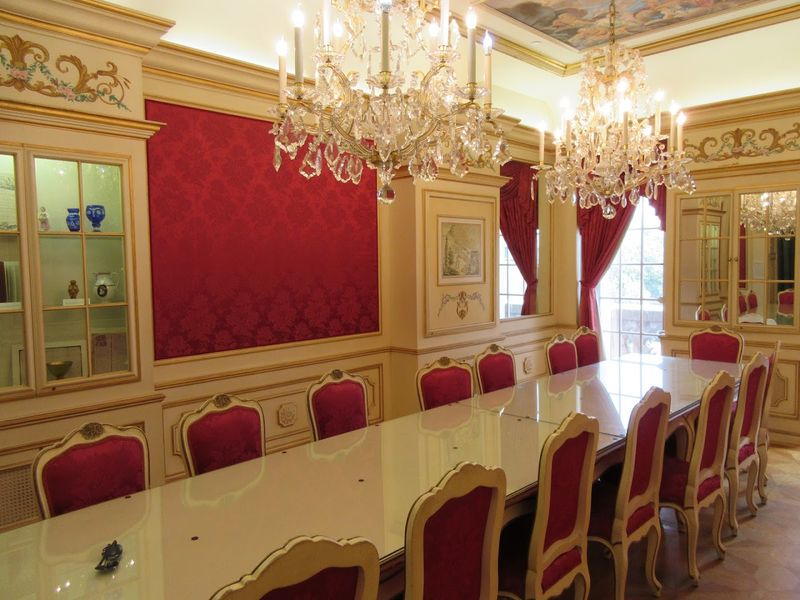
Here is where things get truly remarkable.
Throughout the first and third floors are 31 Nationality Rooms, each one designed and furnished to represent a specific country or cultural heritage.
Each room was created through partnerships with immigrant communities in the Pittsburgh area, meaning every design choice carries real cultural meaning. The Greek room evokes fifth-century Athens.
The Ukrainian room reflects eighteenth-century craftsmanship. The Syrian-Lebanese room features intricate geometric tilework.
No two rooms look remotely alike, and each one is a fully functioning classroom used by the university during the week.
On weekends, the rooms open to the public for self-guided or guided tours, and I highly recommend setting aside at least two to three hours for this.
The audio guides available at some rooms add helpful context, and the switches in third-floor rooms trigger recorded explanations that play through ceiling speakers.
Views From The Upper Floors
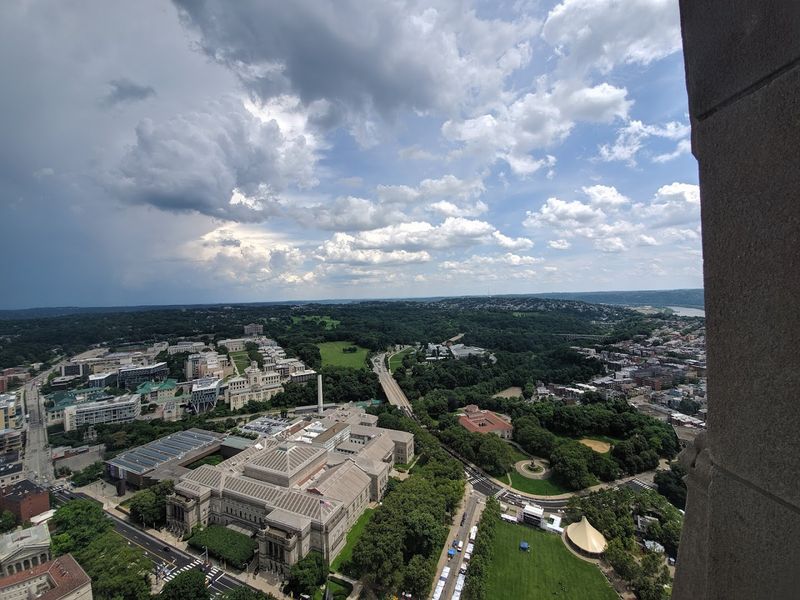
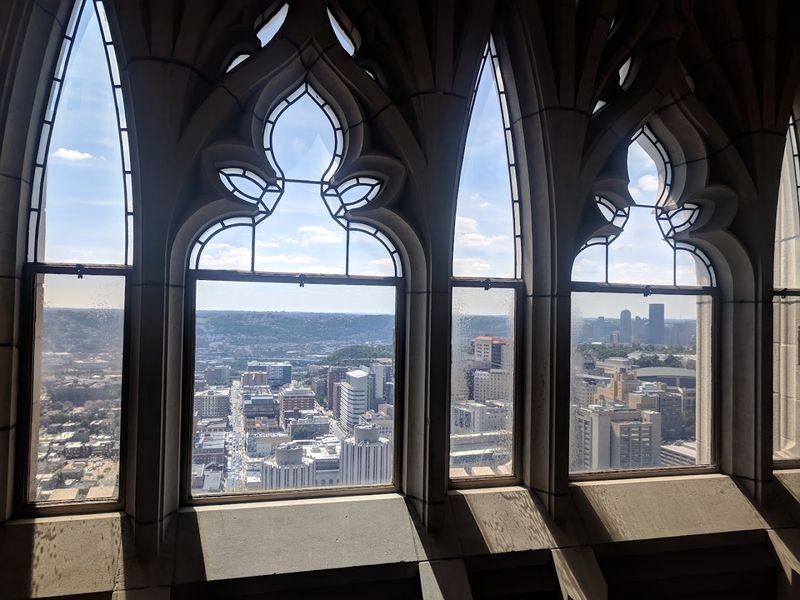
Not everyone knows that you can ride the elevator up to the 36th and 37th floors for a sweeping view of the city.
I made this trip on a clear afternoon and came away with some of the best urban photographs I have ever taken. Pittsburgh spreads out in every direction, with its rivers, bridges, and hillside neighborhoods all visible at once.
The observation area is not a formal tourist deck with guardrails and gift shops. It is a quiet, almost secret-feeling corridor with large windows that frame the city like paintings.
The lack of crowds made it feel like a private discovery, and I lingered far longer than planned.
From this height, the Gothic tower of the Cathedral of Learning becomes part of the city panorama rather than the centerpiece, which offers a completely different perspective.
You can trace the Allegheny and Monongahela rivers as they meet at the famous Point, and on a clear day the hills of western Pennsylvania roll away into the distance. It is a reminder that great architecture and great geography can work together to create something truly memorable.
History Behind The Schoolhouse
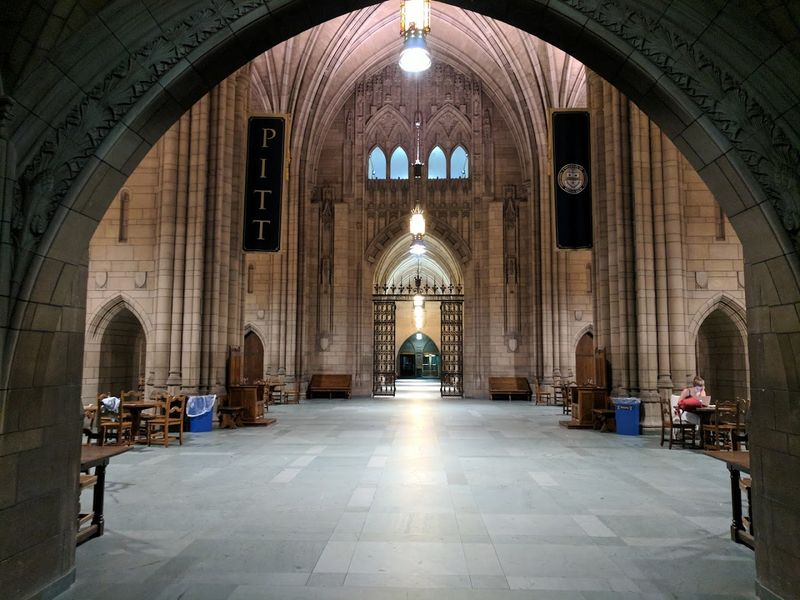
The story behind this building is as compelling as the structure itself.
University of Pittsburgh Chancellor John Bowman championed the project in 1921, envisioning a skyscraper that would serve as a beacon of learning visible from across the city. He wanted something that would inspire not just students but the entire community of Pittsburgh.
Fundraising was a community-wide effort. During the 1920s and into the Depression years, local schoolchildren participated in a campaign called Pennies for Pitt, contributing small coins toward construction.
Over 97,000 children donated, and their names were recorded in a book kept inside the building. That kind of grassroots support gave the Cathedral of Learning a public identity that a purely institutional project never could have earned.
Construction took over a decade, with the building officially dedicated in 1937. The process involved hauling enormous quantities of Indiana limestone and coordinating the contributions of craftspeople from dozens of cultural communities across the region.
Practical Tips For Your Visit
Planning ahead makes a real difference here. The building is open 24 hours a day, every day of the week, since it is an active university facility.
However, the Nationality Rooms are only accessible during specific hours, generally between 9 AM and 3 PM on weekdays when the university is in session, and with broader public access on weekends.
Guided tours of the Nationality Rooms are available and worth booking in advance, especially on weekends when demand is higher. Self-guided options with audio devices are also available.
Wear comfortable shoes because there is a lot of ground to cover, and the building rewards slow exploration rather than a quick walkthrough.
Parking in the Oakland neighborhood of Pittsburgh, Pennsylvania requires some planning, as it is a busy urban campus. Public transit options connect easily to the area, and I found arriving by bus far less stressful than driving.
The building itself is free to enter, with a modest fee for the guided Nationality Room tours. If you have one hour or an entire afternoon, the Cathedral of Learning offers something worthwhile at every level, quite literally.
Why This Place Stays With You
Some places are impressive in the moment and forgotten by the time you reach your next destination.
The Cathedral of Learning is not one of those places. I found myself thinking about it for days afterward, turning over small details I had noticed, and wishing I had spent more time in certain rooms.
Part of what makes it linger is the combination of scales. The building operates on a grand, almost overwhelming architectural level, and then surprises you with intimate, carefully crafted details in every room.
The Nationality Rooms feel personal and human despite being inside a 42-story tower. That contrast is rare and affecting.
Pennsylvania offers many reasons to visit Pittsburgh, from its famous bridges to its world-class museums, but the Cathedral of Learning holds a unique position in that landscape.
It is a place where architecture, history, cultural identity, and daily academic life all coexist inside a single extraordinary building.
Returning someday feels less like a plan and more like an inevitability, the kind of place that quietly insists on being revisited, and you find yourself agreeing without quite knowing when you decided.