This Florida Beach Town Is So Cheap You Can Live Out Retirement On Social Security Alone
Retirement does not have to drain your savings. Most beach dreams cost a fortune.
This little city skips that part. It sits on a barrier island down south. Florida hides real value on this coast. Housing stays affordable and traffic stays light.
The pace feels easy and slow. I spent a while poking around town. It does not try hard to impress you. It simply does not need to.
A fixed income stretches here. The views cost you nothing extra. Golf carts buzz around the island. The beach rarely gets packed. You can bike most places. Sunsets come free nightly.
Come see if it fits.
Where Exactly Is This Place
Sitting about halfway up Florida’s Atlantic coast, Vero Beach is the kind of place that takes a moment to find on a map but stays with you long after you leave.
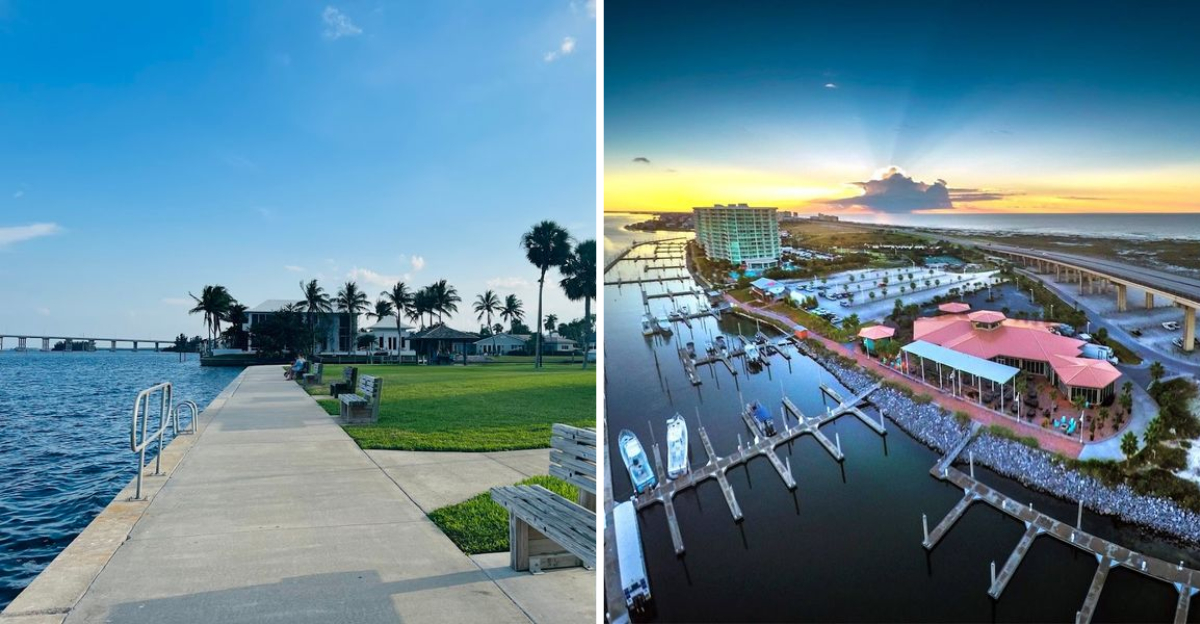
It sits on a barrier island in Indian River County, separated from the mainland by the wide, calm Indian River Lagoon.
The city is roughly 90 miles north of Miami and about 90 miles southeast of Orlando. That middle-ground location is actually one of its quiet advantages.
You are close enough to major airports and medical centers, but far enough to avoid the chaos of bigger Florida cities. The Atlantic Ocean faces the city’s eastern edge, while the lagoon wraps around the western side.
That geography creates a natural buffer that keeps the town cooler in summer and calmer year-round. Roads here are manageable, intersections are not nightmares, and you can actually find parking.
For a retiree who values simplicity, that geography alone is worth something.
A Town With Real History
Long before retirees started arriving with lawn chairs and golf clubs, Vero Beach had a story worth telling. The area was originally home to the Ais people, and later became a hub for Florida’s booming citrus industry in the early 1900s.
The town was incorporated in 1919, and the citrus trade shaped nearly everything about how it grew. Packing houses, rail lines, and grower cooperatives defined the local economy for decades.
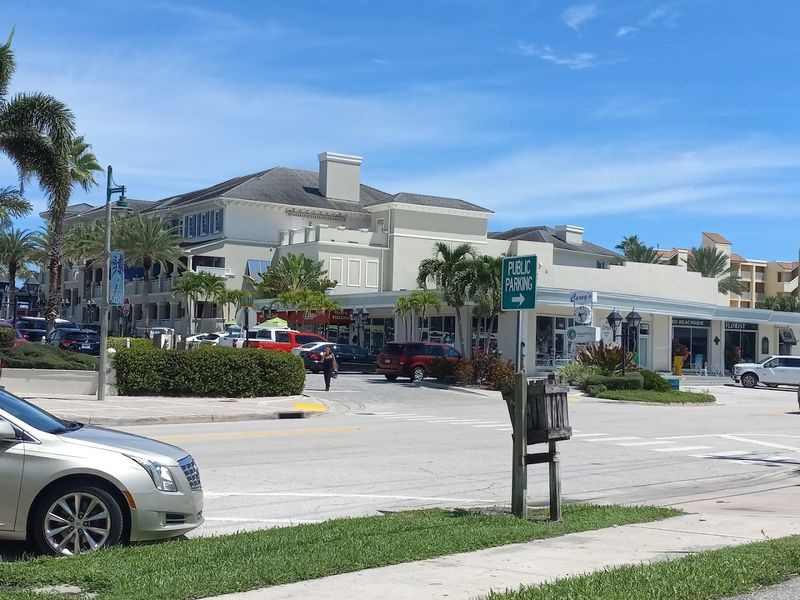
Downtown still carries echoes of that past. The Heritage Center in the downtown area chronicles the citrus industry’s deep roots, giving visitors a real sense of how this small Florida city built itself from the ground up.
What I found most interesting was how the town preserved that history without turning it into a theme park. It feels lived-in and honest rather than staged for tourists.
The older neighborhoods near downtown have a quiet dignity about them, with modest homes and wide streets lined with old oaks.
That sense of continuity, of a place that knows where it came from, adds a layer of meaning that newer resort towns simply cannot manufacture.
Beaches That Do Not Crowd You Out
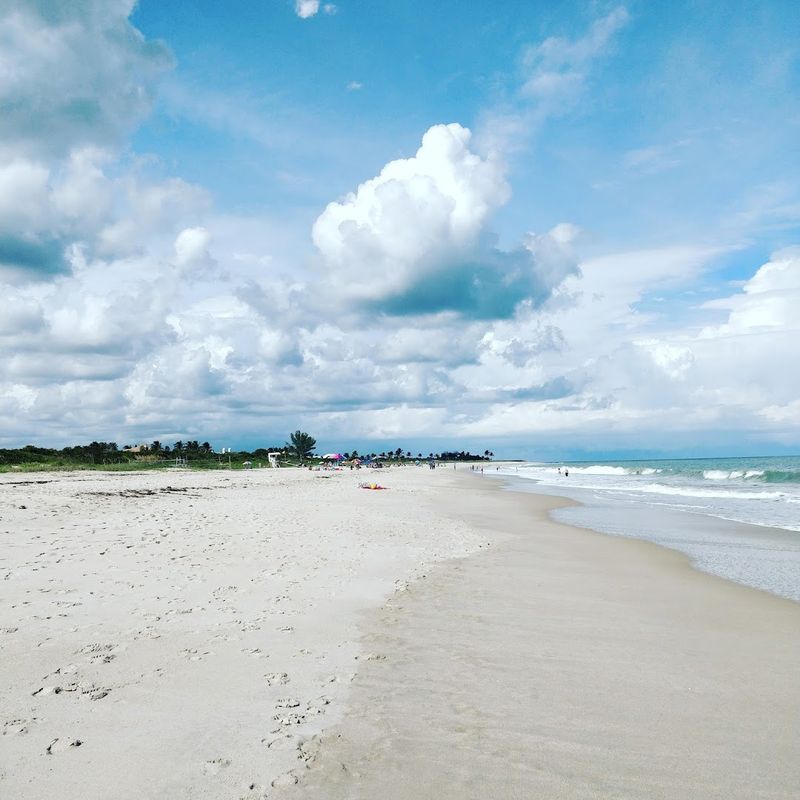
South Beach Park is the kind of beach that reminds you why people move to Florida in the first place.
Wide stretches of sand, a steady Atlantic breeze, and enough space that you never feel like you are sharing a towel with a stranger.
Volleyball courts dot the shoreline, and the park has solid facilities without feeling overdeveloped. The waves here are gentle enough for casual swimming but interesting enough to keep boogie boarders happy.
What struck me most was how uncrowded it stayed even during a weekend visit. There was no scramble for parking, no shoulder-to-shoulder sunbathers, and no aggressive vendors pushing overpriced snacks.
It felt like a local secret that had not yet been fully discovered.
The beach faces east, which means spectacular sunrise views that cost absolutely nothing. Watching the sky turn orange and pink over the Atlantic while sipping coffee from a thermos is one of those simple pleasures that makes retirement feel earned.
The Lagoon Life Next Door
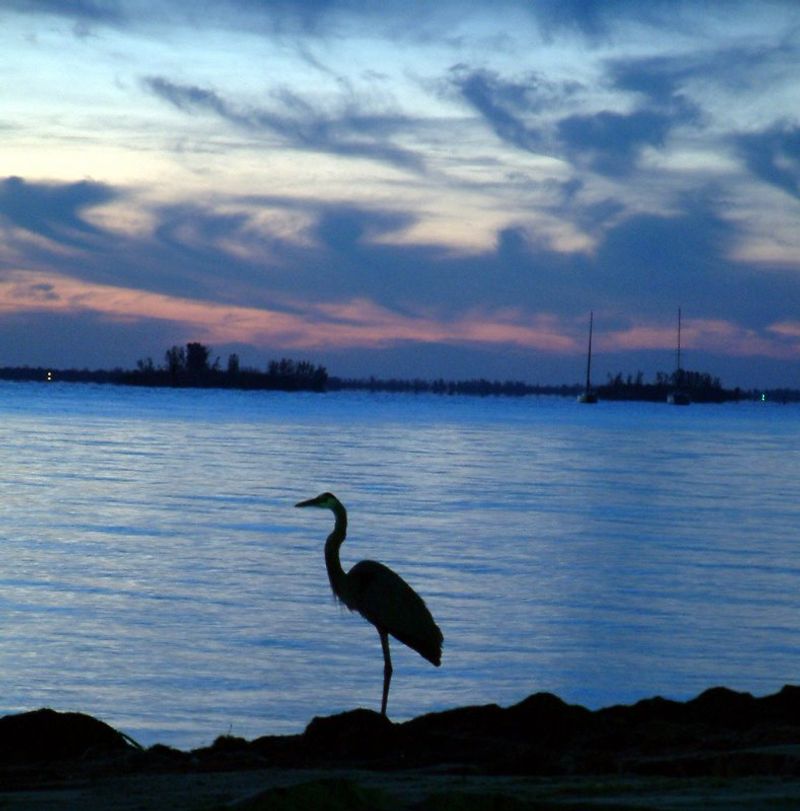
The Indian River Lagoon is one of those places that sneaks up on you.
It looks calm and unremarkable from a distance, but spend an afternoon kayaking through it and you quickly realize you are paddling through one of the most biodiverse estuaries in North America.
Manatees drift through the shallows here, particularly in cooler months when they seek warmth. Dolphins surface regularly, ospreys dive overhead, and the mangrove edges hide all manner of wading birds going about their daily routines.
For retirees who enjoy nature without the need for extreme physical effort, the lagoon is a genuine treasure. Kayak rentals are accessible, and guided eco-tours operate regularly from several local launch points.
I spent a quiet morning paddling near the western edge of the barrier island, and the stillness was almost disorienting in the best possible way.
No engine noise, no crowds, just water and wildlife and the occasional splash of something curious checking me out from below.
Florida’s natural beauty is often associated with its famous parks, but the lagoon here offers that same magic on a smaller, more personal scale that feels entirely your own.
McKee Botanical Garden Surprises
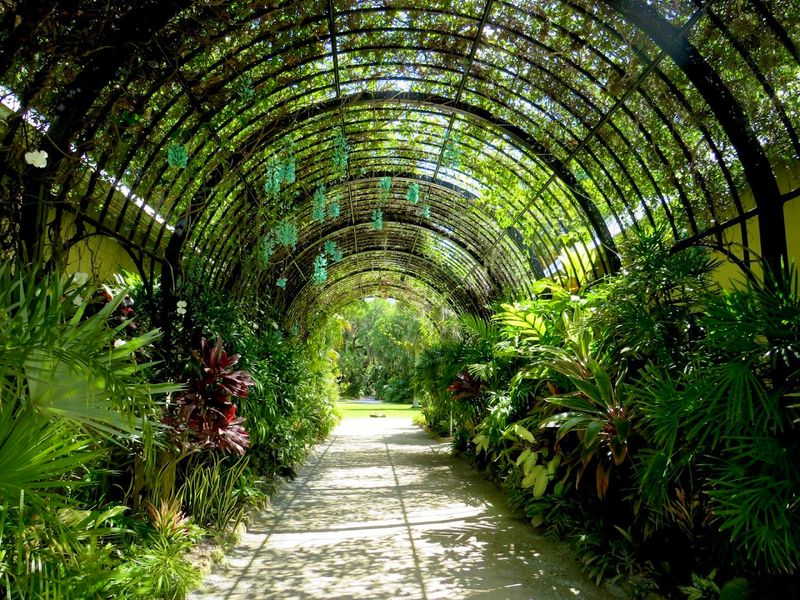
There is something almost theatrical about walking into McKee Botanical Garden for the first time.
The canopy closes over you, the temperature drops a few degrees, and the noise of the outside world disappears almost immediately.
Originally opened in 1932 as McKee Jungle Gardens, a celebrated tropical attraction, it fell into disrepair for decades before being lovingly restored and reopened in 2001.
What exists today is an 18-acre sanctuary of tropical plants, ancient oaks, and water lily-filled streams that feel otherworldly.
The garden is at 350 US-1, Vero Beach. It is compact enough to explore fully in a couple of hours but rich enough that you notice something new on every visit.
Seasonal blooms shift the color palette throughout the year, so no two trips look quite the same.
There are paved paths, shaded benches, and enough visual interest to keep you engaged without wearing you out. It earns its reputation as one of Florida’s most underrated natural spaces, and I left reluctant to go.
Pelican Island And Wild Florida
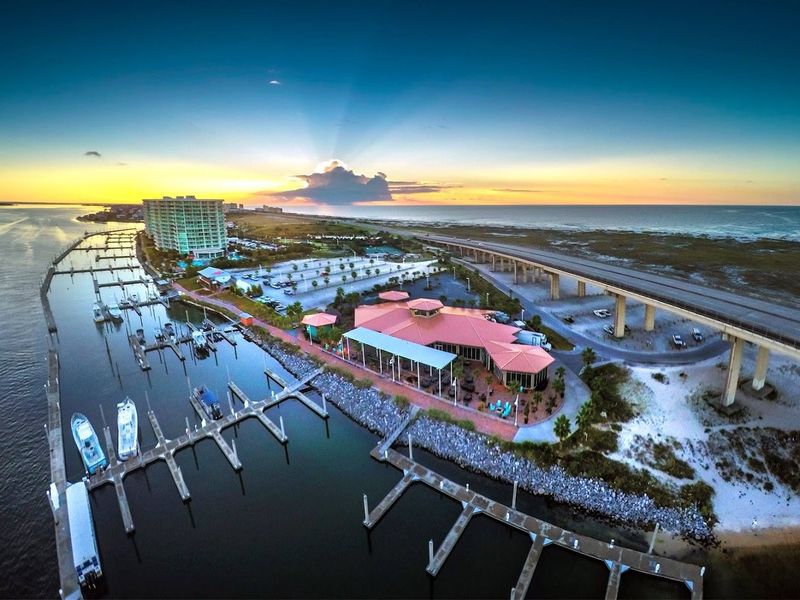
A short drive north of town sits a piece of American conservation history that most visitors overlook entirely.
Pelican Island National Wildlife Refuge was the first federally designated wildlife refuge in the United States, established by President Theodore Roosevelt in 1903.
It was created specifically to protect the brown pelican population that nested on a small spoil island in the Indian River Lagoon.
Today the refuge covers thousands of acres and shelters a remarkable variety of bird species alongside the pelicans that gave it its name.
Visiting feels like stepping back into a quieter, wilder version of Florida. There are observation decks and boardwalks that put you close to the action without disturbing the nesting colonies.
Birders travel from across the country to spot species here that are difficult to find elsewhere.
I arrived early on a weekday morning when the light was soft and golden, and the pelicans were already busy with their routines. Watching those prehistoric-looking birds glide low over the water in formation is the kind of sight that stays with you.
Cost Of Living That Actually Works
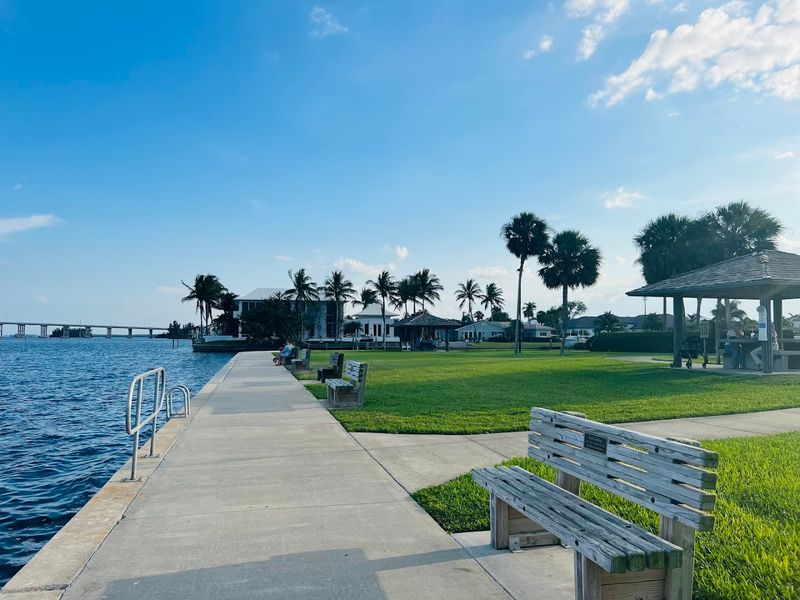
Here is the part that matters most for anyone seriously considering retirement here.
Housing in Vero Beach runs significantly below what you would pay in Miami, Naples, or even Orlando. Modest single-family homes, condos near the beach, and quiet inland neighborhoods all offer options across a range of budgets.
Florida has no state income tax, which immediately puts more money back in your pocket compared to many other states. Property taxes in Indian River County tend to be reasonable, and homestead exemptions reduce them further for permanent residents.
Groceries, utilities, and everyday expenses track close to national averages, without the premium pricing that coastal resort towns typically layer on top.
Healthcare access is solid, with a regional medical center serving the area and specialist services available within reasonable driving distance.
For a retiree living on Social Security, the math here can work in a way it simply cannot in flashier Florida markets.
Local Culture Worth Knowing
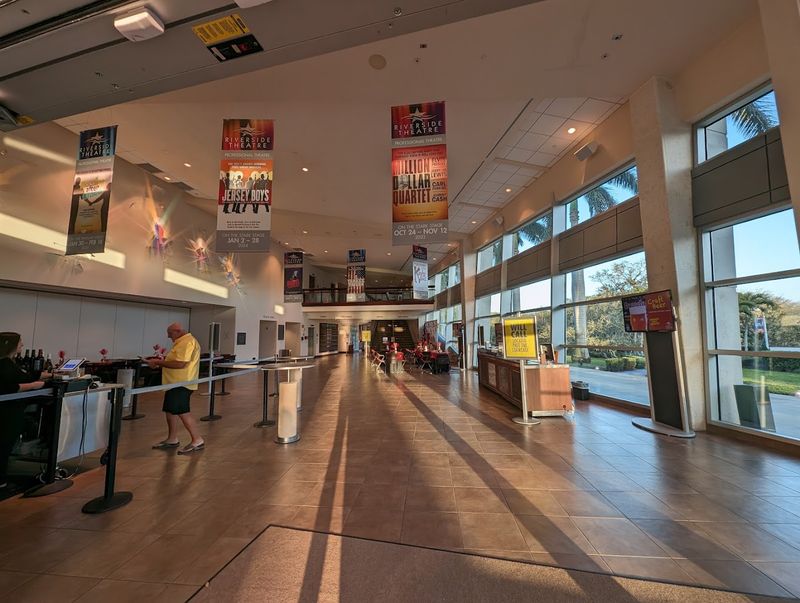
Culture in Vero Beach runs quieter than in bigger Florida cities, but it runs deep.
The Riverside Theatre at 3250 Riverside Park Dr is a well-regarded performing arts venue that draws surprisingly strong productions for a town of this size.
Local art galleries cluster around the downtown area, reflecting a community that genuinely values creative work.
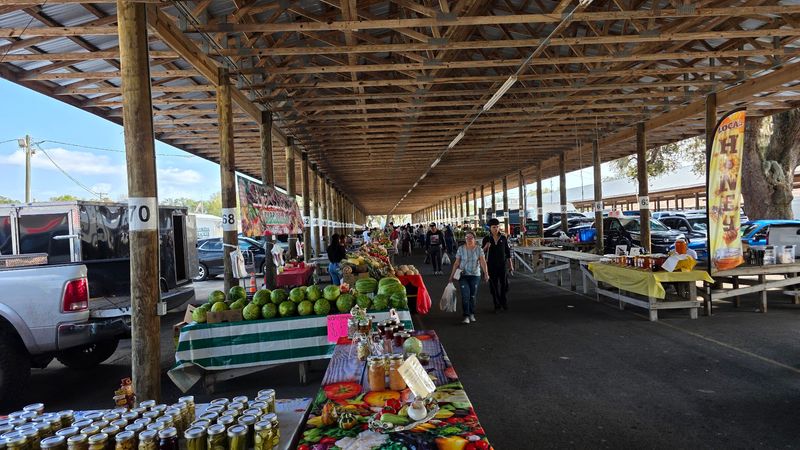
Farmers markets operate seasonally, offering fresh produce from the surrounding agricultural region.
Indian River County is famous for its citrus, and buying fruit directly from local growers feels like participating in something that has been going on here for over a century.
The food scene leans toward casual and honest rather than trendy. Seafood is fresh, portions are generous, and the atmosphere in most local spots is relaxed enough that no one rushes you out the door.
Community events run throughout the year, from outdoor concerts to art festivals that draw regional talent. What I noticed most was how engaged the local population seemed.
People here are not passing through on their way to somewhere else.