Kayak Across Shimmering Blue Waters On This Stunning Florida Canal At Night
Some experiences are hard to explain to people who weren’t there. This is one of them.
Picture yourself on the water after dark, paddle in hand, and every single stroke you take lights up the canal in electric blue. No filters.
No tricks. Just nature doing something that looks completely impossible.
Florida holds a lot of beautiful surprises, but this one is in a category of its own. It happens on warm nights, out on the water, in a place that already feels magical before the sun goes down.
Florida earns its reputation for jaw-dropping nature moments, but glowing blue water under a dark sky is something most people never even know exists here. Once you see it, you will want to come back every single summer.
The Magic Behind The Glowing Blue Water
Most people do not realize the water is alive until their paddle hits the surface. That electric-blue explosion is not a trick of light.
It is caused by billions of microscopic organisms called dinoflagellates, which glow when disturbed by movement.
During warmer months, roughly June through October, these tiny creatures fill the waterways near Titusville. August tends to be the absolute peak.
Every stroke, every ripple, every splash fires off a burst of cold blue light.
In cooler months, from October through March, a different organism takes over. Comb jellies, ancient prehistoric creatures, drift through the water emitting a soft, dreamy glow.
Both seasons offer something completely different and equally jaw-dropping.
The science is fascinating but the experience feels purely magical. Fish darting beneath your kayak leave glowing trails like underwater comets.
Manatees and dolphins occasionally pass through, lighting up the dark water dramatically. It is one of the most memorable natural light shows you will ever witness.
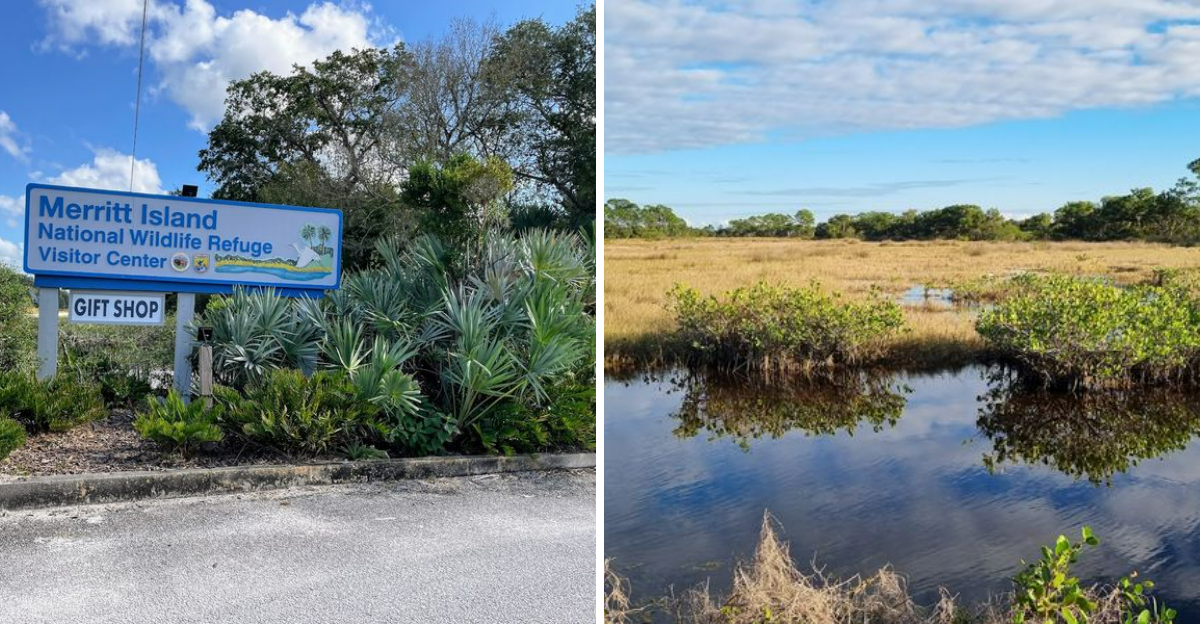
Merritt Island National Wildlife Refuge Visitor Center at 1987 Scrub Jay Way, Titusville, FL 32782, is your gateway to all of it.
Choosing The Right Night To Go
Timing this trip correctly makes an enormous difference in what you actually see. The darker the night, the brighter the bioluminescence appears.
A full moon washes out the glow significantly, so planning around the lunar calendar is genuinely important.
The sweet spot is three days after a full moon through one day after a new moon. New moon weeks during July and August are considered prime time.
Tours fill up incredibly fast during these windows, so booking well in advance is not optional, it is necessary.
Weather also plays a role that most first-timers overlook. Calm nights with little wind mean less surface chop, which makes the glowing trails far more visible.
Windy nights can scatter the organisms and reduce the intensity of the display.
Checking the forecast before you go is a smart move. Arriving on a still, moonless August night feels like paddling through liquid stars.
The patience involved in planning pays off tenfold once you are actually out on the water. Getting this part right separates an average outing from an unforgettable one.
What To Expect On A Guided Night Kayak Tour
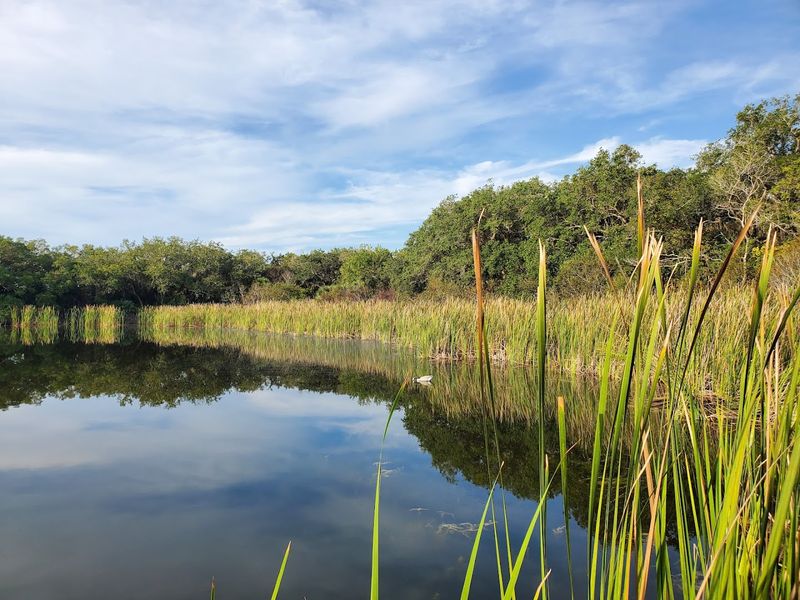
First-time night kayakers often wonder what the actual experience feels like from start to finish. Guided tours in this area typically run between 90 minutes and two hours.
Groups are kept small enough that everyone gets a genuine experience without crowding the water.
Expert guides brief everyone on paddling basics and water safety before launching. They also explain the science behind the bioluminescence, which adds real depth to what you are seeing.
Even people who have never kayaked before find the pace comfortable and manageable.
Clear-bottomed kayaks are often available at certain tour operators. These see-through hulls let you watch the glow directly beneath your feet, which is genuinely surreal.
It feels like floating on top of a glowing aquarium.
Guides point out wildlife encounters throughout the paddle, including jumping mullet, manatees, and the occasional dolphin. Each animal that moves through the water creates its own light trail.
The combination of knowledgeable commentary and spectacular visuals makes a guided tour far superior to going out alone. Reservations are required, and spots sell out quickly during peak season, so planning ahead is a must.
The Best Launch Sites Near The Refuge
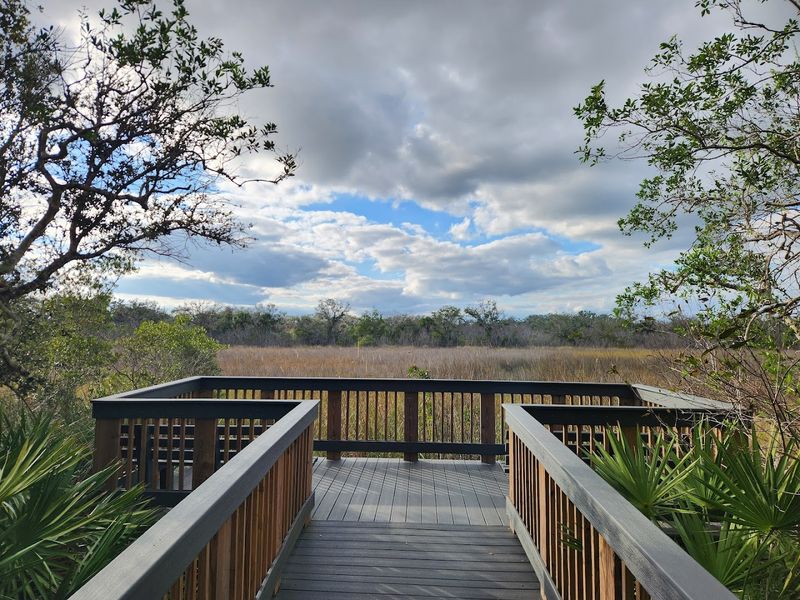
Not every entry point gives you the same quality of experience, and knowing where to launch matters. Two locations stand out consistently for bioluminescent kayaking near this area.
Beacon 42 and the Haulover Canal are the most popular and productive spots.
The Haulover Canal connects the Indian River with the Mosquito Lagoon, creating a natural corridor through some of the most protected waters in Florida. Light pollution here is almost nonexistent.
On clear, dark nights, the sky can feel almost as impressive as the glowing water below.
Beacon 42 is another favorite launch point, offering calm, shallow waters that concentrate the bioluminescent organisms beautifully. Both locations sit within or adjacent to protected refuge land, which means minimal boat traffic and maximum tranquility.
The stillness of these waterways at night is something special.
Getting to these sites requires a bit of navigation, so using a guide service that handles logistics is genuinely helpful. Parking areas exist near both sites, but facilities are limited after dark.
Arriving with everything you need already packed saves a lot of stress. Knowing your launch point in advance makes the whole night run smoothly from the very first paddle stroke.
Wildlife You Might Encounter After Dark
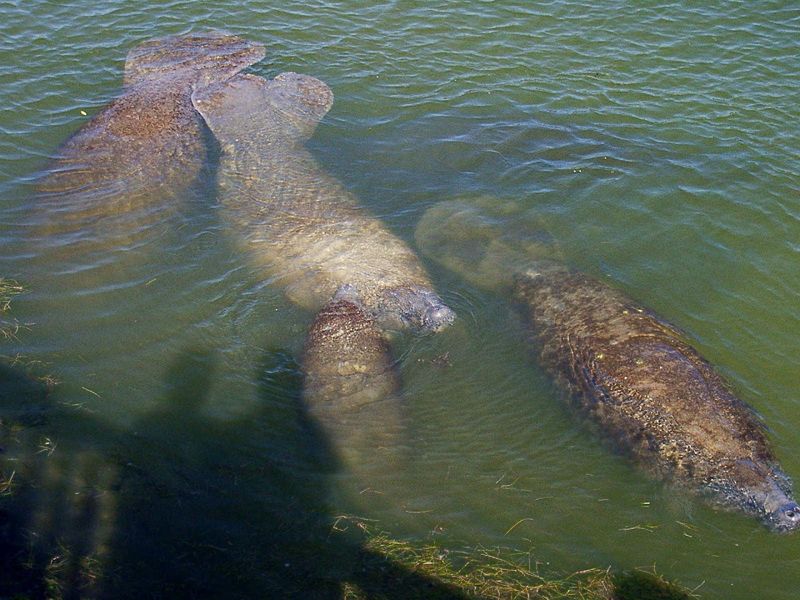
Paddling through a dark Florida waterway at night sounds intimidating until you realize how incredible the wildlife encounters can be.
Manatees are regularly spotted in these waters, and when one surfaces near your kayak, the bioluminescence outlines its massive shape in glowing blue.
It is genuinely breathtaking.
Dolphins occasionally pass through the lagoon after dark, leaving long luminous trails behind them. Jumping mullet create sudden bursts of light when they break the surface.
Even small fish darting away from your paddle produce tiny sparkling explosions.
Birds are less active at night, but the daytime refuge experience around this area includes ospreys, roseate spoonbills, herons, and kingfishers. The 140,000-acre refuge is home to an extraordinary variety of species.
Alligators are present too, though they typically keep their distance from kayakers.
The nighttime environment feels completely different from a daytime visit. Sounds carry differently across the water, and the absence of visual distractions sharpens every sense.
Hearing a manatee exhale nearby while the water glows around you is the kind of moment that sticks permanently in your memory. Nature rarely shows off this dramatically.
What To Pack For Your Night Paddle
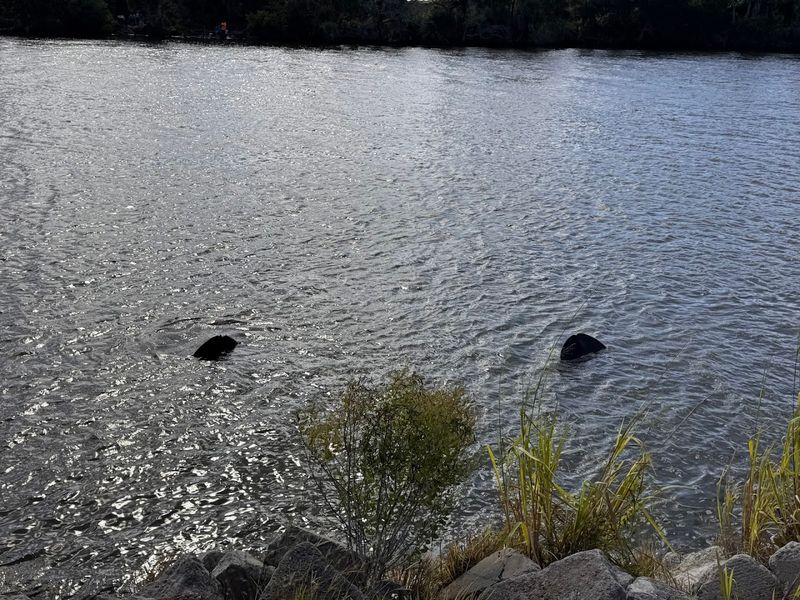
Packing smart for a bioluminescent kayak trip is one of those details that separates a comfortable adventure from a miserable one. The essentials are straightforward but easy to forget in the excitement of planning.
Aquatic footwear is at the top of the list since launch sites often involve wading through shallow water.
Bug spray is absolutely non-negotiable in this part of the state. The waterways near Titusville earned their name from mosquitoes, and evenings can be intense without proper protection.
Applying it before you arrive rather than at the launch saves time and frustration.
A dry towel and a change of clothes are smart additions. Kayaking involves splashing, and getting back into a dry car afterward feels like a reward.
A reusable water bottle is also important since paddling in warm air is more physically demanding than it looks.
Leave your phone in a waterproof bag or case if you plan to take photos. The glow is difficult to capture on most phone cameras, but the attempt is always worth it.
Bright flashlights and headlamps can disrupt the bioluminescence, so bringing a red-light option is recommended. Packing light but smart keeps the focus where it belongs: on the water.
The Indian River Lagoon And Mosquito Lagoon Connection
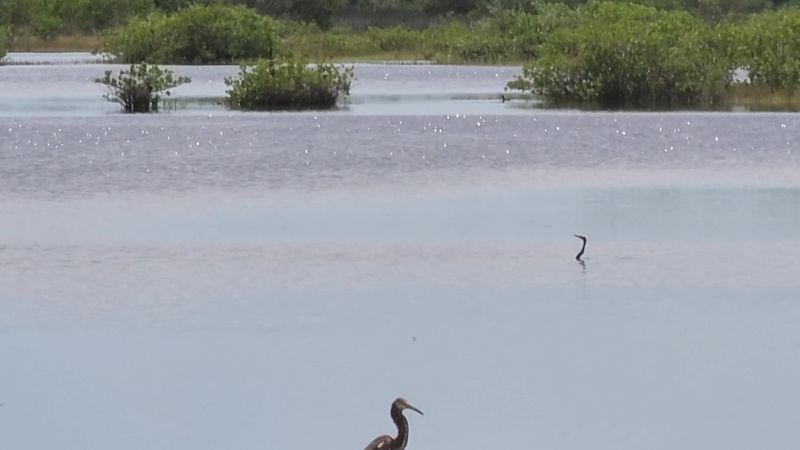
Understanding the geography of this area makes the whole experience richer. The Indian River Lagoon and Mosquito Lagoon are two of the most biologically diverse estuaries in North America.
They connect through the Haulover Canal, creating a continuous waterway that flows through the heart of the refuge.
The lagoon system supports over 4,300 species of plants and animals. Seagrass beds, mangrove shorelines, and open water habitats create an ecosystem of remarkable complexity.
Bioluminescent organisms thrive here partly because of the nutrient-rich, relatively warm water conditions.
Being located adjacent to Kennedy Space Center adds a surreal layer to the whole experience. On certain nights, the glow of a distant rocket launch site is visible on the horizon while the water lights up around your kayak.
Florida rarely feels more otherworldly than in this specific spot.
The protected status of these waters keeps them clean, calm, and free from heavy boat traffic. That protection is exactly why the bioluminescence remains so vivid and concentrated here.
Paddling through a place this ecologically significant while it literally glows beneath you is a reminder of how extraordinary undisturbed natural environments can be. Few places in America offer this combination.
Visiting The Refuge Visitor Center Before Your Paddle
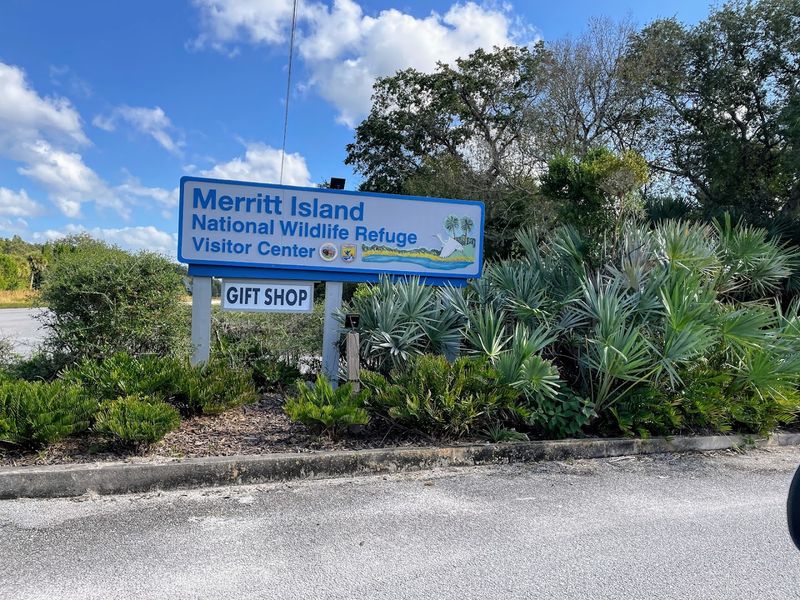
Starting any visit to this area with a stop at the refuge visitor center pays off immediately. The staff and volunteers there are genuinely enthusiastic about helping visitors make the most of their time.
They can point you toward the best viewing spots, current wildlife activity, and any trail conditions worth knowing.
The center is open Tuesday through Saturday from 8:30 AM to 4 PM. It is closed on Sundays and Mondays, so planning your daytime visit accordingly matters.
The boardwalk behind the center offers a peaceful short walk with excellent bird viewing right from the start.
Inside, exhibits explain the ecology of the refuge, the history of the Space Coast, and the variety of habitats found across the 140,000 acres. Painted buntings have been spotted at the feeders behind the building, which is a genuine treat for birders.
Restrooms are available, and the facility is handicap accessible.
Pairing a daytime visit to the center with an evening bioluminescent kayak tour creates a full day of unforgettable Florida nature. You can reach the center by phone at +1 321-861-0669 or visit fws.gov/refuge/Merritt_Island for current information.
Knowing the refuge before you paddle it at night adds a whole new dimension to the experience.
Why This Night Kayak Experience Is Worth Every Minute
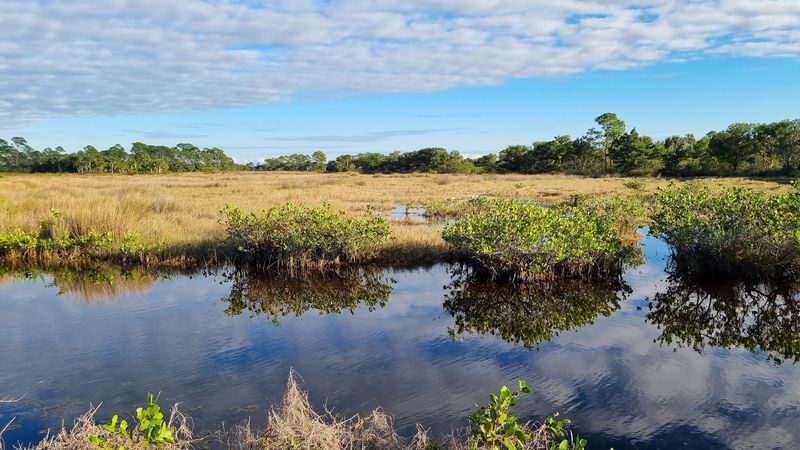
Some experiences are worth traveling across the country for, and this one genuinely earns that label. Bioluminescent kayaking in this part of Florida is not a gimmick or a tourist trap.
It is a rare, scientifically fascinating natural phenomenon that happens to be accessible, guided, and breathtakingly beautiful.
The combination of glowing water, star-filled skies, and abundant wildlife creates something that photographs simply cannot capture fully. You have to be present, paddling through it, to understand why people come back season after season.
The experience hits differently every single time depending on conditions and wildlife activity.
Visitors consistently describe this part of the refuge as one of Florida’s most memorable places for a guided night paddle. The refuge itself is described by visitors as world-class, and the nighttime kayak experience elevates it even further.
Few places in the United States offer this specific combination of accessibility and natural spectacle.
The guides, the setting, and the bioluminescence itself do all the heavy lifting. All you have to do is show up, paddle gently, and let the water do the rest.