11 Nebraska Towns Where The Local Identity Feels Unusually Strong Right Away
A town with strong identity does not make you search for clues. You feel it fast.
It could be painted on a water tower. Maybe it shows up in a festival banner. Perhaps it’s in the way locals talk about the place like everyone should already understand the assignment.
That kind of pride is hard to fake.
A strong local identity gives a town its own flavor before you ever check the map twice.
Nebraska has towns where the personality shows up almost immediately.
Not in a loud tourist-trap way. More like a clear sense of “this is who we are, and we are not changing it.”
That confidence makes a visit more interesting.
You notice the traditions. You notice the old signs.
Small towns truly are better when they feel unmistakable.
1. Wilber, Czech Capital Of Nebraska
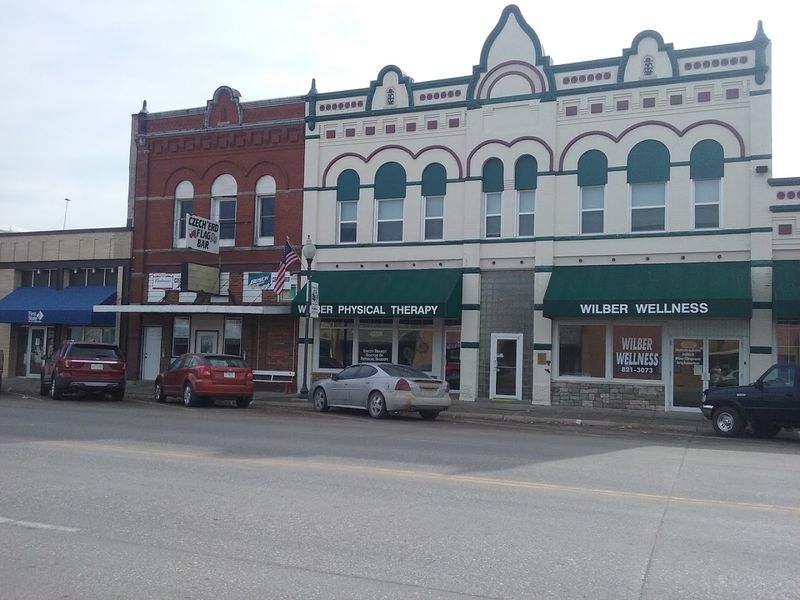
Walking down the main street of Wilber has the vibe of stepping into a living museum of Central European heritage, right in the middle of the Great Plains.
Czech flags hang from storefronts, kolache recipes are treated like local currency, and the annual Czech Festival draws thousands of people who come specifically for the folk dancing, traditional food, and parade.
Wilber was officially designated the Czech Capital of Nebraska by the state legislature, and that title is not just ceremonial.
The town leans into its roots with genuine enthusiasm, and the identity feels organic rather than manufactured for tourists.
Local shops carry imported Czech goods alongside homemade treats, and the architecture along the square reflects decades of community investment in keeping the heritage visible.
Visitors who arrive during festival season in late summer get the fullest experience, but the cultural personality of Wilber shows up year-round in small, consistent ways that make the town feel distinct from anything else in the state.
2. Red Cloud, Willa Cather’s Story Town
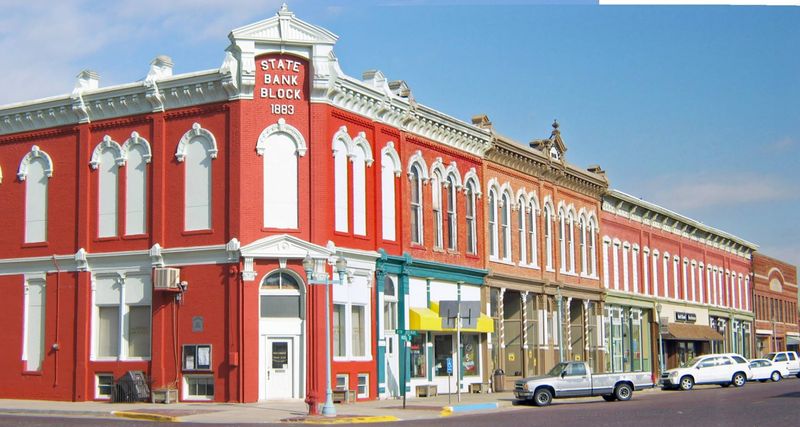
Red Cloud carries a literary weight that most towns ten times its size could never claim.
As the hometown of novelist Willa Cather, the town has preserved its late 1800s character with a dedication that feels less like tourism strategy and more like genuine civic pride.
The Red Cloud Opera House still stands on Webster Street and hosts performances and events that connect the present community to its cultural past.
Walking through the neighborhoods, visitors notice original homes that appear in Cather’s fiction, marked with plaques that turn a stroll into something close to reading a novel in real time.
The Willa Cather Foundation maintains several historic properties and offers tours that provide real context for both the literature and the landscape that inspired it.
Red Cloud sits in the Republican River valley where the prairie stretches wide and flat in every direction, and that scenery is inseparable from the town’s identity.
Even without the literary history, the architecture and quiet pace would make this a memorable stop, but the story layer makes it genuinely unlike anywhere else in Nebraska.
3. Ogallala, Where The Old West Still Breathes
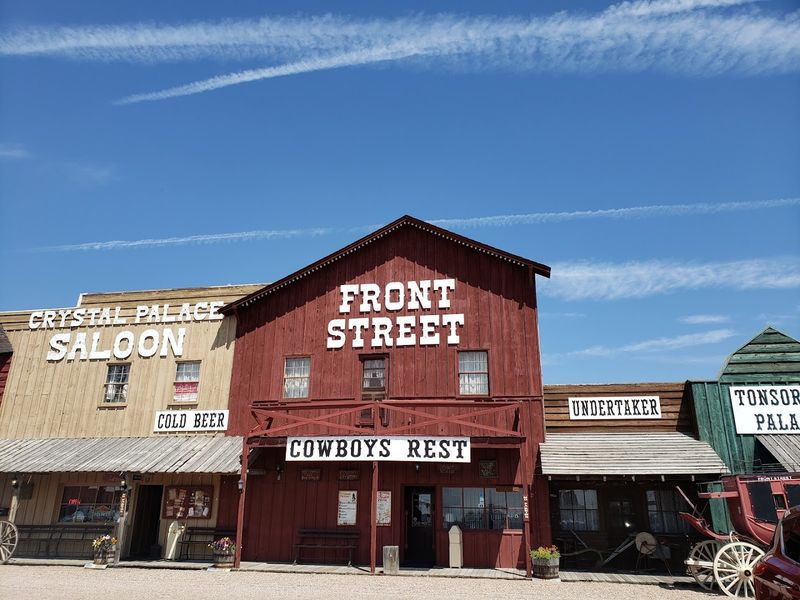
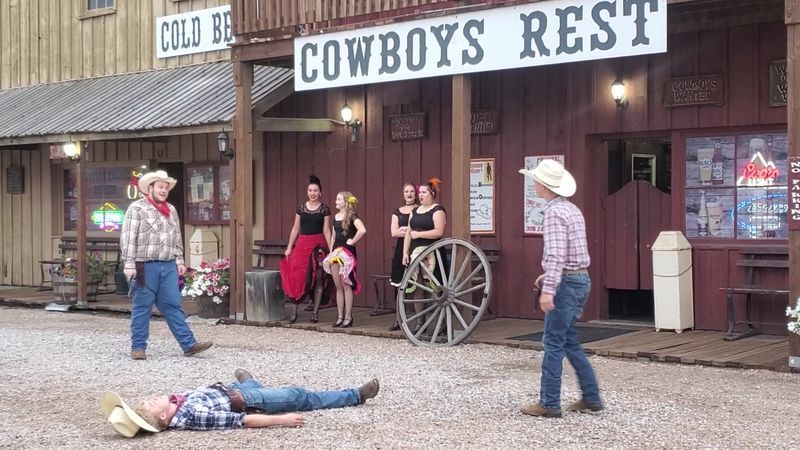
Front Street in Ogallala does not feel like a recreation so much as a continuation.
The town built its identity on being a major cattle trail destination in the 1870s and 1880s, and that cowboy energy has never fully left.
Summer performances along Front Street bring cowboy reenactments and frontier theater to visitors in a way that feels grounded in actual local history rather than generic Western nostalgia.
The buildings, the signage, and the general atmosphere of the downtown area all point toward the same story, which is that Ogallala was once a wild and important place at the edge of settled America.
Lake McConaughy sits just north of town and adds a recreational dimension that keeps Ogallala relevant across seasons, but the Old West identity is what hits first and hardest.
Visitors arriving from the interstate often feel the shift in atmosphere within minutes of pulling off the highway.
The town wears its frontier past without apology, and for travelers interested in the real cattle-drive history of the Great Plains, Ogallala offers a surprisingly authentic entry point into that world.
4. Brownville, Nebraska’s Smallest Big Cultural Moment
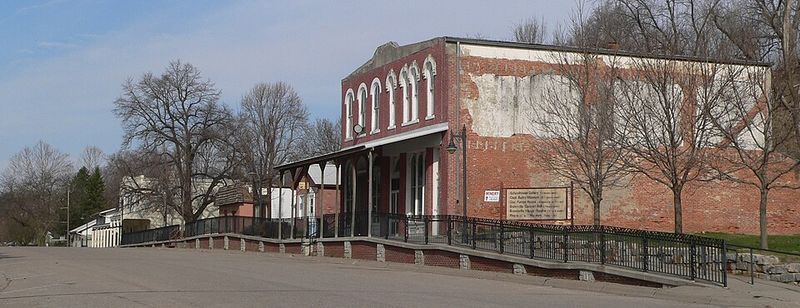
Brownville holds the distinction of being Nebraska’s oldest incorporated town, and it carries that history in every corner of its compact, walkable layout along the Missouri River.
Brick buildings from the mid-1800s line the streets, and the town has filled those spaces with bookstores, art galleries, and performance venues that feel genuinely curated rather than accidental.
The Brownville Village Theatre has operated for decades and draws audiences from across the region for its seasonal productions, giving this tiny community a cultural footprint far larger than its population would suggest.
Independent booksellers and artists have made Brownville a quiet destination for people who appreciate the overlap between history and creativity.
The river setting adds a natural backdrop that softens the edges of what could otherwise feel like a purely nostalgic experience.
Cottonwood trees line the approaches to town, and the pace slows noticeably as the road narrows toward the historic district.
Brownville rewards slow visitors, the kind who are willing to park and wander without a specific agenda, because the identity of the place reveals itself gradually through the details rather than through any single landmark.
5. Valentine, Heart City Of The Sandhills
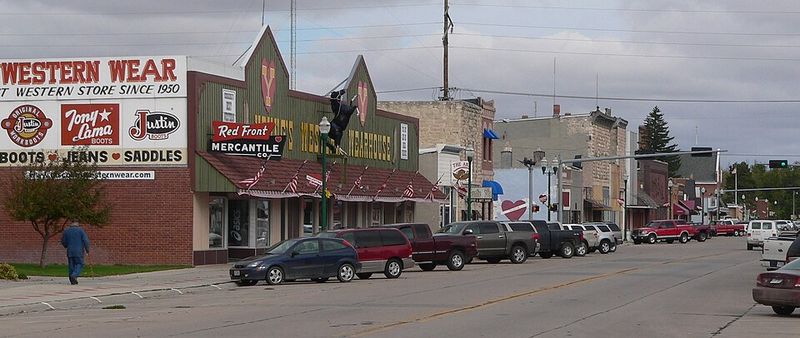
Valentine earns its nickname of Heart City not just from its postal cachet but from a genuine alignment between the town’s personality and the landscape surrounding it.
Sitting at the edge of the Nebraska Sandhills near the Niobrara River, the town has built an identity around outdoor adventure that feels earned rather than marketed.
Kayakers, tubers, and hikers pass through Valentine as a natural basecamp for exploring the Niobrara National Scenic River, Smith Falls State Park, and the rolling Sandhills terrain that surrounds the area.
Local outfitters operate along the river corridor and give the downtown a functional, working relationship with the outdoors that keeps the identity grounded.
The downtown storefronts lean into the heart theme with a playfulness that is easy to appreciate without being overwhelming, and the overall atmosphere is relaxed and genuinely welcoming to people arriving with muddy boots and sunburned forearms.
Smith Falls, Nebraska’s tallest waterfall, sits within easy driving distance and adds a landmark pull that brings visitors back season after season.
Valentine feels like a town that has figured out exactly what it is and has no interest in being anything else.
6. Minden, Nebraska’s Christmas City
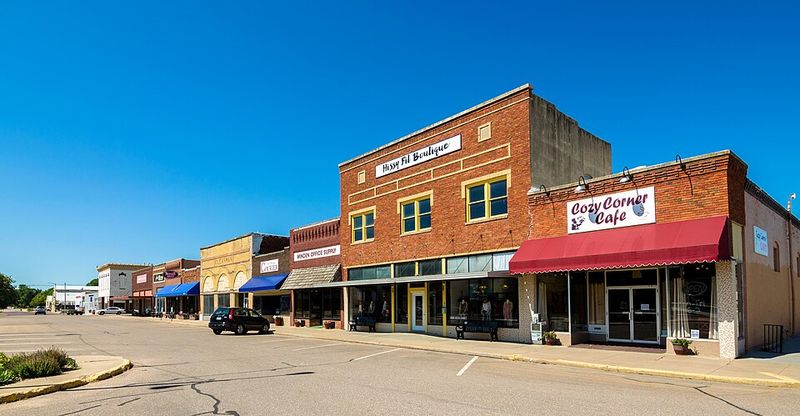
Every winter, Minden transforms into something that feels genuinely magical without relying on commercial excess.
The town has maintained its Christmas City tradition for decades, covering the courthouse square and surrounding streets with hundreds of thousands of lights that draw visitors from across the region each holiday season.
The Harold Warp Pioneer Village is one of the most comprehensive collections of American pioneer artifacts in the country and adds a year-round cultural anchor to the town’s identity.
The museum spans multiple buildings and covers transportation, agriculture, and domestic life across more than a century of Nebraska history, giving Minden a dual identity as both a holiday destination and a serious heritage site.
The courthouse square at the center of town is the kind of civic space that feels like it was designed to matter, with benches, walkways, and seasonal decorations that invite people to slow down and spend time rather than pass through.
Minden’s identity is warm and community-focused in a way that feels consistent across seasons, and the Christmas tradition is simply the most visible expression of a town that takes civic pride seriously all year long.
7. North Platte, Buffalo Bill Country And Railroad Crossroads
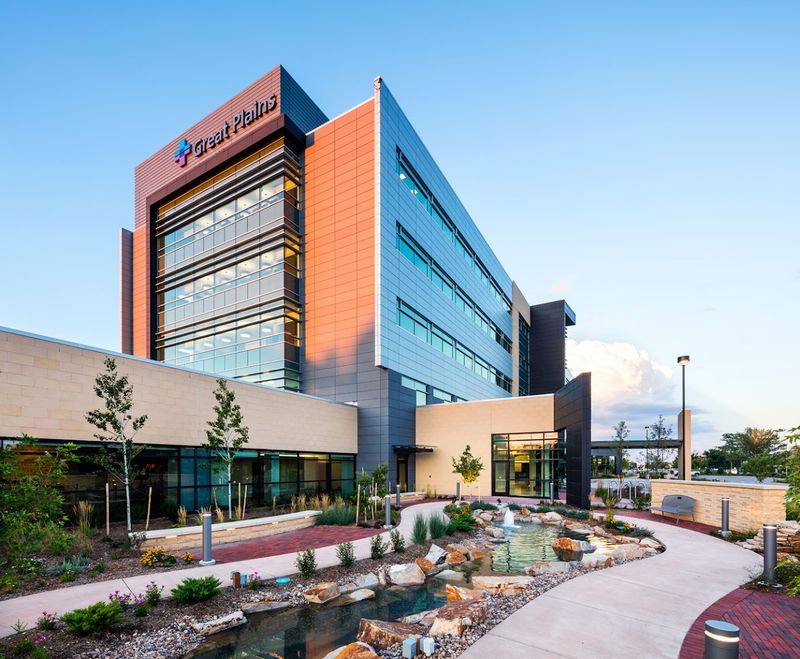
North Platte sits at a geographic and historical crossroads that gave it an outsized role in the development of the American West.
As the home of Buffalo Bill Cody and one of the largest railroad classification yards ever built, the town carries two distinct but complementary identities that both point toward scale and significance.
Cody Park and the Buffalo Bill Ranch State Historical Park preserve the connection to the frontier showman who put North Platte on the national map in the late 1800s.
The Bailey Yard, operated by Union Pacific, remains the world’s largest railroad classification yard and can be viewed from an observation tower that gives visitors a sense of just how much freight still moves through this part.
The combination of Wild West heritage and industrial railroad history gives North Platte a personality that feels genuinely layered rather than one-dimensional.
Travelers stopping here often find themselves spending more time than planned because the town keeps offering new angles on the same broad theme of movement, ambition, and frontier energy.
North Platte does not feel like a small town trying to seem important; it feels like a place that actually was important and has the receipts to prove it.
8. Gering, Scotts Bluff’s Front Porch
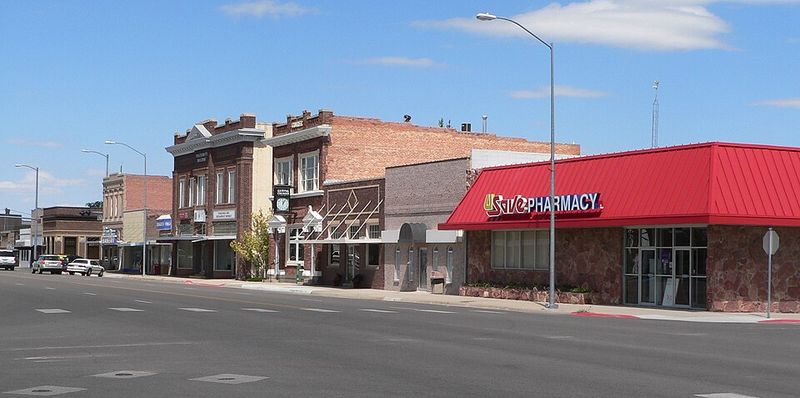
Gering’s identity is shaped almost entirely by the dramatic landform that towers above it, and that relationship between town and landmark is one of the most immediate in all of Nebraska.
Scotts Bluff National Monument rises more than 800 feet above the surrounding plains and is visible from nearly every part of town, functioning as a constant geographic anchor that reminds visitors exactly where they are.
The monument visitor center sits at the base of the bluffs and provides historical context for the Oregon Trail travelers who used Scotts Bluff as a navigation landmark in the 1800s.
The trail ruts are still visible in places, and that continuity between past and present gives Gering a sense of living history that goes beyond typical roadside attraction framing.
Downtown Gering has a relaxed, Western Nebraska character with local shops and a community feel that contrasts pleasantly with the dramatic scenery just outside of town.
Oregon Trail Days, the town’s annual summer festival, celebrates the pioneer heritage in a way that brings the community together around its defining geographic story.
Gering is a place where the landscape does most of the identity work, and it does that work exceptionally well.
9. Chadron, Pine Ridge Town With A Frontier Edge
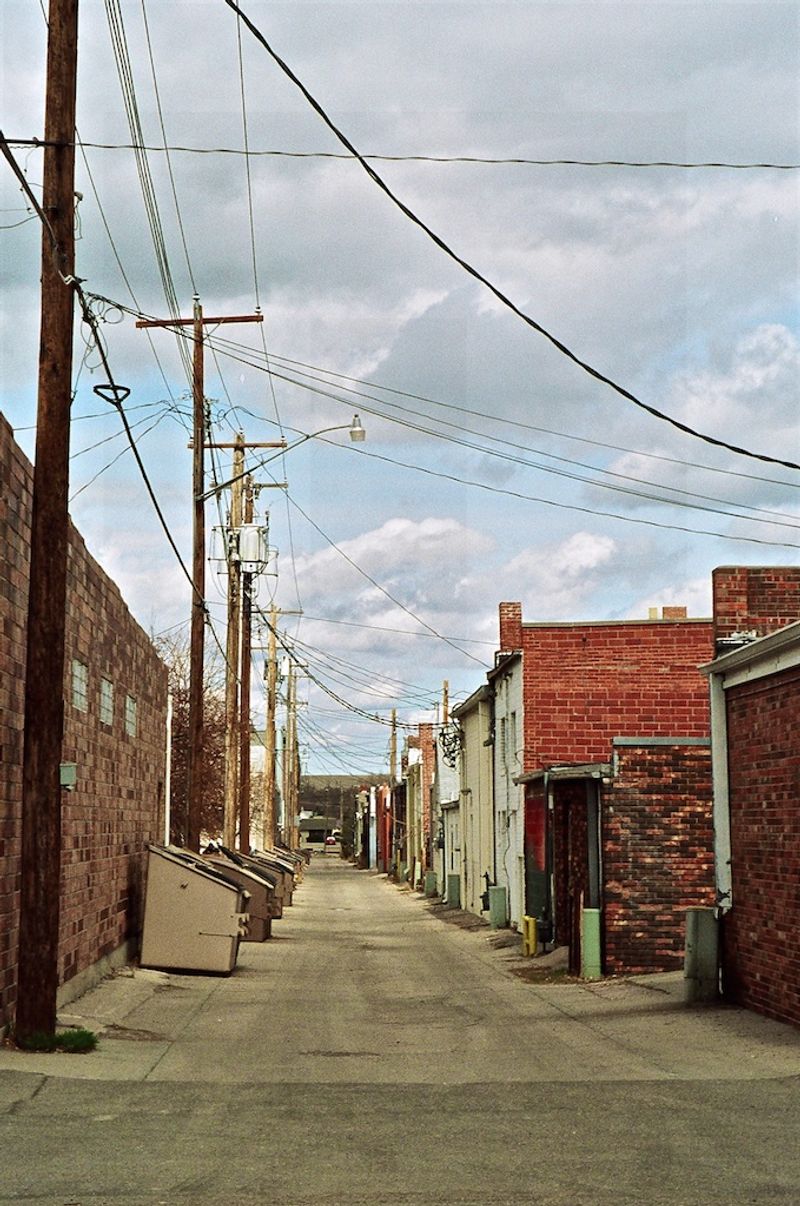
Chadron sits in a part of Nebraska that feels categorically different from the rest of the state, and the town’s identity reflects that geographic distinctiveness.
Pine Ridge country surrounds the area with ponderosa pines, rugged buttes, and a high plains landscape that feels closer to Wyoming than to eastern Nebraska.
The downtown has a character that local historians and visitors alike have described as reminiscent of a 1950s movie set, with low brick buildings and wide streets that feel preserved rather than renovated.
Chadron’s downtown district is listed on the National Register of Historic Places, which adds official recognition to what is already visually apparent to anyone walking through the blocks near the courthouse.
Chadron State College contributes a college-town energy that keeps the community active and culturally engaged beyond what a town of its size might otherwise sustain.
Chadron State Park, located just south of town, offers camping, hiking, and access to the Pine Ridge landscape that defines the region.
The combination of frontier architecture, natural surroundings, and academic energy gives Chadron a layered personality that rewards visitors who take time to explore beyond the main road through town.
10. Ashland, Small Town With Big Neighbor Energy
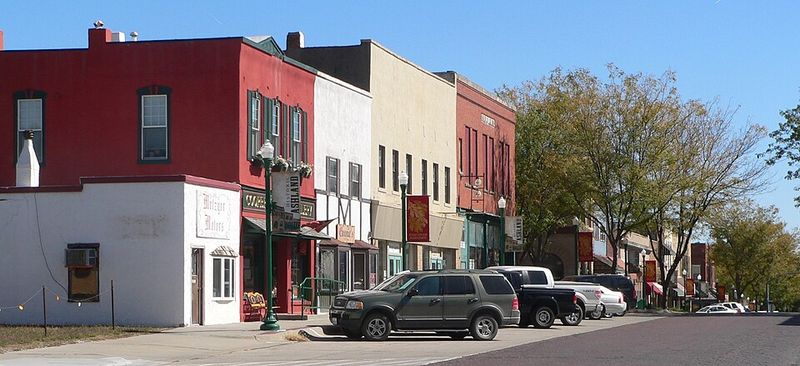
Ashland punches well above its weight when it comes to reasons to visit, and the town seems to know it.
Positioned along the Platte River between Omaha and Lincoln, Ashland has developed a dual identity built around its own charming downtown and the major attractions that sit just outside its borders.
Mahoney State Park draws families and outdoor enthusiasts throughout the warmer months with cabins, waterslides, hiking trails, and river access that make it one of the most visited state parks in Nebraska.
The Strategic Air Command and Aerospace Museum sits just off Interstate 80 and houses an extraordinary collection of Cold War-era aircraft and space artifacts that make it a genuine destination rather than a roadside diversion.
The Main Street area of Ashland retains a small-town Nebraska feel with locally owned shops and a pace that contrasts refreshingly with the nearby interstate corridor.
Visitors who stop for the museum often find themselves wandering into town afterward and discovering that Ashland has its own quiet appeal separate from its famous neighbors.
The combination of accessible outdoor recreation, world-class aviation history, and small-town warmth gives Ashland a layered identity that holds up across multiple visits.
11. Nebraska City, Where Arbor Day Was Born
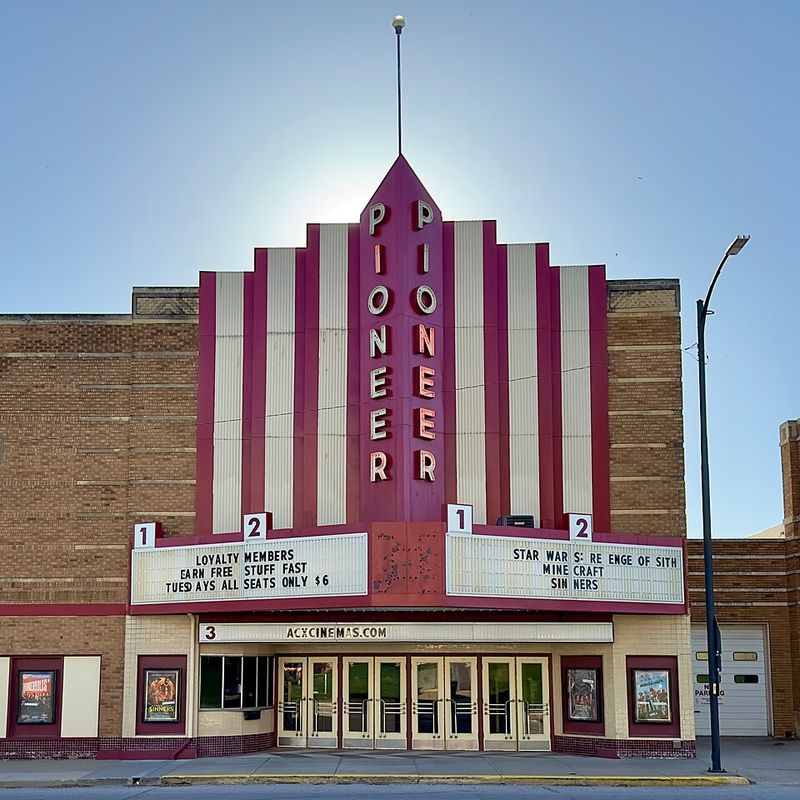
Nebraska City has a founding story that shaped not just the town but an entire national holiday, and that origin gives the community a sense of purpose that feels quietly present throughout the downtown.
Arbor Day was established here in 1872 by J. Sterling Morton, and the tradition of planting trees has left a visible legacy in the canopy that covers the city’s streets and neighborhoods.
Arbor Lodge State Historical Park preserves the Morton estate with a 52-room mansion, formal gardens, and grounds that reflect the Victorian-era ambition of one of Nebraska’s most influential families.
The Arbor Day Farm nearby offers orchard experiences, apple picking in season, and educational programming that connects visitors of all ages to the agricultural and environmental roots of the community.
The AppleJack Festival held each fall draws visitors for a celebration of the harvest season that feels genuinely rooted in the local landscape rather than imported from elsewhere.
Historic homes line the older neighborhoods with architectural variety that rewards slow walks through the residential streets. Nebraska City carries its identity as a place of growth and cultivation with a consistency that shows up in the trees, the architecture, and the community events that define the calendar year after year.