These 12 Nebraska Riverfront Day Trips Pair Scenic Trails With Quiet Places By The Water
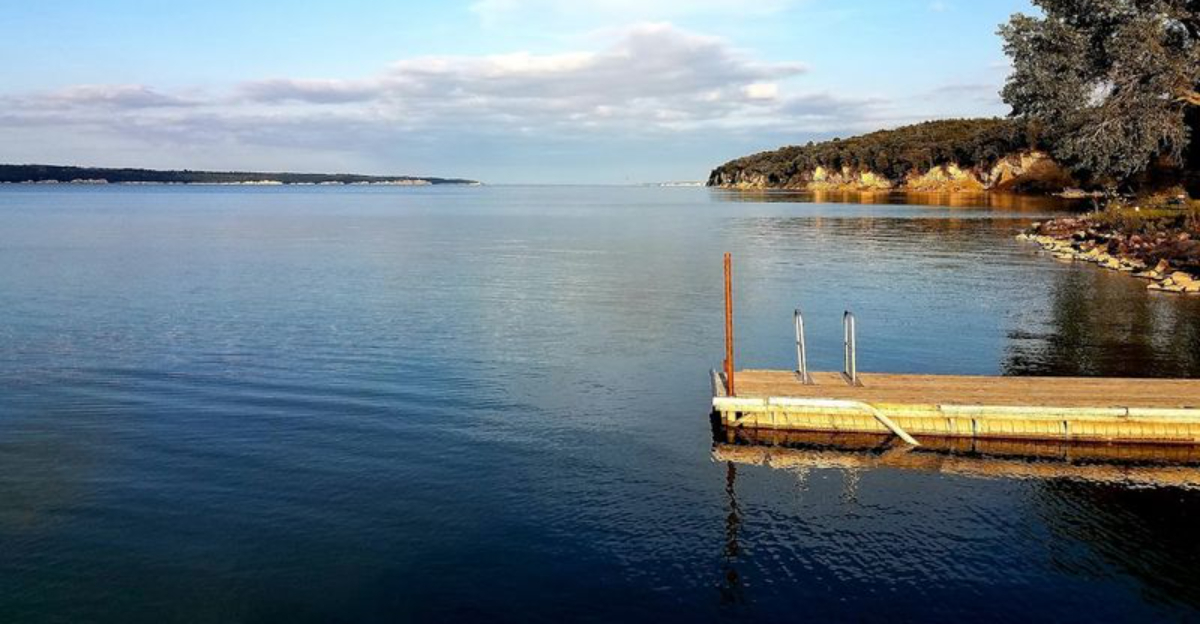
Riverfront day trips know how to slow people down.
Not in a boring way. In the good way!
The kind where a walk turns longer because the water keeps showing up beside you.
Then suddenly the whole afternoon has become less about rushing and more about staying put for a minute.
Nebraska does not need mountains to make a trail feel memorable.
Give it a river, a quiet path, and enough open sky, and the whole day starts breathing differently.
Scenic trails bring the movement. Quiet waterside spots bring the pause.
Together, they make an easy day trip feel fuller without turning it into a complicated plan.
You can walk first. Sit later. Watch the current move. Let the noise drop a little.
Some outings are better when they do not try too hard.
1. Ponca State Park, Ponca
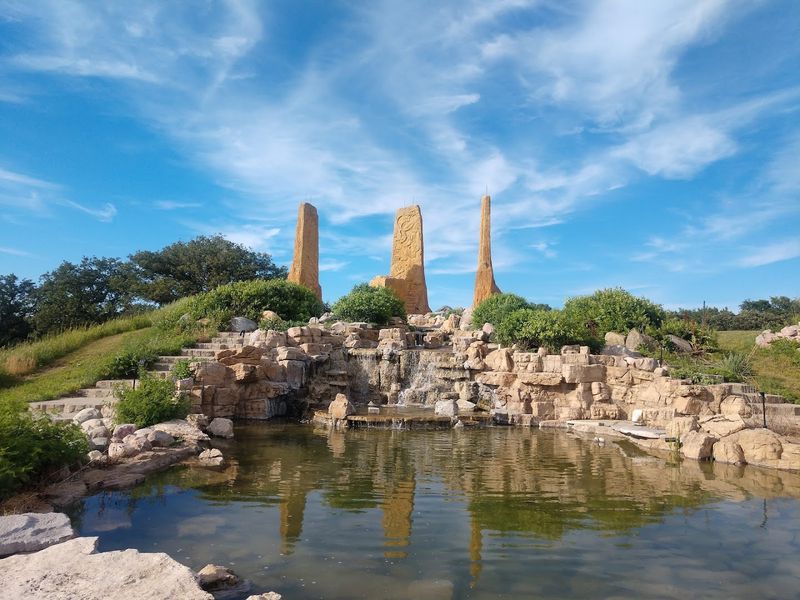
Standing on the bluffs at Ponca State Park, the Missouri River stretches out below in a way that feels almost cinematic.
The park sits along one of the more dramatic sections of the river in Nebraska, where the land rises sharply and the views open up across multiple states at once.
The famous Tri-State Overlook gives visitors a rare vantage point where Nebraska, South Dakota, and Iowa all come into view at the same time.
Hiking trails wind through dense woodlands full of whitetail deer and wild turkeys, and the terrain shifts noticeably as elevation changes along the trail system.
The wooded paths feel shaded and cool even on warmer days, which makes midday hikes more comfortable than expected.
Benches and open spots near the bluff edges offer natural pauses where the sound of the river carries up through the trees.
Ponca is best visited on a weekday if quieter conditions are the goal, since weekends tend to draw more families and groups.
The park offers camping, river access, and wildlife viewing that can easily fill an entire day without feeling rushed. Bringing water and sturdy footwear makes a big difference on the uneven bluff trails.
2. Niobrara State Park, Niobrara
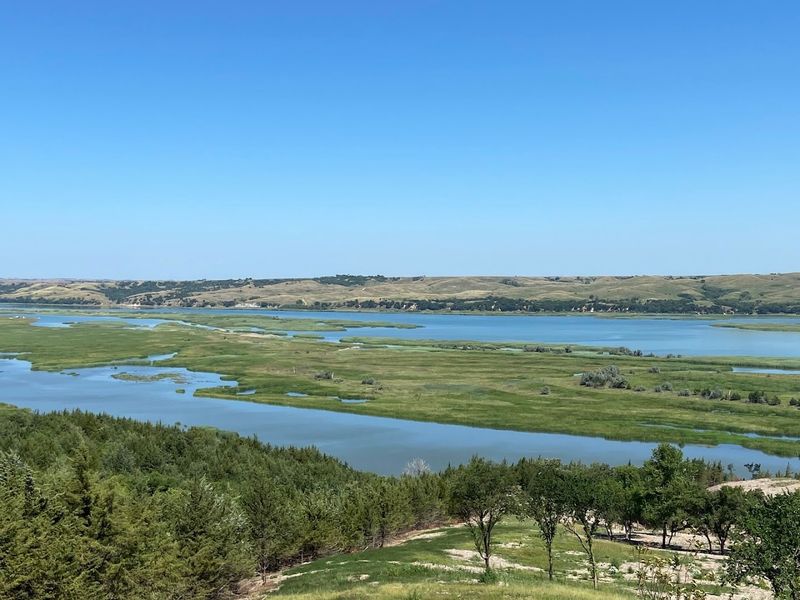
Few spots in Nebraska offer the kind of geographical drama found at the ridge-top viewpoints inside Niobrara State Park.
Positioned at the confluence of the Niobrara and Missouri rivers, the park gives hikers a genuinely rare look at two major waterways meeting below a rolling landscape of bluffs and grassland.
The visual contrast between the rivers and the surrounding terrain makes this one of the more memorable spots in the state.
The park features 14 miles of hiking and horseback riding trails that vary in difficulty and scenery.
A 2.1-mile hike-bike trail includes a 1,200-foot trestle that spans the Niobrara River, offering elevated views that feel surprisingly open and airy.
Cabin-area viewpoints around the park tend to be quieter and more sheltered, making them good spots to settle in and watch the water move below.
Primitive and RV camping, picnic areas, swimming, and boat ramps are all available within the park, which means a day trip here could easily stretch into an overnight stay.
Early morning visits tend to offer softer light and fewer crowds along the ridge trails.
The park is a solid choice for anyone wanting a riverfront experience that combines active hiking with genuinely scenic payoff.
3. Indian Cave State Park, near Shubert
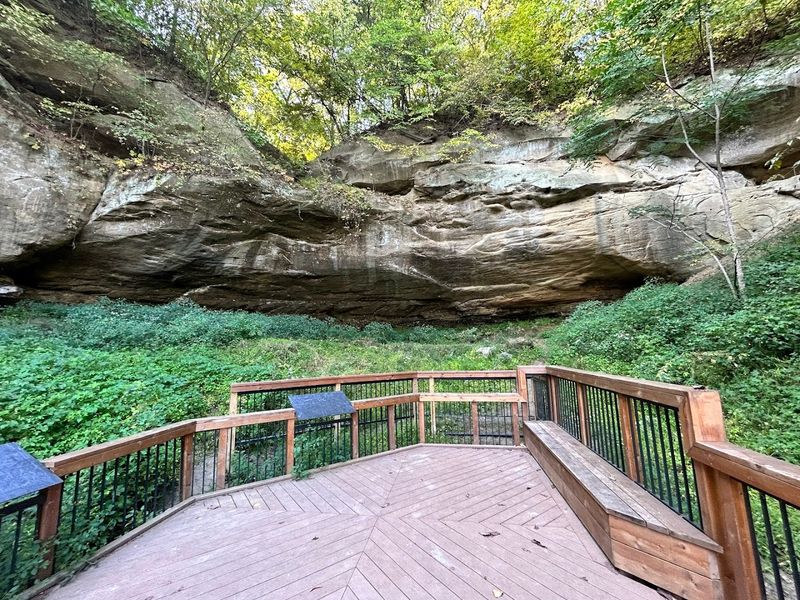
Carved into the Missouri River bluffs near Shubert, Indian Cave State Park holds a quiet kind of history that most visitors feel the moment they step onto the trails.
The park takes its name from a large sandstone cave near the river, which contains Native American petroglyphs that have been preserved as part of the park’s natural and cultural landscape.
Seeing the cave alongside the river bluffs gives the visit a layered quality that goes beyond a typical trail day.
With 22 miles of hike and bike trails, the park covers a wide range of terrain, from flat river-adjacent paths to steeper bluff routes with expansive Missouri River scenery.
An observation deck provides a clean, unobstructed view of the river and the wooded valley below, making it a natural stopping point during any longer hike.
The trails are generally well-marked and manageable for most fitness levels.
Camping, picnicking, and equestrian trails round out the options for those who want to extend the visit.
The park tends to feel less crowded than some of the larger Nebraska state parks, which adds to the appeal for anyone looking for a slower-paced riverfront day.
Fall color along the bluffs can be particularly striking from late September into October.
4. The RiverFront and Lewis and Clark Landing, Omaha
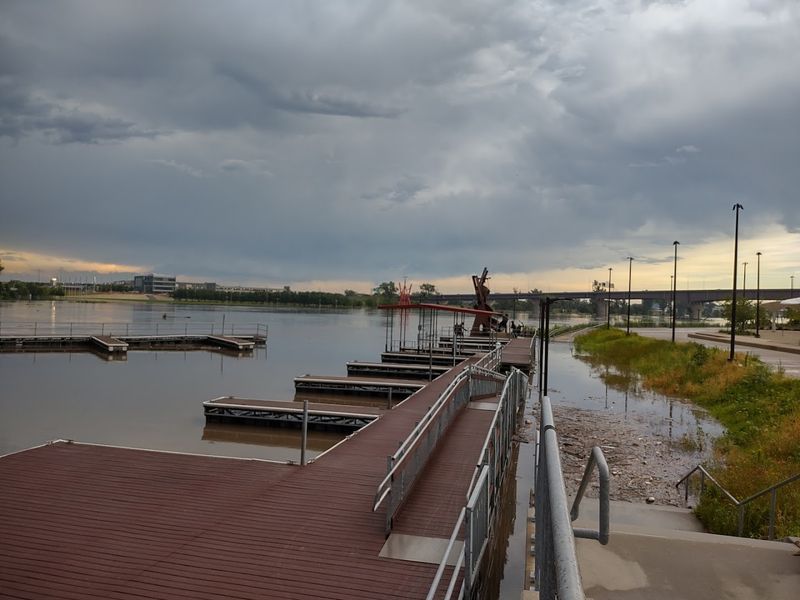
Right in the middle of downtown Omaha, the RiverFront area offers an accessible and well-developed riverfront experience that works for casual visitors and more active walkers alike.
Open green space, paved paths, and direct Missouri River access make this stretch feel both urban and surprisingly relaxed at the same time.
The nearby Bob Kerrey Pedestrian Bridge arcs gracefully over the river and is open to foot traffic, giving walkers a chance to cross into Iowa and back for a short but satisfying out-and-back route.
Lewis and Clark Landing sits within this riverfront corridor and includes interpretive exhibits alongside picnic tables and open views of the water.
The Omaha Riverfront Trail runs for over 20 miles total and connects the Landing to Heartland of America Park, which features a lake and fountains that make for a pleasant midday stop.
The trail accommodates walking, running, cycling, and skating.
Parking options in the area vary by location and time of day, so arriving earlier on weekends tends to make logistics smoother.
The urban beach area near the RiverFront adds a casual, laid-back element to what might otherwise feel like a standard city walk.
For those new to Omaha’s waterfront, this stretch is one of the more welcoming starting points along the Missouri.
5. Fontenelle Forest, Bellevue
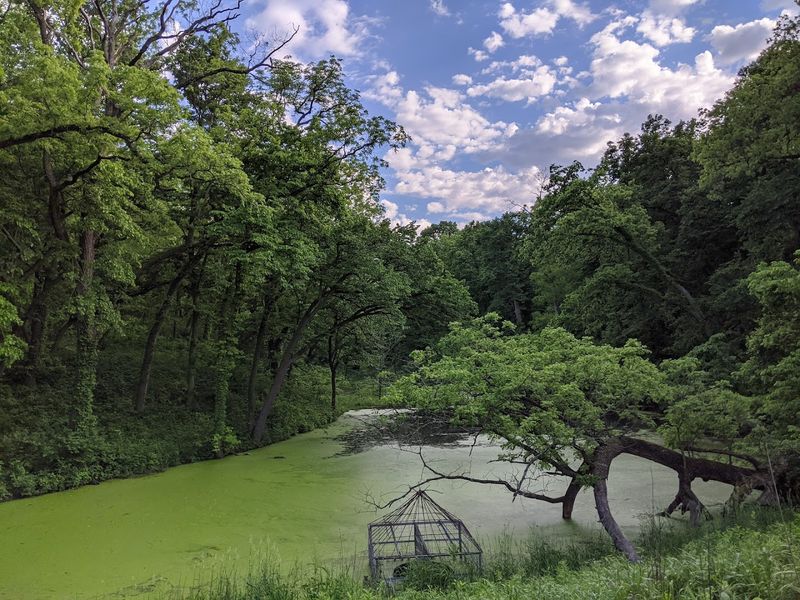
Just outside Omaha in Bellevue, Fontenelle Forest offers one of the more immersive woodland trail experiences in eastern Nebraska.
The forest sits along the Missouri River bluffs and features miles of winding trails that move through mature hardwood stands, ravines, and open ridge areas where the river appears through gaps in the canopy.
The long boardwalk section is especially popular because it keeps feet dry while moving through lower, wetter terrain closer to the water.
Trail distances vary enough to suit both short exploratory walks and longer half-day hikes. The elevation changes along some routes add a mild physical challenge that most casual hikers can handle without issue.
Missouri River views appear at several points along the bluff-side trails, offering natural rest spots where the sound of the forest and the sight of the river blend together in a way that feels genuinely restorative.
Fontenelle Forest operates as a nature center and charges an admission fee, so checking current pricing before visiting is a practical step.
The facility includes educational programming and a visitor center that helps orient first-time guests.
Weekday mornings tend to be quieter, which suits those who prefer a slower pace without the weekend activity levels that trail systems near major cities often attract.
6. Platte River State Park, Louisville
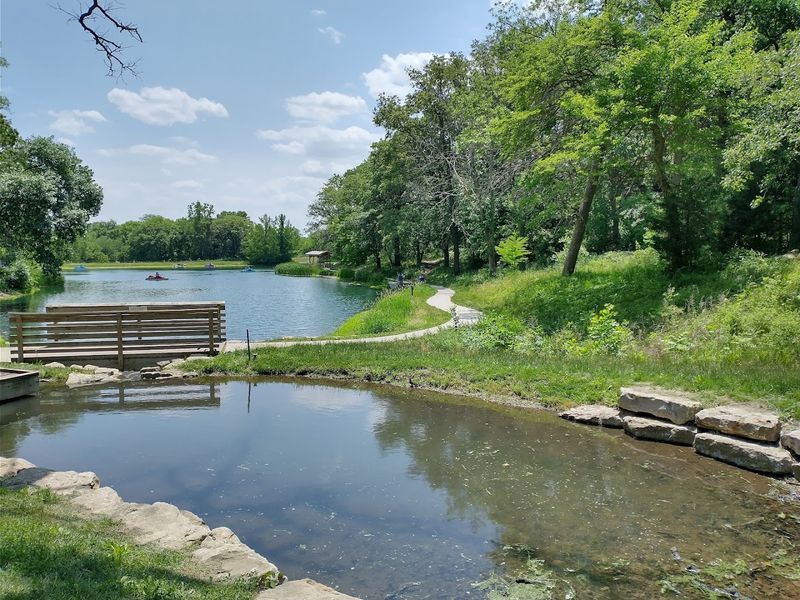
Between Lincoln and Omaha near Louisville, Platte River State Park packs a surprising amount of variety into a relatively compact area.
Trails here range from a 5.1-mile loop that passes Stone Creek Falls and Jenny Lake to a longer 7.6-mile combined route with notable elevation changes and sections like Ruthie’s Backyard and the Eastbound and Down Trail.
Two observation towers rise above the tree line and offer broad views over the Platte River Basin that reward the climb up.
Jenny Newman Lake is available for canoeing, kayaking, and paddle boating, and a canoe and kayak access point at Decker Creek connects visitors to the broader Platte River Water Trail.
Stone Creek Falls adds a quiet natural feature that feels unexpected in this part of the plains, giving hikers a destination that goes beyond just river views. Fishing spots are scattered throughout the park as well.
Guided horseback rides are available for those who want to experience the terrain from a different angle. The park’s trail system is well-maintained and clearly marked, which makes navigation straightforward even for first-time visitors.
Arriving early on summer weekends helps secure better parking and quieter access to the more popular waterfall and lake areas within the park.
7. Schramm Park State Recreation Area, Gretna
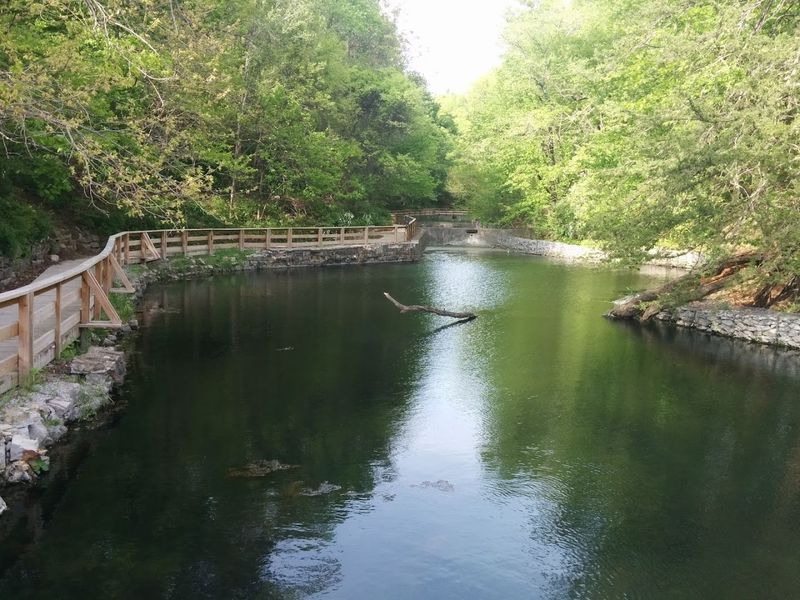
Schramm Park State Recreation Area near Gretna carries a calmer, more unhurried energy than some of the larger parks in the region.
Wooded trails roll through the Platte River valley here in a way that feels more like a quiet nature escape than a destination hike, which suits visitors who want a slower, more reflective kind of outdoor day.
The terrain is gentle enough that the focus stays on the surroundings rather than the physical effort of getting through them.
The recreation area also serves as one of the access points for the Platte River Water Trail, with a float section running roughly 4.9 river miles from Schramm to Louisville SRA taking about an hour on the water.
That makes it a practical launch point for anyone interested in a short paddle rather than a full hiking day.
The river current in this stretch tends to be gentle, generally flowing between three and five miles per hour.
Picnic facilities and open grassy areas make the site work well for families or groups who want a mix of light activity and relaxed outdoor time.
The park does not have the dramatic bluff views found at some Missouri River locations, but the quiet Platte River valley setting has its own understated charm.
8. Lied Platte River Bridge, near South Bend
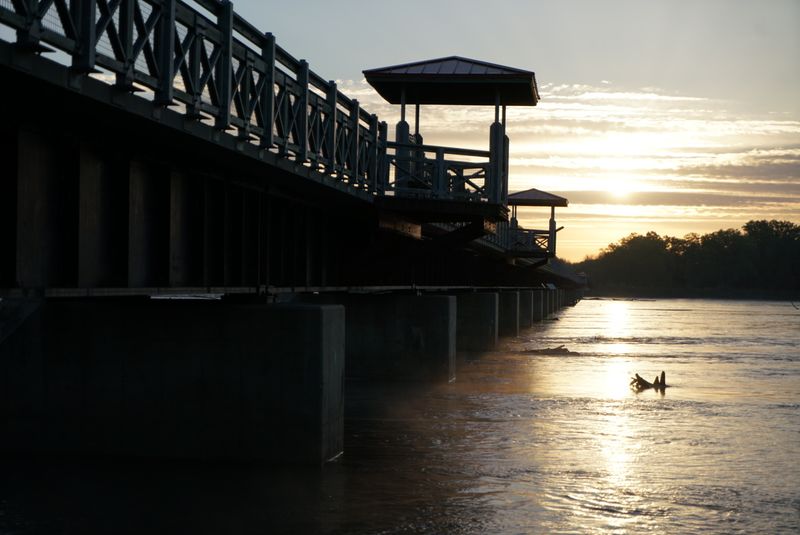
A converted railroad bridge spanning the Platte River near South Bend, the Lied Platte River Bridge offers one of the more unexpected trail experiences in Nebraska.
Walking out onto the old trestle puts visitors directly above the wide, shallow river, with views stretching in both directions across the braided channel and the sandbars that shift with the seasons.
The elevated perspective gives a sense of the river’s scale that ground-level access simply cannot replicate.
Short trails on both sides of the bridge connect the crossing to the surrounding landscape, making the full visit manageable in a couple of hours without requiring a major time commitment.
The bridge itself is the clear highlight, and most visitors spend time pausing on the span to take in the open river views before continuing along the connecting paths.
The site works especially well as a standalone stop or as part of a longer day that includes Schramm Park or Platte River State Park nearby.
Spring and fall tend to offer the most visually rewarding conditions, with migrating sandhill cranes using the Platte River corridor during late winter and early spring in particular.
The site is accessible and relatively flat, which makes it an easy option for visitors with varying mobility levels.
9. Fort Kearny State Recreation Area, Kearney
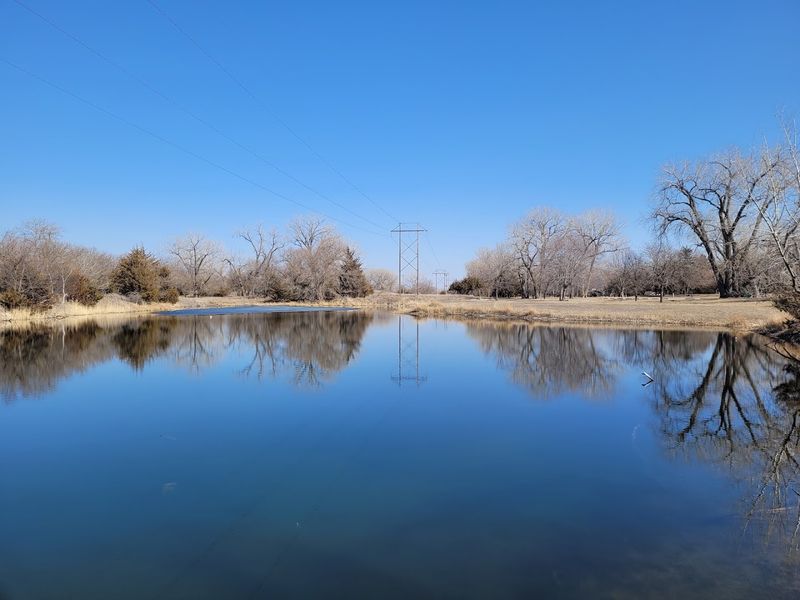
Fort Kearny State Recreation Area near Kearney sits at one of the most ecologically significant stretches of the Platte River, where the wide, braided channels attract massive concentrations of migrating sandhill cranes each spring.
A paved hike-bike trail crosses both channels of the Platte River within the recreation area, giving trail users an immersive experience of moving through the river rather than just alongside it.
The open, flat landscape here creates a sense of wide-sky spaciousness that feels distinctly different from the wooded bluff parks further east.
Picnic spots are scattered throughout the area and positioned close enough to the water to make a riverside lunch feel easy and natural.
The trail surface is smooth and accessible, which suits cyclists, walkers, and anyone using wheels or mobility aids.
Crane-viewing season runs roughly from late February through early April, and the sheer volume of birds using the river during that window makes a visit during that period genuinely remarkable.
Outside of crane season, the recreation area remains a solid destination for a relaxed river day without the crowds.
Fishing access along the Platte River is available, and the open terrain makes wildlife sightings common throughout the warmer months.
10. Smith Falls State Park, near Valentine
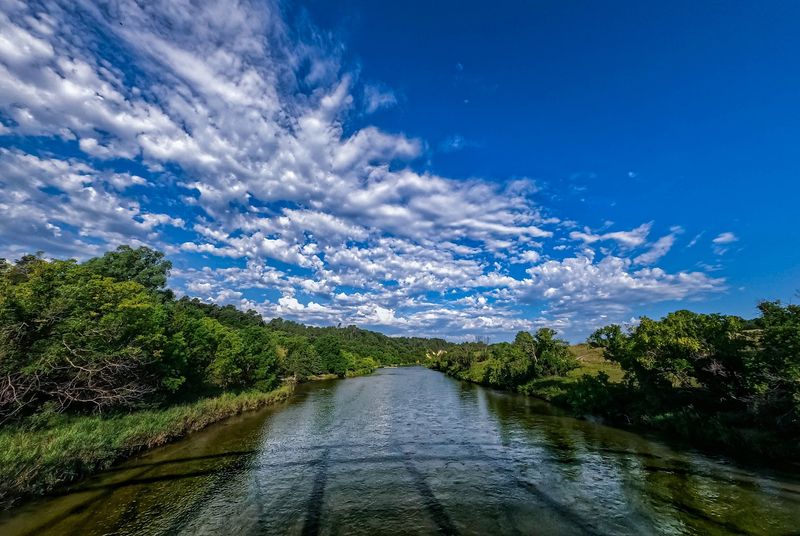
Nebraska’s tallest waterfall tumbles 63 feet into a shaded canyon at Smith Falls State Park, and the short trail leading to it makes the payoff feel accessible rather than earned through exhaustion.
The falls sit just off the Niobrara River, connected by a footbridge that crosses the water and leads into the cool, canyon-shaded area where the waterfall drops.
Morning visits tend to offer softer light filtering through the canyon trees and a quieter atmosphere before midday activity picks up.
Canoe and tube rentals are available nearby from outfitters that operate along the Niobrara River corridor, making it easy to combine a waterfall hike with a float on the water in a single day.
The Niobrara River through this stretch is considered manageable for novice paddlers, with a fast-moving current averaging six to eight miles per hour and a relatively shallow depth.
The combination of the waterfall and the river gives the park a layered character that holds attention for most of the day.
Picnic tables near the river provide shaded spots to rest between activities, and the campground-adjacent atmosphere of the park gives the whole place a relaxed, unhurried rhythm.
Visiting on a weekday in summer helps avoid the heavier crowds that popular Niobrara outings tend to attract.
11. Lewis and Clark State Recreation Area, Crofton
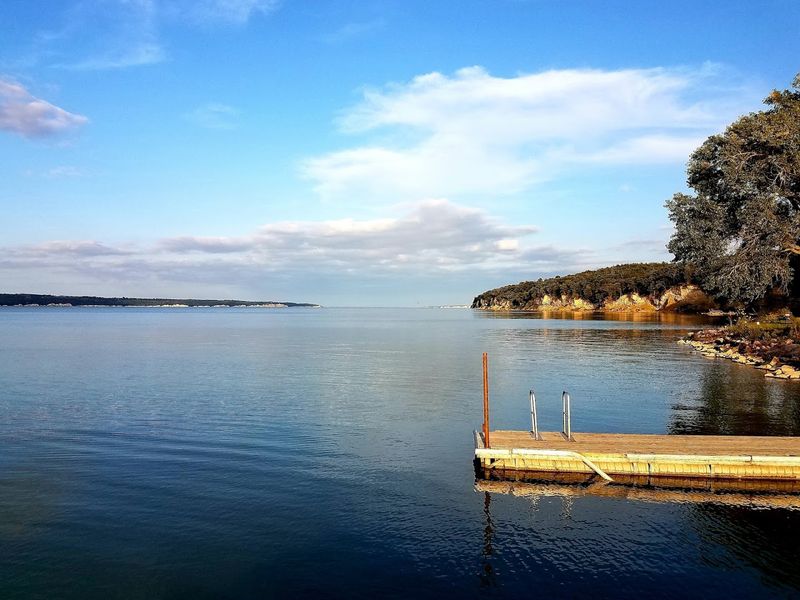
Perched along the Missouri River reservoir near Crofton, Lewis and Clark State Recreation Area offers a mix of shoreline scenery, hiking, and open-air relaxation that suits a wide range of visitor interests.
The reservoir views here have a broad, lake-like quality that differs from the moving-water character of the river-based parks further downstream.
Swimming areas, picnic spots, and scenic shore access give the recreation area a versatile, easy-to-navigate appeal.
Hiking trails move through the surrounding terrain with views of the water appearing at various points along the routes.
The area is well-suited for a half-day visit that combines a short hike with time spent near the shoreline, and the open landscape makes it easy to find a quiet spot away from the main activity areas.
Fishing access along the reservoir is available and draws a consistent crowd of anglers throughout the warmer months.
An important note for anyone planning to use Weigand Marina: access to that specific area is listed as closed through 2026 for upgrades, so confirming current access conditions before visiting is strongly recommended.
The recreation area’s other facilities remain open and functional for general day use. Checking the Nebraska Game and Parks website before the trip helps avoid any surprises related to seasonal closures or access changes.
12. Lewis and Clark Interpretive Trail and Visitor Center, Nebraska City
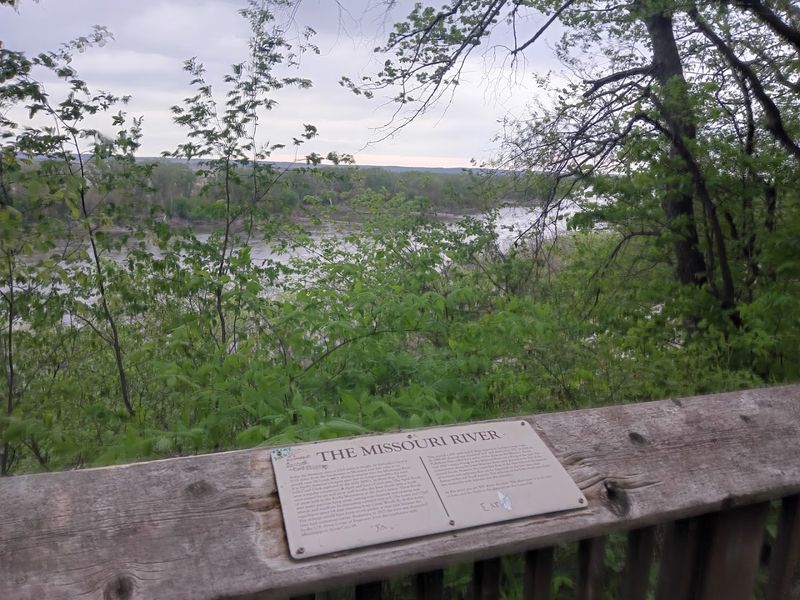
Compact and easy to navigate, the Lewis and Clark Interpretive Trail and Visitor Center near Nebraska City works well as a half-day destination that delivers genuine river scenery without requiring a long drive or a strenuous hike.
The River Overlook Trail leads to a clear vantage point above the Missouri River, where the bluff edge opens up and the river valley spreads out in a way that rewards even a short walk.
Limestone outcroppings along the trail add a textural quality to the landscape that makes the route feel more interesting than its modest length might suggest.
Optional add-ons include a birding trail and a bluff trail that extend the visit for those who want more time on the ground.
The birding areas attract a variety of species throughout the year, and the bluff trail offers additional elevation and views for those willing to put in a bit more effort.
The visitor center provides context for the area’s historical and natural significance, which helps orient first-time visitors before they head out onto the trails.
Nebraska City itself offers dining and services within easy reach of the trailhead, making it straightforward to pair the outdoor portion of the day with a meal in town.
The overall setup here is well-suited for visitors who prefer a structured, clearly defined day trip rather than open-ended exploration. Parking at the visitor center is available and generally accessible without difficulty.