This Sun Valley Native Plant Nursery Makes California Flora The Star Attraction
Plant shopping gets more interesting when the plants actually belong there.
Not the kind that wilt the second the weather acts like itself. Not the trendy kind everyone buys and quickly replaces.
We mean California plants that understand California. That already feels like a small gardening cheat code, right?
A native plant nursery turns a simple visit into something bigger than “grab a shrub and leave.”
You start noticing leaf shapes. Then flower colors. Then all the ways a garden can feel more alive when it works with the local landscape.
California flora can absolutely steal the spotlight when someone gives it the room.
Wild lilacs, poppies, and pollinator-friendly blooms make the nursery feel like a preview of what a smarter yard could be.
The best part is how practical it all feels. Beautiful, yes. But also useful.
A place like this makes native gardening feel less intimidating and way more tempting.
Native Plants Are The Main Event
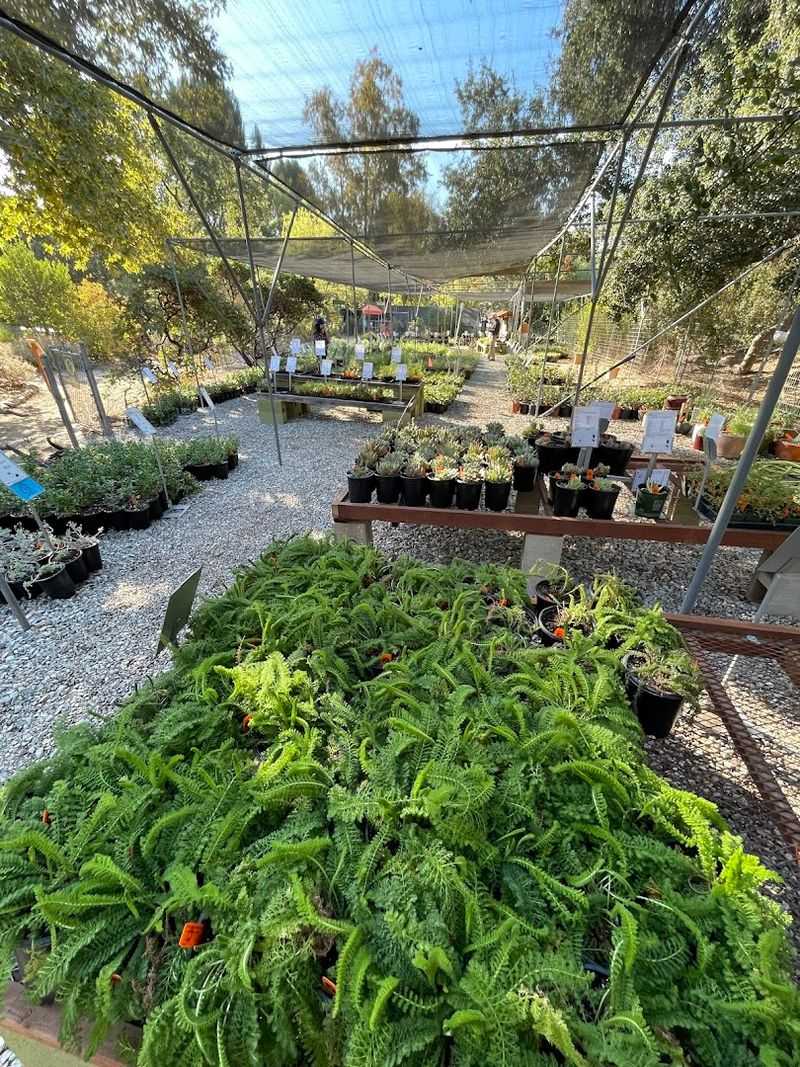
Few nurseries anywhere in Southern California commit so fully to a single mission, and that focus is exactly what makes this place feel different from the moment you walk in.
The Theodore Payne Foundation grows and promotes California native wildflowers and plants drawn from across California and the broader California Floristic Province, a biodiversity hotspot that stretches from southern Oregon into Baja California.
Native plants are not a side category here or a small corner section tucked between imported ornamentals. They are the entire inventory, the entire purpose, and the entire conversation.
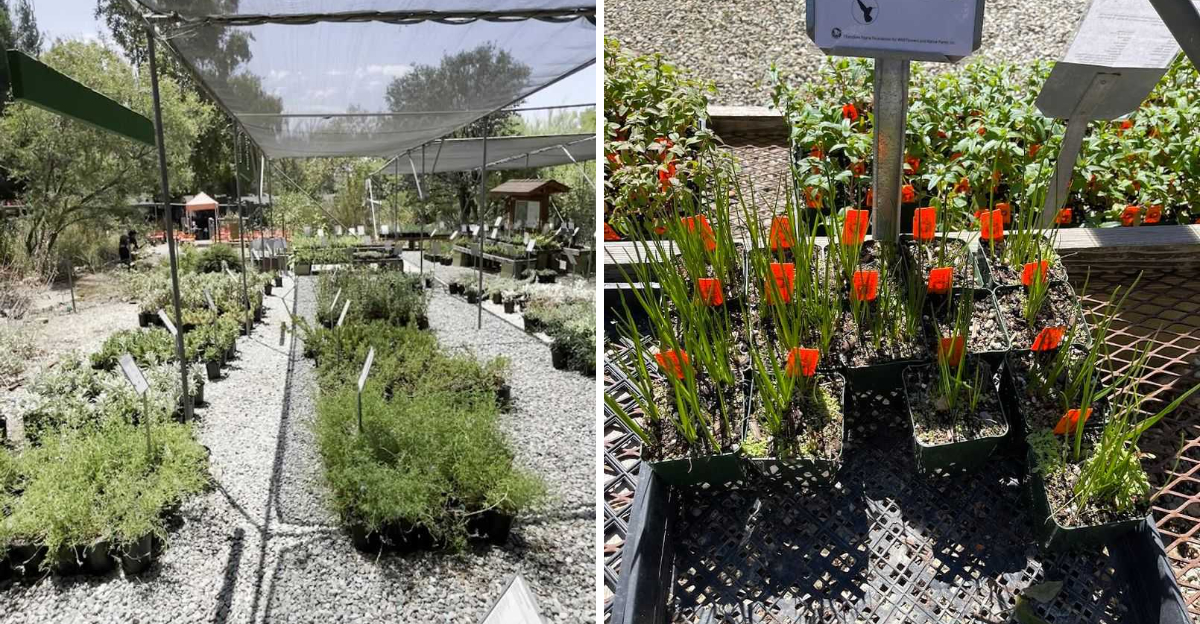
At any given time the nursery typically stocks between 600 and 700 plant species and cultivars, with over 900 species and cultivars rotating through the year.
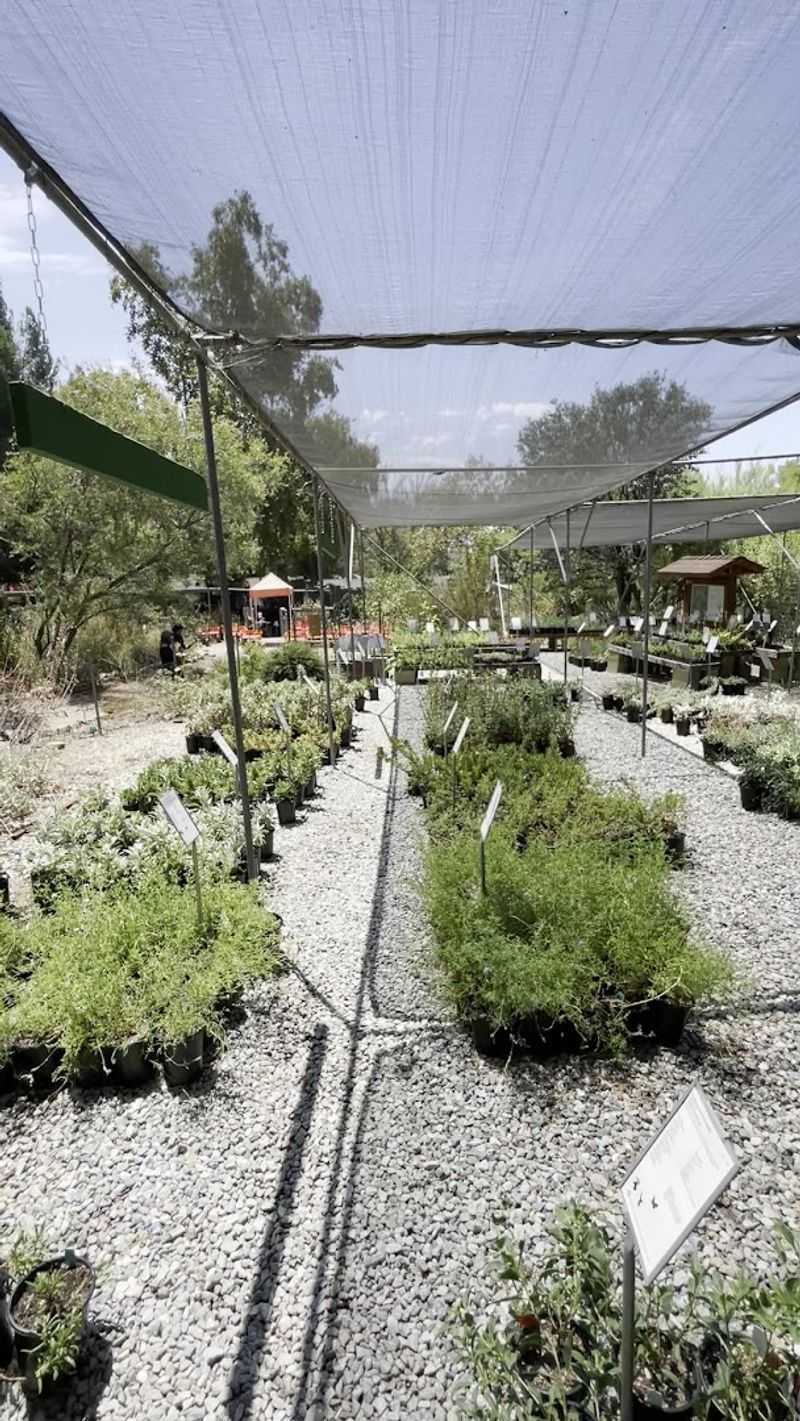
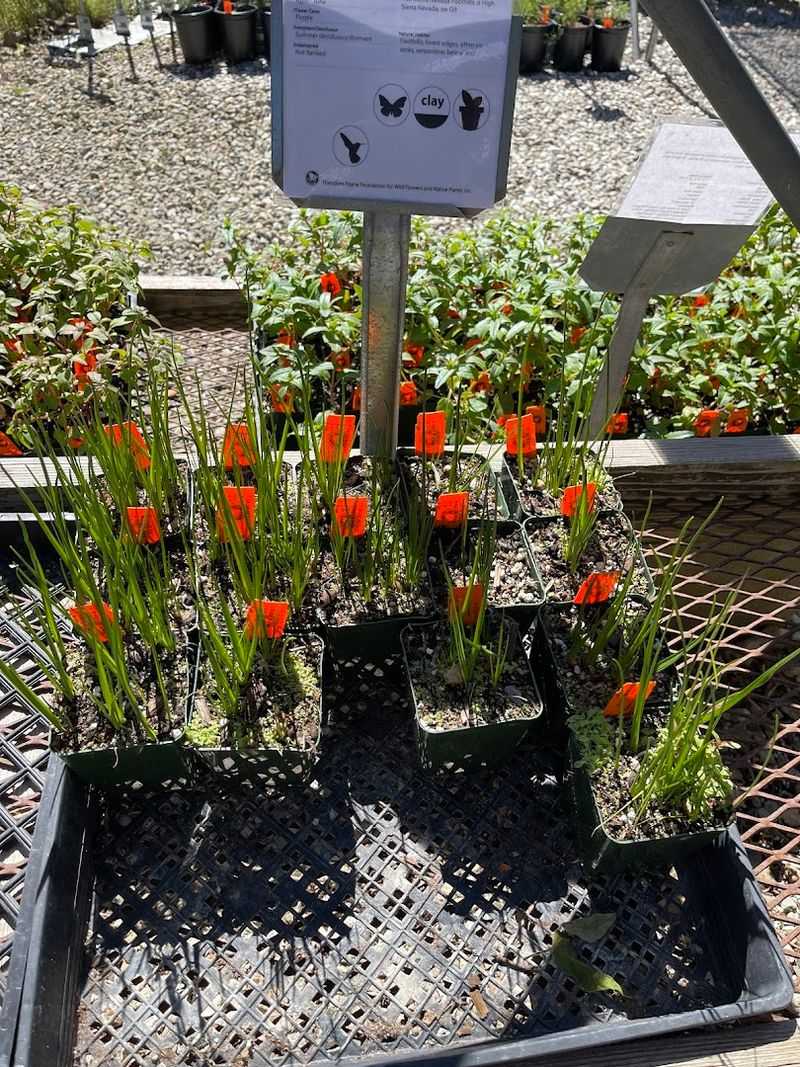
Informative placards placed throughout the nursery describe each plant’s characteristics, water needs, wildlife value, and growing conditions, making the experience genuinely educational rather than just transactional.
Beginners can learn quickly while experienced gardeners can discover uncommon species they may never have encountered elsewhere.
Native plants, once established, tend to use roughly one-seventh the water of most non-native plants, which makes them a practical and ecologically sound choice for Southern California gardens.
The Nursery Feels Like A Living Cheat Sheet
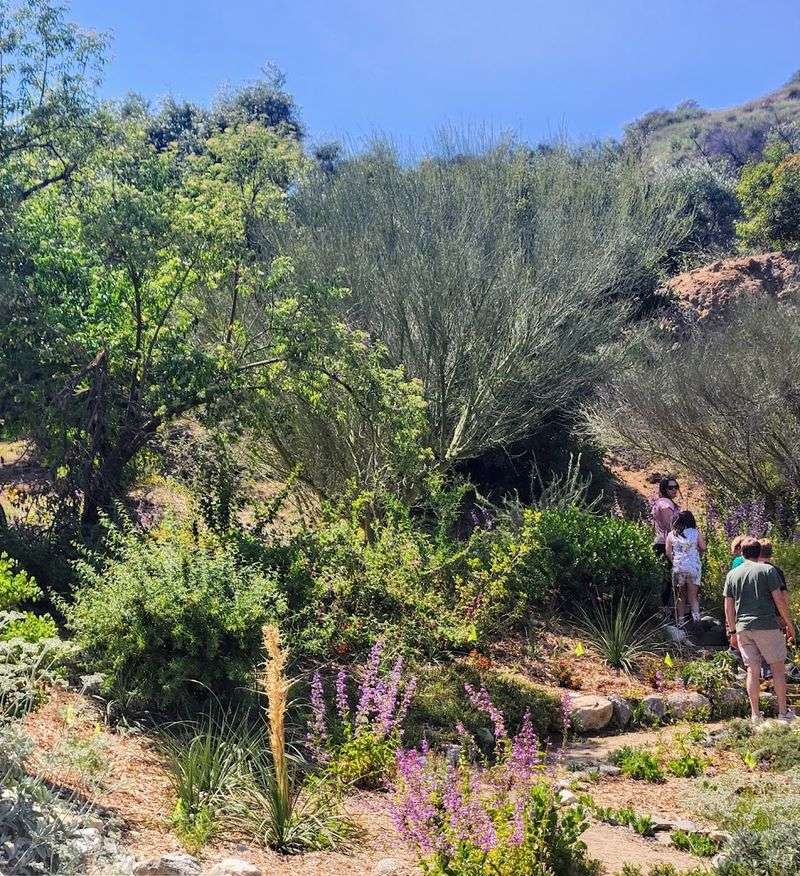
Walking through the retail nursery at the Theodore Payne Foundation is a bit like flipping through a field guide, except everything is alive, labeled, and available to take home.
The plant selection covers a genuinely wide range of California’s native flora, from flowering perennials and chaparral shrubs to trees, grasses, vines, and seasonal wildflowers.
Container sizes range from compact 4-inch pots up to 15-gallon containers and 24-inch boxes, which means shoppers can find both starter plants and more established specimens depending on the project at hand.
Custom TPF potting soil and ceramic pots are also available for those who want to get started right away without additional stops.
The sheer breadth of options available here tends to surprise first-time visitors who may have expected a small selection of the usual California native standbys.
Seeing so many species together in one place, each with its own placard explaining bloom time, sun and shade tolerance, and wildlife benefits, makes planning a native garden feel much more approachable.
The nursery is open Tuesday through Saturday from 8:30 AM to 4:30 PM and is closed on Sundays and Mondays, so planning the visit around those hours is worth keeping in mind.
The Grounds Cover 22 Acres
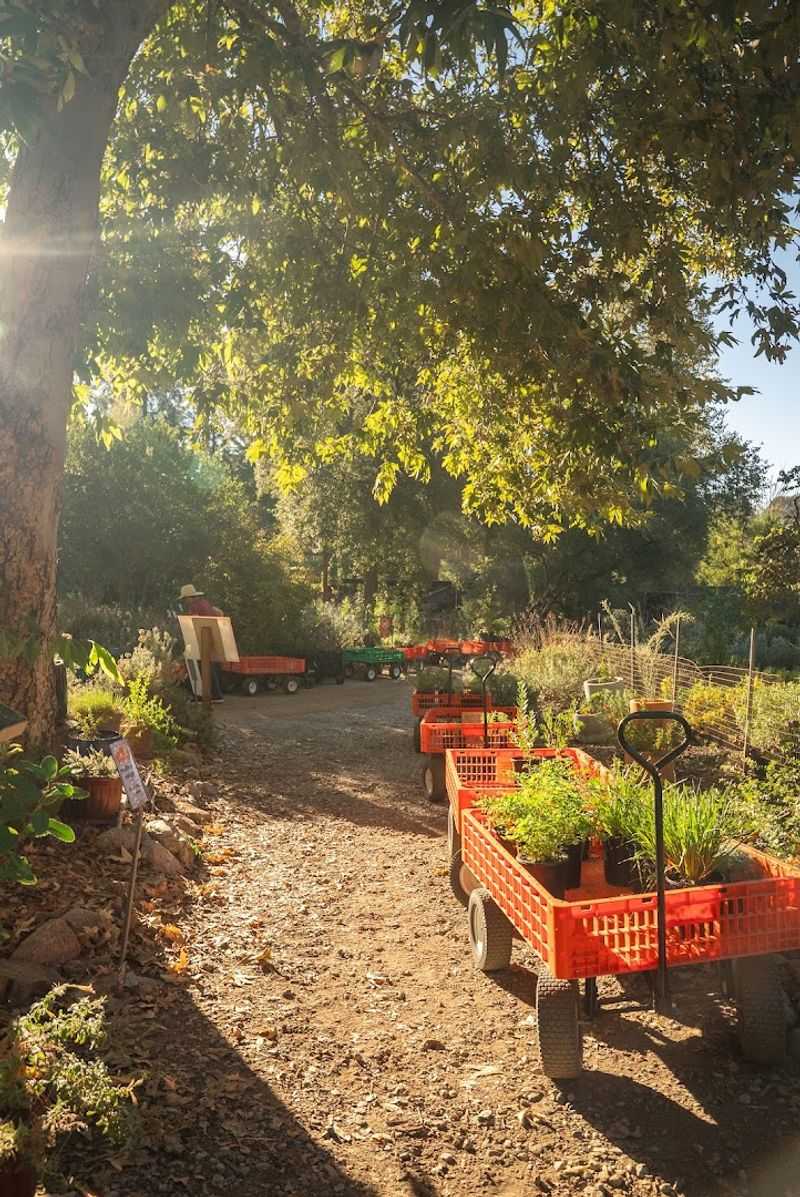
Twenty-two acres of canyon land in Sun Valley is a lot of space to explore, and the Theodore Payne Foundation uses every bit of it intentionally.
Situated near the foothills of the western Verdugo Mountains in the northeastern part of the San Fernando Valley, the property feels removed from the surrounding urban landscape in a way that is immediately noticeable when you arrive.
The foundation is located at 10459 Tuxford Street, Sun Valley, Los Angeles, CA 91352, and the site includes a retail nursery, seed store, gift shop, demonstration gardens, an education center, and a hiking trail.
Each of these areas serves a distinct purpose, and together they make a visit feel layered and full rather than a simple in-and-out shopping trip.
The canyon setting itself adds a sense of place that a flat suburban nursery simply cannot replicate.
The surrounding native vegetation, the sounds of birds moving through the brush, and the uneven terrain all remind visitors that they are standing inside an actual native California landscape rather than a curated simulation of one.
The Demonstration Gardens Do The Explaining
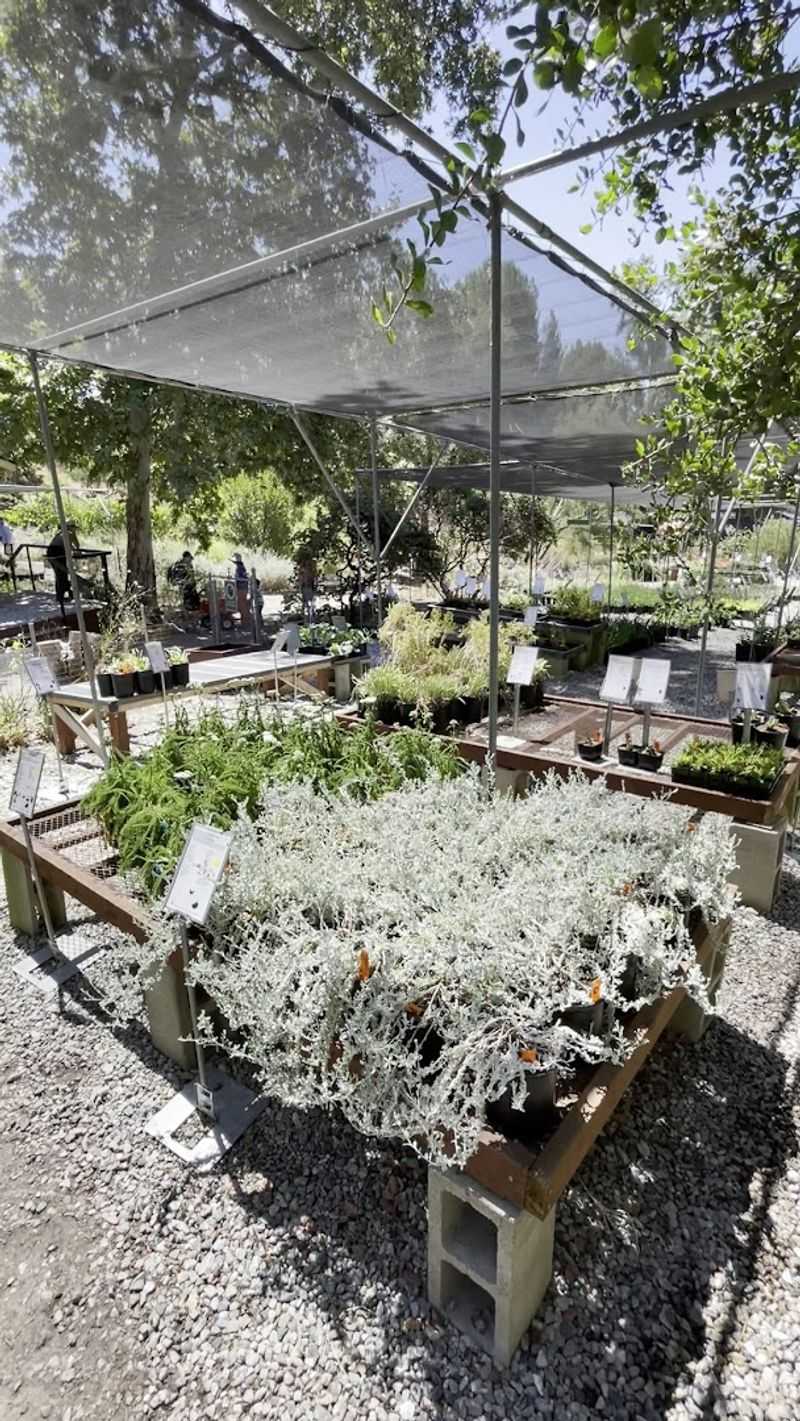
One of the most useful features of a visit to the Theodore Payne Foundation is the chance to see mature native plantings in real garden settings rather than imagining how a small nursery pot might eventually look in a yard.
The demonstration gardens on the property show native plants growing in a variety of real-world conditions, which removes a lot of the guesswork that often comes with planting unfamiliar species.
Garden areas are designed around specific themes and contexts, including sun gardens, shade gardens, slope plantings, narrow bed solutions, pollinator gardens, bird habitat, wildflower displays, and fire-wise landscapes.
Seeing a slope planted with established native groundcovers, or a shaded corner filled with ferns and woodland plants, gives visitors a much clearer sense of what is actually possible in their own outdoor spaces.
These gardens are also quietly lovely to walk through even for visitors who are not actively planning a garden project.
The plantings attract butterflies, hummingbirds, and native bees throughout the growing season, and the overall effect is a gentle demonstration of how California’s native flora can support wildlife while still looking beautiful and well-tended.
The demonstration gardens make the case for native landscaping more effectively than any brochure could.
Admission Is Free
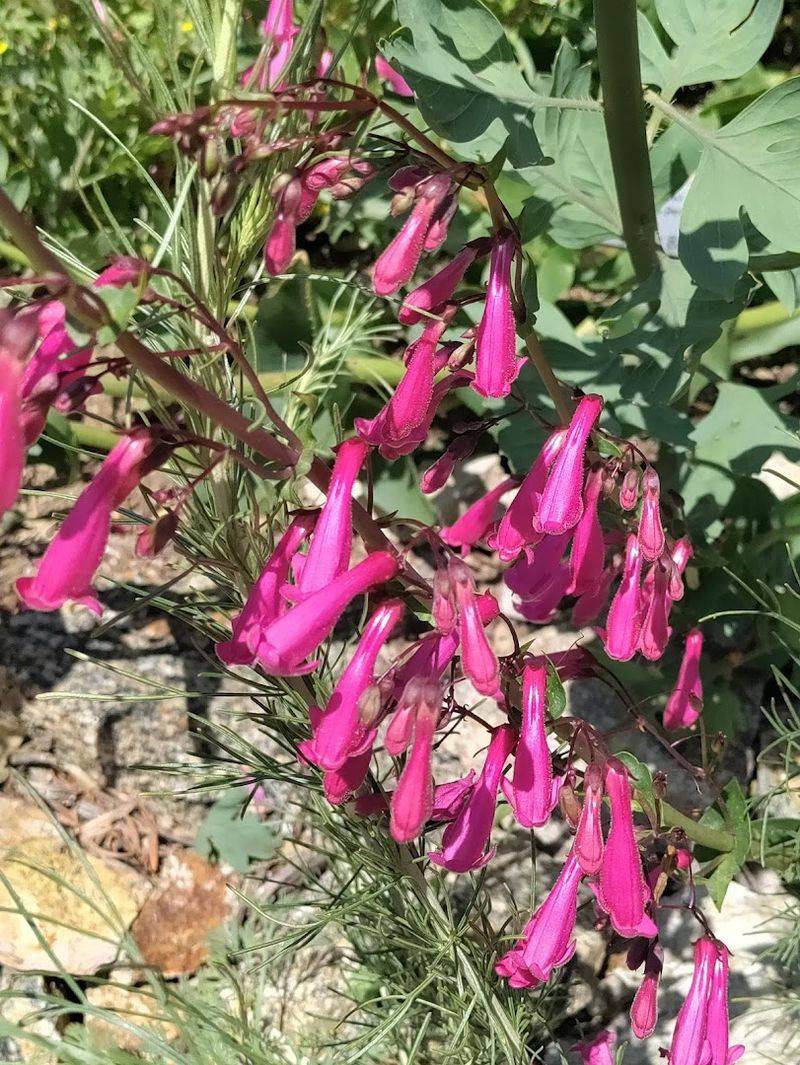
Exploring 22 acres of native California plants, demonstration gardens, a hiking trail, and a gift shop without paying an entrance fee is a genuinely good deal, and that is exactly what the Theodore Payne Foundation offers.
Admission to the grounds is free for everyone, which makes it accessible to a wide range of visitors including families, students, and anyone who simply wants to spend time in a natural setting without financial pressure.
Friendly, leashed dogs are welcome on the grounds as well, which makes the visit even more relaxed and practical for those who prefer not to leave their pets at home.
The combination of free admission and a dog-friendly policy means the foundation works as a casual destination for a weekend outing just as easily as it works for a focused gardening research trip.
Because there is no ticket to purchase or timed entry to manage, visitors can move at their own pace and spend as much or as little time as they like browsing the nursery or sitting in the demonstration gardens.
That unhurried quality is part of what makes the experience feel welcoming rather than transactional.
Free admission also encourages repeat visits across different seasons, which is useful for tracking bloom cycles and plant availability.
The Store Is For Garden Nerds In The Best Way
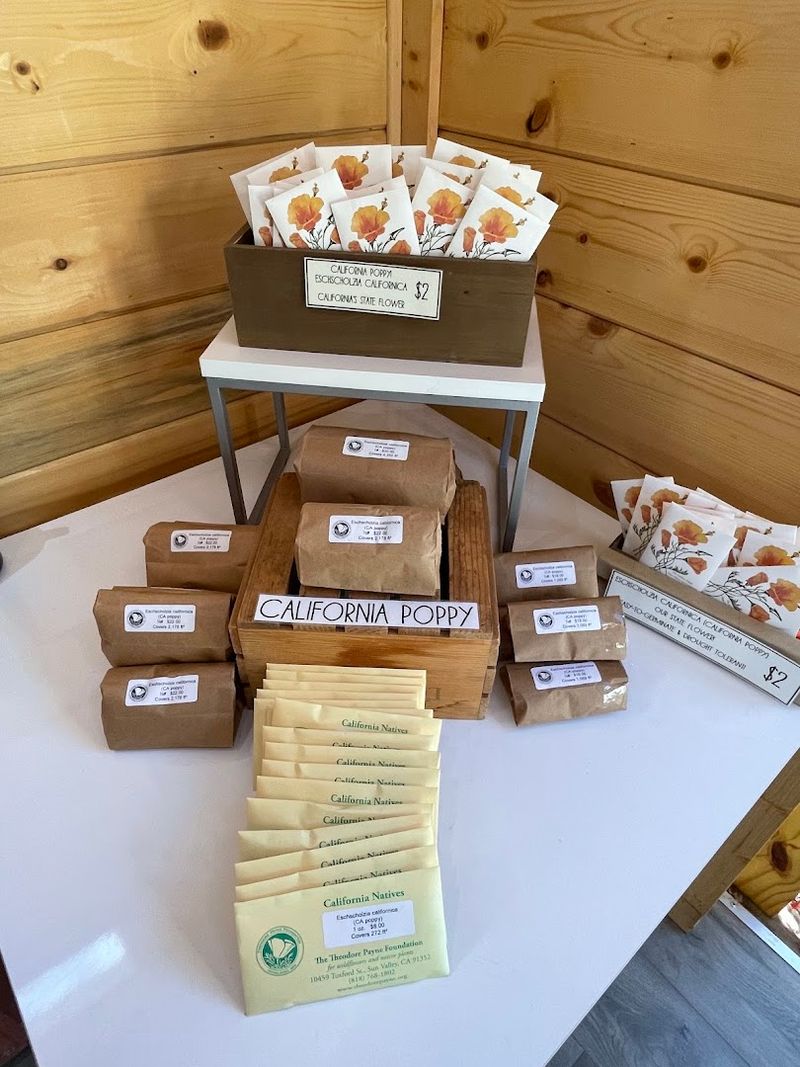
Beyond the nursery beds and demonstration gardens, the Theodore Payne Foundation gift shop offers a curated selection of items that feel genuinely connected to the mission of the place rather than generic souvenir merchandise.
Books focused on California native plants, wildflower identification, garden design, and ecological landscaping line the shelves, making it easy to leave with more knowledge than you arrived with.
Wildflower seed packets are a popular and affordable option for visitors who want to bring a bit of California’s native flora home without committing to a full container plant.
Native plant-scented soaps, garden tools, accessories, and branded Theodore Payne Foundation gear round out the selection in a way that feels thoughtfully assembled rather than randomly stocked.
The shop also connects to the foundation’s seed program, which collects and processes seeds from wild California plants as part of a larger conservation effort. Purchasing seeds here supports that work directly.
The overall atmosphere of the shop leans more toward a passionate community hub than a typical retail space, and browsing it feels like a natural extension of the educational experience happening outside on the grounds.
Classes Make The Place More Than A Plant Shop
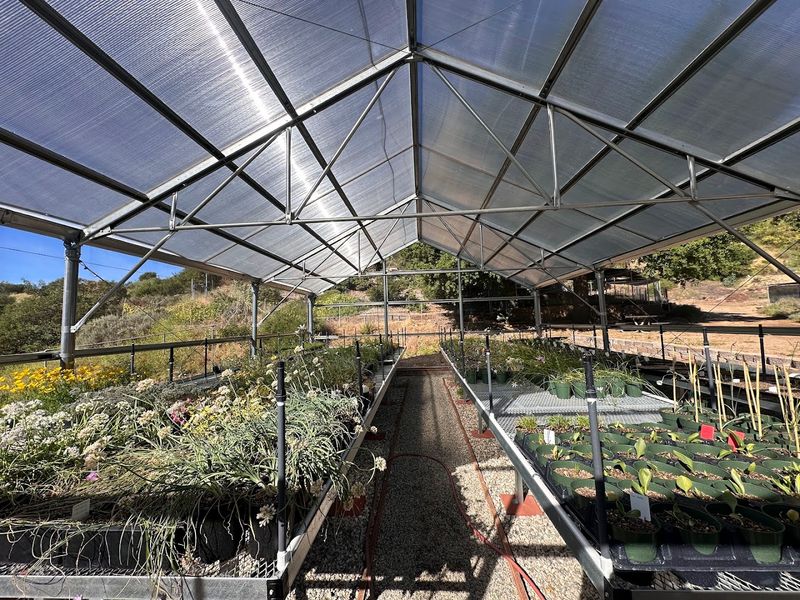
A retail nursery that also runs a full educational program is a rare thing, and the Theodore Payne Foundation has built one of the more comprehensive native plant learning programs available to Southern California residents.
Weekly workshops, garden design classes, bird walks, propagation lessons, and horticulture seminars are offered throughout the year for adults at various experience levels.
Programs for K-12 students and school groups are also part of the foundation’s outreach work, connecting younger learners to California’s native flora through hands-on and curriculum-aligned experiences.
Guided tours of the nursery and demonstration gardens can be arranged for groups, making the site a practical destination for school field trips, garden clubs, and community organizations.
Volunteer opportunities are available as well, which gives participants a more active and ongoing relationship with the foundation beyond a single visit.
Landscape professionals and public agency staff can also find relevant programming and resources tailored to their specific needs.
The educational dimension of the foundation is what separates it most clearly from a standard retail nursery, transforming a shopping trip into something closer to a learning experience.
The Wild Flower Hotline Is A Real Thing
Since 1983, the Theodore Payne Foundation has operated a free service that tracks and reports on wildflower blooms across Southern and Central California, and it has become a genuinely useful tool for nature lovers and gardeners.
Known as the Wild Flower Hotline, the service releases weekly bloom updates from March through May, covering locations across a wide geographic area.
Updates describe what is blooming, where, and at what intensity, helping people make informed decisions about where to go for the best wildflower displays in any given week.
The information is especially valuable during years when bloom conditions vary significantly from one region to another due to rainfall patterns or temperature shifts.
The hotline has been running long enough to have built a real track record and a loyal following among those who plan spring outings around peak bloom timing.
Accessing the updates is free, which fits neatly with the foundation’s broader commitment to making native plant knowledge available without financial barriers.
For anyone who has ever driven a long distance to see wildflowers only to find the peak had already passed, the Wild Flower Hotline offers a practical and reliable way to improve the odds of catching a bloom at just the right moment.
It Helps People Garden With A Sense Of Place
The Theodore Payne Foundation’s deeper purpose goes well beyond selling plants or running workshops.
At its core, the organization works to reconnect Southern California gardens to the natural landscape that existed here long before lawns and imported ornamentals became the default.
Native plants, the foundation argues, are not just a practical water-saving choice but a way of expressing a genuine relationship with the land itself.
Gardens planted with California natives tend to support local birds, butterflies, and other pollinators in ways that conventional gardens typically cannot, because these species evolved alongside native plants over thousands of years.
The ecological benefits accumulate over time as gardens become more established and wildlife populations respond to the increased availability of food and habitat.
Water conservation is a significant practical benefit as well, with established native plants generally requiring far less irrigation than non-native alternatives, which matters considerably in a region where water availability is an ongoing concern.
The foundation frames all of this not as a sacrifice or a compromise but as an opportunity to create a garden that feels authentically Californian.
That framing tends to resonate with visitors who want their outdoor spaces to mean something beyond aesthetics and who are looking for a deeper reason to garden.