This North Carolina Restaurant Blends Japanese And Italian Flavors In The Most Unexpectedly Delicious Way
Some menus sound impossible until the first bite makes everyone at the table stop questioning the plan.
That is the fun of this Cary restaurant, where Italian comfort meets Japanese precision and somehow nobody has to call a culinary referee.
The idea feels unexpected in the best way.
Pasta suddenly has a sharper little edge, familiar flavors start wearing new clothes, and dinner turns into the kind of experience people describe with hand gestures because regular words feel underprepared.
North Carolina has seen plenty of creative restaurants, but this one brings a delicious plot twist that feels fresh without trying too hard.
Itameshi is the kind of fusion that can make a curious eater lean in fast.
Come hungry, because this menu clearly enjoys surprising people.
Your Pasta Order Suddenly Gets A Japanese Twist
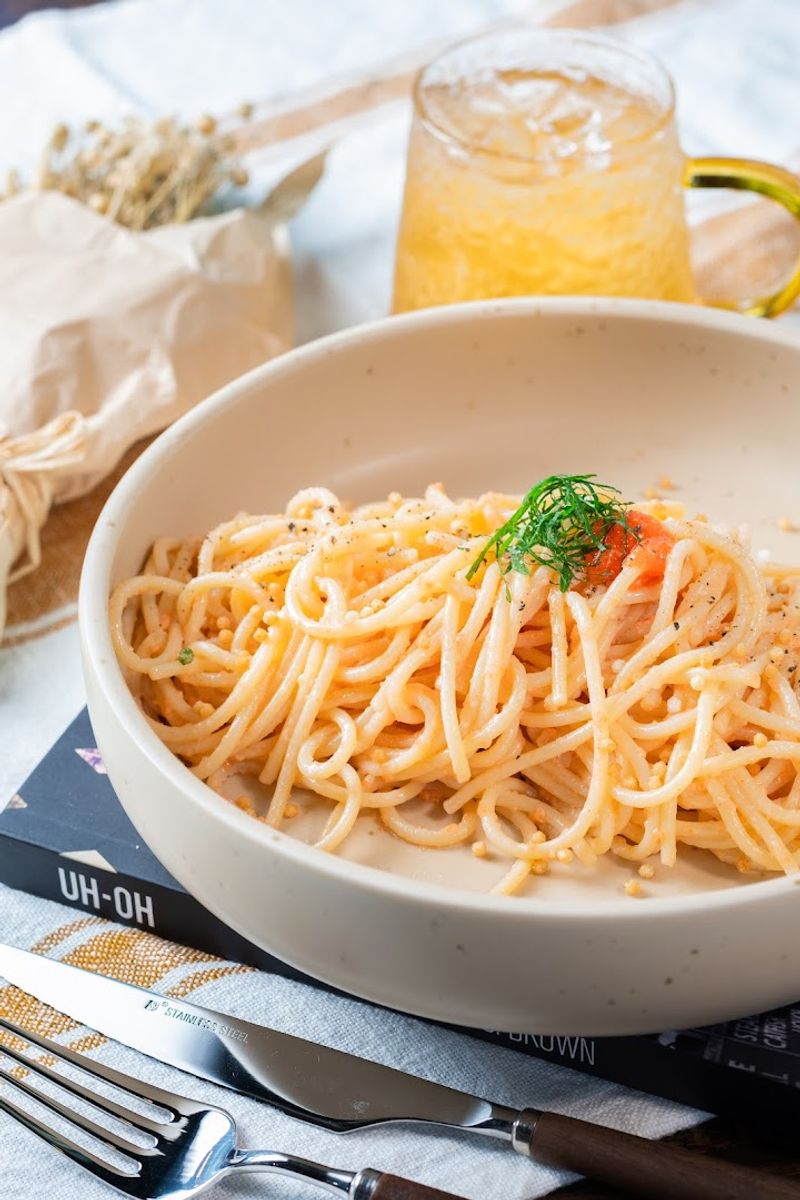
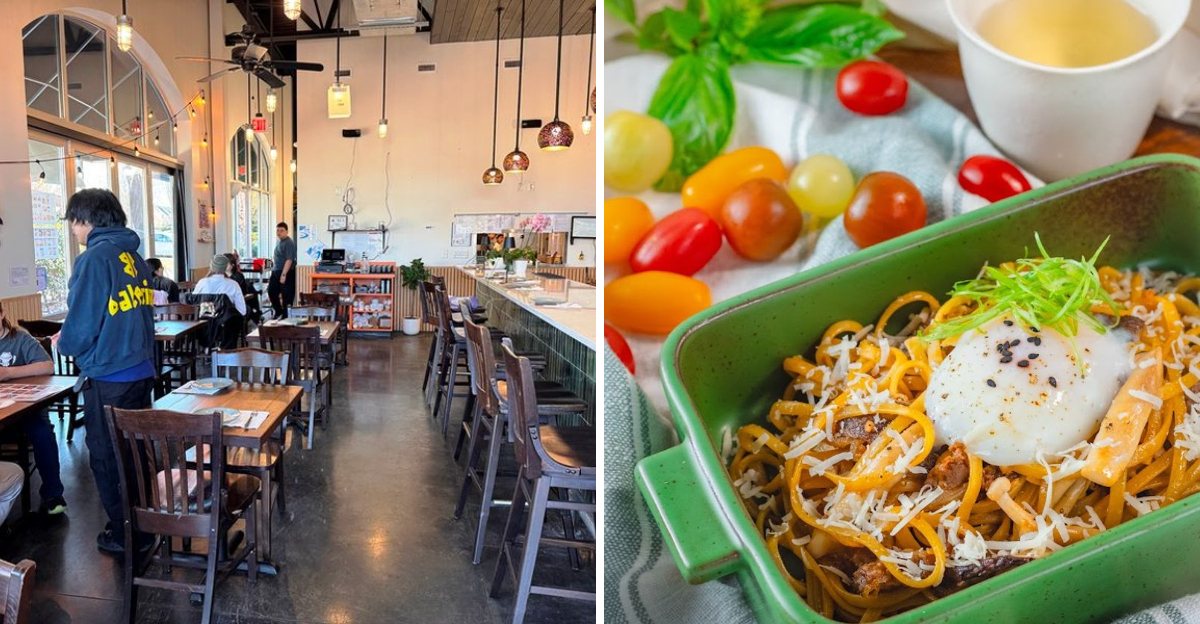
Creamy, briny, savory flavors start doing things regular pasta night never warned you about. Shinmai Kumo serves Itameshi at 1010 Tryon Village Drive, Suite 705, Cary, North Carolina 27518, and the pasta menu is where the concept becomes easiest to understand.
Instead of leaning on the usual red-sauce comfort zone, the kitchen brings Japanese ingredients into Italian formats with confidence.
Mentaiko spaghetti is a perfect example, using seasoned pollock roe to create a dish that feels rich, salty, oceanic, and deeply satisfying without becoming heavy in the wrong way.
Other pastas move in similarly unexpected directions, pairing familiar noodles with flavors more often associated with Japanese home cooking, izakaya snacks, or yoshoku-style comfort food. That is what makes the restaurant fun for first-timers.
The dishes do not feel strange just to prove a point. They feel thoughtful, balanced, and surprisingly easy to like.
Pasta lovers get the comfort of noodles and cheese. Japanese food fans get umami, texture, and recognizable ingredients used in fresh ways.
Cary has plenty of reliable dinner options, but Shinmai Kumo gives the Triangle something more conversation-starting. The first forkful usually explains the whole idea faster than any menu description can.
Sukiyaki Linguine Makes Fusion Feel Less Risky
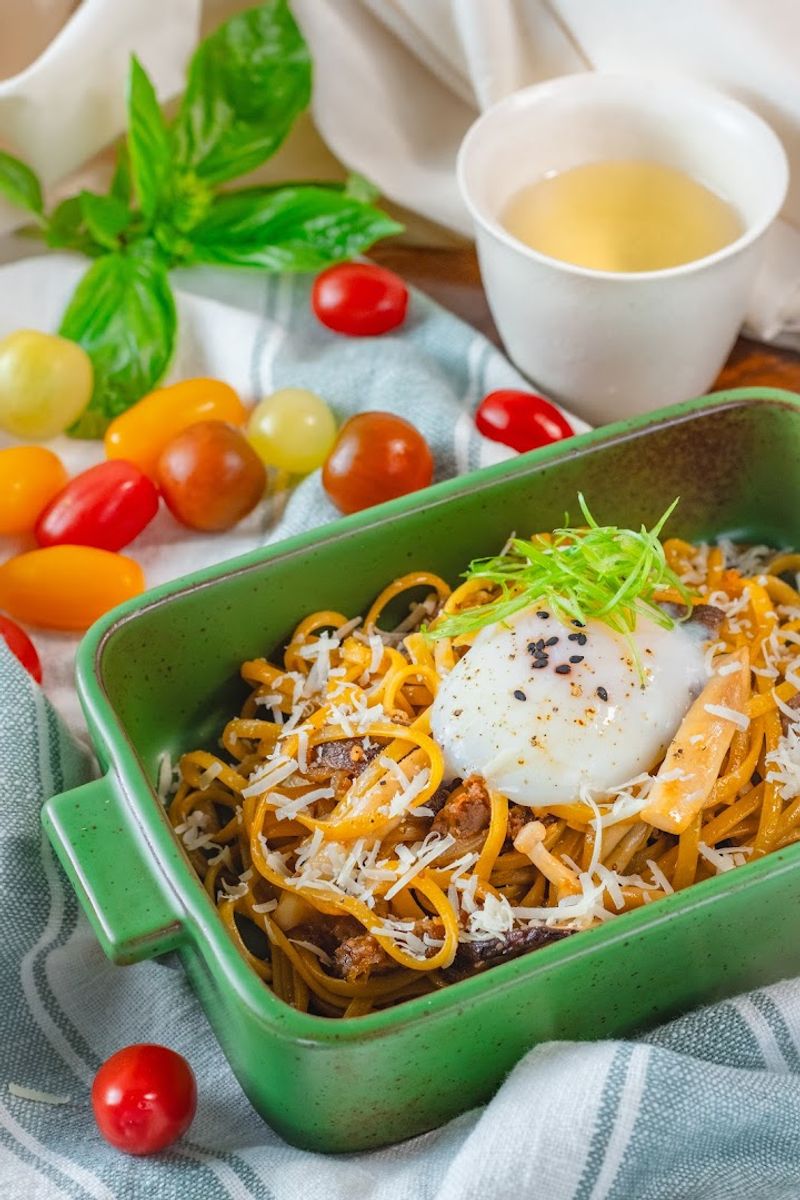
One dish can turn skepticism into agreement very quickly. Sukiyaki linguine works because it uses flavors people already understand, then places them in a format that feels new without becoming intimidating.
Thinly sliced beef, mushrooms, sweet-savory soy depth, parmesan, and egg create a pasta dish that lands somewhere between Japanese comfort cooking and Italian richness.
The combination sounds like it might be a lot on paper, but the plate makes sense once everything comes together.
Beef brings warmth. Mushrooms add earthy umami.
Parmesan echoes that savory depth from another direction. Egg gives the noodles a silky finish when mixed through properly.
That balance is why this dish makes such a good entry point for diners who are unsure about fusion menus. It does not ask anyone to abandon comfort food.
It simply expands what comfort can taste like. At Shinmai Kumo, the best dishes tend to work that way.
They keep one foot in something familiar while letting the other wander somewhere more interesting. A table can order this linguine without feeling like it has entered experimental-food territory.
Then, halfway through the bowl, the whole Itameshi idea starts feeling obvious. Of course soy, beef, mushrooms, cheese, and noodles belong together.
Dinner just needed someone to prove it.
Flatbreads Show Up With Curry, Unagi, And Big Personality
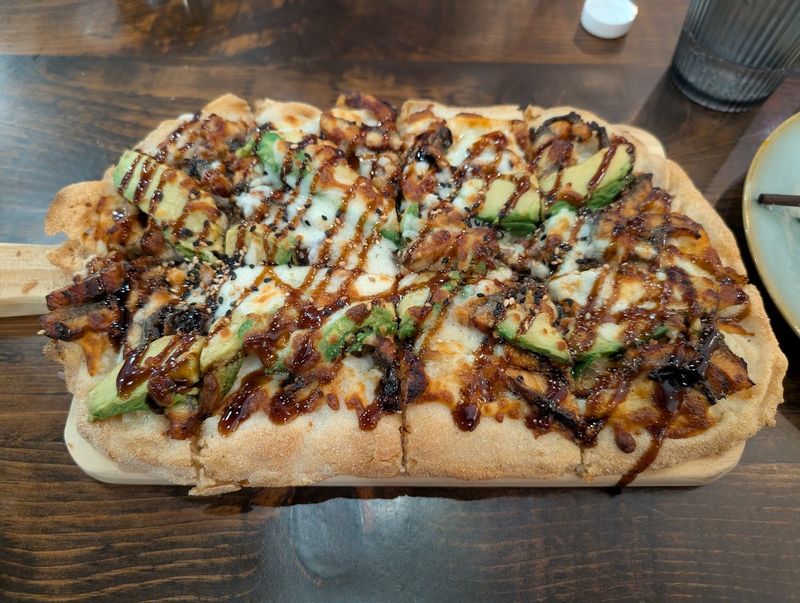
Pizza-adjacent comfort takes a sharp left turn here, and honestly, it needed the adventure. Shinmai Kumo’s flatbreads give the menu a shareable, playful section where Japanese toppings meet a crisp, bready base.
Chicken curry flatbread brings warm spice and savory depth, while unagi or mentaiko mochi-style options, depending on current availability, push the idea even further away from standard melted-cheese territory. The point is not to imitate pizza exactly.
The point is to use the flatbread format as a friendly stage for flavors that might otherwise feel unfamiliar to some diners. Curry works especially well because the bread absorbs richness without losing texture.
Unagi brings sweetness, smoke, and depth that can make a small plate feel surprisingly bold. Mochi adds chew when it appears, giving each bite a texture most Italian-style flatbreads never attempt.
These dishes work beautifully for tables that like to share because they let everyone taste the restaurant’s personality before choosing mains. They also keep the meal from becoming pasta-only, which matters in a place built around playful crossover.
Ordering a flatbread is a smart move for anyone visiting with a curious group. It gives the table something fun to debate, divide, and immediately wish they had ordered more of.
The First Bite Explains The Whole Itameshi Idea
A concept can sound complicated until the food makes it simple.
Japanese kitchens give itameshi a twist by reworking Italian cooking through local ingredients and taste, blending pasta, pizza, and comfort-style dishes shaped by yoshoku tradition.
Rooted in Japan’s long love of Western-inspired food, the style turns familiar Italian classics into something that feels both imported and homegrown, pasta la vista but make it Tokyo.
Shinmai Kumo brings that idea to Cary in a way that feels accessible rather than academic. The kitchen uses the shared strengths of both cuisines: noodles, sauces, umami, restraint, richness, texture, and ingredients that do not need to shout when they are placed well.
Parmesan and mushrooms can speak the same savory language. Tomato sauce and panko can turn into a comfort-food bridge.
Yuzu and cream can make dessert feel bright instead of heavy. The best part is how quickly the food removes any need to over-explain itself.
Once someone tastes a dish that balances Japanese seasoning with Italian structure, the whole thing stops feeling like a gimmick. It feels like a natural conversation between cuisines that already value comfort, craft, and well-timed simplicity.
Cary diners get the fun of trying something new without losing the pleasure of recognizable dishes. That is Shinmai Kumo’s strength.
It makes adventurous eating feel less like a challenge and more like an invitation.
Tonkatsu Tagliatelle Turns Comfort Food Sideways
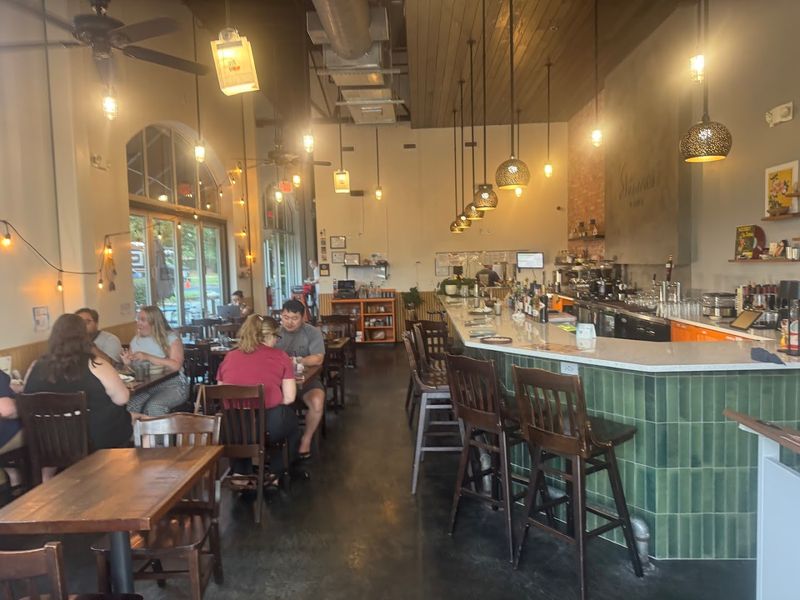
Crispy pork and pasta are not exactly shy ingredients, which is why this dish works so well.
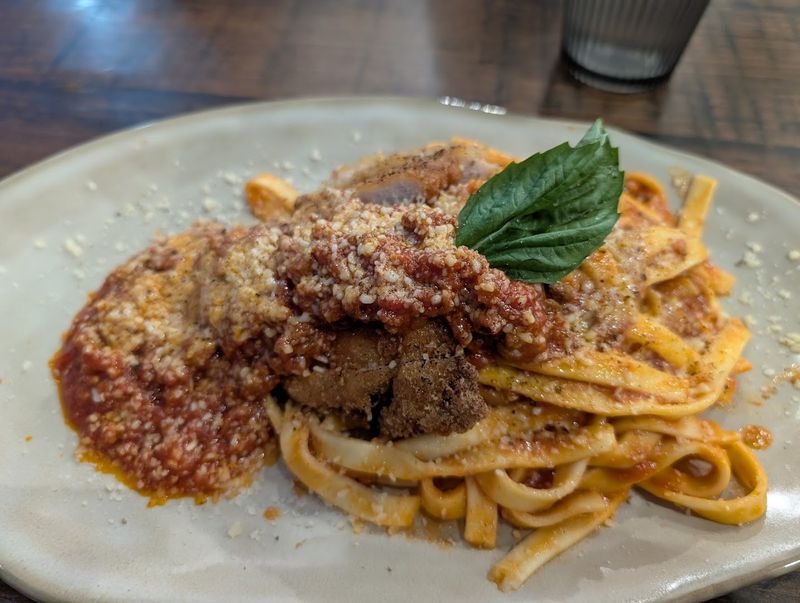
Tonkatsu tagliatelle takes the familiar satisfaction of a breaded cutlet and places it over wide noodles with tomato meat sauce and cheese, creating a plate that feels both recognizable and slightly rearranged.
Diners who love chicken parmesan will understand the appeal immediately, but the Japanese panko-style cutlet changes the texture enough to make the dish feel fresh. The coating brings crunch.
The pasta brings softness. The sauce adds familiar red-sauce comfort, while the tonkatsu angle gives the whole plate a new frame.
It is hearty without feeling lazy, playful without losing flavor, and exactly the sort of dish that makes people stop calling fusion risky. Shinmai Kumo seems to understand that the best crossover food does not need to be confusing.
It needs to be delicious first and clever second. Tonkatsu tagliatelle checks both boxes.
The portion feels satisfying, the flavors are easy to settle into, and the idea is memorable enough that people mention it when describing the restaurant later. In a menu full of creative choices, this one acts like a comfort-food handshake between Japan and Italy.
Small Plates Make The Menu Easier To Explore
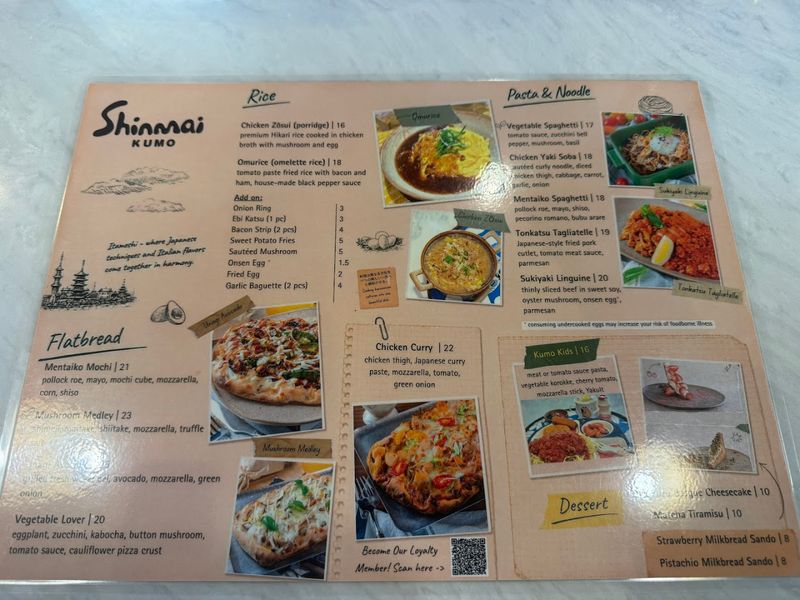
Curious tables should not rush straight to entrées. Shinmai Kumo’s smaller dishes make the best first move because they show the restaurant’s personality in quick, shareable bites.
Menu options change, but items often include wasabi fries, vegetable korokke, kaki fry, garlic bread with rich spreads, salads, and other snacks. Each one blends Japanese comfort flavors with an Italian-leaning twist.
Wasabi fries give a familiar side a little heat and attitude.
Korokke brings soft potato comfort under a crisp exterior. Kaki fry offers panko-crisp oysters for diners who want something more coastal and savory.
The fun of ordering small plates is that nobody has to commit their whole meal to one idea right away. A table can build momentum, compare bites, and figure out which side of the menu speaks loudest before pasta or flatbread arrives.
These dishes also help solo diners or couples taste more without overloading the meal. Shinmai Kumo’s menu is not huge, and that is a strength.
It feels focused enough to explore without getting lost. Starting with small plates makes the meal feel less like ordering and more like testing the waters of a very good idea.
Dessert Keeps The East-Meets-West Mood Going
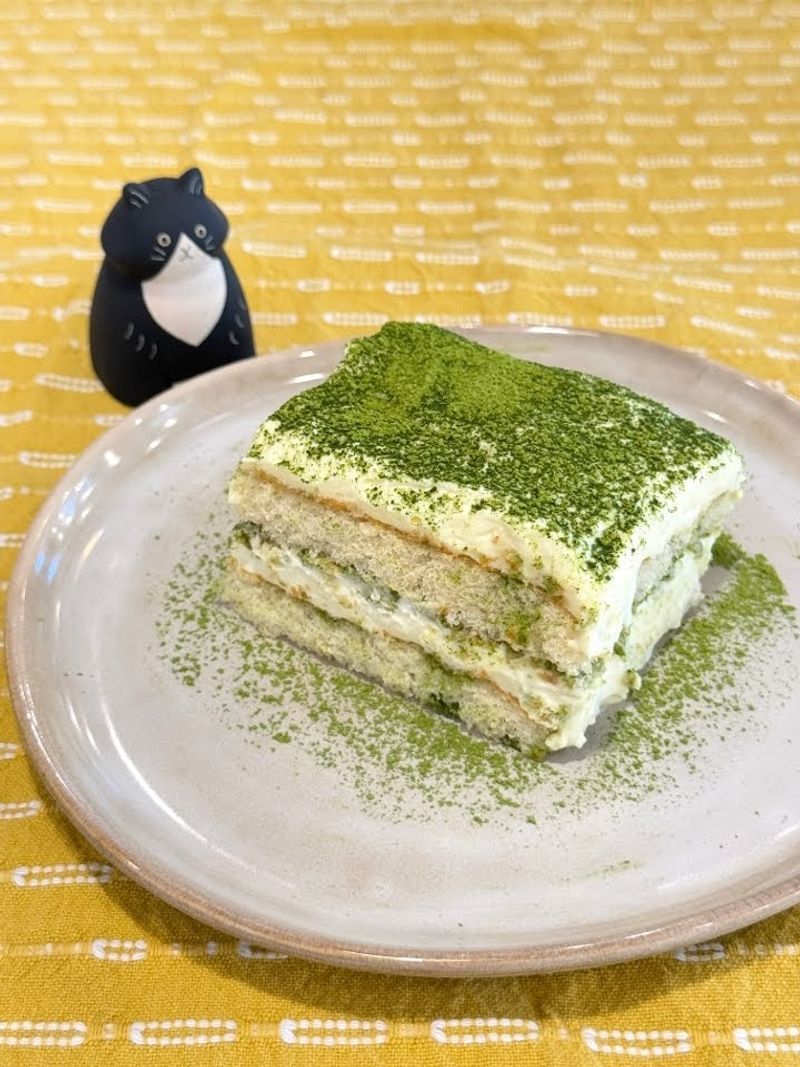
Sweet endings refuse to phone it in. Shinmai Kumo carries the Itameshi spirit into dessert and drinks, where yuzu, matcha, cream, coffee, and pastry-style richness can keep the East-meets-West mood alive after the savory plates are gone.
A yuzu Basque cheesecake is exactly the kind of dessert that explains the restaurant’s appeal: creamy and familiar at first, then brightened by citrus in a way that keeps each bite from feeling too heavy.
Matcha-inspired sweets and drinks bring an earthy edge that balances sugar with bitterness, which is why matcha works so well in tiramisu-style ideas or creamy lattes.
The drink menu also leans creative, with matcha, espresso, floral syrups, yuzu foam, and other cafe-style options appearing through online ordering. That makes the restaurant useful beyond dinner alone.
Someone could stop in for lunch and a matcha drink, linger over dessert after pasta, or build a meal around both savory and sweet surprises. The final course matters because it proves Shinmai Kumo is not only remixing entrées.
The whole experience follows the same logic. Familiar form, unexpected flavor, clean execution.
Dessert simply gets the last word, and it has plenty to say.
This Cary Spot Makes Dinner Feel Like A Fun Experiment
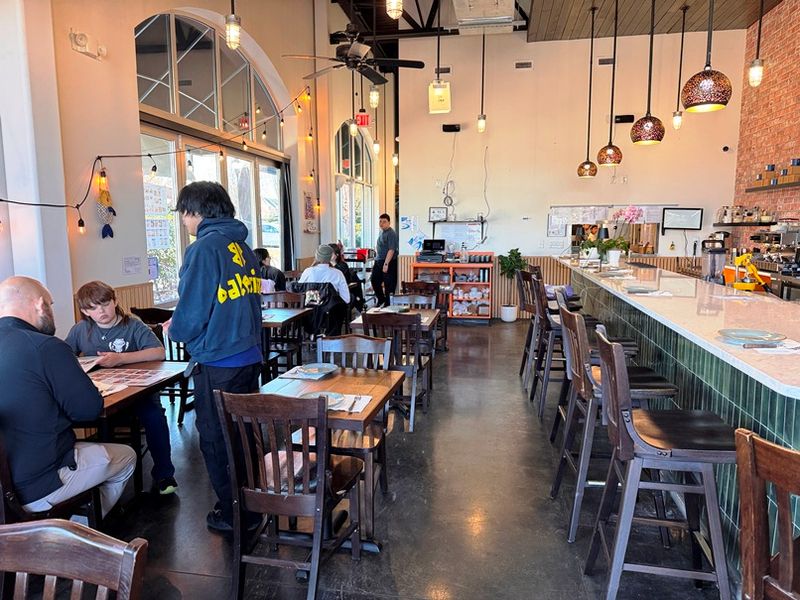
Nothing about the room needs to overpower the food. Shinmai Kumo is the second Cary restaurant from the Shinmai team, following Shinmai Shokudo, and it brings a more playful Itameshi direction to the group’s growing local presence.
The space in Tryon Village feels casual enough for lunch but interesting enough for a planned dinner, which suits the menu perfectly. This is not a stiff fine-dining experiment where everyone whispers about foam.
It is a friendly, modern restaurant where pasta, flatbreads, small plates, matcha drinks, and Japanese-Italian ideas can be explored without pressure.
Online ordering hours show lunch and dinner service daily, with Friday and Saturday staying open a bit later than the rest of the week. It still pays to check the latest schedule before making a special trip.
The restaurant can be reached at 919-900-7132, and its location in a busy shopping center means parking may require a little patience during peak meal times. Once seated, the reward is a menu that makes people curious in the best way.
Shinmai Kumo succeeds because the experiment never forgets dinner still has to taste good. It does, and that is why Cary diners keep talking about it.