If You Only Hike One Nebraska Trail This Year, Make It This Boardwalk Path To The State’s Tallest Waterfall
Some hikes ask for sturdy boots and heroic calf muscles. This one is kinder.
A boardwalk does most of the work. That’s excellent news for anyone who likes big scenery without pretending a brutal climb sounds fun.
You get the river-country setting. You get the shady approach.
Then the sound of falling water starts doing that little trick where everyone walks faster.
Nebraska saves one of its biggest outdoor surprises for a trail that feels almost too easy to believe.
That is the part that makes this hike so satisfying.
The payoff arrives without a complicated route or the kind of elevation gain that makes people question their hobbies.
Bring a camera. Bring shoes that can handle a little water nearby.
Most importantly, bring someone who still thinks Nebraska cannot do waterfall drama. They are about to be corrected.
Boardwalk Path Makes The Waterfall Feel Easy To Reach
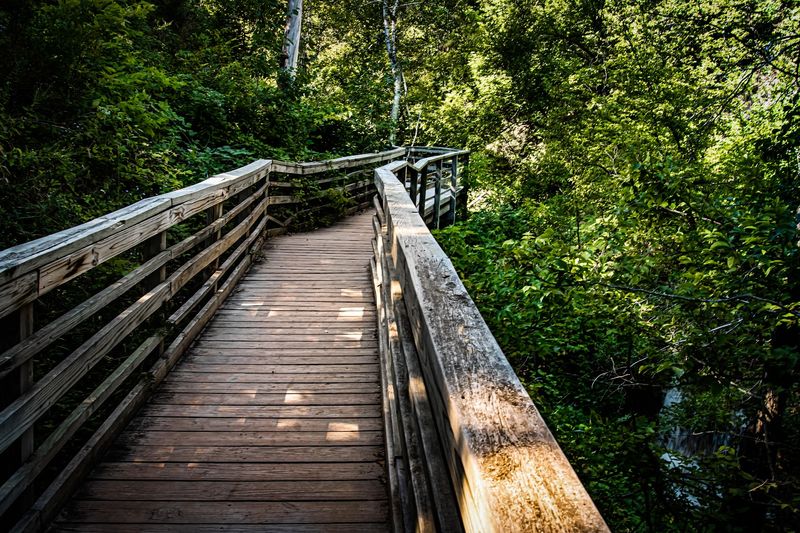
Getting to a dramatic waterfall usually involves scrambling over rocks or navigating uneven terrain, but the path to Smith Falls breaks that expectation in the best possible way.
A handicap-accessible boardwalk guides visitors through the canyon with a smooth and steady surface underfoot.
In 2023, a new 500-foot walkway was completed to improve accessibility and reduce erosion caused by foot traffic near sensitive vegetation.
The boardwalk hugs the natural contours of the canyon and creates a walking experience that feels intentional rather than rushed.
Benches along the route offer spots to pause and listen to the sounds of the surrounding forest.
The full Smith Falls Trail is just one mile round trip, which means most visitors can complete the walk in under an hour without feeling hurried.
Families with young children, older adults, and visitors with mobility considerations all tend to find the route manageable and rewarding.
The combination of easy access and a genuinely spectacular destination makes this trail one of the more thoughtfully designed short hikes in the entire region.
Historic Bridge Adds A Little Drama Before The Falls
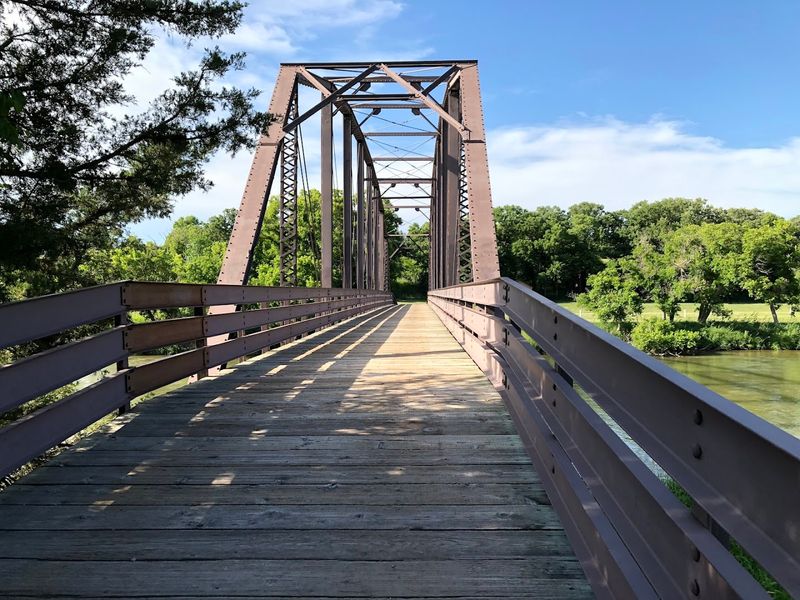
Before reaching the boardwalk, visitors cross a piece of actual history spanning the Niobrara River.
The Verdigre Bridge, a 160-foot iron truss footbridge, was relocated to the park in 1996 and now serves as the primary crossing point for hikers heading to the falls.
The bridge has a satisfying old-structure feel, with metal railings and open views of the river flowing beneath.
Crossing it gives the walk a sense of arrival, a clear moment where the everyday world on the north bank gives way to the quieter, more sheltered canyon on the south side.
The Niobrara River runs clear and relatively shallow at this point, and looking downstream from the bridge offers a wide view of the valley that sets the mood for the rest of the hike.
The bridge relocation itself is an interesting bit of regional history, preserving a piece of infrastructure that might otherwise have been lost.
For anyone who enjoys the story behind a place, this crossing adds a layer of character that turns a short walk into something with a little more texture and meaning attached to it.
Nebraska’s Tallest Waterfall Is The Big Payoff
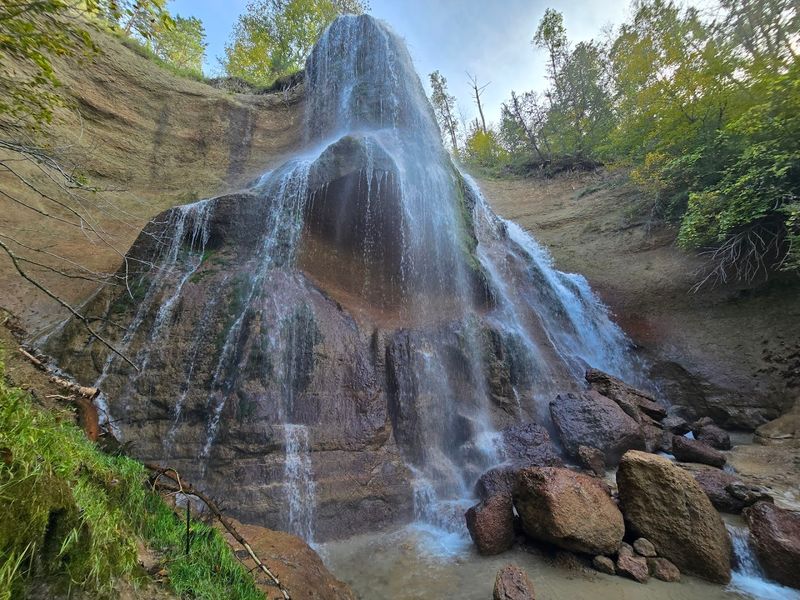
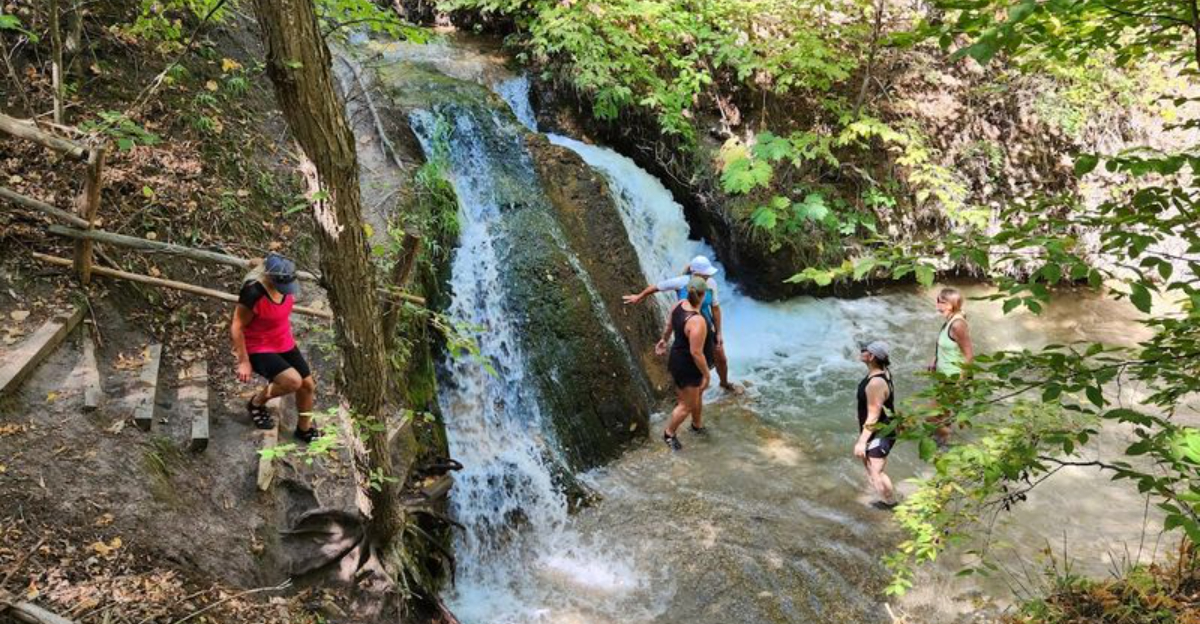
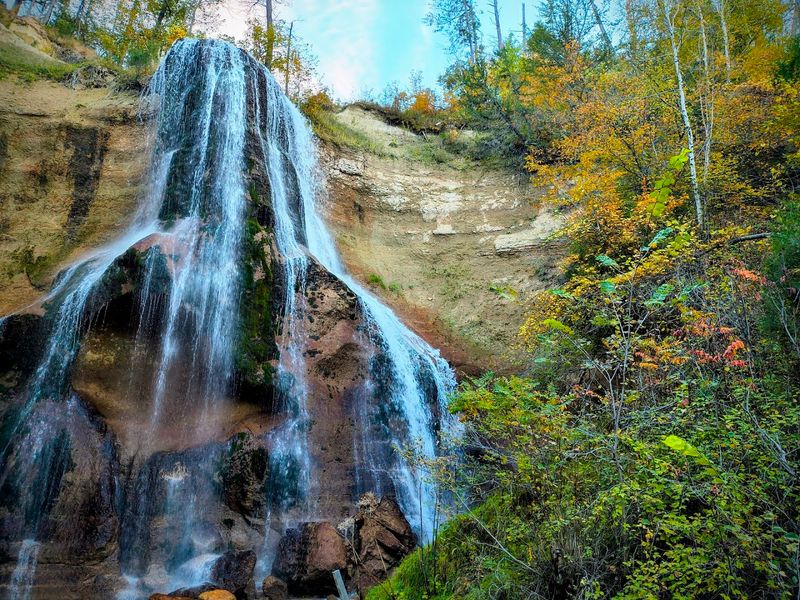
At the end of a one-mile round-trip hike, a 63-foot waterfall drops off a moss-covered ledge into a clear pool below, and the effect is genuinely hard to believe given the flat landscape that surrounds the region for miles in every direction.
Smith Falls holds the title of Nebraska’s tallest waterfall, and it earns that distinction with real visual impact.
The falls are spring-fed, meaning water flows consistently throughout the year rather than depending on seasonal rain to put on a show.
Standing near the base of the falls, visitors feel a noticeable temperature drop and a fine mist that makes the spot feel cooler and wilder than the surrounding prairie.
The sound alone, a steady roar echoing off canyon walls, gives the moment a sense of scale that photos rarely capture.
For anyone who assumed Nebraska was all cornfields and flat roads, this waterfall tends to shift that impression quickly and permanently.
Mist At The End Makes The Short Walk Feel Memorable
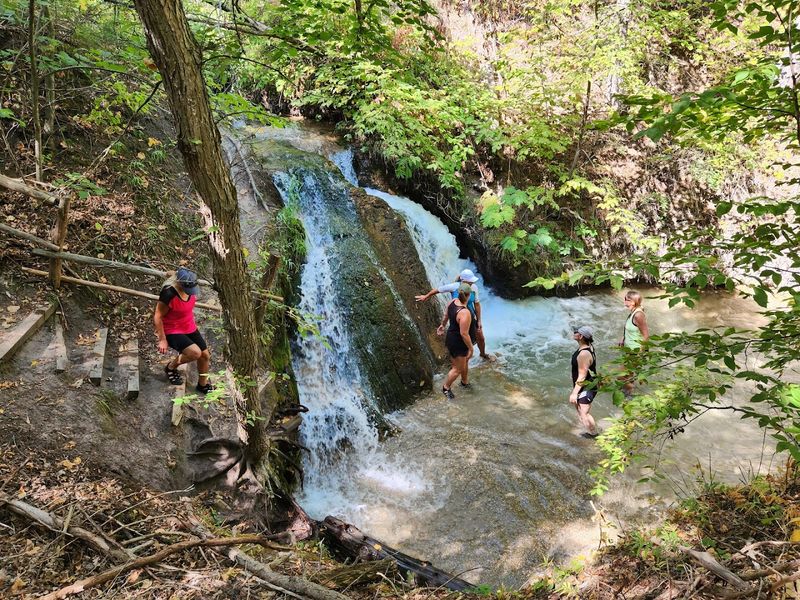
A newer viewing platform near the base of Smith Falls puts visitors close enough to feel the spray on warm days, and that physical sensation is a big part of what makes the destination stick in memory long after the drive home.
The mist creates a noticeably cooler microclimate right around the falls.
Steps near the south end of the trail allow visitors to get closer to the water without stepping off the established path.
A stream-viewing platform along the approach offers a quieter moment before the main event, letting hikers observe the creek that feeds into the falls from a comfortable and stable vantage point.
On hot summer afternoons, the temperature near the falls can feel several degrees cooler than the surrounding open prairie, which makes the short walk feel like a genuine escape rather than just a scenic detour.
The combination of sound, mist, and shade from the canyon walls creates a sensory experience that feels much larger than a one-mile trail would suggest.
Arriving at the falls after crossing the bridge and walking the boardwalk gives the moment a satisfying sense of earned arrival.
Rare Plants Make The Trail Feel Protected, Not Just Pretty
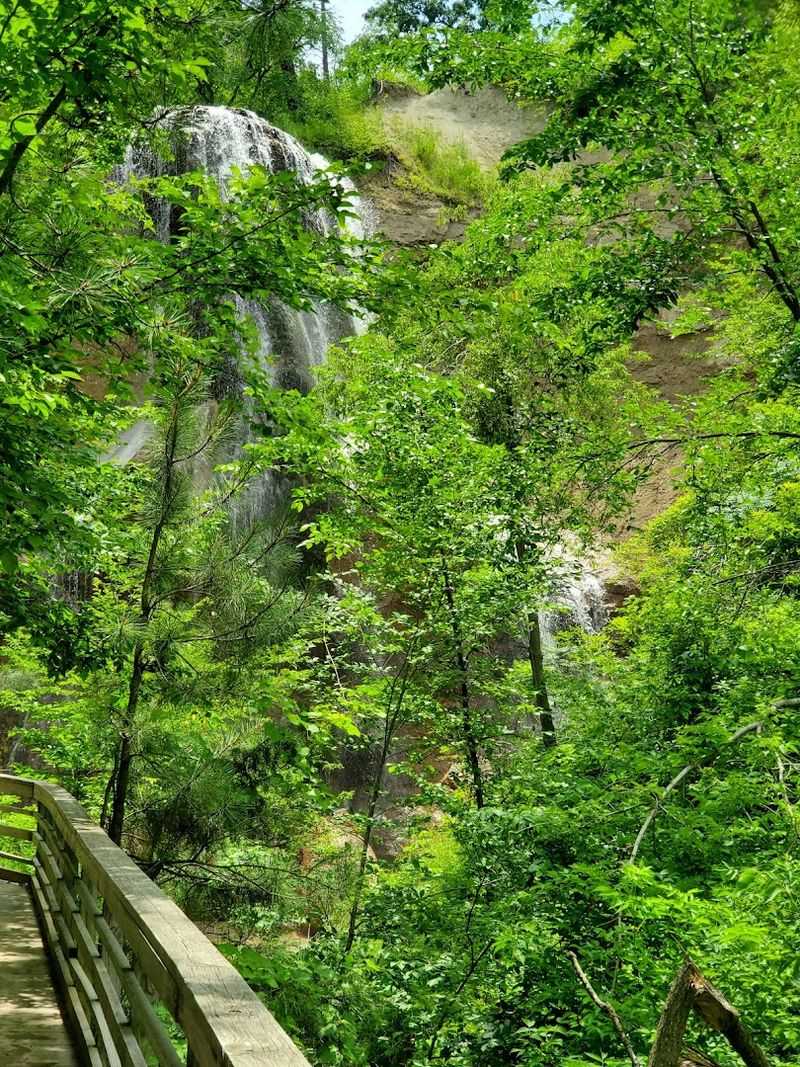
The canyon surrounding Smith Falls supports plant species that have no business growing in Nebraska by most expectations.
Spruce trees and paper birch, both relics of the Ice Age, cling to the shaded canyon walls and create a forest environment that feels more like Minnesota than the Great Plains.
Nebraska Game and Parks asks all visitors to stay on established trails throughout the park, and the reason goes beyond general trail etiquette.
The area around the falls has documented erosion concerns, and rare plant communities grow close enough to the path that even well-intentioned foot traffic can cause lasting damage.
The boardwalk design itself was partly motivated by the need to protect this fragile ecosystem while still allowing public access.
Visitors who pay attention to the surroundings will notice how the vegetation shifts as the trail descends into the canyon, moving from open grassland to a cool, dense, almost otherworldly grove near the waterfall.
The ecological contrast between the upland prairie and the canyon floor is one of the more quietly fascinating aspects of the hike and adds genuine scientific interest.
Niobrara River Float Trips Pair Perfectly With The Hike

The Niobrara River is one of the most popular paddling destinations in the Great Plains, and Smith Falls sits right along a stretch of it that draws canoeists, kayakers, tubers, and floaters from across the region every summer.
Combining the waterfall hike with a river float turns a single-stop visit into a full outdoor day.
Several outfitters near Valentine offer tube, canoe, and kayak rentals along with shuttle services, making it straightforward to plan a float even without personal gear.
The river runs relatively calm through this section, which makes it accessible for beginners and families while still offering enough current to keep the trip interesting.
Smith Falls is a well-known landmark along the float route, and many paddlers pull off at the park specifically to walk to the falls before continuing downstream.
The combination of river and trail covers two very different sensory experiences within the same afternoon: the wide-open feeling of floating a scenic river and the sheltered, close-quarters drama of a canyon waterfall.
Few other short stops in Nebraska offer that kind of variety packed into such a compact and manageable visit.
Campground Turns The Waterfall Into An Overnight Escape
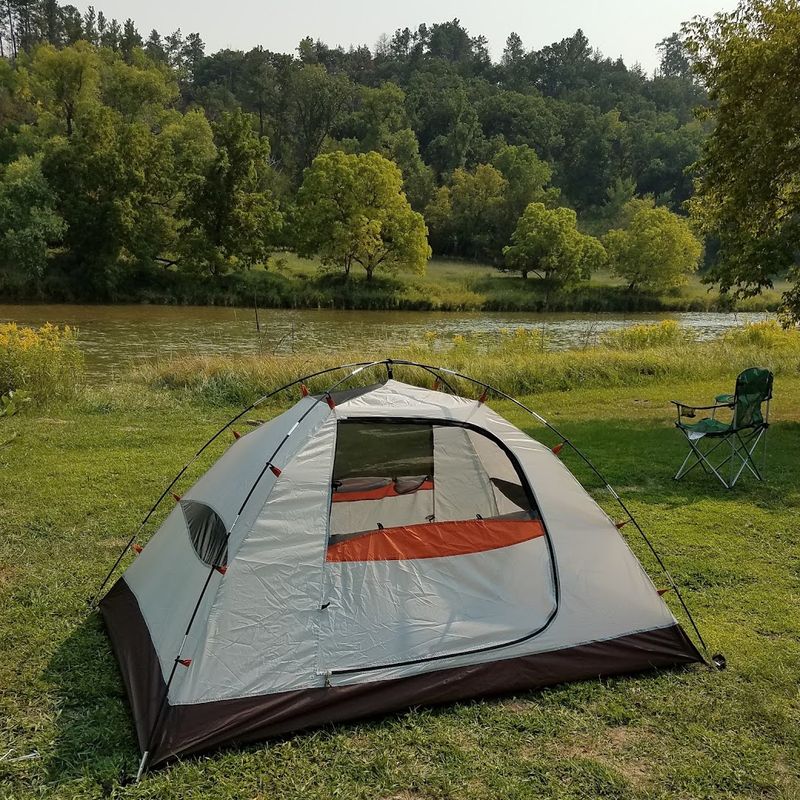
Staying overnight at Smith Falls State Park changes the experience entirely, shifting it from a quick scenic stop into something slower and more immersive.
Basic campsites line the north side of the Niobrara River, set among trees with access to picnic tables, restrooms, and pay showers.
Waking up near the river and walking to the waterfall in the early morning, before the day-use crowds arrive, gives the trail a completely different feel.
The light in the canyon at dawn filters through the trees at a low angle, and the sound of the falls carries further in the quiet morning air.
Early risers who camp at the park often find the trail nearly empty during the first hour or two after sunrise.
The campground setting is simple rather than resort-style, which suits the natural character of the park well.
Campers should bring what they need for a comfortable stay since the nearest town with full services is Valentine, located approximately 12 miles to the west.
Planning ahead with food, water, and any needed supplies makes the overnight experience more relaxed and lets the focus stay on the river, the trail, and the falls.
Visitor Center Adds Maps, History, And A Better Sense Of Place
The visitor center at Smith Falls State Park operates daily from May through September and serves as a useful first stop before heading to the trail.
Located within the park, the center offers area maps, historical displays, photographs, fossils, restrooms, and printed park materials for visitors who want more context before exploring.
The fossil displays reflect the deep geological history of the Niobrara region, which sits on ancient seabed sediment and has yielded significant paleontological finds over the decades.
Historical photographs give a sense of how the landscape and the park itself have changed over time, and the interpretive materials help connect the waterfall and trail to the broader story of the Niobrara National Scenic River corridor.
Stopping at the visitor center also gives families with children a chance to orient themselves before the hike, check current trail conditions, and pick up any junior ranger or interpretive materials that might be available during the visit.
Staff can answer questions about the Jim MacAllister trail, camping logistics, and river access, making the center a practical resource that improves the overall experience.