Celebrate America’s 250th At These 10 New Jersey Revolutionary War Sites
New Jersey does not get enough credit for basically saving the American Revolution. More Revolutionary War battles were fought here than in any other original colony.
George Washington spent more time in this state during the war than anywhere else. That is not a trivia footnote.
That is the whole story.
With America turning two hundred and fifty this year, there has never been a better moment to actually visit the places where it all happened. Not read about them.
Not watch a documentary.
Stand on the actual ground where freezing soldiers crossed an icy river and changed the course of history.
New Jersey invested millions in restoring these sites specifically for this anniversary, and the results are genuinely impressive.
From Morristown to Monmouth to Washington Crossing, the state is ready to be explored. History class made these places names.
Visiting them makes them real.
1. Morristown National Historical Park
Few places in America carry as much quiet weight as the grounds at 30 Washington Place, Morristown.
This is where George Washington and his troops spent two brutal winters, and the park does a remarkable job of making you feel the reality of those months.
The Ford Mansion, which served as Washington’s headquarters, is genuinely stunning up close. It is elegant but not extravagant, which somehow makes it more impressive.
The rangers here are sharp, funny, and full of details you will not find in any textbook.
The Jockey Hollow area of the park is where soldiers actually camped, and walking those trails gives you a completely different perspective on what the Continental Army endured.
Reconstructed log huts show just how cramped and cold those winters were.
Morristown National Historical Park was also the first national historical park ever established in the United States, which is a fact that tends to stop people mid-sentence.
Plan at least three hours here because you will want to stay longer than expected.
2. Old Barracks Museum
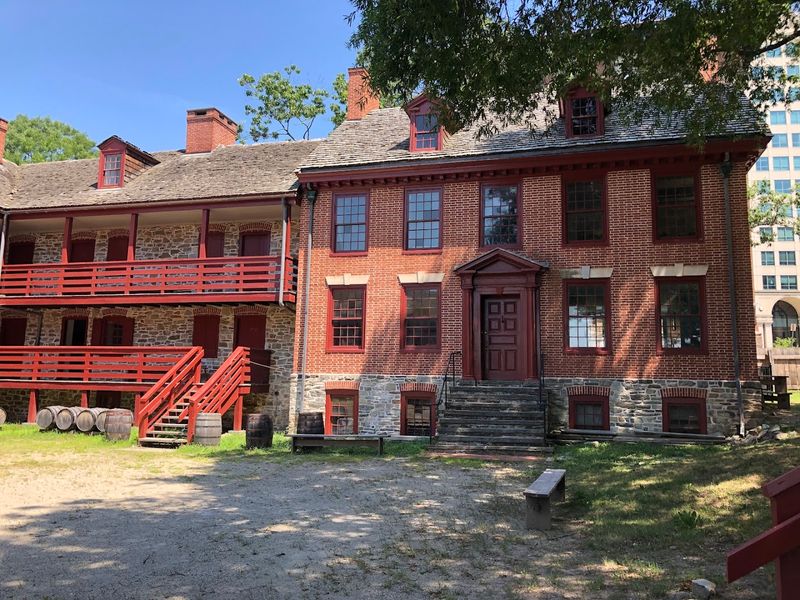
Built in 1758, the Old Barracks in Trenton is the only surviving colonial barracks in the entire country, and that alone makes it worth the drive.
Located at 101 Barrack Street, this place has real bones, not a replica, not a reconstruction.
The museum does something clever with its interpretation. Rather than just showing you furniture behind velvet ropes, the staff here uses living history to bring the space to life.
Costumed interpreters walk you through what daily life actually looked like for soldiers quartered here during the Revolution.
What surprised me most was how small the rooms were. You realize quickly that these were not comfortable postings.
The barracks held British, Hessian, and later American troops at different points, which adds a fascinating layer of complexity to the story.
The museum also features rotating exhibits that go deeper into specific aspects of the era.
It is compact enough to do in two hours but rich enough that you will leave with a full head of new information and at least one story you cannot wait to repeat at dinner.
3. Princeton Battlefield State Park
On January 3, 1777, a scrappy Continental Army pulled off one of the most surprising victories of the entire Revolution right here in Princeton.
The battlefield today is peaceful, wide open, and oddly moving when you know what happened on that ground.
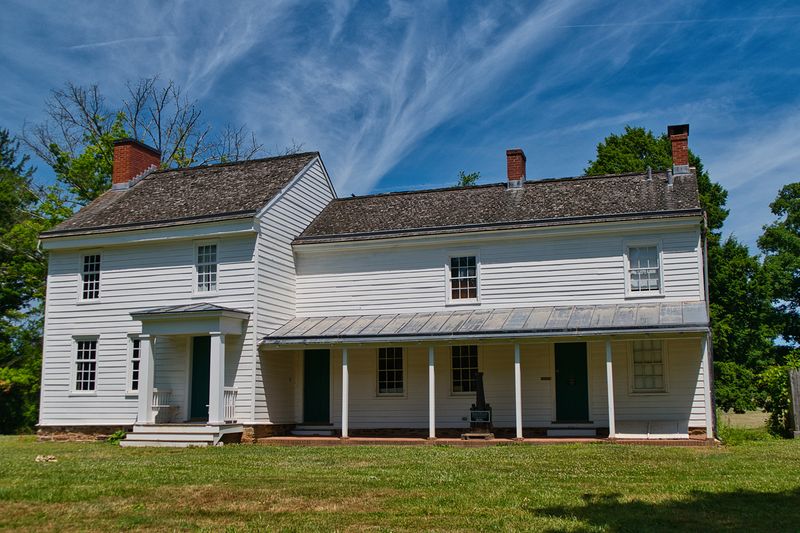
Located at 500 Mercer Road, the park centers on the Thomas Clarke House, a Quaker farmhouse that served as a field hospital after the fight.
It is one of the oldest structures in the area and has been carefully preserved. Stepping inside feels like stepping into a completely different century.
The grounds are free to explore and easy to walk. Interpretive signs placed throughout the field do a good job of explaining troop movements without making your eyes glaze over.
Spring and fall are the best times to visit because the light across the open fields is genuinely beautiful. There is also a monument to the soldiers who fell here, and it carries real gravity.
If you have kids with you, this is an excellent spot to let them run around while actually absorbing something meaningful about American history.
4. Washington Crossing State Park
You already know the painting. The dramatic boat, the icy river, Washington standing tall at the front.
But standing at the actual spot where that crossing happened on December 25, 1776 hits differently than any painting ever could.
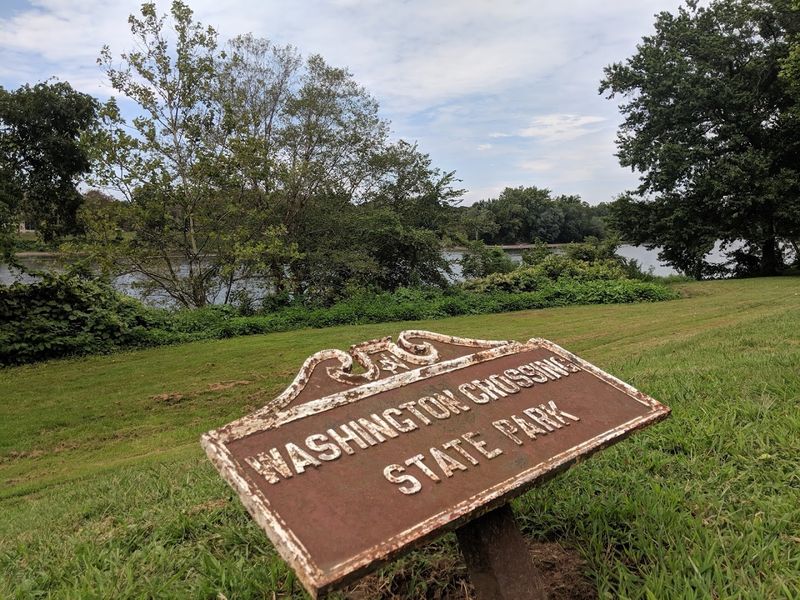
Washington Crossing State Park at 355 Washington Crossing-Pennington Road in Titusville preserves that launch point on the New Jersey side of the Delaware River.
The visitor center is well-organized and gives solid historical context before you head outside to explore the grounds.
The park is larger than most people expect, with trails, picnic areas, and a collection of historic buildings spread across the property.
Every year on Christmas Day, the park hosts a reenactment of the famous crossing, and it draws enormous crowds for good reason.
Even without the reenactment, the riverbank itself is a powerful place to stand. The park also holds the Johnson Ferry House, a restored 18th-century tavern and home that gives a vivid picture of civilian life during the Revolution.
This site earns its place on every serious New Jersey history itinerary without even trying hard.
5. Monmouth Battlefield State Park
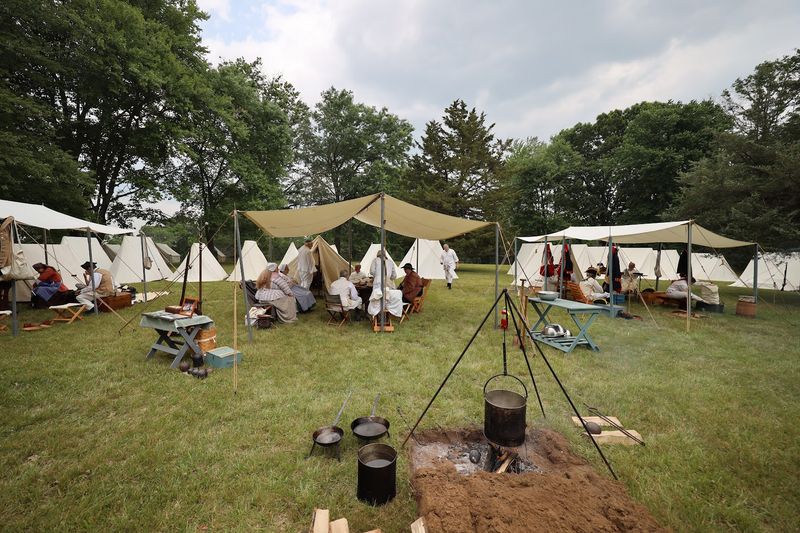
Monmouth was one of the longest and most chaotic battles of the entire Revolution, fought on a scorching June day in 1778, and the park at 20 State Route 33 in Manalapan preserves it in remarkable condition.
Most of the landscape looks almost exactly as it did that day, which is rare and genuinely impressive.
The Craig House, a restored farmhouse on the property, anchors the site beautifully. Interpretive trails wind through the battlefield, and the signage is specific enough to actually help you visualize the troop positions.
Birdwatchers also love this park, which makes for a funny mix of history lovers and binocular-toting naturalists sharing the same paths.
One of the most compelling stories connected to this battlefield involves Mary Ludwig Hays, later known as Molly Pitcher, who reportedly carried water to soldiers during the fight and may have even stepped in to help operate a cannon.
Whether every detail of her story is precisely documented or not, her legend is deeply tied to this ground. The park covers over 1,800 acres, making it one of the largest preserved Revolutionary battlefields in the country.
6. Fort Lee Historic Park
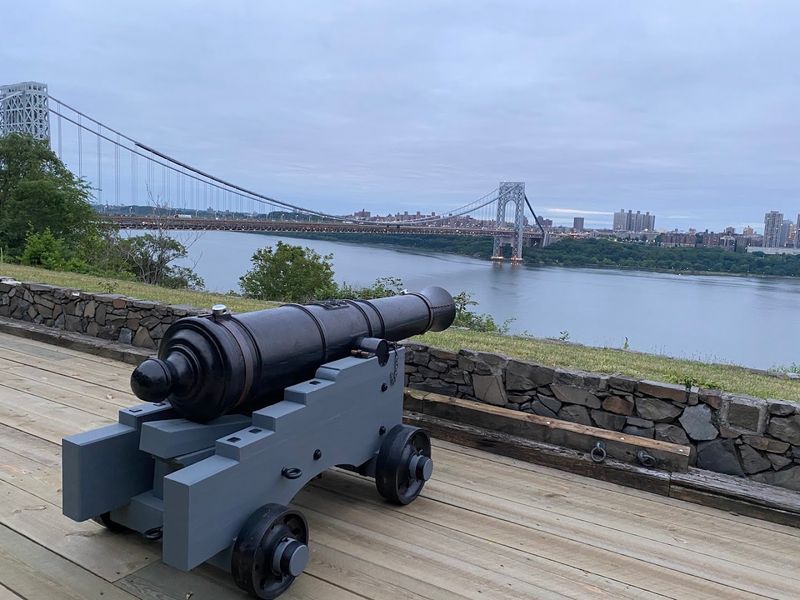
The view from Fort Lee Historic Park alone is worth the trip.
Perched on the Palisades cliffs at 2048 Hudson Terrace, this park offers one of the most dramatic vistas in all of New Jersey, with the Hudson River and the George Washington Bridge stretching out below you in both directions.
But the history here is equally striking. Fort Lee was a critical defensive position for the Continental Army in 1776, designed to prevent British naval vessels from moving freely up the Hudson.
When the fort fell, Washington was forced into a desperate retreat across New Jersey that ultimately led to the famous crossing at Trenton.
The visitor center does an excellent job of connecting Fort Lee’s story to the broader arc of the Revolution. Reconstructed earthworks on the grounds help you understand how the fortifications actually worked.
The park also features a life-size diorama of Continental soldiers that somehow manages to be both informative and a little haunting.
Kids tend to be fascinated by it while adults stand quietly taking in the river view. It is a genuinely layered experience that rewards both the curious and the contemplative visitor equally well.
7. Red Bank Battlefield Park
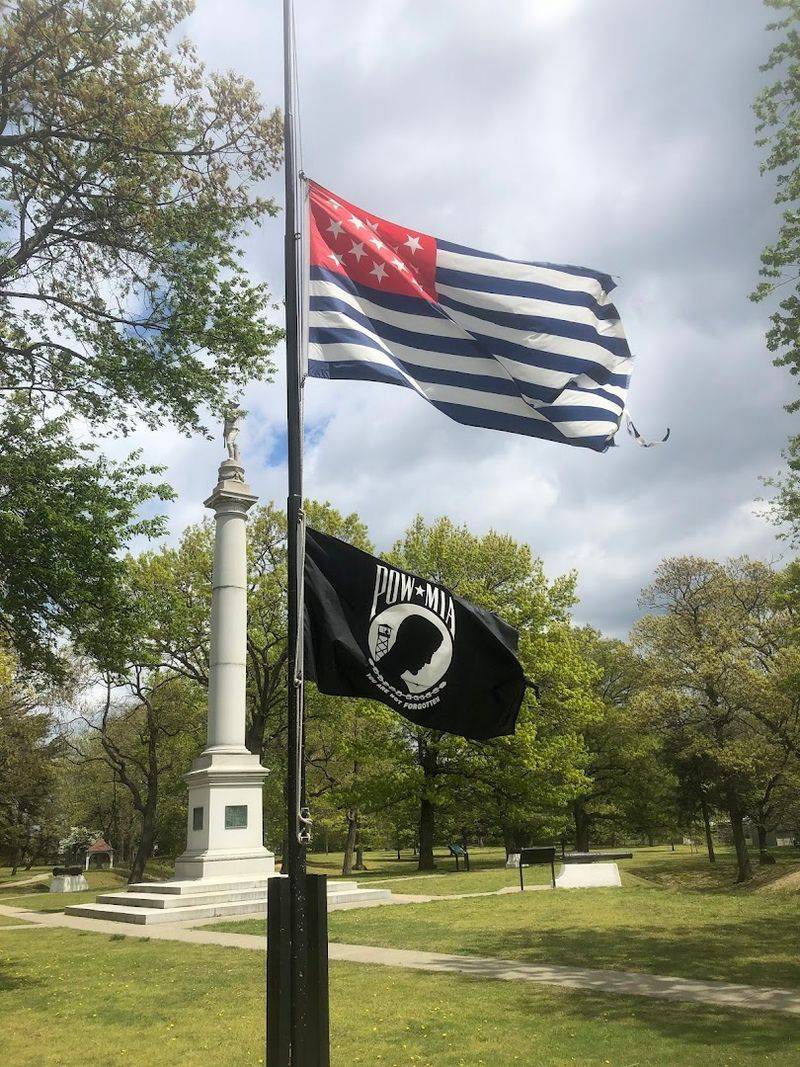
Tucked along the Delaware River in the borough of National Park, Red Bank Battlefield is one of those places that rewards the visitors who make the effort to find it.
The address is 100 Hessian Avenue, which gives you an immediate clue about the story waiting here.
In October 1777, a small force of American defenders held Fort Mercer against a much larger attacking force in a battle that became one of the most surprising American victories of the entire campaign season.
The earthworks from that original fort are still visible, which is something that genuinely sets this site apart from many others.
The James and Ann Whitall House, a handsome Georgian-style home that sits within the park, served as a field hospital after the battle. It has been beautifully restored and is open for tours.
Walking from the earthworks down to the river and back gives you a real sense of the geography that made this position so defensible.
The park is also a lovely spot for a picnic, with river views that are hard to beat. It is the kind of place that local families return to every season without ever getting tired of it.
8. Dey Mansion
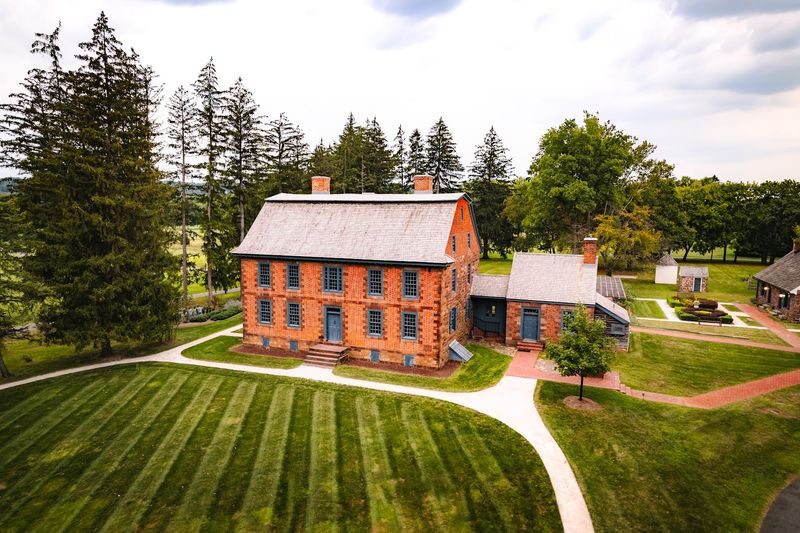
George Washington used a lot of headquarters during the Revolution, but the Dey Mansion in Wayne has a particular charm that makes it stand out from the crowd.
Located at 199 Totowa Road, this Georgian-style stone mansion is beautifully preserved and genuinely feels like stepping into the 18th century.
Washington stayed here three separate times during 1780, using it as a base while monitoring British movements.
The mansion is furnished with period-appropriate pieces that give each room a lived-in quality rather than a museum-case sterility. You can actually imagine people eating, planning, and arguing in these spaces.
The surrounding grounds are peaceful and well-maintained, making it a pleasant place to spend an unhurried afternoon.
Admission is very affordable, which makes it an easy choice for families looking for a meaningful but budget-friendly outing.
The knowledgeable docents here have a gift for storytelling that turns what could be a dry tour into something genuinely engaging.
One particularly memorable detail shared during my visit involved Washington’s personal correspondence written from this very location.
That kind of specific, grounded storytelling is exactly what makes a site like Dey Mansion worth seeking out during America’s 250th anniversary year.
9. Indian King Tavern Museum
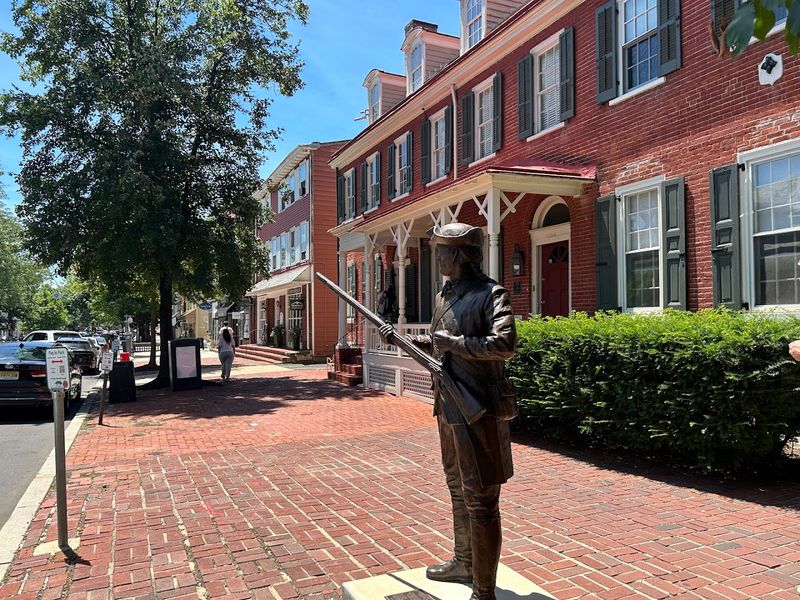
Not every important moment of the Revolution happened on a battlefield.
Some of the most consequential decisions were made in rooms that smelled like woodsmoke and candlewax, and the Indian King Tavern in Haddonfield is exactly that kind of place.
Located at 233 Kings Highway East, this tavern served as a meeting place for the New Jersey Legislature during the Revolution.
In 1777, lawmakers gathered here to pass legislation that replaced the word crown with state in all official documents, a small change with enormous symbolic weight.
That moment essentially formalized New Jersey as an independent state rather than a British colony.
The building itself is a well-preserved example of colonial tavern architecture, with low ceilings, wide-plank floors, and rooms that feel appropriately intimate for the secretive work that once happened here.
Guided tours are available and are genuinely worth taking because the context the guides provide transforms what might seem like a simple old building into something much more layered.
Haddonfield is also a lovely town to explore before or after your visit, with good food options and independent shops within easy walking distance of the tavern. It makes for a very satisfying half-day outing.
10. Wallace House
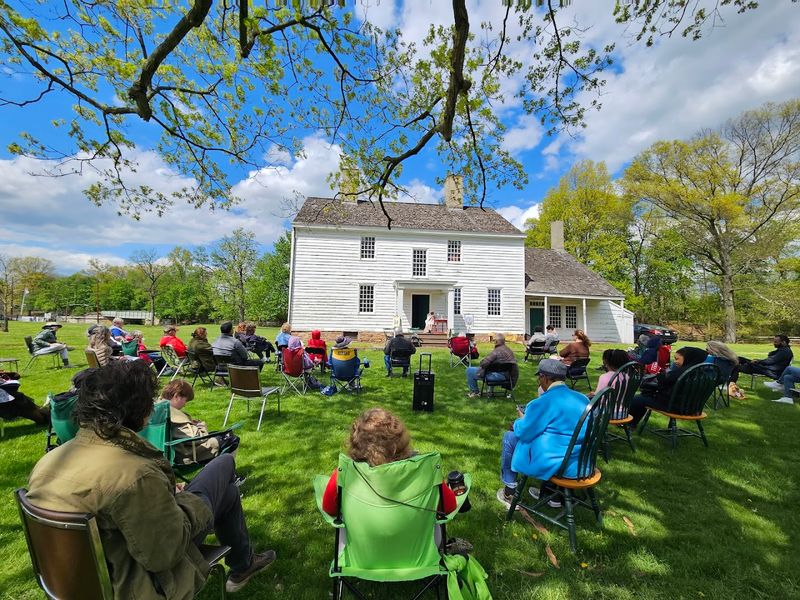
There is something quietly powerful about standing in a house where George Washington spent an entire winter.
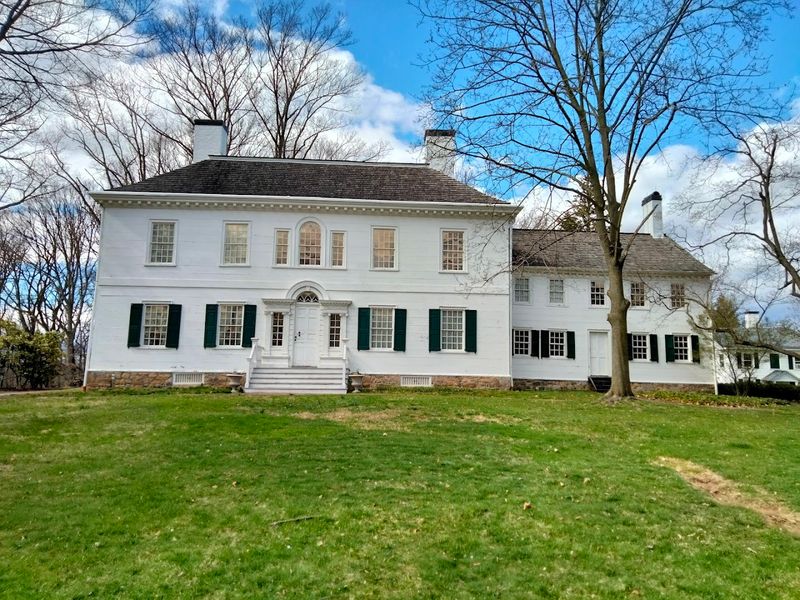
The Wallace House at 71 Somerset Street in Somerville served as Washington’s headquarters from December 1778 through June 1779, one of the longer stretches he spent at any single location during the Revolution.
The house itself is a handsome Georgian-style structure, white clapboard with green shutters, sitting on a modest lot that feels surprisingly accessible.
It is not grand in the way you might expect a general’s quarters to be, which somehow makes the history feel more real and less theatrical.
Tours are led by enthusiastic and well-informed guides who bring genuine personality to the material.
Directly across the street sits the Old Dutch Parsonage, another historic site that can be visited on the same trip, making this a two-for-one history stop that history lovers will appreciate.
The combination of both properties gives you a remarkably complete picture of life in colonial New Jersey during a pivotal period.
As America celebrates its 250th birthday, places like Wallace House remind us that the Revolution was not just dramatic moments but also long, patient stretches of endurance and determination. That story deserves to be told.