This New Mexico National Monument Is Home To Towering Rock Formations Unlike Anywhere Else
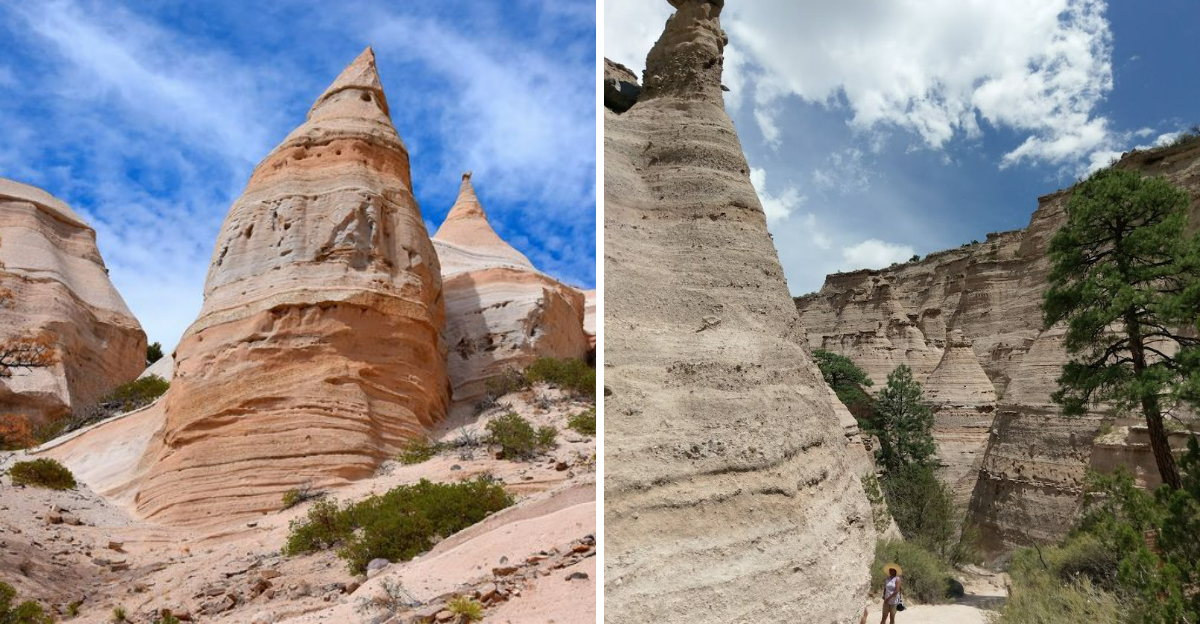
I pulled over because I thought something was wrong with my eyes. The shapes rising out of the ground ahead of me did not look like rock.
They looked like something assembled on purpose, deliberately strange and impossibly tall. New Mexico has a long history of stopping people cold with its landscapes, but this state park hits differently than anything else I have seen here.
The formations rise in clusters, each one a slightly different height and angle, like a city built by geology over millions of unhurried years. You walk among them and feel genuinely small.
Not uncomfortable small. The good kind.
The kind that reminds you the world is much older and stranger than your daily life suggests. New Mexico keeps secrets like this hidden in plain sight, and this one is worth every mile of the drive to reach it.
The Cone-Shaped Tent Rock Formations
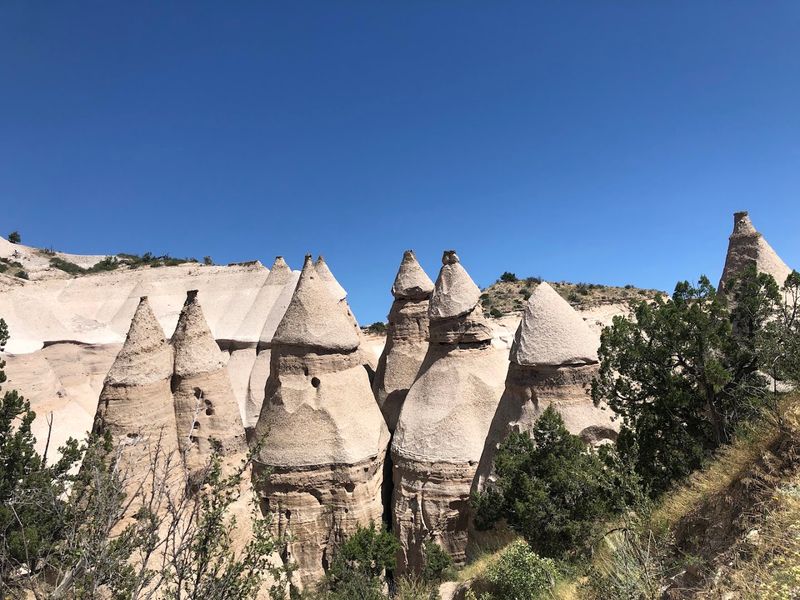
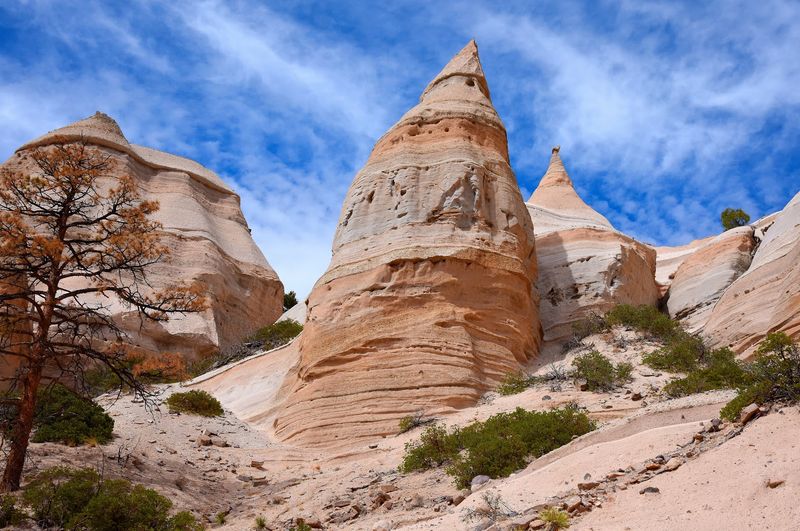
Nothing prepares you for the first real look at these formations. They rise from the desert floor like giant stone teepees, perfectly cone-shaped and eerily uniform.
It feels less like a hiking trail and more like walking through a sculpture garden carved by the earth itself.
These iconic shapes are called hoodoos. They formed over millions of years through a process called differential erosion.
Volcanic eruptions from the Jemez volcanic field deposited thick layers of pumice, ash, and tuff roughly 6 to 7 million years ago.
Harder boulder caps sit on top of each cone, protecting the softer pumice underneath. Without those caps, the formations would erode away completely.
The tent rocks range from just a few feet tall to an impressive 90 feet high. Kasha-Katuwe Tent Rocks National Monument sits at 0 NM-22, Cochiti Pueblo, NM 87072.
The sheer variety in size makes every turn on the trail feel like a brand new discovery worth stopping for.
The Narrow Slot Canyon Trail
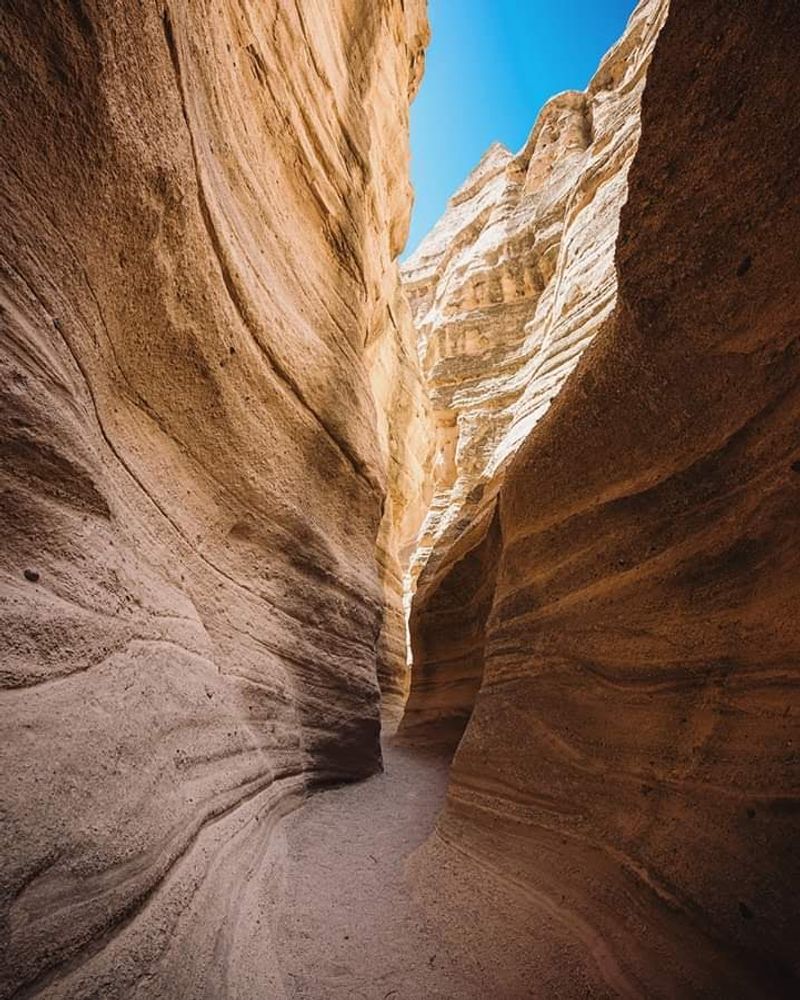
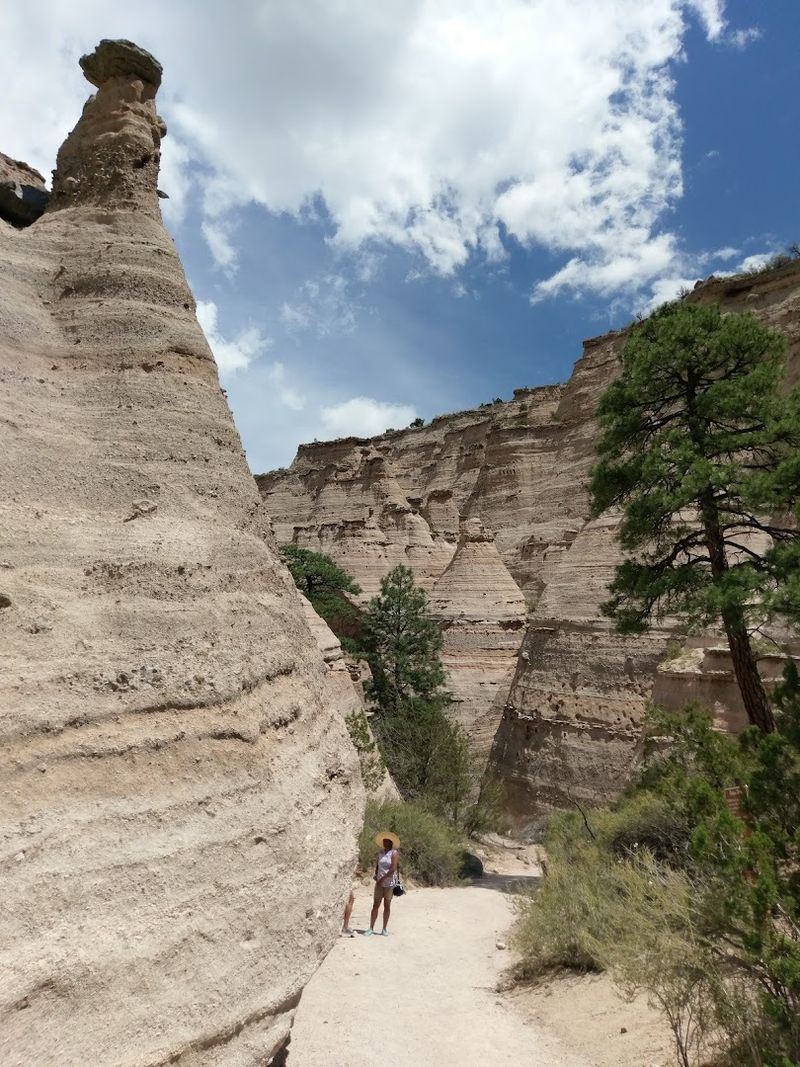
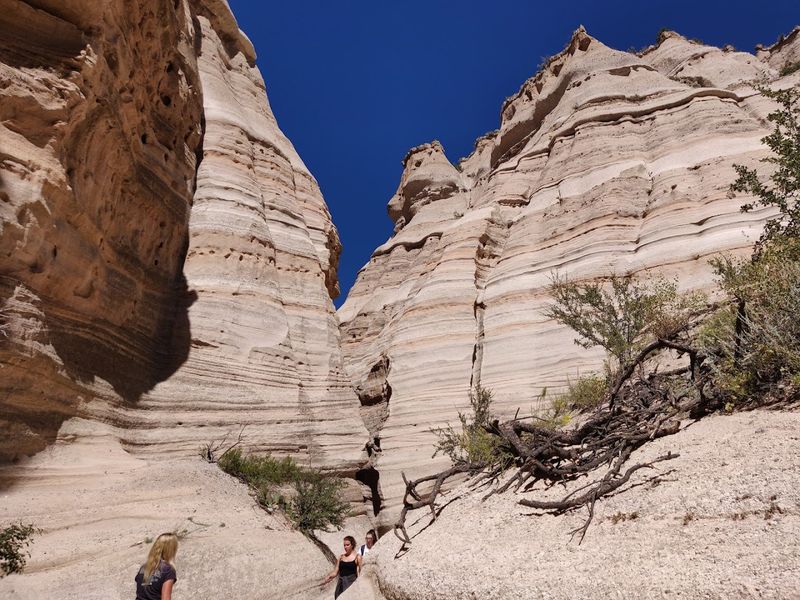
Squeezing through a canyon so narrow you can touch both walls is a feeling that sticks with you. The slot canyon at this monument is carved entirely into volcanic ash, which makes it genuinely rare.
Most slot canyons in the Southwest are cut through sandstone, so this one is scientifically fascinating.
The Canyon Trail stretches 1.5 miles one way. It starts at the parking area and winds through the tight, twisting passage before climbing steeply to a mesa top.
The walls are sculpted into smooth, flowing curves that catch light in beautiful ways throughout the day.
Some sections get very narrow, and you may need to use your hands to scramble through. That small challenge makes reaching the other side feel genuinely earned.
The total round trip is about 3 miles, and the elevation gain is 630 feet. Plan at least two to three hours for this trail.
Bring sturdy shoes with good grip, because the ground shifts from smooth tuff to loose gravel without much warning.
The Breathtaking Mesa Top Overlook
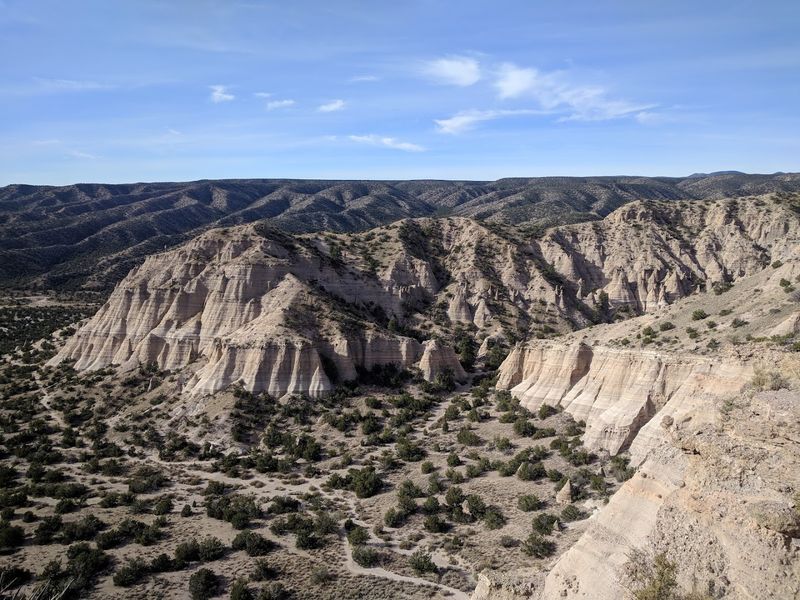
Reaching the top of the mesa feels like unlocking a secret level in a video game. The view that opens up is staggering in every direction.
You can see the Sangre de Cristo Mountains, the Jemez Mountains, the Sandia Mountains, and the Rio Grande Valley all at once.
Standing up there, the tent rock formations below look completely different. From ground level, they tower over you.
From the overlook, you see their full shapes laid out like a natural art installation. The contrast between the pale rock formations and the distant blue mountain ranges is genuinely stunning.
The elevation at the top reaches 6,760 feet above sea level. The climb is steep and requires careful footing, but most hikers in reasonable shape can manage it.
The views from the summit are consistently described as the highlight of the entire experience. Even if you pause halfway up to catch your breath, the expanding scenery makes every step feel worthwhile.
This is the kind of view that makes you want to stay until closing time.
The Volcanic History Behind The Landscape
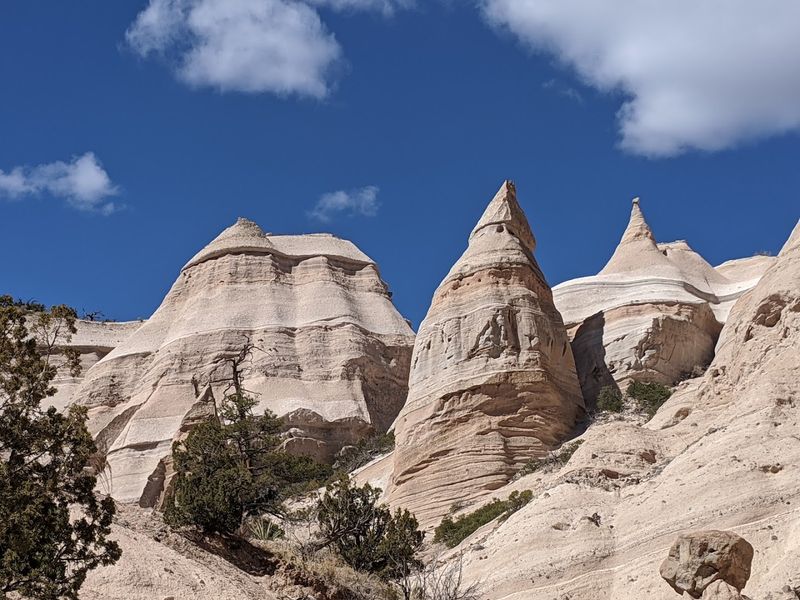
Six to seven million years ago, this entire area was buried under volcanic chaos. The Jemez volcanic field erupted repeatedly, depositing over 1,000 feet of pumice, ash, and tuff across the Pajarito Plateau.
That dramatic geological event set the stage for everything you see today.
What followed was millions of years of patient sculpting by wind, rain, and freeze-thaw cycles. The softer volcanic material eroded faster than the harder rock above it.
The result is the tent-like shapes that give this monument its famous identity.
The name Kasha-Katuwe comes from the Keresan language of the Cochiti Pueblo people, meaning white cliffs. That name perfectly captures the pale, almost ghostly color of the formations.
The monument sits on the Pajarito Plateau in north-central New Mexico, about 40 miles southwest of Santa Fe. Understanding the volcanic origins of this place makes every rock face feel like a page from an ancient geological story.
The science behind it is just as impressive as the scenery itself.
The Cave Loop Trail For Beginners
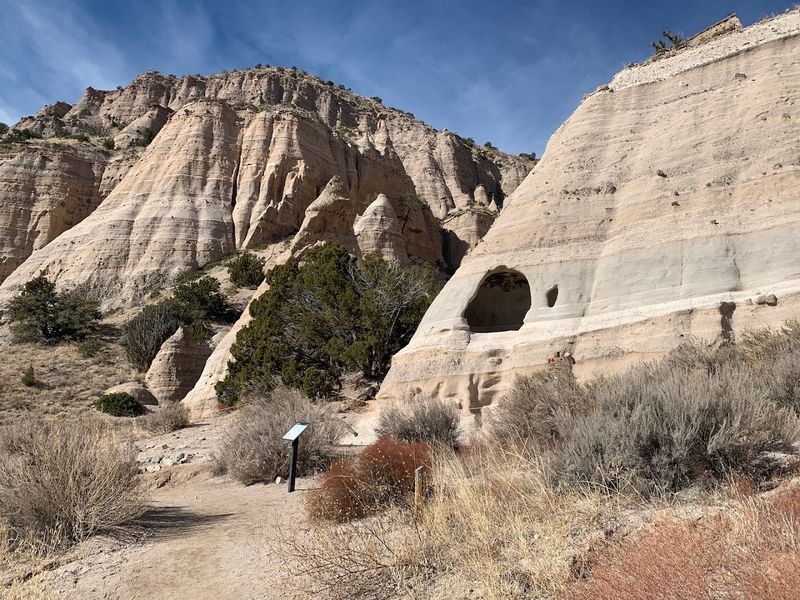
Not every great hike needs to challenge your knees and lungs to the breaking point. The Cave Loop Trail is a 1.2-mile loop rated as easy, and it delivers a genuinely impressive experience without the intense climbing.
This is the trail that makes the monument accessible to a wider range of visitors.
The path winds past the base of the tent rock formations, giving you close-up views of the hoodoos without requiring scrambling or steep elevation gain. Small cave-like alcoves appear along the route, adding a sense of discovery to an already scenic walk.
Kids and older adults handle this trail well.
One visitor brought a three-year-old in a backpack carrier and a 70-year-old grandmother, and the whole group finished strong. That says a lot about how manageable this trail really is.
The loop connects back to the parking area conveniently. Even experienced hikers often complete this trail first as a warm-up before tackling the slot canyon route.
It is a genuinely satisfying hike that rewards every level of outdoor enthusiast with memorable scenery.
How To Plan Your Visit And Get Reservations
Showing up without a reservation here is a guaranteed disappointment. The monument limits daily entry to just 150 visitors, which keeps the experience peaceful but means spots fill up weeks in advance.
Booking through Recreation.gov is the first step, and it needs to happen early.
There is also a second required pass called the Cochiti Pueblo Tribal Access Pass, obtained directly from the Pueblo. Both passes are necessary to enter.
After checking in at the Cochiti Visitor Center, visitors follow a pilot car to the monument entrance. That escort system keeps things organized and safe.
The monument is open Thursdays through Mondays, from 8:00 a.m. to 4:00 p.m. It closes annually from December 15 through January 31.
Planning two to three weeks ahead is strongly recommended, especially for weekend visits. No drinking water is available on site, so bring more than you think you need.
Pets are not allowed on the trails, with the exception of identifiable service animals. Preparation makes the difference between a smooth adventure and a frustrating drive back.
The Veterans Memorial Trail And Accessible Areas
Accessibility at outdoor monuments often feels like an afterthought, but this place put real effort into it. The Veterans Memorial Trail is a 1-mile loop rated as easy, with ADA-accessible picnic areas and restrooms available near the trailhead.
It offers meaningful views without requiring intense physical effort.
The trail provides a different perspective on the surrounding landscape. While it does not go through the slot canyon or up to the mesa top, it still delivers views of the geological formations and the open New Mexico sky.
The Cochiti Visitor Center also has clean restrooms and a small gift shop at the check-in point.
The Veterans Memorial Trail has experienced some closures due to monsoon damage in past seasons, so checking current trail conditions before visiting is a smart move. The monument sits between 5,570 and 6,760 feet in elevation, so even the easier trails carry a hint of altitude.
Visitors sensitive to elevation changes should pace themselves and hydrate consistently. This trail proves that remarkable scenery does not always require a strenuous workout to enjoy fully.
Wildlife And Natural Surroundings At The Monument
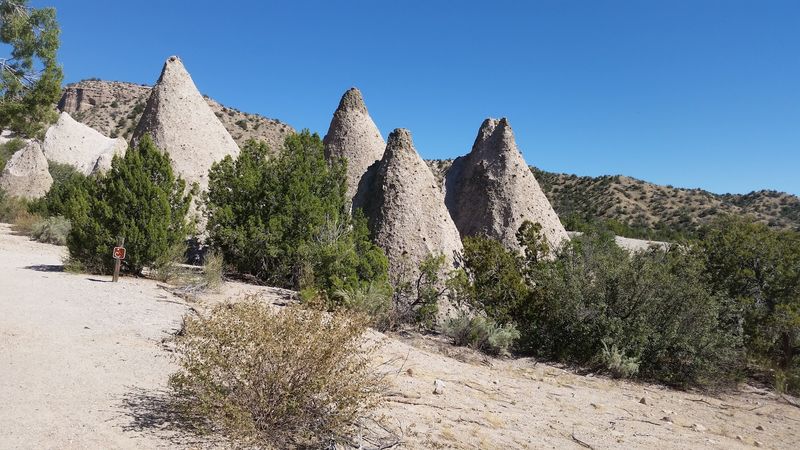
The rock formations grab all the attention, but the surrounding ecosystem quietly adds another layer to the experience. The monument sits within the high desert environment of the Pajarito Plateau, where juniper and pinon pine trees dot the landscape between pale volcanic formations.
The contrast of green scrub against white rock is striking in the best way.
Wildlife moves through this area regularly. Lizards dart across warm rocks, and birds of prey ride thermals above the mesa.
The quiet atmosphere created by the visitor limit makes it easier to notice these natural details without the distraction of crowds.
The low visitor numbers are genuinely rare for a monument this impressive. Most popular outdoor destinations in the Southwest feel packed and loud.
This one stays calm, which gives the wildlife a chance to behave naturally around hikers. Mornings are particularly good for spotting animals before the heat of the day sends them into shade.
The combination of geological wonder and living desert ecosystem makes the experience feel richer than a standard rock formation hike. Every direction you look, something interesting is happening.
What To Bring And How To Prepare For The Hike
Preparation here is not optional. No drinking water is available anywhere inside the monument, and the high desert sun is relentless even on mild days.
Bring at least two liters of water per person, and more if hiking with children or in warm weather. Sunscreen and a hat are equally non-negotiable.
Footwear makes a real difference on these trails. The slot canyon involves smooth tuff rock, loose gravel, and occasional scrambling.
Trail shoes or hiking boots with solid grip will keep you steady and confident on the varied terrain. Sandals and flip-flops are genuinely poor choices here.
Restrooms are available at the Cochiti Visitor Center before you enter, but there are no bathroom facilities once you start hiking. Handle that before leaving the check-in area.
The monument operates Thursday through Monday from 8 a.m. to 4 p.m., and rangers begin moving visitors back down from the mesa before closing time.
Starting your hike early in the morning gives you the best light, cooler temperatures, and the most time to explore without feeling rushed.
A small snack and a light jacket round out a solid packing list for this adventure.