Nebraska’s Most Famous Drives Which Make The Road Trip Feel Like The Destination
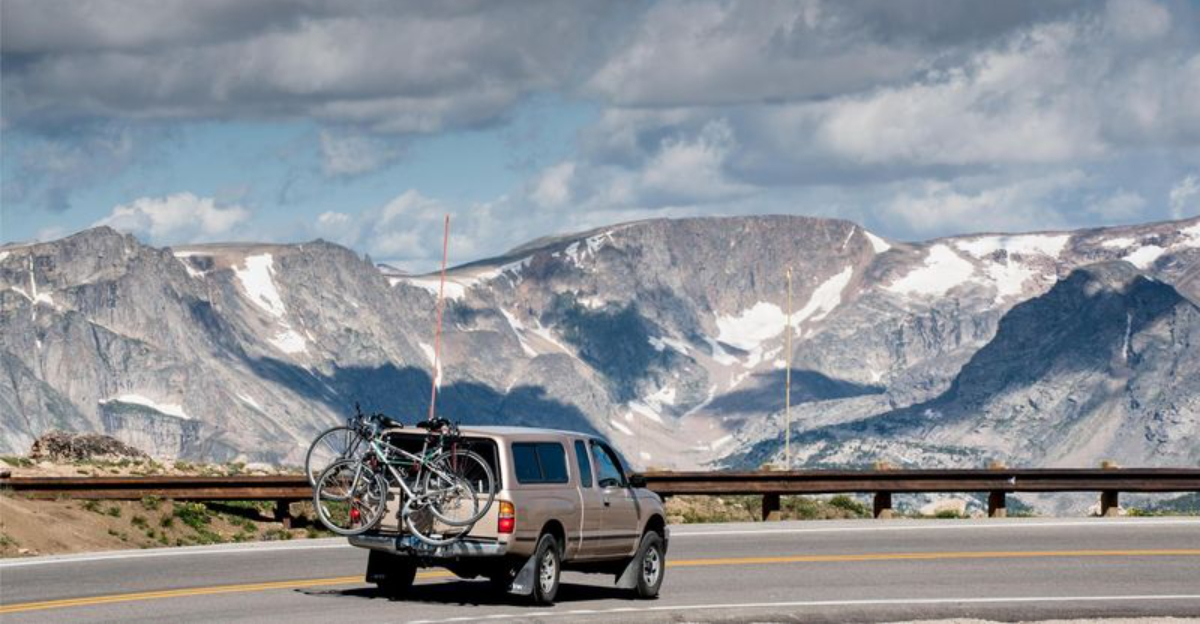
Some drives are just transportation with cup holders. The good ones start messing with the plan.
A quick route turns into a slower one. The passenger stops pretending they are not taking photos through the windshield.
Someone says, “Pull over for a second,” and suddenly the road trip has opinions.
Nebraska is sneaky like that. One minute, the highway looks simple.
Next, the land opens wide, the bluffs rise up, or a river valley makes the whole drive feel bigger than the map promised.
That is when the destination loses a little power. The road itself starts winning.
Famous drives earn that status because people remember what happened between stops. The curve. The sky doing way too much in the late afternoon.
These Nebraska drives make the miles feel like the reason everyone should have packed snacks in the first place.
1. Sandhills Journey National Scenic Byway, Grand Island To Alliance
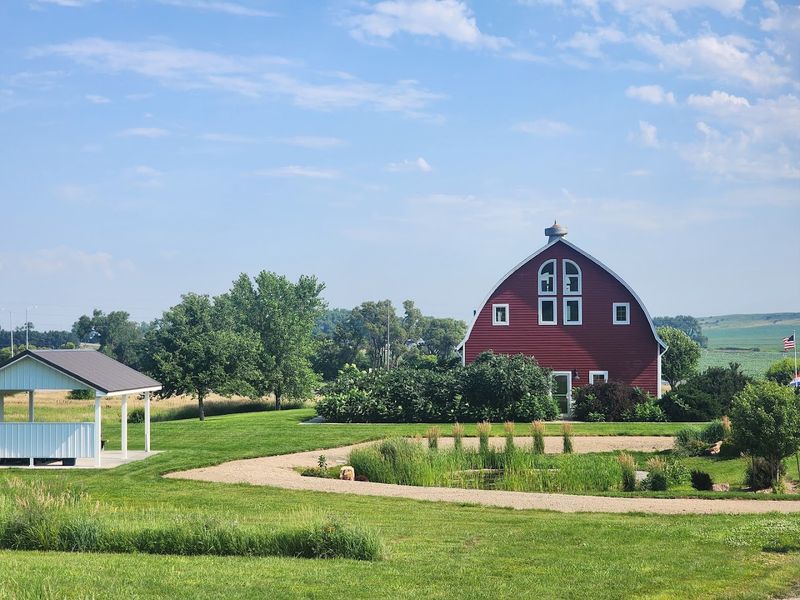
Stretching 272 miles along Nebraska Highway 2, the Sandhills Journey National Scenic Byway is one of those drives that makes the miles feel meaningful.
The road rolls through a landscape of gently curved sand dunes blanketed in native grasses, with very little traffic to interrupt the quiet rhythm of the drive.
Wildlife sightings are common, and the sense of open space is unlike almost anywhere else in the country.
Every spring, the byway becomes a front-row seat to one of nature’s great spectacles: the migration of Sandhill Cranes, which gather in massive numbers along the Platte River corridor.
Merritt Reservoir State Recreation Area along the route is recognized as an International Dark Sky Place, making nighttime stargazing exceptionally clear and rewarding.
Small historic towns dot the path between Grand Island and Alliance, offering glimpses into the lives of early settlers and Plains communities.
Travelers who take their time on this byway tend to find it more meditative than exhausting.
Packing snacks and a camera is strongly recommended since fuel stops can be spread out across long stretches.
The drive works well across seasons, though spring and fall tend to offer the most dynamic wildlife activity and comfortable temperatures for stopping along the way.
2. Bridges to Buttes Scenic Byway, Wyoming Border to Valentine
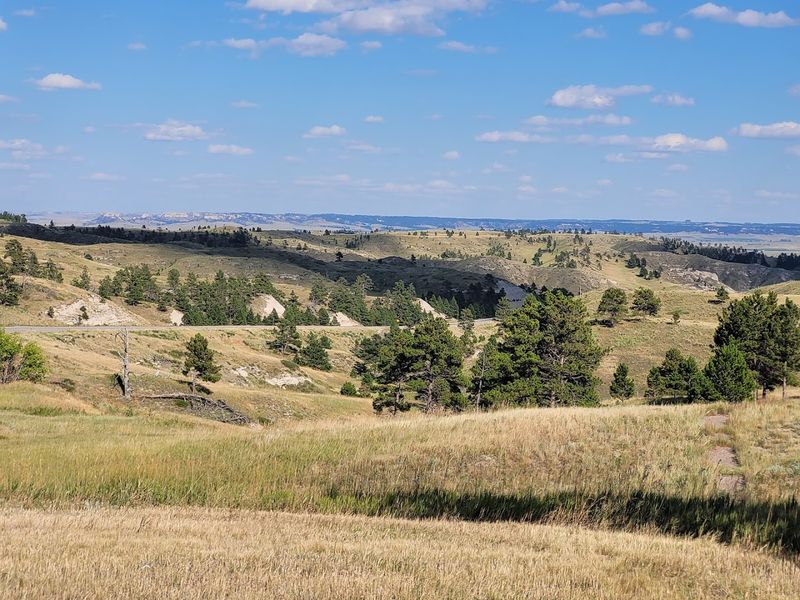
Running 197 miles along U.S. Highway 20 from Valentine west to the Wyoming border, the Bridges to Buttes Scenic Byway earns its name through a landscape that genuinely shifts in dramatic ways.
The terrain moves from river valleys and pine-covered ridges to rugged badlands and wide ranching country, keeping the scenery fresh for the entire length of the drive.
Fort Robinson State Park is one of the most historically significant stops along the route.
Visitors there can explore a former military post with a layered past, take jeep or stagecoach rides through canyon country, hike several trail systems, and visit the Trailside Museum of Natural History.
Toadstool Geologic Park, also accessible from this byway, offers a surreal moonscape of eroded badlands formations that feel completely unexpected in Nebraska.
Planning an overnight stay somewhere along the route makes the experience far more relaxed and allows time to explore stops properly rather than rushing through them.
The western section near the Wyoming border tends to feel the most remote, with long gaps between services.
Fueling up before heading into those stretches is a practical move. The drive is especially striking in the golden light of late afternoon, when the buttes cast long shadows across the rangeland.
3. Western Trails Scenic Byway, Wyoming Border to Ogallala
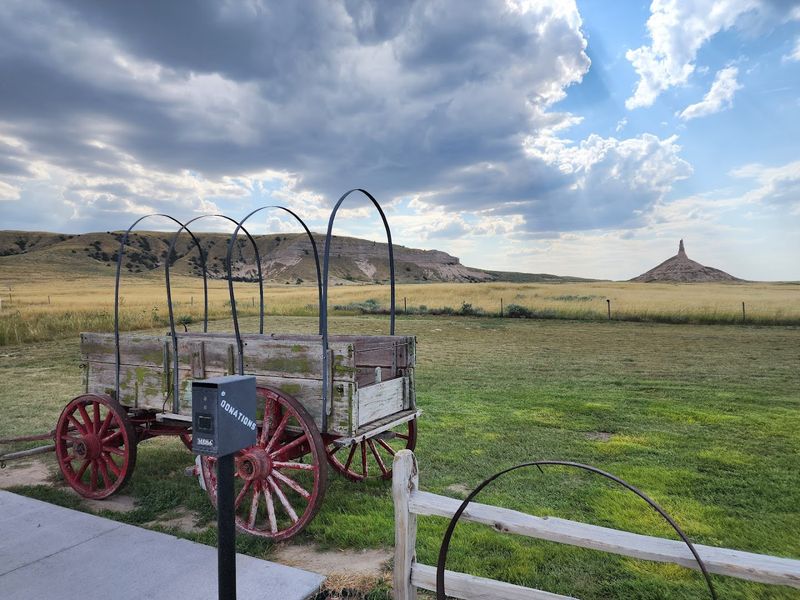
Few drives in Nebraska carry as much historical weight as the Western Trails Scenic Byway, which follows US 26 and State Highway 92 for 144 miles between Ogallala and the Wyoming border.
The route traces ground once covered by wagon trains heading west, and the landscape still holds visible traces of those journeys in places you can actually stop and see.
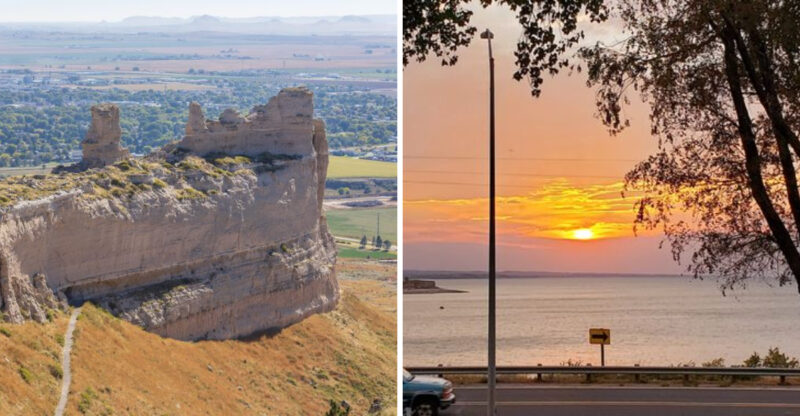
Chimney Rock near Bayard is one of the most recognizable landmarks along the entire route.
The tall rocky spire rising from flat plains was a celebrated milestone for pioneers on the Oregon, Mormon, and California Trails, and standing near it today gives a real sense of how those travelers must have felt spotting it after weeks of walking.
Ash Hollow State Historical Park is another essential stop, preserving wagon ruts, a pioneer grave site, and interpretive exhibits that put the journey into clear perspective.
Oshkosh, a small town along the route, features the only water tower in Nebraska listed on the National Register of Historic Places, which is a quirky detail worth a short detour.
The drive moves at an easy pace and works well as a day trip from Ogallala or as part of a longer cross-state route. Morning light tends to be especially flattering on the rock formations and open plains.
4. 385-Gold Rush Scenic Byway, Chadron to Sidney
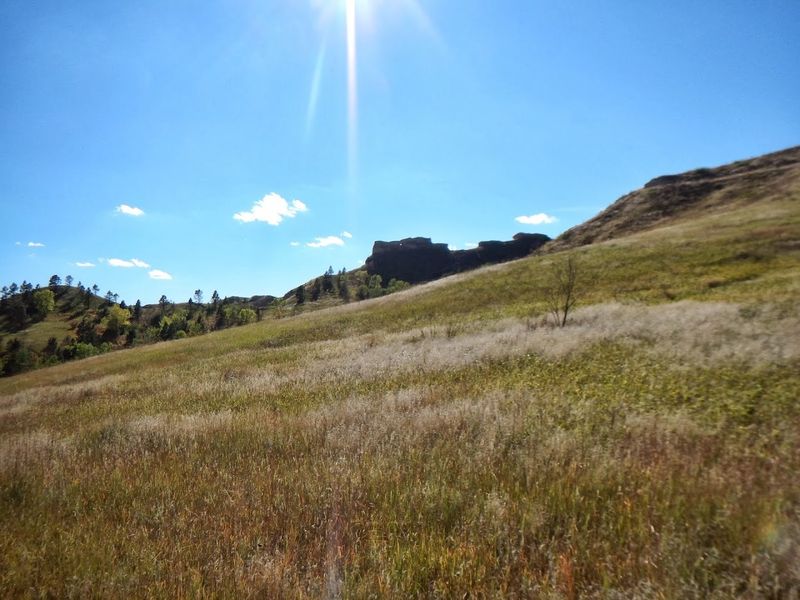
The 385-Gold Rush Scenic Byway covers 131 miles along US 385 from Chadron south and west to Sidney, and it carries a history that feels genuinely cinematic.
During the gold rush era, significant amounts of gold were transported along this road, making it one of the most historically eventful corridors in the entire state.
The landscape along the northern section near Chadron moves through the Pine Ridge area, where ponderosa pine forests and eroded ridgelines give the drive a distinctly western character.
As the route continues south, the terrain opens into rolling hills and river valleys that shift the mood of the drive entirely.
The visual variety across just 131 miles is one of the reasons this byway tends to hold attention from start to finish.
Sidney, at the southern end of the route, is a practical place to stop for fuel and food before continuing onward.
Chadron State Park near the northern end offers camping, hiking, and access to some of the most scenic terrain in Nebraska if an overnight stay fits the itinerary.
Traveling this byway on a weekday tends to mean lighter traffic and a more unhurried experience at viewpoints and roadside stops.
Carrying a detailed map or downloaded offline navigation is helpful since cell coverage can be inconsistent through parts of the route.
5. Outlaw Trail Scenic Byway, South Sioux City to Valentine
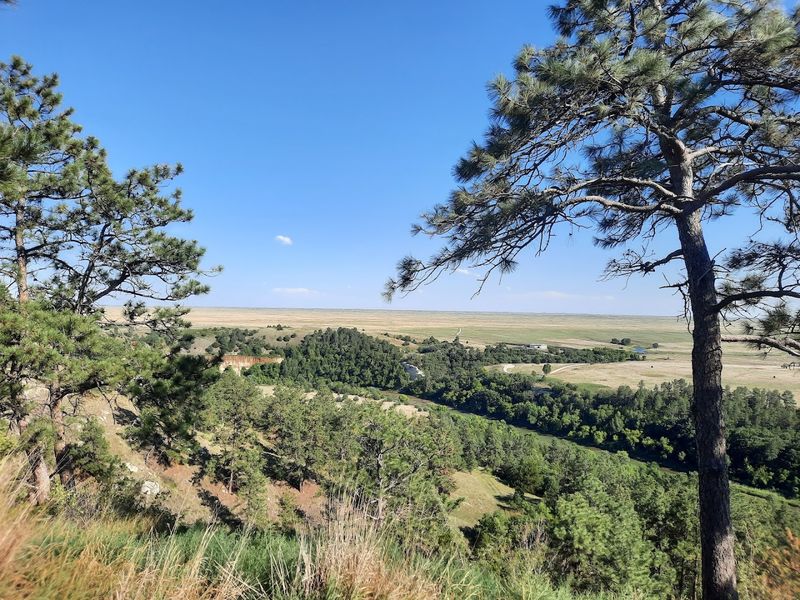
At 231 miles along State Highway 12, the Outlaw Trail Scenic Byway is one of Nebraska’s longest scenic drives, and it earns every mile with a combination of natural beauty, river views, and genuinely interesting history.
The byway runs from Valentine east through small towns and river bluffs all the way to Ponca near the Missouri River, though the western section toward Valentine tends to draw the most attention.
Smith Falls State Park near Valentine is home to Nebraska’s tallest waterfall, a narrow cascade that drops through a wooded ravine in a setting that feels surprisingly lush for the region.
Niobrara State Park, further east along the route, sits on bluffs above the confluence of the Niobrara and Missouri Rivers and offers sweeping views that reward the drive on their own.
The byway also passes through towns associated with stories of infamous outlaws from the late 1800s, adding a layer of folklore to the journey.
Springview and Niobrara are good spots to pause, stretch, and find local food or fuel along the route.
The road quality is generally solid, though some sections can be affected by seasonal weather, so checking conditions before setting out in early spring is a reasonable precaution.
The Niobrara River corridor is particularly beautiful in late summer when the water levels are manageable for anyone considering a float trip alongside the drive.
6. Heritage Highway Scenic Byway, Edison to Brownville
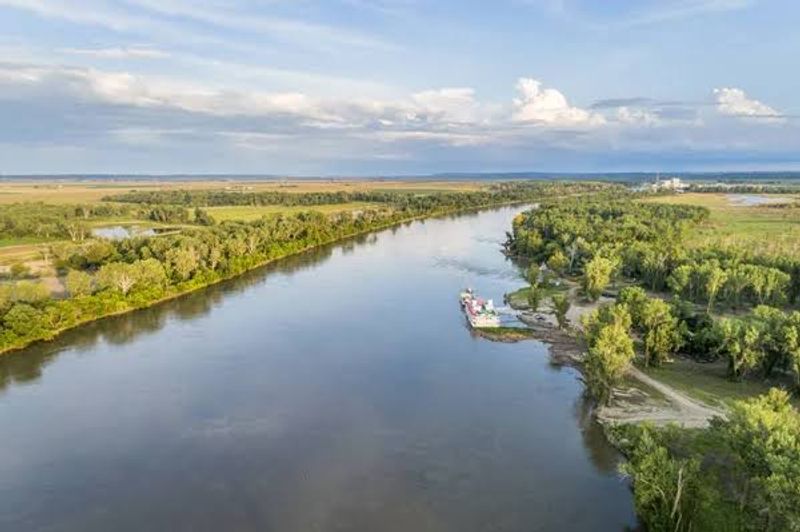
Crossing ten counties and stretching 238 miles along U.S. Highway 136, the Heritage Highway Scenic Byway connects Edison in the west to Brownville on the Missouri River in the east.
The route passes through some of the most historically layered corners of southeastern Nebraska, where small towns, courthouse squares, and old grain elevators tell the story of the region’s agricultural past.
Brownville, at the eastern terminus of the byway, is one of Nebraska’s oldest surviving towns and sits right on the Missouri River with a character that feels genuinely preserved rather than staged.
The town has historic buildings, river access, and a quiet atmosphere that rewards a slower pace.
Getting to Brownville after a full day of driving along the Heritage Highway tends to feel like arriving somewhere that actually has a story to tell.
Because of the byway’s length, planning an overnight stop somewhere along the route makes the experience much more comfortable and allows time to explore the smaller communities in between.
The drive works particularly well in autumn when the trees along the river valleys shift color and the farmland takes on a warm golden tone.
Weekends can bring slightly more activity in the larger towns along the route, while weekdays offer a quieter and more personal feel at roadside stops and local diners.
7. Lincoln Highway National Scenic & Historic Byway, U.S. 30 Across Nebraska
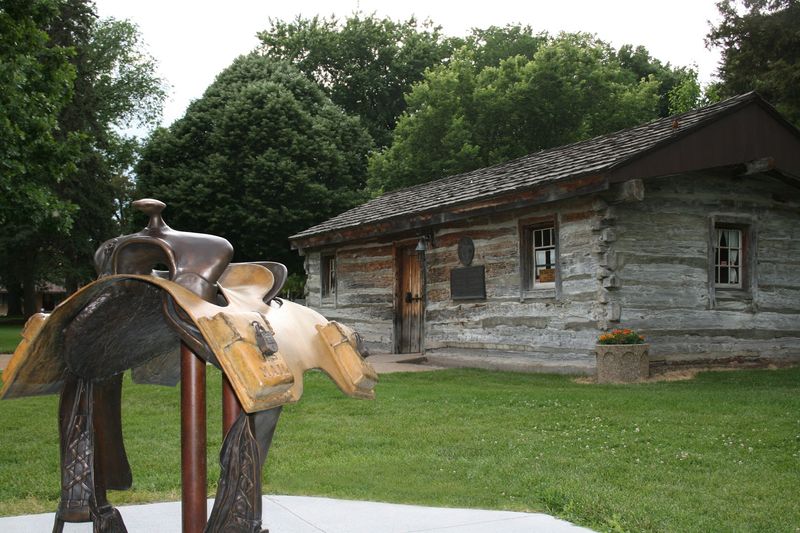
Spanning roughly 400 miles across Nebraska along U.S. Highway 30, the Lincoln Highway National Scenic and Historic Byway follows the path of America’s first transcontinental highway.
The road was originally established in 1913, and driving it today still carries a strong sense of that early American road trip spirit, especially through the small towns that grew up along its route.
The byway runs parallel to some of the most significant historic trails in the country, including the Oregon, Mormon, and California Trails as well as the Pony Express route.
That layering of history gives the drive a depth that goes well beyond scenery, connecting travelers to multiple eras of American westward movement in a single continuous corridor.
Interpretive markers and small museums along the way help bring those stories to life without requiring a lot of extra time or planning.
Kearney, North Platte, and Ogallala are among the larger towns along the route where fuel, food, and lodging are easy to find.
The drive moves through a mix of agricultural flatlands, river valleys, and prairie terrain that changes gradually across its full length.
Taking a few days to drive the entire byway rather than rushing through it tends to reveal details and detours that a single long day behind the wheel would miss entirely.
8. Loup Rivers Scenic Byway, Dunning to Wood River
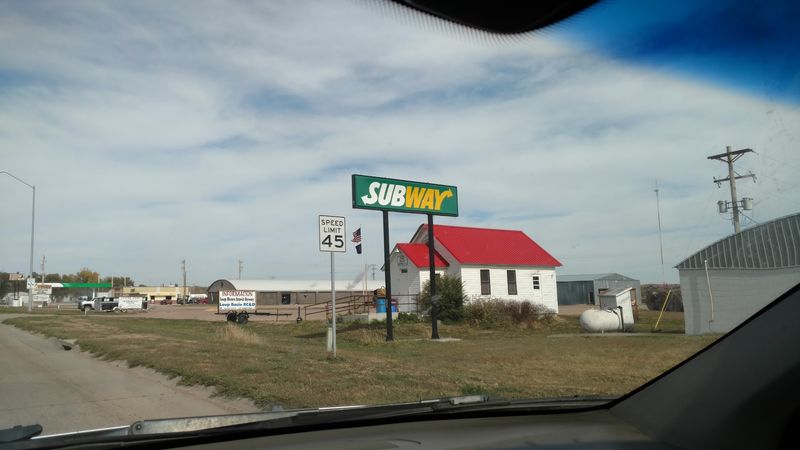
Winding through the heart of Nebraska’s Sandhills and river valleys, the Loup Rivers Scenic Byway connects Dunning to Wood River in a route that celebrates the quiet, unhurried side of the Great Plains.
The Loup River system is central to the character of this drive, with the water’s presence shaping both the landscape and the communities that grew along its banks.
Burwell and Ord are two of the more notable towns along the byway, each offering a genuine look at Sandhills ranch culture and small-town Nebraska life.
The Middle Loup River is calm enough in summer for floating, and outfitters in the area can help arrange a trip on the water for those who want to experience the landscape from a different angle.
Sandhills ranch habitat ecotours are also available through local operators, offering guided access to grassland ecosystems that most visitors would never find on their own.
The byway moves through terrain that shifts between open rangeland, river-bottom forest, and rolling dune country, giving the drive a varied texture despite its relatively modest length.
Birdwatching along this route can be rewarding throughout the year, with waterfowl, raptors, and grassland songbirds all present depending on the season.
Traveling with a pair of binoculars and taking time at pullouts along the river sections tends to make the experience noticeably richer.
9. Lewis & Clark Scenic Byway, South Sioux City to Omaha
Running 82 miles along U.S. Highway 75 between South Sioux City and Omaha, the Lewis and Clark Scenic Byway follows the Missouri River corridor through a landscape that looks and feels very different from the open plains that define much of Nebraska’s interior.
The road hugs the eastern edge of the state, where wooded bluffs and river views create a more intimate and enclosed driving experience.
The byway traces part of the historic route traveled by the Lewis and Clark Expedition in the early 1800s, and interpretive sites along the way connect the drive to that chapter of American exploration.
Blair and Dakota City are among the communities along the route where travelers can stop and find services, and the terrain between them offers consistent river views that reward even a casual drive.
The Missouri River itself is visible from multiple points along the highway, providing a natural anchor for the entire journey.
At just 82 miles, this byway works well as a half-day trip out of Omaha or as an add-on to a longer Nebraska road trip itinerary.
Morning drives along this route tend to offer softer light and less traffic, making the river views feel more peaceful.
Fall is a particularly good season for this byway since the hardwood trees along the bluffs shift to amber and red, adding a warm layer of color to the already scenic corridor.