This Nebraska River Is The Ultimate Lazy Float Through Stunning Cliffs And Waterfalls
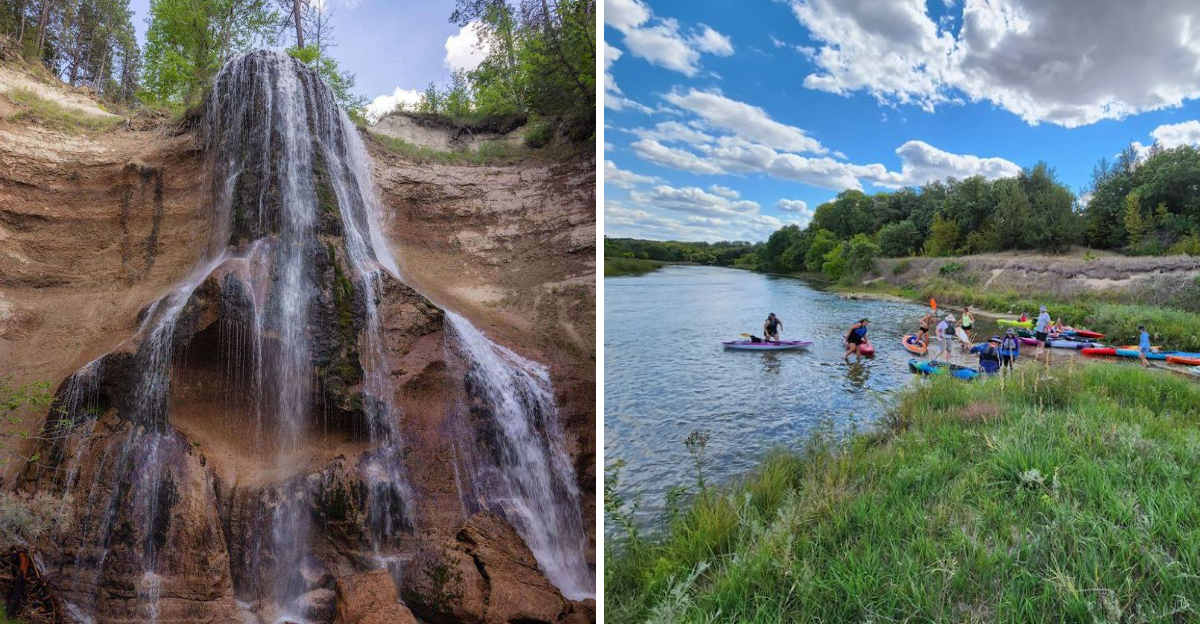
Picture this. You are floating down a river, with zero agenda for the next few hours.
Now picture that river is in Nebraska. Surprised?
Most people are. This river is the kind of place that makes folks rethink everything they assumed about this state.
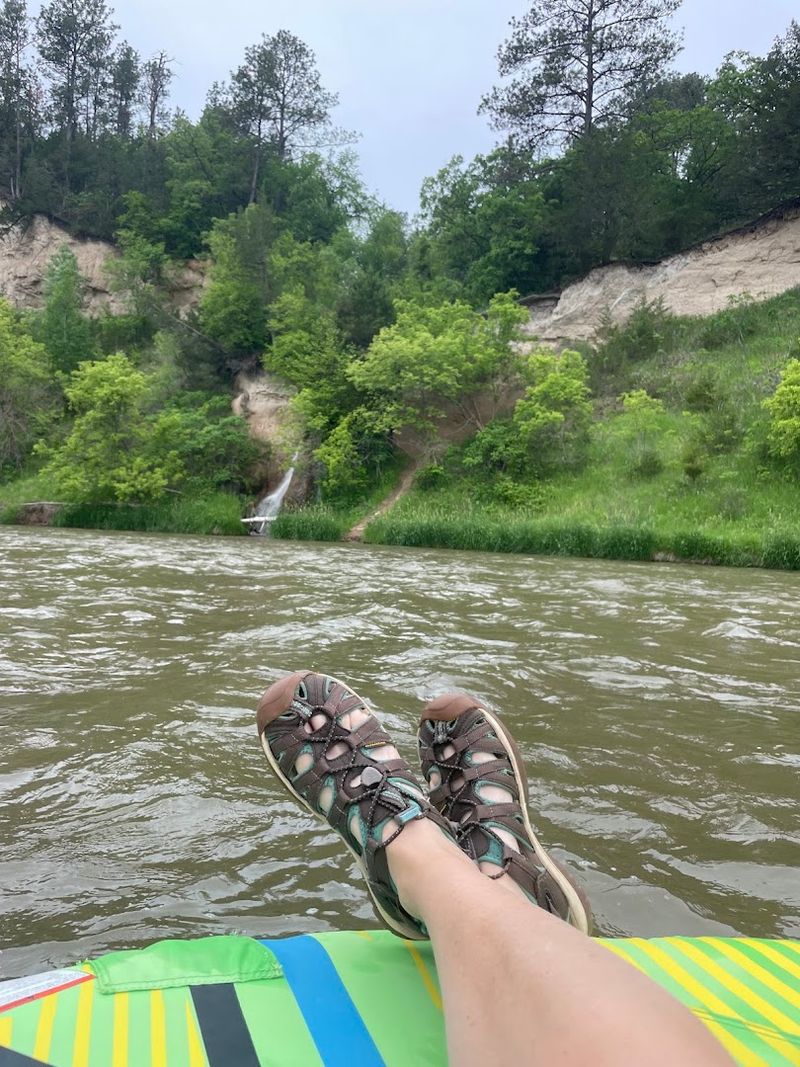
I am talking cliffs, lush green banks, and waterfalls that spill right into the water beside you. The current does all the work, so your only job is to relax and maybe gasp at the scenery.
It is slow travel at its finest, the rare adventure where doing absolutely nothing is the whole point.
You can tube it, kayak it, or just drift and let your worries float downstream.
Few experiences feel this peaceful and this beautiful at the same time. So clear your schedule, grab some sunscreen, and meet me on one of the prettiest rivers in the country.
The River Float Experience
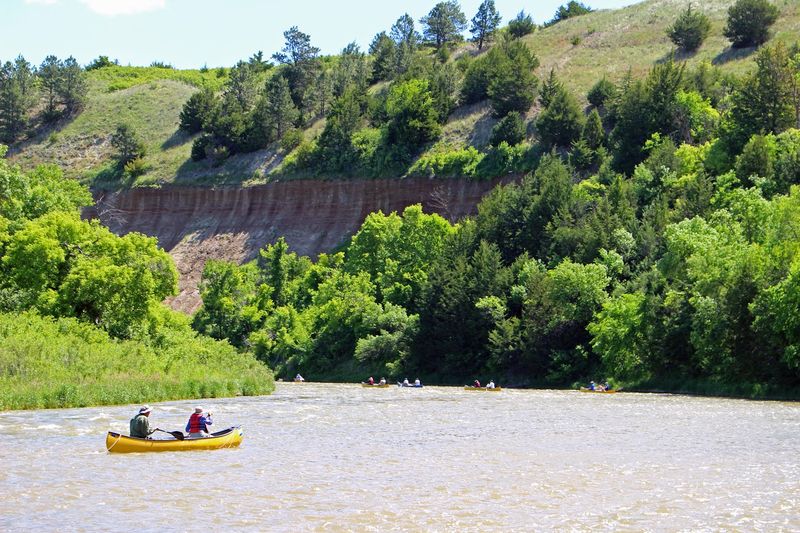
The Niobrara River does not ask much of you, and that is exactly why people keep coming back. This stretch of river in north-central Nebraska moves at a gentle, easy pace that feels almost like the river is giving you a tour.
Most floaters put in near the small town of Valentine, Nebraska, which sits right at the heart of the best floating section.
The water is surprisingly clear for a Midwestern river, with a sandy bottom you can see from your tube on calm days.
A typical float covers about five to seven miles depending on your launch point. That distance takes roughly two to four hours at a relaxed pace.
You are never in a rush, and the river seems to know that.
Families, solo adventurers, and groups of friends all find their rhythm here without any effort at all.
The current keeps things moving just enough that you can sit back and actually look around. And trust me, you will want to look around.
Every bend brings something new, whether it is a heron lifting off the bank or a waterfall you did not see coming. That surprise factor is what makes the Niobrara genuinely special.
The Cliffs Along The Riverbanks
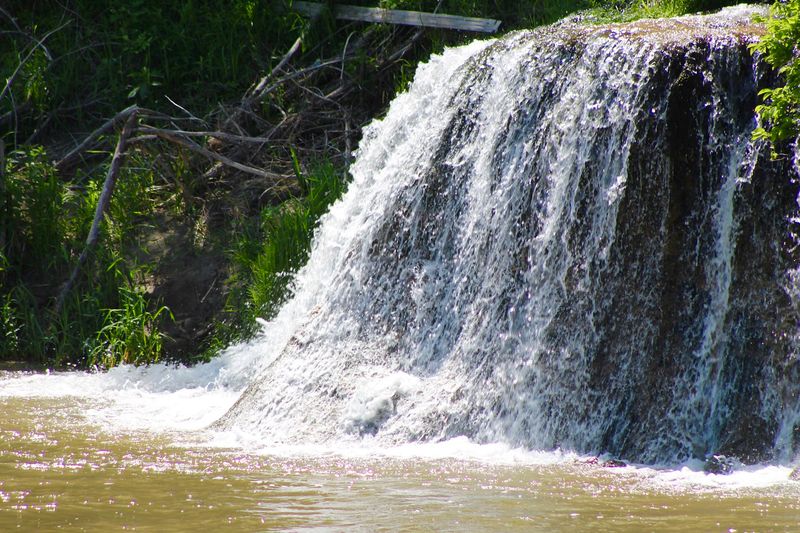
Nothing quite prepares you for the first time the cliffs appear around a bend in the Niobrara. They rise up suddenly, golden and layered, like someone stacked centuries of geology just to impress passing floaters.
These bluffs were formed over millions of years and can reach impressive heights along certain stretches of the river.
They create a canyon-like feel that you would not expect to find in the middle of the Great Plains. It is genuinely one of those moments where you question everything you thought you knew about Nebraska.
The cliffs also provide natural shade during afternoon floats, which is a bonus you will appreciate in July.
Birds of prey nest in the upper ledges, and you might spot a hawk circling overhead if you remember to look up. The contrast between the pale rock and the green riverbank vegetation is striking in every season.
Photographers tend to stop paddling entirely when the cliffs come into view. The light hits the stone differently throughout the day, making early morning floats especially gorgeous.
If you want the best shots, morning light on the eastern-facing bluffs is absolutely worth the early wake-up call.
The Waterfalls That Appear Out Of Nowhere
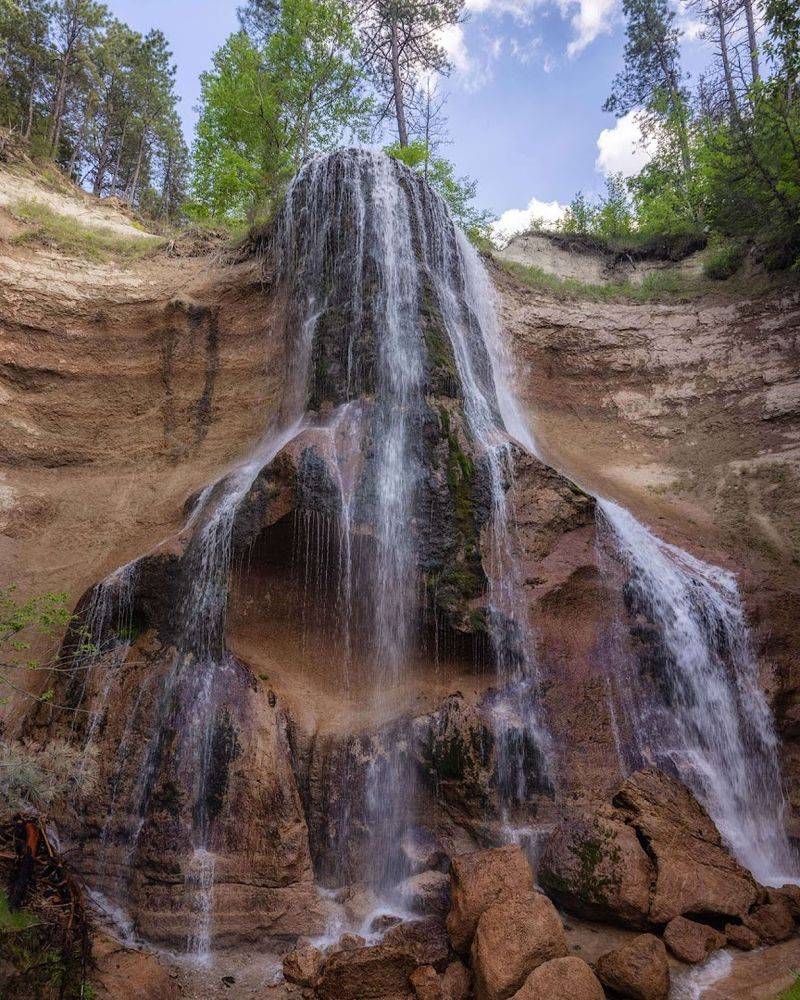
Waterfalls in Nebraska sound like a punchline, but the Niobrara River delivers them without apology. Several small but genuinely beautiful falls spill down from the bluffs and side streams directly into the river as you float past.
Smith Falls State Park sits right along this stretch and is home to Smith Falls, the tallest waterfall in Nebraska at around 63 feet. It is a short walk from the river, and most floaters pull over to visit it.
Standing at the base of that falls with cool mist on your face in August feels like finding an oasis.
Beyond Smith Falls, smaller cascade features pop up regularly along the float route.
The moss-covered rocks around these falls look almost tropical in the right light.
The sound of falling water is actually a navigation cue out here. When you hear it before you see it, you know something worth stopping for is close.
Experienced Niobrara floaters develop a habit of going quiet around bends, listening for that unmistakable rush before the waterfall comes into view.
The Wildlife You Will Encounter On The Water
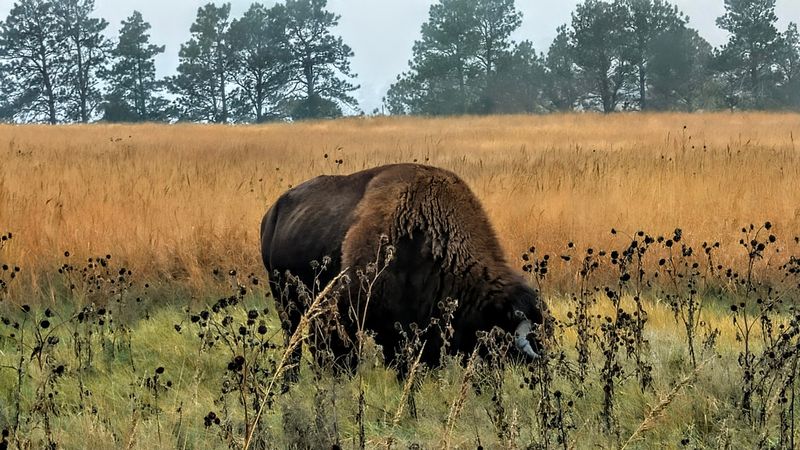
Floating the Niobrara River is basically a wildlife tour that nobody formally organized, and that is what makes it so good.
The river corridor serves as a meeting point for species from multiple distinct ecosystems, which is rare anywhere in the country.
Great blue herons are practically guaranteed sightings. They stand in the shallows with an almost regal stillness until your tube drifts too close, and then they lift off with that slow, prehistoric wingbeat that never gets old.
White-tailed deer are common along the banks in the early morning hours.
The Niobrara Valley Preserve, managed by The Nature Conservancy, protects a significant section of the river corridor.
This designation means the land on either side stays wild, giving animals a continuous habitat to move through. Bald eagles have been spotted here during migration seasons.
Turtles are constant companions on a sunny float day. They line up on every log and rock like they are waiting for a parade.
If you float quietly without a lot of splashing, you can get remarkably close before they slide into the water. The biodiversity along this river is something ecologists genuinely study and celebrate.
Smith Falls State Park And Why You Should Stop
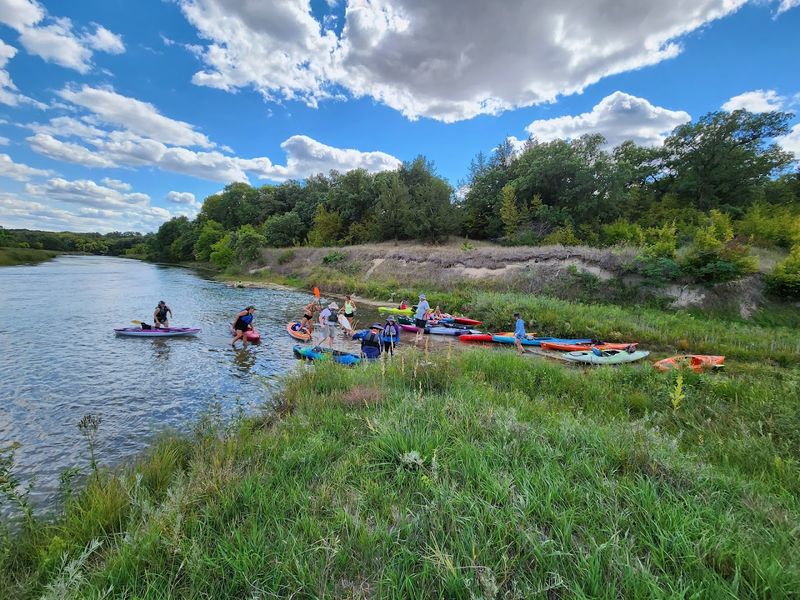
Smith Falls State Park earns its reputation every single time. The park sits along the Niobrara River and gives floaters a legitimate reason to pull their tubes to the bank and explore on foot for a while.
The main attraction is Smith Falls itself, which drops about 63 feet down a layered rock face into a small pool below.
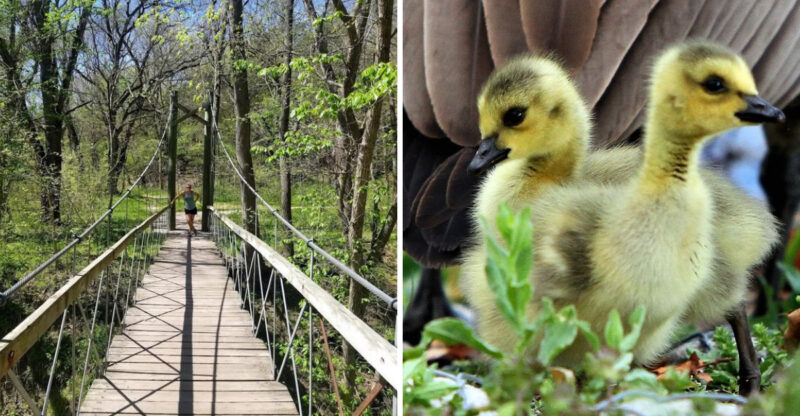
The trail to the falls from the river is short and easy, crossing a scenic footbridge along the way. Even on a crowded summer weekend, the walk through the shaded forest feels peaceful.
The park also offers camping, which means you can turn a day float into an overnight adventure without much planning.
Waking up next to the Niobrara with coffee in hand is one of those experiences that sounds simple but sticks with you for years. The campground fills up on summer weekends, so booking ahead is smart.
Beyond the falls, the park has picnic areas and restrooms, which floaters genuinely appreciate mid-trip.
It serves as a natural halfway point on longer floats, giving everyone a chance to stretch, refuel, and soak in the surroundings before heading back out on the water. Few state parks deliver this much value for the entry fee.
What To Pack For A Perfect Float Day
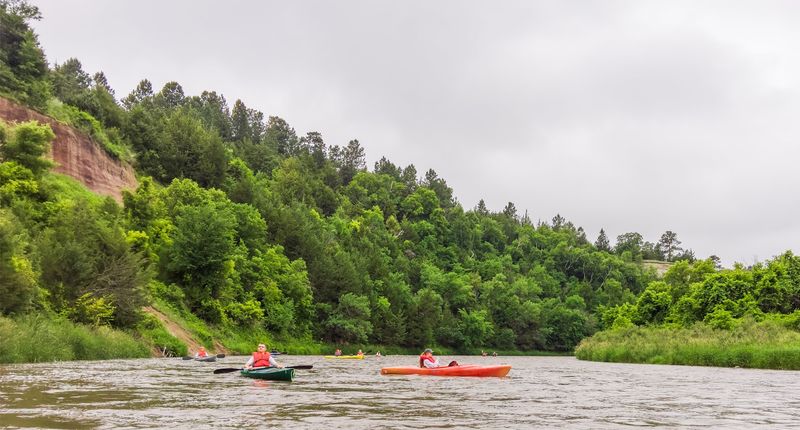
Packing for a Niobrara float is not complicated, but getting it wrong can turn a great day into a miserable one. The river is shallow and calm, but you will get wet, and the sun out here has no mercy in the summer months.
A dry bag is your best friend on this trip. Keep your phone, keys, and any snacks inside one, because even a gentle float will splash your belongings at some point.
Waterproof phone cases are also worth the small investment if you plan to take photos from the water.
Sunscreen is non-negotiable. You are sitting on the water for hours with the sun reflecting off the surface directly at your face.
Reapply every two hours and bring more than you think you need.
Water shoes or old sneakers are better than sandals for launching and landing on rocky banks.
Bring more water than feels necessary. Floating in the sun is dehydrating even when you feel cool from the river water.
A small cooler with snacks and cold drinks makes the float significantly more enjoyable. Most outfitters near Valentine can rent you a tube, cooler float, and dry bag if you do not want to haul your own gear.
The Best Time Of Year To Float
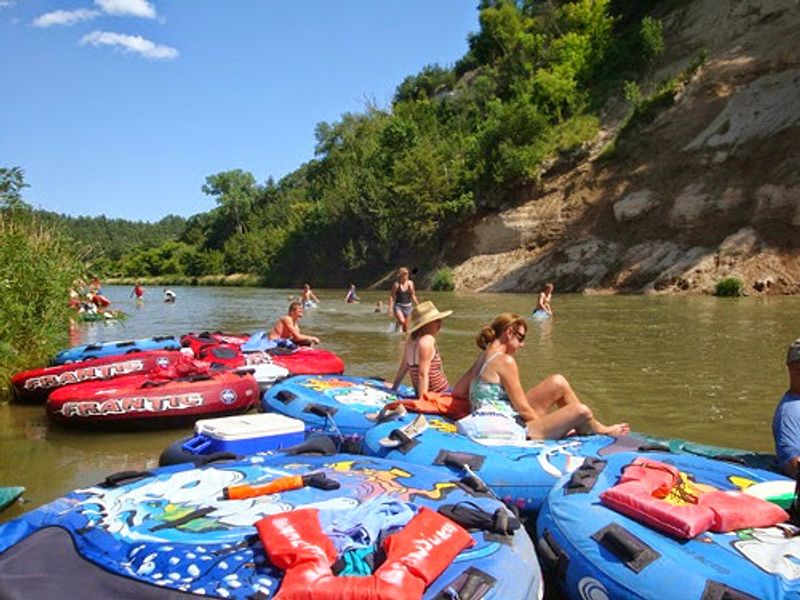
Timing a Niobrara float correctly makes a real difference in the experience you walk away with.
The river runs year-round, but floating season is generally considered late May through early September for comfortable conditions.
June and July are peak season for a reason. Water levels are typically good, the vegetation is fully green, and the waterfalls run strong from spring moisture.
The trade-off is that weekends in July can get busy near the popular launch points. If crowds are not your thing, a weekday float in June is genuinely ideal.
August floats have a different character. The light is golden and heavy, the days are long, and the river runs a little lower but remains floatable on most stretches.
Late August can feel like the whole river exhales after the busy summer rush, and the wildlife seems to move closer to the water as a result.
Early September is a local favorite for good reason. Crowds thin out noticeably after Labor Day, the cottonwood trees begin their early color change, and the air temperature is comfortable without the intense July heat.
The river does not stop being beautiful just because summer ends, and autumn on the Niobrara is genuinely underrated.
Float Outfitters Near Valentine Nebraska
You do not need to own any gear to float the Niobrara, and that is part of what makes this trip so accessible.
Several outfitters operate near Valentine, Nebraska, offering tube rentals, shuttle services, and local advice that money genuinely cannot buy elsewhere.
Most outfitters will drop you off at your launch point and pick you up at the take-out, which means you never have to worry about a car shuttle.
That logistical simplicity is a bigger deal than it sounds when you are trying to coordinate a group float. Some companies also offer guided trips for first-timers who want a more structured experience.
Pricing is reasonable compared to most outdoor recreation activities. A basic tube rental with shuttle service typically runs between twenty and forty dollars per person depending on the float length and the outfitter.
Reservations on summer weekends are strongly recommended because popular time slots fill quickly.
Local outfitters are also your best source for current river conditions. Water levels change with rainfall, and the people running shuttles every day know exactly what stretch is floating well on any given week.
Asking them for a recommendation before you commit to a specific route is always worth the two-minute conversation at check-in.