California’s Banana Belts Are The Sunny Microclimates You Never Knew Existed
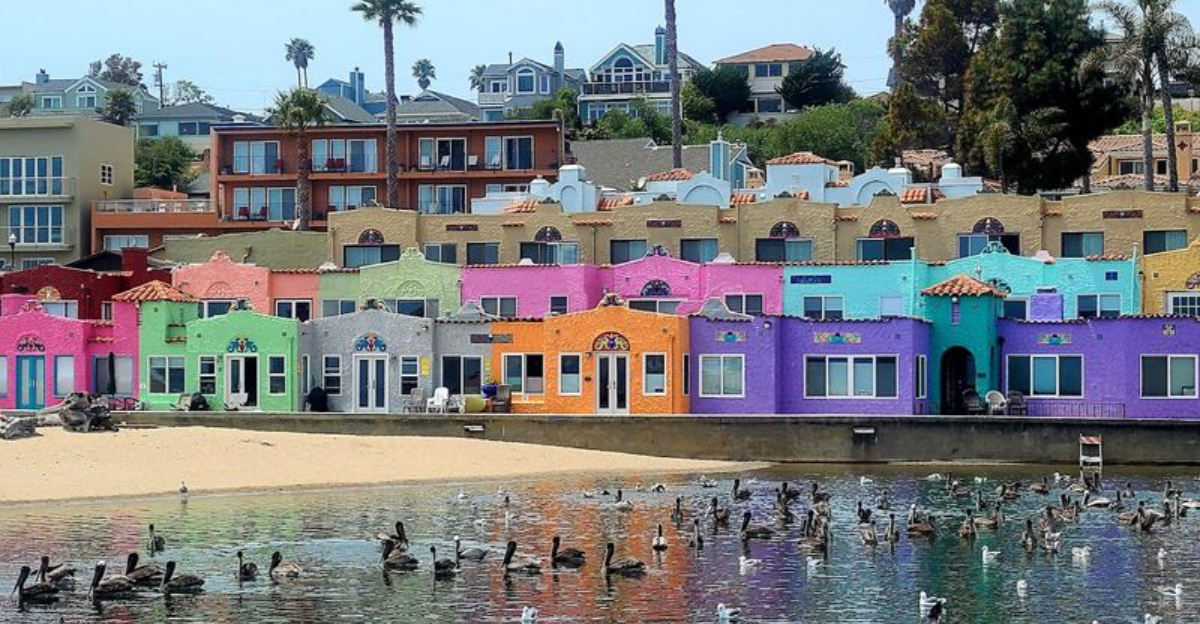
California is famous for sunshine, but some places seem to get extra credit.
These are the banana belts. Not tropical islands. Not secret resorts. Just oddly blessed little pockets where the weather feels warmer and slightly smug about it.
They can show up along the coast, in foothill towns, near mountain slopes, and in spots where geography plays favorites.
Cold air slides away. Sun lingers longer. Wind behaves itself for once.
Suddenly, one small area feels different from the places around it, even when the map says they should be nearly the same.
California hides tiny weather loopholes in plain sight.
That is what makes banana belts so interesting. They are not always obvious until you feel them.
One town gets fog. Another gets blue sky. One hillside feels chilly. Another nearby stretch feels ready for citrus trees and people saying, “It’s always nicer over here.”
Sure, the name sounds goofy. The weather trick however? It’s 100% real.
1. Gualala, Sonoma/Mendocino Coast
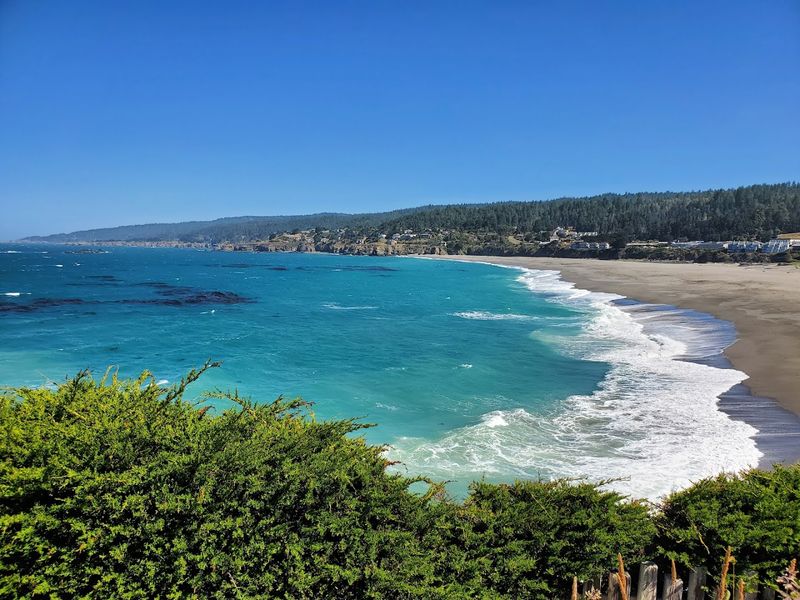
Perched right at the border of Sonoma and Mendocino counties, Gualala sits in a stretch of coastline that surprises visitors with its warmth and brightness.
The town benefits from a sheltered position along the Gualala River estuary, which helps deflect some of the heavier marine layer that blankets much of the Northern California coast.
On many days when nearby areas are wrapped in fog, Gualala can feel noticeably sunnier and calmer.
The microclimate here allows for lush vegetation that looks almost tropical in places, with ferns, succulents, and flowering shrubs thriving in gardens and roadside patches.
Gardeners in the area tend to have success with plants that would simply not survive a harder frost zone.
The mild winters keep the landscape green and growing through seasons when inland regions go dormant.
Travelers passing through on Highway 1 often stop to enjoy the coastal views and the unusual warmth that feels out of place for this latitude.
The combination of ocean proximity, river shelter, and hillside positioning creates the kind of microclimate that makes Gualala feel like a small sunny reward tucked into an otherwise rugged and dramatic coastline.
2. Sea Ranch, Sonoma Coast
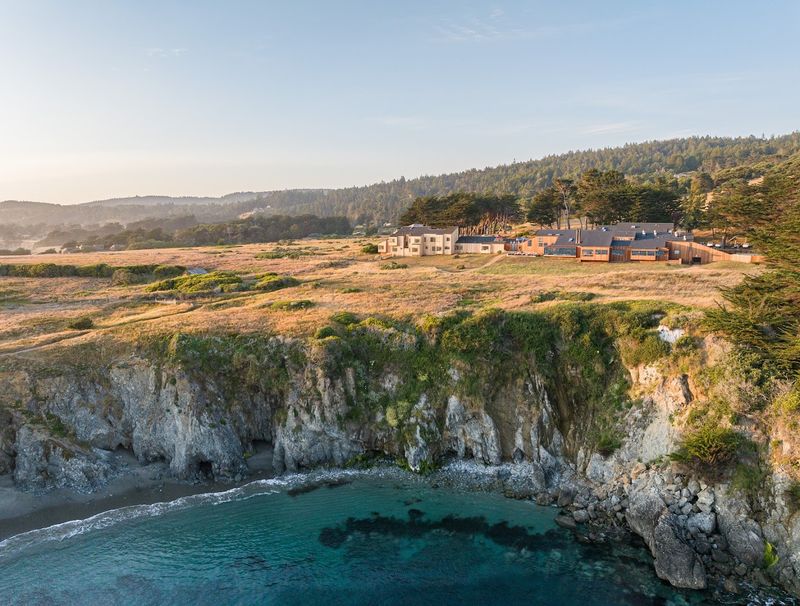
Few places along the Sonoma Coast feel as deliberately sun-soaked as Sea Ranch, a planned community that stretches for about ten miles along Highway 1.
The design of the community was intentional about working with the natural landscape rather than against it, and the result is a place where the microclimate is something residents genuinely talk about.
Certain pockets within Sea Ranch receive noticeably more sunshine than others, particularly on the slightly elevated meadow areas above the bluffs.
The combination of open grassland, ocean exposure, and thoughtful land management keeps the air clean and the light particularly clear on calm days.
Cypress windbreaks planted throughout the property help shelter gardens and outdoor spaces from the persistent coastal wind, making it easier to spend time outside even on brisk days.
The vegetation throughout Sea Ranch reflects the mild conditions, with hardy coastal plants mixed alongside surprisingly tender species.
Visitors who rent one of the many private homes available through vacation rental platforms often mention being caught off guard by how pleasant the weather feels compared to what they expected from a Northern California coastal trip.
Sea Ranch rewards those who pay attention to its subtler charms, and its microclimate is certainly one of them.
3. Anchor Bay, Mendocino Coast
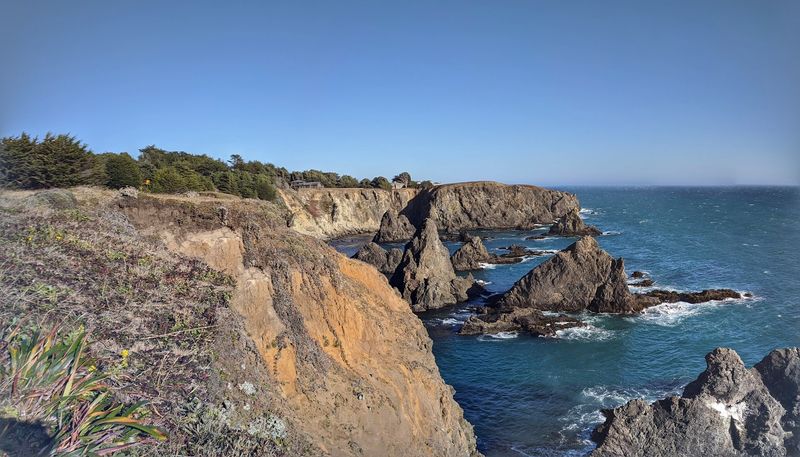
Anchor Bay is a small and easy-to-miss community along the Mendocino Coast, but those who know it well tend to speak about its weather with genuine appreciation.
Sitting just north of Gualala along Highway 1, the area benefits from a similar river valley and hillside configuration that helps moderate the coastal fog and hold warmth close to the ground.
On many mornings when the surrounding coast is still gray, Anchor Bay can already be warming up under open skies.
The microclimate here supports a range of plants that simply would not thrive in harsher coastal zones.
Local gardens often feature citrus trees, Mediterranean herbs, and other species that need reliable warmth to produce well.
The terrain slopes gently toward the ocean, which helps cold air drain away from settled areas rather than pooling and causing frost damage.
For travelers, Anchor Bay offers a quieter and less crowded alternative to some of the more well-known Mendocino Coast destinations.
The combination of rocky shoreline scenery, warm pockets of sunshine, and relaxed pace makes it a genuinely pleasant stop.
Spending even a few hours there on a clear day gives a real sense of what a coastal banana belt actually feels like from the inside.
4. Sausalito Banana Belt, Marin County
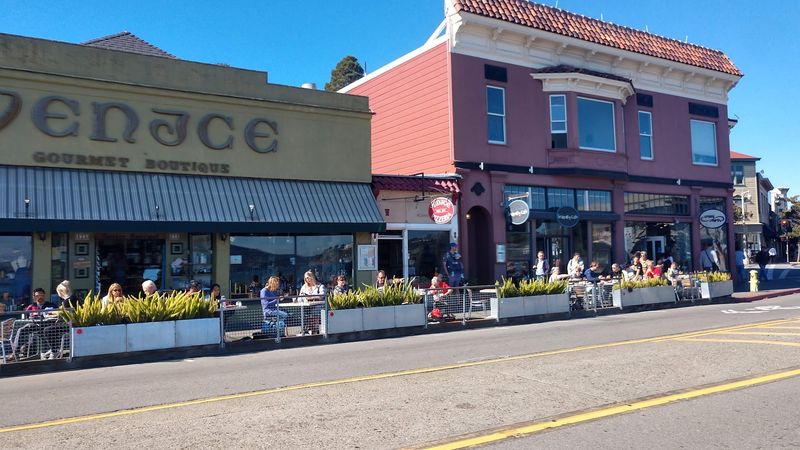
Sausalito is already known for its picturesque setting along the San Francisco Bay, but fewer people realize that certain hillside sections of the town have earned a distinct identity as a banana belt.
The elevated areas above the waterfront receive significantly more sunshine than the bay-level areas, largely because they sit above the marine layer that rolls in from the Golden Gate.
On days when downtown San Francisco is buried in fog, these Sausalito hillsides can be bathed in warm, clear light.
Wolfback Ridge and the higher residential streets are often cited as the most reliably sunny parts of this microclimate zone.
Gardens in these areas tend to flourish with plants that need consistent warmth, and residents often grow citrus, succulents, and even some subtropical species without much trouble.
The warmth is not extreme but it is notably consistent, especially during the fall and early winter months when the rest of the Bay Area cools down quickly.
The roughly 300 sunny days per year that some parts of Sausalito reportedly experience make it one of the more remarkable banana belt examples in the greater Bay Area.
For anyone who has ever wondered why certain Sausalito homes seem to have such lush and unusual gardens, the microclimate is a big part of the answer.
5. South Banana Belt, Sausalito
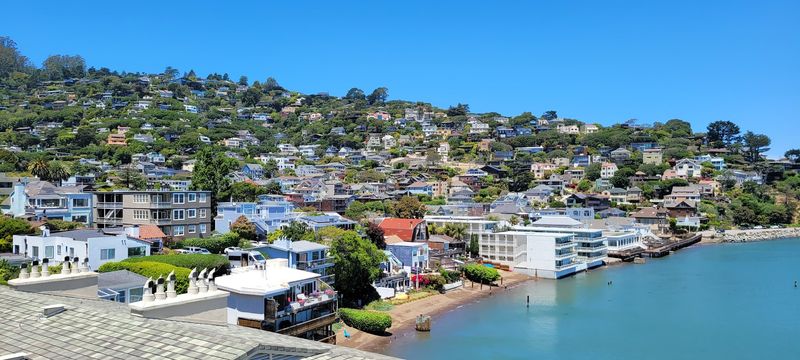
Within Sausalito itself there is a further distinction worth knowing about, and that is the area sometimes referred to as the South Banana Belt.
This section sits at the southern end of the town’s hillside neighborhoods and tends to capture even more sun exposure due to its specific orientation and elevation.
The topography here allows cold air to drain efficiently downhill toward the bay, which keeps frost events extremely rare and the overall temperature range remarkably stable through the year.
Spring Street Valley and Nevada Street Valley are among the pockets within this zone that locals often highlight for their unusual growing conditions.
Gardeners in these areas experiment with plants that most Bay Area residents would never attempt outdoors, and the results are often impressive.
The warm microclimate combined with the naturally sheltered valleys creates conditions that feel much closer to a Mediterranean climate than a typical Northern California coastal setting.
Walking through the South Banana Belt on a clear afternoon gives a sensory reminder of how much local topography shapes daily life.
The light feels different here, warmer and more direct, and the plant life along garden walls and fence lines tells the story of a neighborhood that has learned to take full advantage of its fortunate position on the hillside.
6. Santa Cruz Banana Belt, Santa Cruz County

Home to one of the most well-documented collections of banana belt microclimates in California is Santa Cruz County, and the broader county-wide pattern is worth understanding before looking at individual communities.
The banana belt zones here are typically found about a quarter mile to one mile inland from the coast and sit at elevations ranging from roughly 100 to 400 feet above sea level.
That combination of slight distance from the shoreline and modest elevation puts these areas above the densest marine layer while still benefiting from the ocean’s moderating influence.
Winter lows in these zones rarely drop below the mid-30s Fahrenheit, and summer highs stay comfortably below 85 degrees on most days.
That kind of stable, mild range is exactly what frost-sensitive plants need to thrive, and the gardens throughout Santa Cruz County’s banana belt areas reflect those conditions beautifully.
Meyer lemons, kumquats, figs, persimmons, and even some banana varieties grow successfully in these neighborhoods.
The broader Santa Cruz banana belt pattern also affects how outdoor life feels for residents.
Spending time in a garden or on a back porch in these areas tends to feel noticeably more comfortable than at the beach level just a short distance away.
7. Capitola, Santa Cruz County
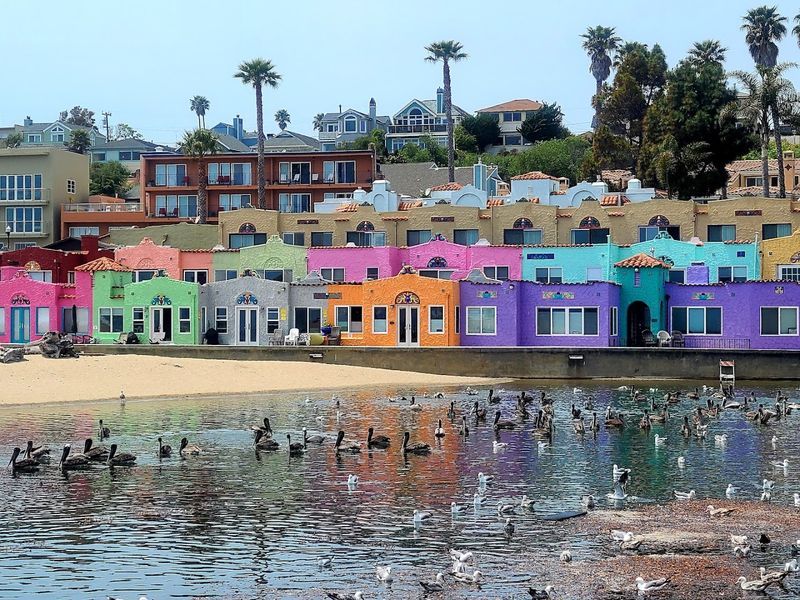
Capitola Village is one of the most charming spots along the Santa Cruz County coastline, and the hillside areas above the village carry a well-earned reputation as a reliable banana belt zone.
The village itself sits at the mouth of Soquel Creek, and the hills rising behind it create a natural shelter that traps warmth and limits the reach of coastal fog.
On mornings when the beach is cool and gray, the hillside neighborhoods above can already feel like a different season entirely.
Gardeners in the Capitola hills have long taken advantage of the microclimate to grow plants that push the limits of what coastal Central California can support.
Citrus trees are common in backyard gardens here, and some residents have successfully grown subtropical plants that would struggle just a few blocks closer to the water.
The elevation and aspect of the hillside combine to create a genuinely distinct growing environment.
For visitors to Capitola, the village itself is the main draw with its painted cottages, beachside esplanade, and relaxed pace.
But looking up at the hills behind the village and noticing the lush, green, and almost tropical-looking gardens tucked along the slopes gives a quiet hint that something climatically special is happening just above the shoreline.
It is one of those details that rewards curious travelers who look a little closer.
8. Aptos, Santa Cruz County
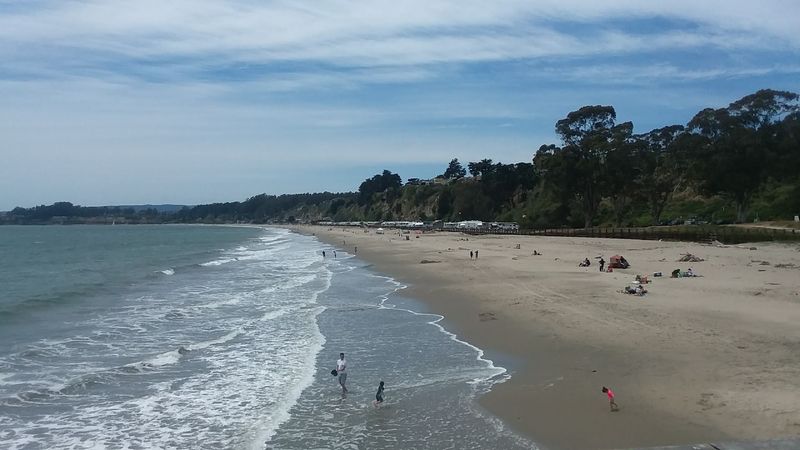
This comfortable, unhurried character that fits perfectly with its position as one of Santa Cruz County’s most reliable banana belt zones.
The community spreads across a series of hillside neighborhoods and wooded valleys that sit just far enough from the immediate coast to escape the heaviest fog while still benefiting from the ocean’s temperature-moderating effect.
The result is a climate that feels genuinely pleasant for most of the year, with fewer extreme days in either direction than most of California experiences.
Aptos Village and the hills surrounding it are particularly noted for their warm microclimate, and the plant life throughout the area reflects those conditions.
Mature fig trees, citrus groves, and established vegetable gardens are common sights in residential yards, and the growing season here tends to stretch longer than in cooler coastal communities nearby.
Gardeners who move to Aptos from other parts of the Central Coast often express surprise at how much more they can grow.
The overall feel of spending time in Aptos is one of quiet warmth, both in terms of climate and atmosphere.
The farmers market, the local trails, and the village center all benefit from a setting that feels sheltered and sun-dappled rather than wind-swept and foggy.
9. San Luis Obispo Banana Belt, San Luis Obispo
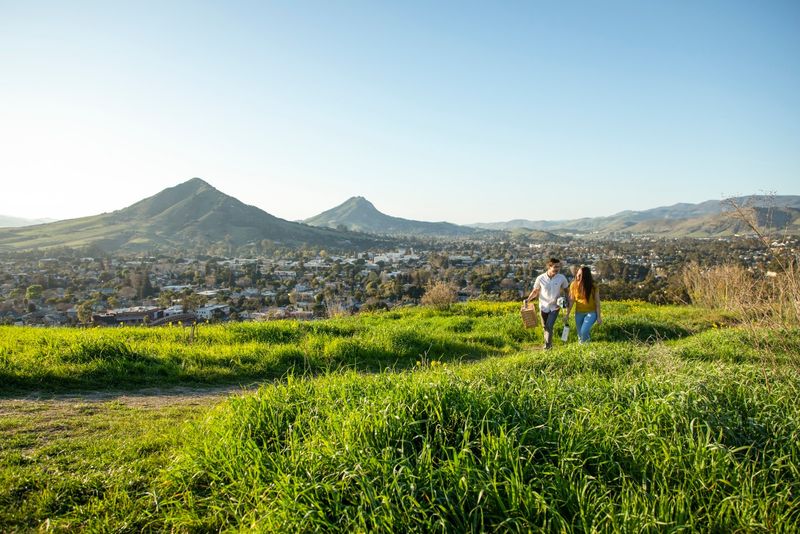
San Luis Obispo has a reputation as one of the most pleasant mid-sized cities in California, and part of that reputation comes from a specific microclimate zone on its eastern hillside edges.
Real estate professionals in SLO have long used the term banana belt to describe properties east of Johnson Avenue stretching from San Luis Drive toward Orcutt Road.
These properties sit at a slightly higher elevation along the foothills, which keeps them warmer and sunnier than the cooler, lower-lying parts of the city.
The elevation difference is modest but meaningful, enough to place these hillside neighborhoods consistently above the cool air that pools in the valley floor on cold nights and foggy mornings.
Frost events are rare in this zone even when nearby areas experience them, and the extended warmth supports a growing season that feels more like Southern California than Central Coast.
Gardens in these neighborhoods tend to be lush and productive, with citrus trees and warm-season vegetables performing particularly well.
For anyone spending time in San Luis Obispo, the difference between the banana belt hillsides and the downtown area can be felt on a clear winter afternoon.
The hilltop streets feel noticeably warmer and more open, with a quality of light that makes the surrounding landscape look almost Mediterranean.
It is one of those local details that longtime residents know and newcomers quickly appreciate.
10. Saticoy Area, Ventura County
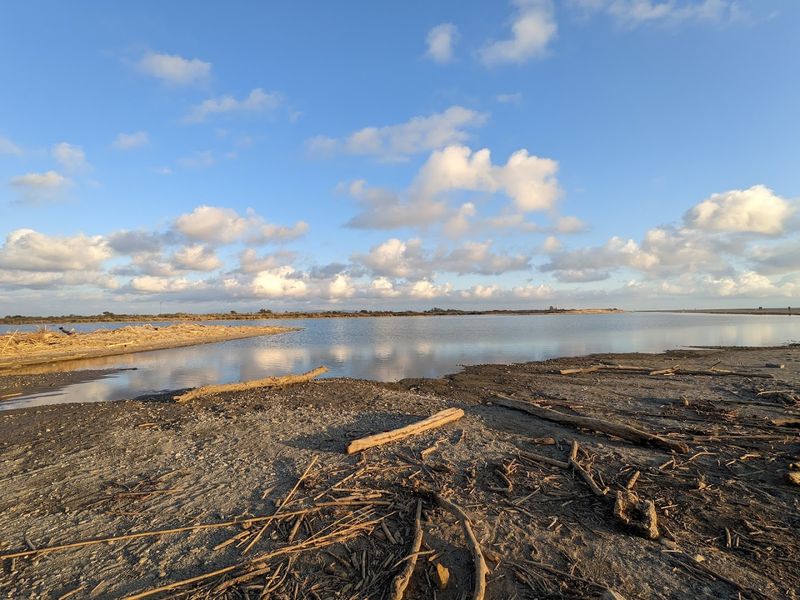
Along the Santa Clara River in Ventura County there is a stretch of agricultural land centered around the community of Saticoy that has earned a genuinely remarkable reputation among those who study California’s microclimates.
The terrain here creates a natural thermal trap, with eastern cliffs and hillsides that circulate ocean breezes across the valley floor while blocking the colder air that flows down from inland mountain ranges at night.
The result is winter nights that can run eight to ten degrees warmer than surrounding areas.
That temperature difference is significant enough to support subtropical agriculture that would not be viable almost anywhere else at this latitude.
The Saticoy area is reportedly home to the only commercial banana farm in the western United States, which is a striking fact that says a great deal about just how unusual this microclimate truly is.
Citrus groves are also common throughout the valley, taking advantage of the frost-free conditions that the terrain provides naturally.
Driving through the Saticoy area on a clear winter day, the agricultural landscape feels almost incongruously lush and green compared to the dry hillsides visible just beyond the valley walls.
The warmth is tangible and the vegetation tells the story of a place where the geography has created something genuinely special and worth understanding.