The 67-Acre North Carolina Coastal Garden Where You Can Walk Through A Fluttering Sanctuary Of Native Butterflies
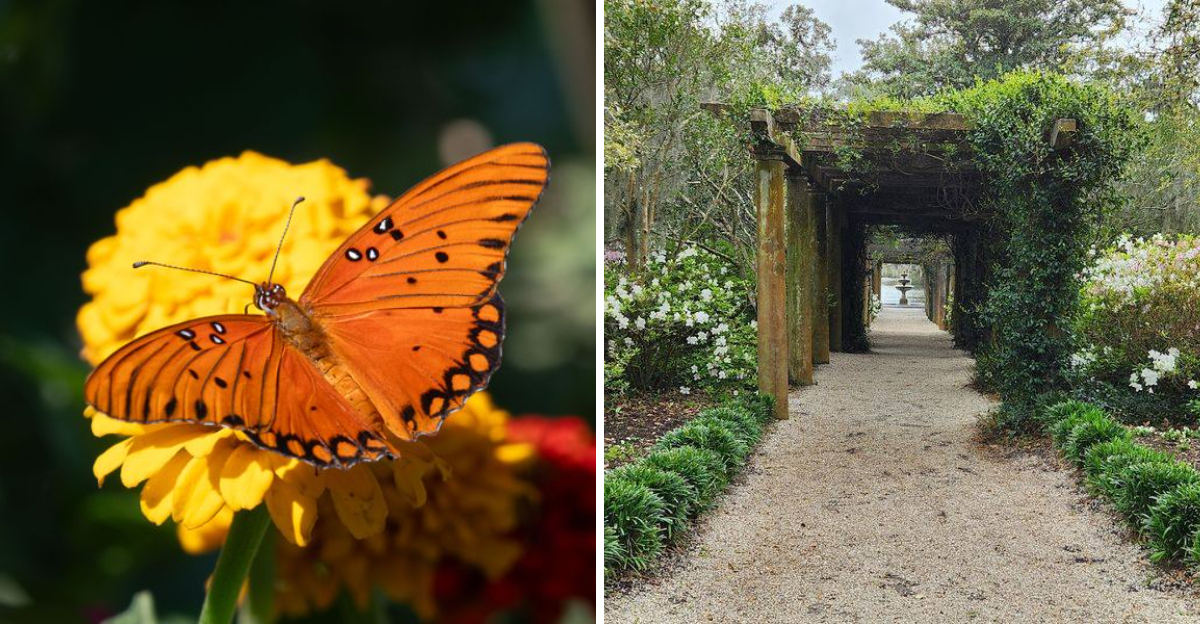
Heaven probably has better parking, but this North Carolina garden makes a very strong case for being in the conversation.
One walk through the gate, and regular life starts feeling a little underdressed.
Spread across 67 acres in Wilmington, the grounds have that rare kind of beauty that does not need to shout for attention.
It simply surrounds you until slowing down feels less like a choice and more like the only reasonable response.
Butterflies move through the sanctuary with ridiculous grace, old trees seem to know every secret in the county, and the whole place carries a calm that feels almost unfair to the rest of the day.
Call it peaceful. Call it gorgeous.
Call it heaven with walking paths.
This Coastal Garden Feels Bigger Than A Simple Stroll
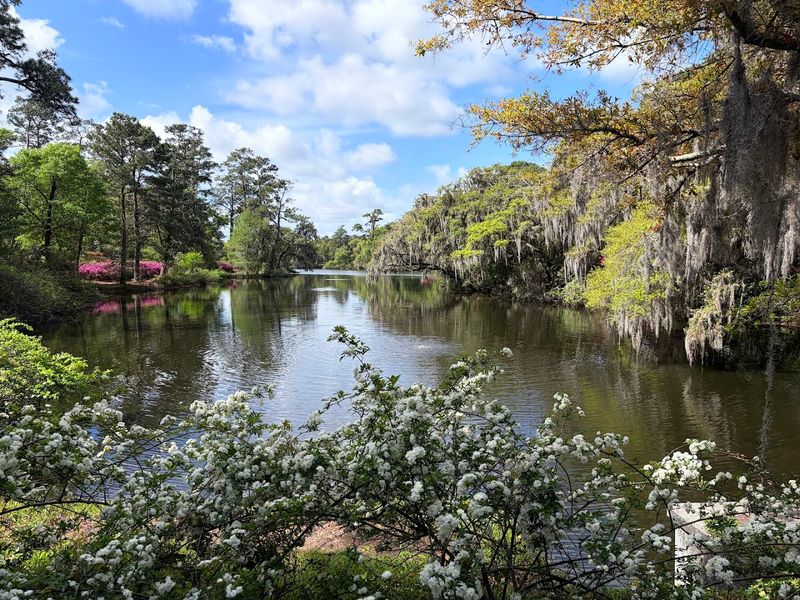
Sixty-seven acres may sound manageable until the paths start branching into gardens, woods, lakeside views, and art-filled corners that make the visit feel much larger than a quick walk.
Airlie Gardens sits at 300 Airlie Road in Wilmington, North Carolina, and regular public hours run from 9 a.m. to 5 p.m., giving guests enough time to explore without turning the day into a race.
Formal garden beds bring color and structure, while shaded trails under live oaks add a cooler, calmer rhythm. Freshwater lakes break up the route with reflections, turtles, birds, and benches that invite people to stop instead of rushing through.
New Hanover County residents receive discounted admission with ID, and general admission remains approachable for a garden with this much to see. Plan on at least two hours if you want more than a surface-level visit.
A longer stay makes room for the Butterfly House, Minnie Evans Bottle Chapel, Airlie Oak, sculpture, seasonal blooms, and those small unplanned moments that often become the best part.
The Butterfly House Adds A Fluttering Summer Surprise

Stepping into the Butterfly House brings an immediate shift in pace, because every movement suddenly feels worth noticing.
Airlie’s seasonal butterfly habitat spans about 2,700 square feet and focuses on native North Carolina butterflies, which gives the experience a real connection to the surrounding coastal landscape.
Warm light filters through the open-air structure while butterflies move between nectar plants, host plants, leaves, and quiet landing spots.
Monarchs, Gulf Fritillaries, Common Buckeyes, Black Swallowtails, and other native species may appear during the season, depending on timing and conditions.
Summer visits can also include special Tuesday butterfly releases, which usually pair the release with an educational talk about species, life cycles, and habitat needs. Registration may be required for those programs, so checking ahead is smart.
Children often become surprisingly still here, waiting for wings to pass close enough to feel magical. Since Butterfly House access is included with general garden admission, the sanctuary feels like part of the larger walk rather than a separate ticketed stop.
You Notice Color Moving Before The Flowers Do
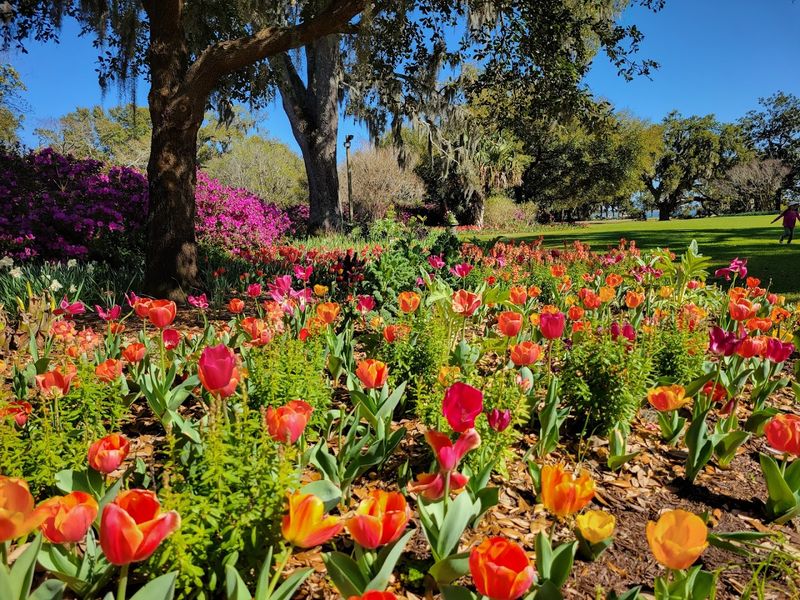
Color at Airlie Gardens rarely stays still. Near the Butterfly House, the Pollinator Garden turns flower beds into busy little stages where butterflies, bees, moths, and hummingbirds keep the scene moving from one second to the next.
Someone may arrive expecting blooms and end up watching wings instead, because the plantings are designed to support pollinators rather than simply look pretty for photographs.
Spring usually brings the famous azalea bloom, filling paths with soft pinks, whites, and bright garden color that draws serious attention from photographers.
Summer shifts the mood toward butterflies, thick greenery, warm air, and living motion around the flowers. Autumn softens the palette, while winter leaves behind structure, moss, sculpture, evergreen details, and seasonal features that still reward a slow walk.
Nothing depends on one perfect month. Each season gives the garden a different personality, and every version has movement built into it.
A flower may catch your eye first, but something alive often steals the attention before you finish looking.
Native Butterflies Make The Sanctuary Feel Alive
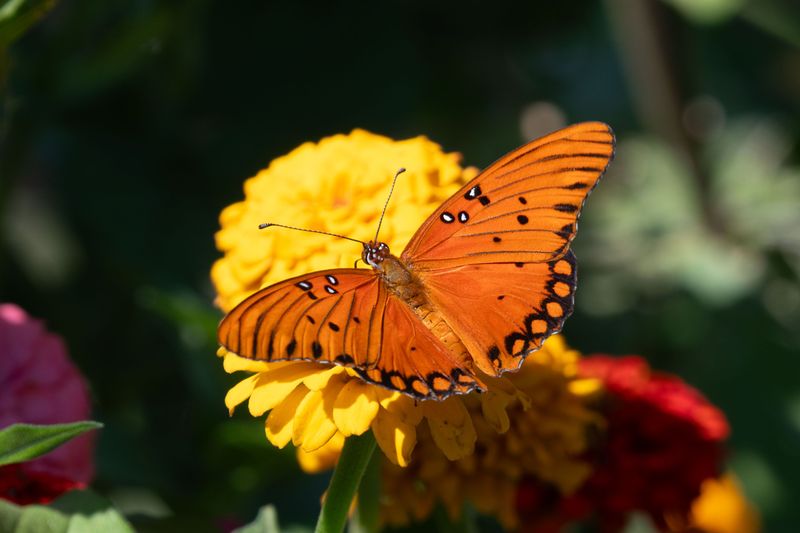
Choosing native butterflies gives Airlie’s sanctuary a stronger sense of purpose than a simple display could offer.
Species connected to North Carolina’s coastal environment belong in this landscape, and their presence makes the Butterfly House feel less like decoration and more like a small working habitat.
Monarchs may move toward milkweed, swallowtails may glide across flowering plants, and fritillaries may flash orange as they pass through warm patches of sunlight.
Since butterflies depend on specific host plants and nectar sources, the plantings matter as much as the wings people come to admire.
Eastern Tiger Swallowtails, North Carolina’s state butterfly, are among the native species many guests hope to see during the season. Watching them feed, rest, and move through the space can feel quietly exciting because the behavior appears natural rather than staged.
Staff care helps maintain the plant mix and seasonal conditions that support these insects. Close-up photos are a bonus, but seeing native species thriving in a garden setting becomes the real reward.
The Airlie Oak Gives The Walk A Historic Anchor
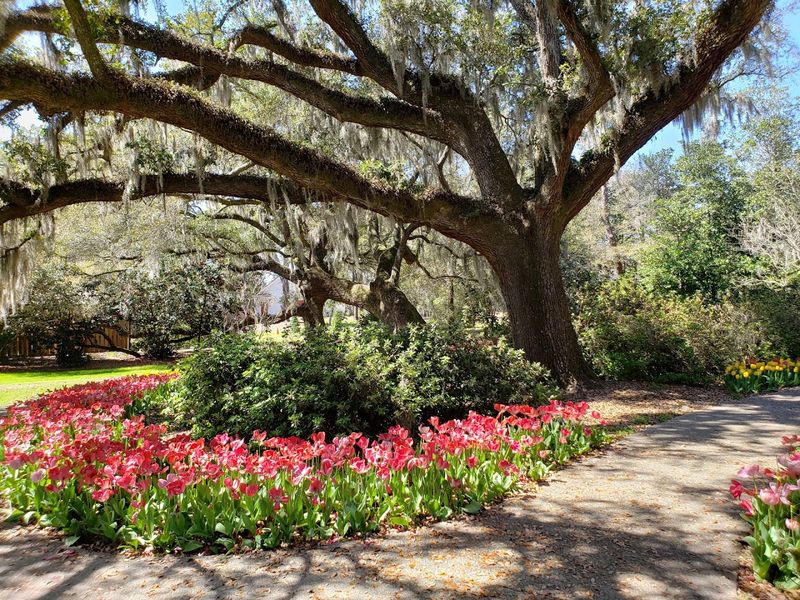
Few natural features in the garden carry the presence of the Airlie Oak.
Estimated to be several centuries old, this enormous live oak gives the walk a sense of age that flowers, sculptures, and seasonal displays cannot fully match.
Broad limbs stretch outward with the slow confidence of a tree that has survived storms, heat, salt air, and generations of change along the coast. Spanish moss adds softness, but the oak itself feels powerful and grounded.
Standing beneath it changes the scale of the visit, because suddenly everything else in the garden seems much younger.
Families often stop here for photos, partly because the tree looks dramatic and partly because the moment feels worth marking.
Interpretive information nearby helps give context, yet the oak does not need much explanation to make an impression. Shade gathers under its branches, voices tend to lower, and even a busy garden day can feel still for a minute.
History feels alive here without needing to be loud.
Garden Paths Turn Wilmington Into Something Softer
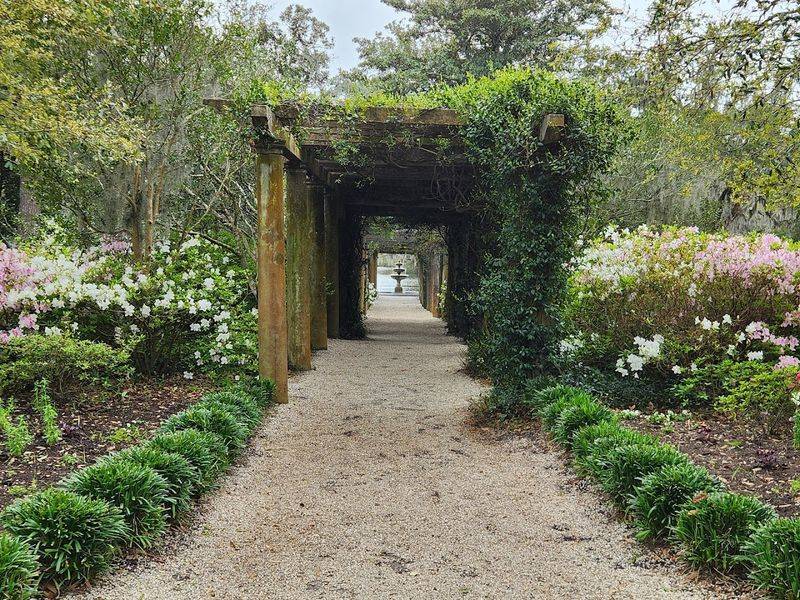
Wilmington has beaches, restaurants, riverfront energy, traffic, summer crowds, and plenty of movement, but Airlie Gardens lowers the volume almost immediately.
Paths curve through spaces that feel cared for without becoming stiff, and that balance gives the garden much of its appeal.
One route may pass flowering borders, while another slips beneath trees or opens toward water with very little warning. Sculptures and art installations appear along the way, giving the walk a sense of discovery rather than a straight checklist.
Minnie Evans Bottle Chapel stands among the most memorable stops, honoring the visionary artist who worked at Airlie and later became celebrated for vivid, symbolic artwork.
Glass bottles and colorful details catch sunlight across the structure, making it feel different as the light changes.
Benches placed throughout the grounds allow visitors to pause beside blooms, lakes, shade, or art without feeling like they are interrupting the route. After a while, the city feels nearby but softened, as if the garden has gently moved it into the background.
Lakes And Wildlife Keep The Visit From Feeling Predictable
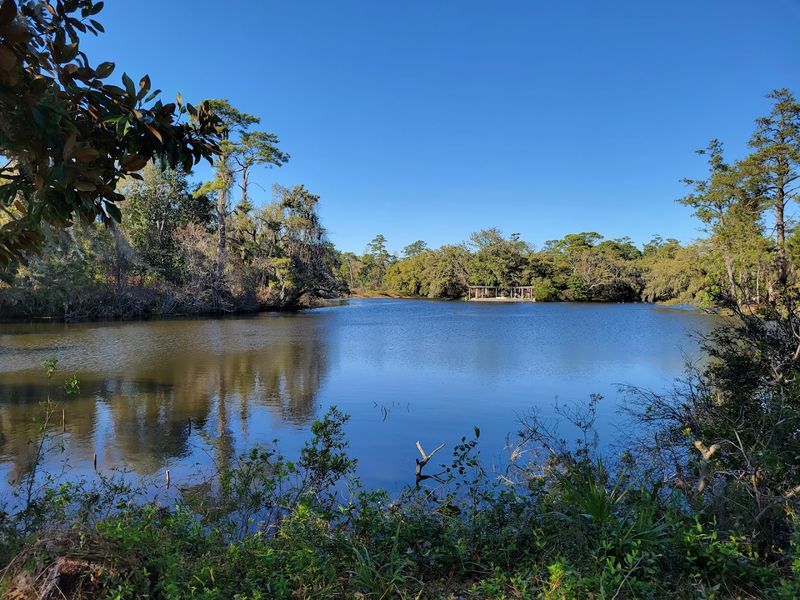
Freshwater lakes give Airlie Gardens a rhythm that flowers alone could never create. Water opens the landscape, reflects trees and sky, and changes the mood of the walk depending on the hour.
Morning light can make one view feel quiet and silvery, while late afternoon may turn the same spot warmer and more layered.
Turtles may sun themselves near logs or banks, and wading birds sometimes move through the reeds with slow, careful patience.
Wildlife sightings are never guaranteed, which helps them feel more exciting when they happen. Families can watch for small surprises without needing hiking gear or a difficult trail, and bird lovers may find enough activity to linger near the water.
Lakeside areas also create natural pauses between busier garden features, especially after the color and motion around the Butterfly House.
Coastal North Carolina supports a wide range of plant and animal life, and Airlie’s mix of water, trees, flowers, and quieter edges gives visitors an easy way to notice that richness up close.
This Sanctuary Makes A Quiet Day Feel Full Of Motion
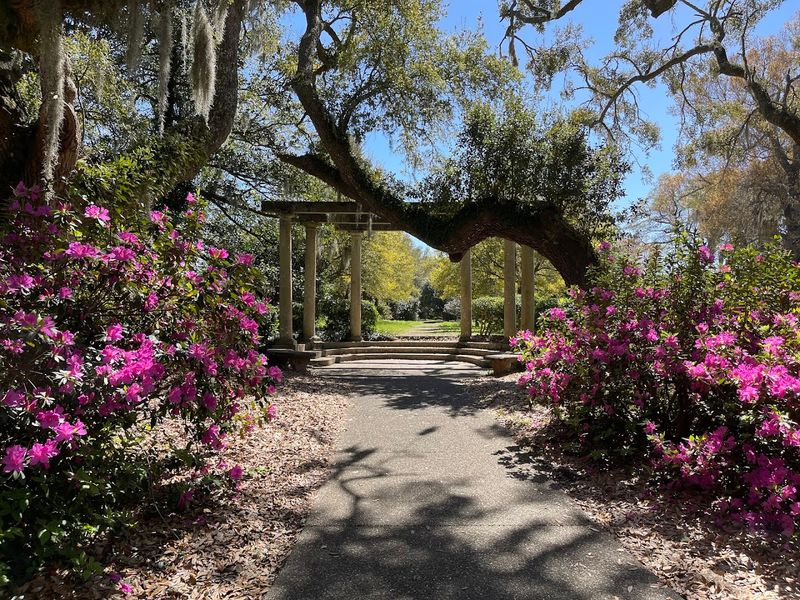
Quiet at Airlie Gardens never feels empty. Wings move through warm air, birds call from hidden branches, leaves shift above the paths, and water changes with every passing cloud.
Even when the garden feels peaceful, something is almost always happening just outside the center of attention.
Regular hours from 9 a.m. to 5 p.m. make it easy to plan a morning or afternoon visit, and arriving earlier can help guests enjoy cooler paths and lighter crowds.
Summer brings the added draw of the Butterfly House, while spring blooms, winter structure, art installations, freshwater lakes, and the Airlie Oak keep the garden from becoming a one-season attraction.
Each section offers a different kind of pause, from the fluttering movement of native butterflies to the grounded calm beneath ancient live oak branches.
Wilmington may have louder ways to spend a day, but few feel this layered. Airlie Gardens leaves people with the sense that a simple walk can still hold color, history, wildlife, and surprise.