This Idaho Ghost Town Was So Narrow That Trains Once Rumbled Straight Through A Hotel
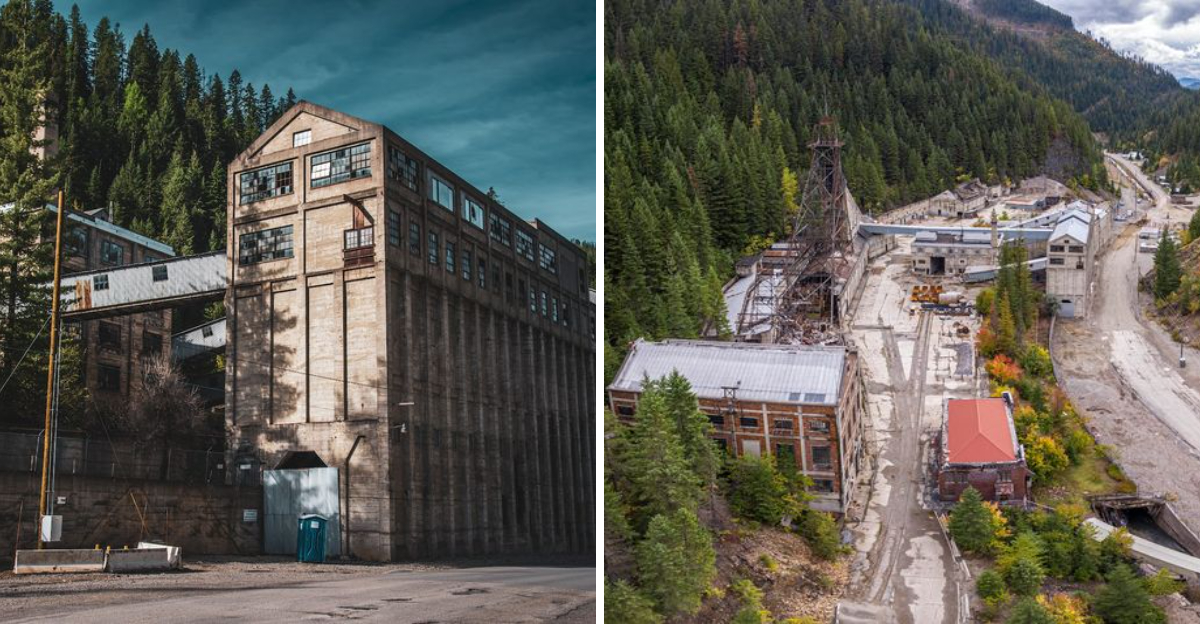
A canyon has to be seriously stubborn before a hotel decides the railroad can just come through the building.
That is the strange brilliance of this Idaho ghost town, where tight walls, mining-era pressure, and pure necessity created one of the wildest lodging stories in the West.
Burke did not have room to spread out like a normal town.
It squeezed itself into the canyon any way it could.
The result was the Tiger Hotel, a once-bustling building famous for sharing space with trains that passed beneath its roof.
That detail still sounds made up, which is exactly why the place is so fascinating.
Visiting today feels less like reading history and more like standing inside proof that people will build almost anywhere when silver, survival, and stubbornness are involved.
Stand Where A Hotel Once Had Trains Running Through Its Lobby
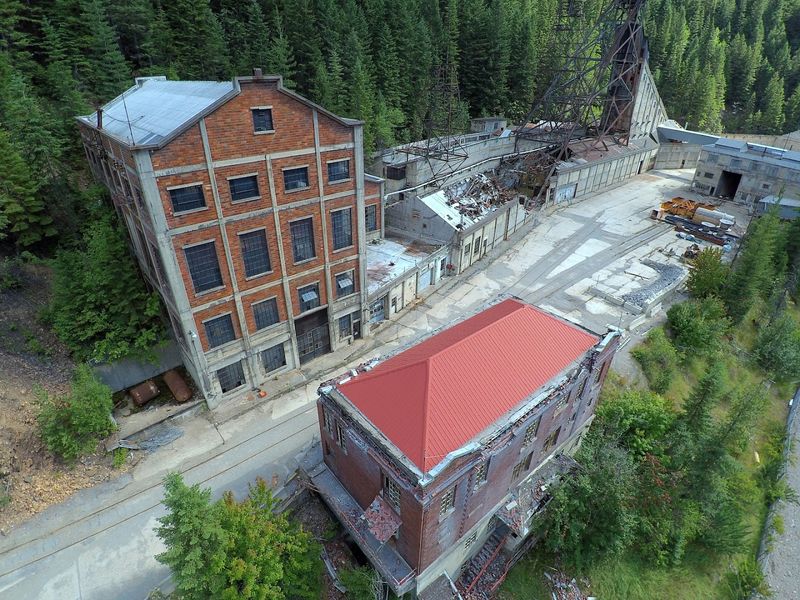
Standing in Burke Canyon today takes some imagination, but the Tiger Hotel story does not need much help to feel outrageous. The hotel was a three-story, 150-room building that served miners and travelers in one of Idaho’s strangest mining towns.
Because Burke had almost no level ground to spare, the hotel was built over the creek and arranged around the narrow transportation corridor that ran through town.
Historical sources describe the Northern Pacific Railroad tracks running through the hotel’s lobby, with the building forced to share space with rail, road, water, guests, miners, and the daily grind of Silver Valley life.
That is the kind of fact that makes people stop reading and go back a sentence. A hotel lobby is supposed to hold chairs, desks, lamps, maybe one dramatic staircase if everyone is lucky.
Burke managed to add trains. The building no longer stands, but the canyon still explains why such an odd arrangement made sense.
There was no extra room hiding behind the hotel. There was no easy alternate route.
In Burke, every practical decision had to squeeze itself into the same narrow strip of land. Idaho has plenty of old mining stories, but this one still feels like it escaped from a dare.
Follow The Canyon Road Into One Of Idaho’s Strangest Mining Stories
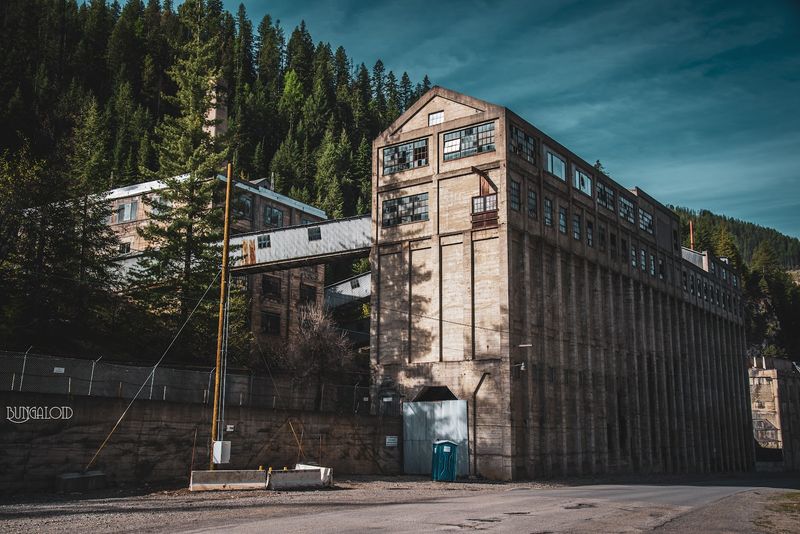
The road into Burke Canyon starts setting expectations before the ghost-town history even appears.
From Wallace, the route heads northeast into the Silver Valley’s tight, steep-sided terrain, following the same general corridor where miners, railroad workers, merchants, and families once moved through daily life.
Burke developed after rich silver and lead discoveries drew people into the canyon during the late 1800s.
Mines such as Tiger-Poorman, Hecla, Hercules, and Star helped make the area important to North Idaho’s mining economy, even though the town itself had almost no space to grow in the normal way.
That contradiction is what makes the drive so compelling. The canyon looks beautiful, but it also looks unreasonable.
Rock walls, timber, creek bottom, road, and old industrial ground crowd together until the past starts making physical sense. Burke was not strange because people wanted novelty architecture.
It was strange because the landscape gave them very few choices and the mines gave them powerful reasons to stay anyway. A visit here works best after spending time in Wallace, where museums and historic districts help frame the larger Silver Valley story.
Burke Canyon then adds the wilder visual chapter, the part where geography turns history into something you can practically feel pressing in from both sides.
Let The Narrow Walls Explain Why This Town Had No Room To Spare
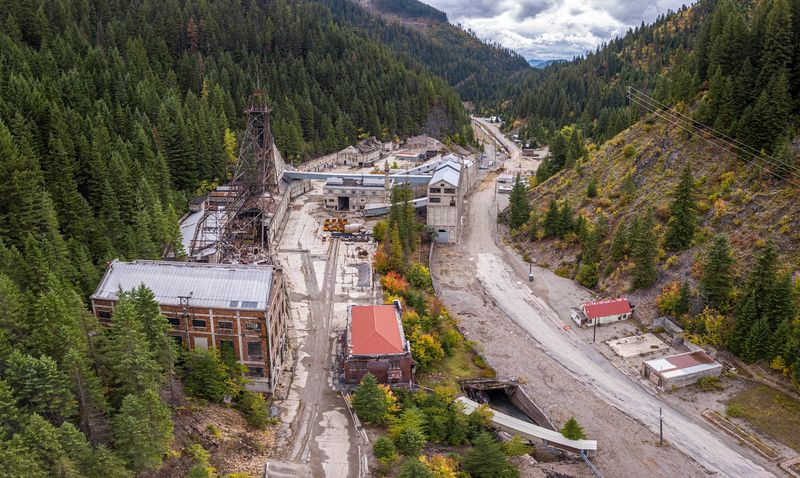
Burke Canyon is often described as only about 300 feet wide through its tightest livable stretches, which makes the old town’s layout feel less like planning and more like survival geometry.
Somehow, people needed to fit homes, hotels, businesses, mine facilities, a creek, railroad tracks, and a road into that sliver of canyon floor.
The result was one of the most unusual townscapes in the American West. Buildings pressed against slopes, crossed over water, shared space with transportation routes, and adapted wherever a few usable feet could be claimed.
Main street life could not spread outward the way it did in flatter mining towns. It had to stretch lengthwise through the canyon, following the narrow line nature allowed.
That pressure explains the Tiger Hotel better than any dramatic retelling can. When there is no room beside the creek, you build over it.
When the railroad needs the same corridor, it goes through the space that exists. When the town needs to function anyway, everyone adjusts.
Visiting Burke today, those canyon walls still do most of the storytelling. They rise close and steep, making every historical oddity feel less like exaggeration and more like the only solution left.
Look For The Remnants That Still Hint At Burke’s Wild Past
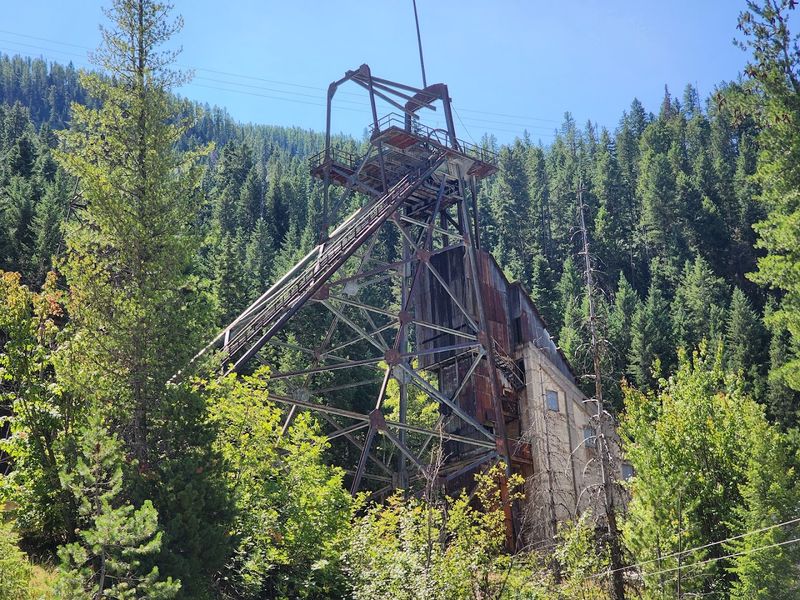
Burke is not a polished ghost town with tidy boardwalks and a gift shop waiting at the exit. Its remnants are rougher, quieter, and more scattered, which makes the place feel closer to the real industrial past than to a staged attraction.
Visitors may see old foundations, mining structures, rusted materials, disturbed ground, and traces of the town’s former footprint along the canyon corridor.
The Tiger Hotel itself is gone, dismantled in the mid-20th century after decades of decline, fire damage, and changing mining fortunes.
That absence almost makes the story stranger. You stand in the canyon knowing a hotel once managed to span creek, roadway, and railroad, but the building has vanished, leaving the land to do the explaining.
Respect matters here. Burke Canyon is tied to mining history, private property, industrial remains, and environmental concerns connected to the broader Coeur d’Alene Basin.
Nothing should be removed, climbed on, or disturbed.
The best way to experience the site is with patience and restraint: look closely, stay aware of signs and property boundaries, and let the fragments suggest the scale of what once filled the canyon.
Ghost towns reward people who understand that silence can be part of the story.
Picture Main Street Sharing Space With Tracks, Creek, And Crowds
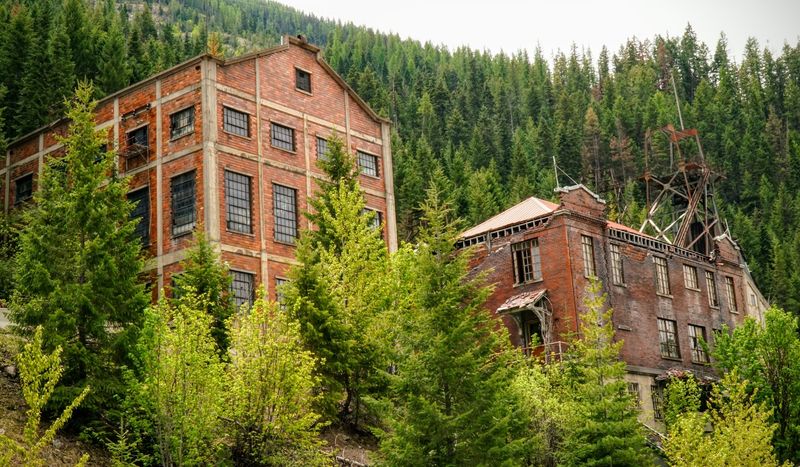
Main Street in Burke was not a charming lane with window boxes and gentle foot traffic. It was a compressed working corridor where almost everything had to happen in the same narrow line.
Railroad tracks, road traffic, pedestrians, miners, freight, businesses, and Canyon Creek all competed for space in a canyon that had no interest in making life easy.
Accounts of Burke’s layout describe railroads and the town’s only highway sharing the same cramped space, with the Tiger Hotel becoming the most famous example of that forced overlap.
Trying to picture daily life here is almost comic at first, until the logistics settle in. Miners needed lodging.
Trains needed access. Businesses needed customers.
The creek kept flowing whether anyone had room for it or not. Ordinary errands must have involved constant awareness of rail movement, mud, noise, weather, and mining traffic.
That density gives Burke a kind of energy that remains even after most of the town has disappeared. The canyon floor still feels too tight for the amount of history it carried.
Idaho preserves plenty of old towns in buildings and museums, but Burke’s main street survives more powerfully as an idea: one narrow passage where an entire mining community had to make itself fit.
Bring Curiosity For A Ghost Town That Feels Almost Impossible
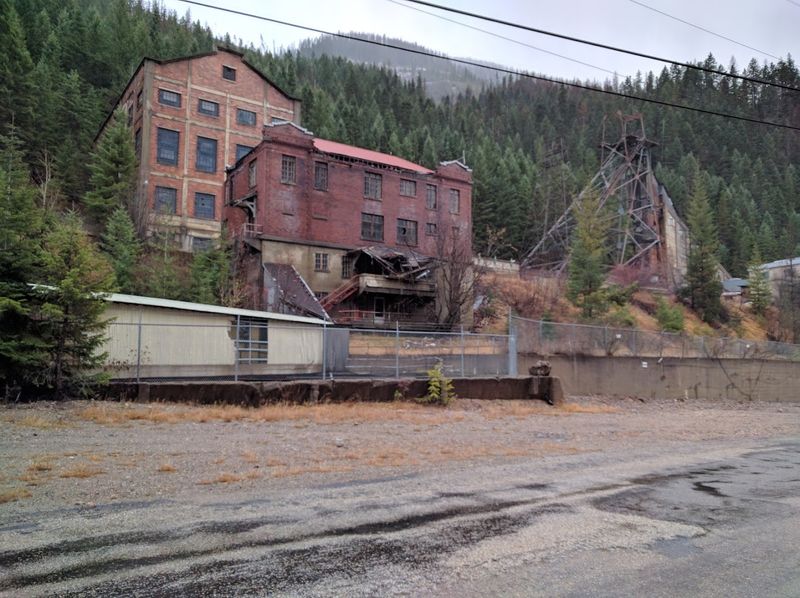
Skepticism is a reasonable reaction to Burke. A hotel with trains running through it sounds like the kind of roadside legend that grows taller every time someone repeats it.
Then the canyon appears, narrow and steep, and the story starts sounding much less ridiculous. Burke Canyon Road leads visitors into a landscape that explains the town’s eccentricity better than any plaque ever could.
This was not a place where people had room for elegant solutions. It was a mining settlement shaped by ore, railroads, water, labor, and topography, all pressing into one cramped corridor.
Curiosity is the right mindset because Burke does not reveal itself like a restored historic village. It asks visitors to piece things together.
Why did a town grow here? How did people fit buildings into this space?
What did it sound like when trains moved through a hotel? How did daily life feel with the canyon walls so close?
Those questions are the attraction. The site is raw, imperfect, and still tied to active property and mining-region realities, so visitors should be careful and respectful.
Still, few Idaho ghost towns offer a story this visually convincing. Burke feels almost impossible until the landscape quietly proves otherwise.
Notice How The Mountains Made Every Building Fight For Space
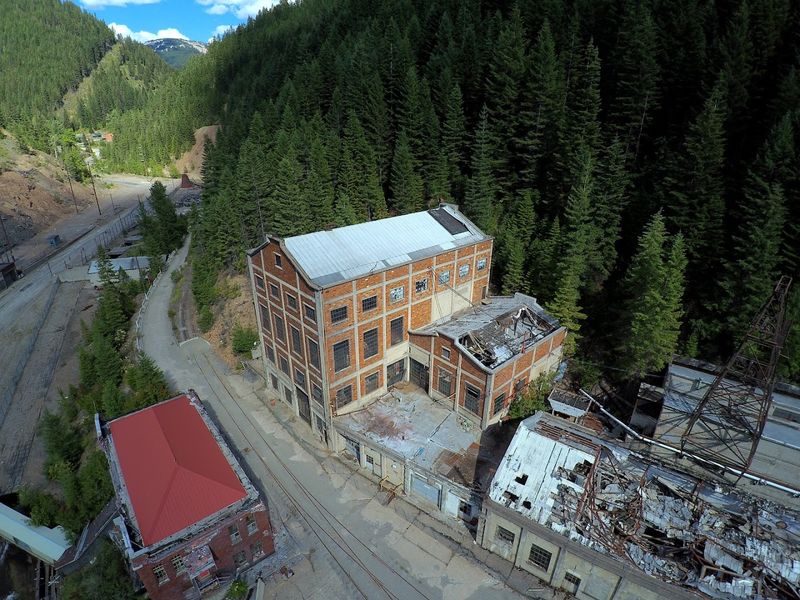
The mountains around Burke do not sit politely in the background. They crowd the canyon, climb sharply from the floor, and make it obvious why every old building had to fight for its footprint.
In flatter towns, growth can spread out with enough ambition and money. In Burke, growth had to negotiate with rock, slope, creek, and rail.
That pressure produced unusual construction choices that still make the town famous. Buildings were squeezed into the only usable spaces, lined up along the canyon floor, or arranged around infrastructure that could not simply move aside.
The Tiger Hotel became the ultimate example because it had to function as lodging while spanning elements that most hotels would prefer to avoid entirely. The mountains made normal design feel luxurious.
They forced practical, awkward, inventive solutions out of necessity. Looking at the canyon today, the old town’s weirdness begins to look less like eccentric local character and more like a daily engineering problem.
Idaho’s Silver Valley is dramatic in many places, but Burke concentrates that drama into a single tight passage where human ambition ran directly into geology. The mountains never needed to move.
The people had to build around them, and the results became unforgettable.
Leave With A Story That Sounds Fake Until You See The Canyon
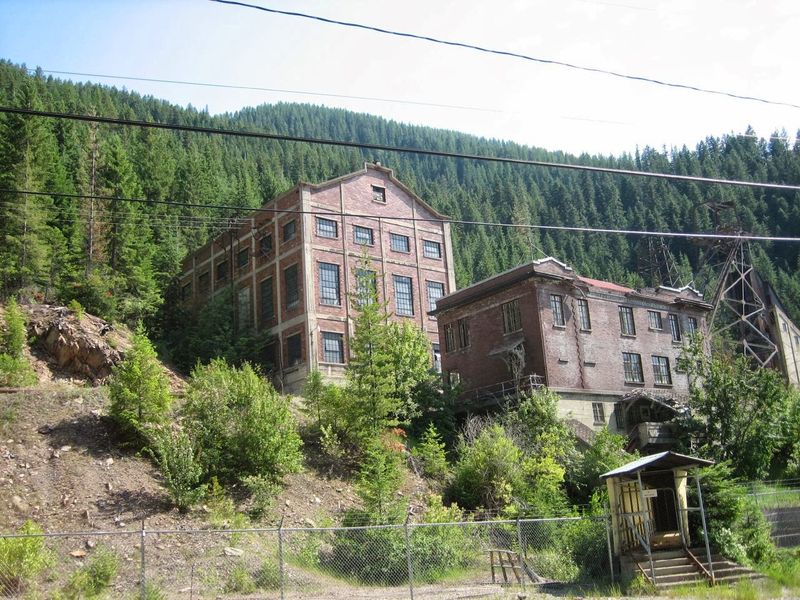
Burke is the kind of place that gives travelers an excellent problem: how to explain it later without sounding like they are exaggerating. A ghost town in a narrow Idaho canyon is interesting enough.
Claims of a 150-room hotel built around active railroad tracks and an underground creek quickly raise doubts. When the main corridor is also described as barely fitting town life and trains together, the story edges into something hard to fully trust.
Seeing the canyon makes all the difference.
The walls, the road, the remaining traces, and the cramped geography turn the unbelievable into something physical. You can understand why the town adapted in ways that seem absurd from a comfortable distance.
Burke sits just a short drive from Wallace, making it an easy addition to a Silver Valley history trip, especially for travelers already interested in mining towns, ghost towns, railroads, or strange American engineering. The visit does not offer luxury, polish, or a tidy ending.
It offers a place where geography and industry collided so hard that a hotel became part of the railroad story. That is more memorable than a souvenir.
Tell someone about Burke afterward, and they may not believe you. Honestly, that is half the fun.