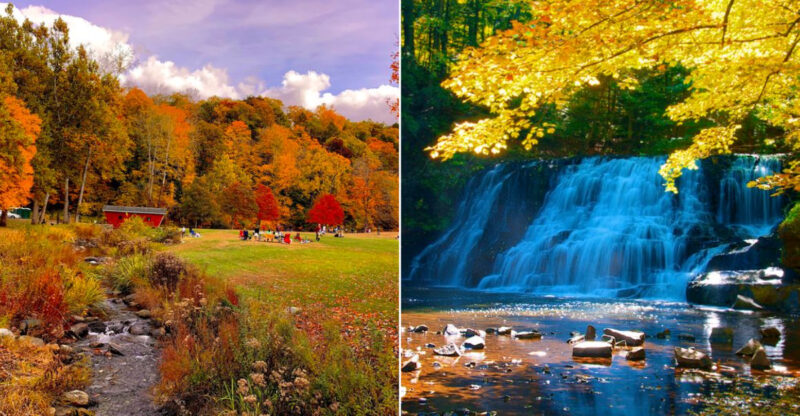
This 17,000-Acre State Forest In Connecticut Is One Of The State’s Best-Kept Secrets
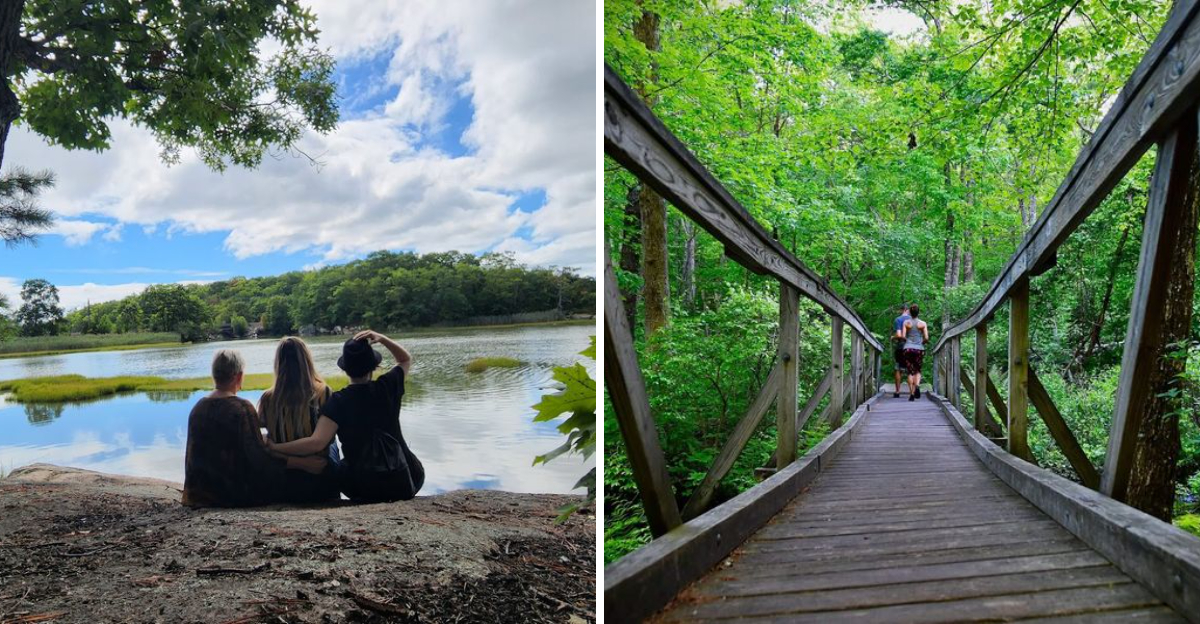
Connecticut is a small state, so most people assume the wilderness is too. They are wrong.
Spread across south-central Connecticut sits a forest covering more than 17,000 acres. That makes it the second largest in the entire state.
What surprises people most is the sheer size of the trail network. There are over 100 miles of paths weaving through the woods.
The terrain keeps things interesting too. You get rolling hills, rocky ridges, quiet streams, and tunnels of mountain laurel that bloom in early summer.
At the heart of it all sits a pristine lake. People come here to swim, fish, and paddle on warm afternoons.
There is even a sheer cliff that draws rock climbers from across the region. The walls rise as high as sixty feet.
So pack a lunch and pick a trail. This forest hides far more than a single visit can hold.
Connecticut’s Largest And Most Underrated Forest

Cockaponset State Forest does not announce itself with flashy signs or crowded parking lots.
At roughly 17,000 acres, it is the second largest state forest in Connecticut, yet somehow manages to feel like a personal discovery every single time you visit.
Its scattered parcels extend across two counties and eleven towns, including Haddam, Chester, Killingworth and Madison. That is honestly part of the charm.
The forest was established in the 1930s and takes its name from a Wangunk Native American leader. It offers a rare combination of size, variety, and genuine wildness that is hard to find this close to the Connecticut shoreline.
Trails wind through mixed hardwood forests, past glacial boulders, and alongside quiet streams. Whether you are a seasoned hiker or someone who just wants to wander without a plan, this place has room for you.
Most people drive past the exit on Route 9 without a second thought. That is their loss and your gain.
Knowing about Cockaponset feels like holding a very pleasant secret that you are almost reluctant to share.
Trails That Go Somewhere Worth Going
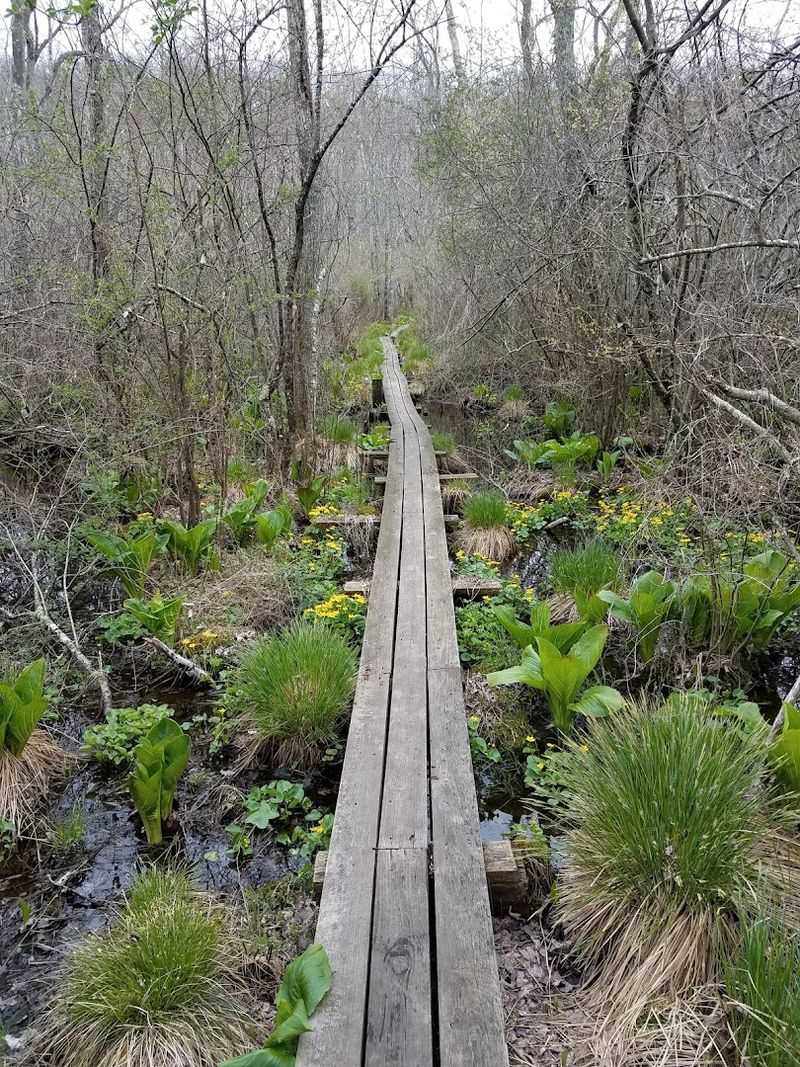
The trail system at Cockaponset is genuinely impressive, covering over 100 miles of marked paths that range from easy strolls to routes that will make your legs remember the next morning.
There is something almost addictive about a trail network this well-connected.
The Pattaconk Trail is a fan favorite for good reason.
It loops around Pattaconk Reservoir and rewards hikers with peaceful water views, rocky outcroppings, and the kind of quiet that you forget exists until you are standing in the middle of it.
Blue-blazed trails connect across multiple sections of the forest, so ambitious hikers can link routes together for longer adventures.
I once accidentally turned a two-hour hike into a five-hour expedition, and I regret absolutely nothing about that decision.
Trail conditions are generally well-maintained, though some sections get muddy after rain. Waterproof boots are a smart call here, not just a suggestion.
The terrain shifts between flat, easy paths and rocky climbs that keep things interesting.
Bring a printed map or download the trail data before you go. Cell service is unreliable inside the forest, which honestly adds to the feeling that you have genuinely escaped somewhere worth escaping to.
The Quiet Water Everyone Should Know About
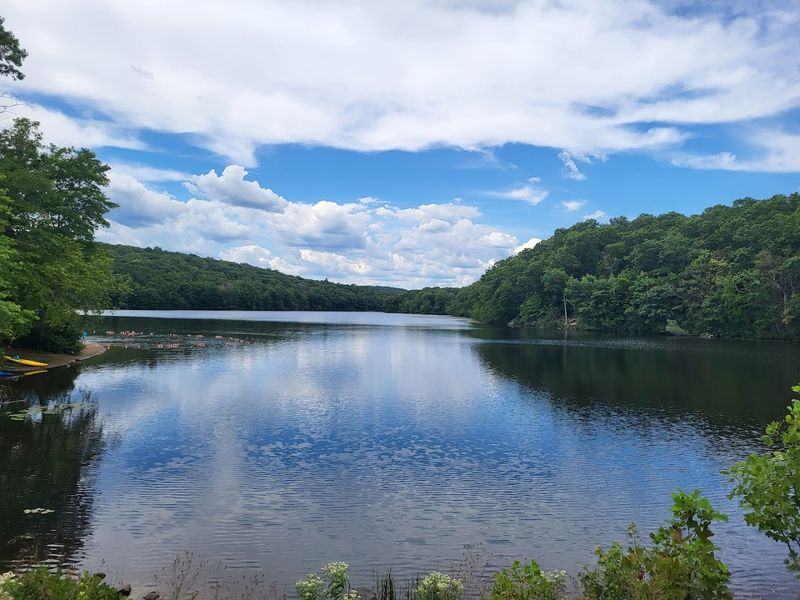
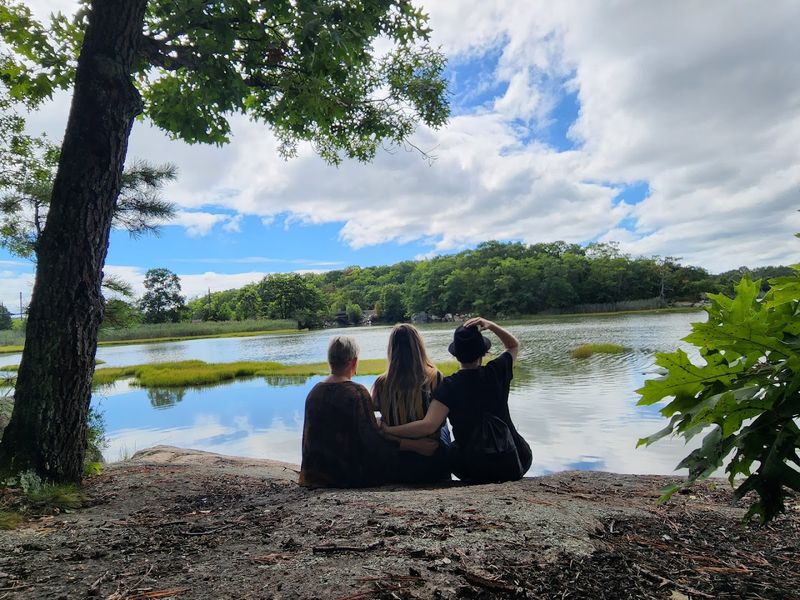
Pattaconk Reservoir sits at the heart of the forest like a reward for anyone willing to walk far enough to find it.
The water is calm, the reflections are almost too perfect, and the surrounding trees make the whole scene feel staged by someone with excellent taste.
Swimming is permitted at the reservoir during designated summer months, which makes this one of the more underused public swimming spots in the entire state.
On a hot August afternoon, the water temperature is absolutely perfect and the crowd is refreshingly manageable.
Fishing is also popular here. Largemouth bass, chain pickerel, and yellow perch are among the species anglers typically find in these waters.
A valid Connecticut fishing license is required, so plan accordingly before you show up with a rod and optimism.
The loop trail around the reservoir is one of the most satisfying short hikes in the forest. It takes about an hour at a relaxed pace and delivers consistently beautiful scenery without requiring any serious athletic effort.
Even if you never touch the water, sitting at the edge of Pattaconk on a weekday morning with nobody else around is the kind of experience that makes you wonder why you ever pay for a vacation somewhere else.
Wildlife Watching That Rewards Patience And Quiet Footsteps
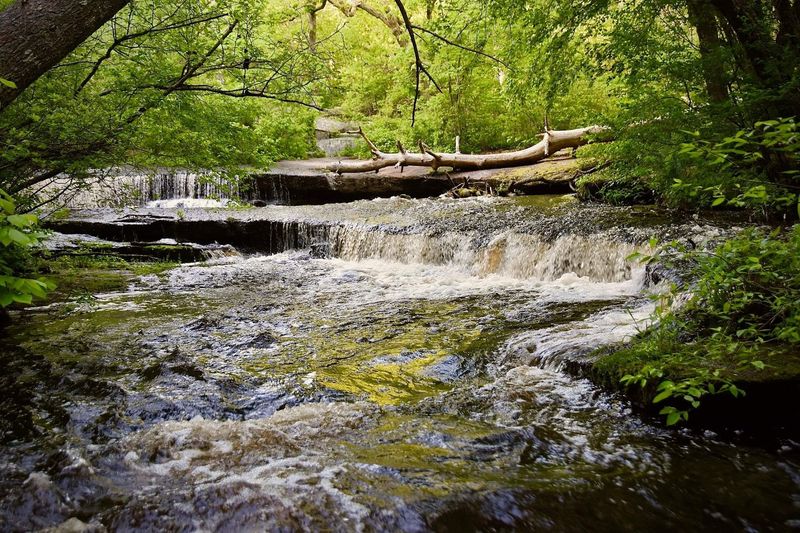
Cockaponset is home to a genuinely impressive range of wildlife, and the forest is large enough that animals here behave like they own the place, because essentially they do.
White-tailed deer appear around nearly every bend in the trail, often unbothered by slow-moving hikers.
Birdwatchers have plenty to get excited about. The forest supports populations of barred owls, pileated woodpeckers, and various warbler species during migration season.
Early morning visits in spring are practically a guaranteed highlight reel of bird activity.
Eastern box turtles move slowly through the underbrush in warmer months, and spotting one feels like finding a small treasure.
They are a protected species in Connecticut, so admire them from a respectful distance and leave them exactly where they are.
Red foxes, wild turkeys, and the occasional black bear have all been documented in and around the forest.
Bears are not common, but they are present in Connecticut, and storing food properly during any extended visit is just smart behavior.
The key to good wildlife encounters here is simple: slow down, make less noise than you think necessary, and stop scrolling your phone.
The forest will show you things that feel genuinely earned once you commit to actually paying attention.
The History Buried Beneath These Trees
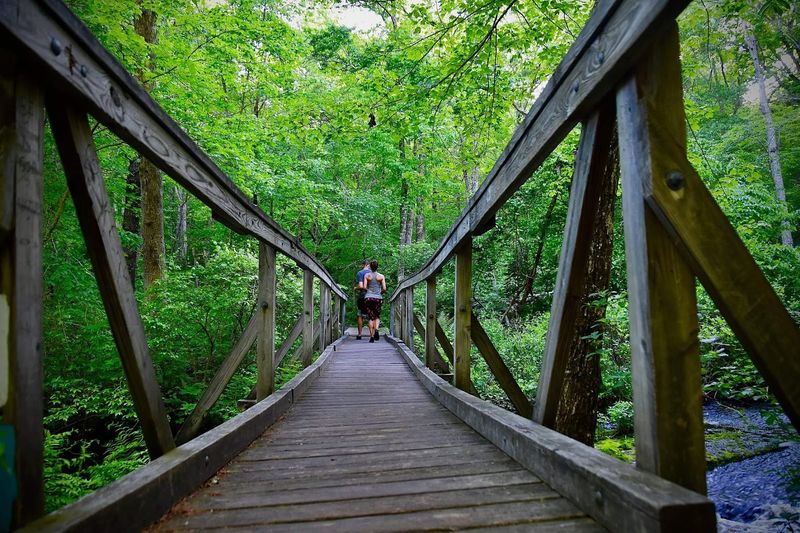
Walking through Cockaponset, you start noticing things that do not quite belong in a wild forest.
Old stone walls run through the woods in perfectly straight lines, tracing the boundaries of farms that existed here long before the trees reclaimed the land.
Much of the land that became Cockaponset was farmed during the colonial period and into the 19th century.
When agriculture declined and families moved away, the forest grew back slowly over abandoned fields and homesteads. Those stone walls are the clearest evidence of the lives that unfolded here.
The Civilian Conservation Corps played a major role in developing the forest during the 1930s.
CCC workers built roads, trails, and structures throughout Cockaponset as part of President Roosevelt’s New Deal programs. Some of their work is still visible and still functioning nearly a century later.
The forest’s name itself carries history. Cockaponset was a leader of the Wangunk people, a Native American group whose presence in this region predates European settlement by thousands of years.
The name is a meaningful piece of Indigenous Connecticut history that deserves acknowledgment.
History here is not behind glass in a museum.
It is literally under your feet, woven into the landscape, and waiting for curious people to notice the details hiding in plain sight.
A Full Day Outdoors Without Staying Overnight
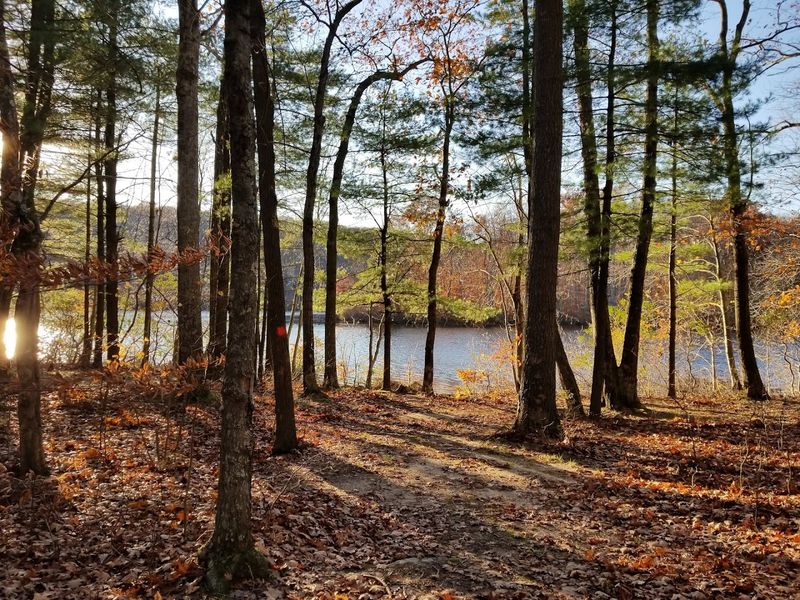
Cockaponset State Forest is best experienced as a day-use destination rather than a traditional campground.
The forest does not offer reservable campsites for individual visitors, and its four youth-group camping areas have been closed until further notice since March 2025.
That makes planning a daytime adventure the most reliable way to enjoy the landscape.
Fortunately, there is more than enough to fill the hours between morning and sunset.
Visitors can hike sections of the forest’s extensive trail network, follow wooded roads by bicycle, fish in quiet water, or spend time at Pattaconk Recreation Area.
Swimming is available seasonally, with water quality monitored during the main summer period.
Picnic areas make it easy to bring lunch and take a long break beneath the trees. Dogs are allowed in picnic areas and on hiking trails when kept on a leash, although they are not permitted on the beach.
The forest is generally open daily from until sunset, so arriving early leaves time to explore without rushing. Before traveling, check the official park page for current swimming conditions, closures, and seasonal notices.
Cockaponset may not offer conventional overnight camping, but one well-planned day can still feel like a genuine outdoor escape.
Mountain Biking Routes That Deliver Real Terrain
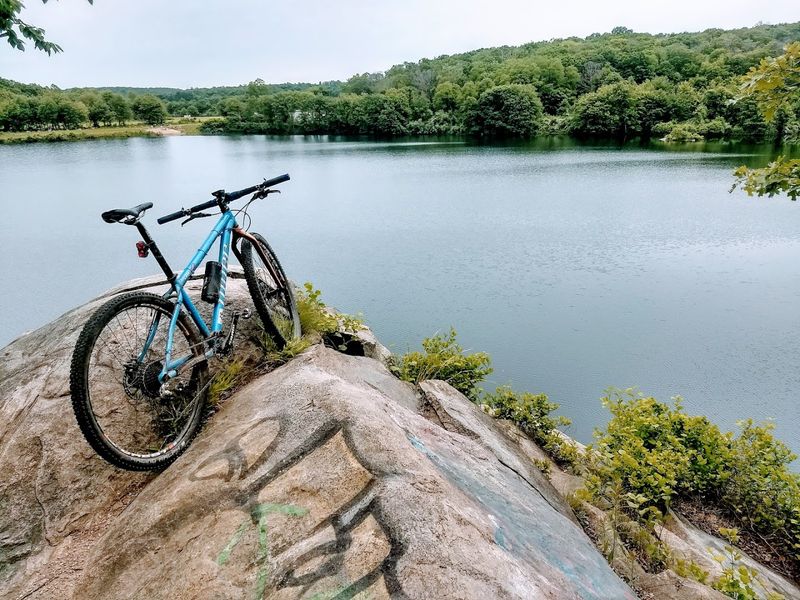
Cockaponset has quietly become one of the more respected mountain biking destinations in Connecticut, and the off-road cycling community here is passionate, knowledgeable, and genuinely welcoming to newcomers willing to put in the work.
The terrain earns its reputation honestly.
The forest offers a mix of natural singletrack and wider forest roads that accommodate different skill levels.
Beginners can stick to smoother, less technical sections while experienced riders seek out the rocky, rooted trails that make this forest genuinely challenging on two wheels.
The Cockaponset trail system connects with adjacent land parcels in some sections, giving riders the opportunity to string together longer rides that cover serious mileage.
A full day of riding here will leave most people pleasantly exhausted and already planning a return trip.
Mountain bikers should yield to hikers and equestrians on shared trails. The trail network accommodates multiple user groups, and keeping those interactions friendly ensures everyone continues to have access to this resource.
Mutual respect goes a long way in spaces like this.
Trail conditions vary significantly by season. Spring can be muddy and rutted, fall is typically ideal, and summer offers long daylight hours perfect for extended rides.
Checking recent trail condition reports from the local mountain biking community before heading out is always a smart move.
Why This Forest Deserves A Spot On Your Connecticut Bucket List
Connecticut has no shortage of beautiful outdoor spaces, but Cockaponset occupies a category of its own.
The combination of size, accessibility, historical depth, and sheer variety of activities makes it genuinely difficult to justify not visiting at least once.
Fall is arguably the most spectacular season to experience the forest.
The hardwood canopy turns into a full-color display of orange, red, and gold that peaks in mid to late October and makes every trail feel like it was designed specifically for that moment.
Spring brings wildflowers and migrating birds. Summer offers swimming, camping, and long evening hikes.
Winter transforms the forest into a hushed, frost-covered landscape that cross-country skiers and snowshoers make excellent use of when conditions allow.
Admission to Cockaponset State Forest is free for Connecticut residents, with modest parking fees for out-of-state visitors. For what you get in return, that is one of the better deals available anywhere in New England.
The forest is managed by the Connecticut Department of Energy and Environmental Protection, which maintains trails, facilities, and ecological health across the property.
Their ongoing work keeps this place as remarkable as it has always been.
Cockaponset does not need a marketing campaign. It just needs people willing to show up, slow down, and pay attention.
The forest will handle the rest entirely on its own.