This Connecticut Horseback Riding Experience Feels Like A Real Escape
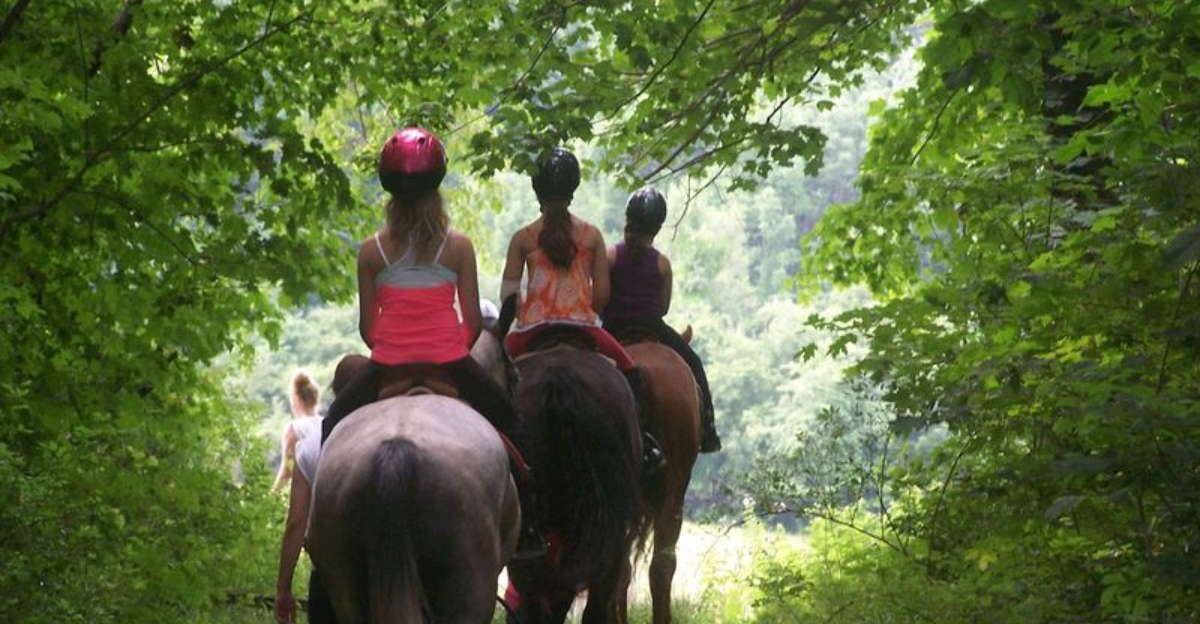
A quiet ride can change the whole mood of a day. The pace slows, the noise drops back, and suddenly the world feels a little wider from the saddle.
That is the beauty of an experience like this. It is not about rushing through an activity just to say you did it.
It is about settling in, trusting the horse, and letting the setting do its work.
Horseback riding in Connecticut can feel like a peaceful countryside escape without needing a faraway trip. The connection is what makes it memorable.
You pay attention differently when every step depends on patience and confidence.
Beginners can find the experience calming, while riders with more practice can enjoy the steady rhythm of familiar skills returning. The farm setting adds a gentle charm that makes the visit feel personal.
For a little while, everything feels simpler from up there.
1. A Peaceful Farm Setting Away From The Rush
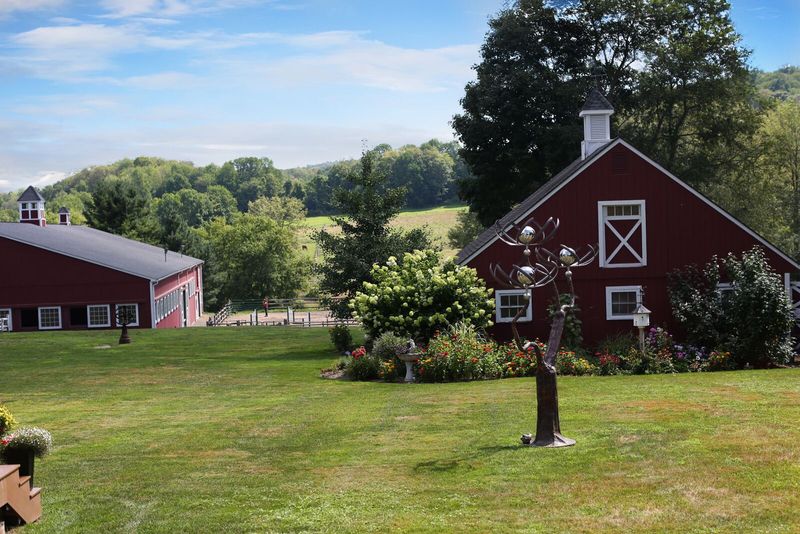
A peaceful horse farm can make the rest of the week feel far away, and Rivendell Farm in Durham has that quiet, open-air charm from the start. Pastures, barns, turnout areas, and a calm country setting create the kind of atmosphere where both riders and horses seem able to settle in.
The facility is designed with serious care, offering three riding rings for different needs. The indoor arena measures 60 by 124 feet and has sand-and-fabric footing, while the 100-by-110 outdoor arena uses a stone dust base with a riding surface built for regular use.
A larger 90-by-180 lower ring also serves as a jump course with stadium jumps, giving riders room to grow their skills.
You’ll find Rivendell Farm at 2 Cherry Lane in Durham, close to direct trails that lead toward Cockaponset State Forest. That access adds a real sense of escape, with wooded paths, streams, ponds, and wide natural scenery nearby.
Clean facilities, daily horse care, and a focus on helping riders connect with horses give the farm a welcoming, thoughtful feel. It is a place built for lessons, boarding, trail time, and genuine calm.
2. Meet The Horses Before The Ride Begins
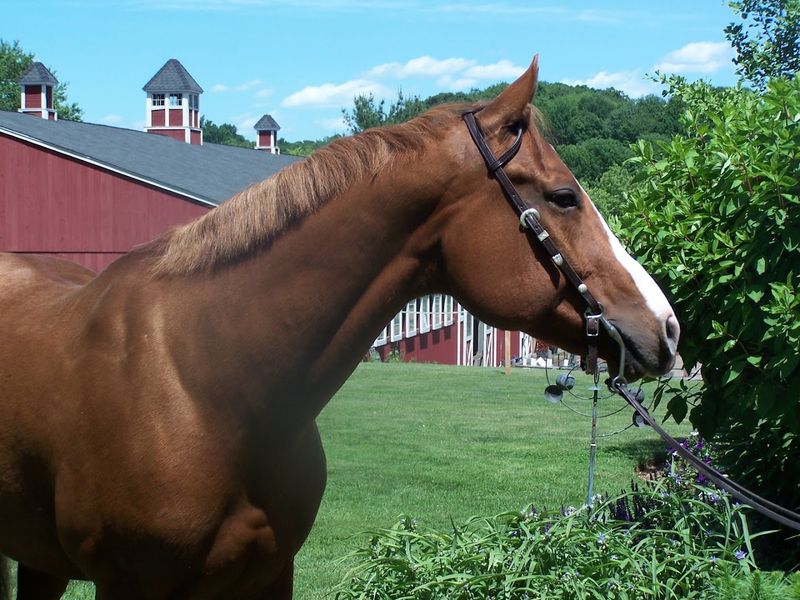
One of the things that sets Rivendell Farm apart from a typical riding experience is that the horses are not just a vehicle for the lesson.
Getting to know the horse before mounting is built into the process, especially for beginners who start with grooming and tacking up as part of their very first session.
That hands-on introduction helps riders feel more comfortable and builds a foundation of trust before anyone gets in the saddle.
The lesson horses at the farm are described consistently as friendly and well-suited for riders who are just starting out. Each horse has its own personality, and the staff takes the time to match riders with horses that fit their current level and comfort.
That kind of thoughtful pairing makes a real difference, particularly for younger riders or adults who may feel nervous around large animals for the first time.
Groundwork lessons are also available for anyone who wants to focus on horsemanship without riding, covering grooming, longeing, in-hand maneuvers, and showmanship.
These sessions give people a chance to build a real relationship with a horse on the ground, which tends to make the riding experience feel more natural and less intimidating when that step eventually comes.
3. Lessons Designed For Different Comfort Levels
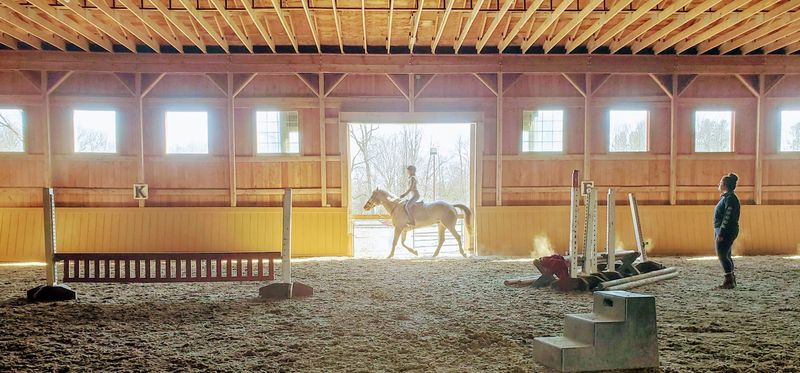
The lesson program at Rivendell Farm gives riders a well-rounded mix of guidance, practice, and progression.
Riders can choose between English and Western disciplines, and the skill range covered goes from complete beginners on lead lines all the way up to jumping at 2 feet 6 inches on the English side.
Western lessons include Western Pleasure, Horsemanship, Trail, and Showmanship, giving that discipline its own depth rather than treating it as a secondary option.
The instructors at the farm hold real credentials and bring genuine experience to each session.
The head trainer holds a Bachelor of Science degree in Equine Management along with British Horse Society instructor and groom certifications, which speaks to a level of training that goes beyond casual barn instruction.
That background shows up in the quality and structure of the lessons offered across all levels.
Adults picking up riding for the first time tend to find the pacing very manageable, with instructors adjusting their approach based on how each rider is progressing rather than following a rigid script.
Children are equally well served, with age-appropriate instruction that keeps safety and enjoyment balanced.
The farm also participates in the IEA team program, giving competitive riders an organized path forward if that is the direction they want to take.
4. Why Beginners Can Feel At Ease
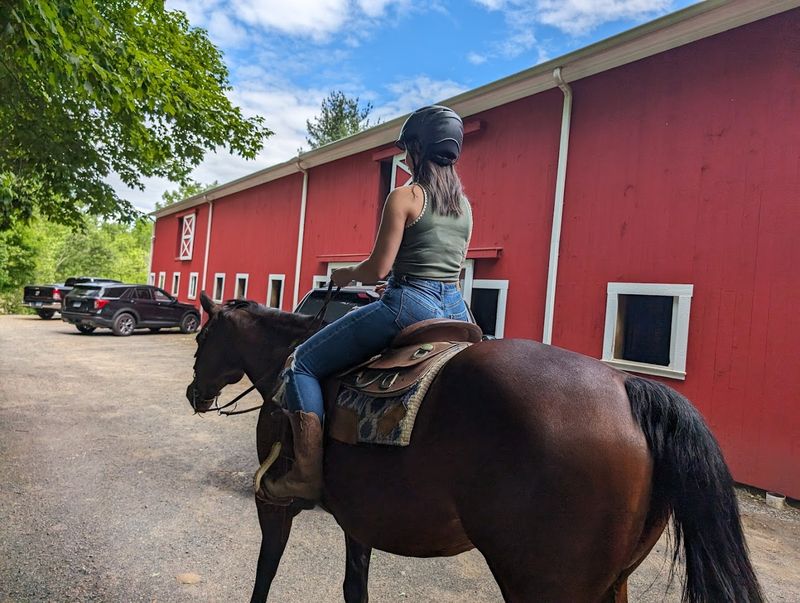
Starting something completely new as an adult can feel awkward, and horseback riding is no exception. At Rivendell Farm, the approach to first-time riders is notably low-pressure.
The staff takes time to answer questions before the lesson begins, and the initial sessions are paced slowly enough that most people leave feeling more confident than they expected going in.
Beginners start with lead line instruction, which means the horse is guided by an instructor while the rider focuses entirely on balance, posture, and getting comfortable with the movement.
There is no expectation of independence right away, and that removes a lot of the anxiety that can come with trying something unfamiliar.
Riders are also taught the basics of grooming and tacking up, so the experience feels complete rather than rushed.
The farm has welcomed adult re-riders as well, meaning people who rode horses decades ago and are returning after a long break. That kind of inclusive framing matters because it signals that the barn is not just for children or experienced competitors.
Riders are encouraged to go at their own pace and set their own goals, or to simply enjoy the process without any particular destination in mind. That flexibility makes the whole experience feel genuinely welcoming rather than performatively so.
5. The Quiet Bond That Makes It Memorable
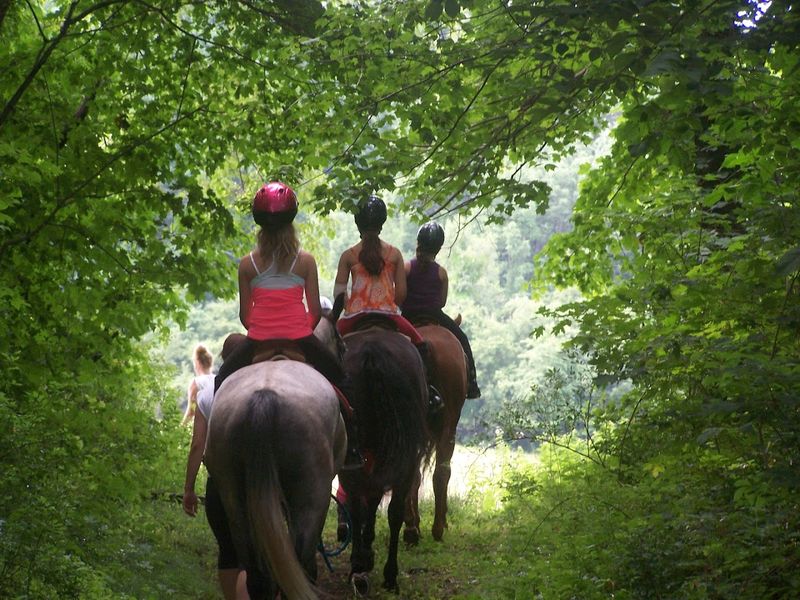
There is something that happens between a person and a horse that is difficult to describe but easy to feel. Rivendell Farm was built around that idea, and the name itself is a nod to a place of peace and healing.
The farm’s philosophy treats horses as more than animals to ride and instead frames them as partners in a process that can genuinely affect how a person feels.
Spending time with a horse requires a kind of focused presence that quiets the mental noise of a busy day. Horses respond to body language, tone, and energy in ways that encourage riders to slow down and pay attention to the moment.
That quality makes a session at the farm feel different from most activities, even for people who have no particular interest in becoming competitive riders.
The groundwork programs available at the farm support this connection directly by giving riders time to interact with horses outside of the riding context. Grooming, longeing, and in-hand work all build familiarity and trust in a way that carries over into the saddle.
For many riders, that relationship with a specific horse becomes one of the most meaningful parts of the whole experience, and it is something that tends to stay with people long after they leave the property.
6. A Great Pick For Kids And Adults
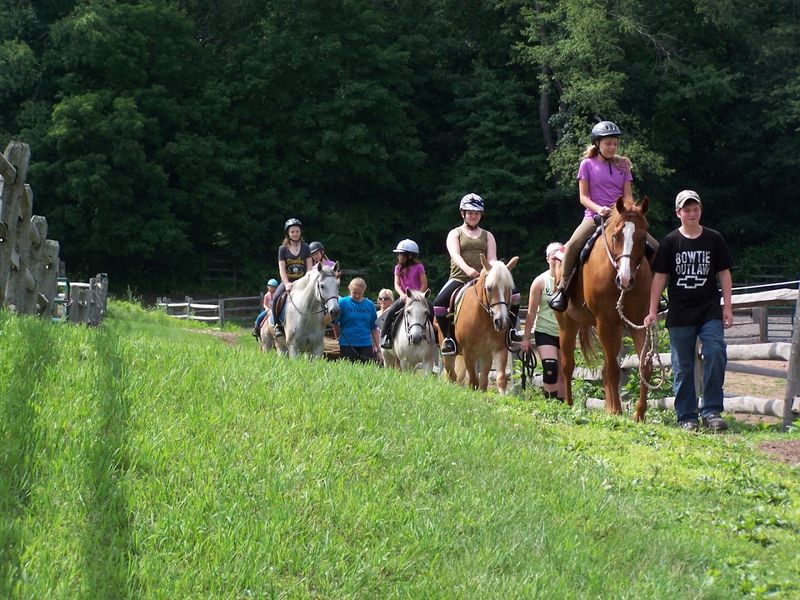
Rivendell Farm manages something that not every equestrian facility pulls off cleanly, which is building a program that genuinely works for both children and adults without either group feeling like an afterthought.
Kids as young as beginners on lead lines are welcomed, and the instruction adjusts naturally based on age, attention span, and physical comfort with the horse.
Summer camps are a popular option for younger riders who want a more immersive experience. Both day camp and family camp formats are available, giving families flexibility depending on their schedule and how involved they want to be.
Camp sessions center on horseback riding but also incorporate horse care and barn skills, so kids leave with a broader understanding of what working with horses actually involves.
Adults tend to appreciate that the barn does not feel exclusively child-focused, even though it serves younger riders well. The lesson structure, the available disciplines, and the leasing programs are all built with adult riders in mind too.
Horse leasing at the farm allows riders to commit two or three days per week for a monthly fee, which gives regular riders more time in the saddle without the full responsibility of horse ownership. That kind of tiered access makes the farm a practical long-term option for people at any stage of life.
7. What To Know Before Scheduling A Lesson
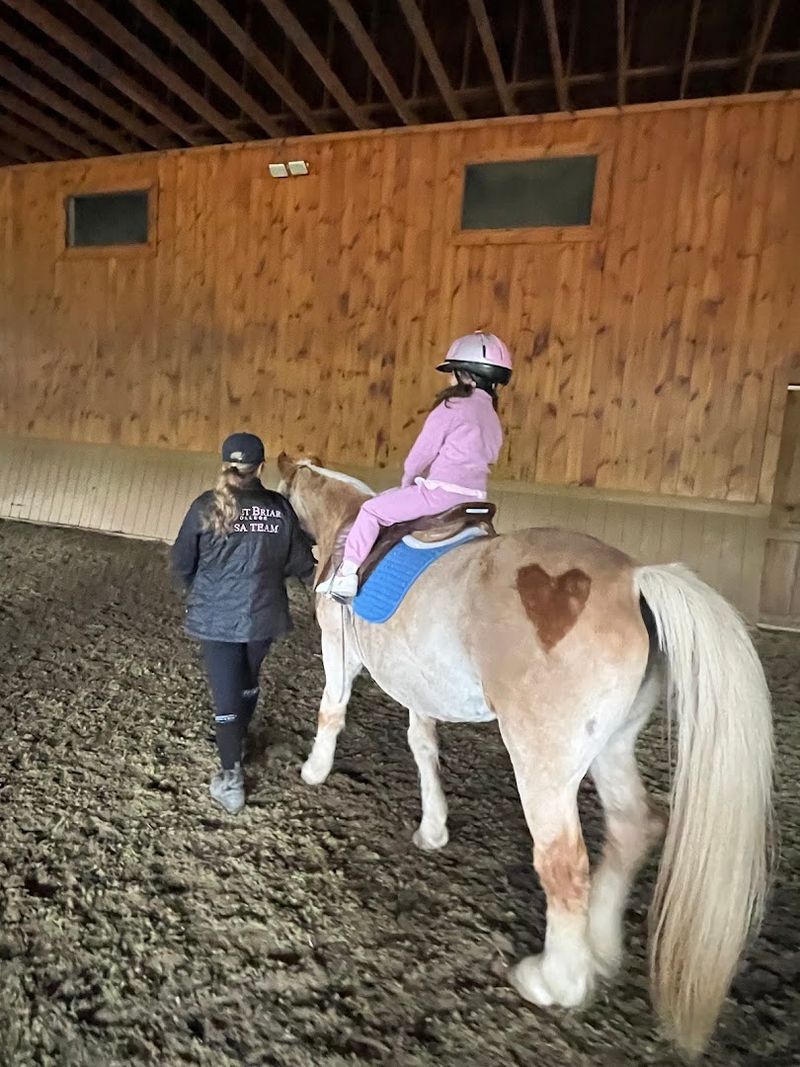
The farm is open Tuesday through Saturday from 9 AM to 9 PM, Sunday from 9 AM to 6 PM, and Monday from 9 AM to 9 PM, which gives most people solid scheduling flexibility across the week.
Lessons cover both English and Western riding, so it helps to have a general sense of which style feels more appealing before calling, though the staff can help guide that decision for anyone who is unsure.
Beginners do not need any prior experience or equipment to get started, as the farm provides the horses and the basic instruction needed to begin safely.
Wearing close-toed shoes and comfortable pants is generally recommended for any first riding session.
Horse leasing programs are available at $500 per month for two days per week or $750 per month for three days, with costs covering farrier, veterinary, and dental care. Full-care boarding is also offered at $1,000 per month for those who own horses.
Checking the farm’s website for the most current program details before visiting is always a good idea since availability and pricing can shift seasonally.
8. Durham’s Countryside Adds To The Escape
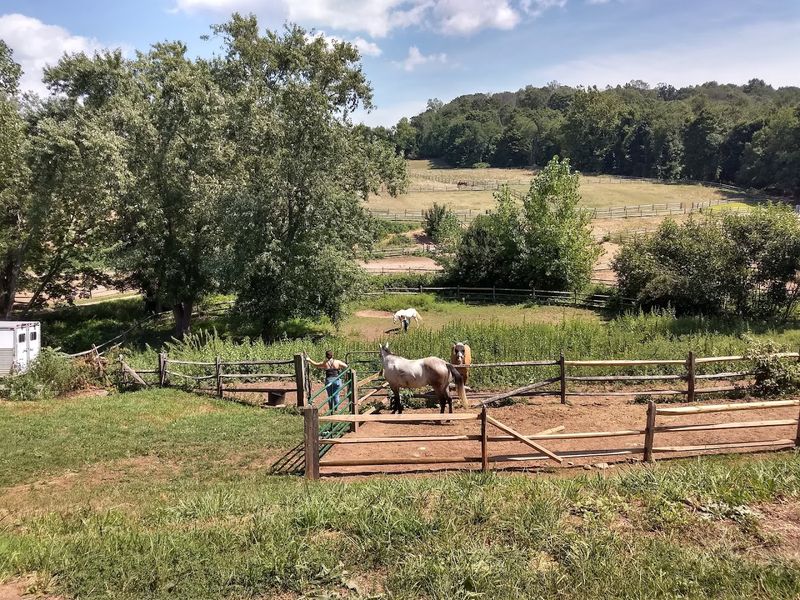
The location of Rivendell Farm within Durham’s countryside is not just a backdrop but an active part of what makes a visit feel like a true getaway. Durham is a small town in central Connecticut with a rural character that has remained largely intact, and the surrounding landscape reflects that.
Quiet roads, rolling fields, and patches of dense woodland give the area a texture that feels genuinely removed from suburban or urban life.
The farm’s direct trail access into Cockaponset State Forest is one of its most distinctive features. At 15,600 acres, the forest is one of the largest state forests in the state and offers trails that wind through woodlands, past streams, and around ponds.
Trail rides through that terrain feel like a completely different experience from arena work, and the change of scenery adds a layer of adventure to what might otherwise be a routine lesson day.
Visiting on a weekday tends to offer a quieter atmosphere than weekends, when more riders and families are likely to be on the property.
Either way, the farm’s setting in Durham means that the drive itself can serve as part of the wind-down, with the landscape shifting noticeably from busier areas the closer one gets to Cherry Lane.
That gradual transition into quieter surroundings is part of what makes the whole experience feel like a real escape.