This Relaxing 2.5-Mile Hike In Connecticut Is So Beautiful, You’ll Be Thinking About It For Days
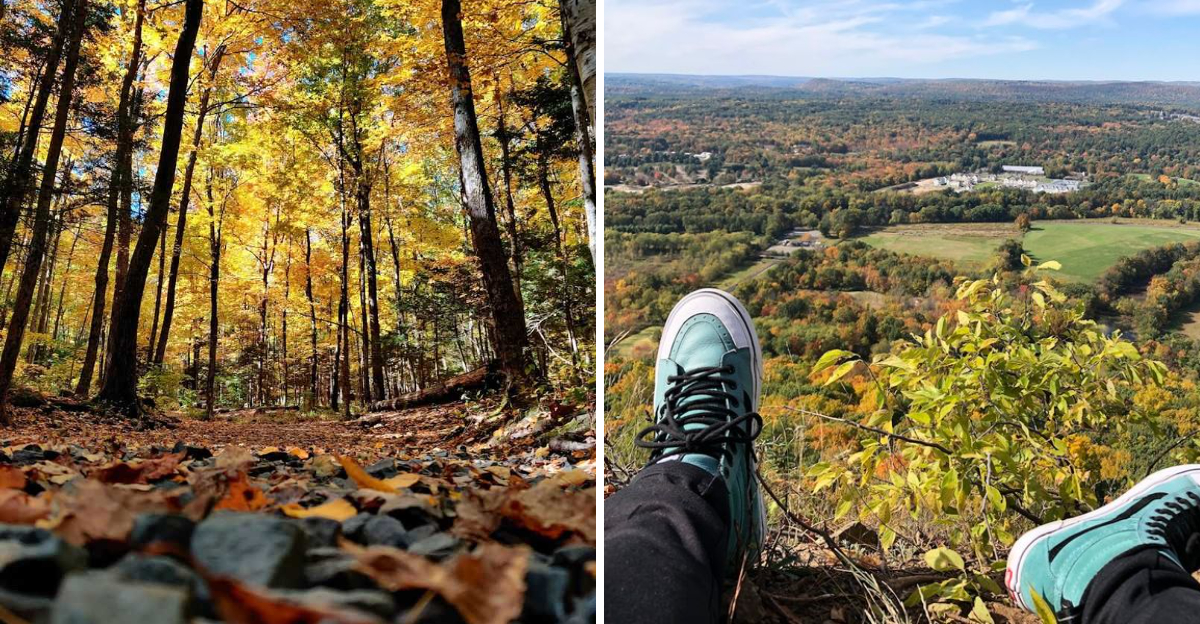
Here’s the thing about hiking. Most people assume you need an all-day trek to feel like you escaped.
You really don’t. Sometimes two and a half miles is exactly enough.
This Connecticut trail proves the point. It is short enough to finish before lunch, yet beautiful enough to stick with you long after.
The pace is gentle, so you can actually look around instead of staring at your feet. That is rarer than it should be.
You get the good stuff without the suffering. No brutal climbs, no aching knees, no questioning your life choices halfway up a ridge.
Bring a friend or go solo with your thoughts. Either way, the quiet does something good for your head.
It is the kind of walk that resets you. You arrive a little frazzled and leave a little lighter.
So lace up and clear a morning. This one earns every step.
The Trail Overview
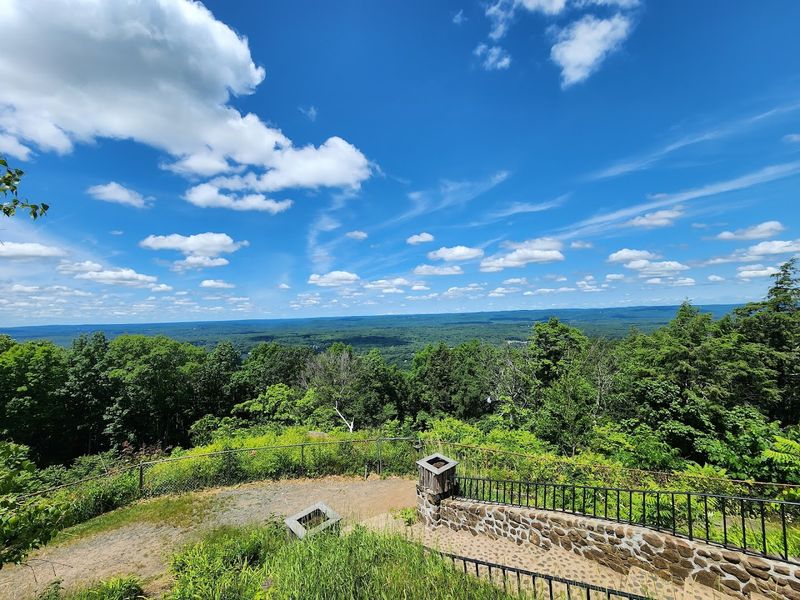
The Talcott Hiking Trail in Simsbury, Connecticut is one of those rare trails that manages to punch well above its weight.
At just 2.5 miles, it sounds modest on paper. In person, it feels like a full experience packed into a perfectly sized package.
The trail runs through Talcott Mountain State Park, a beloved green space that has been welcoming hikers since the 1960s.
The path winds through dense forest, over gentle ridgelines, and past some genuinely jaw-dropping scenery that you would not expect this close to Hartford.
The elevation gain is manageable, making it approachable for most fitness levels.
Families with older kids, solo hikers, and couples all share this trail without it ever feeling crowded. The loop design means you are always moving forward, never backtracking.
That small detail makes the whole experience feel intentional and satisfying. Go on a weekday morning if you want a quieter atmosphere and better chances of spotting wildlife along the way.
The Forest Canopy That Feels Like A Green Cathedral
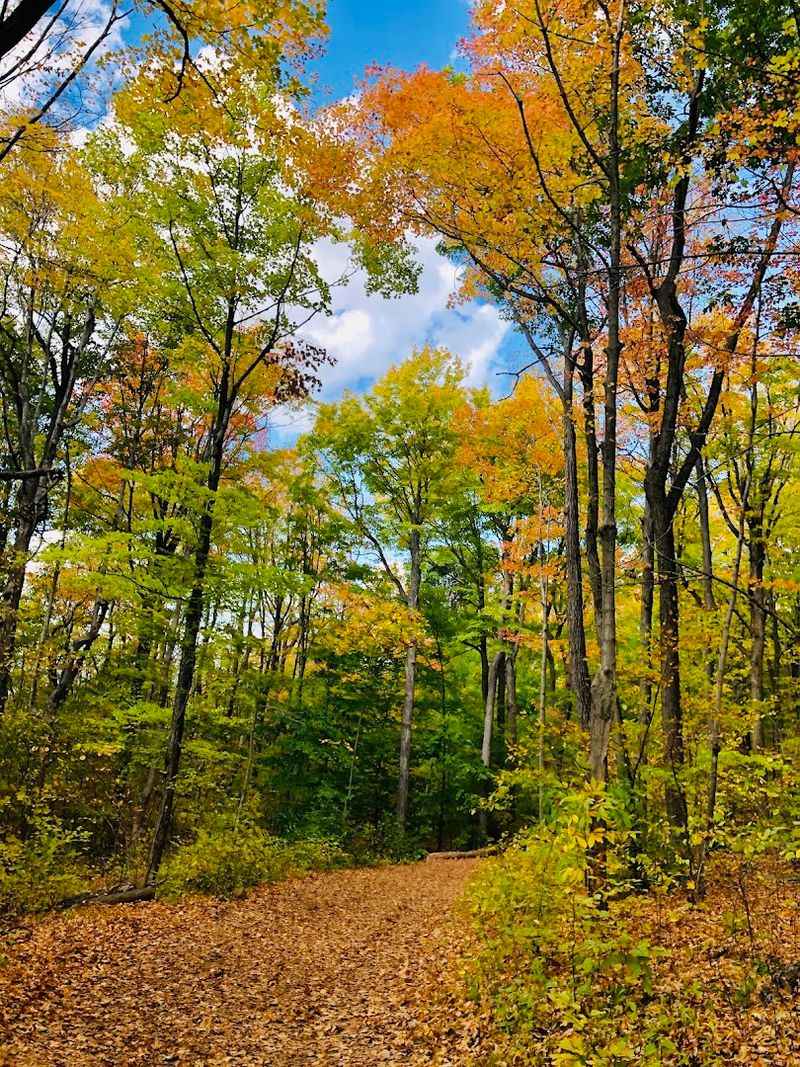
Walking under the tree canopy on this trail is the kind of thing that makes you stop mid-stride just to look up.
The trees here are tall, full, and layered in a way that creates this hushed, cathedral-like atmosphere. Sound seems to soften the moment you step in.
Connecticut forests are known for their mix of oak, maple, and birch trees, and Talcott Mountain delivers all of them. In summer, the canopy is so thick that the trail stays cool even on warm days.
In fall, the same trees explode into orange, red, and gold in a way that feels almost theatrical.
The light filtering through the leaves creates patterns on the trail floor that change throughout the day.
Morning light hits differently than afternoon light, so the time you choose to hike genuinely affects what you see.
I went in the late morning and the way the sun cut through the branches made every step feel cinematic. Bring a camera or just let yourself absorb it.
Either way, this canopy earns its reputation.
The Reward At The Top
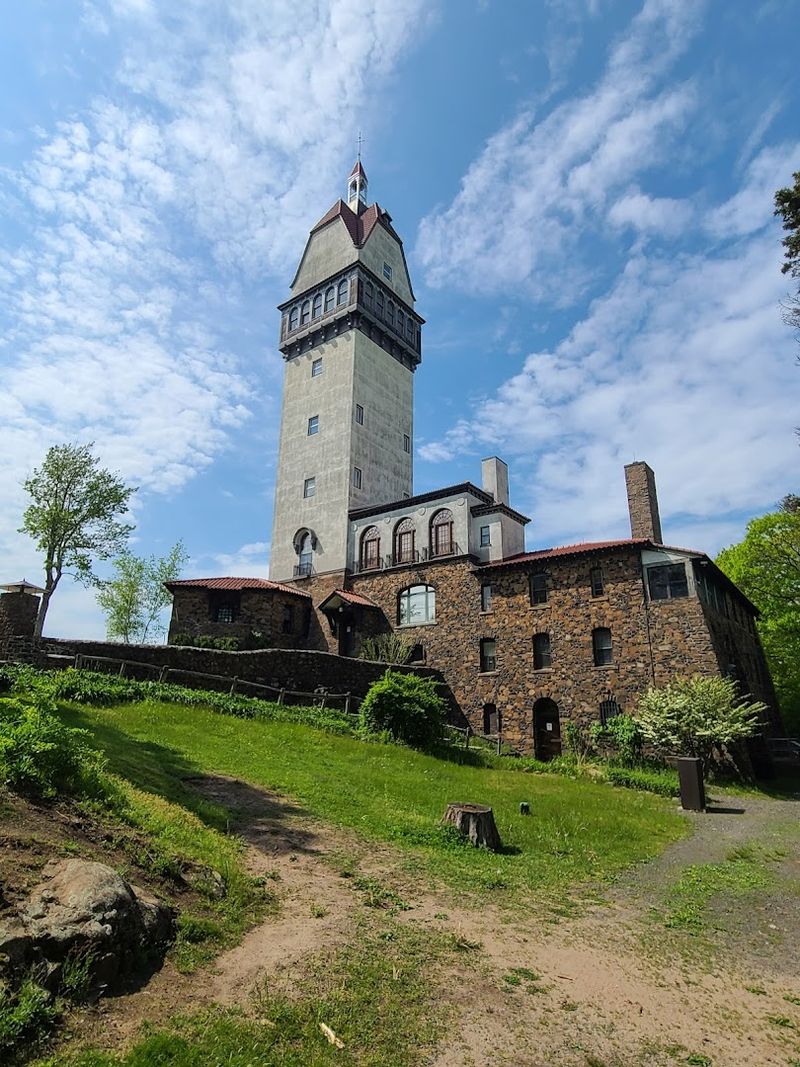
At the summit of Talcott Mountain stands Heublein Tower, a 165-foot, six-story structure built in 1914 as a summer retreat.
It is one of those landmarks that makes you feel like you have genuinely earned something by the time you reach it. The views from the top are extraordinary.
On a clear day, you can see the Connecticut River Valley stretching out below, along with views that reportedly extend into four states. The tower itself is a fascinating piece of history.
It was originally built for Gilbert Heublein, a food entrepreneur who wanted a private escape above the valley. The state eventually acquired the property and opened it to the public.
The tower is open to visitors on certain days during the warmer months, and rangers are sometimes stationed inside to share the history.
Even if it is closed on your visit, the views from the surrounding summit area are worth every step.
Standing up there with the wind moving through and the valley laid out below you is one of those moments that actually lives up to the hype. It is a genuinely special spot.
The Ridgeline Walk With Valley Views
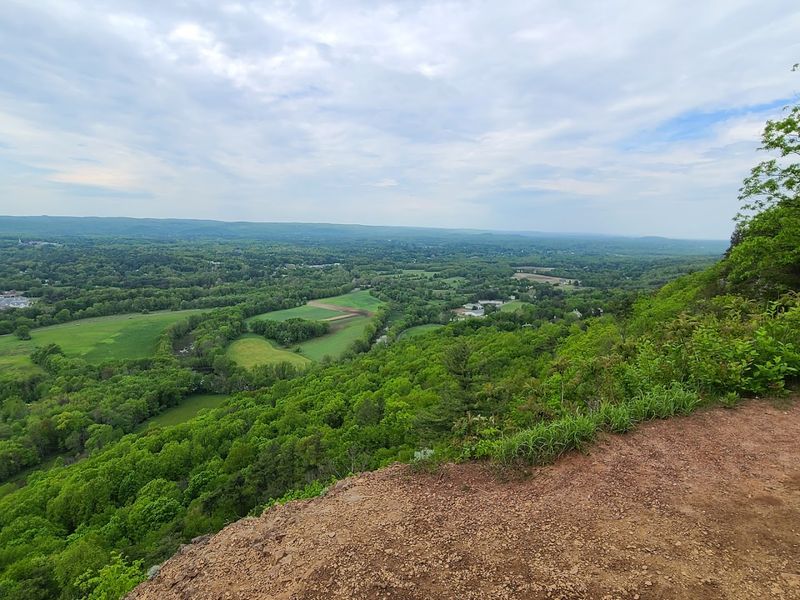
Before you reach the tower, the trail treats you to a ridgeline stretch that is quietly one of the best parts of the whole hike.
The path follows the edge of the mountain, and through breaks in the trees, the Connecticut River Valley opens up on your right in wide, sweeping glimpses.
These partial views build anticipation in the best possible way. You catch a flash of the valley through the trees, then the trail curves back into the forest, then another opening appears.
It is almost playful.
The trail seems to know exactly how to keep you moving forward.
The ridgeline section also has some interesting rock formations along the path that add texture to the walk. Nothing extreme, but enough to make the terrain feel dynamic rather than flat.
Footing is generally stable, though a few sections have exposed roots that deserve attention. Comfortable trail shoes work fine here.
Hiking boots are not strictly necessary but do give you better grip on the rockier stretches near the upper section.
The ridgeline is where the trail stops being just a walk and starts feeling like an actual adventure worth telling people about.
Wildlife And Birdsong Along The Way

One of the quieter pleasures of this trail is how alive it feels. The forest along the Talcott Hiking Trail is home to white-tailed deer, wild turkey, red foxes, and a surprisingly rich variety of songbirds.
If you move at a relaxed pace and keep your voice low, encounters are genuinely common.
Birdwatchers will find this trail rewarding in all seasons. Warblers pass through in spring migration, and year-round residents like the black-capped chickadee and the red-tailed hawk are reliable companions.
The hawk sightings near the summit are particularly impressive because of the open sky above the ridgeline.
I spotted a deer about halfway up on a quiet Tuesday morning. It stood completely still for a long moment before disappearing into the underbrush.
That kind of encounter does not happen on busy, loud trails.
The Talcott trail has enough foot traffic to feel safe and maintained, but not so much that the wildlife has been pushed out.
It strikes a balance that is harder to find than it sounds, and it makes the whole experience feel more like a genuine nature walk than a tourist attraction.
The Trail Conditions And What To Bring
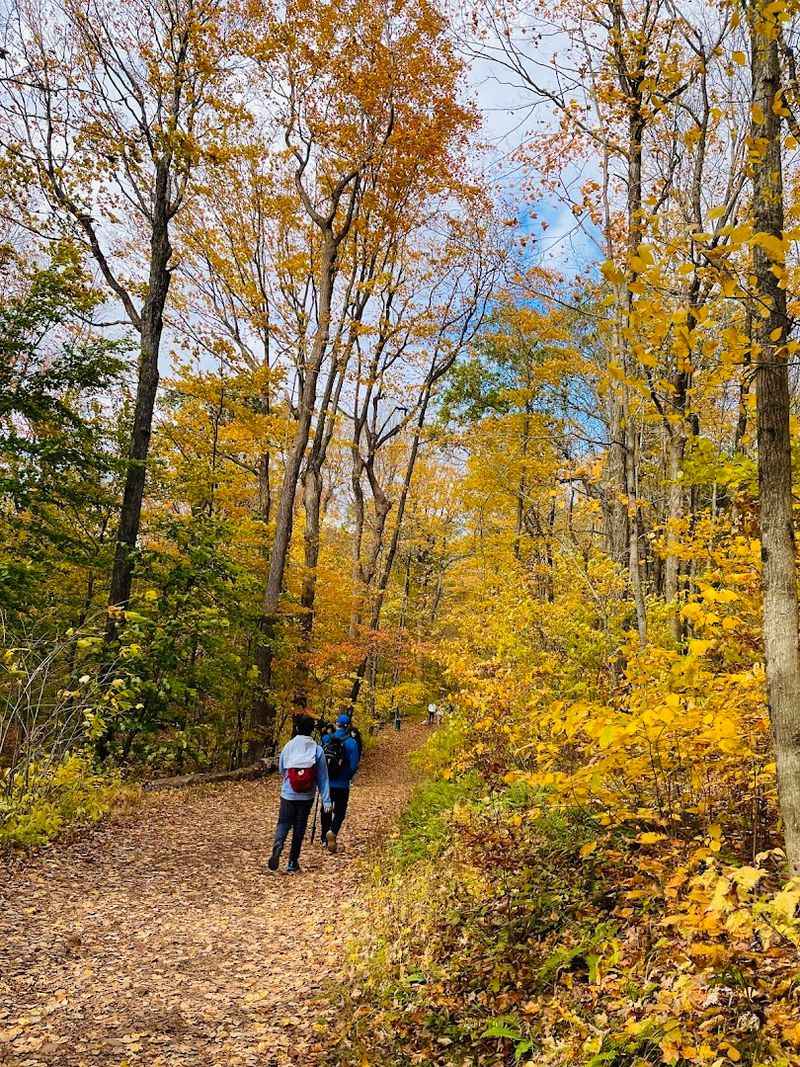
Knowing what to expect on a trail before you arrive makes the whole experience better. The Talcott Hiking Trail is well-maintained, clearly marked, and generally in good condition throughout the year.
The surface ranges from packed dirt to rocky sections near the summit, with some root exposure in the forested lower sections.
Wear comfortable walking shoes or light hiking boots. The trail is not technical, but the rocky upper section near the tower rewards a shoe with decent grip.
Dress in layers during spring and fall because the temperature at the summit can be noticeably cooler than at the trailhead.
Bring water, even for a 2.5-mile hike. There are no water sources on the trail, and the climb to the summit, while gradual, does get your heart rate up.
A light snack for the summit is a smart move.
Sunscreen matters near the exposed ridgeline. Cell service is spotty in sections, so download an offline map before you go.
Parking is available at the state park lot off Route 185. Arrive before 10 a.m. on weekends to secure a spot without stress.
The trailhead is clearly signed and easy to find from the parking area.
Best Seasons To Visit And What Changes
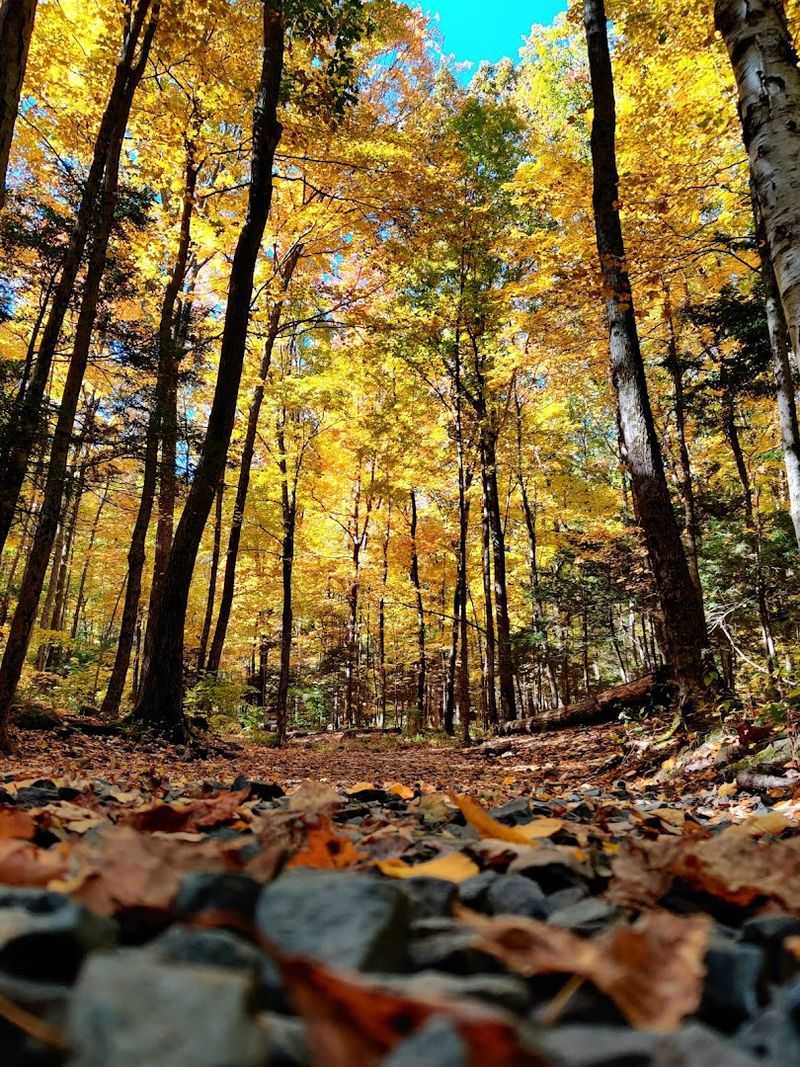
Every season changes this trail in a way that makes it worth visiting more than once. Fall is the showstopper.
The hardwood forest surrounding the trail turns into a full-color display from mid-October through early November, and the views from the summit during peak foliage are genuinely breathtaking.
Spring brings its own rewards. The forest floor fills with wildflowers, the trees are just leafing out, and the trail feels fresh and new.
Migratory birds are active, and the air has that clean, post-winter quality that makes hiking feel especially good. Summer keeps the trail cool under its thick canopy, even when temperatures climb in the valley below.
Winter hiking here is possible and peaceful when conditions allow. Snow on the trail adds a quiet, almost meditative quality to the walk.
Microspikes or traction devices are useful if there is ice.
The tower views in winter are exceptional because the bare trees open up sight lines that the summer canopy hides.
Each season gives you a genuinely different experience on the same path, which is a quality that separates a good trail from a great one. Talcott earns that distinction across all four seasons.
Why This Trail Sticks With You Long After You Leave
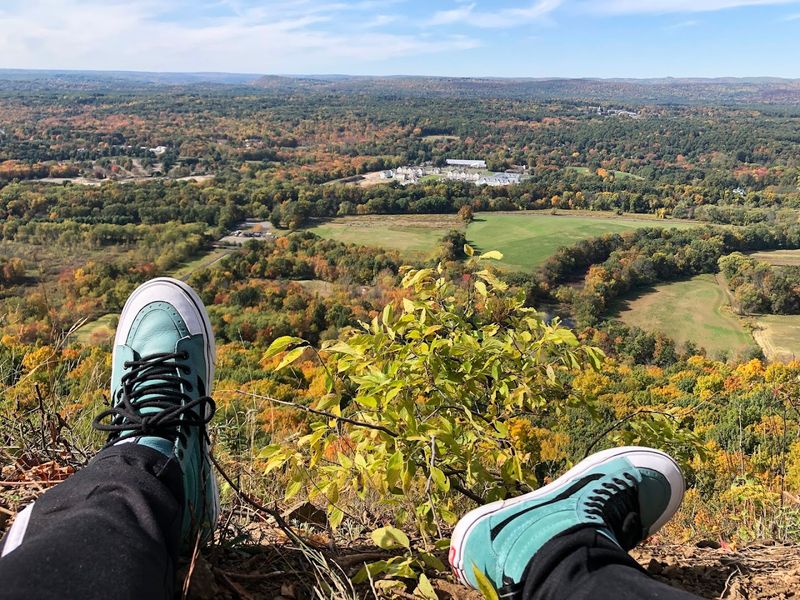
Some hikes are good while you are on them and forgettable by dinner. This one is different.
The combination of forest, ridgeline, history, and that summit view creates something that keeps replaying in your head for days afterward.
It is hard to explain exactly why, but the trail has a completeness to it that most short hikes lack.
Part of it is the pacing. The trail builds gradually, rewards you with teasing valley views along the way, and then delivers the full panorama at the top.
That structure feels satisfying in the same way a good story does. You are not just walking.
You are moving through something.
The Heublein Tower adds a layer of wonder that pure nature trails cannot offer. History and landscape combined in one place create a richer experience than either would alone.
Simsbury is not a town most people associate with spectacular hiking, and that contrast is part of what makes this trail memorable. You expect ordinary and you get extraordinary.
That gap between expectation and experience is exactly what makes a place worth talking about, worth returning to, and worth telling every person you know who owns a decent pair of walking shoes.