10 Nebraska Towns Where Czech, German, Danish, And Old-World Roots Run Deep
Old-world roots show up in Nebraska in ways that still feel alive.
They show up in bakery cases, church halls, main streets, folk costumes, historic buildings, and names locals have been saying for generations.
Some towns carry Czech pride with serious energy. Others hold tight to German, Danish, or broader European traditions that shaped how the community grew.
Heritage gets a front porch in Nebraska, and it usually comes with good food too.
These towns are not frozen in the past. They are places where history still has a seat at the table.
A summer visit might mean kolaches, sausages, parades, or a downtown that still carries traces of the families who built it. The details can be small, but they add up fast.
The best part is how personal it feels.
These roots are not just decorative. They live in local pride and recipes that do not need a trendy comeback to matter.
1. Prague, Czech Village On The Plains
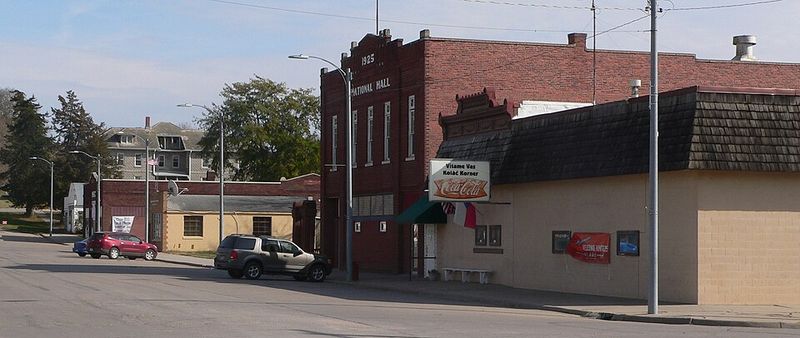
Named directly after the capital of Czechia, Prague in Saunders County was settled by Czech immigrants in the late 19th century and has maintained a strong cultural identity ever since.
The town is perhaps best known for its kolaches, the sweet pastries filled with fruit or poppy seed that Czech grandmothers have been baking for generations.
At one point, Prague baked a 5,200-pound kolach to celebrate its 105th-anniversary, a playful and record-setting tribute to the town’s Czech identity.
The Assumption of the Blessed Virgin Mary Catholic Church stands as one of the most visually striking landmarks in the area, built by Bohemian Catholics with Old-World artistic detail that feels quietly impressive even today.
Prague is a small community, and visiting it requires a slow pace and an appreciation for subtle details rather than busy attractions.
The church architecture alone is worth the drive, and the sense of continuity between the original settlers and the people who live there now is tangible.
Stopping in Prague feels like pausing time just long enough to notice how deeply European tradition can take root in American soil and hold on across more than a century.
2. Henderson, German Mennonite Heritage
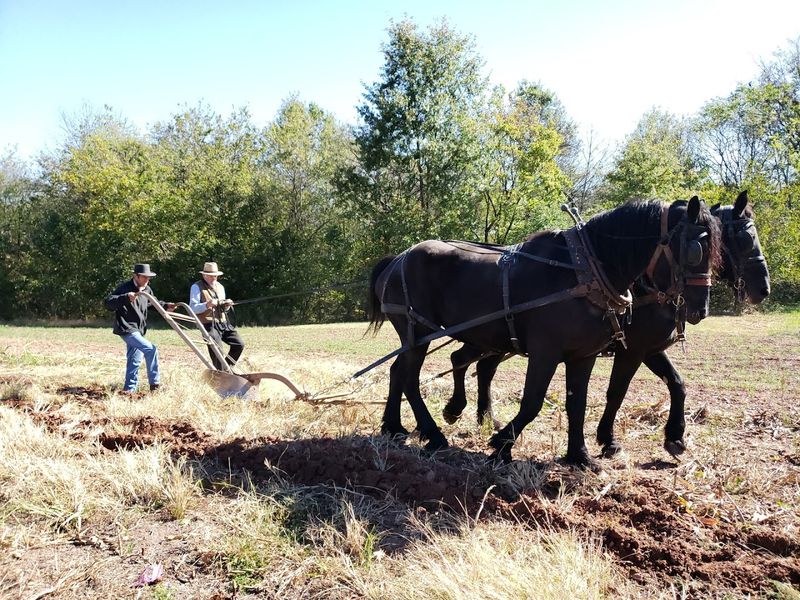
Henderson in York County carries a heritage shaped by German Mennonite settlers who arrived in Nebraska during the 1870s and established a community rooted in faith, farming, and a deeply communal way of life.
Mennonite immigrants came seeking religious freedom and agricultural land, and the Nebraska plains offered both in abundance.
The German Mennonite influence in Henderson is visible in the community’s historic churches, its tradition of cooperative farming, and the values that have shaped local institutions across generations.
Food traditions connected to Mennonite culture, including dishes like zwieback and borscht, reflect the group’s Russian Mennonite background and the long journey that brought them from Prussia to Russia to Nebraska.
Henderson is a quiet town by most measures, but it carries a cultural depth that rewards curious visitors willing to slow down and pay attention.
The Mennonite heritage here is not just historical but living, expressed in community organizations, church life, and the way neighbors tend to look out for one another.
York County’s agricultural landscape provides a fitting backdrop for a community whose identity has always been tied closely to the land and to the values that German Mennonite settlers carried across thousands of miles to plant roots in Nebraska.
3. Wilber, Czech Capital Of Nebraska
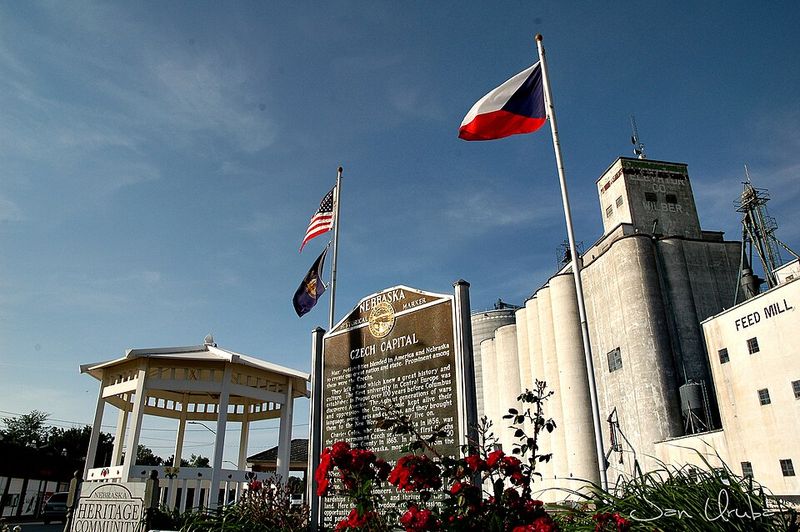
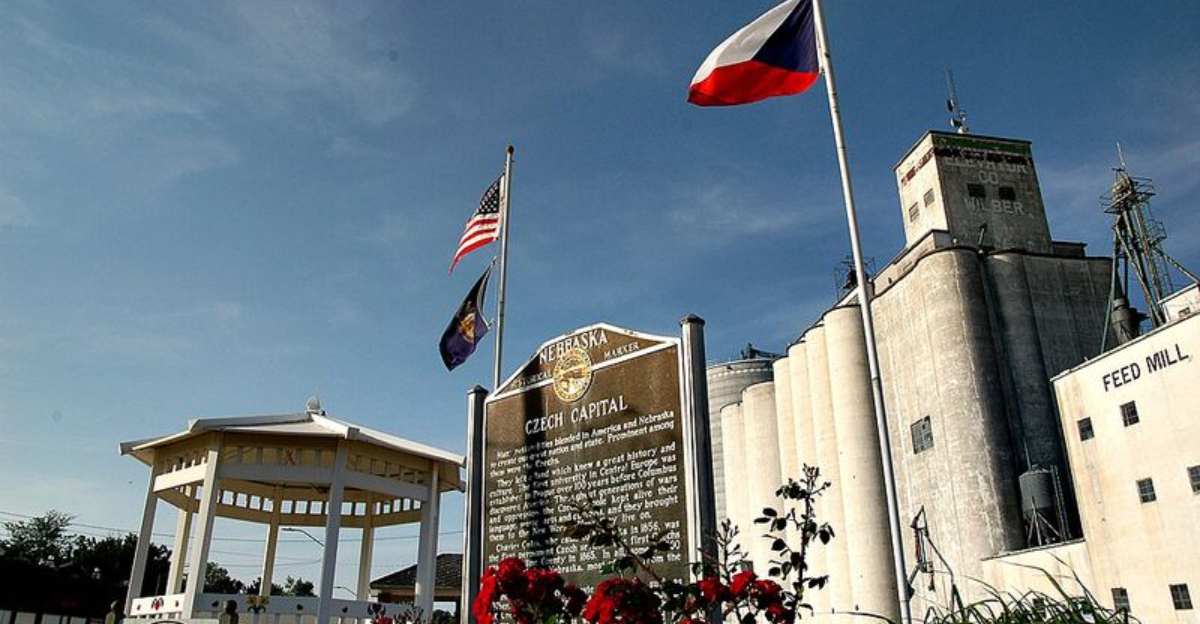
Officially recognized as the Czech Capital of the United States, Wilber holds a distinction that few small towns anywhere in the country can claim.
Founded in 1873 in Saline County, the town became a magnet for Czech immigrants fleeing economic hardship and political pressure in Bohemia and Moravia during the late 19th century.
Every August, the Wilber Czech Festival draws thousands of visitors for parades, polka dancing, traditional costumes, and foods like kolaches, duck, dumplings, and kraut.
The festival has been running for decades and remains one of the most authentic ethnic celebrations in the Midwest.
Beyond the festival, Wilber supports Czech bakeries and meat markets that keep old recipes alive year-round.
The Czech Museum in Wilber displays artifacts, photographs, and documents that trace the immigrant journey from Central Europe to the Nebraska plains.
Walking through Wilber feels unhurried and warm, with the kind of small-town familiarity that makes visitors feel welcome without any pretense.
Heritage here is not a marketing strategy but a daily practice passed down through generations of families who chose Nebraska as their permanent home.
4. Clarkson, Czech Customs In Colfax County
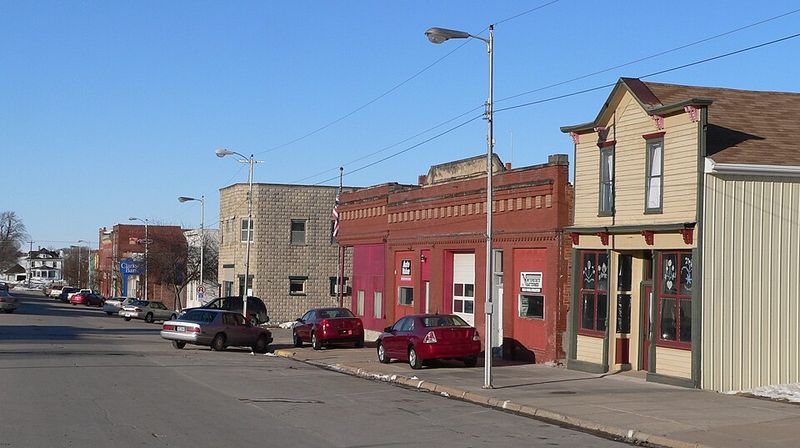
Part of Nebraska’s recognized Czech Heritage Corridor, Clarkson in Colfax County has maintained Czech customs in daily life more quietly than some of its neighbors but no less sincerely.
The town has historically supported a bakery and meat market rooted in Czech tradition, keeping food culture central to community identity.
Clarkson does not rely on large festivals to prove its heritage.
Instead, the Czech influence shows up in the rhythms of everyday life, in the foods people eat, the organizations they belong to, and the stories passed down at kitchen tables.
Czech fraternal organizations have long played a role in Clarkson’s social fabric, providing community support and cultural continuity across generations.
The surrounding Colfax County landscape is flat and open, the kind of terrain that early Czech settlers found both challenging and promising when they arrived with homestead dreams in the late 1800s.
Visiting Clarkson offers a grounded, unhurried experience that feels more like stepping into a working community than a curated tourist destination.
The Czech roots here run quietly but steadily, and that understated authenticity is exactly what makes Clarkson worth including on any Old-World Nebraska itinerary.
5. Dannebrog, Nebraska’s Danish Capital
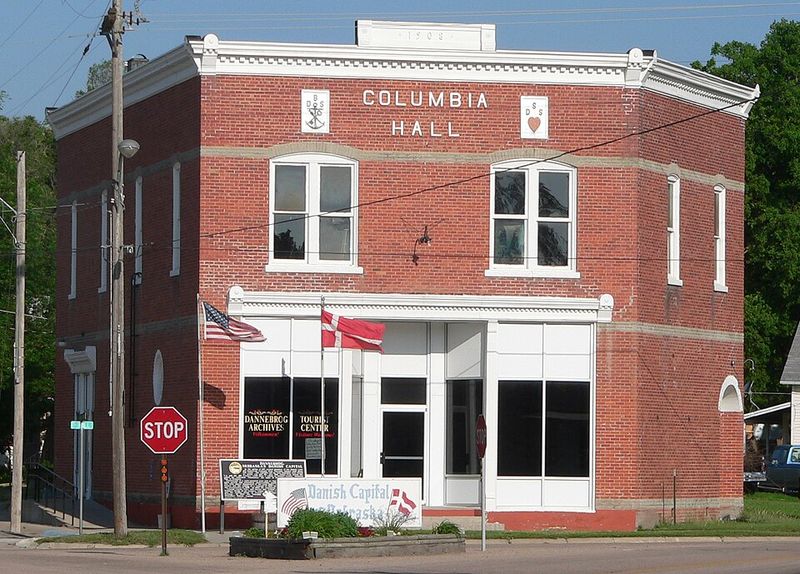
Founded in 1871 by Danish immigrants, Dannebrog carries its heritage with a charm that feels both deliberate and genuinely lived-in.
The town was named after the Danish national flag, and that pride in Danish identity has never really wavered in the century and a half since Lars Hannibal led the first settlers into Howard County with a dream of building a Danish colony.
Danish-language signs, hand-painted murals, and annual celebrations like Grundlovsfest in June keep the Scandinavian spirit alive in a town that could easily fit inside a single city block.
The Old-Fashioned Danish Christmas celebration in December draws visitors looking for a holiday atmosphere rooted in European tradition rather than commercial spectacle.
Walking through Dannebrog feels like flipping through a living scrapbook of immigration history. The buildings are modest, the streets are quiet, and the people tend to know each other by name.
Nebraska’s official recognition of Dannebrog as the Danish Capital of the state acknowledges what residents have always known: that the Danish settlers who came here did not just pass through.
They stayed, they built, and they made sure the next generation remembered exactly where the family story began.
6. Stromsburg, Swedish Heritage On The Prairie
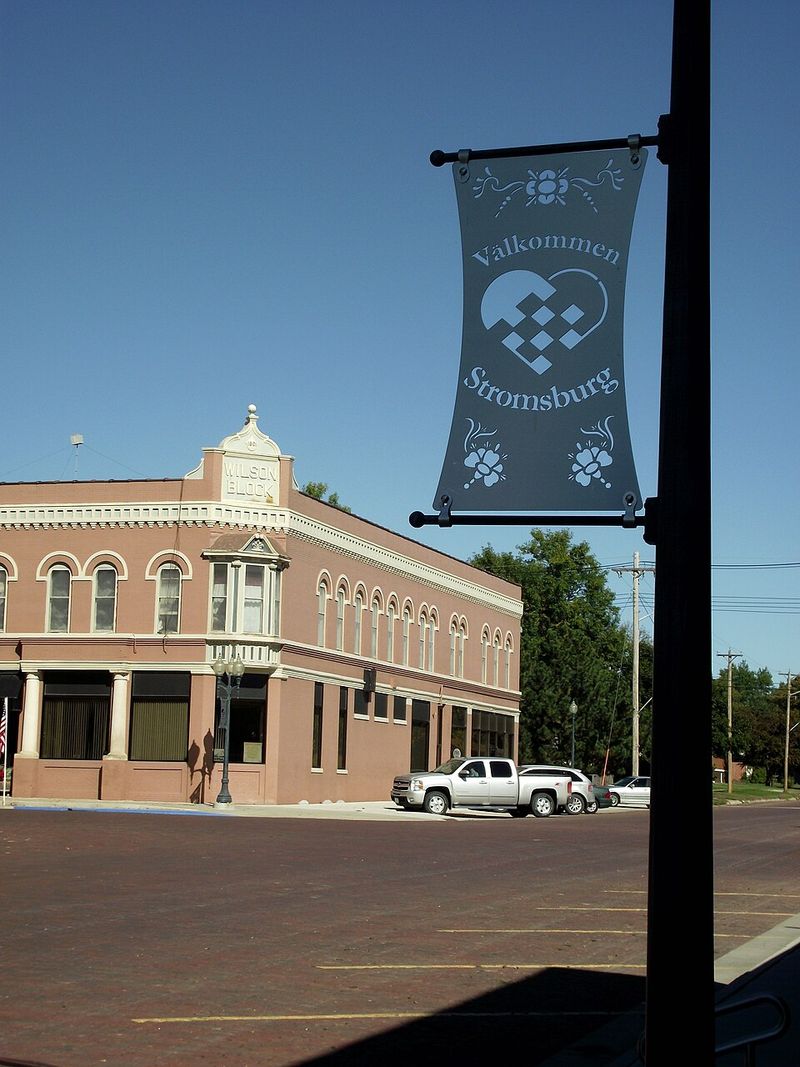
Known informally as the Swedish Capital of Nebraska, Stromsburg in Polk County has built its identity around the Scandinavian settlers who arrived in the late 19th century and turned open grassland into a thriving agricultural community.
Swedish immigrants brought with them a strong work ethic, a love of community gathering, and traditions that have survived remarkably well into the 21st century.
The town’s annual Midsommar festival celebrates Swedish midsummer traditions with folk dancing, music, and food that reflect the culture of the original settlers.
Stromsburg is small enough that the festival feels like a genuine community celebration rather than a performance staged for outside visitors, which gives it an authenticity that larger events sometimes lack.
The surrounding Polk County landscape, with its rolling fields and wide skies, looks much as it did when Swedish families first broke ground here more than a hundred years ago.
Stromsburg offers a relaxed, walkable experience where Swedish heritage shows up in place names, community organizations, and the stories that locals are usually happy to share.
For anyone curious about how Scandinavian culture took hold and flourished in the middle of America, Stromsburg is one of the most rewarding small towns in Nebraska to explore.
7. Wymore, Welsh Heritage In Gage County
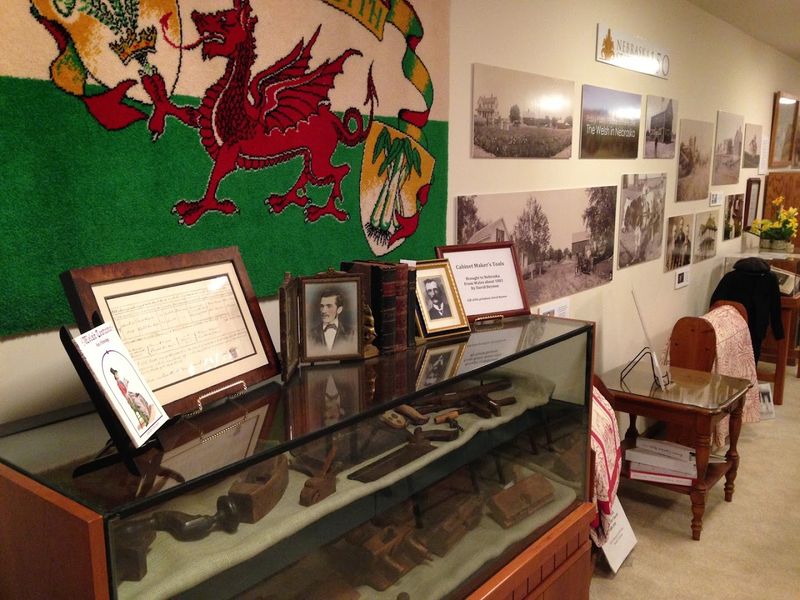
Welsh immigration to Nebraska is far less documented than Czech or German settlement, which makes Wymore in Gage County a genuinely uncommon find for anyone interested in the full range of European cultures that shaped the state.
Welsh settlers brought with them a strong tradition of choral singing, chapel worship, and community solidarity that set their settlements apart from neighboring immigrant groups.
Wymore developed as a railroad town in the late 19th century, and Welsh families were among those who put down roots here during that period of rapid growth.
The Welsh community maintained its distinct cultural identity through language, religious practice, and the kinds of social bonds that tend to form when a small group finds itself far from home in an unfamiliar landscape.
Welsh heritage in Nebraska does not receive the same festival attention or museum coverage that Czech or German roots often do, but that relative quietness makes discovering it feel all the more rewarding.
Wymore today is a small, unhurried town where the layers of its past are not always immediately visible but become apparent when you start asking questions and paying attention to the details that history leaves behind in community memory.
8. Sutton, German-Russian Roots In Clay County
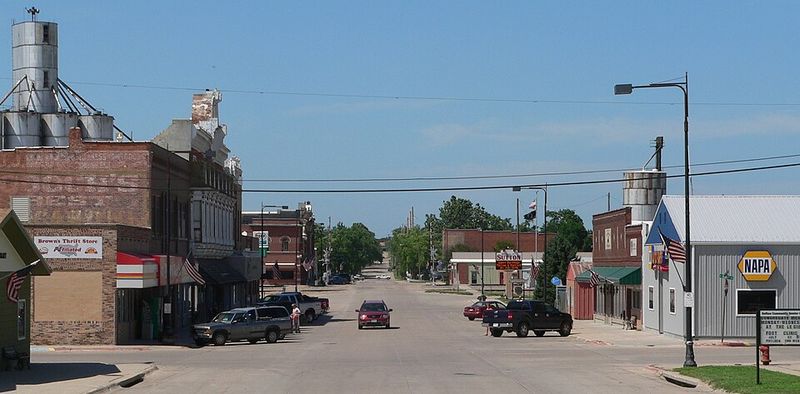
Sutton holds a unique place in Nebraska’s immigration history as one of the earliest destinations for German-Russian settlers, a group whose story is distinct from either German or Russian immigrants considered separately.
The first 22 German families arrived in Sutton in September 1873, having originally emigrated from Germany to Russia generations earlier before making the long journey again to Nebraska.
These settlers came from the Russian villages of Worms and Rohrbach, and they brought with them agricultural skills and a cultural identity shaped by two countries but fully belonging to neither.
Sutton became a center of German-Russian history and community life in Nebraska, and that heritage is still recognized and celebrated in the area today.
The story of Sutton’s German-Russian settlers is one of remarkable resilience and adaptability.
Families who had already uprooted themselves once to build a new life in Russia found the strength to do it again, crossing an ocean and a continent to start over on the Nebraska plains.
Clay County’s flat terrain and fertile soil suited the agricultural traditions these settlers carried with them, and the community they built in Sutton reflects a determination that is genuinely inspiring to learn about.
9. Syracuse, German Heritage And GermanFest
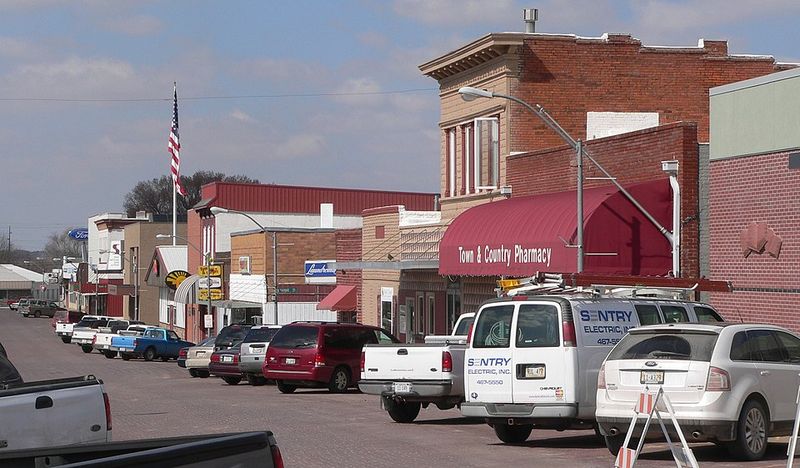
Otoe County experienced significant German immigration during the latter half of the 19th century, and Syracuse emerged as one of the communities where that heritage became a point of civic pride rather than a footnote in local history.
German settlers arrived with farming expertise, strong community bonds, and cultural traditions that shaped the town’s character for generations.
Each year, Syracuse celebrates its German roots with GermanFest, an event that includes Wiener-dog races, folk dancing, and other nods to the culture that helped build the community.
The festival has a lighthearted energy that makes it accessible to visitors of all ages while still honoring the genuine history behind the celebration.
Syracuse is a modest-sized community in southeastern Nebraska, and its heritage shows up not just in annual events but in the surnames of longtime families and the stories that connect present-day residents to ancestors.
The combination of humor and pride that GermanFest embodies captures something true about how heritage communities in Nebraska tend to operate: with warmth and a genuine appreciation for where the family story started.
10. Ashton, Polish Roots In Sherman County
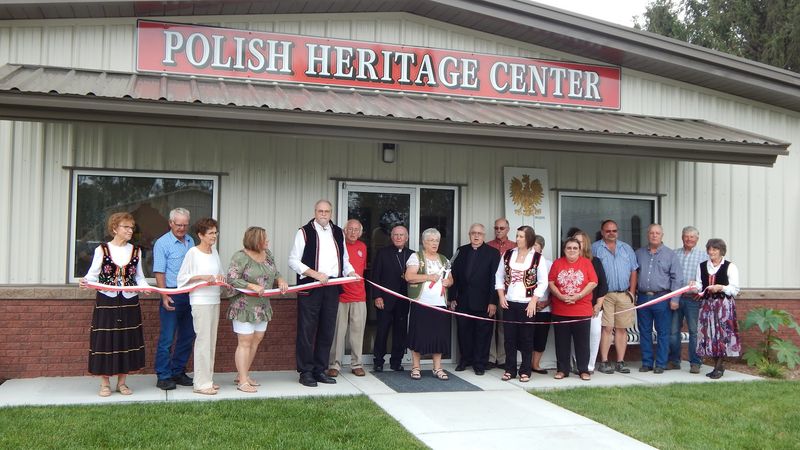
Polish immigration to Nebraska is another chapter of the state’s Old-World story that often gets overshadowed by the larger Czech and German narratives.
Polish immigrants arrived in Nebraska during the late 19th and early 20th centuries, many drawn by the same combination of religious faith and agricultural opportunity that motivated other European groups.
The Catholic Church played a central role in maintaining Polish identity in communities like Ashton, serving as both a spiritual and social anchor for families who were building new lives far from their homeland.
Polish traditions in food, music, and religious celebration helped the community maintain a sense of continuity across generations even as the broader American culture pressed toward assimilation.
Ashton is a very small community, and its Polish heritage is not heavily promoted or widely known outside of local circles, which gives it a kind of quiet authenticity that larger heritage towns sometimes lose.
For travelers who appreciate finding the less-celebrated corners of Nebraska’s immigrant history, Ashton offers a grounded and honest glimpse into the Polish experience on the prairie.