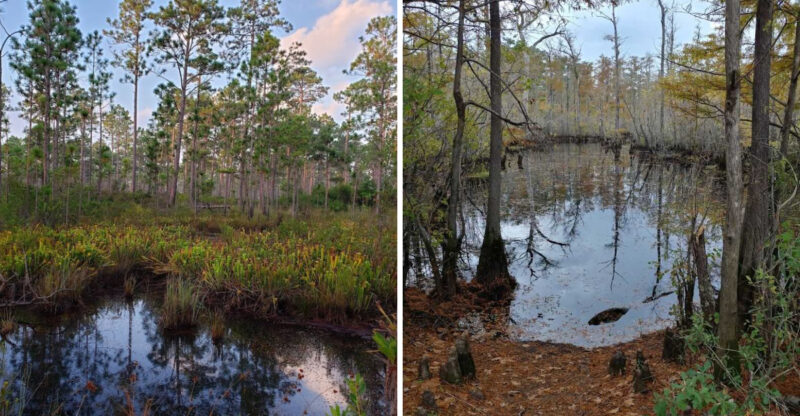
This Little-Known North Carolina Forest Trail Hides Fossilized Seashells Without An Ocean
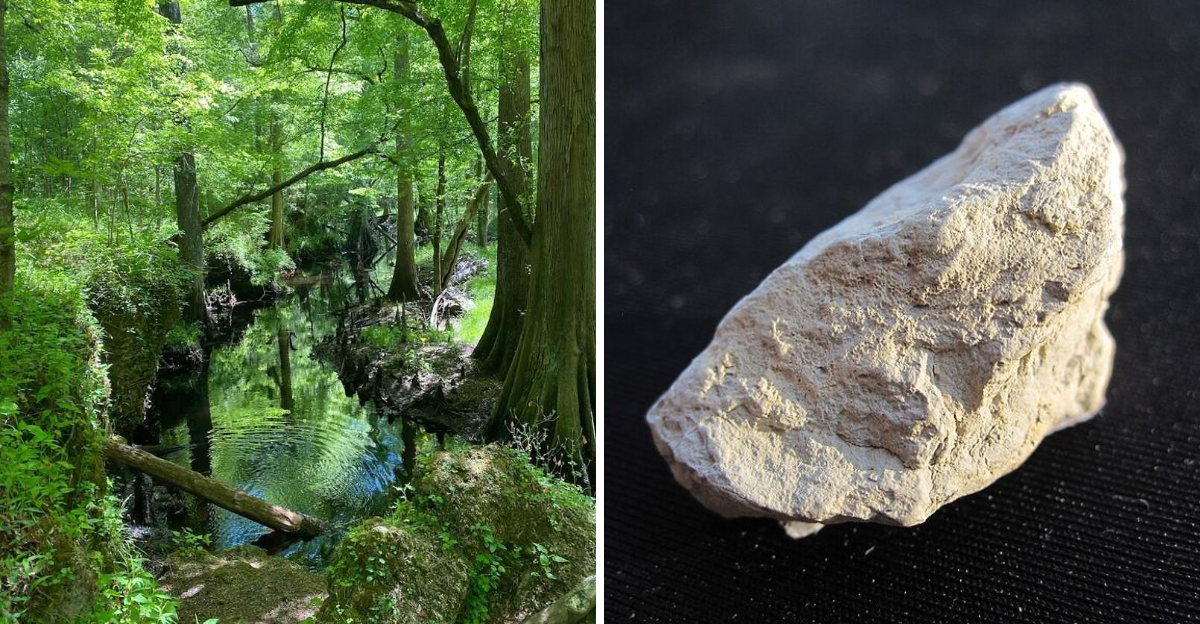
Forests are not supposed to come with seashells.
That is exactly what makes this North Carolina trail feel like the woods are hiding a very old prank.
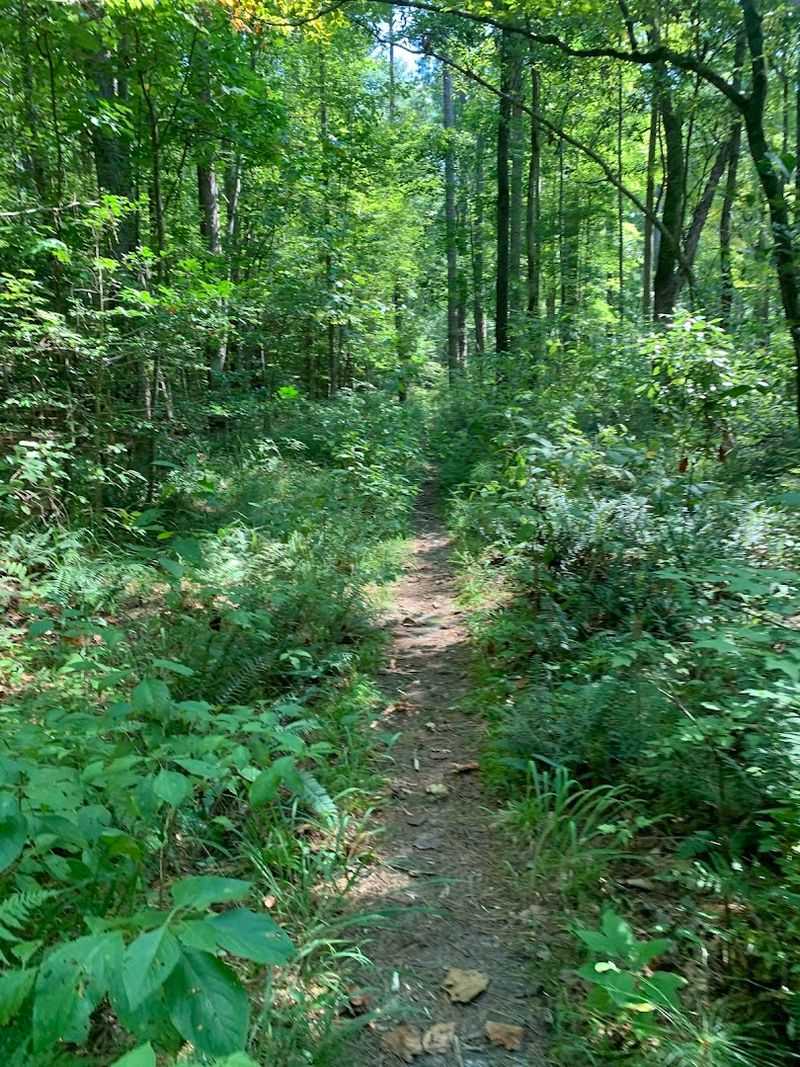
At first, the path looks calm and ordinary, with trees, roots, and the usual quiet forest mood.
Then the ground starts telling a stranger story.
Fossilized seashells appear in the landscape, left behind from a time when this area was covered by a warm ancient sea.
No beach is required. No ocean view gives away the secret.
Just a short woodland walk with a surprise that makes the whole forest feel slightly impossible.
A simple stroll suddenly turns into a fossil hunt, and the trees start looking like they have been keeping secrets for millions of years.
Start The Walk Knowing The Forest Was Once Underwater
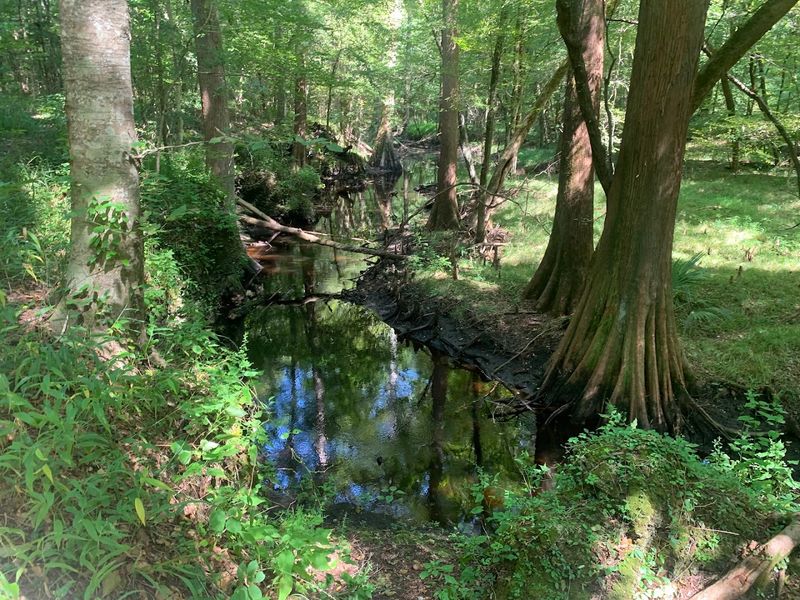
Starting this walk with the ancient-sea detail in mind changes the whole mood of the trail. Island Creek Forest Walk Trail sits in Croatan National Forest near Pollocksville, where today’s trees, roots, creek banks, and quiet understory cover ground connected to a much older coastal plain story.
The U.S. Forest Service describes Island Creek as a short half-mile trail with numbered posts that correspond to a pamphlet at the trailhead, making it more of an interpretive walk than a strenuous hike.
That gentle setup is part of the appeal. You do not have to climb a mountain, cross a swinging bridge, or commit to an all-day trek to find something surprising.
The trail asks you to slow down and pay attention. Once you know fossilized shell material can be seen in the marl along the creek, the forest stops feeling ordinary.
Every bank and exposed patch of earth feels like it might be holding a clue. North Carolina’s coastline has shifted across deep time, and this inland forest carries traces of that story in plain sight.
A casual walk suddenly feels like a small lesson in geology, patience, and looking closer than usual.
Follow The Creek Toward A Seashell Surprise With No Ocean In Sight
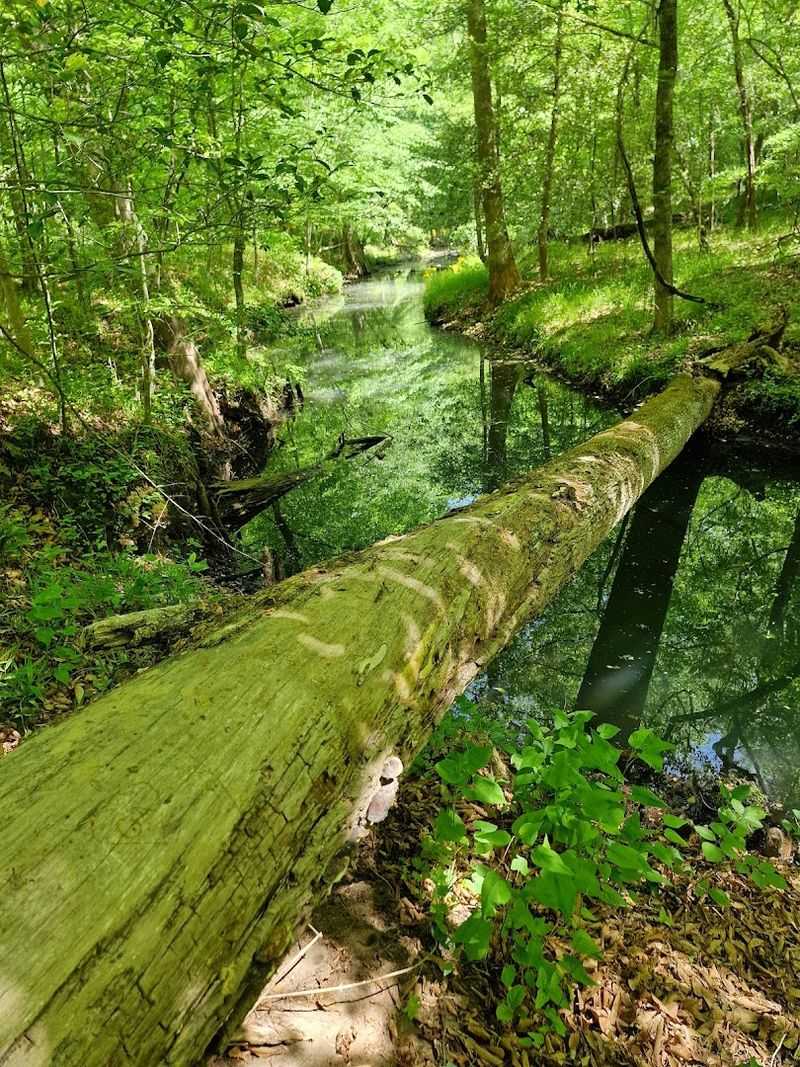
Island Creek does not announce its secret with a big dramatic sign, which makes the discovery feel more satisfying.
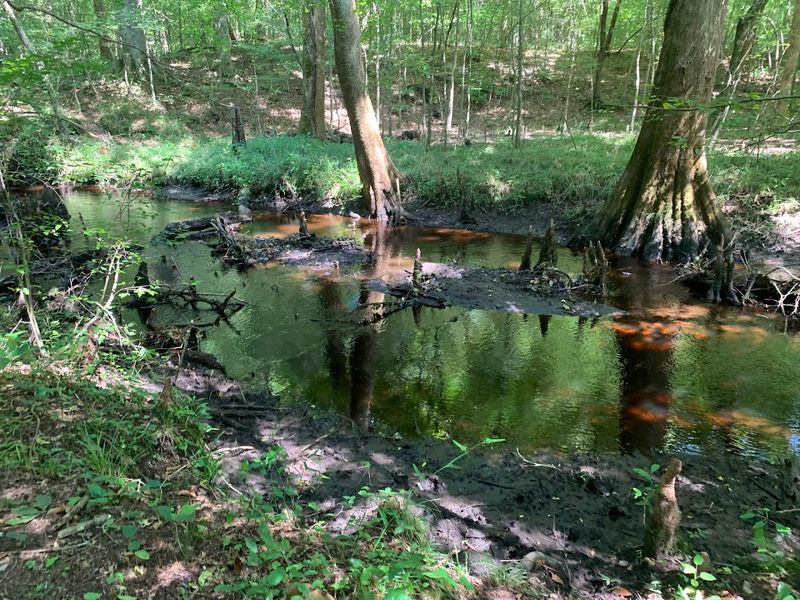
The trail follows a wooded creek setting where water, roots, leaves, and shade create the kind of calm that usually defines a pleasant lowland forest walk.
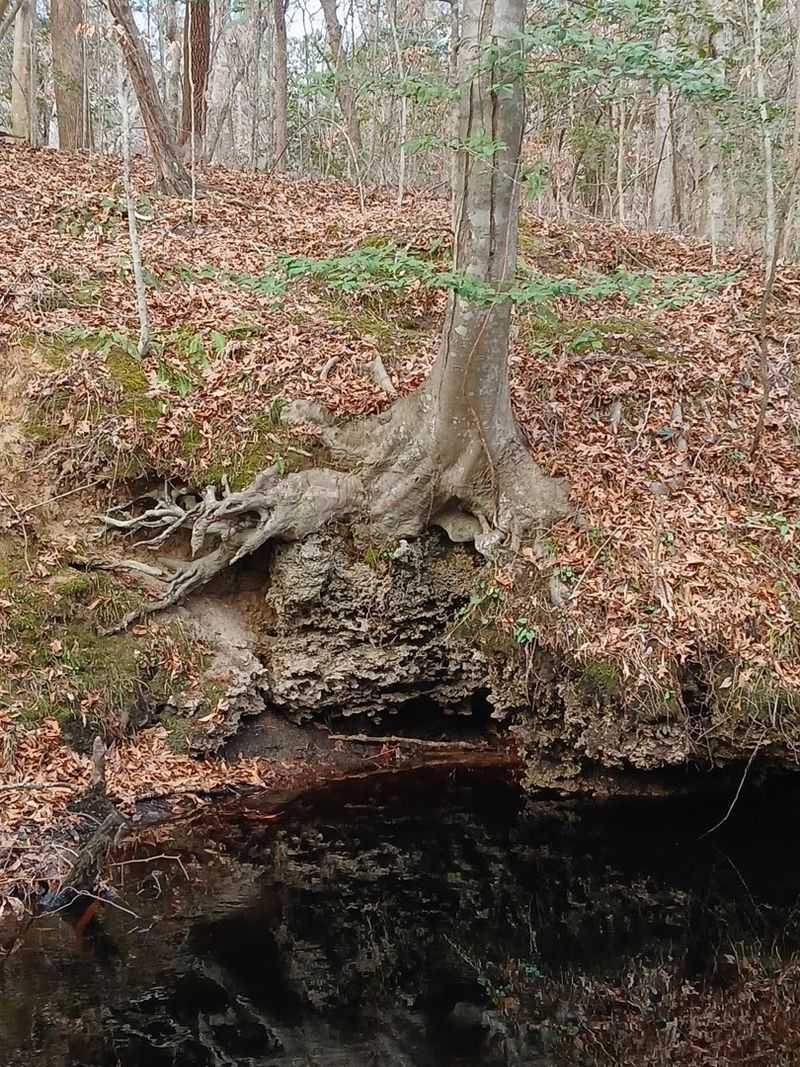
Then the marine story starts to appear along the bank. Local trail coverage describes an interpretive sign pointing out a rock outcropping made of marl, with fossilized seashell deposits formed millions of years ago when the area was under the sea.
That contrast is the magic: creek water moving through a forest while shell material from an ancient marine environment sits exposed nearby. No crashing waves.
No beach umbrellas. No ocean breeze.
Just a quiet inland trail holding evidence of a completely different world. The hike is short enough for families and casual walkers, but it rewards curiosity more than speed.
Anyone rushing through for exercise may miss the best part. Move slowly near the creek, watch the banks, and let the oddness sink in.
Finding seashell traces in a North Carolina forest feels like nature slipping a plot twist into an otherwise peaceful walk.
Look For The Marl Outcropping Before The Woods Distract You
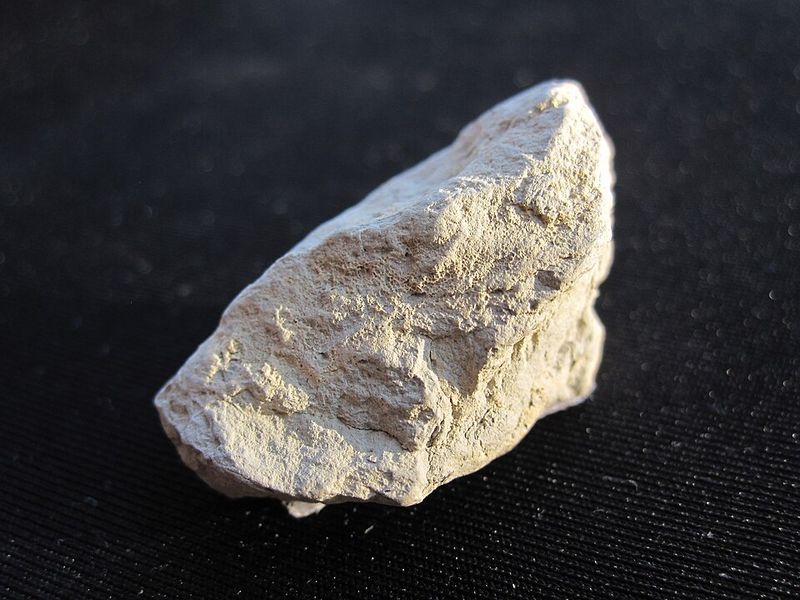
Marl is not a glamorous word, but on this trail it becomes the main character.
The material is a calcium-rich, crumbly deposit that can include fossilized shells and shell fragments, and along Island Creek it gives hikers a rare chance to see marine history embedded in a forested creek bank.
Local trail descriptions point to an interpretive sign near a marl outcropping that explains the fossilized shell deposits and their ancient-sea origin. That means visitors should treat the creekside sections as more than background scenery.
The woods are easy to admire, especially when tall trees, leaf litter, and filtered light start doing their quiet forest work, but the best geological clue may be sitting low along the bank.
Look for paler exposed material, layered textures, and shell-like fragments in the outcrop rather than expecting a neat museum display.
The point is not to dig, collect, or damage anything. The point is to notice.
Leaving fossils and rock material in place protects the trail and lets the next curious walker have the same moment of surprise. Island Creek rewards careful eyes, not heavy hands.
The woods may distract you, but the marl is the detail that turns the walk from pretty to memorable.
Let The Fossilized Shells Make The Trail Feel Stranger
The first glimpse of shell material in the creek bank can make the whole trail feel slightly unreal. A minute earlier, you may have been thinking about shade, mosquitoes, tree roots, or how short the walk is.
Then the fossilized shells pull your imagination backward by millions of years. That shift is what makes Island Creek special.
The trail does not overwhelm visitors with dramatic cliffs or sweeping mountain views. It works more quietly, using one strange, specific detail to change how you understand the place.
Fossilized shell deposits in the marl connect the forest to an ancient marine setting, reminding hikers that landscapes are not fixed things. Coastlines move.
Seas rise and fall. Sediment hardens.
Forests grow above what used to be underwater ground. Children often respond to that idea immediately because it sounds almost impossible in the best way.
Adults do too, even if they pretend to be calmer about it. A magnifying glass can make the stop more fun, especially for families, but the most important thing to bring is a willingness to linger.
The fossils should stay where they are, but the story goes home with you. That is the better souvenir anyway.
Bring Curiosity For A Short Walk With A Big Geological Twist
Short hikes are sometimes underestimated, but this one packs more geological history into a half-mile loop than most full-day treks deliver. The Island Creek Forest Walk Trail was established in 1967, making it one of the longer-running interpretive trails in the Croatan National Forest system.
For a trail that can be completed in under an hour, it carries an impressive amount of scientific and historical weight.
The official Forest Service description focuses on the self-guided half-mile Forest Walk, which is enough for visitors who mainly want the interpretive posts, creek views, and marl outcropping.
Anyone hoping for longer mileage should check current Forest Service information before following any side paths, since unofficial routes may not be marked or maintained.
Starting from Island Creek Road, Pollocksville, NC 28573, even a short out-and-back gives you access to the marl outcropping and creek views.
Notice How The Trees Make The Ancient Seafloor Feel Even Weirder
The trees make the fossil story feel even stranger, because they are so alive above something so ancient.
Island Creek’s forest setting includes the kind of coastal plain vegetation that makes the trail feel shaded, green, and peaceful, while local accounts also point to notable plant diversity along the route.
The U.S. Forest Service says the trail shows many different land shapes and a variety of plants and trees that grow there and in similar places.
That botanical variety becomes more interesting once you connect it to the marl and shell material along the creek. The geology is not just a trivia fact sitting off to the side.
It helps shape soil, drainage, and the conditions that plants respond to over time. Standing beneath the trees while looking at fossilized marine material can feel like two timelines meeting in one small place.
Above you, leaves move in the current weather. Beneath and beside you, the creek bank holds evidence of a world that existed long before the forest.
That contrast gives the walk its quiet power. Island Creek is not loud about its significance.
It lets roots, water, shells, and trees share the same space until visitors notice how unusual that really is.
Read The Interpretive Posts Before You Rush Past The Best Clues
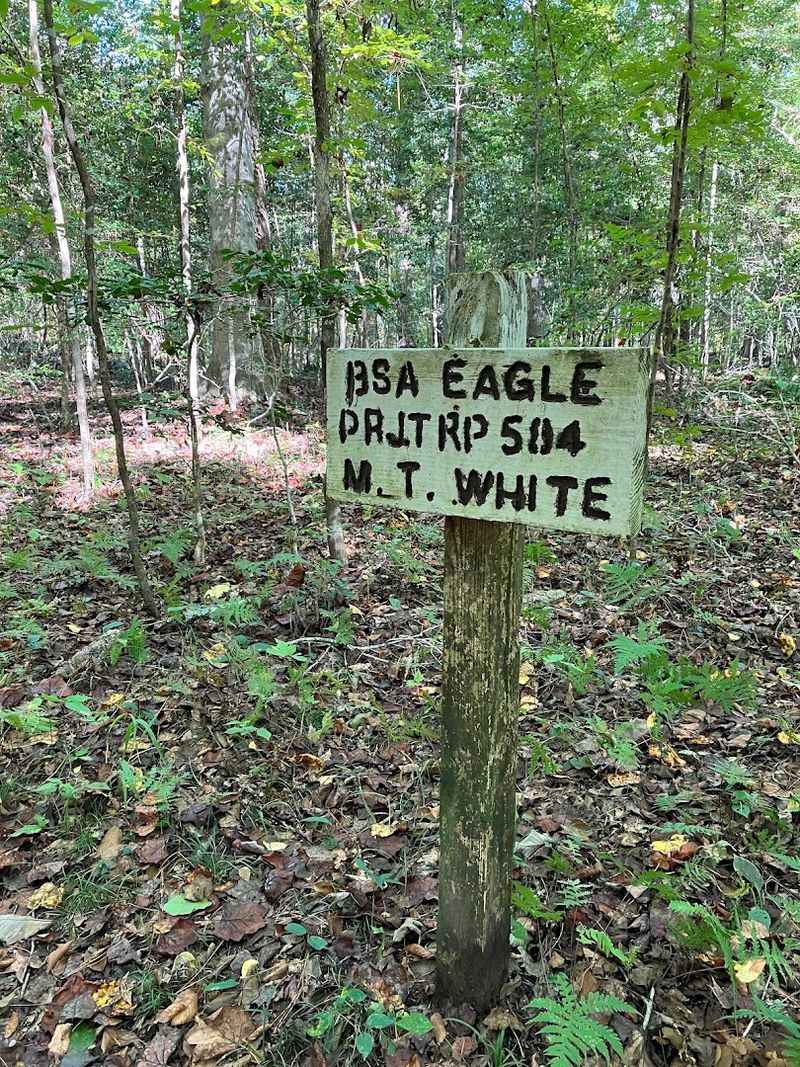
The numbered posts are not decoration. They are the key to understanding why this short trail matters.
The U.S. Forest Service notes that Island Creek Forest Walk Trail includes posts with numbers that match a pamphlet at the trailhead, guiding visitors through the features along the route.
Local trail coverage also describes interpretive signs connected to an Eagle Scout project that identify tree species and explain the marl outcropping. That context can turn an easy forest walk into something closer to an outdoor classroom.
Without the interpretive details, visitors might see a creek, some trees, and a pale bank without realizing they are looking at fossilized marine deposits. Reading slows the walk down in a good way.
It gives children something to search for, gives adults a reason to look more carefully, and turns the short distance into a series of small discoveries. The posts also reinforce a useful point: this trail is meant to be observed, not stripped for souvenirs.
Fossils, plants, rocks, and natural materials should stay in place. Someone took the time to help strangers understand the landscape, and the best way to honor that effort is to actually read, look, and leave the trail better than you found it.
Leave With Proof That North Carolina’s Coast Has Stories Buried Inland
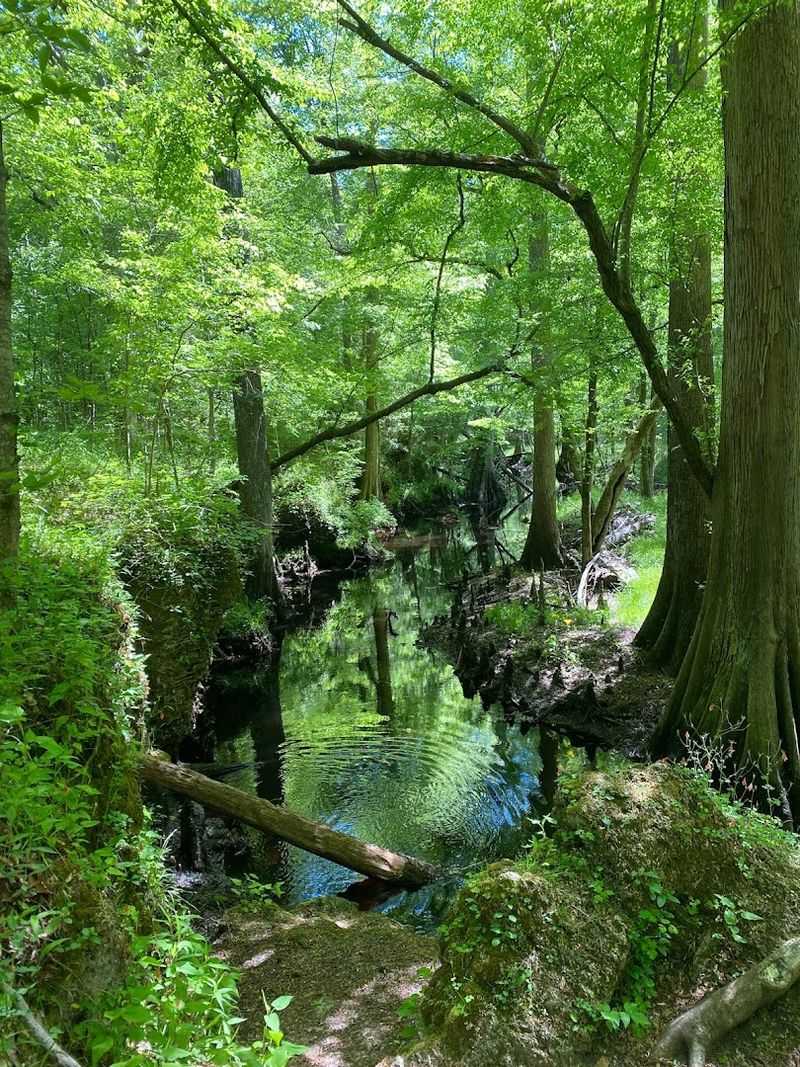
The walk back feels different once you know what the creek bank is holding. Island Creek Forest Walk Trail proves that North Carolina’s coastal story is not limited to beaches, lighthouses, dunes, or barrier islands.
Some of it sits inland, hidden into creek banks and forest soil, waiting for people willing to slow down for half a mile.
The fossilized shells in the marl outcropping are not flashy in the way a waterfall or mountain overlook might be, but they offer a deeper kind of surprise.
They show how much the land has changed and how much history can hide inside a quiet place.
Croatan National Forest is full of water, pocosins, pinewoods, hardwood pockets, trails, and wetland scenery, but Island Creek has a particularly memorable hook because it turns a simple walk into a time-travel moment.
Visitors should check current Forest Service conditions before going, bring bug spray, wear shoes that can handle damp ground, and avoid collecting or disturbing the outcrop. The reward is not something you carry in your pocket.
It is the strange pleasure of leaving a North Carolina forest knowing you just saw evidence of an ancient sea without ever hearing a wave.