The Eerie Hike Through An Abandoned Texas Zoo Will Leave You Chilled
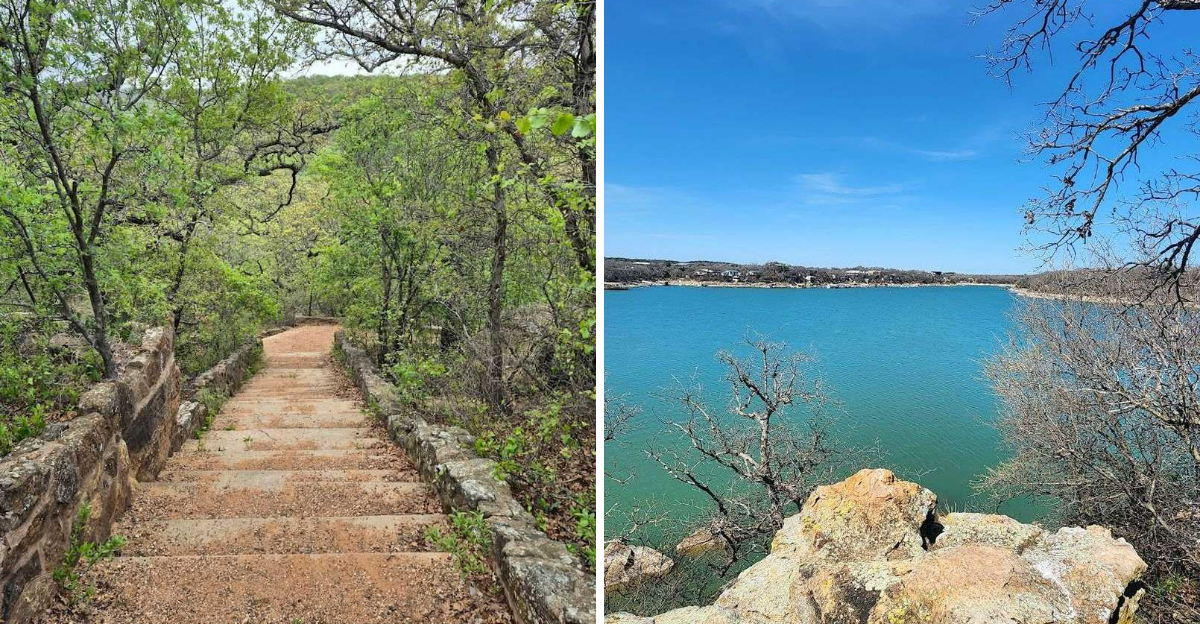
My flashlight flickered right as I spotted the first empty cage, and I will admit my heart skipped more than one beat. I almost turned around, but curiosity won.
What started as a casual weekend hike turned into something straight out of a forgotten story. Texas hides places like this, spots that used to buzz with life and now sit frozen in silence, waiting for someone brave enough to wander through.
Rusted bars, crumbling stone steps, and an unsettling quiet followed me the entire way. I kept expecting to hear something, anything, and the silence somehow felt louder than noise ever could.
This is not your average nature trail. If you love a little mystery mixed with your outdoor plans, this Texas spot will stay with you long after you leave.
Keep reading, because this story only gets stranger.
A Zoo That Time Forgot
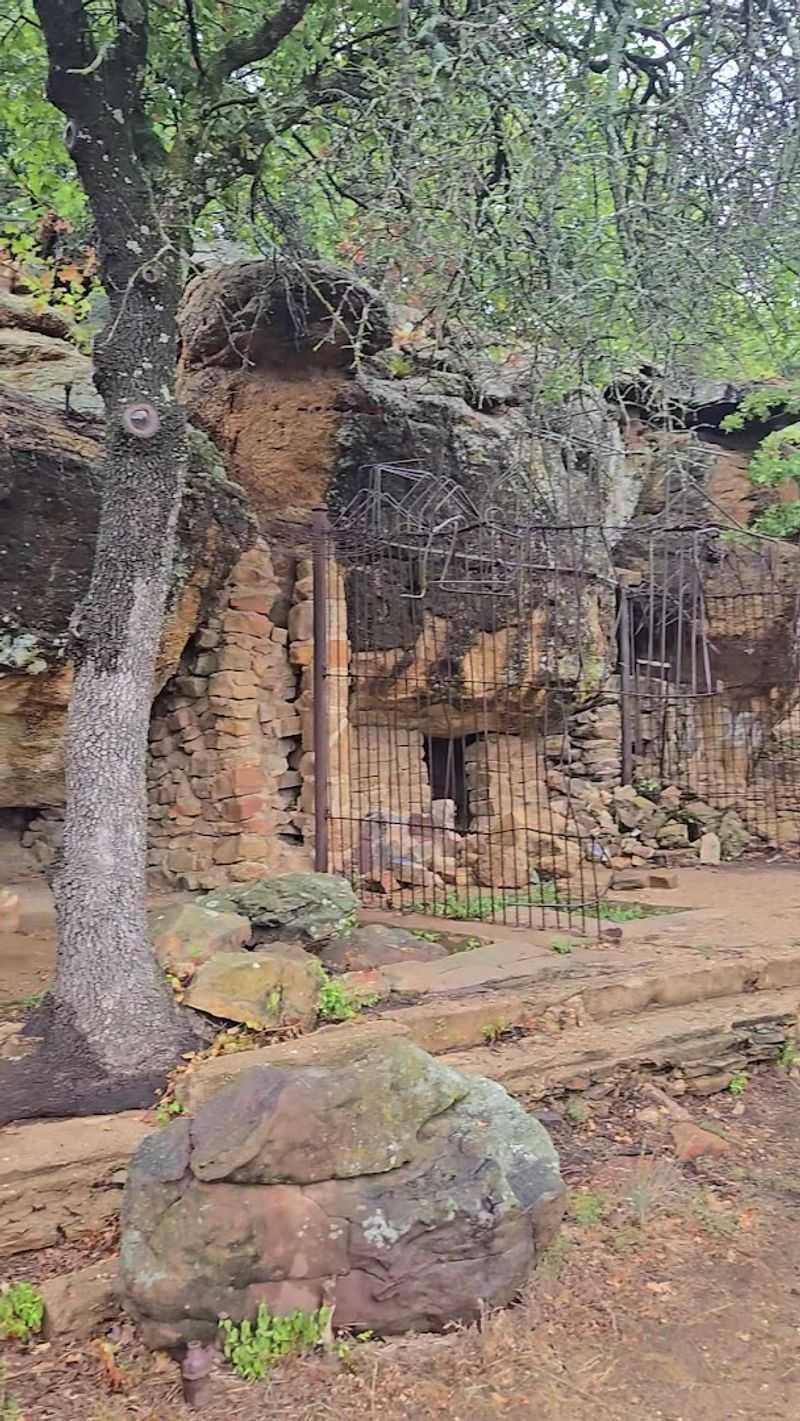
Picture a zoo from the 1920s, completely swallowed by nature. That is exactly what greets you the moment you step onto these trails.
The stone enclosures still stand, mossy and cracked, like something out of a forgotten chapter of Texas history.
The zoo originally opened in Cisco, Texas, during the roaring twenties. It housed bears, monkeys, flamingos, and deer, drawing families from all across the region.
Back then, it was a full resort area complete with cottages and a massive swimming pool.
By the 1930s, the zoo had closed after a series of troubling animal incidents and other challenges. A deer died under strange circumstances.
A bear was poisoned, and nobody ever figured out who did it. The zoo shut down, and nature quietly moved back in.
Fast forward to spring 2021, when a local nonprofit called SAFE cleared the overgrowth and built hiking trails through the ruins. Now visitors can explore what remains, all for free.
You can find Old Zoo Nature Trails at Co Rd 112, Cisco, TX 76437, about ninety minutes southwest of Fort Worth.
The Trails Themselves Are Surprisingly Easy
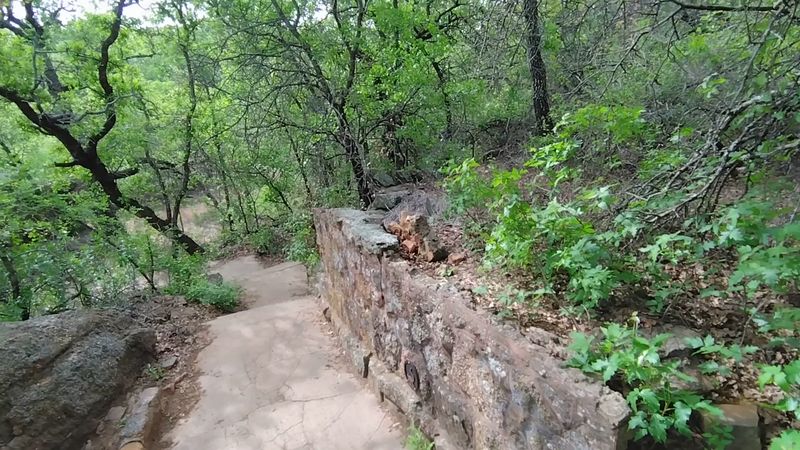
Do not let the word “ruins” scare you into thinking this hike is intense. Both trails here are under a mile long each, and the elevation gain is pretty minimal.
Most visitors finish both paths in about an hour or two.
That said, the ground is uneven in spots. Some of the stone steps are tall, and a few sections have narrow paths with roots and rocks underfoot.
Wearing closed-toe shoes is a smart move, especially if you plan to explore beyond the main zoo trail.
Walking sticks are provided at the entrance, and I genuinely recommend grabbing one. The terrain shifts from flat and shaded to rocky scrambles pretty quickly.
You want to feel steady when you are climbing up old stone enclosures.
The trails wind through thick brush and up old staircases that once guided zoo visitors between exhibits. That layered history makes every step feel intentional.
You are not just hiking, you are walking through a place that real families visited nearly a century ago. Bring water no matter the season, because Texas heat does not take days off.
The Old Animal Enclosures Are The Most Striking Part
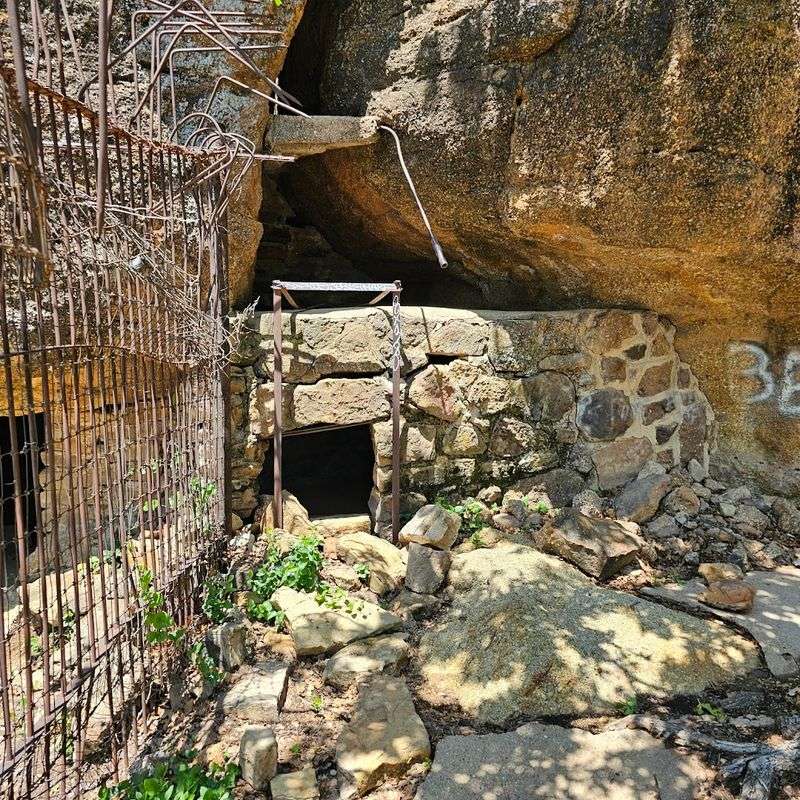
Nothing prepares you for the moment you round a corner and see bent iron bars sticking out of cracked concrete. The old animal cages are still standing, partially reclaimed by vines and brush.
They are simultaneously beautiful and deeply unsettling.
Some enclosures are small, which makes you pause and think about the animals that once lived inside them. The bears, the monkeys, the flamingos, all crammed into tight concrete spaces.
It is a powerful reminder of how much has changed in the world of animal care.
Graffiti covers parts of the old structures, which some visitors find adds to the atmosphere while others wish it were not there. Either way, the bones of this place are striking.
The concrete walls are thick and solid, built to last, which is exactly why they are still here a hundred years later.
Climbing on top of some enclosures is allowed and totally worth it for the view. You get a fresh angle on the whole area from up high.
Just watch your footing because the surfaces can be slippery depending on recent weather conditions.
The Medallion Scavenger Hunt Is Pure Fun
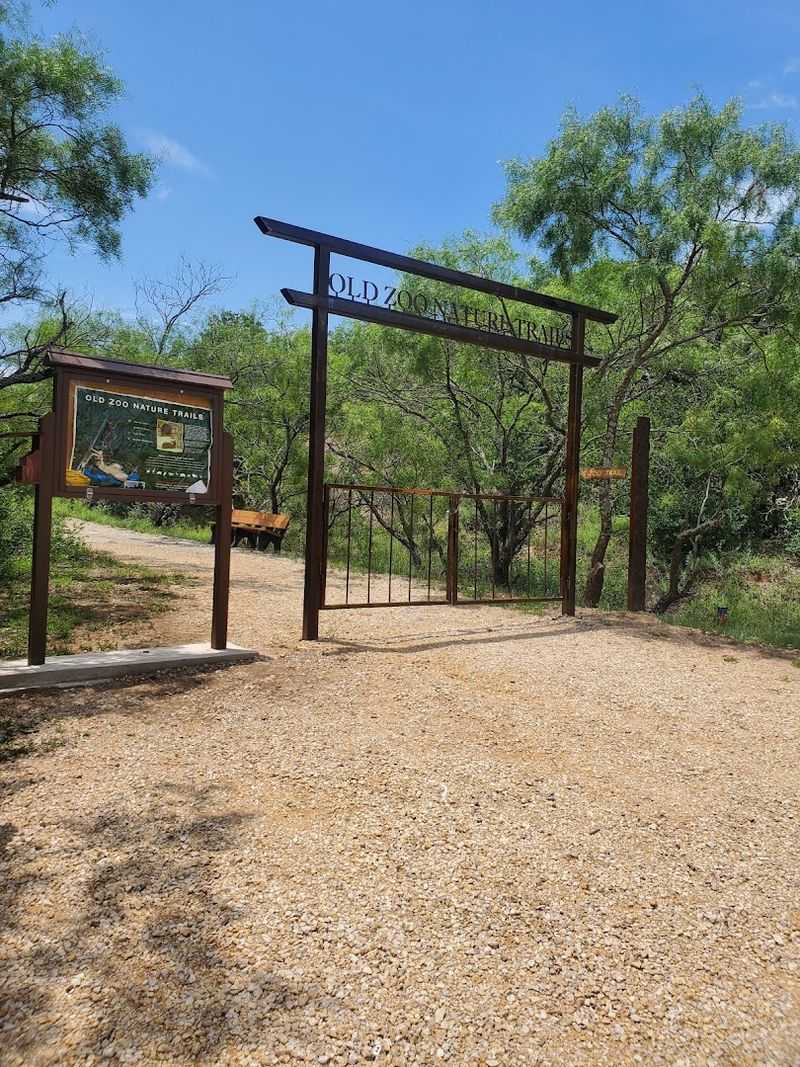
Here is the part that makes this trail genuinely exciting for families. At the trailhead, there is a totem pole displaying ten different animal medallions.
Snap a photo of it before you head in, because your mission is to find as many as possible hidden along the trails.
The medallions are tucked into all kinds of spots, not just near the old zoo cages. Some are easy to spot.
Others require a sharp eye and a willingness to explore off the obvious path. Kids absolutely love this part, and honestly, so do adults.
Fair warning though, some medallions have gone missing over the years. Weather, time, and a few inconsiderate visitors have taken their toll.
Most hikers report finding around six out of ten, which still feels like a solid win. Do not get discouraged if a few are simply gone.
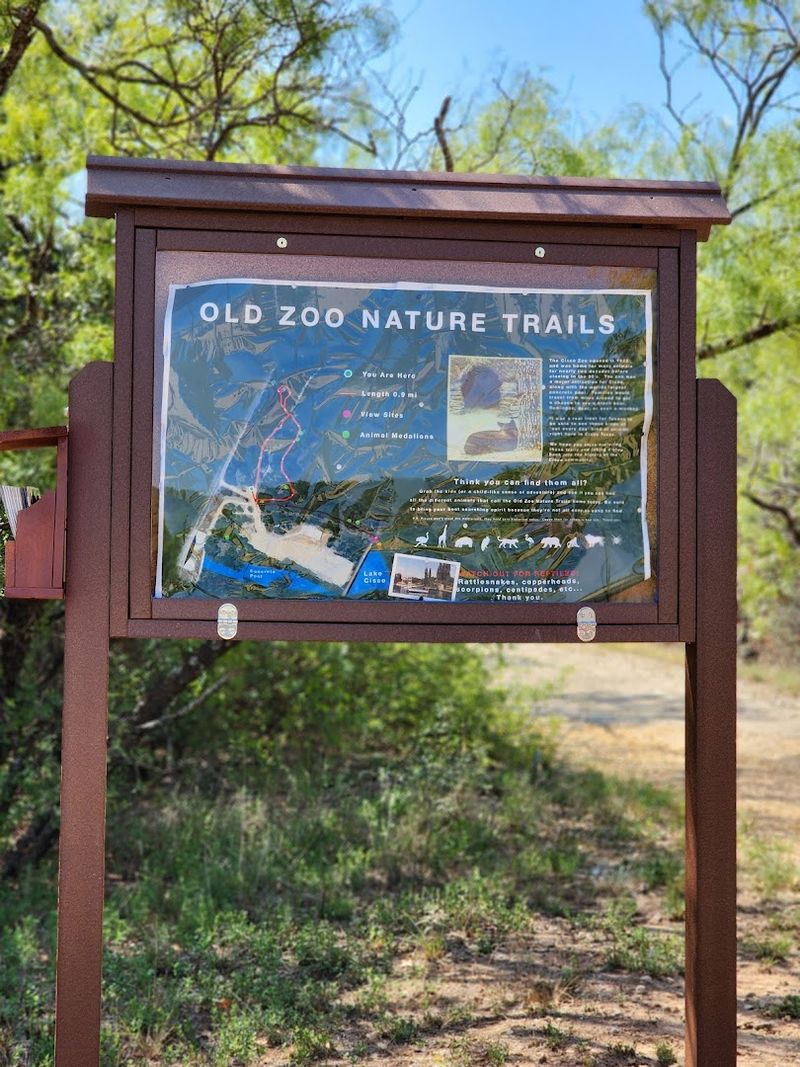
A map at the entrance gate shows all the trails and medallion locations. There is also a QR code you can scan to donate to the preservation effort.
This spot runs entirely on volunteer work and community support, so even a small contribution goes a long way toward keeping it open.
The Old Swimming Pool Is A Surreal Surprise
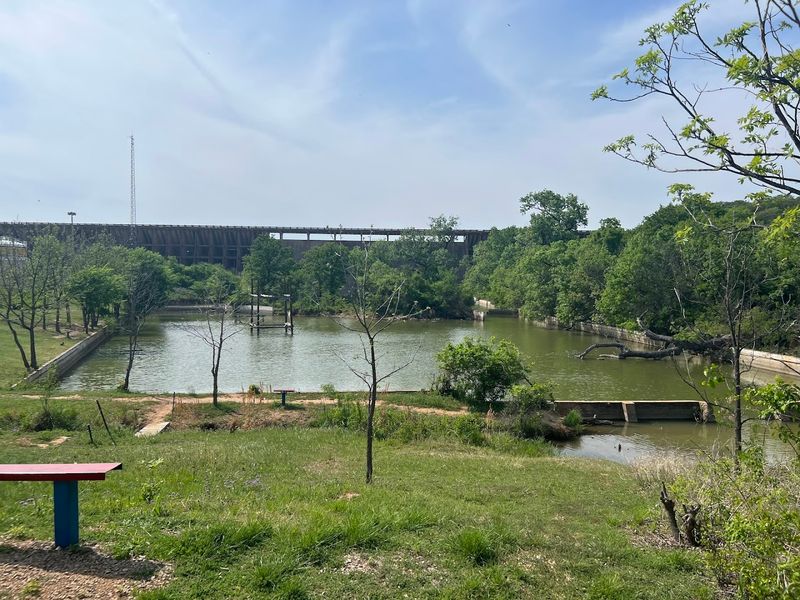
Right next to the old zoo sat what was once considered one of the largest concrete swimming pools in the world. That is not a small claim.
Back in the 1920s, this pool was a massive summer attraction that pulled crowds from across the entire region.
Today, the pool is more of a pond. Water has reclaimed it, and the surrounding concrete is weathered and cracked.
But the diving platform is still visible, jutting out over the murky water like a ghost of summers past. It is genuinely one of the most surreal things to stumble across on a hike.
The pool remained operational until the 1970s or early 1980s, long after the zoo had already closed. That means generations of Cisco families swam here without ever knowing they were splashing around next to abandoned animal cages just up the hill.
History layers upon history at this place.
Standing next to it now, you can almost hear the echoes of kids jumping off that diving board on a hot July afternoon. The contrast between what it was and what it is now is striking.
It makes the whole experience feel much bigger than just a hike.
Stone Staircases And Boulder Scrambles
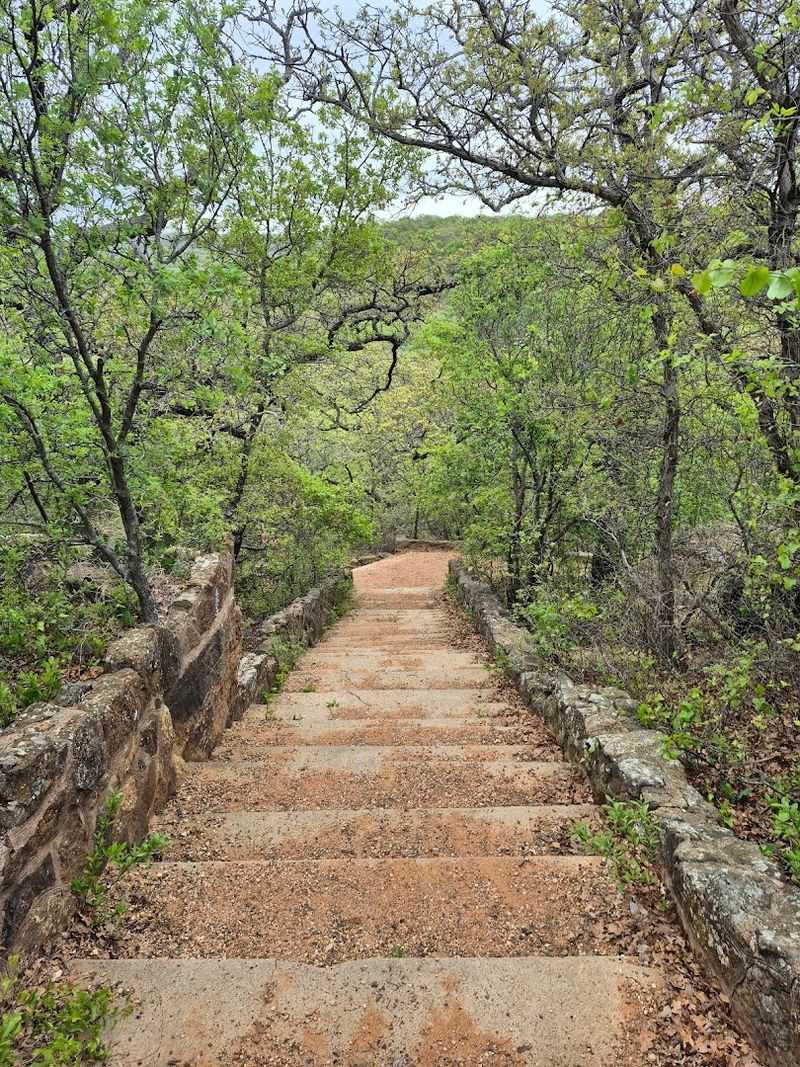
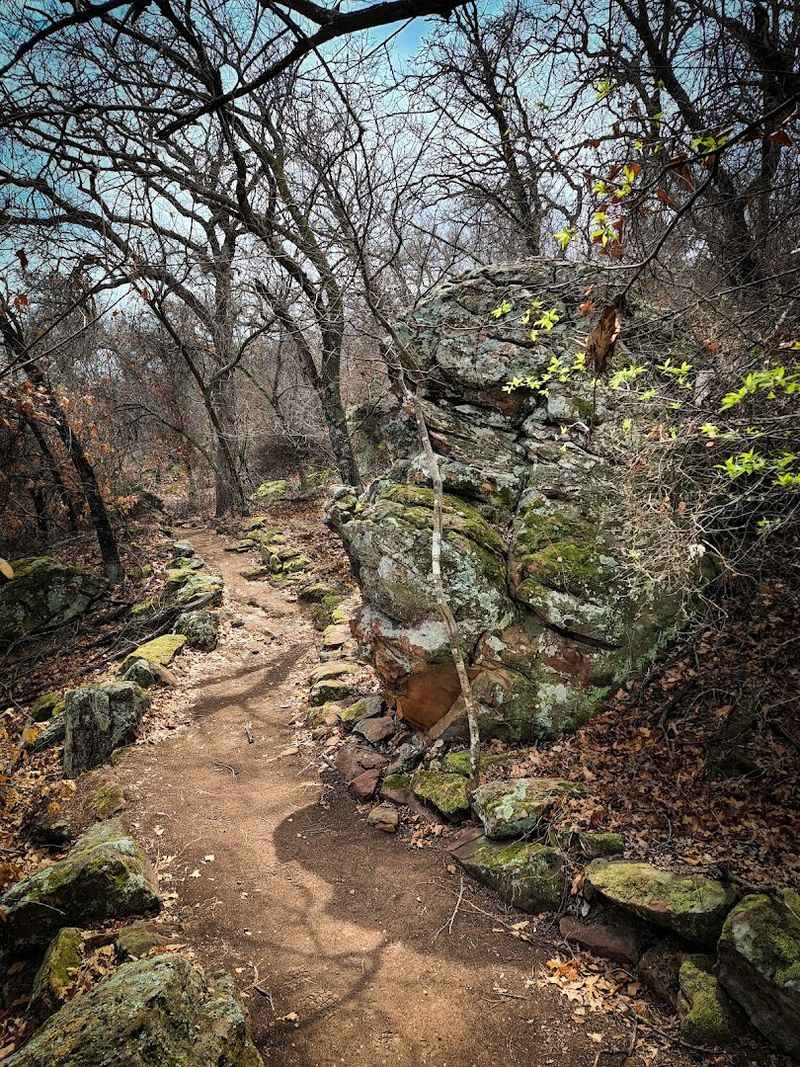
One of the most unexpected pleasures of this trail is the climbing. Large natural boulders are scattered throughout the area, and you are absolutely encouraged to scramble up them.
The Spider Rock Trail leads to a lion medallion perched right on top of a massive rock, which makes the climb feel earned.
The stone staircases are original, built during the zoo era to guide visitors between different exhibit levels. Walking up them now feels like stepping directly into a time machine.
Each step is worn smooth from decades of use, and the moss growing along the edges adds to the atmosphere.
For anyone who finds flat trails a little boring, this place delivers real terrain variety. You get shaded wooded sections, open rocky areas, narrow brush-lined paths, and elevated views of Lake Cisco and the dam nearby.
The scenery shifts constantly, which keeps the walk interesting from start to finish.
Bring long pants if you plan to tackle the outer trails. Thorn bushes and sticker plants are real hazards on the less-traveled paths.
The main zoo trail is fine in shorts, but venturing further means dressing for the Texas brush. It is worth the extra preparation.
The Lake Cisco Views Are An Unexpected Bonus
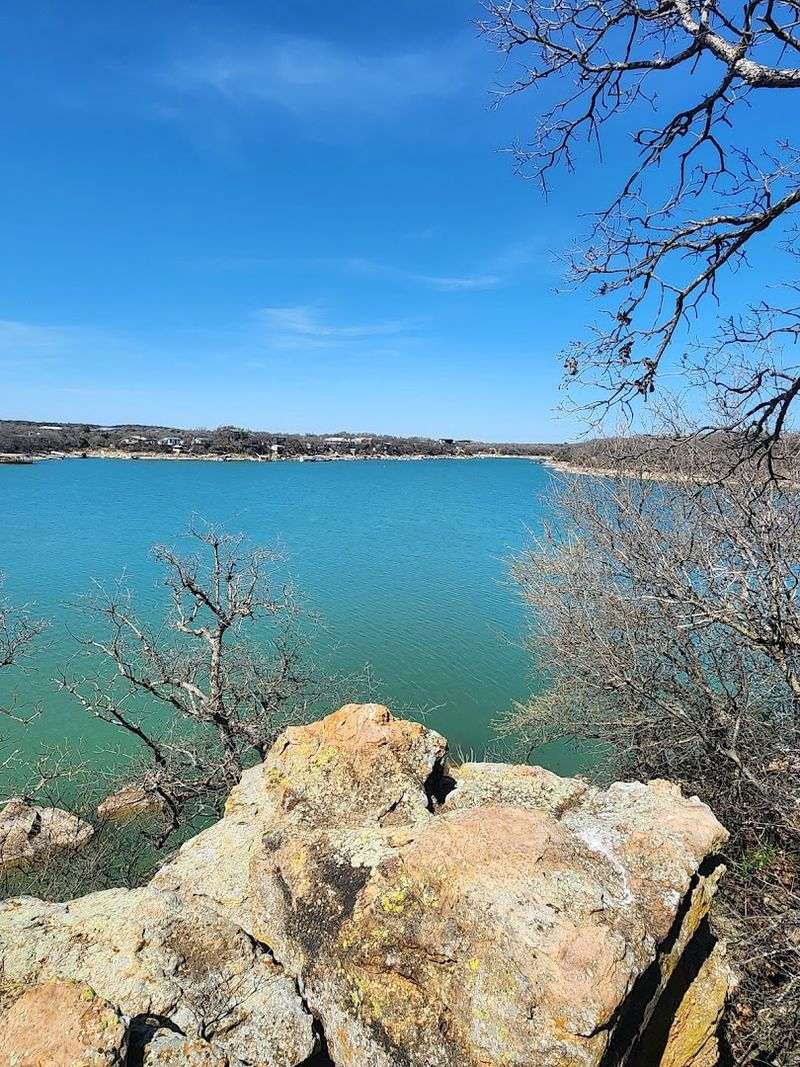
The zoo was originally built below the dam of the newly formed Lake Cisco in the 1920s. That means the trail gives you access to some genuinely beautiful water views that most visitors do not expect going in.
The lake adds a peaceful contrast to the eerie ruins nearby.
From certain elevated points on the trail, you can see the dam clearly and get a wide open view of the lake stretching out beyond it. It is the kind of view that makes you stop walking and just look for a minute.
Texas does not always get credit for its natural beauty, but this spot earns it.
The lake trail is the one that gets a bit steeper. It winds around cacti and has low branches to duck under, so stay alert.
But the payoff at the top is a panoramic view that feels completely out of proportion with how short the hike actually is.
After finishing the trails, the small park area near the entrance has picnic tables and swings. Sitting there with a view of the dam while you eat lunch is a genuinely pleasant way to close out the visit.
It feels like a reward for the exploring you just did.
Practical Tips Before You Go
Getting the most out of this visit takes just a little prep work. Start at the flagpole, not the old zoo entrance.
That is the correct trailhead, and beginning there sets you up to follow the map properly. A lot of first-time visitors miss this detail and end up confused early on.
Photograph the trail map at the gate before heading in. Cell service can be spotty in the area, and having the map saved on your phone means you will not get turned around on the narrower paths.
The map also shows where all the medallion locations are marked.
The trails are open every day from 6 AM to 9 PM. Admission is completely free, though there is a QR code at the entrance where you can donate to help maintain the trails.
The whole operation runs on volunteer effort, so every bit of support counts.
Restrooms are available across from the gate, and there is a decent amount of parking. Bring a painted rock to add to the painted snake display at the flagpole.
It is a fun little tradition that visitors have built up over time, and it is a nice way to leave your mark without causing any damage.
Why This Hike Is Worth Every Minute
Not every worthwhile experience needs to be grand or far away. This trail proves that a free, easy hike through a small Texas town can be one of the most memorable things you do all year.
The combination of history, mystery, and raw natural beauty is genuinely rare.
Families with kids, solo hikers, couples, and even people traveling with pets have all found something to love here. The trail works for almost every type of visitor, which is not something most hikes can claim.
The story of this place sticks with you after you leave. A zoo that opened with fanfare, closed under mysterious circumstances, and then quietly returned to the earth for decades, only to be rescued by community volunteers, is a genuinely compelling narrative.
You feel that story in every cracked wall and rusted gate you pass.
Road trips through central Texas often blur together after a while. This stop breaks that pattern completely.
It is specific, strange, beautiful, and free. Those four things together are hard to beat, and that is exactly why people keep coming back for a second visit.