You Won’t Believe This Picturesque Georgia Town Could Be Mistaken For A Scottish Village
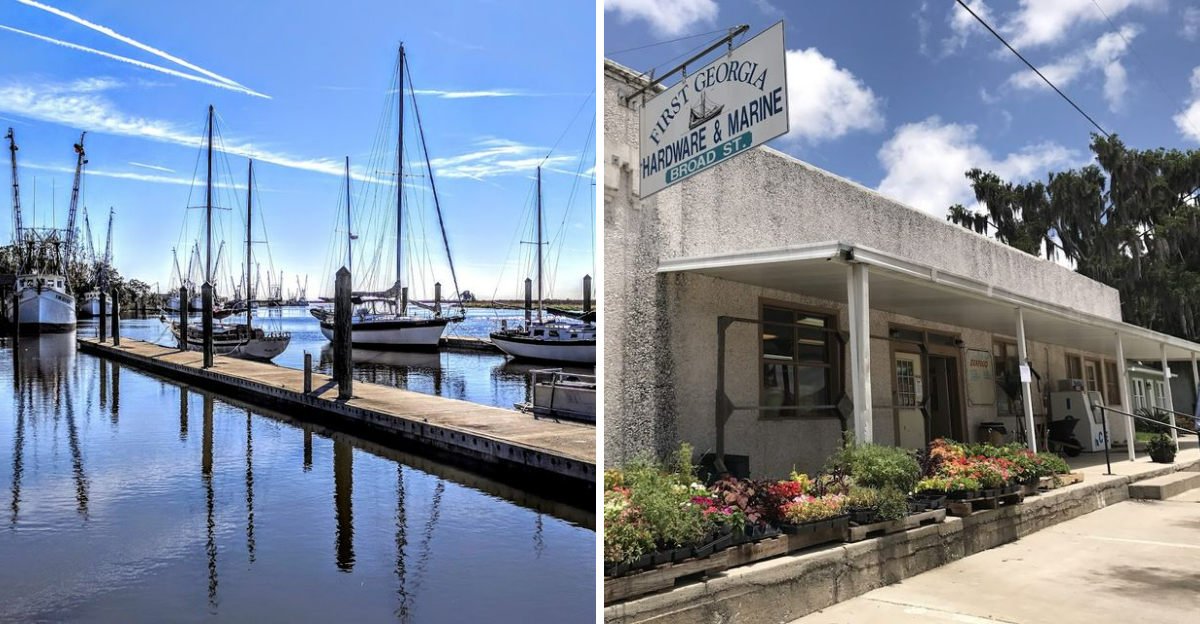
I pulled over twice just to double-check my GPS. The stone buildings, the misty marsh, the old kirk sitting quietly by the water.
My brain kept insisting I was somewhere in the Scottish Highlands. My map insisted I was still in Georgia.
The Scottish connection here is no accident. Settlers from Scotland put down roots centuries ago, and their fingerprints remain everywhere.
You see it in the architecture. You hear it in the family names on storefronts and street signs.
You feel it in the way fog rolls off the water at dawn. Most travelers blow right past this town on their trips to bigger coastal destinations.
Big mistake. This might be the most unexpected corner of Georgia, a place where two worlds quietly overlap.
Bring a camera. You will not believe it otherwise.
The Scottish Highlanders Who Built This Town
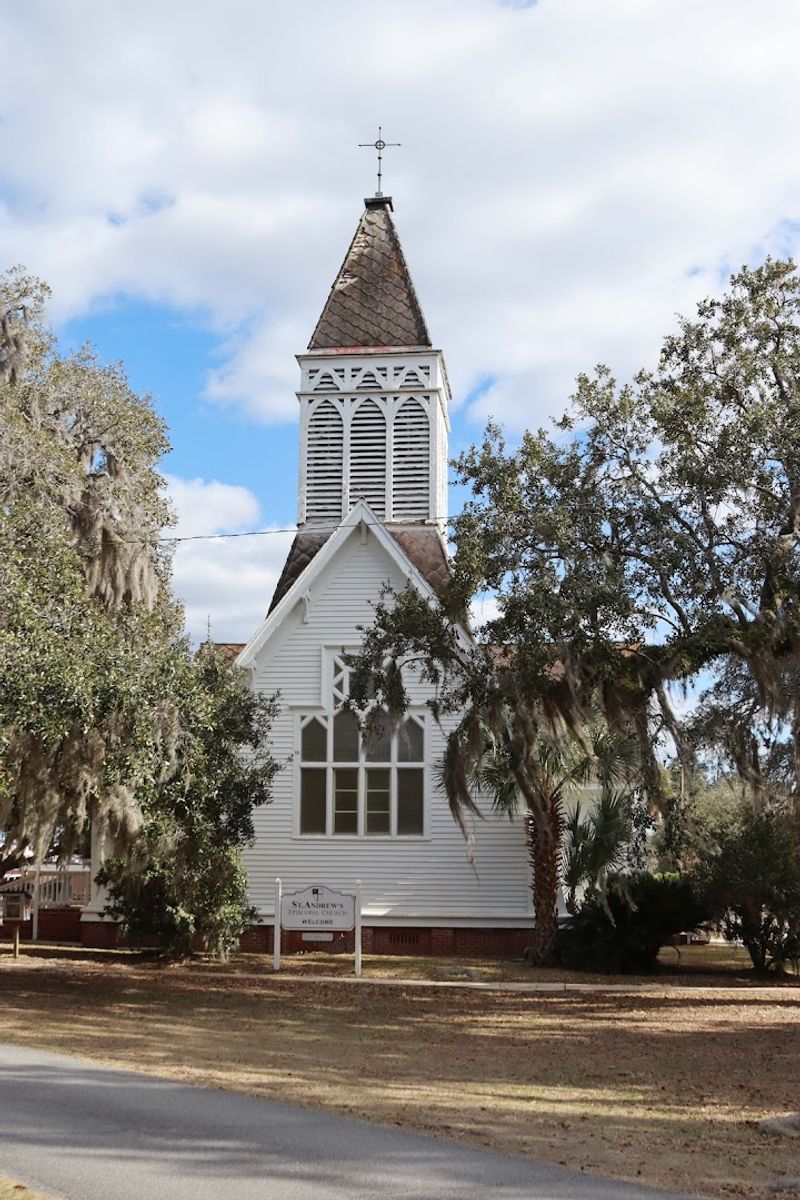
Picture a group of fierce Scottish Highlanders sailing across the Atlantic to build a new life in the American South. That is exactly what happened in 1736, when General James Edward Oglethorpe recruited settlers from near Inverness, Scotland.
These settlers were known for their military experience, resilience, and strong sense of community.
They first called their new home New Inverness, a name that says everything about how much they loved their homeland. The town was later renamed Darien, Georgia, honoring a failed Scottish colonization attempt in Panama.
That name carries centuries of Scottish pride and resilience in just six letters.
These settlers were not just farmers. They were soldiers, Presbyterians, and community builders who shaped the entire Georgia colony.
They brought their minister all the way from the Isle of Skye. Their faith, culture, and courage left fingerprints on this town that are still visible nearly 300 years later.
Walking through this place feels like flipping through a living history book that nobody told you existed.
Fort King George And Georgia’s Oldest English Fortress
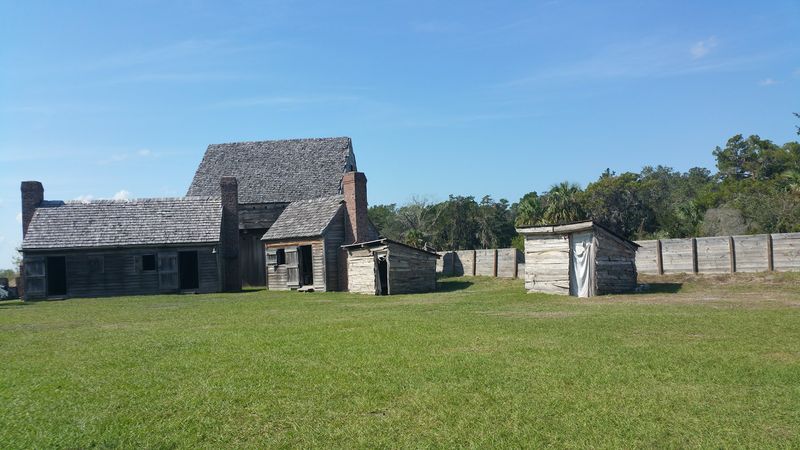
Before the Scottish Highlanders arrived, someone else was already here building walls. Fort King George was constructed in 1721, making it the oldest English fort on the entire Georgia coast.
That is a fact worth pausing on. This fort stood guard over the Altamaha River before most people even knew Georgia existed as a colony.
The fort tells a layered story of colonial ambition, military strategy, and survival. It was built to keep Spanish forces from pushing north out of Florida.
The Scottish settlers who came later understood its importance immediately and used it as a base for defending the region. Their military skills made them the perfect guardians of this frontier outpost.
Today, the site has been carefully preserved and reconstructed so visitors can actually see what early colonial defense looked like. The wooden walls, cannon placements, and riverside views make it genuinely impressive.
Standing at the edge of the fort and looking out over the marsh, you feel the weight of history pressing in from every direction. This spot earns its reputation as one of Georgia’s most underrated historic landmarks, and it rewards every visitor who makes the trip.
Ancient Live Oaks Draped In Spanish Moss
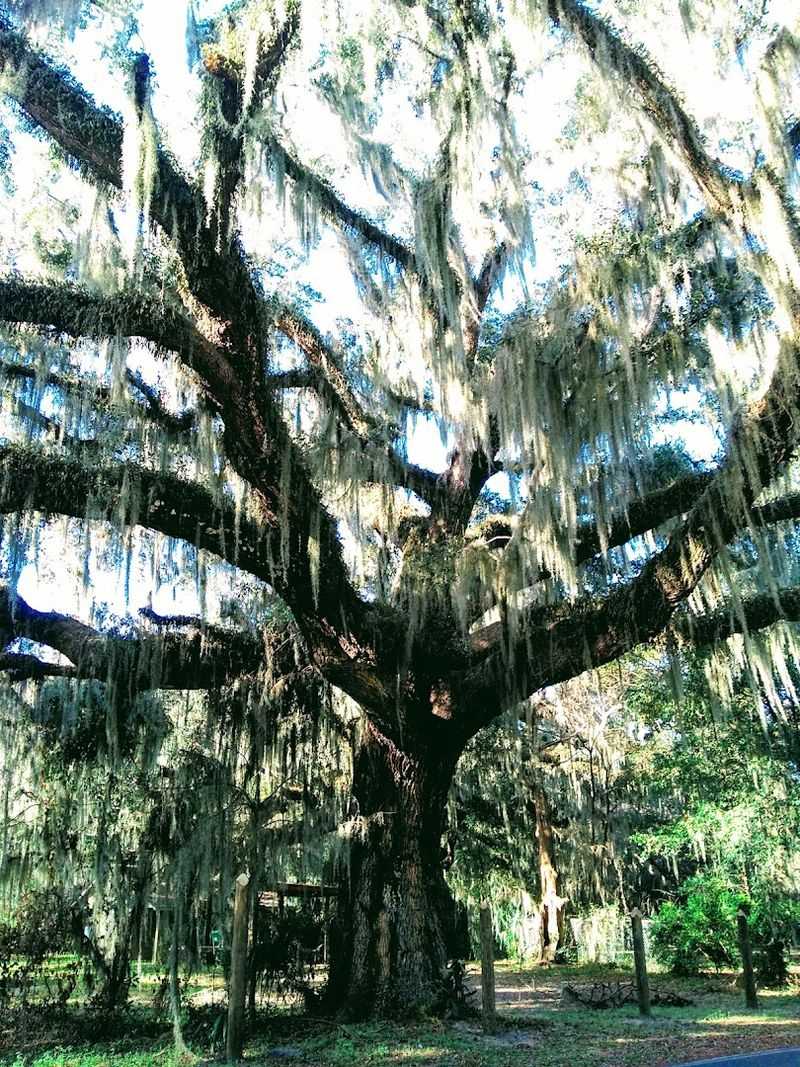
Nothing prepares you for your first look at a live oak draped in Spanish moss. The trees here are enormous, with branches that stretch out like arms reaching for something just beyond their grasp.
The moss hangs in long silver curtains that sway gently in the coastal breeze. It is one of the most atmospheric sights in the American South.
These trees are not just pretty. Some of them are hundreds of years old, which means they were standing here when the Scottish settlers first arrived.
They have watched wars, floods, and generations of families come and go without moving an inch. There is something deeply comforting about a tree that has seen that much history.
Walking beneath them feels completely different from any other outdoor experience. The light filters through the canopy in a way that makes everything look slightly golden and soft.
It is the kind of scenery that makes you slow down without even realizing it. Photographers absolutely love this area for good reason.
The combination of ancient trees, hanging moss, and coastal light creates a visual mood that is almost impossible to replicate anywhere else in the country.
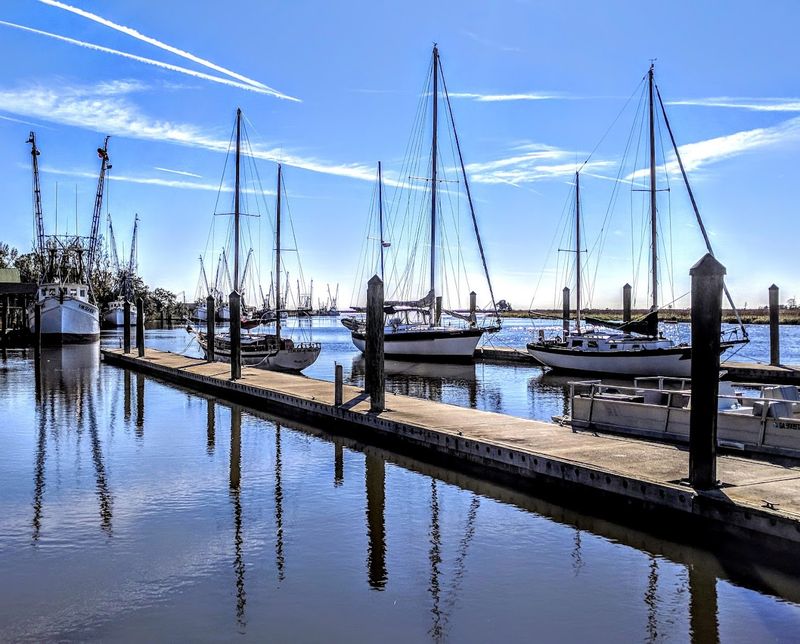
The Historic Waterfront And Its Shrimp Boat Fleet
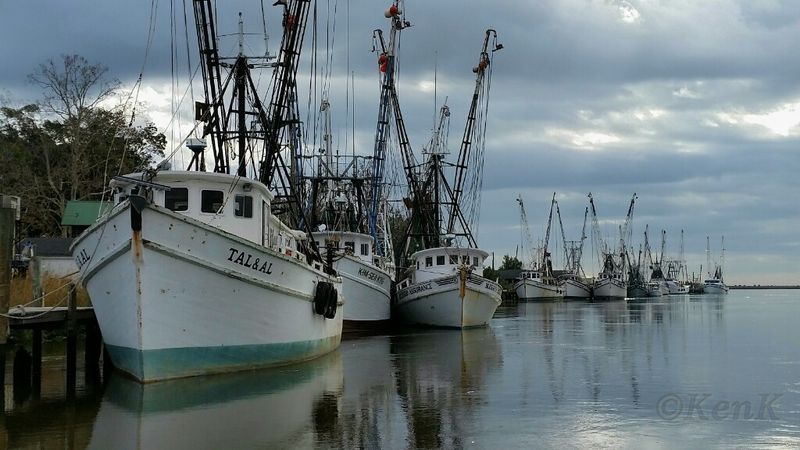
Shrimp boats have a personality all their own. They sit low in the water, painted in faded colors, with nets folded up like tired wings waiting for the next morning.
The waterfront here has been home to working shrimp boats for generations, and the scene looks like something out of a painting rather than a real coastal town.
The Altamaha River meets the Georgia coast right here, which makes this one of the most productive shrimping areas in the state.
The river brings nutrients that support a rich marine ecosystem, and local fishermen have built their livelihoods around that natural abundance for well over a century.
This is not a tourist recreation. It is a real, working waterfront with real history behind it.
Early mornings are the best time to visit the dock area. The boats head out before sunrise, and the smell of salt water and diesel fills the cool air in the most unexpectedly satisfying way.
Watching the boats move across the flat, glassy water with the marsh stretching out behind them is genuinely stunning. The whole scene has a quiet, unhurried rhythm that makes the rest of the world feel very far away and very unimportant.
Tabby Ruins That Tell A Story In Stone
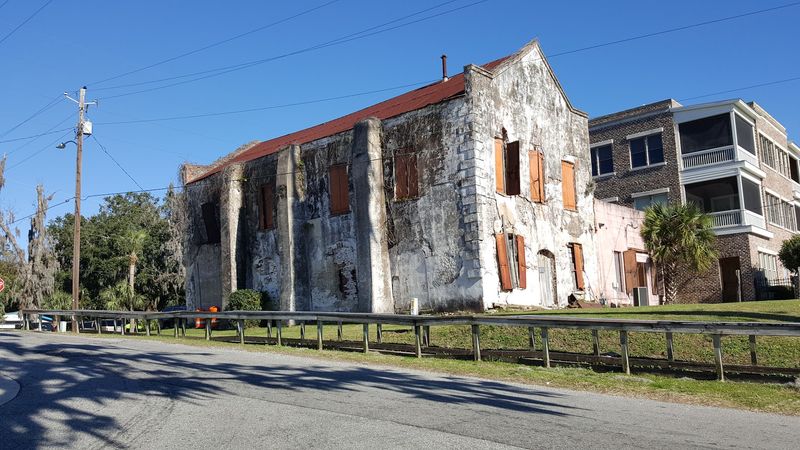
Tabby is one of the most fascinating building materials in American history. It is made from a mixture of oyster shells, lime, sand, and water, and it was used extensively along the Georgia and South Carolina coasts during the colonial era.
The result is a rough, speckled surface that looks ancient because it absolutely is. Seeing it up close feels like touching time itself.
The tabby ruins scattered around this area are some of the best-preserved examples on the Georgia coast. The Adam Strain Building stands out as one of the oldest surviving commercial structures in the entire region.
It is a remarkable thing to stand beside a wall that has been holding its shape for centuries, built from materials pulled directly out of the local shoreline.
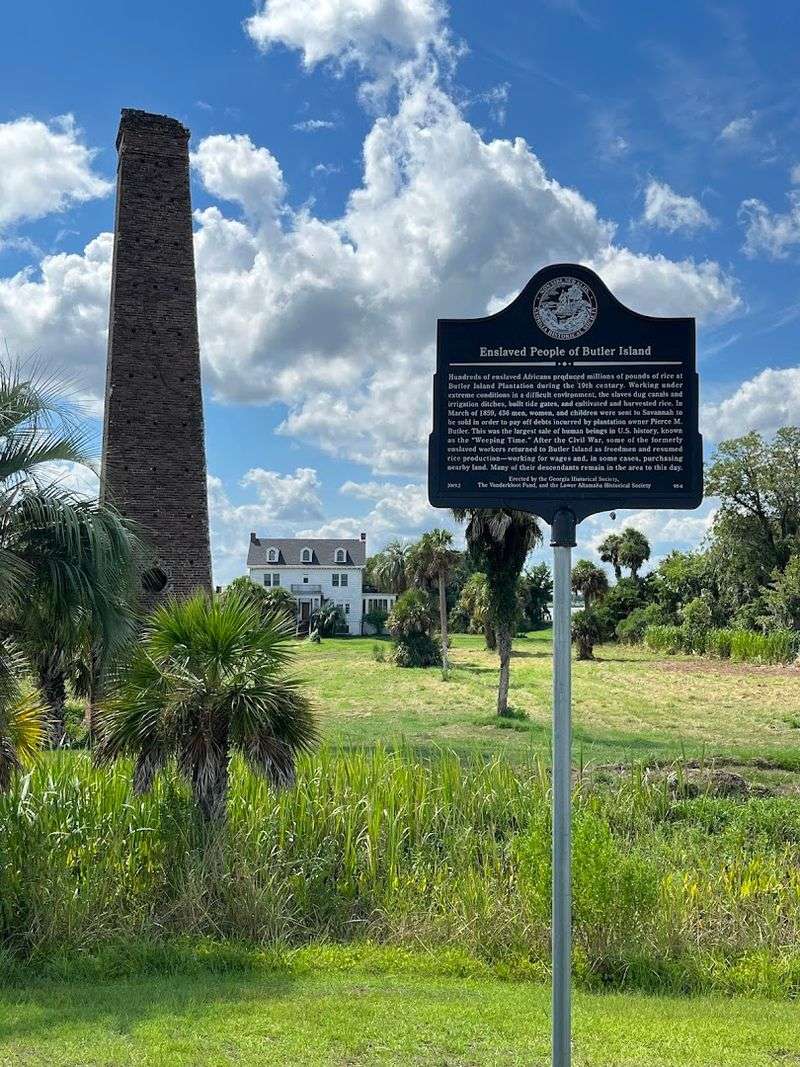
What makes tabby ruins so compelling is the ingenuity behind them. Tabby construction also has a deeper coastal history, including knowledge and labor connected to enslaved Africans who helped shape this building tradition.
The shells were burned to create lime and then mixed with more shells for structure. It is a deeply practical solution that produced surprisingly durable results.
These ruins are not just historic curiosities. They are physical proof of how creative and resourceful early coastal communities truly were when they had no other options available to them.
Scottish Heritage Days Celebration
Once a year, this coastal Georgia town turns up the volume on its Scottish identity in the most joyful way possible. The annual Scottish Heritage Days celebration brings together music, history, and community pride in a way that feels both authentic and genuinely fun.
Bagpipes echo across the marsh, and the whole atmosphere shifts into something that feels centuries old and completely alive at the same time.
The event honors the original Highlander settlers who gave this place its identity and its fighting spirit. Visitors can expect traditional music, historic demonstrations, and a real sense of community pride that is hard to manufacture.
This is not a performance for tourists. It is a celebration that the community takes seriously and personally, which makes the energy around it feel completely different from a typical festival.
For anyone interested in Scottish history outside of Scotland, this event is genuinely eye-opening. The connection between the Georgia coast and the Scottish Highlands is not a marketing angle.
It is a documented, lived history that shaped an entire region. Attending this celebration gives you a new appreciation for how culture travels across oceans and takes root in unexpected places.
The pride in the air is absolutely contagious and completely worth the trip down Georgia’s coast.
The Coastal Marshlands That Frame Everything Beautifully
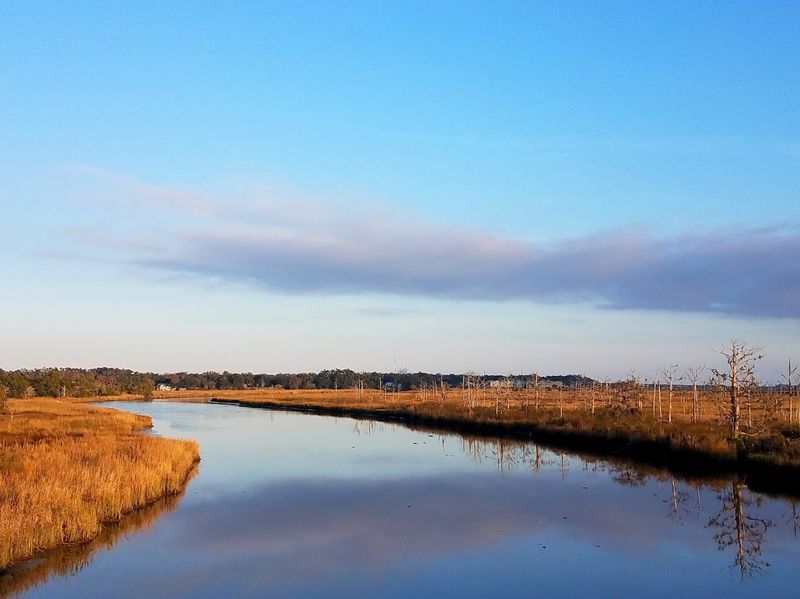
Salt marshes are one of the most underappreciated landscapes in North America. They do not have the drama of mountains or the sparkle of tropical beaches, but they have something better: a kind of quiet, breathing beauty that grows on you slowly and then completely takes over.
The marshlands surrounding this coastal Georgia area are among the most expansive and well-preserved on the entire East Coast.
The tidal creeks wind through the cordgrass in patterns that look almost deliberately artistic from above. At low tide, the mud flats reveal a whole ecosystem of birds, crabs, and fish working through their daily routines with zero concern for human observers.
Great blue herons stand perfectly still in the shallows. Pelicans glide overhead in lazy, effortless formation.
The whole scene operates on its own schedule, completely indifferent to yours.
Sunrise and sunset over the marsh are genuinely spectacular events. The light hits the water in the creeks and turns everything copper and gold.
The cordgrass goes from green to amber in a matter of minutes. Standing at the edge of the marsh during those moments, with the smell of salt and pluff mud in the air, you understand exactly why people fall in love with coastal Georgia and never quite get over it.
Presbyterianism’s Georgia Roots Started Right Here
Faith and community are deeply connected in the history of this place. When the Scottish Highlanders settled here in the 1730s, they brought their Presbyterian faith with them as seriously as they brought their weapons.
Their minister came from the Isle of Skye, reflecting how important faith and organized community life were to the settlers.
Presbyterianism took root in Georgia here before it spread elsewhere in the colony. That makes this coastal town a genuinely significant location in American religious history, even if most people have never heard that story before.
The faith the settlers brought shaped community values, social structures, and even political decisions in the early Georgia colony. It was not just a Sunday practice.
It was a full framework for how they lived.
The legacy of that faith is still visible in the community character of the area today. There is a deep sense of rootedness here that feels different from more transient coastal towns.
People have history here. They have ancestors buried in this ground.
That kind of generational connection to a place creates a community atmosphere that is warm, proud, and completely genuine. It is one of the things that makes this area feel so different from anywhere else along the Georgia coast.
Why Darien Feels Like No Other Georgia Town
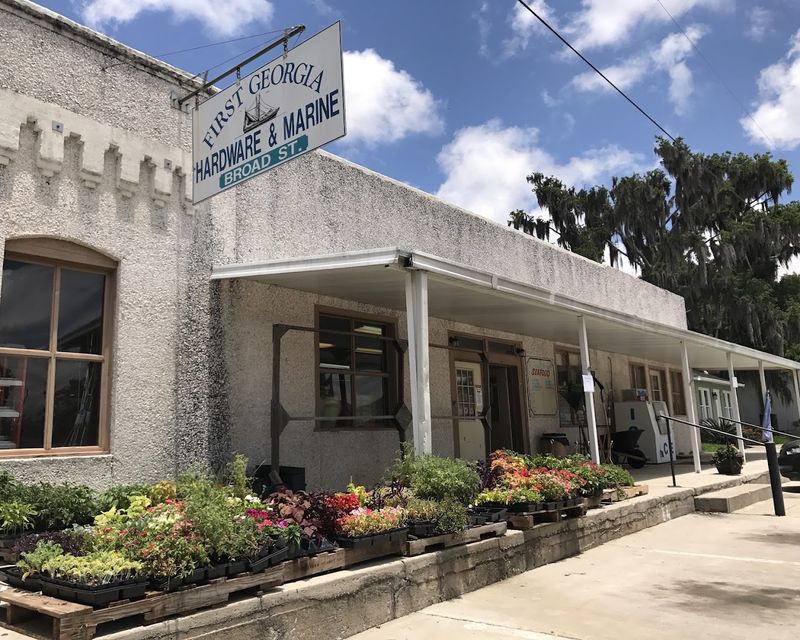
Most small towns have one or two things that make them worth visiting. This place has an entire layered history that keeps revealing new details the longer you stay.
The Scottish heritage, the colonial fortifications, the ancient tabby ruins, the working waterfront, the marshlands, the live oaks: each one is interesting on its own. Together, they create a destination that feels genuinely rare.
The town sits at the mouth of the Altamaha River, about 60 miles south of Savannah. That location gives it a geographic personality that is all its own.
The river, the coast, and the marsh all converge here in a way that shaped everything about how this community developed. Geography and history pushed and pulled this place into something that does not fit neatly into any single category.
Visiting here for the first time, I kept thinking I had somehow taken a wrong turn and ended up somewhere far more interesting than expected. The streets are quiet, the history is deep, and the scenery is the kind that makes you stop mid-sentence to just look.
This area at 31.3702 N, 81.4340 W deserves far more attention than it typically gets. Consider this your personal invitation to go find out exactly what you have been missing all along.