Pennsylvania Has A Fascinating Car Museum Most People Don’t Know Exists
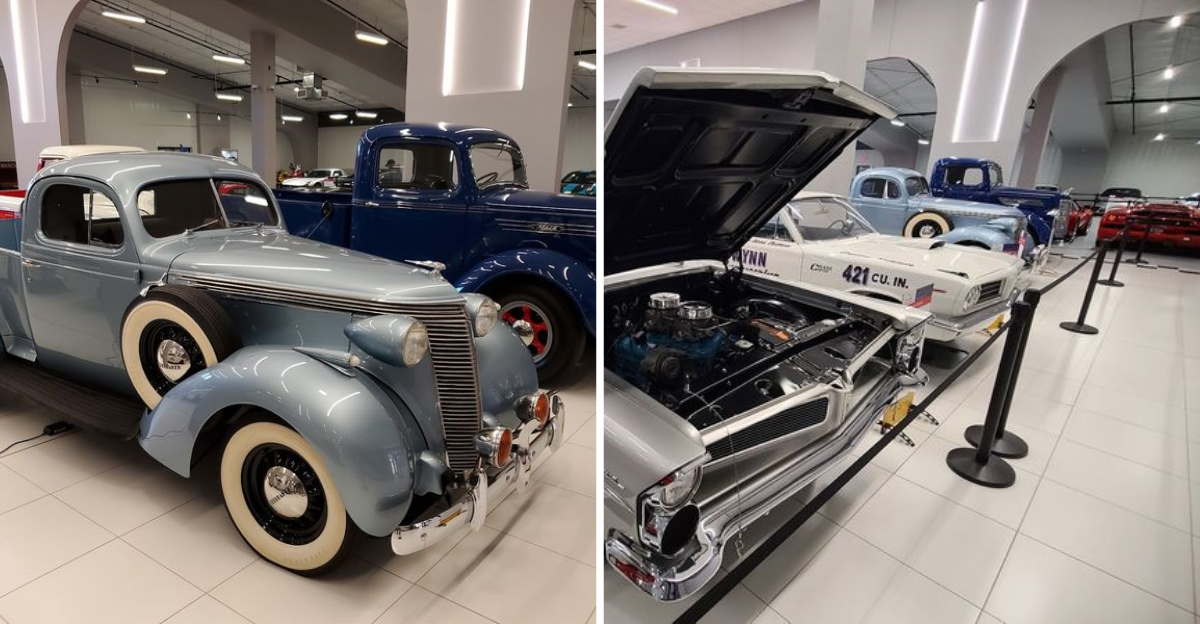
Car lovers dream about this place but rarely mention it. It sits quietly in a small town, easy to blow past.
Inside waits a collection that drops jaws instantly. Rare, gorgeous machines fill the room under one roof.
Pennsylvania overflows with surprises, and this ranks near the top. I found it almost by accident and could not leave.
These cars are far more than pretty metal. They carry history, stories, and real mechanical magic. Seasoned gearheads and casual visitors both go quiet inside.
Most people speed right past the small exit, completely clueless. Turns out the best museum in the state hides in plain sight.
A Museum That Came Out Of Nowhere
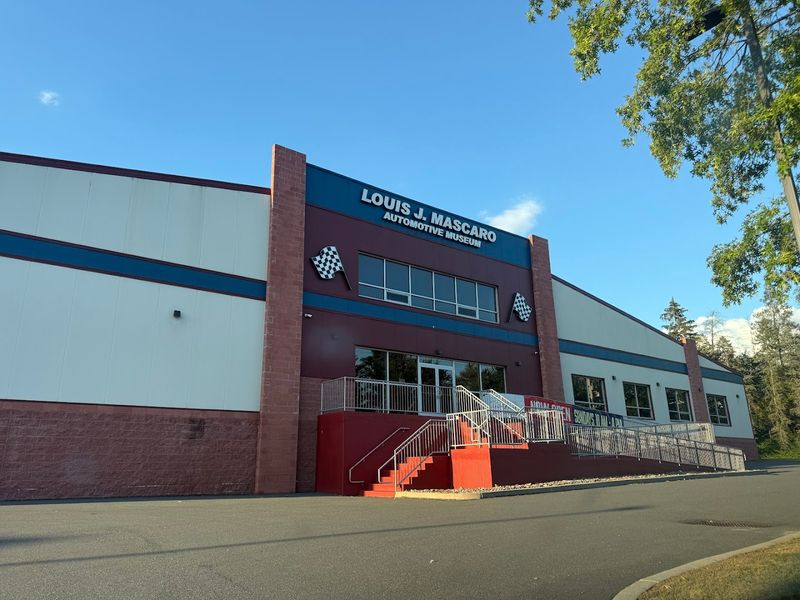
Not every great museum announces itself with a giant billboard or a packed parking lot.
The Louis J Mascaro Automotive Museum kind of just exists, quietly and confidently, in the small borough of Birdsboro. The first time I drove through town, I almost missed it entirely.
The building is modern and clean, which actually surprised me. You expect a small-town car museum to feel a little dusty or cramped, but this one feels polished and intentional.
Everything about the space says someone genuinely cared about getting it right.
The collection inside reflects a real personal passion rather than a generic grab-bag of vehicles.
Cars from different eras, different countries, and different cultures sit together in a way that actually makes sense. Each one earns its spot on the floor.
It is open on Sundays from 10 AM to 4 PM, so plan accordingly. Missing it would honestly be a shame, and once you go, you will understand why people keep coming back.
You can find the museum at 325 E Main St, Birdsboro, PA 19508, sitting right along the main stretch of town.
The Rarest Cars You Will Ever See
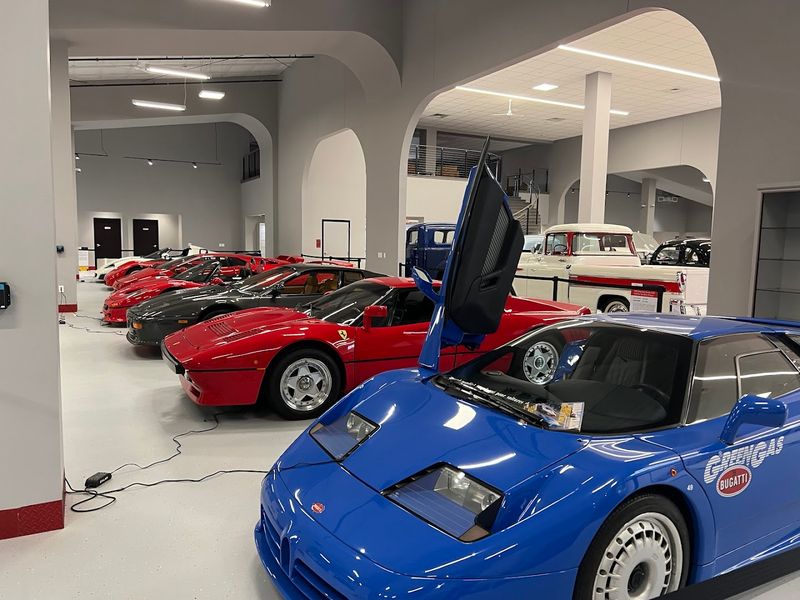
Some car museums play it safe with crowd-pleasers and common classics.
The Louis J Mascaro Automotive Museum goes a completely different direction. The collection leans hard into rare, and by rare I mean cars that most lifelong enthusiasts have never seen in person.
A Bugatti EB110 SS lives here. So does a Saleen S7.
These are not cars you casually walk past at a weekend car show. They are historically significant machines with limited production numbers and massive price tags, just sitting there in Birdsboro.
Standing next to the Bugatti felt oddly surreal. It is one of those moments where your brain keeps reminding you that this is real and not a poster on a bedroom wall.
The proportions, the details, the sheer audacity of the design up close are something else entirely.
What makes this collection special is the curation. Every car here has a specific reason for being part of the group.
Nothing feels random or thrown in just to fill space.
Muscle Cars With Real Attitude
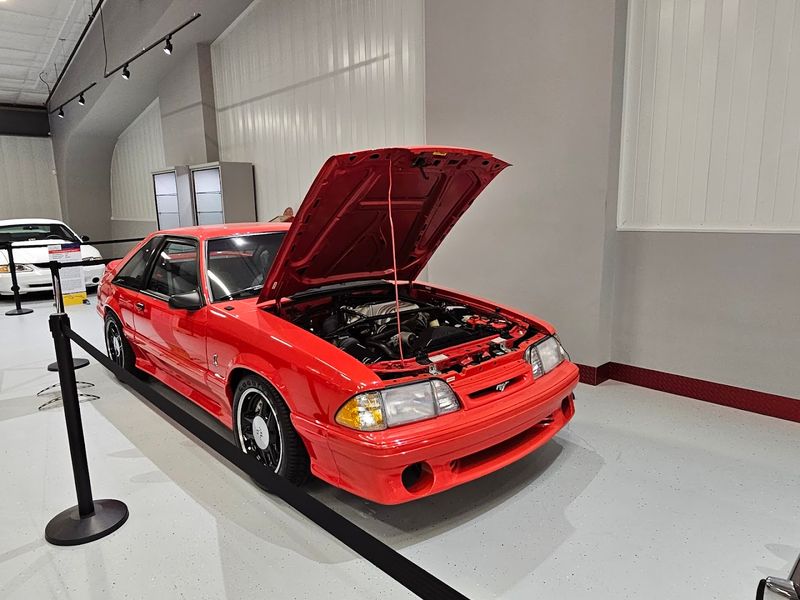
If exotic European machines are not your thing, the American muscle section will absolutely sort that out for you.
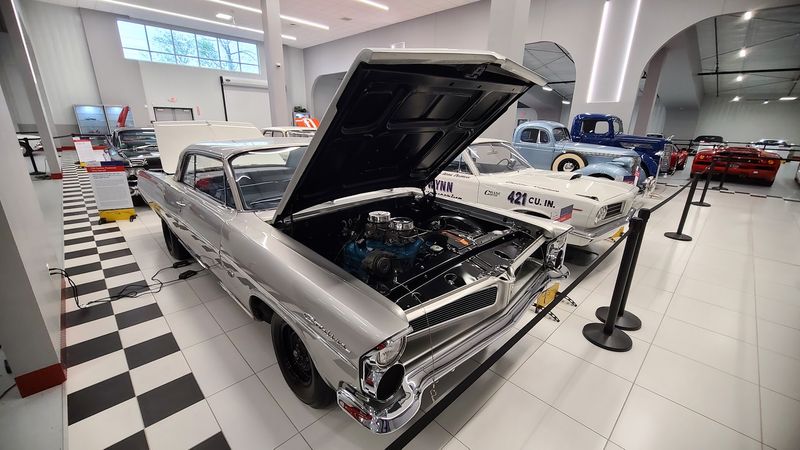
The Louis J Mascaro Automotive Museum holds a strong lineup of American performance cars that carry serious attitude and even more serious horsepower history.
Ford Mustangs hold a special place in the collection, and you can feel that pride in how they are presented. The curator clearly has a deep appreciation for the Mustang legacy, and it shows in the variety of models on display.
Each one tells a chapter of American automotive culture.
There is something deeply satisfying about seeing these cars in person rather than on a screen. The paint catches the light differently.
The proportions feel more aggressive. You start to understand why people fell in love with these machines decades ago and never quite got over it.
The muscle car section also gives the collection a nice balance. After spending time with ultra-rare exotics that feel almost untouchable, the American cars bring things back to something more familiar and emotionally grounded.
Exotic European Cars Up Close
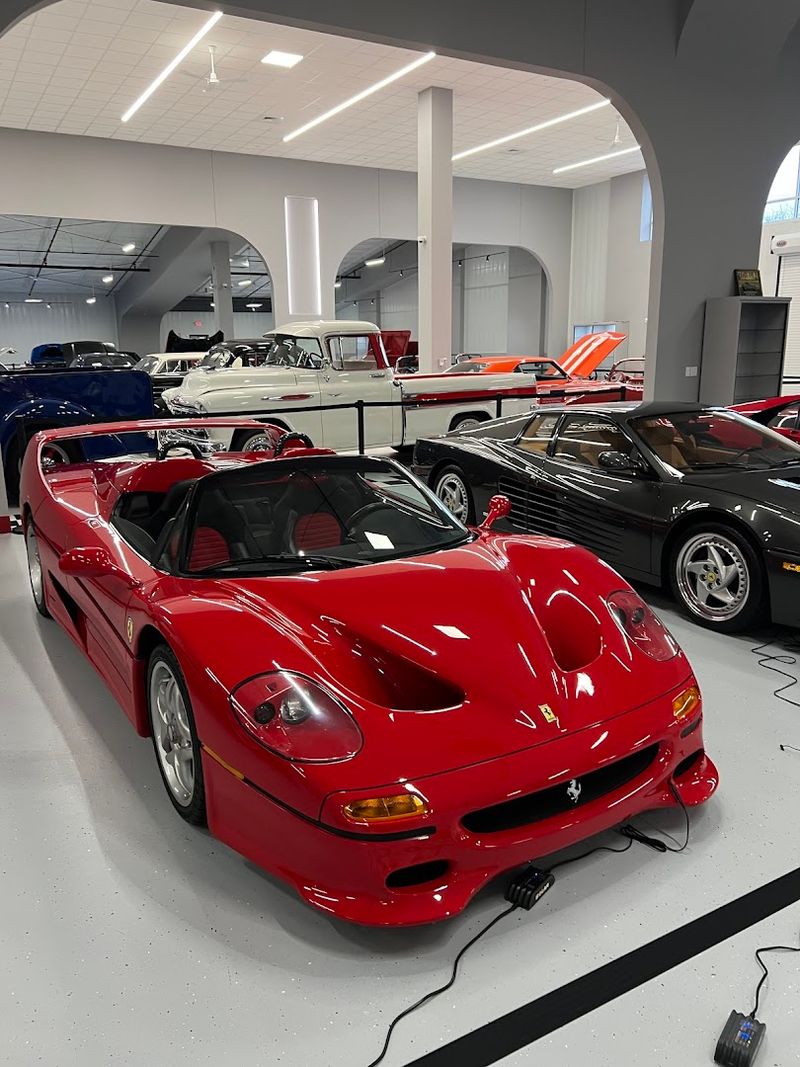
European exotic cars have a reputation for being untouchable. You see them at auto shows behind ropes or in magazines shot from perfect angles.
At the Louis J Mascaro Automotive Museum, they are right there in front of you with no velvet rope situation making you feel like an outsider.
Ferraris and Lamborghinis share floor space here with other rare European machines. The variety covers different eras, so you get a sense of how these brands evolved over decades.
I spent a longer time than I expected in front of a particular Italian car, just studying the body lines. There is a kind of geometry to those designs that does not fully translate in photos.
You need to walk around them slowly, catch the curves from different angles, and let the details register one by one.
Pennsylvania is not the first place most people associate with world-class European exotics. That is exactly what makes this museum such a genuine surprise.
The collection quality rivals what you might find at far more famous institutions, packed into a focused and personal space that feels entirely its own.
The 90s And 2000s Era Gems
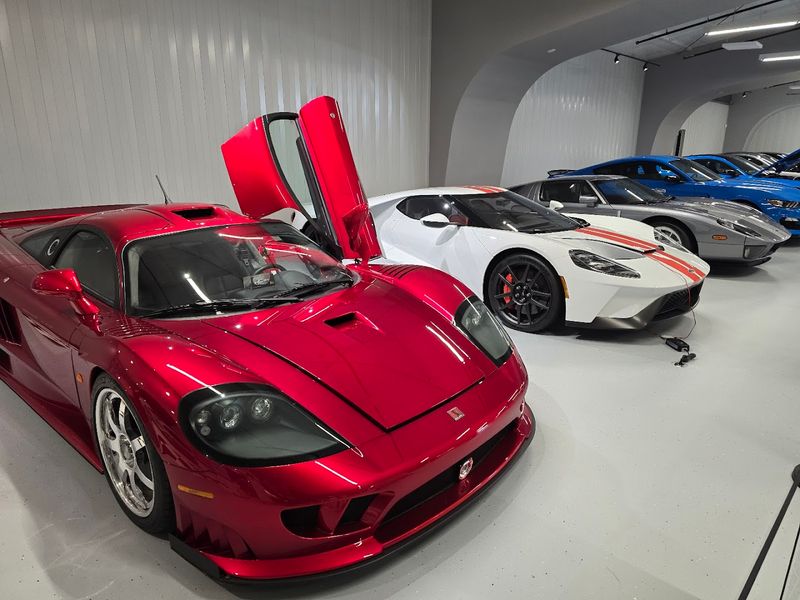
Car culture has a complicated relationship with the 1990s and early 2000s. Some people overlook that era entirely.
The Louis J Mascaro Automotive Museum treats it with the respect it deserves, and the result is one of the most compelling parts of the whole collection.
Rare exotics from that period, many with only a handful of examples in the entire country, sit here in Birdsboro without any fuss. These are cars that barely made it to American shores in the first place.
Finding them in Pennsylvania feels like discovering something that was not supposed to end up here but somehow did anyway.
The styling from that era is wild in the best possible way. Aggressive angles, dramatic proportions, and a kind of fearless design confidence that the industry has largely moved away from.
Seeing them together in one space creates a strange and wonderful time-travel effect.
What struck me most was how many of these cars I recognized by name but had never actually encountered in real life.
Motorcycles And Trucks Join The Party
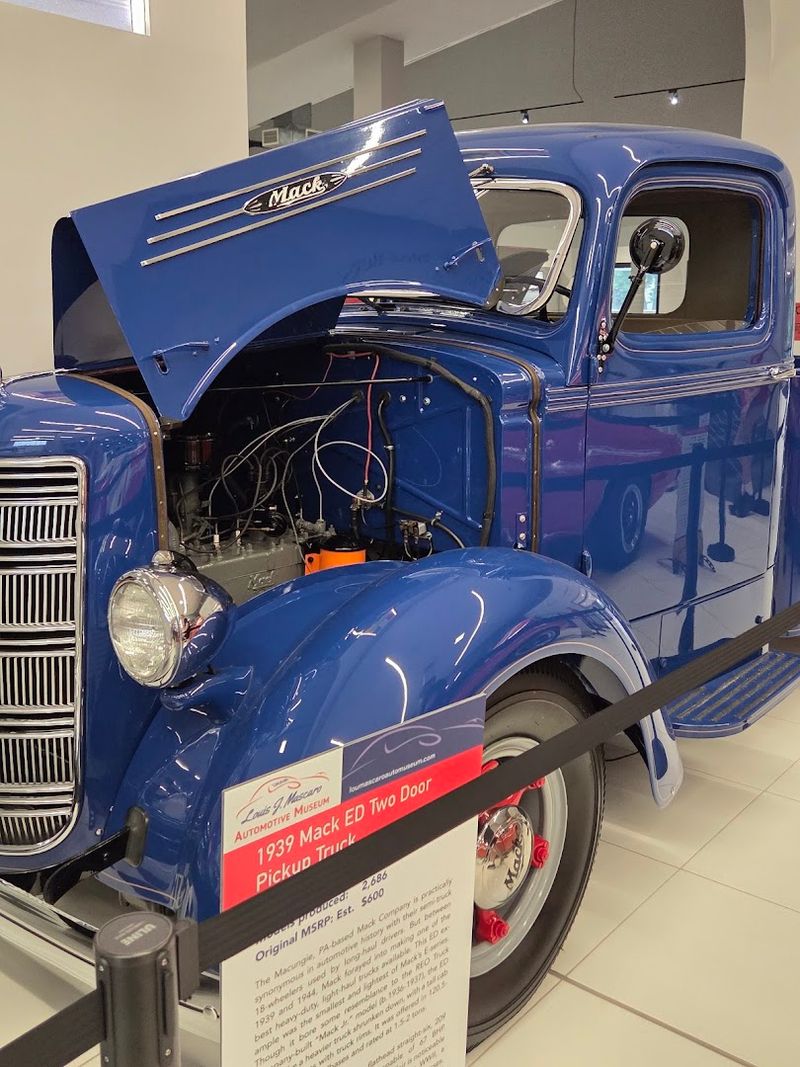
Four wheels are not the only story being told at the Louis J Mascaro Automotive Museum.
Tucked into the collection are some old motorcycles that add a completely different energy to the space. They are easy to overlook when you are distracted by the exotics, but they are worth slowing down for.
The motorcycles carry their own kind of history. Two wheels, raw mechanical simplicity, and a design language that feels almost sculptural compared to modern bikes.
Standing next to one, you get a quick reminder of how much engineering thinking has changed over the decades.
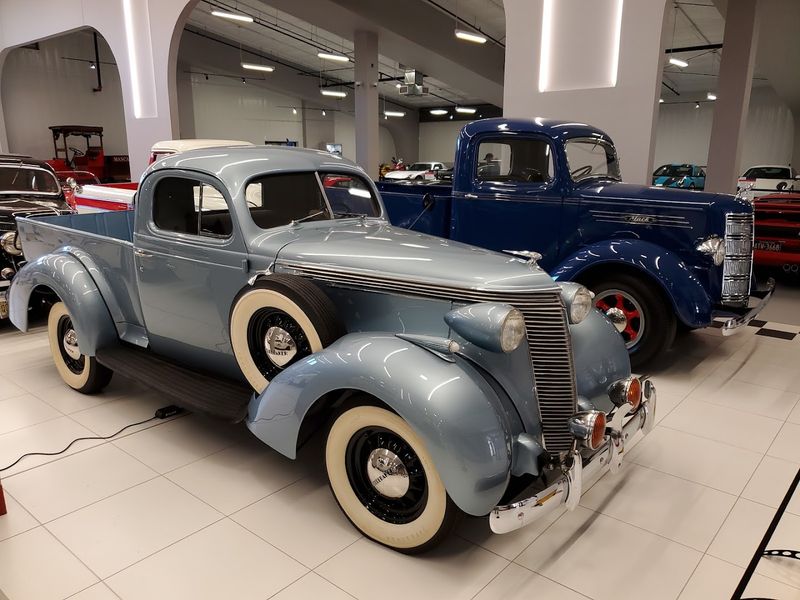
A few trucks also make an appearance, which honestly caught me off guard in the best way. Trucks in a collection full of supercars could easily feel out of place, but here they work.
They add breadth to the story the museum is telling about American and global automotive culture.
The mix of vehicle types keeps the experience from feeling one-dimensional. Not every visitor comes in loving the same thing, and this collection understands that.
Die-Cast Models Add A Fun Twist
Here is something that most car museums skip entirely.
The Louis J Mascaro Automotive Museum includes a collection of die-cast scale models representing many of the full-size vehicles on display. It is a small detail that adds a surprisingly fun layer to the whole experience.
Seeing a tiny replica of a car you just walked around moments earlier creates this odd and satisfying loop. You go from studying the real thing up close to looking at a miniature version from above, and somehow both perspectives teach you something different about the design.
For younger visitors, the die-cast collection is a genuine highlight. Kids who might not fully grasp the significance of a Bugatti or a Saleen can connect with the models immediately.
It gives them a touchpoint that makes the bigger cars feel more approachable and exciting.
For adults, the models are a nostalgic gut punch. Most car enthusiasts grew up collecting die-casts before they could drive.
Seeing them displayed this thoughtfully in a real museum setting brings that childhood energy back in a way that is both funny and genuinely moving. .
Plan Your Sunday Visit Right
Timing matters here, and that is worth saying clearly.
The Louis J Mascaro Automotive Museum is open exclusively on Sundays from 10 AM to 4 PM. That is it.
The schedule is tight, so showing up without a plan is a fast way to end up staring at a locked door.
The good news is that a Sunday visit actually works beautifully. The drive out to Birdsboro through the Pennsylvania countryside is genuinely pleasant, especially in warmer months.
Rolling hills, small towns, and quiet roads make the journey feel like part of the experience rather than just a commute.
Four hours is enough time to really absorb the collection without rushing. The museum is not so large that you feel overwhelmed, but there is enough to see that you will not burn through it in twenty minutes.
Bring questions, bring curiosity, and let yourself slow down in front of the cars that catch your eye.
The staff are knowledgeable and genuinely enthusiastic about the collection. Asking questions here is encouraged, not tolerated.