Bike An Old Nebraska Rail Line Across Prairie And A 148-Foot River Bridge
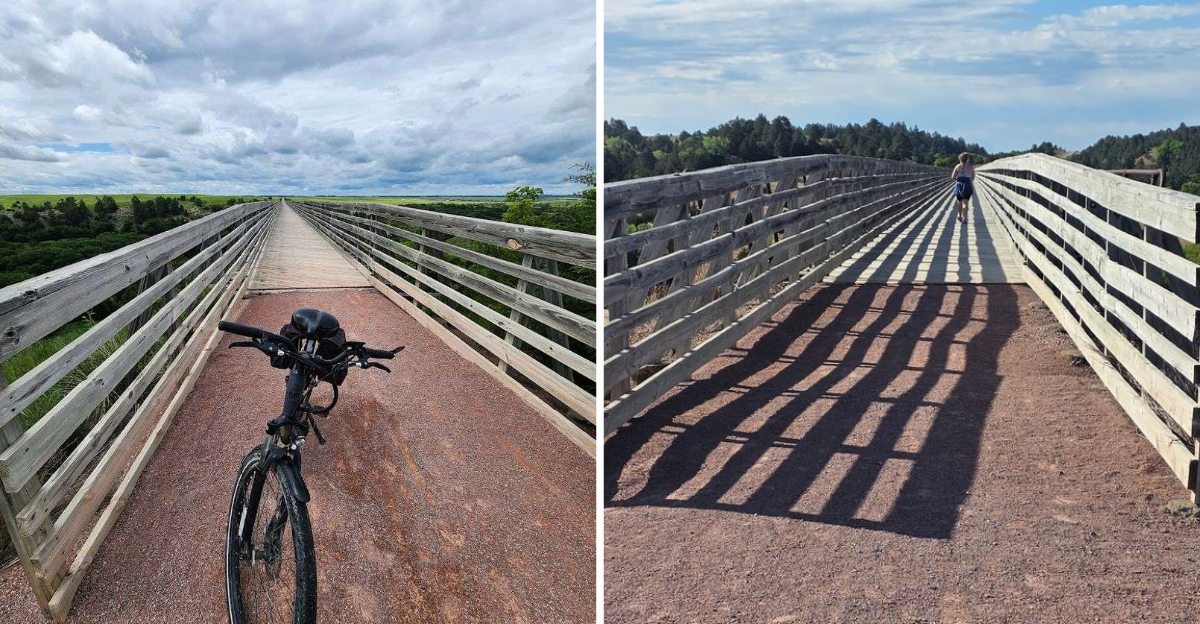
Open grassland stretches so wide you hear the wind first. That is the feeling of this old rail line turned trail.
Nothing else in the Midwest rides quite like it. Nebraska hides a corridor rolling across prairie and river valleys.
No steep climbs break the easy, hypnotic rhythm. The route crowns itself on a historic railroad bridge. It stands high above a river and runs a quarter mile long.
I pedaled a short stretch and never wanted to quit. Ride five miles or fifty, the scenery stays untouched. The quiet out there feels almost holy.
When did the open prairie last take your breath away?
A Railroad Reborn As A Trail
Long before cyclists rolled along this corridor, steam locomotives hauled cattle and freight across the northern Nebraska plains.
The Chicago and North Western Railway originally built the line, and for decades it was a working artery of commerce through some of the most remote land in the state.
When rail traffic declined and the line was eventually abandoned, Nebraska saw an opportunity.
Rather than let the corridor disappear, planners converted it into what is now the Cowboy Trail, a 187-mile multi-use path running from Norfolk in the east to Valentine in the west.
The trail follows the original rail grade almost exactly, which means it stays impressively flat for most of its length. That gentle profile is a gift for casual riders who want big miles without big climbs.
The eastern segment near Norfolk is especially well-maintained, with a smooth, packed surface that feels welcoming from the first pedal stroke. The trail begins in Norfolk, Nebraska, and heads west through some of the most open country in the entire state.
Starting Your Ride From Norfolk
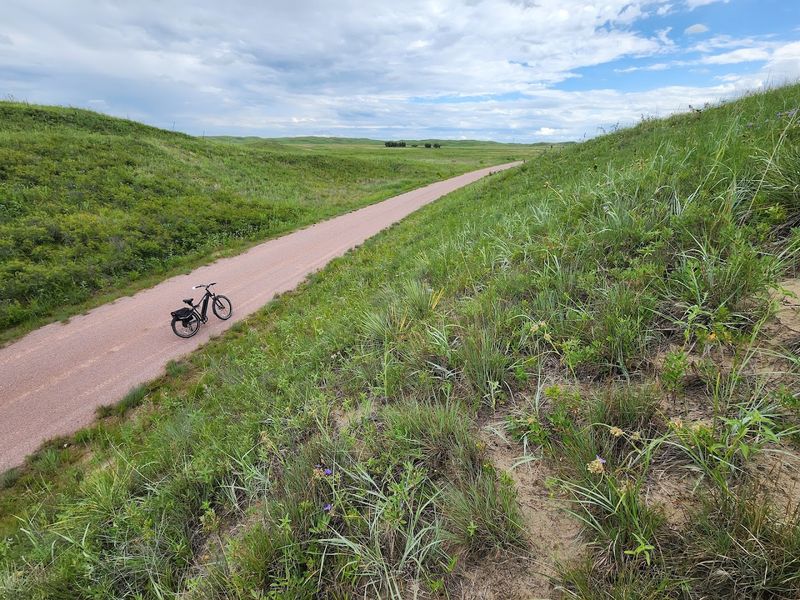
Norfolk is the eastern anchor of the Cowboy Trail, and it makes a genuinely comfortable place to begin a longer ride.
The city has services close to the trailhead, including bike shops, restaurants, and lodging, so you can arrive without worrying too much about logistics.
The surface near Norfolk is the most polished stretch of the entire trail.
It is flat, well-graded, and regularly maintained, which makes it ideal for families, newer cyclists, or anyone who wants a relaxed warm-up before the terrain gets more rugged farther west.
The path here runs through a mix of green parkland and open fields, giving riders an easy rhythm to settle into.
Starting early in the morning from Norfolk puts you ahead of midday heat in summer and gives you the best light for photography. The trail connects with local streets in a few places, so a quick look at a trail map before heading out saves confusion later.
Norfolk is not just a starting point, it is a proper send-off into one of the most rewarding long-distance trail rides in the entire Midwest.
Prairie Scenery That Stops You Cold
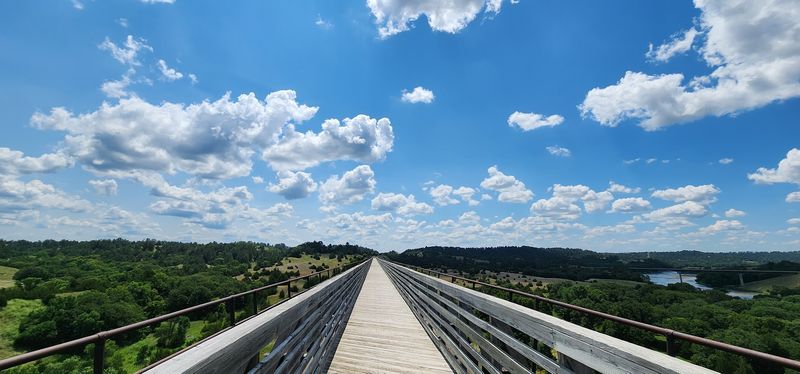
Somewhere around mile thirty, the towns thin out and the sky takes over. Northern Nebraska has a way of making you feel very small in the best possible way, and riding through it on two wheels only sharpens that feeling.
The landscape shifts gradually as you move west. Near Norfolk, the trail cuts through farmland and small river corridors.
Farther west, the terrain opens into the Sandhills, one of the largest grass-stabilized dune systems in the Western Hemisphere. The grasses roll in long, slow waves, and the light changes constantly throughout the day.
Wildlife sightings are common and genuinely surprising. White-tailed deer appear at dawn near the tree lines, and meadowlarks perch on fence posts just off the trail.
Pronghorn antelope sometimes graze within easy view in the more open stretches farther west.
The Cowboy Trail passes through land that has changed very little since the railroad first crossed it, and that sense of preserved wildness is something you feel in your chest rather than just your eyes.
The Legendary Niobrara River Bridge
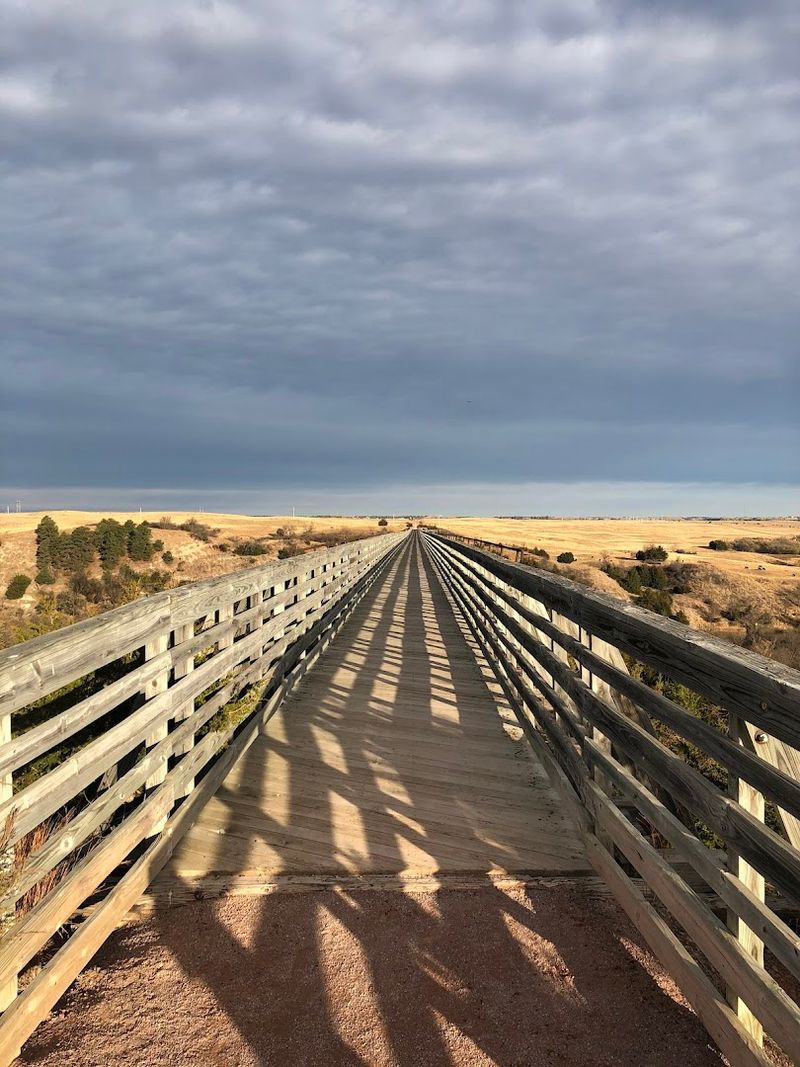
Nothing on the Cowboy Trail quite prepares you for the moment the Niobrara River bridge comes into view.
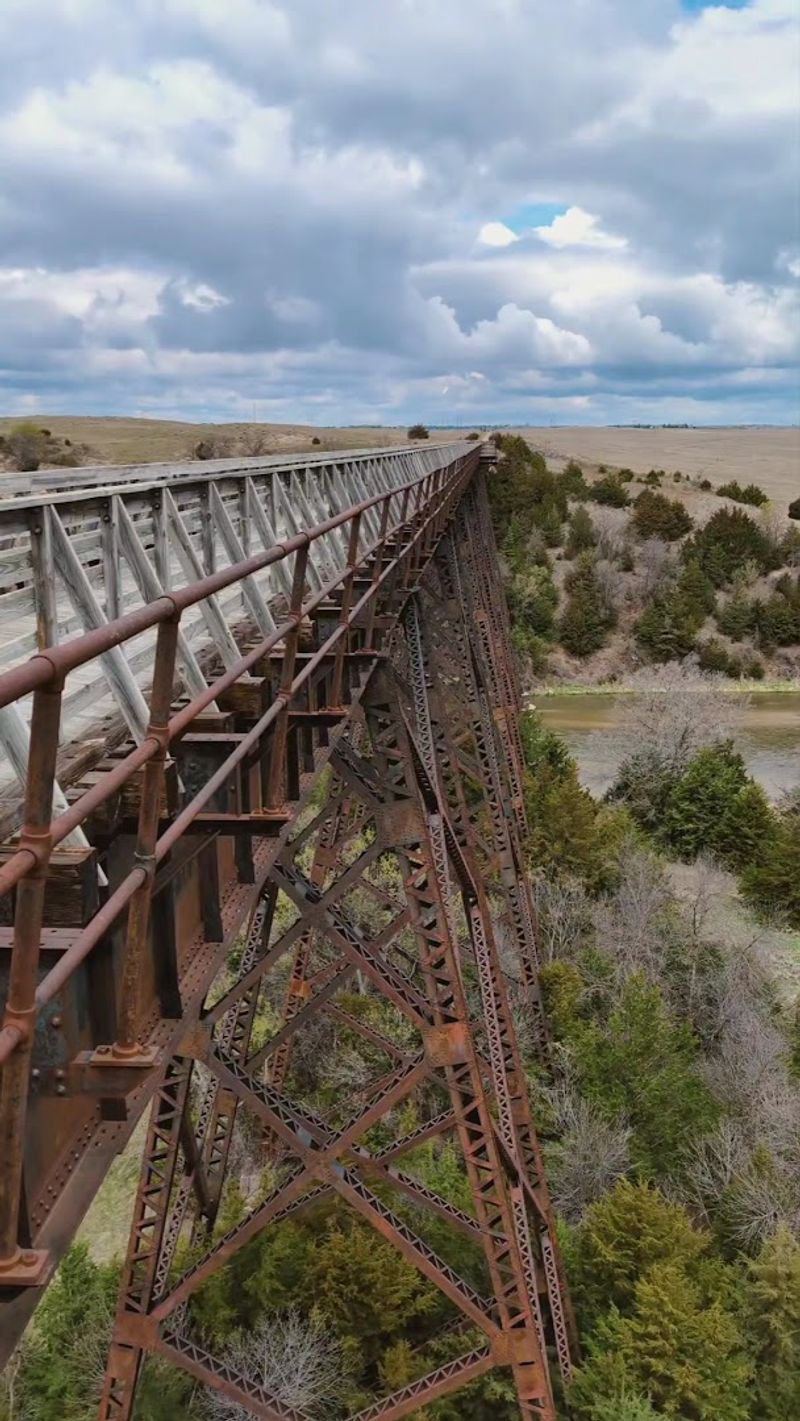
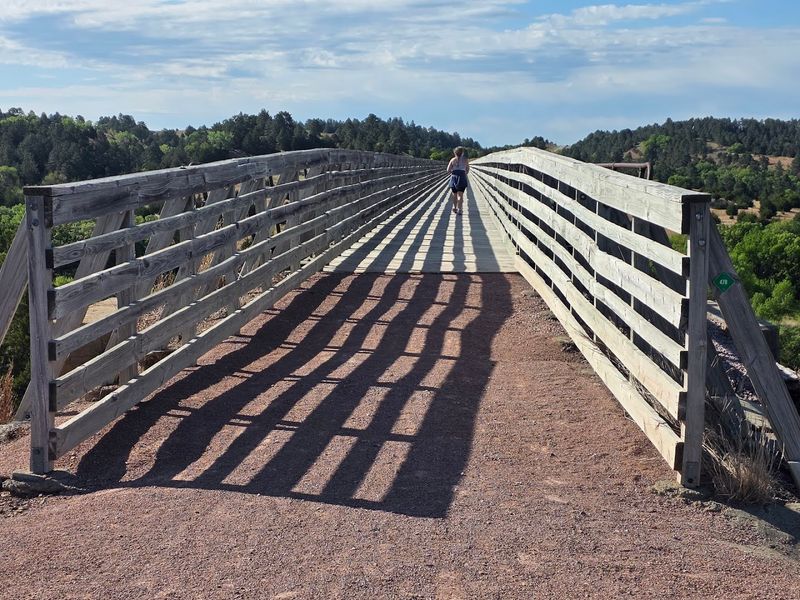
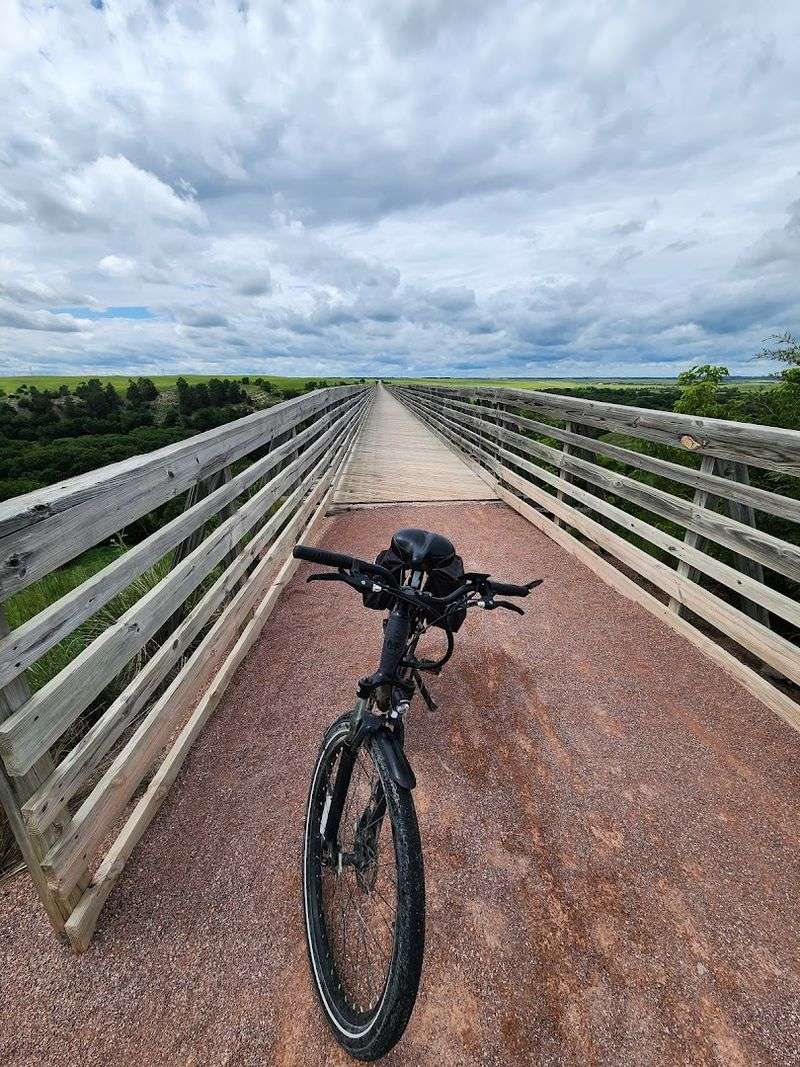
It appears almost suddenly, a long steel structure rising 148 feet above the river canyon below, stretching roughly a quarter mile from bank to bank.
The bridge was originally built for heavy freight trains, and its industrial bones are still obvious up close. Steel trusses frame the sky on both sides as you ride across, and the wooden deck planks thrum lightly under your tires.
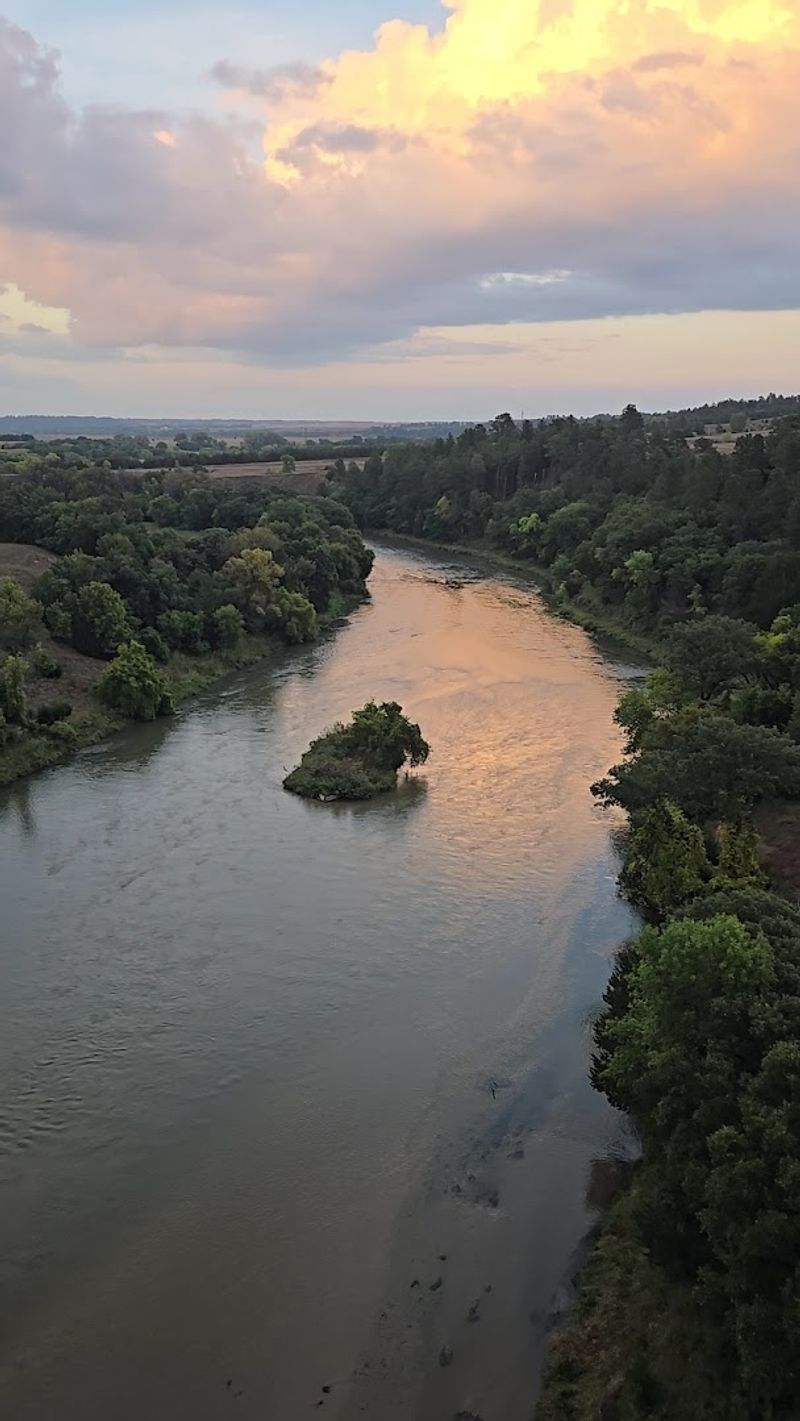
The Niobrara River is itself a designated National Scenic River, and the view from the bridge shows exactly why. Cottonwood and cedar trees crowd the canyon walls, and the water catches sunlight in long, glittering ribbons.
Most riders stop somewhere in the middle just to stand still and take it all in. The crossing sits about two miles southeast of Valentine, making it a natural destination for day trips from town.
Surface Conditions And Trail Realities
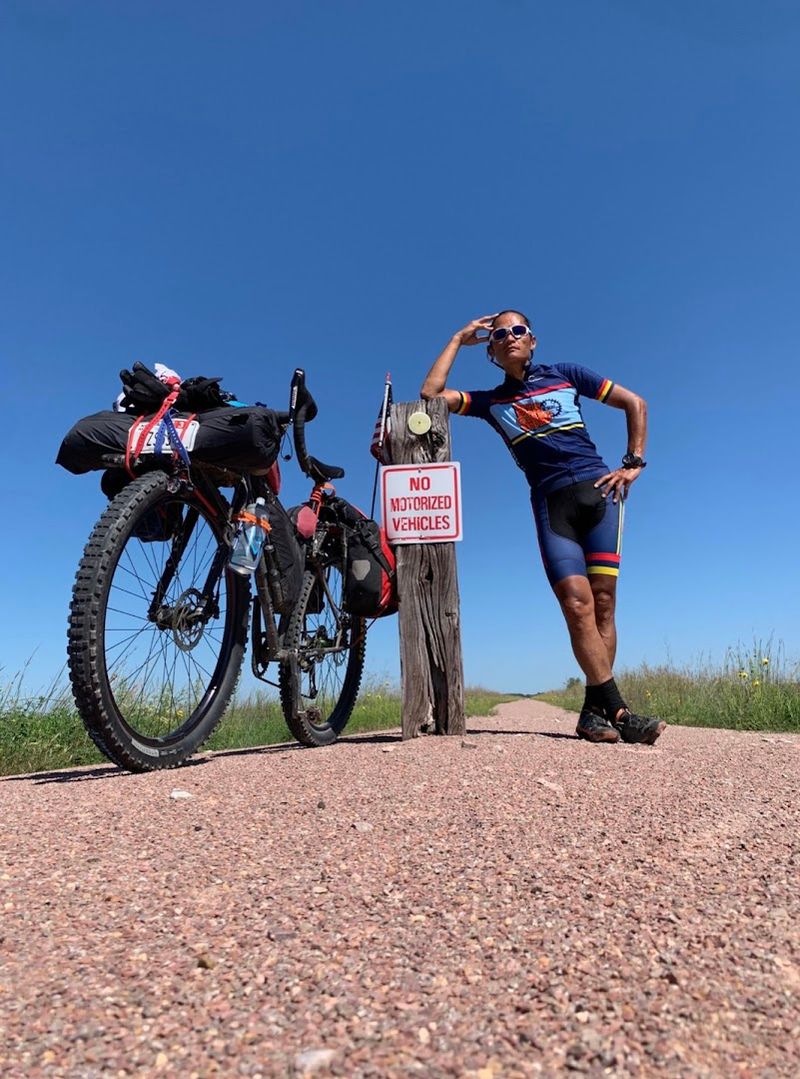
Honesty is the best policy when it comes to trail surfaces, and the Cowboy Trail is not uniformly smooth from end to end.
The eastern sections near Norfolk are well-maintained and packed firmly, but conditions change significantly as you move west.
Between Valentine and Johnstown, the surface shifts to loose sand and gravel in several stretches. This slows progress considerably and can feel tiring on a standard road or hybrid bike.
Fat-tire bikes or gravel bikes with wider tires handle these sections much more comfortably, and many experienced riders recommend them strongly for the western half of the trail.
There is also a separate, shorter section of the trail between Gordon and Rushville that is worth knowing about. It operates independently from the main corridor and offers its own slice of Sandhills scenery.
Checking current trail conditions before setting out is always a smart move, since weather affects surface quality noticeably, especially after rain.
Planning your gear around the specific segment you intend to ride makes the whole experience smoother, more enjoyable, and far less surprising in the wrong direction.
Riding West Into Valentine
Valentine sits at the western end of the Cowboy Trail, and pulling into town after a long ride feels like a genuine arrival.
The small city of around 2,700 people punches well above its weight when it comes to trail amenities, especially in recent years.
An electric bike rental station operates in Valentine, which is a smart addition for riders who want to cover more ground without grinding through loose sand and gravel sections that appear in the western stretches.
The terrain between Valentine and Johnstown can be demanding, with sandy patches that slow your pace noticeably. Having a pedal-assist option changes the experience for many visitors.
Valentine also sits close to the Niobrara River bridge, making it the logical base camp for anyone who wants to ride out to the crossing and back as a day trip.
The town has a friendly, frontier-flavored atmosphere that suits the trail perfectly. Local shops and eateries cater to outdoor visitors, and the surrounding Cherry County landscape makes even the streets feel scenic.
Wildlife And Wild Spaces Along The Way
One of the quieter pleasures of riding the Cowboy Trail is how consistently the natural world shows up alongside you.
The corridor passes through land that sees relatively little human traffic, especially in the central and western sections, and the wildlife reflects that undisturbed quality.
Meadowlarks are almost constant companions in the spring and summer months, filling the air with their clear, flute-like calls from fence posts and grass clumps just off the trail.
White-tailed deer are common near dawn and dusk, particularly where the trail brushes against wooded creek bottoms. Pronghorn antelope appear in the more open rangeland farther west, often moving in small groups across the flat horizon.
Bird watchers find the trail particularly rewarding because the variety shifts as the habitat changes from farmland to grassland to riparian corridor.
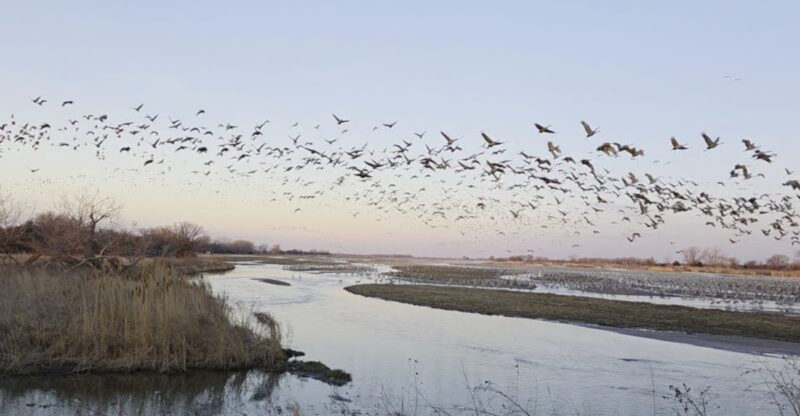
The Niobrara River valley near Valentine supports a rich mix of eastern and western bird species that overlap in this unique ecological transition zone. Sandhill cranes pass through during migration in numbers that genuinely have to be seen to be believed.
Best Times To Plan Your Visit
Timing a ride on the Cowboy Trail makes a real difference in what you experience out there.
Nebraska seasons are distinct and sometimes dramatic, so picking the right window shapes everything from surface quality to wildlife encounters to simple riding comfort.
Late spring, from May into early June, is widely considered the sweet spot. Temperatures are mild, grasses are green, wildflowers dot the trail edges, and migratory birds are still moving through in impressive numbers.
The days are long, which gives you generous riding hours without battling summer heat. Summer brings warmer temperatures that can climb significantly by midday, especially in July and August.
Early morning starts are essential in those months, and carrying extra water is non-negotiable since services are sparse across long stretches of the trail.
Fall offers golden light and cooler air, with the Sandhills grasses turning amber and rust in a color palette that feels almost theatrical.
Winter is generally too cold and unpredictable for most riders in Nebraska, though the landscape takes on a stark, photogenic beauty in snow.