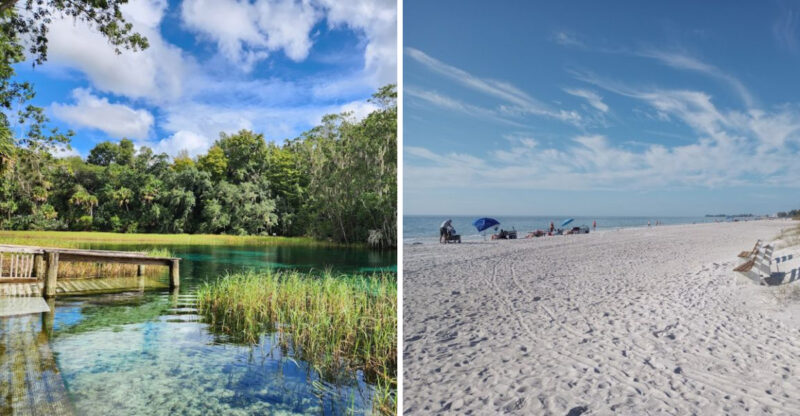
This Peaceful Florida Pond Grows Lily Pads Bigger Than You Have Ever Seen
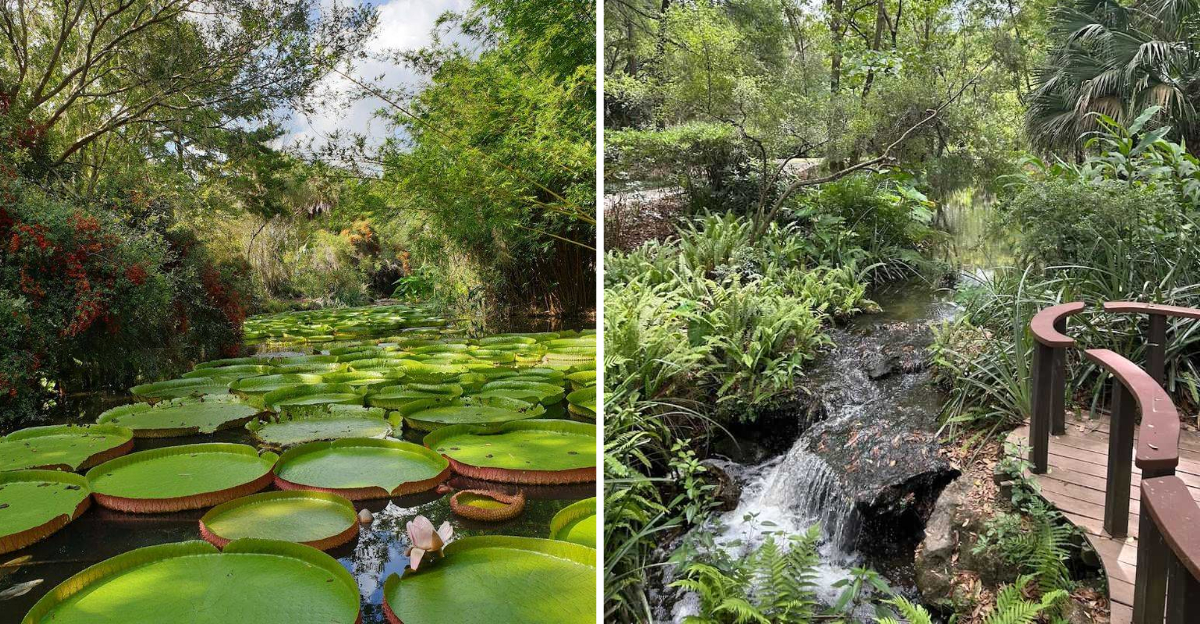
Somewhere behind a sleepy road, nature decided to show off.
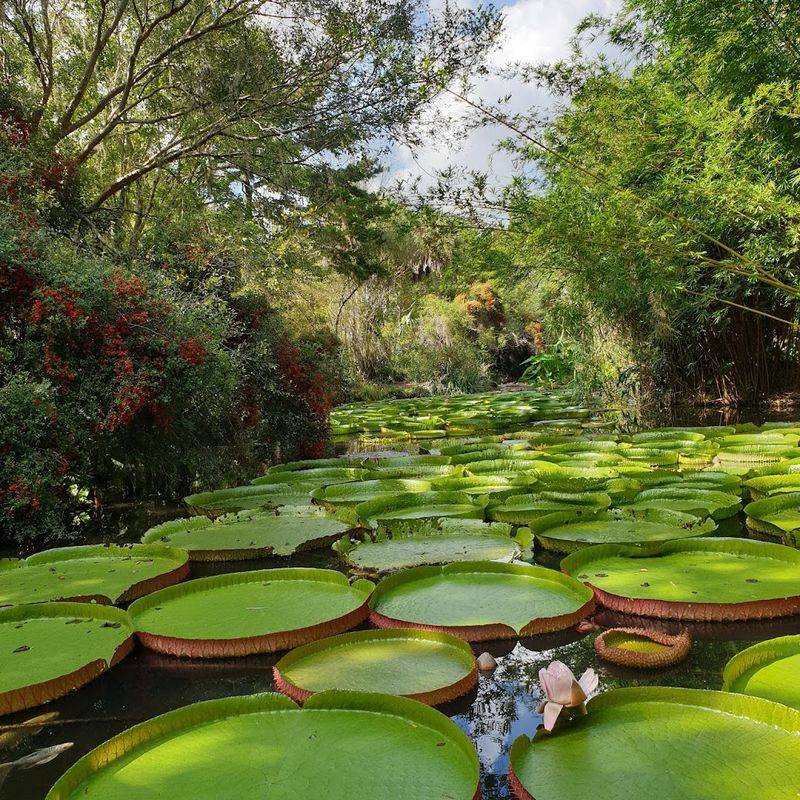
A quiet pond grows lily pads wider than dinner tables. They look almost fake until you stand right beside them.
This green pocket of Florida invites the curious to wander. Bamboo forests, butterfly meadows, and winding paths surround the water.
I stumbled in by accident and lost two full hours. The camera came out and simply never went back.
Sixty-odd acres hold more wonder than you expect. The whole place hums with life in every direction.
History and beauty share the same fence line here. Some detours turn into the best part of the trip.
How It All Came To Be
Not every botanical garden starts with a grand master plan.
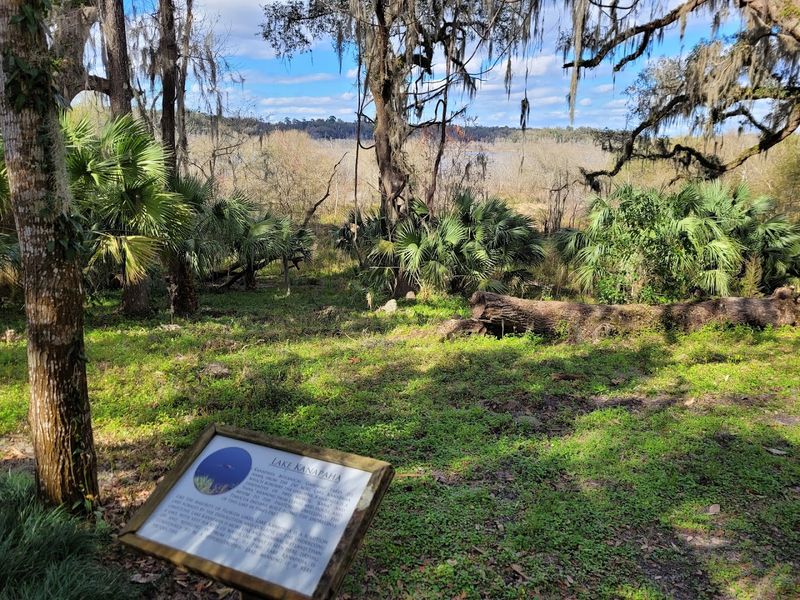
Kanapaha Botanical Gardens grew out of a grassroots effort by the North Florida Botanical Society, a group of plant lovers who wanted to create a permanent green space for the Gainesville community.
The North Florida Botanical Society leased the first 33 acres in 1978, and the garden opened to the public in 1986, expanding ever since.
The name Kanapaha comes from a Timucua word meaning “palmetto leaves house,” a nod to the indigenous people who once lived across this part of Florida.
That connection to the land feels intentional, because the garden has always celebrated native plants alongside exotic species. The founders wanted visitors to understand the full story of Florida’s natural heritage.
Volunteers and staff clearly pour real passion into this place, and you can feel it the moment you step onto the first trail.
The garden at 4700 SW 58th Dr in Gainesville is managed by a nonprofit organization that relies on community support to keep everything running.
The Giant Water Lilies Worth The Trip
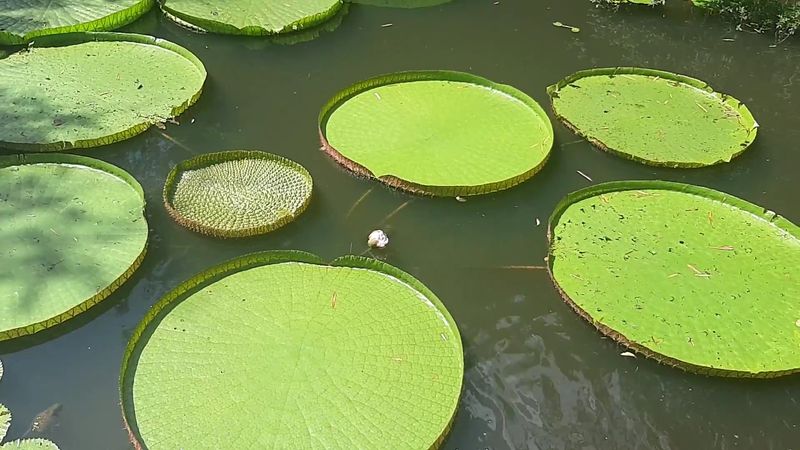
The star of the whole garden is, without question, the giant water lily pond.
These are giant Victoria water lilies, and their pads can grow up to six feet across. Standing at the edge of the pond and looking out at those massive floating discs is a genuinely surreal experience.
Each pad has a raised rim around its edge, giving it a pie-crust look that is oddly satisfying. The undersides are covered in sharp spines, which protect the plant from fish and other aquatic animals.
The lilies bloom at night, producing flowers that shift from white to pink over two days before sinking back below the surface.
Florida’s warm, humid summers are perfect for these tropical giants, and the pond at Kanapaha Botanical Gardens typically shows the best growth from late spring through early fall.
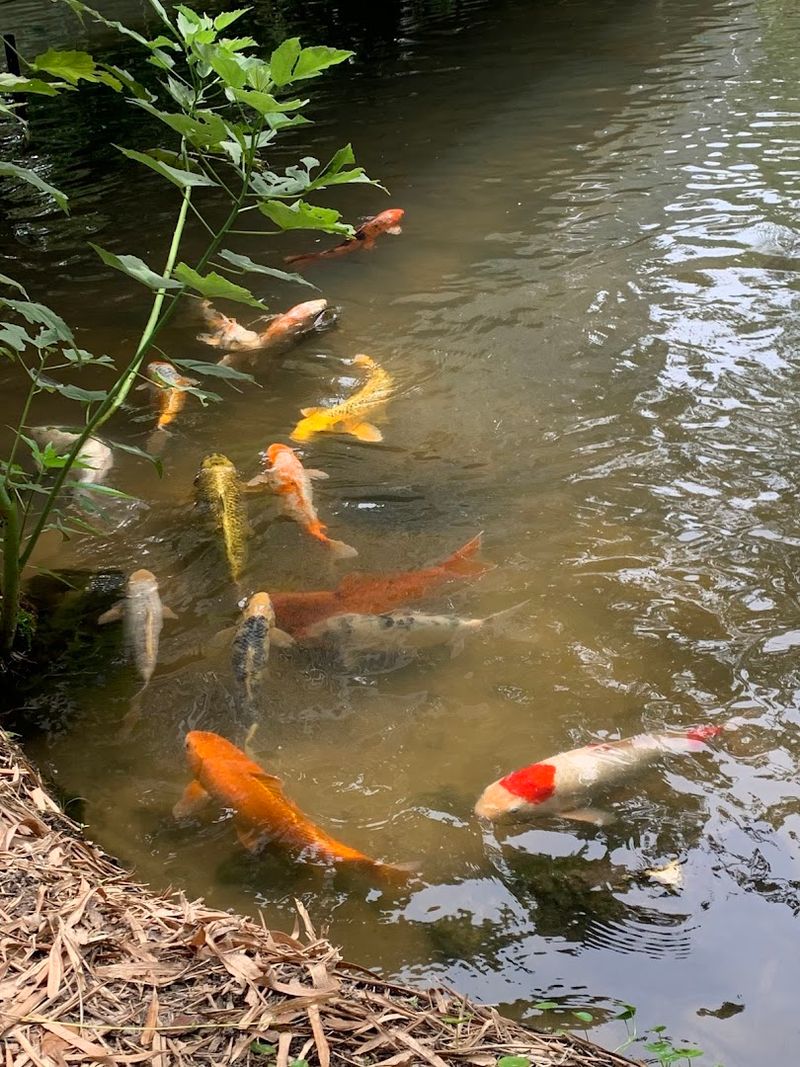
Visiting during peak season means you will see pads so dense they almost cover the entire pond surface. Colorful koi fish weave between the stems below, adding flashes of orange and gold to the scene.
Bring a camera with a wide lens, because a single photo simply will not capture how impressive this pond really is.
A Bamboo Forest That Steals The Show
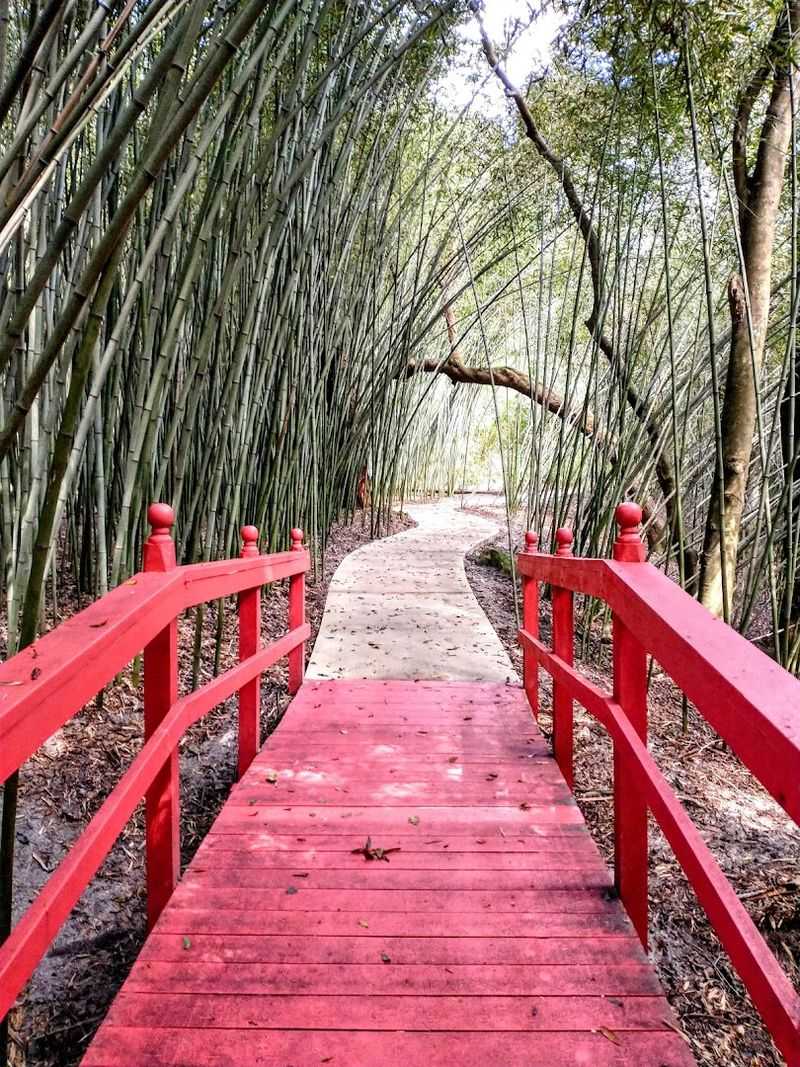
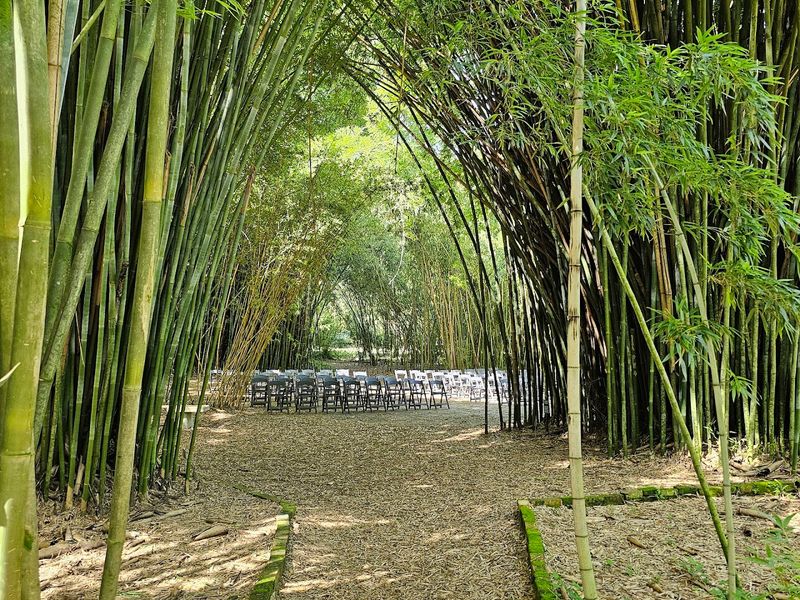
The stalks shoot up to heights of over 40 feet, forming a dense green canopy that blocks out most of the sky.
Sunlight filters through in narrow beams, and the whole grove has a cool, cathedral-like stillness to it.
Several bamboo species are represented here, including giant timber bamboo that produces stalks thicker than a grown adult’s forearm.
The rustling sound the leaves make in the breeze is oddly calming, and I found myself slowing down without even realizing it. It is one of those rare spots where you genuinely forget you are in the middle of Florida.
The bamboo grove is one of the most photographed areas in the entire garden, and for good reason. The contrast between the sky-high stalks and the narrow walking path below creates a dramatic visual that surprises most first-time visitors.
Even people who come just to see the water lilies end up spending a long time here.
Themed Garden Sections Around Every Turn
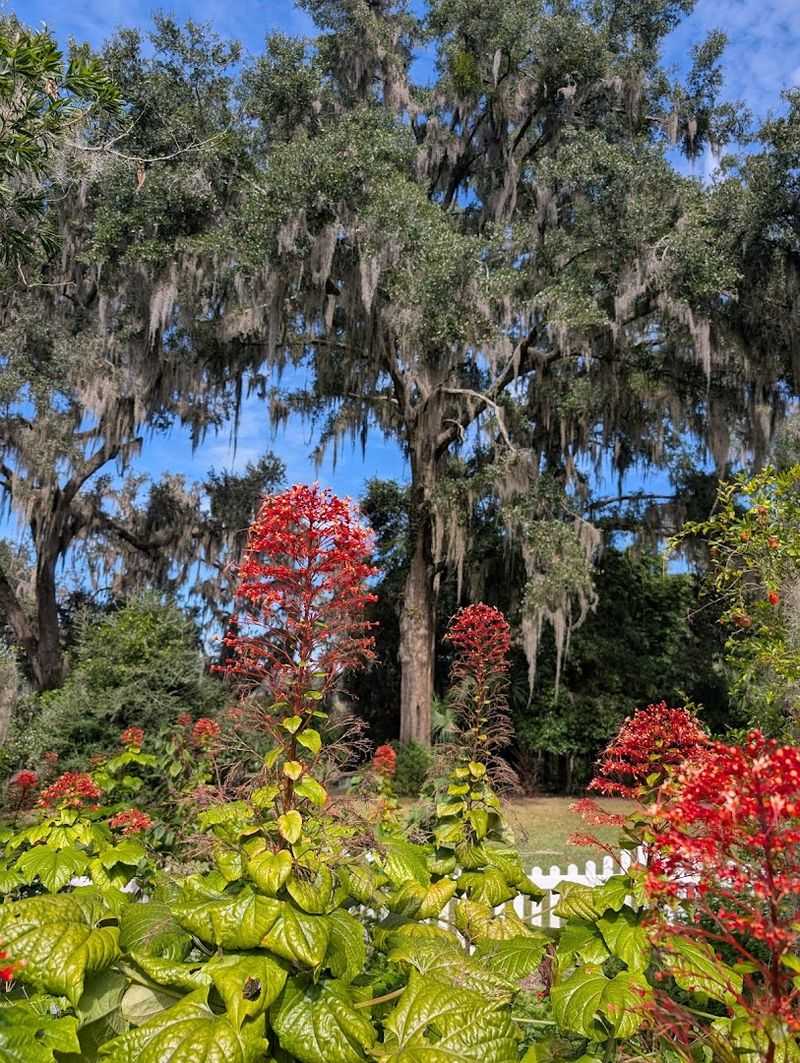
One of the things that sets Kanapaha Botanical Gardens apart from a typical park is how it organizes its plant life into distinct themed areas.
Each section has its own character, and moving from one to the next feels like turning the pages of a really good book. You never quite know what is waiting around the next corner.
The hummingbird garden is a personal favorite, packed with tubular red and orange flowers designed to attract these fast-moving birds.
The herb garden smells incredible on a warm morning, with rosemary, lavender, and a dozen other plants releasing their fragrance into the air.
There is also a butterfly garden, a camellia collection, a sunken garden built around a natural sinkhole, and a desert garden that feels completely out of place in Florida in the best possible way.
Each themed area is clearly labeled with informative signs that explain the plants and their origins. This makes the garden genuinely educational without ever feeling like a classroom.
Families with children will find plenty of stopping points that spark real curiosity.
Wildlife That Shares The Garden With You
The garden is not just about plants. From the moment you start walking the trails, it becomes clear that a whole community of wildlife has decided to call this place home.
Butterflies drift between flower beds in numbers that feel almost theatrical, and bees work the blooms with focused efficiency.
Birdwatchers will want to bring binoculars. Woodpeckers, herons, and a rotating cast of songbirds appear throughout the day, especially in the quieter wooded sections near the water features.
I spotted a great blue heron standing motionless near the lily pond, so still it could have been a garden ornament.
Florida’s natural ecosystems are rich and complex, and the garden’s design encourages that biodiversity by mixing native plants with water features and varied terrain.
The animals are simply doing what animals do, and observing them adds a spontaneous, living quality to the visit that no manicured garden can manufacture.
Every walk through Kanapaha Botanical Gardens turns into a small wildlife adventure you did not know you were signing up for.
Trails, Terrain, And Getting Around
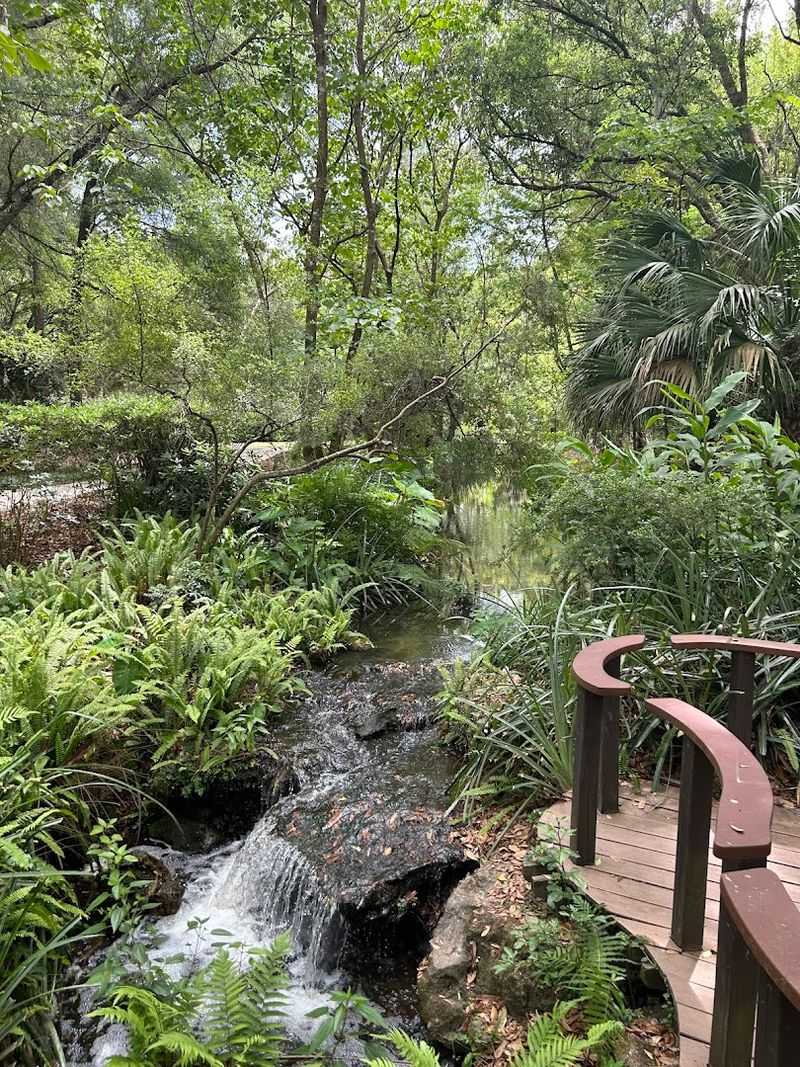
The garden covers around 62 acres, and the trail system gives visitors two main options.
The shorter loop runs about one mile, while the longer trail stretches to roughly 1.5 miles. Both are well-maintained and clearly marked, so getting lost is more or less impossible unless you are deliberately trying.
Most of the paths are paved or made from compacted material, which makes them accessible for strollers and mobility scooters.
A few of the side trails are narrower dirt paths that feel more adventurous, but the main routes are genuinely easy to navigate. Comfortable walking shoes are all you really need for a standard visit.
The garden also includes a playground for younger visitors, which is a practical touch that families genuinely appreciate. Benches and shaded rest spots are scattered throughout, so you never have to push through fatigue to enjoy the next section.
Florida heat can be intense, especially in summer, so starting your visit early in the morning makes a real difference.
Best Seasons To Plan Your Visit
Timing your visit makes a bigger difference here than you might expect.
The giant water lilies are the headlining attraction, and they perform best during the warmer months. Late spring through early fall is when the pads reach their maximum size and the pond looks its most dramatic.
Spring brings azaleas, camellias, and a wave of flowering plants that turn the garden into a riot of color. Fall visits are quieter and cooler, and the garden takes on a more relaxed, contemplative mood.
Even winter visits have their appeal, with some plants still in bloom and significantly smaller crowds to compete with for the best views.
Florida’s weather patterns mean the garden rarely looks completely bare, which is one of its great advantages over botanical gardens in colder states.
Summer visits require some preparation, including water, sunscreen, and an early start, but the reward is the full, lush version of the garden at its most alive. The garden is closed on Thursdays and open from 9 AM to 5 PM on all other days.
Tips For Making The Most Of Your Day
A few practical notes can turn a good visit into a great one.
Wearing light, breathable clothing is a smart move year-round, since Florida humidity has a way of making even mild temperatures feel warmer than they are. Bug spray is worth packing, particularly if you plan to explore the shadier, wooded sections of the trail.
The gift shop near the entrance carries a solid selection of plant-related items and garden accessories, and it is worth browsing before you leave.
There are also short informational films available on-site that provide helpful context about the garden’s history and plant collections. Watching one before you head out on the trail genuinely adds to the experience.
Photography enthusiasts will want a fully charged battery and extra memory cards. The combination of giant lily pads, towering bamboo, themed gardens, and roaming wildlife creates an almost endless supply of interesting shots.
Kanapaha Botanical Gardens sits in the heart of Florida’s natural landscape, and every detail of the visit, from the first trail marker to the last koi sighting, is worth savoring at whatever pace feels right to you.