This Historic Jail Is One Of Kentucky’s Most Chilling Attractions
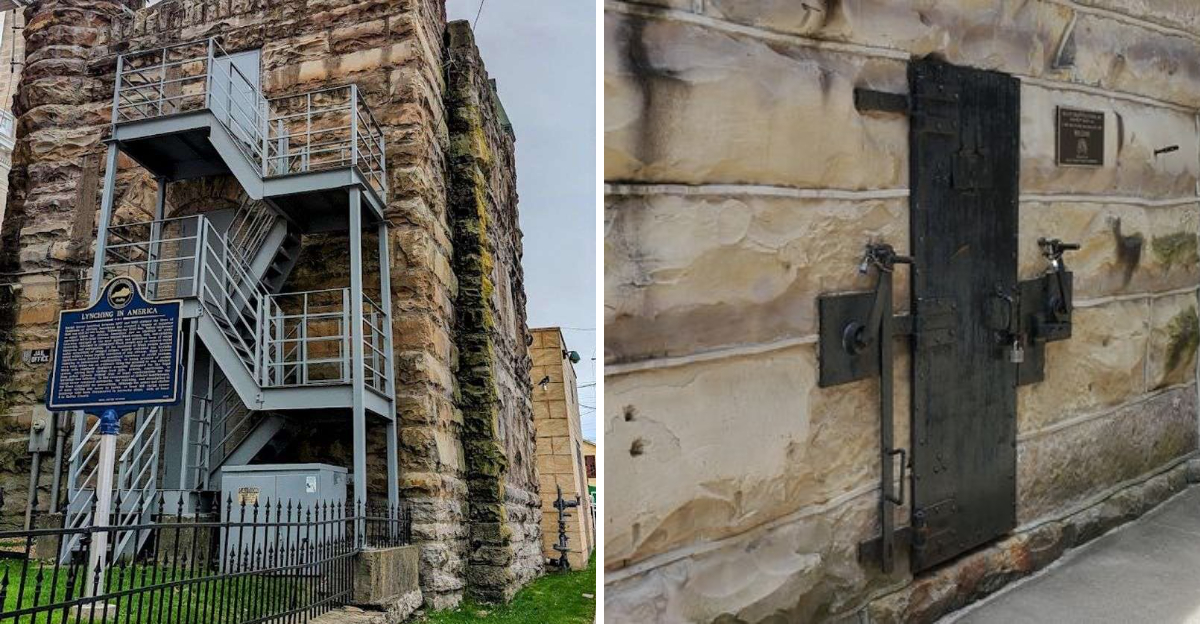
Some buildings hold onto their history, and some buildings refuse to let it go. This old Kentucky jail is firmly in the second category.
Thick stone walls kept prisoners inside for well over a century. Now those same walls keep the stories in, and visitors keep coming to hear them.
You can stand in actual cells and feel the temperature shift. The iron doors still hang heavy, and they still creak on cue.
Tour guides share tales of famous inmates, daring escapes, and unexplained sounds. Some guests laugh nervously, and some walk straight back outside.
Paranormal investigators treat this place like a favorite laboratory. Even skeptics admit the atmosphere gets under your skin.
History buffs get their fix, thrill seekers get their chills.
That’s a rare double feature in one building. Bring a friend, preferably a brave one who won’t bolt early.
Some attractions entertain you. This one follows you home.
The Story Behind The Stone Walls
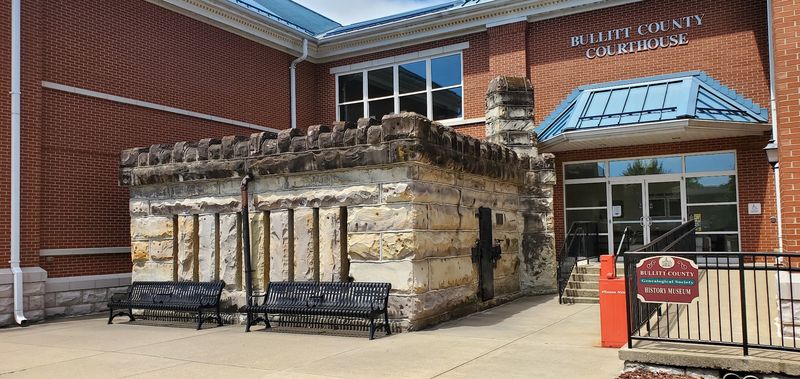
The Old Stone Jail is one of those buildings that refuses to be ignored.
Built in the 1800s, this structure was constructed from thick sandstone blocks, which gives it a weight and texture that modern buildings simply cannot replicate.
Standing in front of it, you feel the years pressing against you.
Bullitt County needed a place to hold its most troublesome residents, and the jail served Bullitt County from 1891 until 1947. The walls are thick enough to muffle almost everything, which was very much the point.
Prisoners had little chance of getting their voices heard from inside.
What makes this building special is not just its age but its survival. Many historic jails across Kentucky were demolished to make room for newer facilities.
This one endured, and today it stands as a preserved piece of county history that locals and visitors alike find genuinely fascinating. The craftsmanship alone is worth the visit.
What Made It So Notorious

Not every county jail earns a reputation that stretches beyond its own borders, but the Old Stone Jail at 300 S Buckman St, Shepherdsville, Kentucky, managed exactly that.
Bullitt County had its share of colorful characters over the decades, and this building held more than a few of them. The stories that circulate around this place have a way of growing more vivid with each retelling.
The jail operated during a turbulent stretch of American history, witnessing everything from frontier-era lawlessness to early twentieth century crime.
The cells were small, the conditions were stark, and the structure was designed entirely around containment rather than comfort. There was no ambiguity about what this place was built to do.
Local historians have documented accounts of dramatic escapes, tense standoffs, and figures who became legends in Bullitt County lore.
Some of those stories are hard to verify, but the bones of the building itself tell a believable tale.
When you run your hand along those limestone walls, the roughness feels like evidence of everything this place witnessed over its long and complicated life.
The Architecture That Stands The Test Of Time
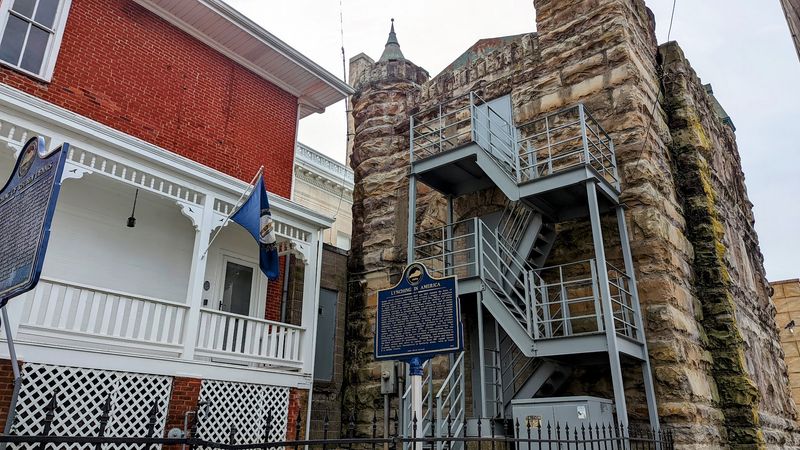
Limestone construction from the 1800s has a particular character that sets it apart from almost anything built in the last hundred years.
The blocks used in the Old Stone Jail were cut and placed by hand, and the precision required for that kind of work was considerable. Every corner and archway reflects the skill of craftsmen who took their trade seriously.
The building sits in a way that feels permanent, almost immovable. That sense of solidity was intentional.
A jail that looked flimsy would not inspire confidence in the community it served.
The architects and builders understood that the structure needed to project authority just by existing.
From a preservation standpoint, limestone is one of the better choices for longevity in Kentucky’s climate. It handles humidity reasonably well and ages in a way that adds character rather than deteriorating quickly.
Walking around the exterior, you notice details that you might miss in a photograph, subtle carvings, the variation in stone color, the way light hits different surfaces at different times of day.
It rewards a slow, attentive visit rather than a quick glance.
Shepherdsville’s Proudest Historic Landmark
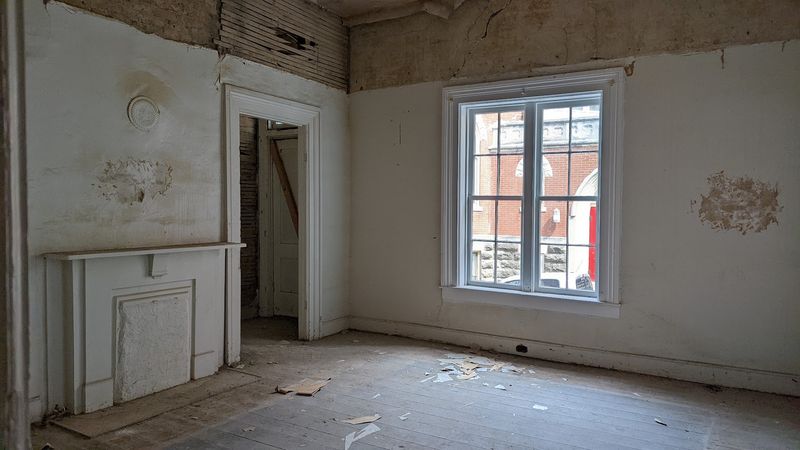
Shepherdsville is a small city with a history that punches well above its weight. Sitting along the Salt River in Bullitt County, it carries centuries of Kentucky heritage within a surprisingly compact area.
The Old Stone Jail is arguably the most tangible piece of that heritage still standing today.
For longtime residents, the jail is a reference point in the way that only truly old buildings can be. It anchors the town’s sense of identity in a way that newer attractions simply cannot replicate.
When locals talk about Shepherdsville’s past, this building almost always comes up within the first few minutes.
Visitors who make the trip down to The Old Stone Jail often find themselves surprised by how much the surrounding area adds to the experience.
The neighborhood retains enough historic character to make the jail feel genuinely in context rather than awkwardly preserved in isolation.
That sense of place is something you cannot manufacture, and Shepherdsville has held onto it with admirable care. It is a reminder that small cities often carry the most authentic pieces of American history.
Paranormal Legends And Local Lore

Every historic jail worth its limestone has a ghost story or two attached to it, and the Old Stone Jail does not disappoint on that front.
Local legends have circulated through Bullitt County for generations, passed from older residents to curious newcomers with the kind of casual certainty that only comes from long familiarity.
Whether you believe in the supernatural or not, the stories are genuinely entertaining.
Paranormal enthusiasts have visited the site over the years, drawn by accounts of unexplained sounds and unusual sensations inside the old cell blocks.
The thick walls and low light inside create an atmosphere that is easy to find unsettling even on a completely rational level. Your imagination does a lot of the work without any help.
What is interesting is that even the skeptics who visit tend to leave with a story worth telling. The building has a presence that is difficult to explain away with pure logic.
Whether that presence comes from the building’s history, its physical characteristics, or something else entirely is a question each visitor gets to answer for themselves.
That ambiguity is part of what makes it such a compelling stop.
How Preservation Saved This Piece Of History
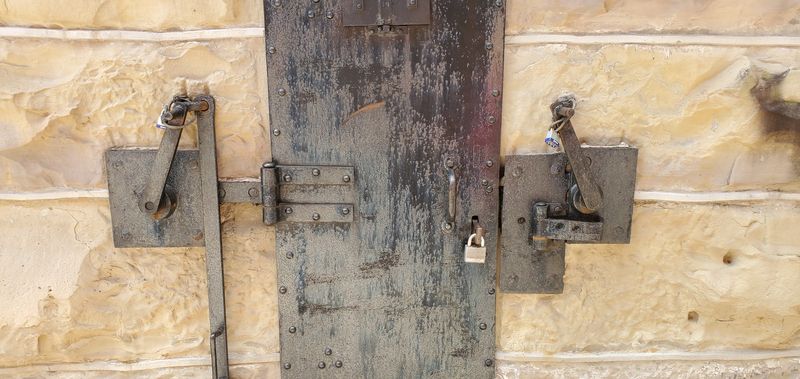
Preserving a building from the 1800s takes more than good intentions. It requires funding, community support, and a shared belief that the past is worth protecting even when it is inconvenient or expensive.
The survival of the Old Stone Jail is a story about exactly that kind of collective effort playing out over many decades.
Bullitt County historical organizations have worked to document and maintain the site, ensuring that the physical structure and its associated records remain accessible.
That kind of institutional commitment is rarer than it should be, and it deserves recognition. Without it, this building might have been replaced by a parking lot or a strip mall years ago.
The preservation effort also extended to the stories connected to the building.
Oral histories, court records, and newspaper archives from the jail’s operational years have been gathered and maintained, giving researchers and curious visitors a richer picture of what life in and around this facility actually looked like.
History without documentation is just rumor. The work done here has made sure that the real story stays accessible and grounded in verifiable fact.
Planning Your Visit
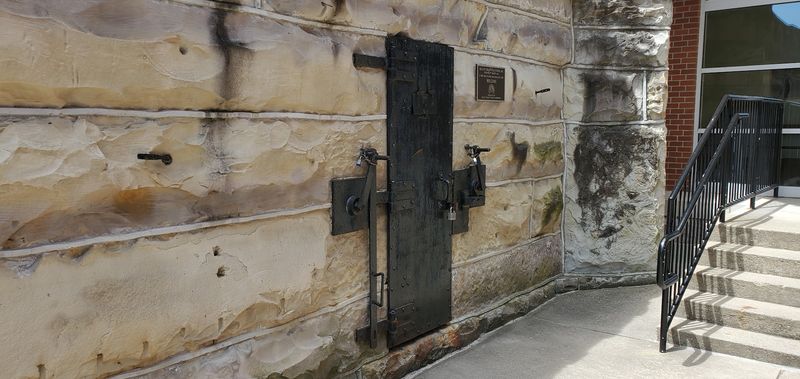
Getting The Old Stone Jail is straightforward from Louisville, sitting roughly twenty miles south via Interstate 65.
The drive takes less than half an hour under normal conditions, making it a very reasonable day trip from the city.
Bringing a camera is strongly recommended because the building photographs beautifully in almost any light.
Before visiting, checking with the Bullitt County Historical Society for current access information is a smart move. Historic sites like this one sometimes have limited hours or require advance arrangements for interior access.
A quick phone call or email can save you a frustrating trip.
The surrounding area of Shepherdsville offers enough additional stops to round out a full day.
The Salt River runs nearby, and the older sections of town have their own visual appeal for anyone interested in Kentucky history beyond a single landmark.
Pairing the jail visit with a walk through the historic district gives you a fuller sense of what makes this part of the state worth exploring.
It is the kind of place that rewards people who slow down and look carefully rather than rushing through.
Why Kentucky History Fans Cannot Skip This One
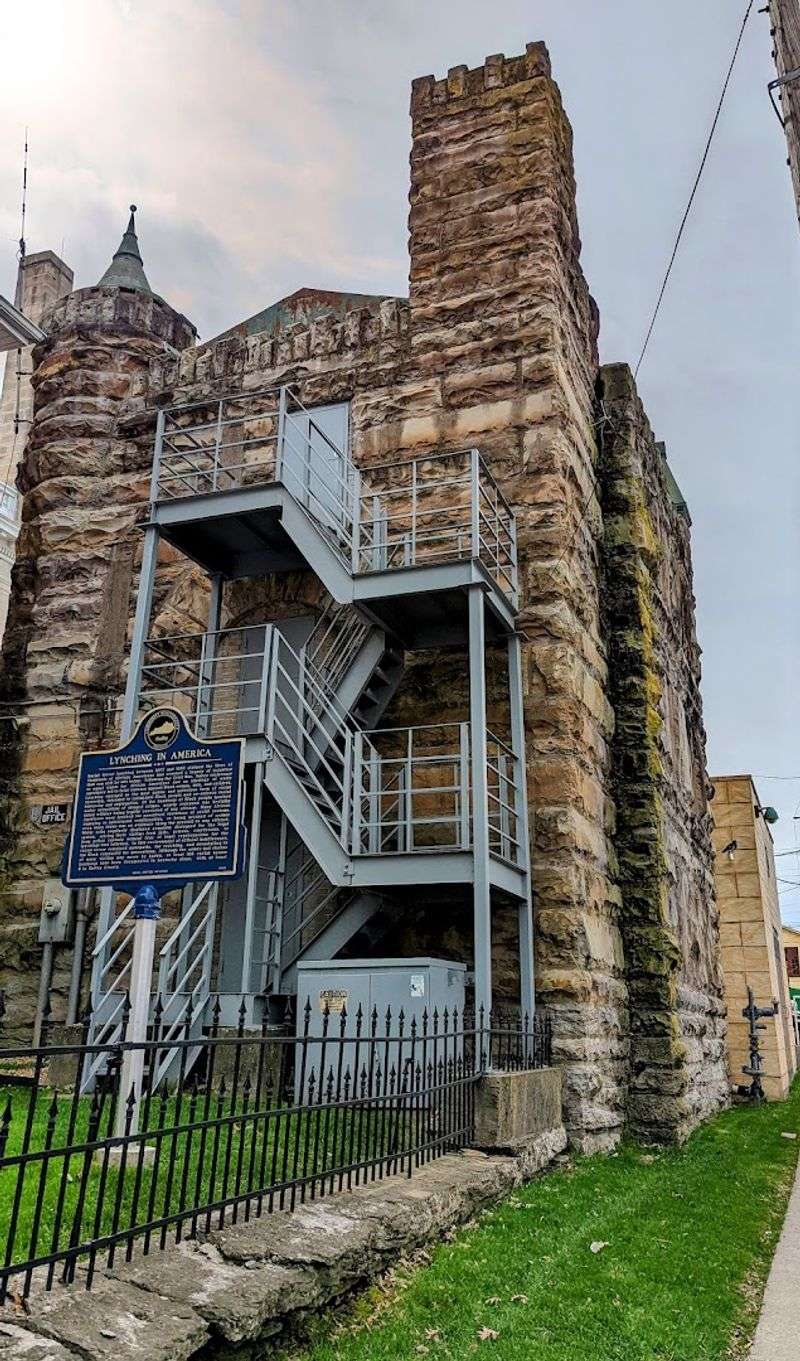
Kentucky has no shortage of historic sites, but most of them fall into familiar categories. Battlefields, plantation houses, and pioneer forts dominate the heritage tourism landscape.
A genuinely preserved nineteenth century county jail is a different kind of experience, and that difference is exactly what makes the Old Stone Jail stand out on any serious history itinerary.
The building connects visitors to a side of frontier and early American life that is rarely romanticized but absolutely real.
Law enforcement, community order, and the treatment of those who broke social rules are subjects that tell you a great deal about what a society actually valued. This building is a primary source in stone and iron.
For students of history, architecture enthusiasts, or anyone who simply appreciates things that have survived against the odds, this is a stop worth making.
The Old Stone Jail does not need dramatic staging or elaborate interpretation to be compelling. It speaks clearly on its own terms, and that directness is refreshing in an era when so many historic sites feel over-produced.
Come with curiosity, leave with a story, and tell someone else about it when you get home.