11 California Places Where You Can Turn A Hot Summer Day Into A Surprisingly Cool Outing
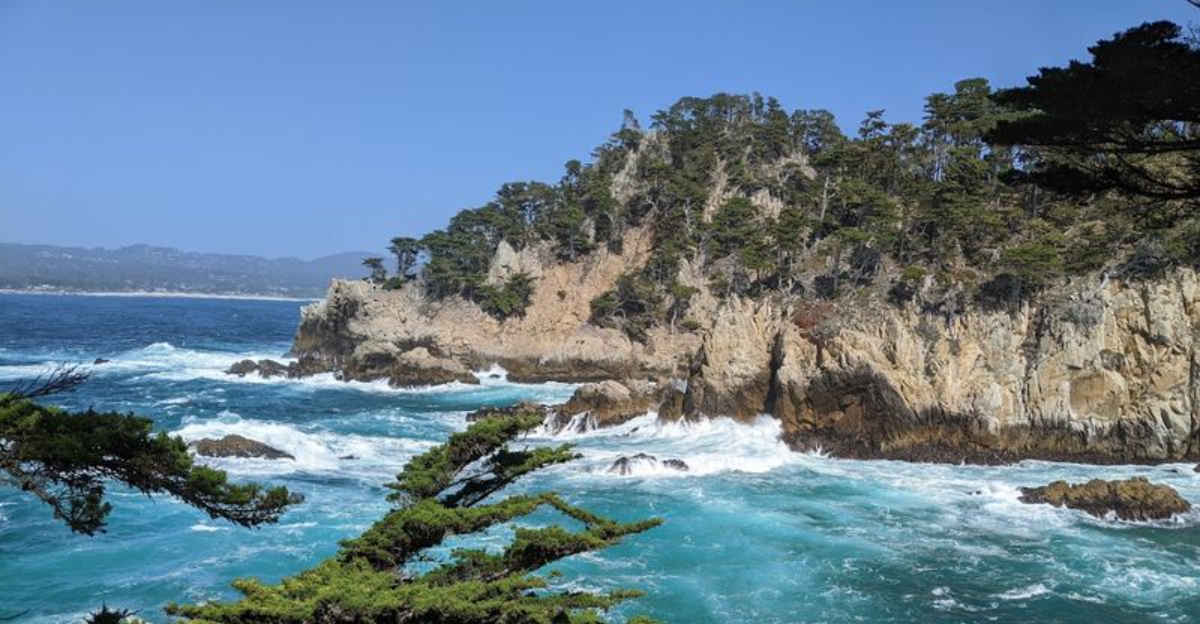
Hot summer days can make even fun plans sound like punishment.
The trick is finding places where the temperature stops acting so smug. Shade helps. So does water, elevation, ocean air, cave air, and any indoor stop with enough personality.
A cool California outing should feel like a clever escape, not a sweaty compromise.
These places give summer a better backup plan.
Some trade city heat for breezy coastlines.
Others send visitors under redwoods, into caves, through aquariums, or inside museums where nobody has to pretend the sidewalk was enjoyable at 2 p.m.
The best cool-down plans still feel like real adventures.
You are not hiding from the season. You are outsmarting it with better scenery and a destination that makes the forecast look less bossy.
Let the heat have the parking lot. The good part of the day is waiting somewhere cooler.
1. Subway Cave Lava Tube, Old Station / Lassen National Forest
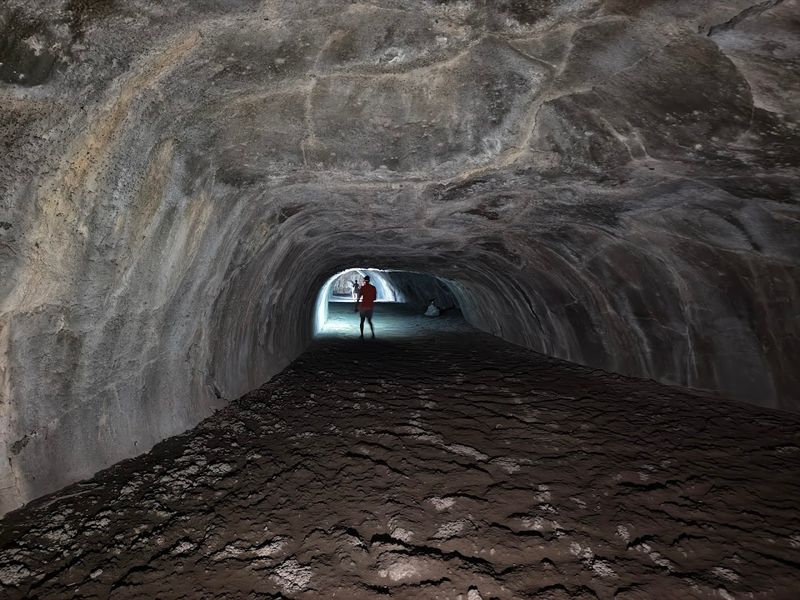
At roughly 46 degrees Fahrenheit year-round, this underground passage in Lassen National Forest feels like stepping into a natural refrigerator the moment the entrance staircase drops below ground.
The Subway Cave Lava Tube is a self-guided walk through approximately one-third of a mile of volcanic rock, formed thousands of years ago when the outer shell of a lava flow hardened while molten rock drained out from beneath it.
Bringing multiple flashlights is not optional here since the cave has no installed lighting whatsoever.
The floor is rough and uneven throughout, so sturdy closed-toe shoes with good grip are strongly recommended before making the descent.
No food or water is permitted inside the tube, and the passage is wide enough to walk upright through most sections without needing to crouch.
The cave typically opens in late April after seasonal snow melts and remains accessible through October.
Located within the Hat Creek Ranger District of Lassen National Forest, this spot attracts visitors looking for something genuinely different from a standard summer outing.
No specialized caving gear is required, making it accessible for most age groups. The contrast between the blazing surface heat and the cave interior can feel almost unbelievable on a peak summer afternoon.
2. Lake Shasta Caverns, Lakehead / Shasta Lake
Getting to these caverns is half the experience, and that is not a complaint.
Visitors board a scenic 10-minute ferry ride across Shasta Lake before transferring to a bus that climbs a steep mountain road up to the cave entrance, making the journey feel like a proper adventure.
Once inside, the temperature settles at a consistent 58 degrees Fahrenheit, though the 90 to 95 percent humidity can make it feel slightly warmer in practice.
The guided tours run between 45 and 60 minutes and cover roughly 600 stairs total, so comfortable walking shoes and a light layer are both worth packing.
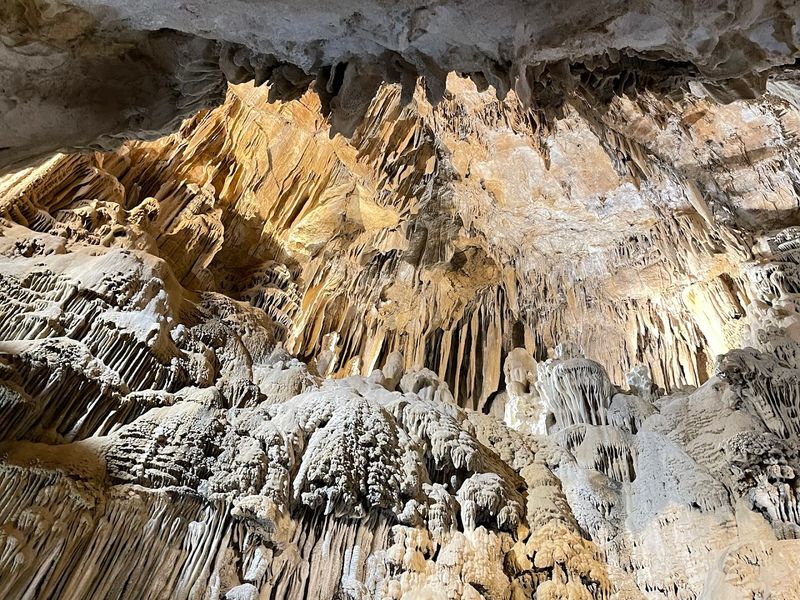
Stalactites, stalagmites, and cathedral-like chambers make the interior visually striking in a way that photographs rarely capture fully.
After the cave tour, a shaded picnic area, a snack bar serving hot dogs and ice cream, and a gem mining sluice provide additional reasons to linger on the property.
Views of the McCloud arm of Shasta Lake from the back deck offer a peaceful finish to the underground portion of the visit. Summer weekends tend to fill up, so booking in advance is a practical move.
3. Mercer Caverns, Murphys
Discovered in 1885 by a prospector searching for water, Mercer Caverns has been welcoming visitors into its cool depths for well over a century.
The cavern holds at approximately 55 degrees Fahrenheit with 90 percent humidity year-round, which makes it one of the more reliably refreshing underground stops in Calaveras County.
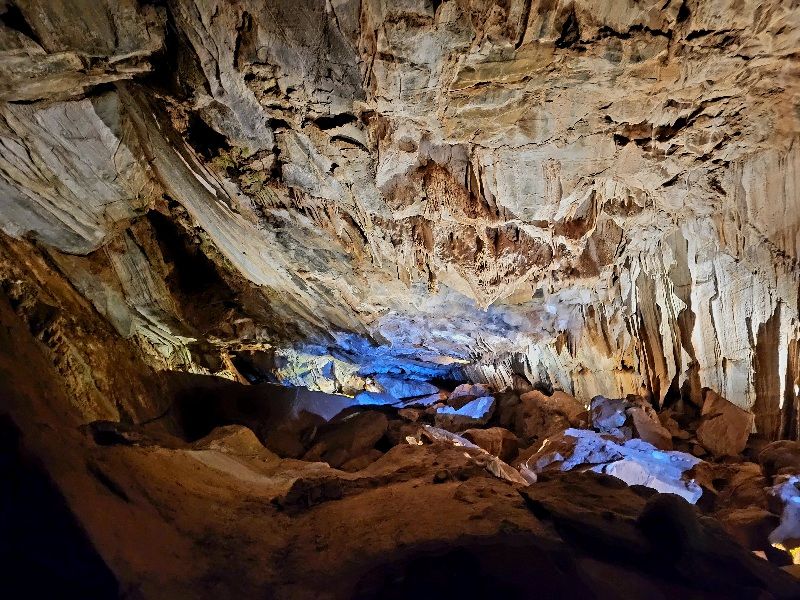
Guided tours last about 45 minutes and cover roughly a quarter mile of illuminated walkways through chambers filled with aragonite crystals, stalactites, and other mineral formations.
The venue requires navigating 440 total steps, with 208 leading down into the cave and 232 returning to the surface, so non-slip walking shoes are a practical necessity.
During the summer season from Memorial Day Weekend through Labor Day, the caverns open daily at 9:00 a.m. with the last tour departing at 5:00 p.m.
The rest of the year, hours shift to 10:00 a.m. through 4:30 p.m. daily, with closures on Thanksgiving and Christmas.
An on-site gem mining activity at the Mercer Caverns Mining Company lets visitors search through gravel for gems, minerals, and fossils after the cave tour wraps up.
The town of Murphys itself is a charming small community worth a short stroll after the visit. Summer crowds are manageable compared to some of the more heavily marketed cave destinations in the region.
4. Lava Beds National Monument, Tulelake
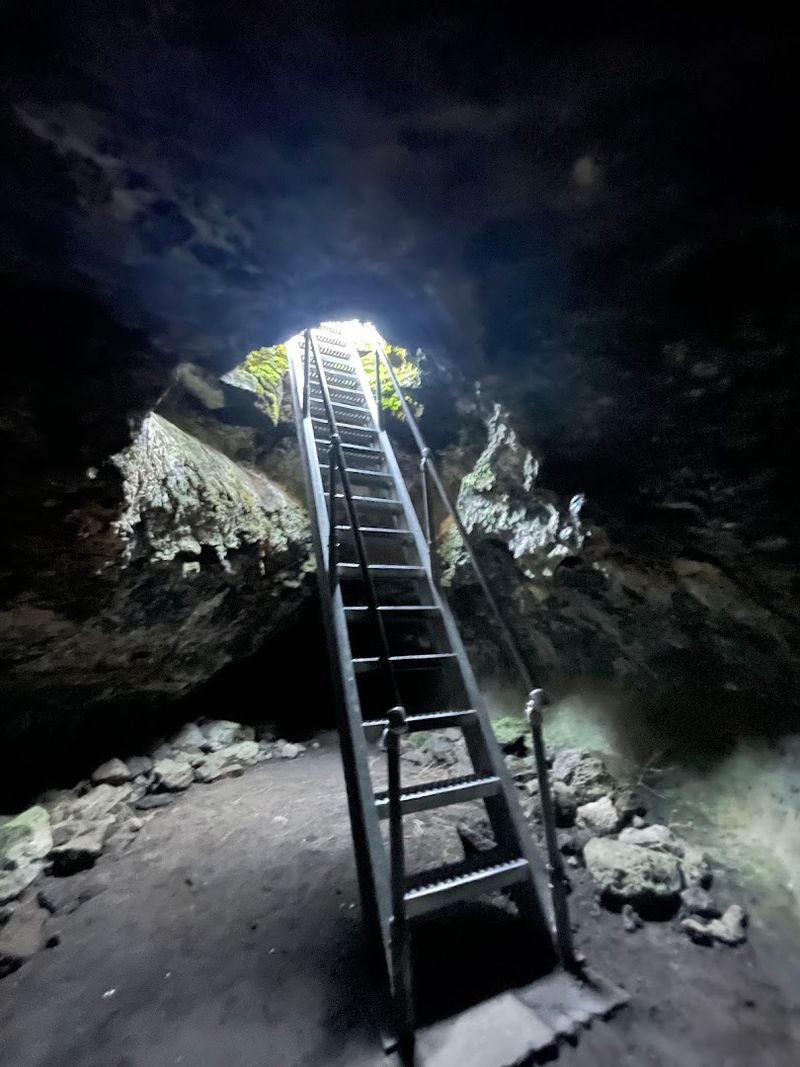
With more than 800 lava tube caves spread across its volcanic terrain, Lava Beds National Monument in northeastern California offers a summer cooling experience that feels genuinely wild rather than packaged.
The caves maintain an average temperature of around 55 degrees Fahrenheit throughout the year, and the contrast with the surrounding high desert landscape above ground is striking.
Over two dozen caves have marked entrances and developed trails, making independent exploration straightforward for most visitors.
The Visitor Center at 1 Indian Well Campground Trail, Tulelake, CA 96134 is the essential first stop for cave permits, trail maps, and updated information about which caves are currently accessible.
Mushpot Cave is the only lighted tube on the property, meaning every other cave requires visitors to carry their own flashlights, and bringing multiple light sources is strongly advised.
Helmets, kneepads, and gloves are recommended for the more physically demanding cave options.
Ranger-led programs including guided cave tours and nature walks add educational depth to a visit, particularly for younger travelers.
Several caves currently remain closed for bat protection or safety hazards, so checking current conditions at the visitor center before heading out is important.
The monument is open year-round, though some roads may close temporarily during winter months due to snow accumulation.
5. Monterey Bay Aquarium, Monterey
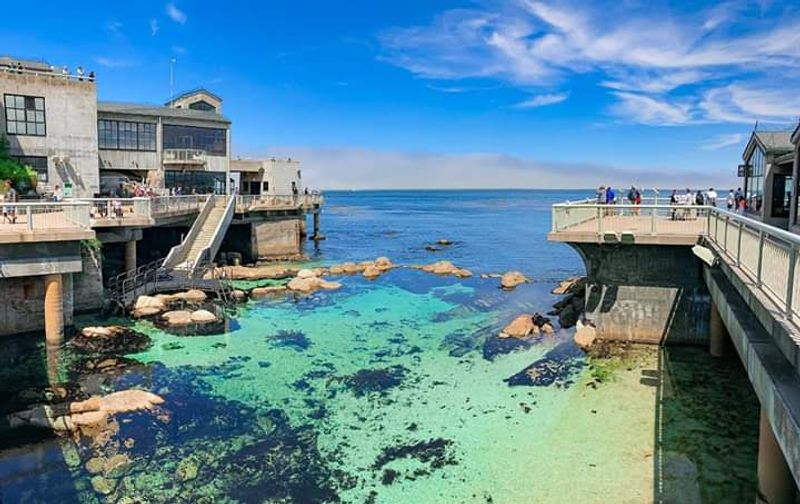
Sitting directly on the edge of Monterey Bay, this aquarium pulls cool ocean air through its location in a way that makes the surrounding atmosphere feel noticeably different from inland California summer heat.
The building itself was constructed on the site of a historic sardine cannery, and the connection to the working waterfront gives the whole place a grounded, authentic feel that sets it apart from more generic tourist attractions.
Exhibits cover deep-sea environments, a towering kelp forest, graceful jellyfish, sharks, and the endlessly watchable sea otter habitat.
The aquarium is one of the most visited in the country and draws significant crowds during July and August, so arriving early in the morning or booking timed entry tickets in advance is a practical approach.
The pacing inside tends to be leisurely, with plenty of benches and darkened exhibit halls that naturally encourage slowing down.
The jellyfish galleries in particular have a meditative, almost hypnotic quality that makes time pass differently than it does outside in the summer sun.
Food options are available on-site, and the surrounding Cannery Row area offers additional dining and waterfront walking after the aquarium visit wraps up.
The cool coastal air along the waterfront tends to linger even on days when the rest of the Monterey Peninsula warms up noticeably.
6. California Academy of Sciences, San Francisco
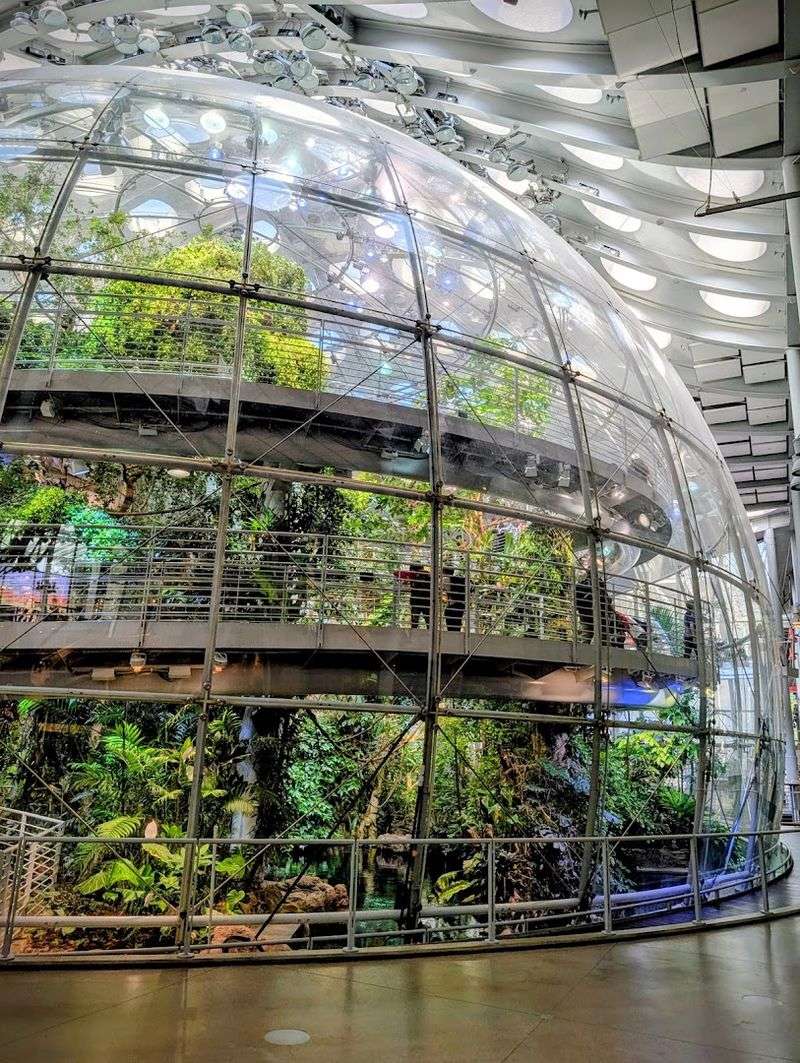
Few buildings in California pack as much variety under a single roof as the California Academy of Sciences which combines a world-class aquarium, a full planetarium, a four-story living rainforest, and a natural history museum.
The living roof planted with native California wildflowers is one of the most photographed features from the outside, but the interior is where visitors tend to spend the bulk of their time.
San Francisco’s naturally cool summer temperatures already make the city a heat escape, and the academy amplifies that effect considerably.
The building at 55 Music Concourse Drive, San Francisco, CA 94118 is open to the public throughout the year, with exhibits rotating regularly to give repeat visitors fresh material to explore.
The four-story rainforest dome maintains tropical warmth and humidity, which creates an interesting contrast to the cooler aquarium and planetarium sections.
Moving between those environments over the course of a few hours gives the visit a varied sensory texture that keeps energy levels from flagging.
Timed entry passes are available and recommended during busy summer periods.
The surrounding Golden Gate Park provides shaded walking paths and open green space for a post-visit stroll if the afternoon remains comfortable outside.
The combination of indoor depth and outdoor parkland makes this one of the more complete full-day options in the Bay Area.
7. Exploratorium, San Francisco
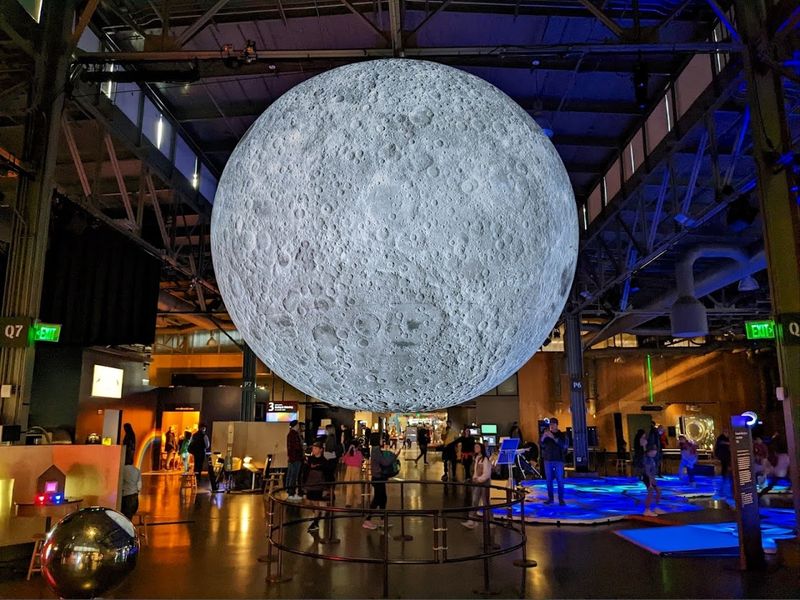
Perched on Pier 15 along the Embarcadero waterfront, the Exploratorium is the kind of place where adults rediscover how much fun it is to touch things they are not supposed to simply understand from a distance.
More than 650 hands-on exhibits invite visitors to engage directly with science, art, and human perception in ways that feel genuinely playful rather than educational in a dry or dutiful sense.
The bay breezes coming off the water around the pier add a natural cooling element that San Francisco’s summer fog often reinforces.
The venue at Pier 15, San Francisco, CA 94111 keeps a lively indoor atmosphere that works well for mixed-age groups, though adults visiting without children tend to find just as much to engage with as younger visitors do.
Exhibits range from optical illusions and sound experiments to fluid dynamics and light manipulation, spread across a large open floor plan that allows visitors to wander without feeling directed along a fixed path.
The pacing is self-determined, which makes a visit here feel relaxed rather than rushed.
An outdoor portion of the Exploratorium called the Bay Observatory Gallery offers waterfront views and additional interactive elements for those who want fresh air between indoor exhibits.
Weekday visits tend to be quieter than weekend crowds, particularly during the summer months when families are out of school.
8. Point Reyes National Seashore, Marin County
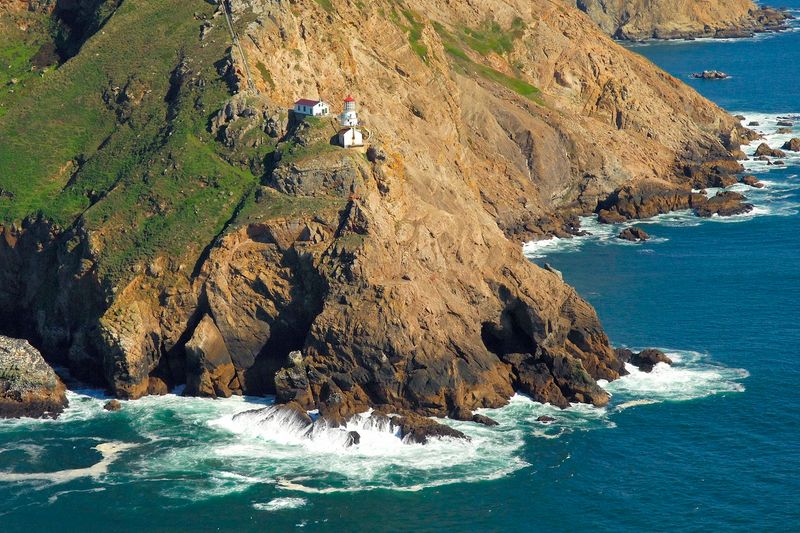
Jutting boldly into the Pacific Ocean in Marin County, Point Reyes National Seashore operates on its own weather system that has almost nothing in common with the hot inland valleys of California during summer.
Coastal fog rolls in regularly, temperatures stay cooler than nearly anywhere else in the state on a July afternoon, and the combination of ocean wind and salt air makes the whole experience feel genuinely bracing.
Beach walks across Drakes Beach, Kehoe Beach, and Limantour Beach offer wide open coastal scenery without the crowds that typically pack Southern California shorelines.
Wildlife viewing at Point Reyes tends to be exceptional, with tule elk at Tomales Point, elephant seals near Chimney Rock, and gray whale sightings along the coast during migration season from December through April.
Nearly 150 miles of trails crisscross the seashore, ranging from shaded forest paths along the Bear Valley Trail to exposed bluff walks like the Chimney Rock Trail.
The historic Point Reyes Lighthouse requires descending more than 300 steps but rewards the effort with dramatic views over open ocean.
The Bear Valley Visitor Center provides maps, current trail conditions, and ranger information for planning a visit.
Kayaking on Tomales Bay is available through local outfitters for those who want to get on the water.
Weekday visits tend to feel more spacious than summer weekends, when the seashore draws larger numbers of Bay Area day-trippers.
9. Point Lobos State Natural Reserve, Carmel Area
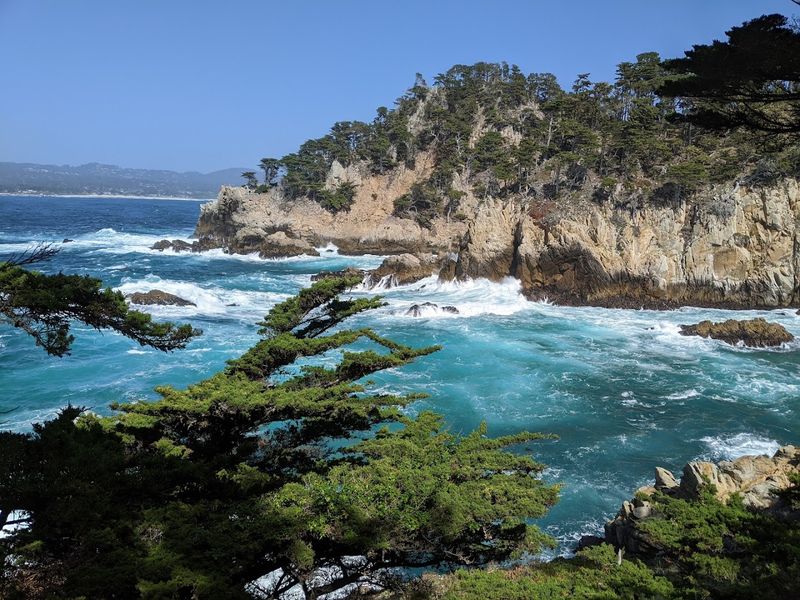
Often called the crown jewel of California’s state park system, Point Lobos State Natural Reserve sits just south of Carmel-by-the-Sea and delivers the kind of cool, wave-washed coastal air.
Sixteen hiking trails wind through ancient Monterey cypress groves and along dramatic bluffs overlooking the Pacific, with options like the Cypress Grove Trail, the Bird Island Trail Loop, and the Sea Lion Point Trail covering varying distances and difficulty levels.
The terrain is scenic without being relentlessly demanding.
The reserve opens year-round at 8:00 a.m. and typically closes at 7:00 p.m. during summer, with the last entry at 6:30 p.m.
Wildlife sightings are frequent and reliable, with California sea lions, harbor seals, and sea otters visible from the bluff trails on most visits.
Scuba diving in the offshore waters is available for certified divers, though reservations are required and spots are limited due to conservation restrictions.
Picnic areas with ocean views are scattered throughout the reserve, making a midday stop genuinely pleasant rather than just functional.
Parking fills up quickly on summer weekends and holiday mornings, so arriving before 9:00 a.m. or later in the afternoon tends to result in a smoother entry experience.
The historic Whalers Cabin Museum near the entrance provides a brief but interesting glimpse into the area’s maritime past.
10. Redwood National and State Parks, Crescent City / Orick
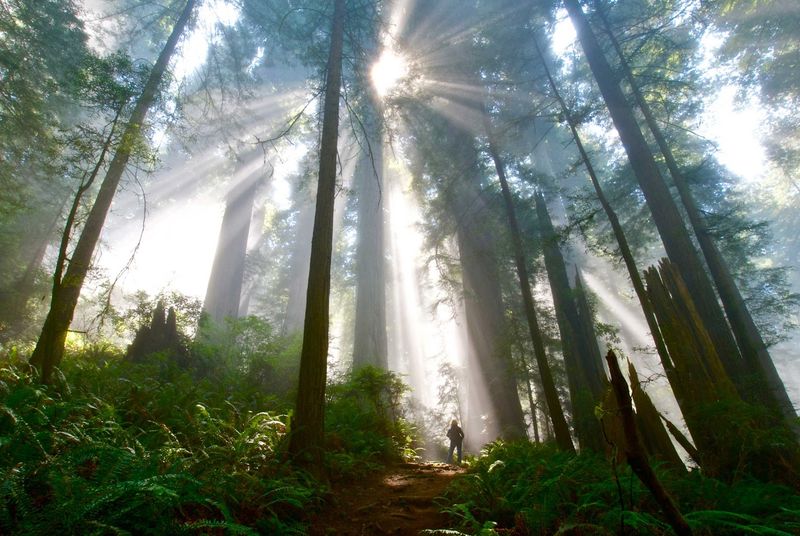
Standing beneath a 300-foot coastal redwood on a hot summer day produces a cooling effect that is hard to fully describe until experienced in person.
The old-growth forest canopy blocks direct sunlight almost completely along many of the park’s most popular trails.
Moist coastal air that keeps these trees alive year-round also keeps the surrounding temperature range between roughly 40 and 60 degrees Fahrenheit throughout the year.
Fern Canyon in Prairie Creek Redwoods State Park is one of the most visually striking sections of the entire park complex, with five-story fern-covered walls lining a narrow stream corridor.
The park complex includes Redwood National Park alongside Del Norte Coast Redwoods, Jedediah Smith Redwoods, and Prairie Creek Redwoods State Parks, all managed collaboratively.
Some popular areas like the Tall Trees Trail and Fern Canyon may require vehicle reservations during peak summer season.
Hiking, biking, and horseback riding are all available on designated trails throughout the complex.
Ranger-led programs offer guided walks and educational presentations that add meaningful context to the ancient landscape.
Checking current alerts before visiting is genuinely important here since trail closures and road conditions can shift quickly due to weather or maintenance work.
11. Mammoth Lakes, Eastern Sierra
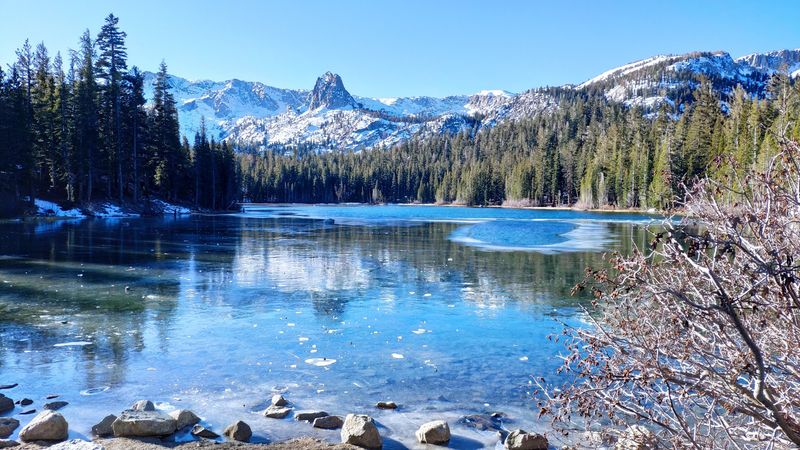
At elevations ranging from roughly 7,800 to over 11,000 feet in the Eastern Sierra, Mammoth Lakes operates on a completely different thermal logic than the rest of California in July.
Daytime highs that would be oppressive in the Central Valley become genuinely comfortable mountain temperatures up here, typically landing in the 70s Fahrenheit rather than the 90s or above.
The Lakes Basin area offers paddling on a cluster of beautiful alpine lakes, and the surrounding terrain supports an extensive network of hiking and biking trails that wind through pine forests and across granite-edged meadows.
The Mammoth Mountain Gondola provides access to the summit at 11,053 feet, where panoramic views stretch across the Sierra Nevada and the high desert beyond.
Fishing in the area’s many lakes and streams is a relaxed way to spend a morning before temperatures even begin to climb.
The town of Mammoth Lakes serves as the central hub for accessing all of these activities, with gear rentals, dining, and lodging options spread across the main commercial corridor.
Summer weekends draw significant crowds, particularly during holiday periods, so arriving mid-week tends to result in more trail space and easier parking near popular trailheads.
The Devils Postpile National Monument, accessible by shuttle from Mammoth Mountain during summer, adds a fascinating volcanic formation to the list of nearby natural features worth including in a visit.
Evening temperatures drop noticeably even in peak summer, so packing a light jacket is always a reasonable call.