This Connecticut Shoreline Spot Is One Of The Best Places To See Seals In The Wild

Wild seal sightings are not something most people expect to find on a shoreline day trip and that element of surprise is honestly a huge part of what makes this spot so special.
The beach itself is gorgeous and worth visiting entirely on its own merits but knowing that seals regularly show up here adds a layer of genuine excitement that makes every single visit feel like a potential wildlife adventure.
Patience gets rewarded here in the most wonderful way. Spotting seals in the wild along the Connecticut shoreline at a spot this consistently reliable is the kind of experience that makes people immediately want to bring everyone they know back to see it for themselves.
The season matters and timing the visit right makes all the difference between a beautiful beach day and a beautiful beach day with wild seals thrown in.
That upgrade is absolutely worth planning around.
1. Seal Watching By The Sound
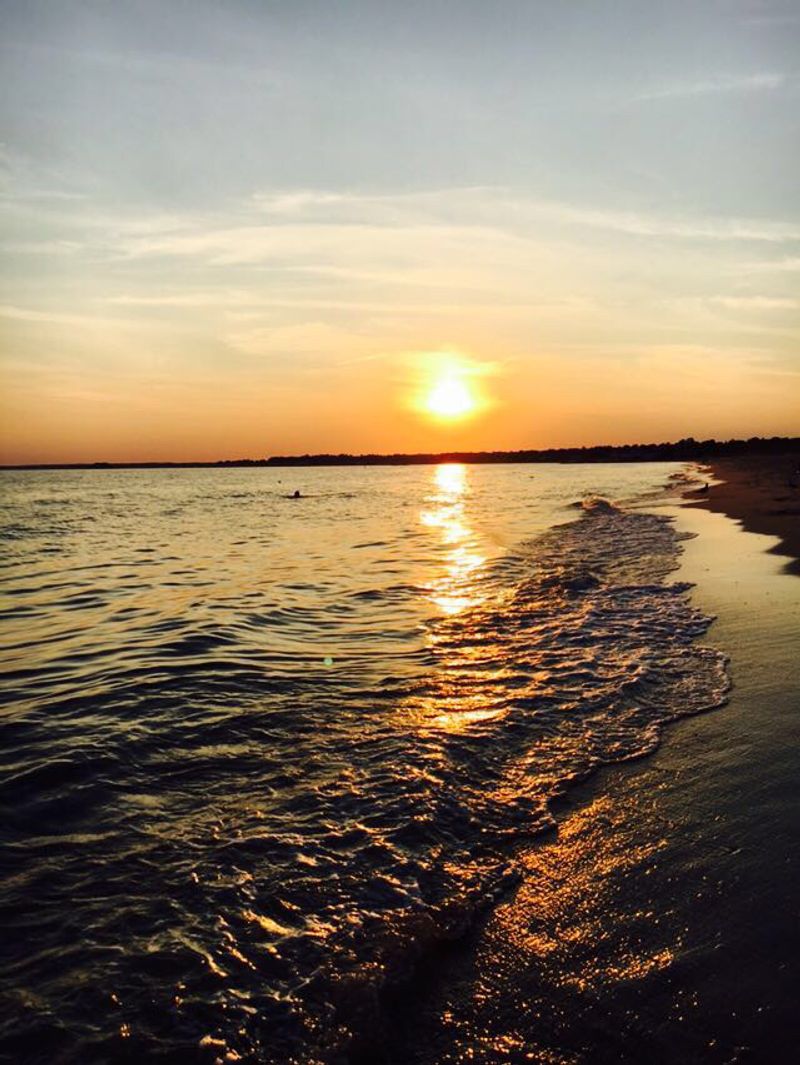
Hammonasset Beach State Park has a quieter, wilder side that many visitors miss when they stick only to the sand and picnic areas.
Along the shoreline, the open views of Long Island Sound create a beautiful setting for watching birds, scanning the water, and, during the right time of year, spotting harbor seals resting on offshore rocks.
The best views often come from shoreline trails and rocky lookout points, where a seal in the distance can look almost like a smooth gray stone at first. Binoculars make the experience much more rewarding, especially when the animals are farther from shore.
Once one is spotted, a simple coastal walk suddenly turns into a careful, exciting search.
Those resting breaks matter. Seals haul out to conserve energy, warm up, digest, and recover after diving for food, so giving them space is part of responsible wildlife viewing.
Early mornings often bring calmer conditions, and the shoreline itself adds plenty of beauty even without a sighting. Open sky, salt air, and peaceful trails make this part of the park feel wonderfully refreshing.
2. Cedar Island Trail Leads The Way
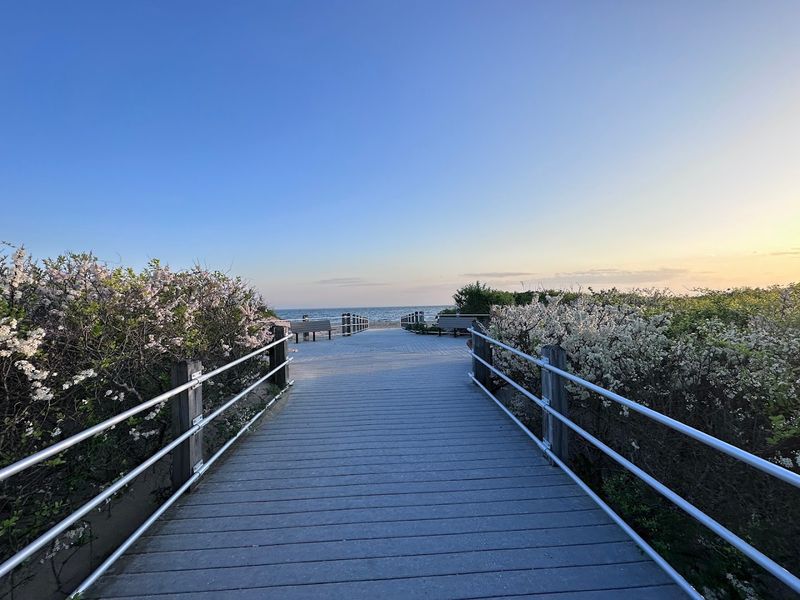
Starting behind Pavilion 4 in the Meigs Point section of the park, the Cedar Island Trail offers one of the most scenic short walks along the shoreline.
The path stretches approximately 0.9 miles and features sturdy boardwalks that carry visitors through a protected salt marsh, revealing a side of the coastal ecosystem that most beachgoers never slow down enough to appreciate.
Chipped gravel and tree-lined sections make the route easy to follow even without formal trail markers.
At the end of the trail, an observation platform with benches, tables, and interpretive signage gives visitors a comfortable place to pause and take in the surrounding marsh views.
That elevated vantage point can also serve as a useful spot to scan the water for seals resting on nearby rocks during the winter months.
The platform transforms a simple walk into something that feels genuinely purposeful.
The trail typically takes around 21 minutes to complete at a relaxed pace, making it an accessible option for visitors of different fitness levels. Families with children tend to enjoy the boardwalk sections, which keep feet dry above the marshy ground below.
The combination of easy terrain and rich natural scenery makes this trail a consistent highlight of any visit to the park.
3. Bring Binoculars For Better Views
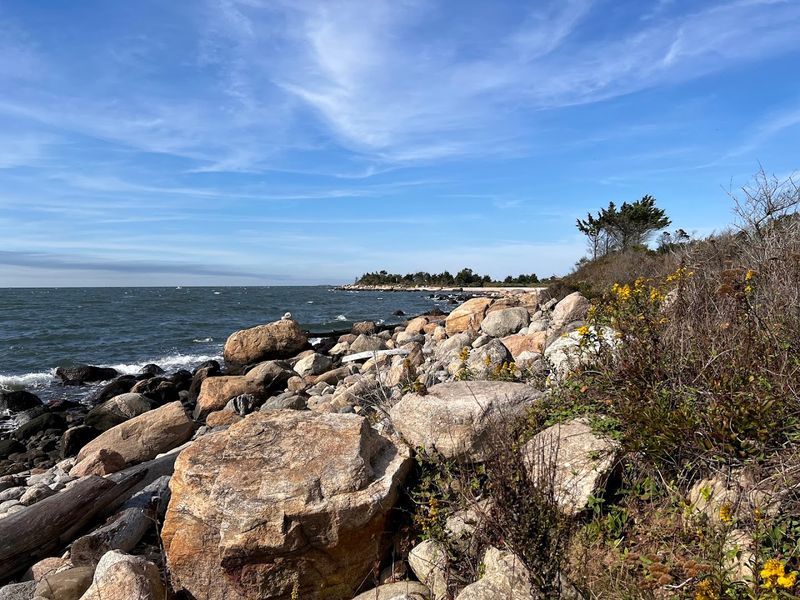
Seals have a way of blending into their rocky surroundings with surprising ease, which means a naked-eye view from the shoreline often leaves visitors squinting and guessing.
Bringing a quality pair of binoculars makes a real difference, turning a vague dark shape on a distant rock into a clearly visible, whiskered face pointed toward the sky.
The detail that binoculars reveal, including the texture of a seal’s coat and the subtle rise and fall of its breathing, adds a whole new layer to the experience.
For visitors who enjoy photography, a telephoto lens serves a similar purpose without requiring any approach toward the animals. Getting too close to resting seals can stress them and disrupt the rest they genuinely need, so maintaining distance is both respectful and practical.
Optical equipment essentially closes that gap without causing any disturbance.
Even outside of seal season, binoculars prove their worth at Hammonasset. The park sits within a Globally Significant Bird Area, and dozens of species move through the shoreline and marsh throughout the year.
Waterfowl, raptors, and shorebirds all reward a closer look. Packing binoculars adds almost no weight to a day bag but dramatically expands what a visitor can observe along the two-mile stretch of state coastline.
4. Meigs Point Adds Nature Center Fun
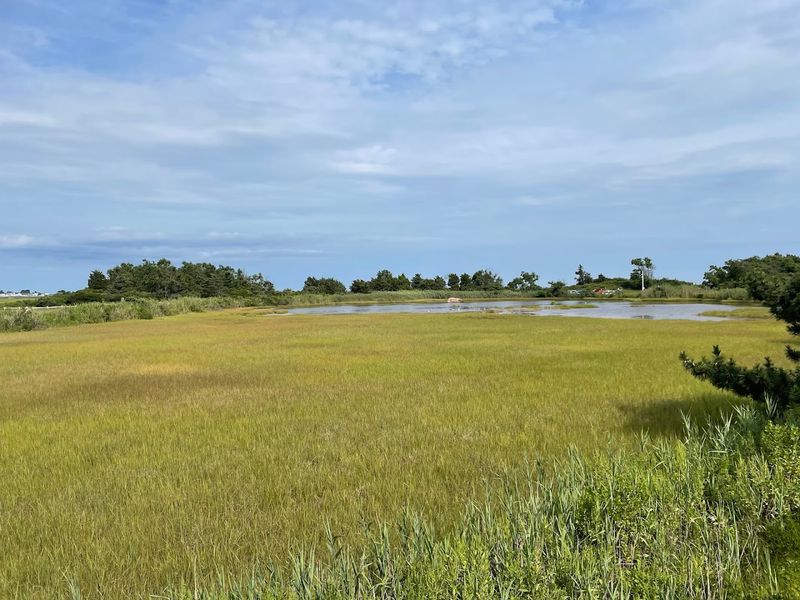
Beach days and trail walks get an extra layer of discovery at Meigs Point Nature Center, where the shoreline ecosystem comes alive through animals, exhibits, and hands-on learning.
The center opened in 2016 as an updated 4,000-square-foot space, replacing an older facility that had served visitors for decades.
Its setting inside Hammonasset Beach State Park makes the experience feel closely tied to the marshes, shoreline, and coastal habitats just outside the doors. The building operates from 1288 Boston Post Road in Madison, 06443, close to the eastern end of the park.
Inside, visitors can check out a touch tank and see live turtles, snakes, amphibians, crabs, and fish connected to the local coast.
Outdoor viewing areas add a direct look over the surrounding landscape, while guided walks and interpretive programs help families understand what they are seeing in the wild.
The center works especially well after a morning spent scanning the shoreline for seals, giving context and warmth to the outdoor adventure.
Current hours run Tuesday through Sunday from 10 a.m. to 5 p.m. from April through October, then Tuesday through Sunday from 10 a.m. to 4 p.m. from November through March.
5. Best On Calm, Clear Days
Timing and weather conditions play a bigger role in a successful seal-watching visit than most people initially expect.
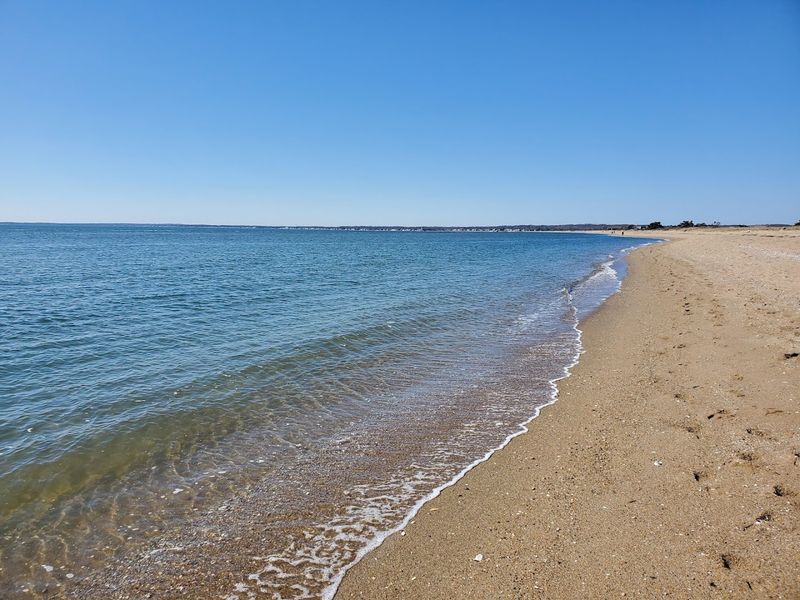
Calm, clear days offer the best visibility for spotting seals either floating in the water or stretched out on distant rocks, while overcast and breezy days can make it harder to distinguish shapes against a choppy gray surface.
Low tide tends to expose more rocky resting areas, which increases the chances of seeing seals hauled out in full view.
On particularly warm and sunny days, seals may retreat from the beach as early as 7 or 8 AM, returning to the sand in the late afternoon once temperatures cool down again. Arriving when the park opens at 8 AM gives visitors the best window during those conditions.
Winter mornings, when the air is cold and the light is clean, often provide ideal circumstances for a long, unhurried look at the shoreline.
The park typically sees around a week of precipitation each month throughout the year, so rainy days are not uncommon. Having a backup plan, such as a visit to the nature center or a walk along one of the paved interior paths, keeps the trip worthwhile regardless of the forecast.
Flexibility tends to reward visitors here more than rigid scheduling ever does.
6. Two Miles Of Shoreline Scenery
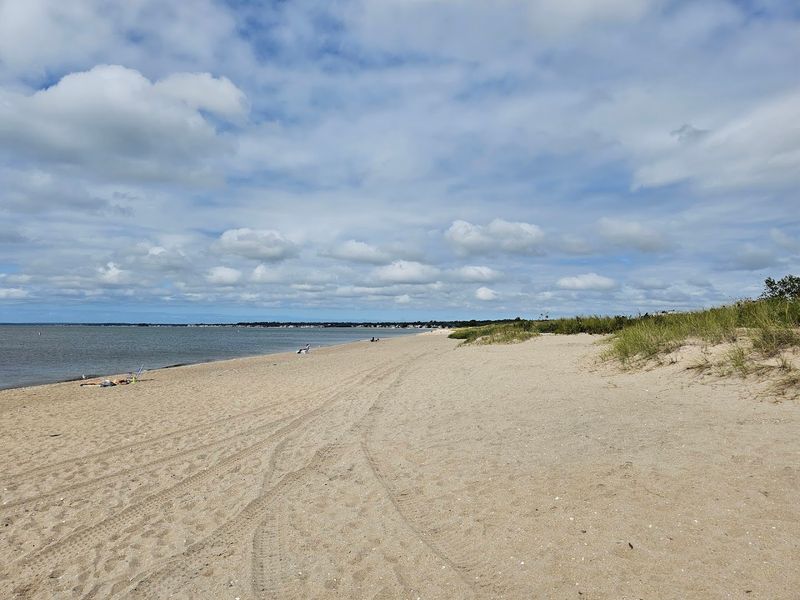
Connecticut’s largest shoreline park earns that title with nearly a thousand acres of diverse coastal habitat and a full two-mile stretch of sandy beach facing the Long Island Sound.
That amount of open shoreline gives visitors plenty of room to spread out, walk at their own pace, and find a quiet section of beach even during moderately busy periods.
The scale of the place becomes apparent quickly once someone starts walking and realizes the end of the beach is much farther away than it looks.
Beyond the sandy shore itself, the park contains a layered mix of coastal environments. Beach scrub, deciduous forest, extensive salt marshes, and rocky coastline all exist within the same park boundary, creating a variety of textures and habitats within easy walking distance of one another.
That ecological diversity is part of what makes the park attractive to wildlife year-round and not just during peak seal season.
The calm waters along the beach contribute to a generally serene atmosphere, particularly outside of the summer season when the shoreline quiets down considerably. Paved paths running parallel to the beach allow for easy walking or biking without navigating soft sand.
The combination of open water views, varied terrain, and manageable trail distances makes the park genuinely comfortable to explore at almost any pace.
7. Birding And Beach Walks Nearby
The National Audubon Society designated Hammonasset Beach State Park a Globally Significant Bird Area, and spending even an hour along its trails makes it easy to understand why.
The park functions as a critical resting and feeding ground for migrating land birds, shorebirds, and raptors moving along the Atlantic Flyway.
During winter months, the rocky shoreline and open beach attract species like Common Eider, Razorbill, Purple Sandpiper, and several gull varieties that are rarely seen inland.
The 1.1-mile Willard’s Island Nature Trail is recognized as a reliable birdwatching hotspot, where osprey, herons, and yellow warblers may appear depending on the season.
The Moraine Trail leads to a protected sandy beach that serves as a nesting area for Piping Plovers and Least Terns during summer, though winter visits keep that habitat undisturbed and open to quiet exploration.
The park also hosts one of Connecticut’s largest colonies of purple martins.
Open fields in the western section of the park draw migrating shorebirds from mid-spring through early autumn, while the campground area becomes a notable hotspot for vagrant and migratory songbirds each spring and fall.
Beach walks remain popular across every season, offering a simple and grounding way to move through the landscape without needing a trail map or specific destination in mind.
8. Wild Views Without Leaving The Shoreline

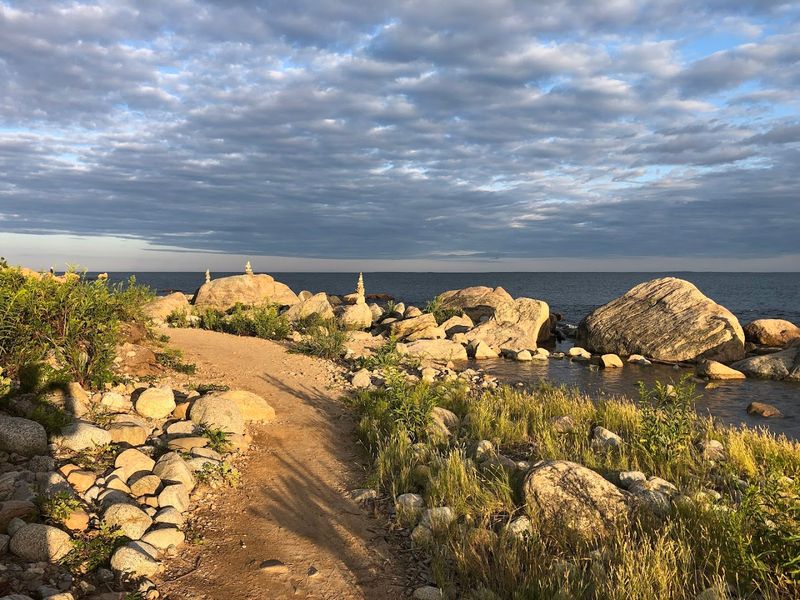
Some of the best wildlife encounters at the park happen without any need to venture far from the water’s edge. Seals are frequently spotted resting on rocks that extend beyond the end of certain trails near Meigs Point, visible from the shore with a good pair of binoculars on a clear day.
The Meigs Point Trail offers a 1.4-mile out-and-back route right along the rocky and sandy shoreline, keeping the Long Island Sound in view on one side and protected marshland on the other throughout the walk.
A section of the Shoreline Greenway Trail also passes through the park, providing additional coastal vistas for both walkers and cyclists who want to cover more ground along the water.
During low tide, tidal pools appear along the rocky sections of the shoreline, offering a chance to observe small crabs and other marine creatures up close without any equipment or special knowledge required.
Children and adults alike tend to slow down instinctively when a tidal pool comes into view.
The layered quality of the shoreline here, where rocky outcroppings meet sandy stretches and marsh grasses frame the edges, creates a visual variety that keeps a long walk feeling fresh from start to finish.
No single section of the coastline looks quite the same as the last, which rewards a slow and attentive pace more than any hurried approach ever could.