Everyone In Connecticut Should Visit This Historic Lighthouse At Least Once
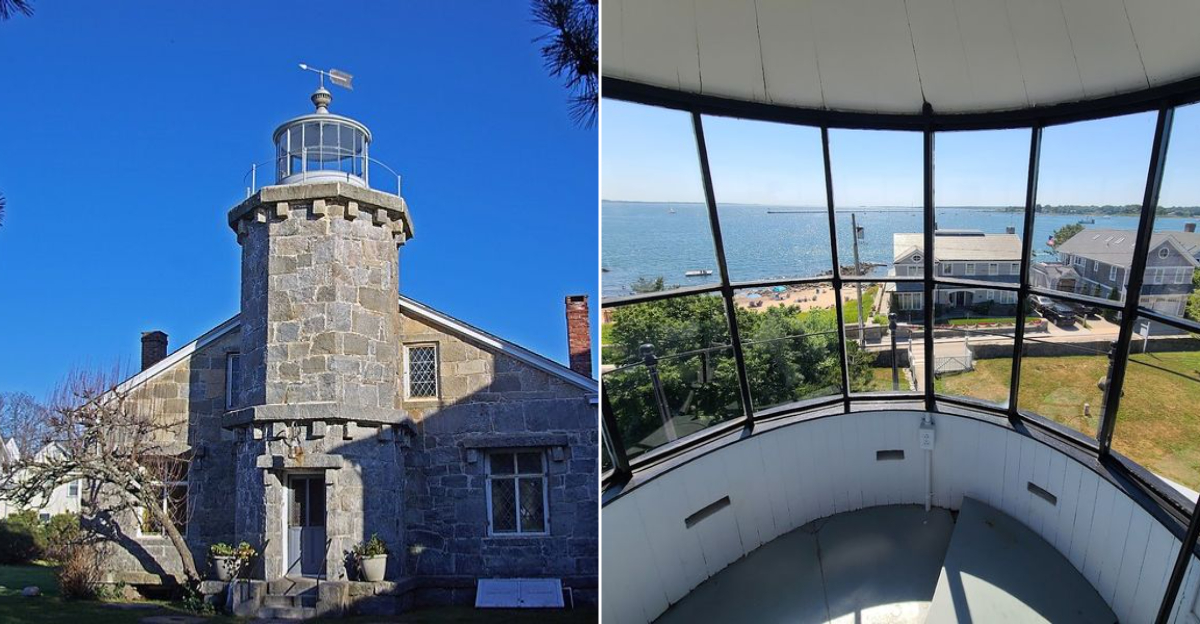
Historic lighthouses have this magnetic quality that is genuinely hard to explain until you are actually standing in front of one that carries real history and this one carries more than most.
The building itself is stunning and the story behind it adds a layer that makes the whole visit feel considerably more meaningful than just showing up for the view.
Every person in Connecticut should visit this historic lighthouse at least once because what is waiting here goes well beyond pretty scenery.
The museum element gives the whole experience a depth that makes spending time here feel genuinely enriching rather than just a quick photo opportunity.
People who know their local history find this place deeply satisfying and people who show up casually leave considerably more informed and considerably more impressed than they were expecting.
The combination of beautiful setting and genuinely fascinating history is one that this lighthouse delivers on completely without any compromise.
1. A Landmark By The Harbor
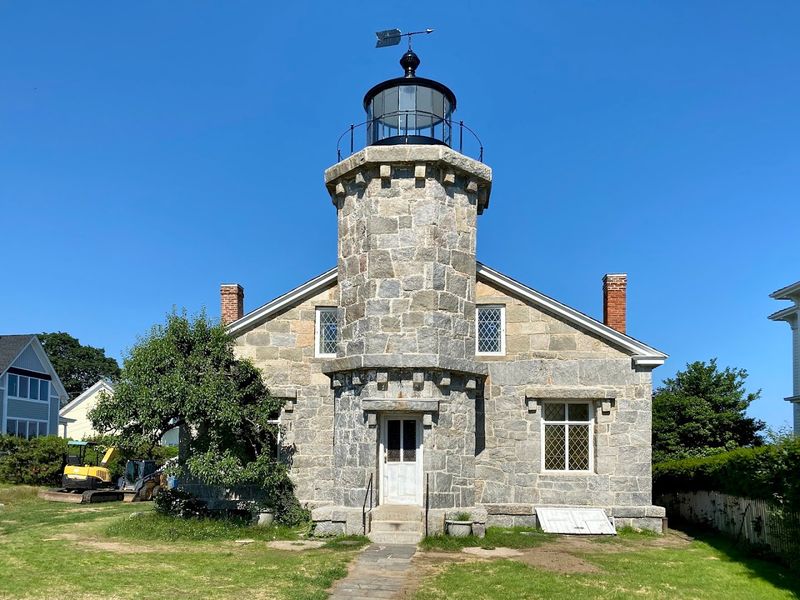
Coastal history feels especially vivid at the edge of Stonington Borough, where a granite lighthouse still watches over the meeting point of harbor water and Fishers Island Sound.
The Stonington Lighthouse Museum has been part of this shoreline since 1840, giving visitors a close look at the area’s seafaring past without losing the quiet charm of a small coastal landmark.
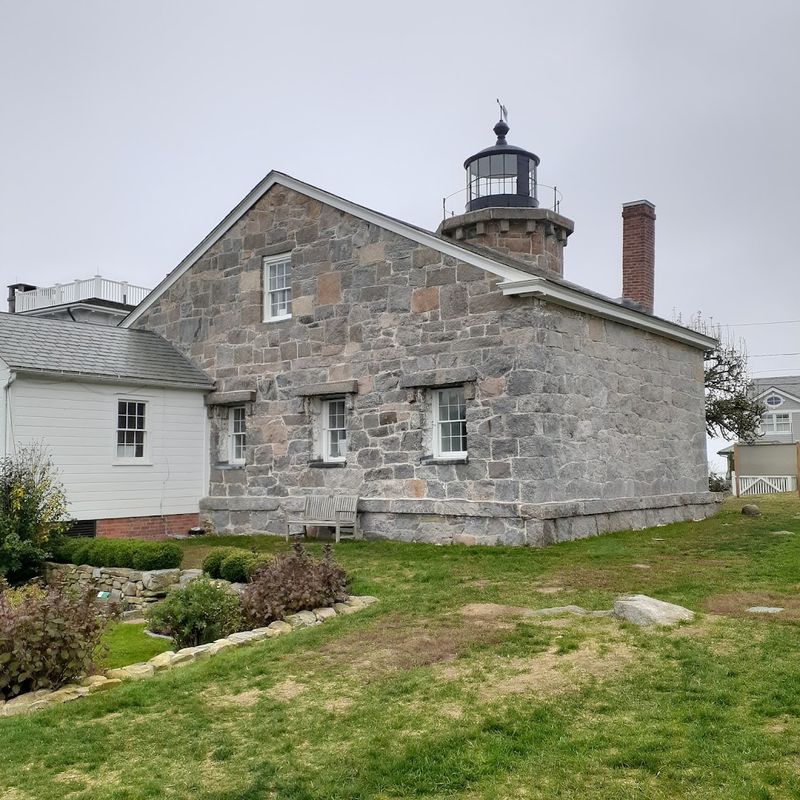
Built from sturdy stone, the structure has more personality than many practical harbor lights. Ornamental cornices around the tower and heavy granite details above the doors and windows give it a handsome, distinctive look.
One memorable piece of its story involves the original flat roof, which caused problems soon after construction. Within two years, local builders replaced it with the gabled roof seen today, turning a necessary repair into one of the building’s defining features.
The museum stands at 7 Water Street in Stonington, near the southern end of the borough. During its working years, the lighthouse helped guide vessels through Fishers Island Sound until newer breakwater lights took over in 1889.
Today, the building welcomes guests interested in maritime artifacts, local history, and harbor views, while the grassy grounds make the approach feel calm and inviting.
2. Maritime History Inside Stone Walls
History feels close enough to touch inside the Stonington Lighthouse Museum, where the exhibits move far beyond lanterns and harbor charts.
Rooms inside the old stone building trace the lives of sailors, farmers, merchants, sea captains, explorers, and families who helped shape this small borough into a place with a surprisingly wide reach.
Some pieces in the collection are older than the lighthouse itself, giving the museum a deeper sense of local memory.
Among the most powerful artifacts are remnants from the British attack on Stonington in 1814, including a cannonball lodged in a hearthstone from a Water Street home and a rare Congreve rocket fired by the Royal Navy.
Their presence makes that dramatic chapter feel less like a distant story and more like something that happened just outside the door.
The exhibits also highlight locally made stoneware and objects brought home through the China Trade, showing how Stonington’s captains connected a small coastal community to the wider world. An antique dollhouse, complete with period dolls and toys, adds a gentler look at family life from earlier generations.
The original whale oil light from the first Stonington Lighthouse anchors the collection to its maritime roots. Historic Stonington acquired the building in 1925 and opened it as the nation’s first lighthouse museum in 1927.
3. Sweeping Views From The Tower
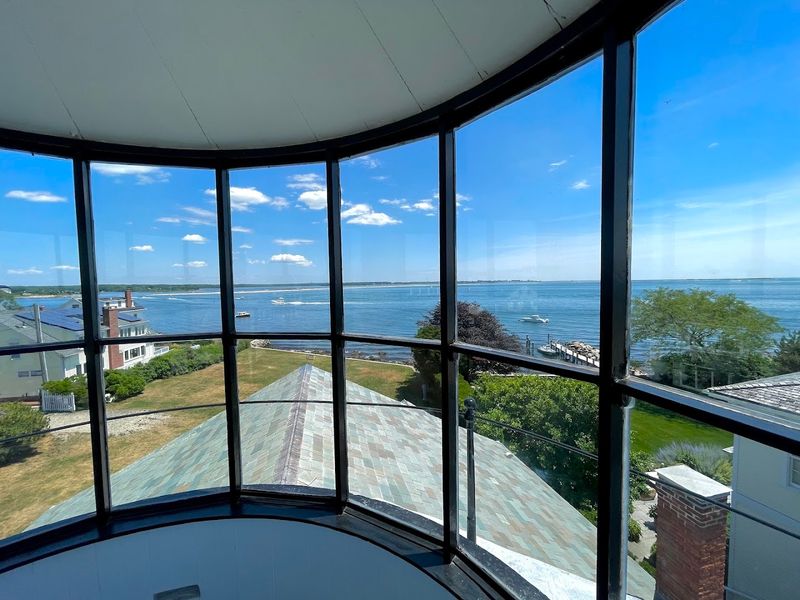
Climbing the tower at the Stonington Lighthouse Museum rewards every bit of effort with a view that stretches far beyond what most visitors expect. The ascent involves 29 circular steps followed by a short ladder leading up to the observation platform at the top.
Visitors should be aware that the ladder portion requires a reasonable level of physical comfort, and it is worth considering that detail before purchasing a ticket.
Once at the top, the reward is a full 360-degree panorama of the surrounding coastline. Long Island Sound spreads out in one direction while the Atlantic horizon stretches in the other.
On a clear day, three states become visible from this single vantage point, with Watch Hill and Napatree Point in Rhode Island appearing clearly across the water.
The elevated perspective transforms the familiar shoreline into something almost unfamiliar, with sailing boats moving slowly below and the rocky edge of Stonington Point visible at the base of the structure.
Photography from the tower tends to produce dramatic coastal shots, particularly in the morning or late afternoon when the light hits the water at a lower angle.
Spending a few quiet minutes at the top before descending helps the full scale of the view sink in properly.
4. Best Visited During Museum Season
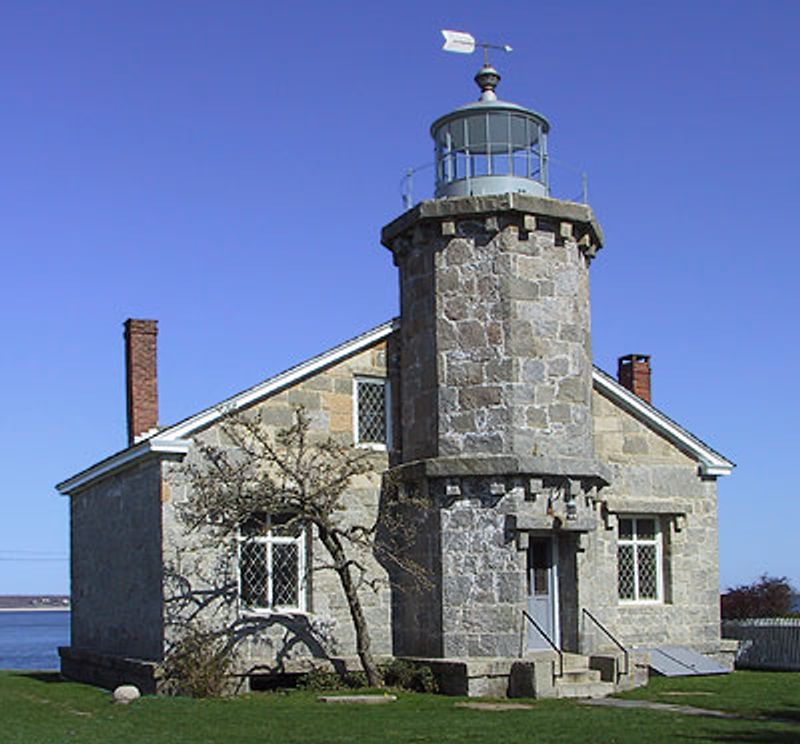
Timing a visit to the Stonington Lighthouse Museum makes a noticeable difference in the overall experience. For the 2026 season, the museum is scheduled to be open from May 15th through December 20th, operating Thursday through Monday from 10:00 AM to 4:00 PM.
The museum is closed on Tuesdays and Wednesdays, so planning around those days helps avoid an unnecessary trip to a locked door.
Admission for adults is $15, while seniors aged 65 and over pay $10 and children between 5 and 17 are admitted for $8. That single ticket also grants access to the Captain Nathaniel B.
Palmer House, which is located nearby in the borough and adds meaningful historical depth to the visit. Checking the museum’s official website before arriving is always a good idea, as hours and seasonal schedules can shift from year to year.
Service animals are welcome inside the museum, though other pets are restricted to the outdoor property only. One important accessibility note is that the Stonington Lighthouse Museum is not wheelchair accessible, and no ramps are currently available inside the historic structure.
Knowing this ahead of time allows visitors with mobility considerations to plan accordingly and still enjoy the exterior grounds and surrounding views comfortably.
5. Small Exhibits With Big Stories
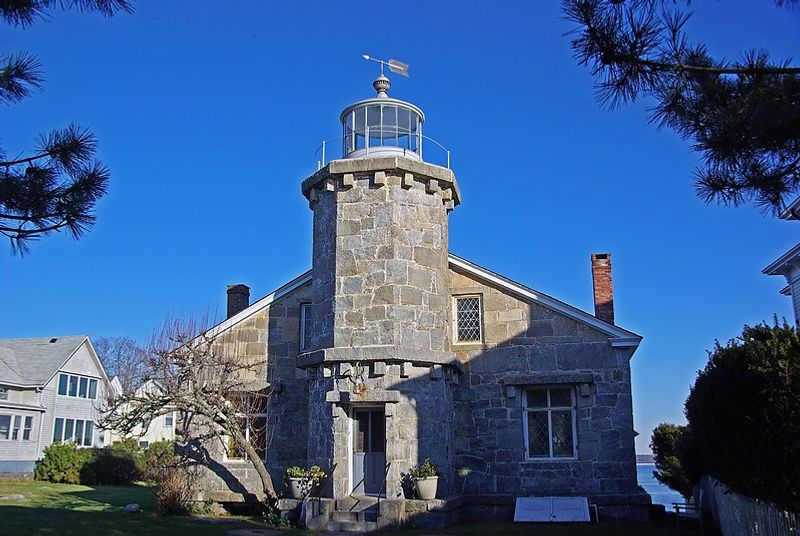
History museums do not need to be enormous to leave a lasting impression, and the Stonington Lighthouse Museum proves that point with every display case.
The collection here is compact but carefully curated, with each artifact carrying a story that connects directly to the people and events that shaped this corner of the state.
Visitors often find that an hour passes quickly once they start reading the exhibit labels and tracing the connections between objects.
The cannonball embedded in a hearthstone from a Water Street home remains one of the most visceral reminders of the 1814 British attack on Stonington, sitting alongside a rare Congreve rocket that was actually fired at the village by the Royal Navy.
Those two objects alone reframe the quiet borough into something far more dramatic than it appears at first glance.
Locally crafted stoneware and China trade items brought back by Stonington sea captains fill in the broader picture of a community that was commercially ambitious and globally connected.
Portraits of local figures from the eighteenth and nineteenth centuries line the walls, giving faces to names that might otherwise remain abstract.
The original whale oil light from the first Stonington Lighthouse sits quietly among the exhibits, a small but significant object that connects the modern museum to the building’s original working purpose.
An antique dollhouse with period toys adds a surprisingly tender note to a collection that otherwise focuses on commerce and conflict.
6. Perfect For History Lovers
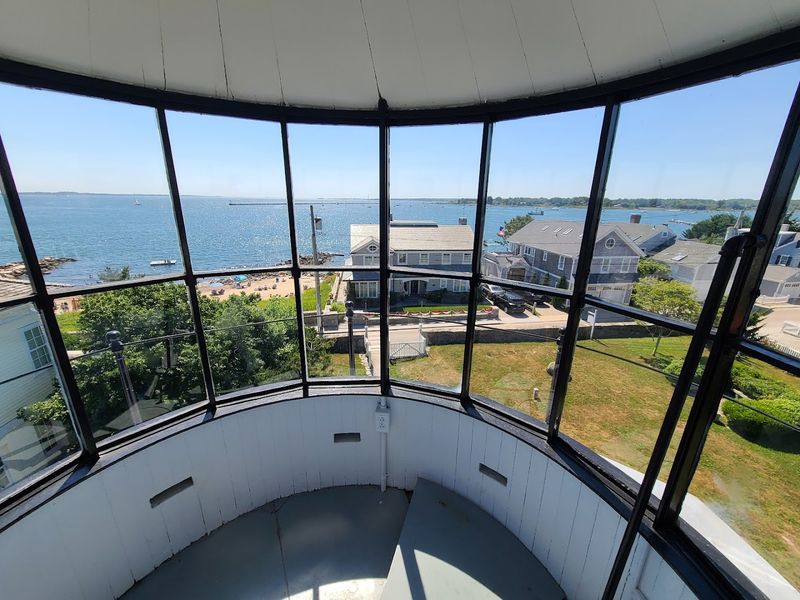
History fills every corner of the Stonington Lighthouse Museum, even though the building itself is compact.
Opened to the public as a museum in 1927, it holds the distinction of being the nation’s first lighthouse museum, giving this coastal landmark a special place in American preservation history.
The granite lighthouse was built in 1840 and guided vessels for nearly five decades before newer harbor lights took over.
Today, the building works as both a museum and an artifact, with its stone walls, tower details, and original character helping tell the story before visitors even reach the exhibits.
Inside, the collection covers Stonington’s role in the War of 1812, its connections to the China Trade, and the broader world of New England maritime commerce.
Objects such as the cannonball and Congreve rocket give physical weight to moments that shaped the community, while other pieces show how local sea captains carried Stonington’s influence far beyond the harbor.
Admission also includes access to the Captain Nathaniel B. Palmer House, adding another layer to the visit through the story of one of the borough’s most important maritime figures and his link to Antarctic exploration.
Together, the two sites create a rich, manageable afternoon for visitors who enjoy coastal history.
7. Easy To Pair With A Village Walk
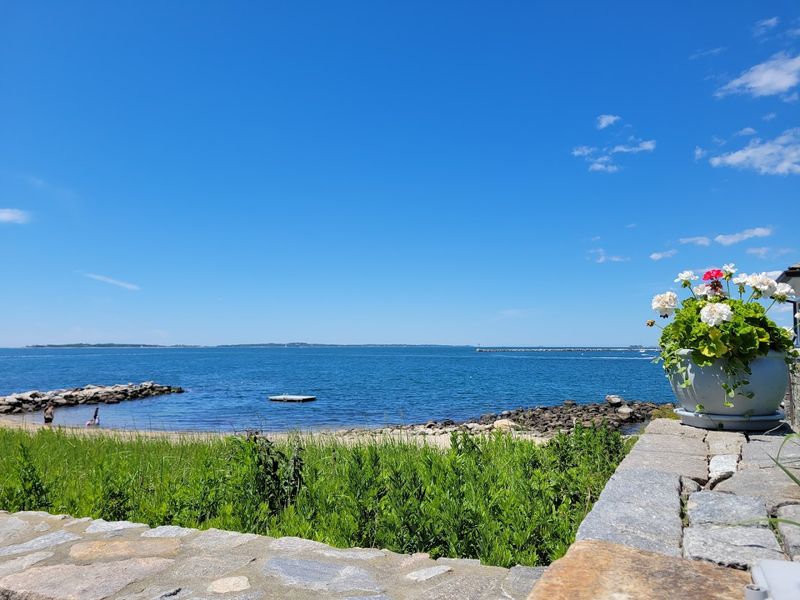
The location of the Stonington Lighthouse Museum at the tip of the borough makes it a natural starting or ending point for a longer walk through one of Connecticut’s most beautifully preserved historic villages.
Stonington Borough is known for its well-maintained 18th and 19th-century homes, narrow streets, and the kind of architectural detail that rewards slow walking and close attention.
Water Street and Main Street both offer a pleasant mix of independent boutiques, galleries, and cafes within easy reach of the lighthouse.
Historic Stonington offers guided walking tours of the borough that sometimes begin at the lighthouse museum, which makes the site feel like a genuine gateway into the broader story of the area rather than an isolated stop.
DuBois Beach is within walking distance and provides a casual outdoor option for those who want to add a bit of shoreline time to the visit.
Stonington Point, located just past the lighthouse, is a reliable spot for catching sunset views across the water.
The combination of the museum, the village streets, and the waterfront creates a visit that can be as short as two hours or as long as a full afternoon depending on pace and interest.
Comfortable walking shoes are genuinely useful here, as the streets are uneven in places and the walk between the parking area and the lighthouse itself covers a noticeable stretch of ground.
8. A Scenic Spot For Coastal Photos
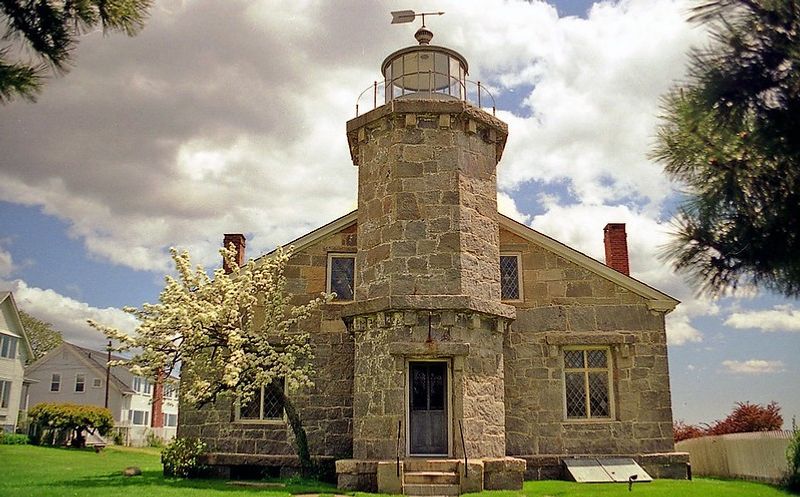
Photographers visiting the Connecticut shoreline tend to find the Stonington Lighthouse Museum particularly rewarding because the setting offers multiple distinct angles within a very compact area.
The granite exterior of the 1840 structure has a texture and tone that responds well to natural light, especially during the softer hours of early morning or late afternoon.
The ornamental stonework around the tower gives close-up shots a level of architectural detail that is genuinely uncommon among New England lighthouses.
From the top of the tower, the elevated coastal view across Long Island Sound provides the kind of wide-angle perspective that is difficult to find at ground level anywhere along this stretch of shoreline.
Sailing boats moving through the sound, the distant outline of Watch Hill in Rhode Island, and the rocky edge of Stonington Point all contribute to a layered composition that rewards patience and timing.
September is often suggested as a particularly good month for coastal photography in this area due to the quality and angle of the light.
The rocky shoreline at the base of the lighthouse is accessible year-round and offers lower, more dramatic angles that contrast well with the tower shots taken from above.
The surrounding streets of Stonington Borough, with their classic New England stone walls and captains’ homes, extend the photographic possibilities well beyond the lighthouse itself for those willing to walk a few extra blocks.