This Famous Kentucky Gorge Town Has Residents Saying Tourism Changed The Entire Vibe
Every scenic place dreams of being discovered, until it actually happens. One famous corner of Kentucky knows this story by heart.
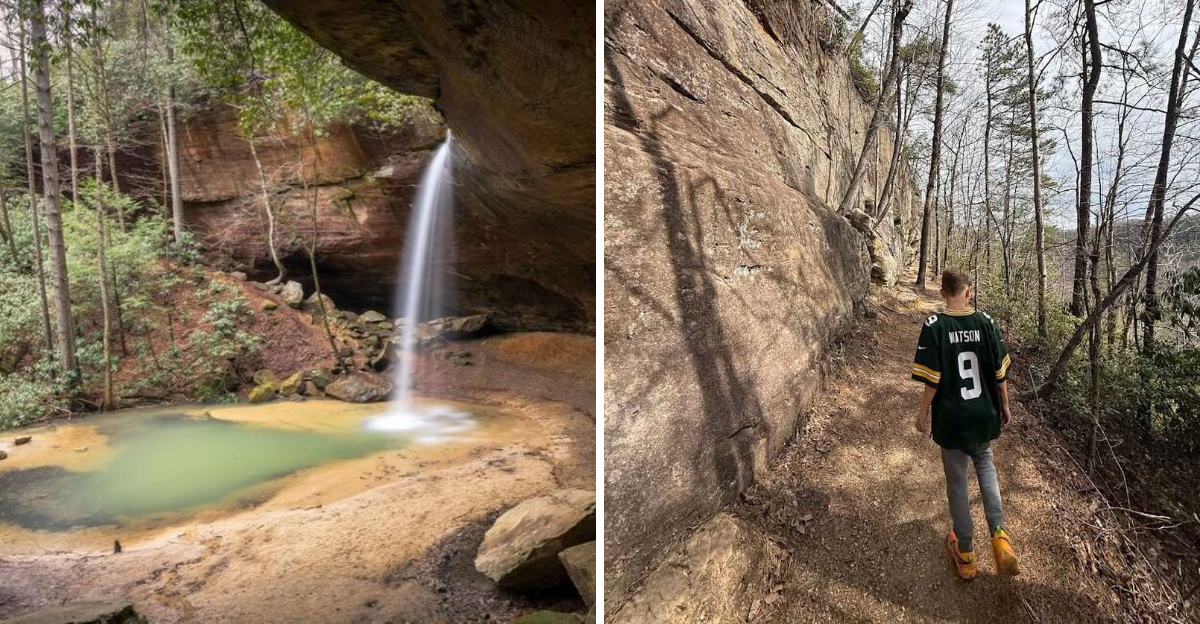
For decades, life here moved slowly beneath sandstone cliffs and natural stone arches. Locals hiked quiet trails, waved at familiar faces, and had the overlooks mostly to themselves.
Then the visitors arrived, first in a trickle, then in waves. Climbers came for the world class rock, hikers came for the views, and social media did the rest.
Weekends now bring packed trailheads, full cabins, and lines at restaurants locals once called their own. Residents say the area they knew has shifted into something busier and louder.
Some miss the old rhythm deeply. Others admit tourism keeps shops open and paychecks coming.
The scenery is still breathtaking, and it still charms everyone who arrives.
The question locals keep asking is simple. Can a place stay itself once the whole world shows up?
The Red River Gorge Geological Area
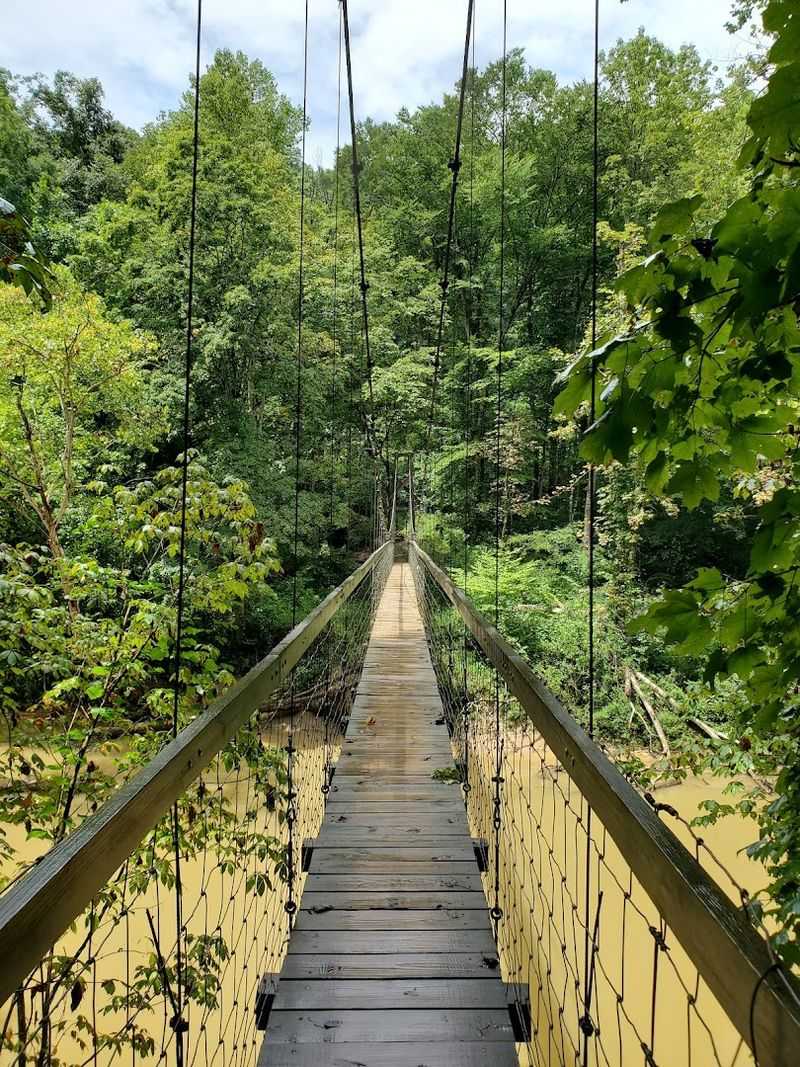
Stanton, Kentucky used to be the kind of place you passed through on the way to somewhere else.
Then people figured out that Red River Gorge was basically one of the most dramatic natural landscapes in the eastern United States, and the town never looked back.
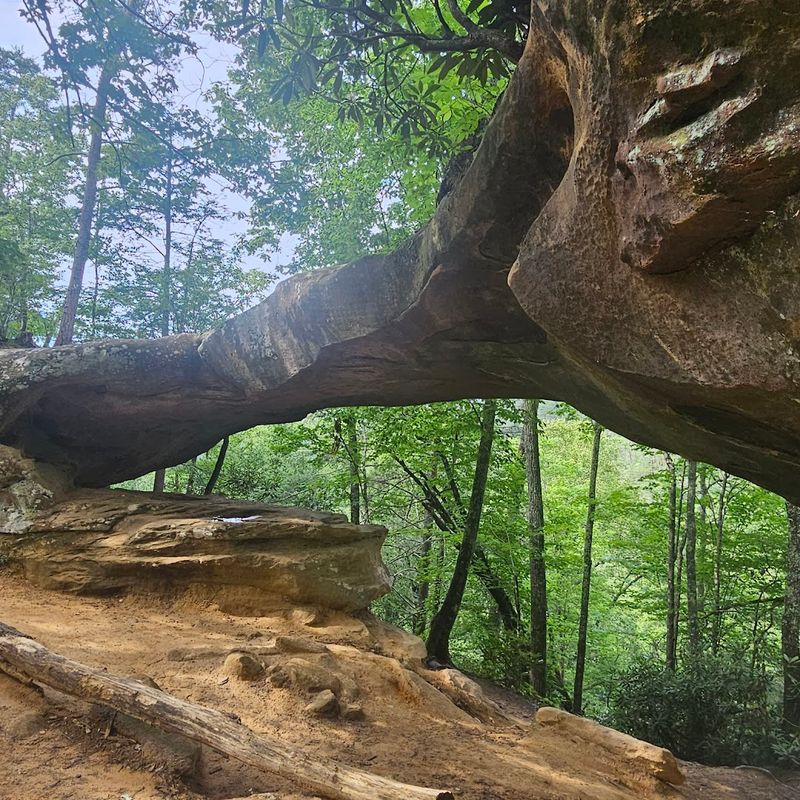
The Gorge covers over 29,000 acres of the Daniel Boone National Forest and features more than 100 natural sandstone arches.
That number alone makes it one of the highest concentrations of natural arches in the country east of the Rockies.
Hikers, climbers, photographers, and campers started pouring in, and Stanton was the closest town with gas stations, restaurants, and places to sleep.
The population of Powell County is small, just over 13,000 people, so even a modest wave of tourism feels massive at street level.
Longtime residents describe a noticeable shift in the energy of the town. New shops opened.
Old ones adapted. Traffic on a Friday afternoon now looks nothing like it did a decade ago.
Whether that change feels exciting or exhausting depends entirely on who you ask around here.
The Climbing Culture That Put Stanton On The Map
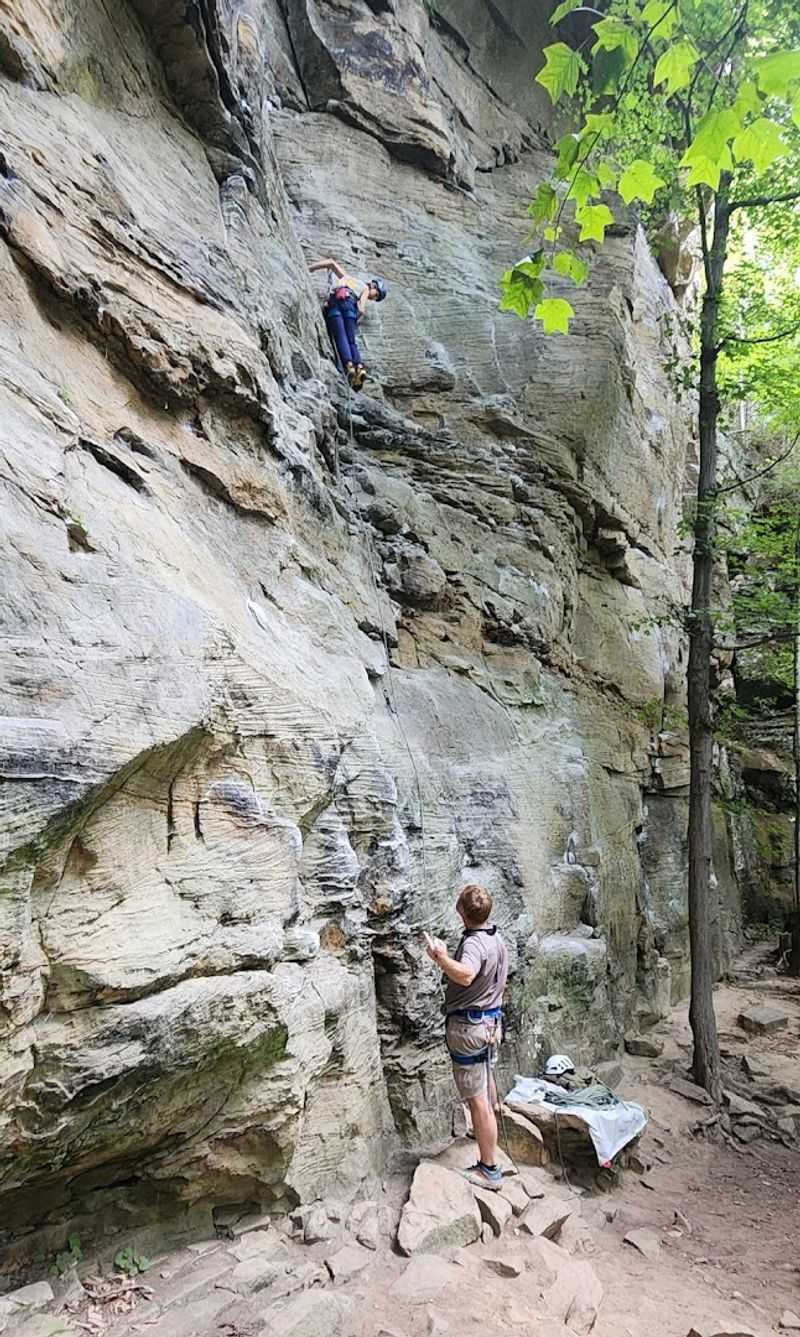
Rock climbers discovered Red River Gorge decades ago, and they basically built a subculture around it. The Gorge is now considered one of the premier sport climbing destinations in the entire country.
Routes range from beginner-friendly to genuinely terrifying, and the sandstone here creates a texture that climbers travel from all over the world to experience.
Miguel’s Pizza, a legendary spot near the Gorge, became a cultural landmark for the climbing community long before tourism exploded.
Climbers would camp nearby, fuel up on pizza, and spend days working routes with names that have become famous in the sport.
That tight-knit community had its own rhythm, its own rules, and its own quiet pride in keeping the place relatively low-key.
When mainstream outdoor tourism caught up, the climbing community had mixed feelings. More people meant more wear on the rock, more crowded trails, and parking lots that spill onto roadsides on busy weekends.
Stanton absorbed the overflow, and local businesses that once catered mainly to climbers started broadening their appeal. The town changed its pitch without fully changing its personality, which is a harder balance than it sounds.
How Local Businesses Adapted To The Tourist Surge
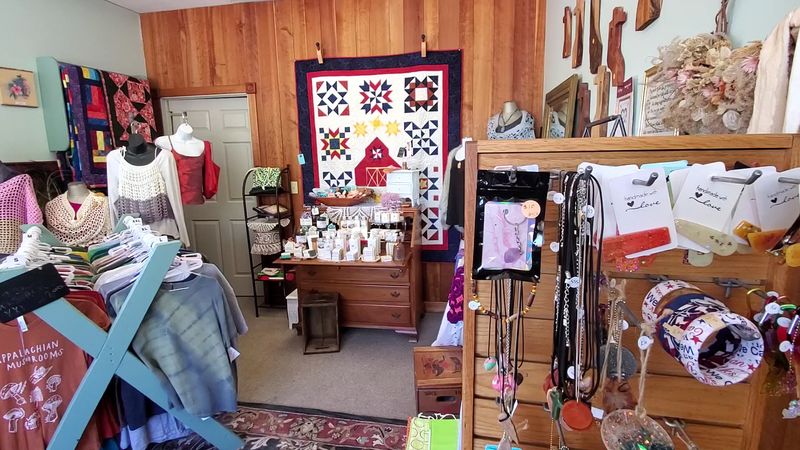
A surge in visitors does not automatically mean a surge in prosperity for everyone in town. Some Stanton businesses thrived by pivoting quickly toward outdoor gear, local crafts, and experience-based services.
Others struggled to keep up with demand or found that their regular customer base got squeezed out by higher prices and packed parking lots.
New coffee shops and outfitter stores opened near the main routes into the Gorge.
Vacation rental properties multiplied across Powell County as homeowners realized they could earn more in a weekend than in a month of traditional rent.
That shift changed the housing landscape in ways that felt sudden to people who had lived here their whole lives.
Small business owners who adapted early tend to speak positively about the tourism wave. They hired more staff, extended hours, and updated their storefronts.
Those who did not pivot describe a different experience, one where their customer base moved on and the new crowd was not looking for what they offered.
The business ecosystem in Stanton today looks genuinely different from what it was ten years ago, and that gap keeps widening every season.
The Housing Market Shift Nobody Saw Coming
Nobody predicted that a geological area full of hiking trails would reshape the local housing market, but here we are.
Short-term rental platforms turned ordinary homes near Red River Gorge into income-generating properties almost overnight.
Investors from outside the area started buying up properties in and around Stanton, and the inventory of affordable homes for local buyers shrank noticeably.
Powell County had some of the most affordable housing prices in Kentucky for years. That affordability was a point of community pride and a practical lifeline for working families.
As tourism demand pushed property values upward, younger residents found themselves priced out of neighborhoods where their parents had lived for decades.
City planners and county officials began having conversations about zoning and short-term rental regulations that would have seemed unnecessary just a few years earlier.
Some communities in similar situations have passed ordinances limiting how many properties can operate as vacation rentals in residential zones. Stanton has not fully resolved those debates yet.
The tension between homeowners who benefit from rising values and renters who face rising costs is real, ongoing, and not unique to this town, but it feels especially sharp here because the change happened so fast.
Trail Congestion And The Pressure On Natural Resources
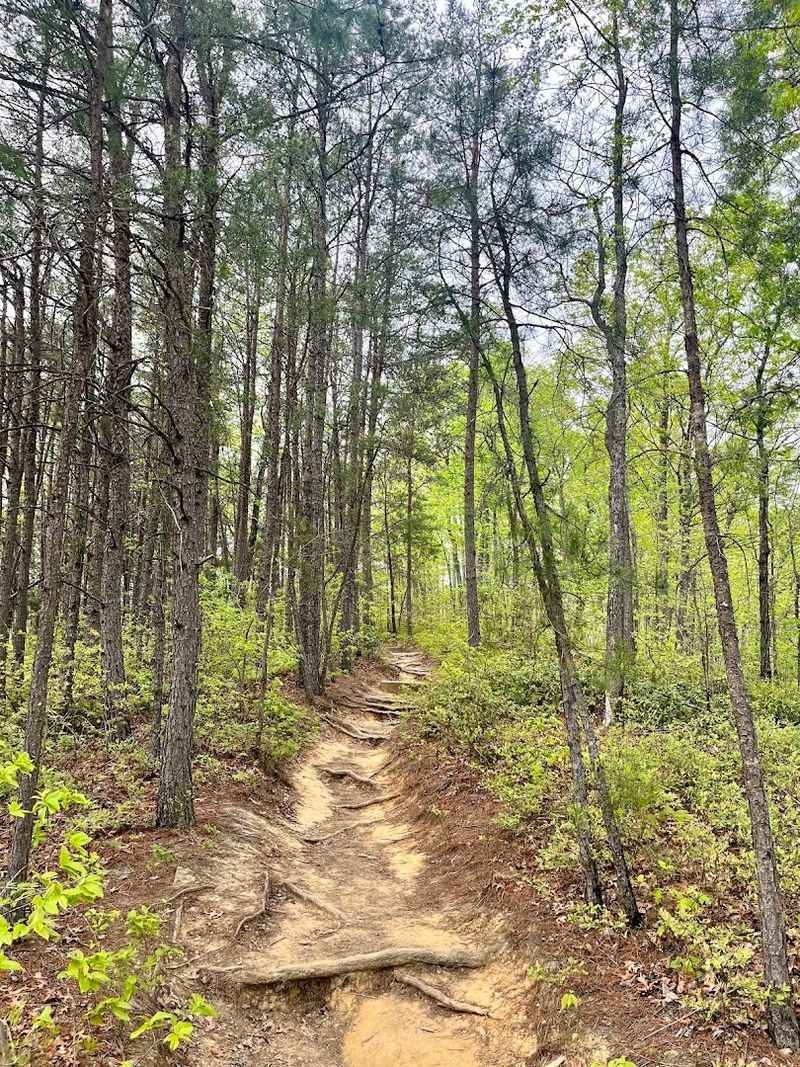
Popularity has a cost, and at Red River Gorge, that cost shows up on the trails.
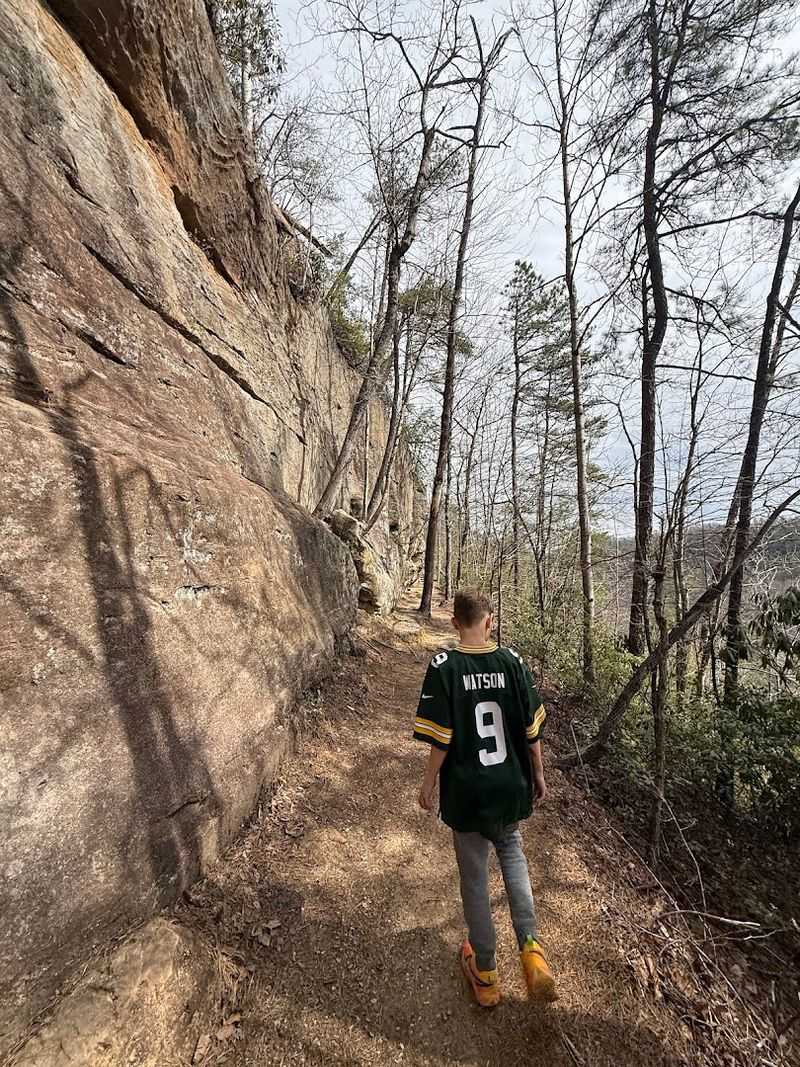
Popular routes like the Auxier Ridge Trail and the path to Natural Bridge now see visitor numbers that the land was not originally managed to handle.
Erosion along heavily trafficked sections has become a real concern for conservation groups and the U.S. Forest Service alike.
Parking overflow is one of the most visible symptoms. On peak weekends, cars line the shoulders of narrow roads for long stretches, creating safety hazards and frustrating both visitors and locals who just need to get somewhere.
The Forest Service requires recreation permits for overnight backcountry parking and manages busy trail areas through closures, maintenance, and visitor-use rules.
Leave No Trace principles get tested hard when visitor numbers spike beyond what trail infrastructure supports.
Volunteer trail crews and conservation organizations put in serious hours maintaining paths, clearing debris, and repairing damage.
Locals who hike regularly notice the difference between a quiet Tuesday and a crowded Saturday, and many have simply adjusted when they go out.
The Gorge is resilient, but it is not unlimited, and that reality shapes every conversation about how much growth is actually sustainable here.
The Food Scene That Grew Up Around The Gorge
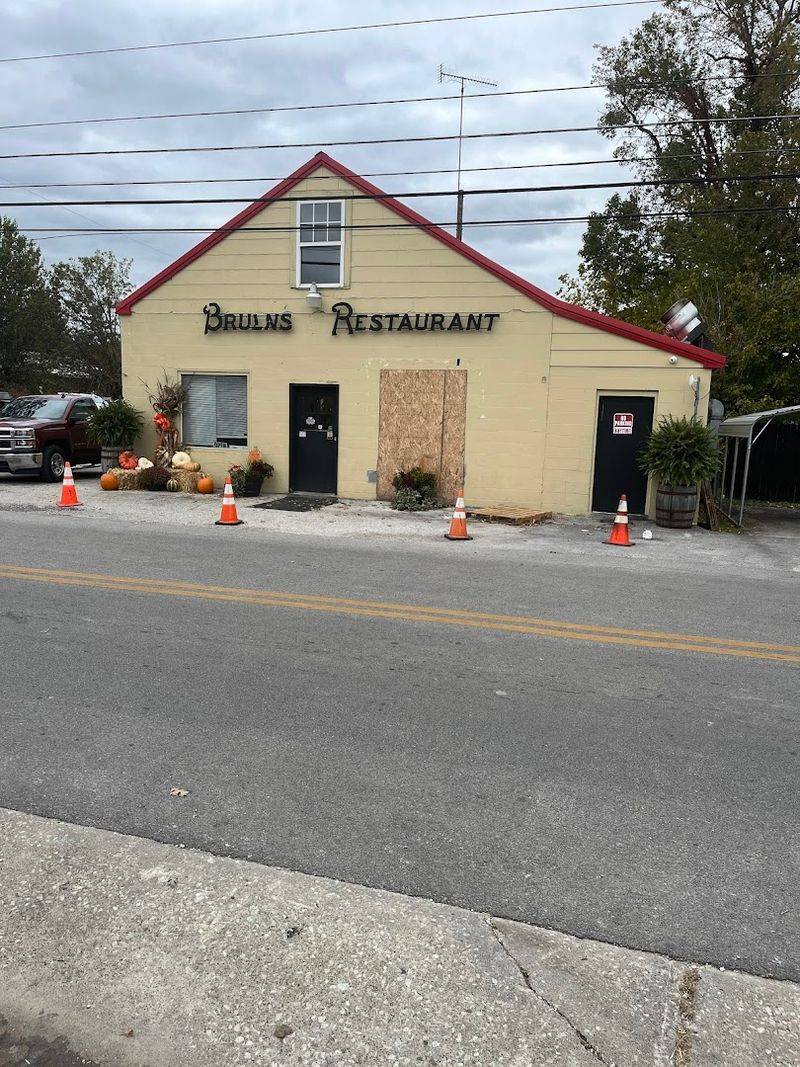
Before the tourism surge, food options near Stanton were straightforward and practical.
You could find solid home-style cooking, a few fast food stops, and the beloved Miguel’s Pizza that the climbing crowd had made into an institution.
The idea of a curated dining scene would have sounded far-fetched to most locals just a decade ago.
That has changed in interesting ways. New restaurants opened with menus that reflected the tastes of visitors coming from larger cities.
Farm-to-table concepts, specialty coffee, and locally sourced ingredients became part of the conversation in a town that previously had no reason to think about any of that.
Some of these spots are genuinely excellent and have earned loyal followings beyond just the tourist crowd.
Long-time residents have mixed feelings about the shift.
The food landscape in Stanton today offers more variety than it ever has, but variety and accessibility are not always the same thing, especially when prices have climbed alongside the new ambitions of the local restaurant scene.
What Longtime Residents Think About All Of This
Ask five longtime Stanton residents what they think about tourism and you will get five genuinely different answers. Some are enthusiastic.
They have seen jobs created, family businesses revived, and their community appear in national travel publications for the first time. That kind of visibility carries real pride for people who always knew this place was special.
Others are more cautious. They describe a feeling of watching their town become a backdrop for other people’s vacations rather than a living community with its own rhythms.
Grocery store lines are longer. Quiet weekends no longer exist in certain seasons.
Neighbors who used to wave from their porches have been replaced by rotating strangers on short-term leases.
A third group lands somewhere in the middle, appreciating the economic benefits while mourning specific things that have been lost. A local hardware store that closed.
A community event that got overshadowed by a tourism festival.
These are not catastrophic losses individually, but they add up into a feeling that the town belongs a little less to the people who built it. That feeling is hard to quantify but easy to recognize if you grew up here and still call Stanton home.
Where Stanton Goes From Here
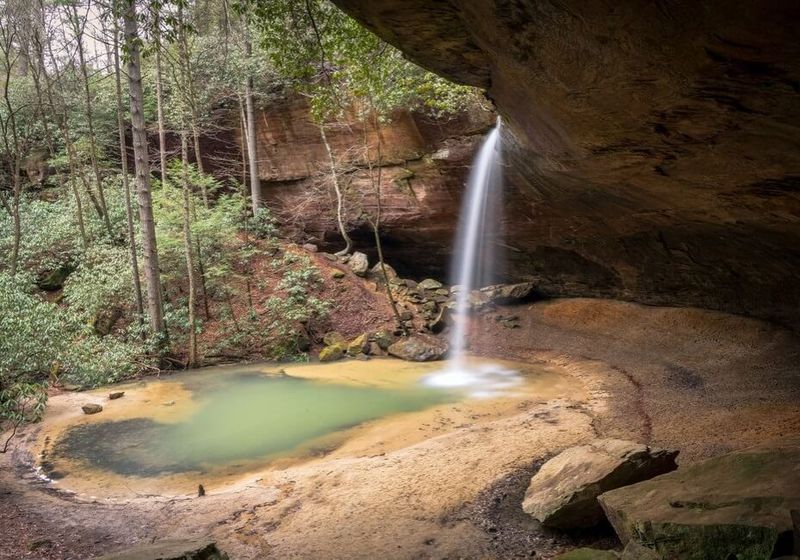
The future of Stanton depends on choices being made right now, and the people making those choices are not all in agreement.
Local government, conservation groups, business owners, and longtime residents each have a different version of what a healthy, sustainable future looks like for a small Kentucky town sitting next to one of the most visited natural areas in the state.
Managed tourism is the phrase that comes up most often in these conversations. The idea is to welcome visitors while protecting both the natural landscape and the quality of life for people who live here year-round.
That balance is genuinely difficult to strike, and plenty of towns in similar situations have gotten it wrong in both directions.
What gives Stanton a real shot at getting it right is the fact that the community is still small enough that individual voices carry weight.
Local meetings about zoning, trail management, and short-term rental rules are not just formalities here. People show up, speak their minds, and push back when needed.
The Gorge is not going anywhere, and neither are the people who have always called this valley home. Whether those two forces find a way to coexist well is the most important story Stanton has left to tell.