This Celebrated Oaxacan Restaurant In California Turns Mole Into The Main Event
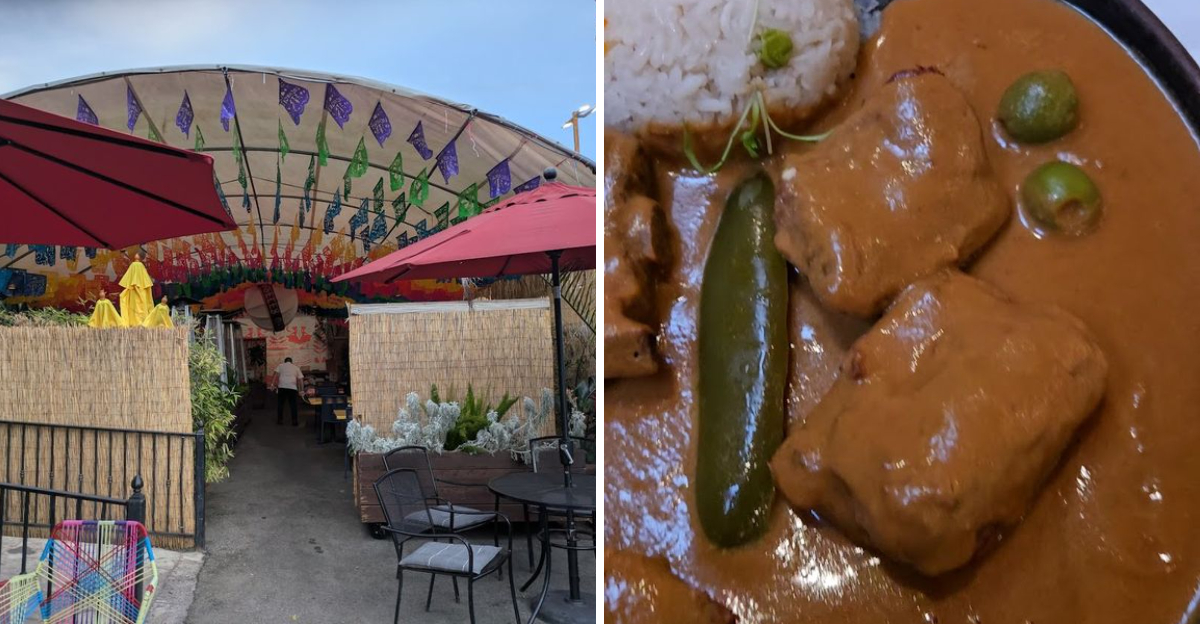
Mole is not the kind of dish that politely stays in the background. It takes over the table slowly.
First comes the color, deep and glossy enough to make everyone lean closer. Then the aroma starts doing its own introduction.
Chiles, spices, nuts, seeds, chocolate, and hours of patient work all show up in one sauce that refuses to be treated like a side note.
In California, Oaxacan food can make dinner feel like a full cultural lesson with tortillas on the table.
This celebrated restaurant gives mole the attention it deserves. The dish carries history, family pride, regional identity, and the kind of flavor that makes people stop mid-conversation.
It is rich without being simple. Complex without being fussy. Comforting and completely in charge.
The plate arrives, the sauce leads, and suddenly every other part of dinner understands its role.
A Legacy Cemented By National Recognition
Earning the James Beard Foundation’s America’s Classics award is not something that happens by accident or by good timing alone.
Guelaguetza received that honor in 2015, placing it among a small group of regionally beloved, locally owned restaurants recognized for timeless appeal and food that genuinely reflects the character of a community.
To even be considered, a restaurant must have been operating for at least ten years and remain under local ownership.
Founded in 1994, the restaurant has stayed within the founding family, with the next generation now managing day-to-day operations and keeping the culinary mission intact.
That continuity matters in a city where restaurants open and close with striking regularity.
The James Beard recognition acknowledges not just the food but the restaurant’s broader role as a cultural gathering point for the Oaxacan community in Los Angeles.
Beyond that award, the MICHELIN Guide has also taken notice, highlighting specific dishes and the restaurant’s distinct Oaxacan culinary identity.
Together, these recognitions give the restaurant a level of credibility that goes well beyond strong word-of-mouth.
The reputation has been earned slowly and honestly, built on decades of consistent cooking rather than a single viral moment.
Mole Takes Center Stage
Long before food tourism became a trend, Guelaguetza was already making mole the reason people drove across Los Angeles.
The restaurant even operates under the website ilovemole.com, a declaration that leaves no ambiguity about where the culinary priorities lie.
Family recipes and ingredients brought directly from Oaxaca, Mexico form the backbone of every sauce on the menu.
Among the offerings, mole negro and mole rojo consistently draw the most attention.
The black mole is built from chilhuacle negro, ancho chiles, toasted almonds, peanuts, sesame seeds, and traditional spices, producing a smoky, layered depth that takes time to fully appreciate.
The red mole follows a similarly complex path, using chilhuacle rojo, ancho chiles, heirloom tomatoes, and aromatic spices to deliver a rich, spiced warmth.
Mole coloradito brings a sweeter, mildly spicy character to the table, with guajillo chiles and a subtle thread of chocolate running through it.
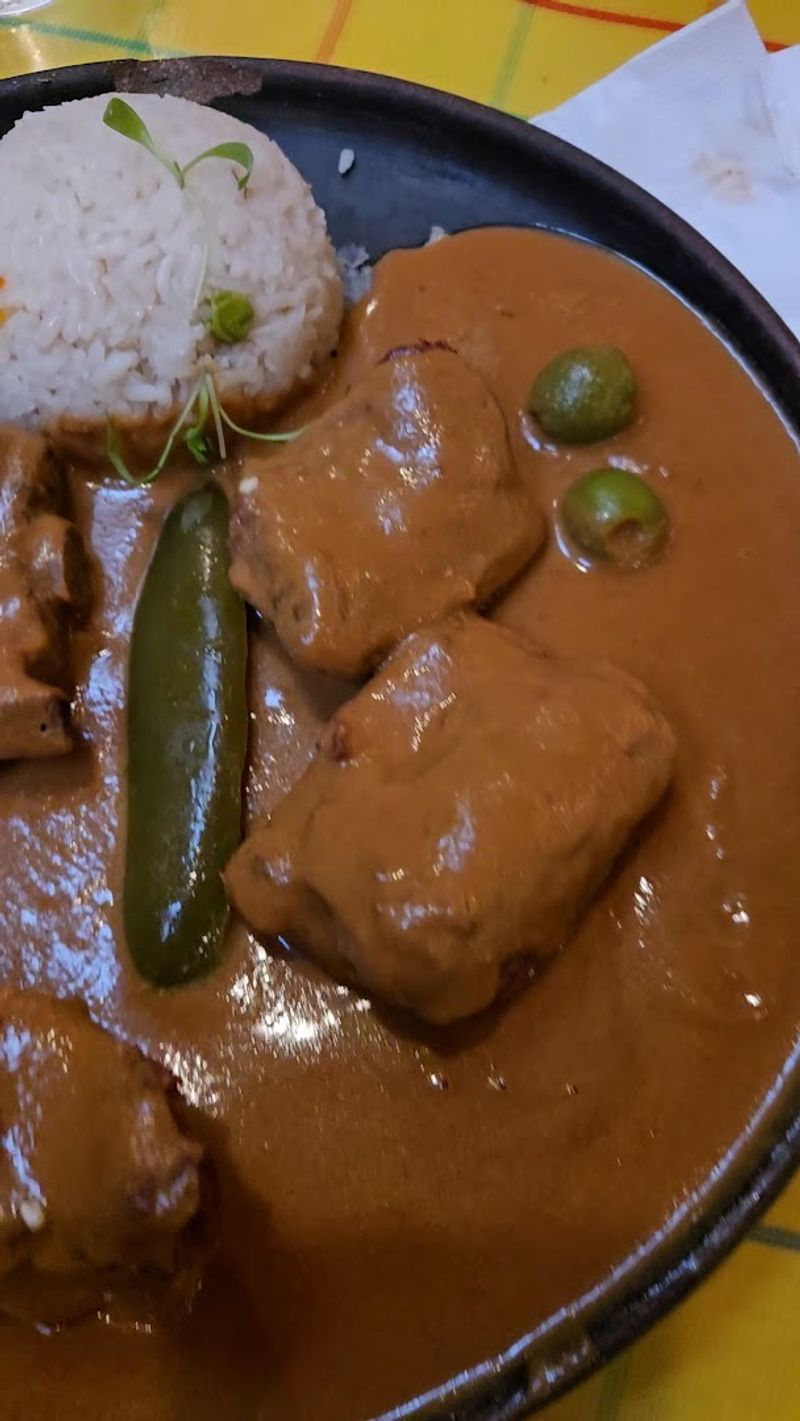
Mole estofado rounds out the group with a briny, dark complexity that comes from the inclusion of olives.
Each sauce is prepared using traditional Oaxacan methods, and the care behind every version is something that tends to register with diners long after the meal ends.
An Expansive Menu Beyond Its Signature Dish
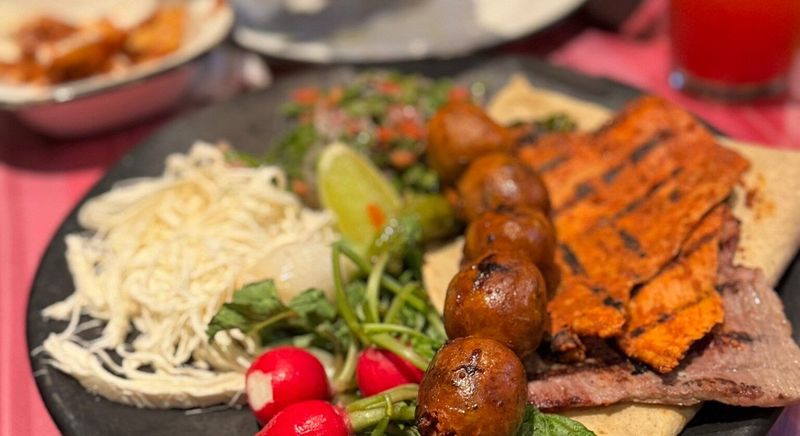
Mole earns the headlines, but the menu at California’s Guelaguetza covers far more ground than any single sauce could contain.
The MICHELIN Guide specifically highlights tlayudas, enchiladas, and pozole alongside the moles as dishes that stand out, and that list only scratches the surface of what the kitchen actually produces.
Memelas, chiles rellenos, and a range of Oaxacan meats round out a menu that takes the full breadth of regional cooking seriously.
Tasajo, a semi-dried beef with a firm, savory character, and cecina, a thinly sliced marinated pork, both appear prominently and often anchor the heartier plates.
Chapulines, which are fried grasshoppers seasoned with lime and chiles, represent one of the more authentically Oaxacan items available and tend to surprise first-time diners in the best possible way.
Seafood options including pescado frito and camarones al gusto add further range to the menu for those looking beyond the land-based dishes.
The variety means that returning diners rarely need to order the same thing twice.
Each visit can follow a different path through the menu, which helps explain why the restaurant has maintained a loyal following for decades.
The depth of the offering reflects a kitchen that treats Oaxacan cuisine as a full tradition rather than a highlight reel of its most famous elements.
Tlayudas Bring Authentic Oaxacan Flair To The Table
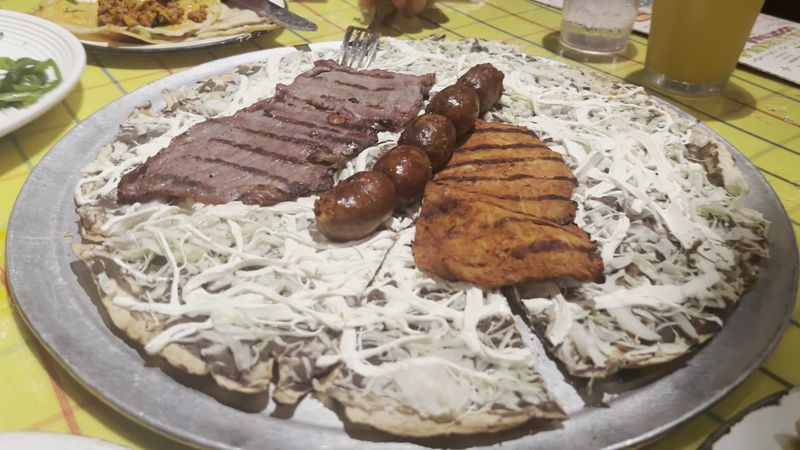
There is a moment when a tlayuda arrives at the table that tends to stop conversation.
The sheer size of it, a crispy 15-inch corn tortilla handmade in Oaxaca from heirloom corn and cooked over fire, commands attention before anyone takes a bite.
Both the James Beard Foundation and the MICHELIN Guide have pointed to tlayudas as dishes specifically worth seeking out here.
The classic Tlayuda Guelaguetza comes layered with a bean and chicharron spread, queso fresco, cabbage, quesillo, beef tasajo, pork cecina, and pork chorizo.
The combination of textures, crispy base meeting tender meat and creamy cheese, makes it one of the more satisfying things on the menu.
Sharing one across the table tends to work well, and the generous size encourages exactly that kind of communal approach.
A vegetarian version is also available, built with a smoky seed spread, queso fresco, arugula, cherry tomatoes, cactus, mushrooms, and avocado.
For those who want to lean into the mole theme, a tlayuda layered with mole negro or mole rojo and queso fresco offers a direct bridge between the restaurant’s two signature strengths.
Thoughtful Options For Vegetarian Diners
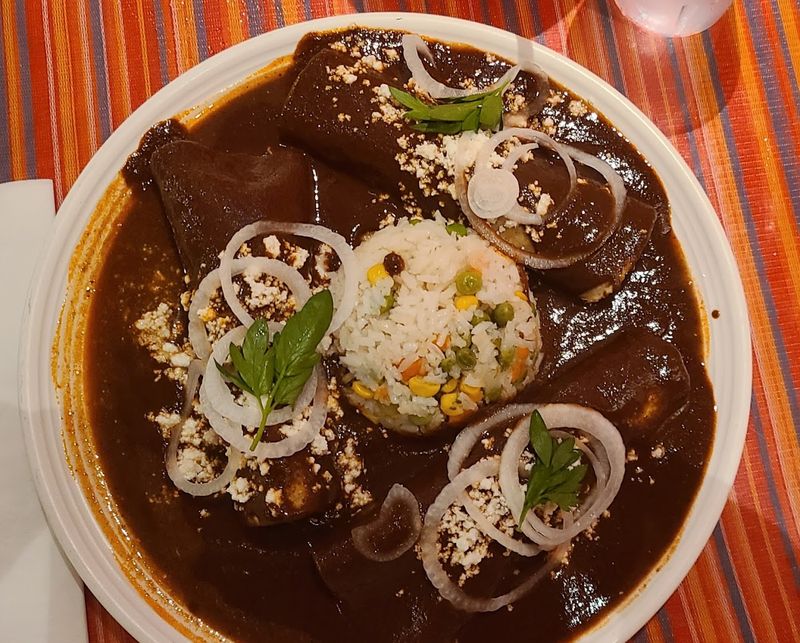
A menu rooted in Oaxacan tradition might not immediately read as vegetarian-friendly, but Guelaguetza handles plant-based dining with genuine thoughtfulness rather than as an afterthought.
A clear note on the menu states that many vegetarian dishes can be made vegan simply by asking a server, which removes the guesswork that can make dining out stressful for those with dietary preferences.
That kind of transparency tends to make the experience more comfortable from the start.
The Tlayuda Vegetariana is one of the more satisfying plant-forward options, built with a smoky seed spread, queso fresco, arugula, cherry tomatoes, cactus, mushrooms, and avocado on the signature 15-inch crispy corn base.
The combination of textures and fresh ingredients makes it a complete meal rather than a stripped-down version of something designed for meat eaters.
A build-your-own tlayuda option also allows for further customization, with a vegetarian spread available upon request.
On the tamal side, the Oaxacan-style vegetarian tamal combines potatoes, carrots, peas, and squash with sweet coloradito mole sauce, all wrapped in banana leaves.
That dish carries the same careful preparation as its meat-filled counterparts, meaning vegetarian diners get the full banana-leaf tamal experience without compromise.
The availability of these options across multiple menu categories reflects a kitchen that considers the full range of its guests.
Koreatown Provides An Intriguing Setting
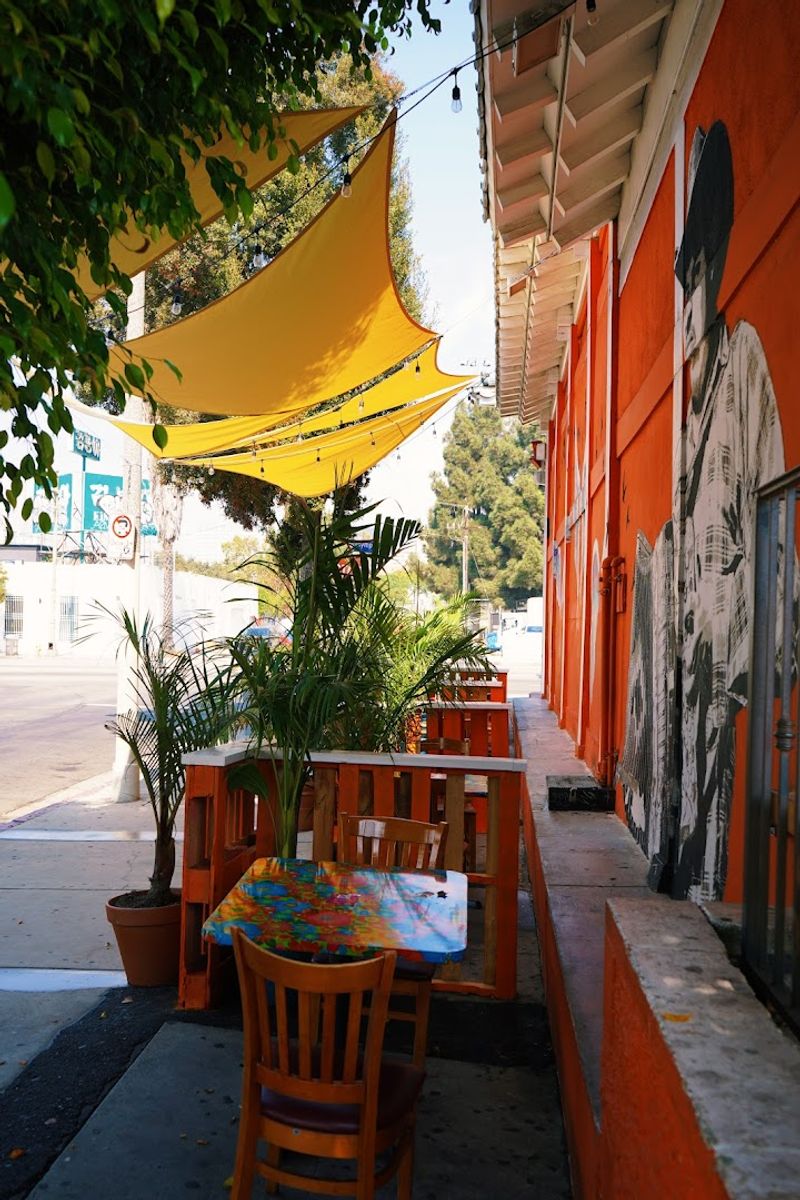
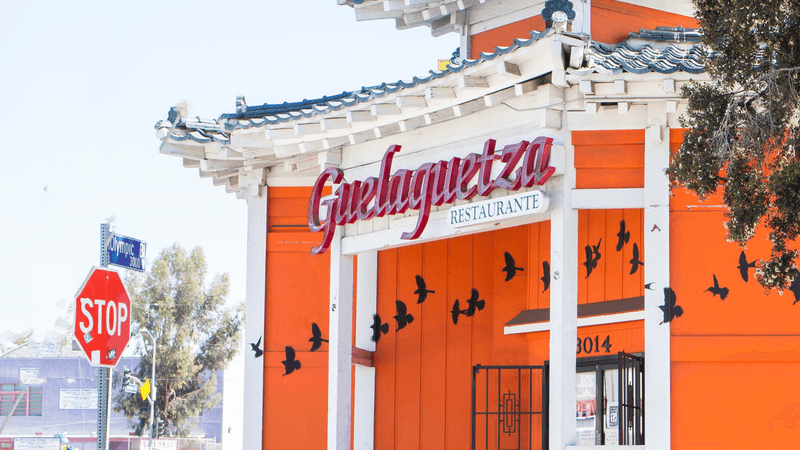
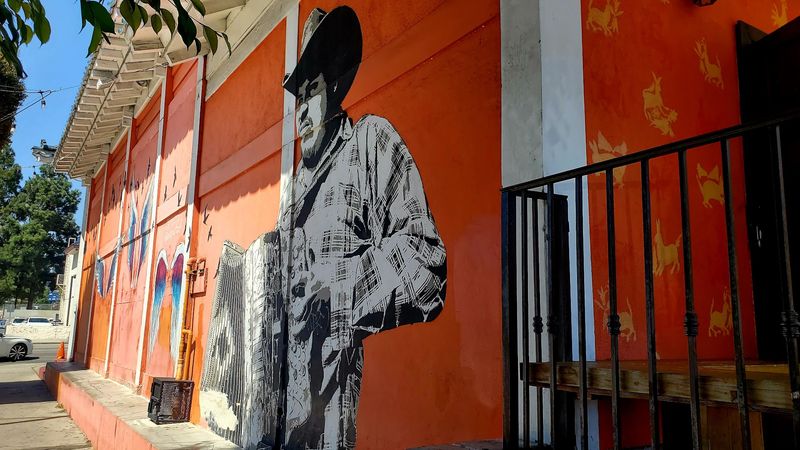
Sitting at 3014 W Olympic Blvd, Los Angeles, California 90006, the restaurant occupies an orange corner building that was previously home to a Korean restaurant, a layering of histories that feels very true to Koreatown itself.
The neighborhood is one of the most densely packed and culturally varied dining corridors in all of Los Angeles, which makes the presence of a deeply traditional Oaxacan kitchen here both unexpected and fitting.
That contrast between setting and cuisine has become part of what makes a visit feel memorable before the food even arrives.
Inside, the space opens into a colorful interior filled with murals created by an Oaxacan street art collective, handcrafted decorative elements, and a bandstand that hosts live music on a regular basis.
The restaurant moved to this location in 2000 after outgrowing its original space, and it has been a fixture in the neighborhood ever since.
The energy inside tends to match the street energy outside, lively and layered with different conversations happening at once.
Both indoor and outdoor seating options are available, giving diners some flexibility depending on the night and the mood.
Valet parking is offered, and street parking can also be found nearby.
The combination of a vibrant neighborhood and an equally vibrant interior creates a setting that enhances the meal rather than simply framing it.
Perfect For Large Gatherings And Family Feasts
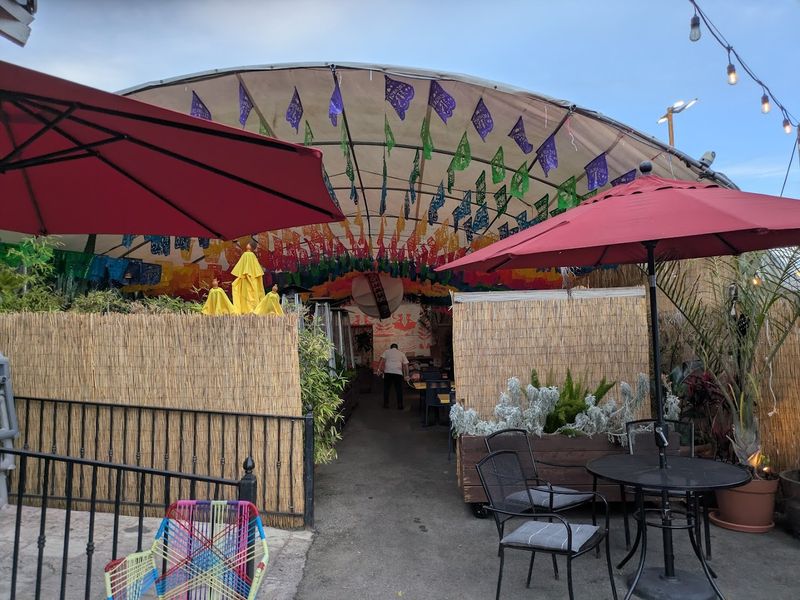
Some restaurants are built for solo meals and quiet evenings, but California’s Guelaguetza clearly gravitates toward the other end of the spectrum.
The space is large and sprawling, designed to accommodate the kind of gatherings where multiple generations share a single table and dishes move freely between seats.
The restaurant regularly hosts quinceañeras, weddings, and anniversary celebrations, which signals something about the role it plays beyond just being a place to eat.
Weekend nights tend to fill quickly, with families and groups settling in for extended meals that stretch across multiple courses.
Tables loaded with tlayudas, memelas, and a rotating selection of Oaxacan plates create a festive, unhurried atmosphere that encourages people to stay rather than rush.
That pace is part of the experience, and arriving hungry with a full group makes the most of what the menu has to offer.
For anyone new to the restaurant, coming with others also creates the practical benefit of being able to try more dishes across the table.
Ordering one mole, one tlayuda, and a round of tamales between a group gives a much broader picture of the menu than a solo visit ever could.
The restaurant seems to understand this, and the portion sizes and table arrangements reflect that communal approach throughout.
It’s A Cultural Beacon
The name Guelaguetza comes from a Zapotec word meaning reciprocal exchanges of gifts and services, and it also refers to a major annual festival celebrated in Oaxaca each July.
Choosing that name for a restaurant was not a casual decision; it signals an intention to offer something beyond a transaction between a kitchen and a customer.
The restaurant describes itself as a restaurant, boutique market, and active advocate for Oaxacan culture within Los Angeles.
Each year, the founding family travels to Oaxaca to hand-select ingredients and carefully choose partners who align with their standards for quality and authenticity.
That sourcing practice keeps the menu connected to its origins in a way that goes beyond simply labeling dishes as traditional.
The vibrant murals painted by an Oaxacan street art collective that cover the interior walls reinforce the sense that the space itself is meant to carry cultural meaning.
A small boutique market component allows guests to take a piece of that culture home, whether through packaged ingredients, sauces, or other Oaxacan goods.
The restaurant functions as a gathering point for homesick Oaxacans and a discovery point for newcomers equally.
That dual role gives it a community significance that most restaurants, regardless of quality, never quite achieve.