Many People Spend Their Whole Lives In Connecticut Without Seeing These 13 Amazing Places
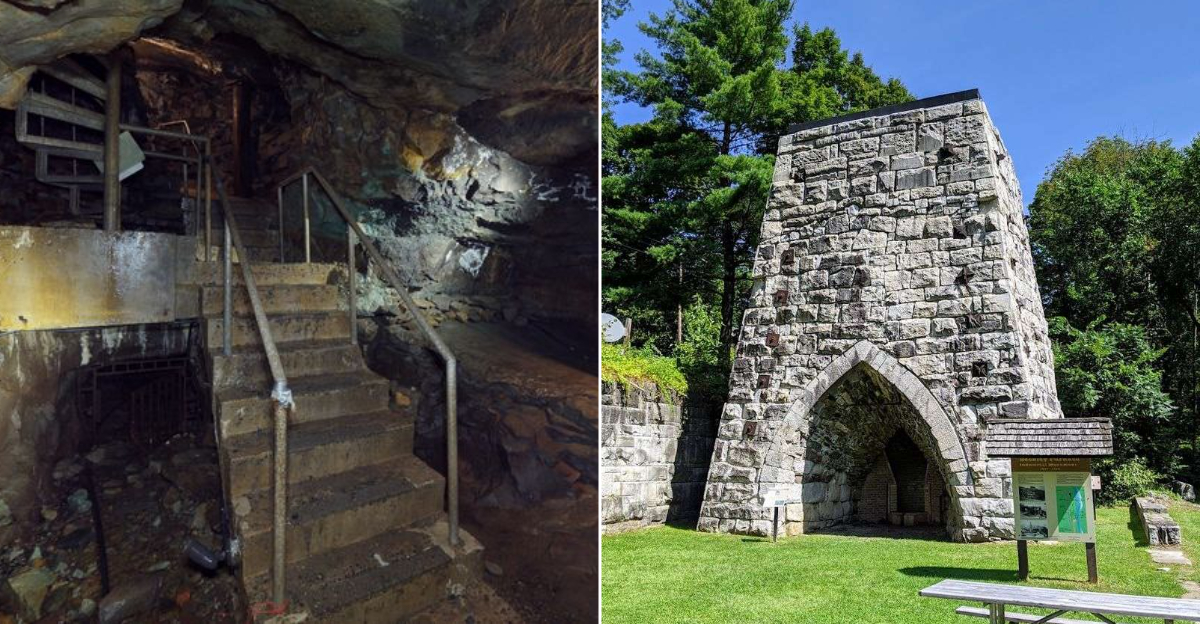
Most people assume they know their home state pretty well until something like this comes along and completely changes that assumption.
Connecticut has been hiding some genuinely extraordinary places in plain sight and the locals who have spent their whole lives here without stumbling onto them are in very good company because almost nobody knows about them.
That gap between what exists and what people actually know about is honestly one of the more exciting things to fix on a free weekend. Spending a whole life here and missing places this amazing is surprisingly easy to do and this list is the most enjoyable way to start correcting that.
Each one delivers something genuinely unexpected and the cumulative effect of discovering what has been sitting right here all along has a way of completely reframing how you think about a place you thought you already knew.
1. Tantaquidgeon Museum, Uncasville
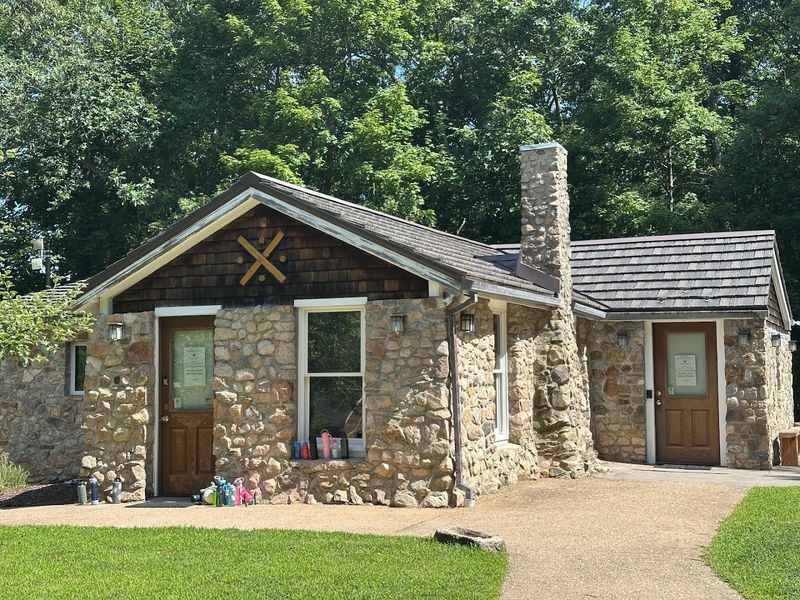
Established in 1931, the Tantaquidgeon Museum in Uncasville stands as one of the oldest Native American museums in the entire United States, and it carries that history with quiet dignity.
The museum is situated at 1819 Norwich-New London Turnpike, Uncasville, CT 06382, on land deeply connected to the Mohegan people who founded and continue to steward it.
Inside, the collection includes artifacts, handcrafted tools, and traditional objects that reflect the Mohegan way of life across generations. The modest scale of the space creates an intimate atmosphere that encourages visitors to slow down and pay attention to each item on display.
Unlike larger institutions, there is no overwhelming volume of exhibits here, just carefully preserved pieces with real meaning behind them. A visit tends to move at a reflective pace, and that unhurried quality is part of what makes it worth seeking out in the state.
2. Ballard Institute And Museum Of Puppetry, Storrs
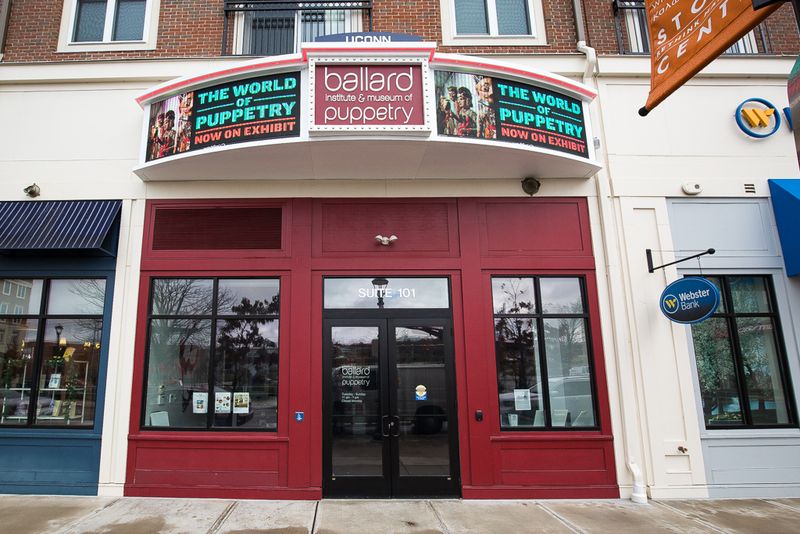
Puppetry might not be the first art form that comes to mind when planning a day trip, but the Ballard Institute and Museum of Puppetry in Storrs has a way of changing that perspective entirely.
Located at 1 Royce Circle, Suite 101B, Storrs, CT 06268, on the University of Connecticut campus, the museum holds an internationally significant collection of puppets spanning cultures and centuries.
Marionettes, shadow puppets, hand puppets, and large-scale figures share space in thoughtfully arranged exhibits that highlight the craft and storytelling behind each piece. The detail in even the smallest figures tends to stop visitors mid-step.
The museum also hosts live performances and workshops throughout the year, so checking the schedule before visiting can add an entirely different dimension to the experience.
The atmosphere inside is calm and focused, well-suited for both adults and curious younger visitors who appreciate intricate handmade objects.
3. David Hayes Sculpture Fields, Coventry
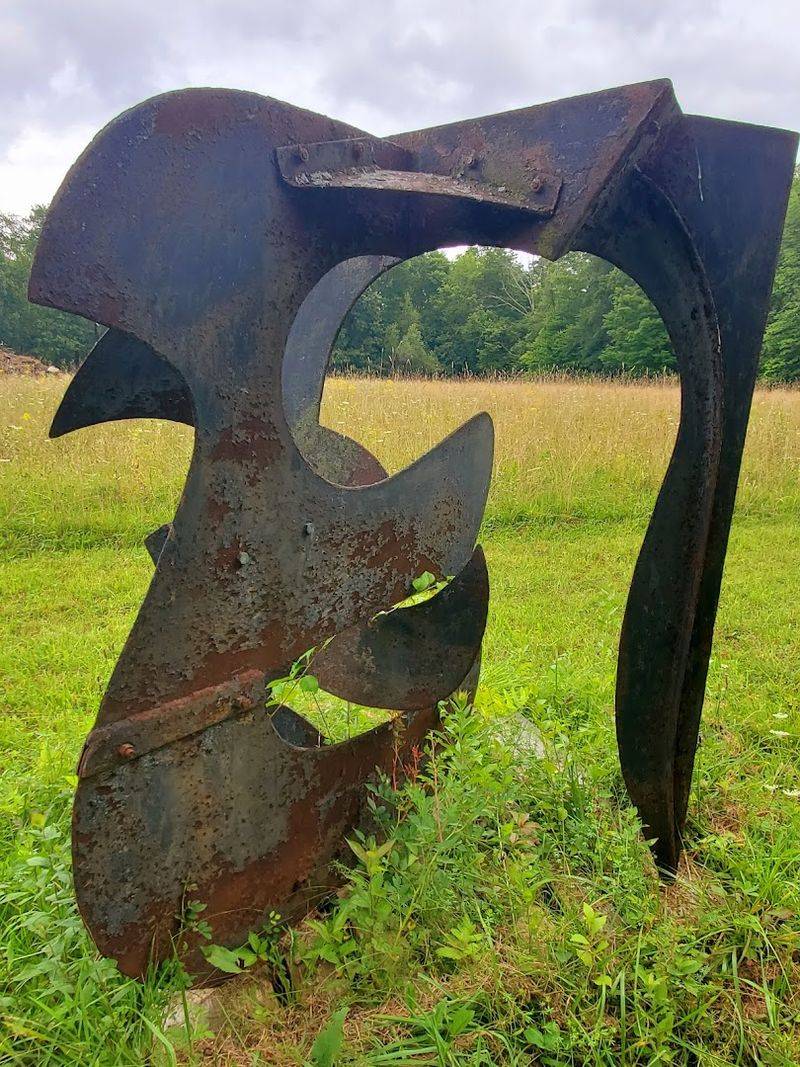
Spread across several acres of open land in Coventry, the David Hayes Sculpture Fields offer an encounter with large-scale abstract metal sculpture that feels both unexpected and oddly serene.
The property at 905 South Street, Coventry, CT 06238 showcases the life’s work of sculptor David Hayes, whose bold steel forms dot the landscape like a permanent outdoor gallery.
Walking among the sculptures creates a different experience than viewing art indoors. The changing light throughout the day shifts how each piece reads against the sky and surrounding greenery, making the same walk feel different depending on when you arrive.
The scale of some works is genuinely surprising up close, with pieces reaching heights that command attention without overwhelming the natural setting around them. Visiting during fair weather allows for a full exploration of the grounds at a leisurely pace.
It is one of those places that rewards the effort of finding it.
4. Mine Hill Preserve, Roxbury
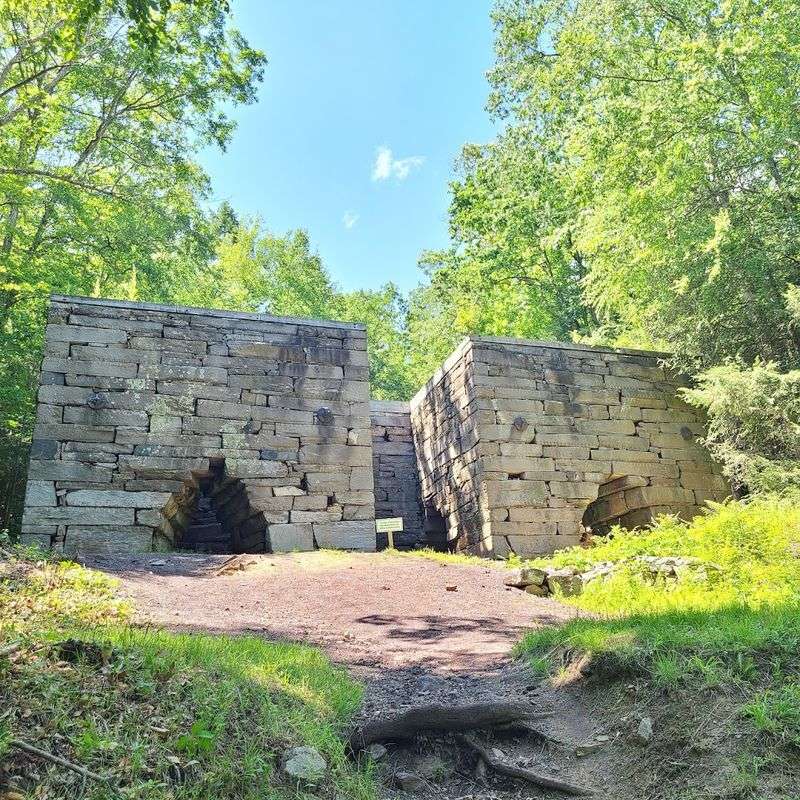
Wooded trails take on a deeper story at Mine Hill Preserve, where a peaceful Roxbury hike leads through the remains of a 19th-century iron-making complex.
Instead of offering scenery alone, the preserve blends forest paths with stone ruins, old roasting ovens, furnace remnants, and traces of the industry that once shaped this hillside.
The trails are generally approachable, though rocky and root-covered stretches make sturdy shoes a smart choice. Interpretive signs add helpful context along the way, explaining how iron ore was processed and why this site became such an important part of the region’s past.
In fall, bright leaves bring warmth to the old stonework, while spring growth gives the ruins a softer, almost hidden quality.
Managed by the Roxbury Land Trust, the preserve sits along Mine Hill Road in Roxbury and is free to visit, offering a rewarding mix of nature, history, and quiet discovery.
5. Pinchot Sycamore Park, Simsbury
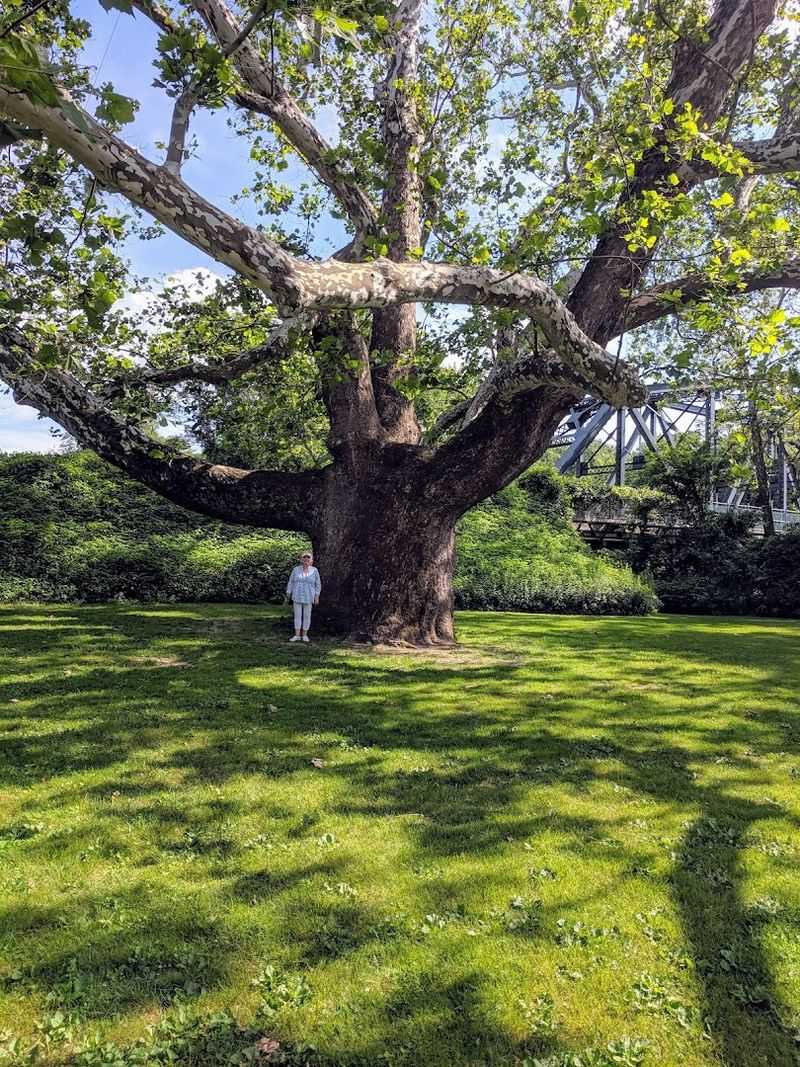
Not every remarkable destination requires a long walk or an admission fee.
Pinchot Sycamore Park in Simsbury, located at CT-185, Simsbury, CT 06070, is home to what is considered the largest tree in the state, a massive sycamore with a trunk circumference that genuinely stops people mid-sentence when they see it up close.
The tree is named after Gifford Pinchot, a conservationist who once owned the surrounding property, and its age and girth give it a presence that feels almost architectural rather than botanical.
Standing near the base and looking upward through the canopy offers a perspective that is hard to describe and easy to remember.
The park itself is small and straightforward, with parking nearby and a short walk to the tree. It works well as a quick stop during a broader day of exploring the Simsbury area.
For tree enthusiasts and casual visitors alike, the scale of this sycamore tends to leave a lasting impression.
6. Beckley Furnace Industrial Monument, East Canaan
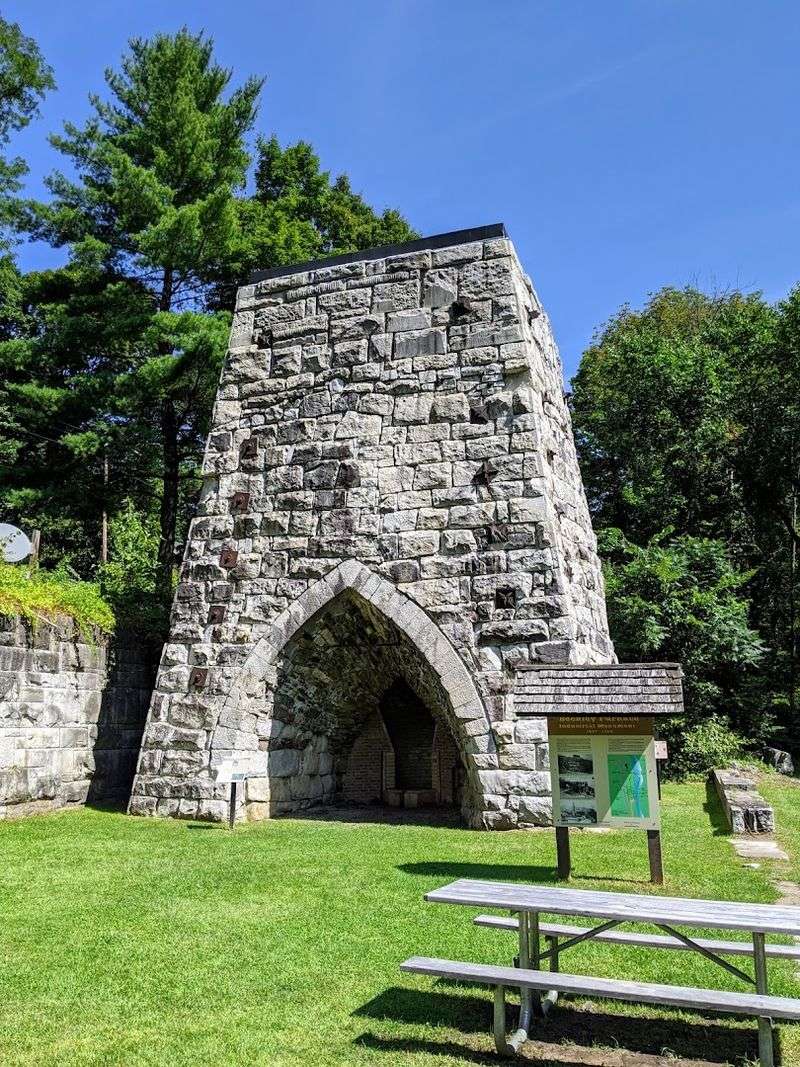
A towering stone furnace can make industrial history feel surprisingly vivid.
Beckley Furnace Industrial Monument preserves one of New England’s most impressive surviving 19th-century blast furnaces, a place where iron production once depended on roaring heat, rushing water, and hard physical labor.
The stack rises boldly against the trees, giving visitors an immediate sense of the scale behind the region’s iron-making past. Nearby signs explain the process in plain, approachable language, so the site works just as well for curious wanderers as it does for serious history fans.
The Blackberry River runs close by, adding a calm, scenic contrast to the powerful machinery that once defined this corner of East Canaan.
You’ll find the monument at 140 Lower Road in East Canaan. The open-air grounds are free to explore, with parking nearby and enough room to circle the structure at an easy pace.
7. Prudence Crandall Museum, Canterbury
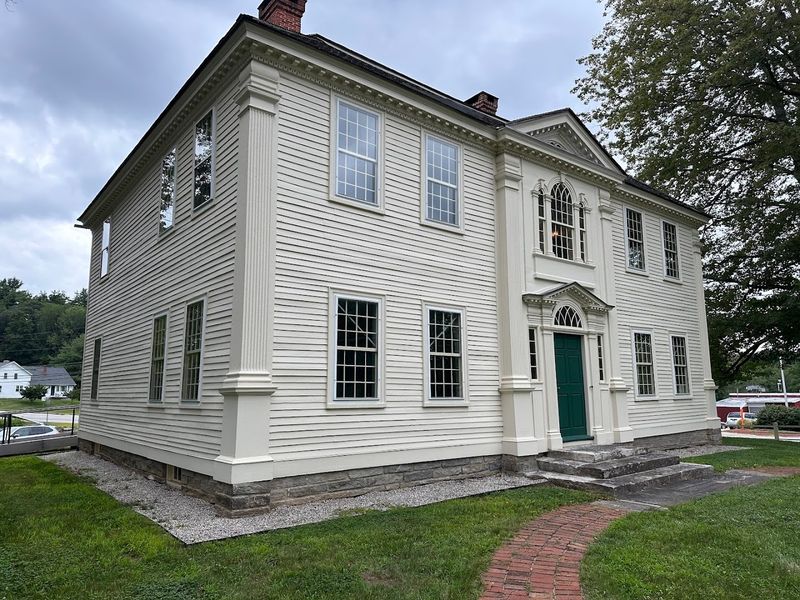
Some historic houses feel quiet at first, then their stories begin to gather force. The Prudence Crandall Museum is one of them.
In the 1830s, Prudence Crandall made the radical decision to educate Black girls and young women in Canterbury, turning her school into a landmark in the fight for equal education.
The backlash was intense. Local resistance grew, a law was passed to stop her work, and Crandall was arrested for continuing to teach her students.
That history gives the house at 1 South Canterbury Road in Canterbury a gravity far beyond its graceful Federal-style appearance.
Today, the museum preserves the rooms, context, and courage behind Crandall’s stand, connecting her story to abolitionism and early civil rights struggles in America.
The visit feels more powerful than a standard house tour, especially once you understand why the state later honored her as its official heroine.
8. Birdcraft Museum & Sanctuary, Fairfield
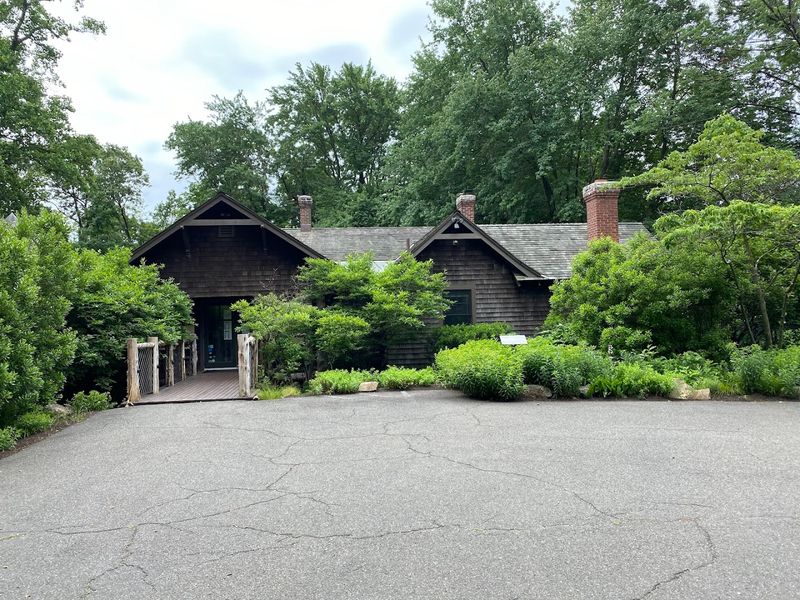
Opened in 1914, the Birdcraft Museum and Sanctuary in Fairfield holds the distinction of being the first songbird sanctuary in the United States, and it remains an operating wildlife sanctuary to this day.
The museum is located at 314 Unquowa Road, Fairfield, CT 06824, set into a surprisingly lush six-acre preserve that feels removed from the suburban surroundings just beyond its borders.
Inside the small museum building, exhibits focus on local bird species, natural history dioramas, and the conservation legacy of the Connecticut Audubon Society, which has managed the site for over a century.
The dioramas in particular have a charming, old-fashioned quality that reflects the craftsmanship of early natural history display work.
The sanctuary trails are short and accessible, making the property suitable for a relaxed visit at almost any pace. Birdwatching along the paths can be productive in the early morning hours, especially during spring and fall migration periods.
9. Lock Museum Of America, Terryville
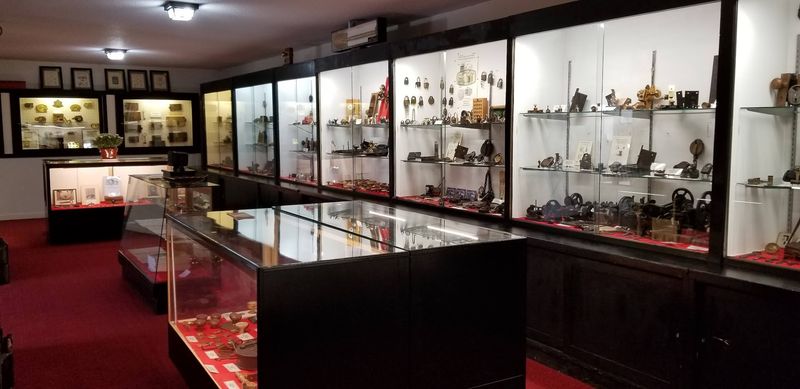
There are museums dedicated to nearly every subject imaginable, but the Lock Museum of America in Terryville might be the most unexpectedly absorbing of them all.
Housed at 230 Main Street, Terryville, CT 06786, the museum contains one of the largest collections of antique locks, keys, and hardware in the world, with over 22,000 items on display.
The collection spans centuries and continents, ranging from ornate European cabinet locks to early American padlocks produced right in the Terryville area, which was once a major center of lock manufacturing in the country.
The craftsmanship visible in even the smallest pieces is remarkable, with intricate engravings and mechanical ingenuity that feel ahead of their time.
A visit moves at whatever pace suits the visitor, and the museum staff tend to be genuinely knowledgeable about the history behind specific pieces.
For anyone who has ever been curious about the engineering and artistry behind everyday security objects, this museum offers a surprisingly deep and satisfying experience.
10. Windham Textile And History Museum, Willimantic
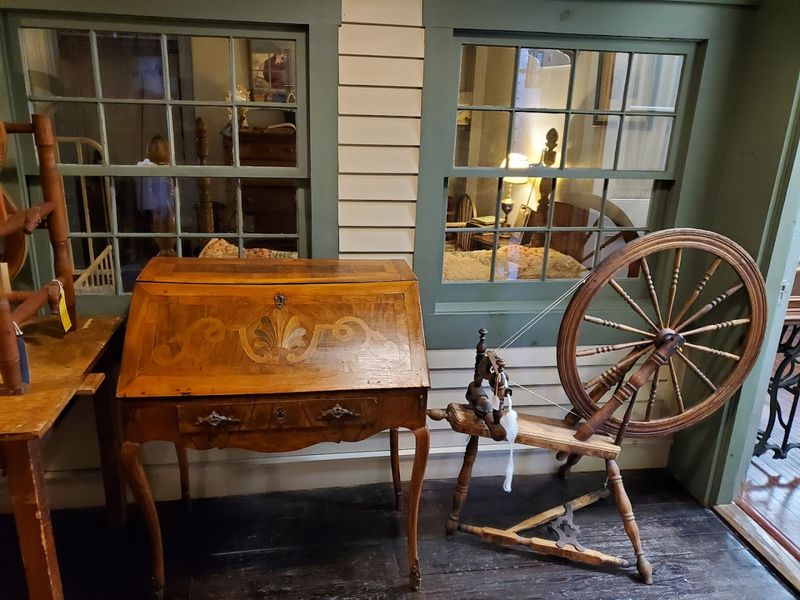
Thread shaped more than Willimantic’s economy. It shaped the streets, the mill buildings, the workforce, and the identity that earned the city its famous nickname.
The Windham Textile and History Museum tells that story with a directness that makes the industrial past feel close, practical, and deeply human.
Inside the museum, visitors can explore exhibits on textile production, factory labor, mill communities, and the rise and decline of an industry that once helped define the region.
Machinery, artifacts, recreated spaces, and archival materials work together to show both the scale of production and the daily lives behind it.
The worker-focused displays add important context, especially when viewed alongside the equipment that powered long days on the factory floor.
The museum occupies historic mill-related buildings at 411 Main Street in Willimantic, giving the exhibits an added sense of place. A quieter visit is more likely outside busier weekend hours, and history lovers will find one of the state’s clearest windows into New England’s textile past.
11. The Glass House, New Canaan
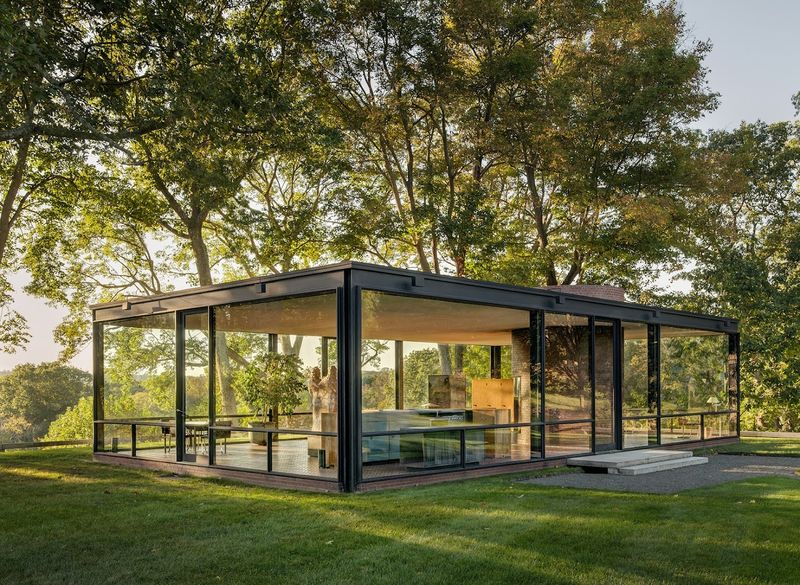
Completed in 1949 by architect Philip Johnson, the Glass House in New Canaan is one of the most significant works of modern architecture in the United States, yet many residents have never visited.
The property at 199 Elm Street, New Canaan, CT 06840 encompasses not just the iconic transparent house but an entire 49-acre landscape of interconnected pavilions, sculptures, and carefully considered sightlines.
Standing inside the Glass House itself, where the boundary between interior and exterior nearly dissolves, produces a spatial experience that photographs cannot replicate.
The surrounding estate adds context to Johnson’s vision, showing how architecture, landscape, and art were meant to function as a single composition.
Tours are offered seasonally and require advance reservations, so planning ahead is essential before making the trip.
The experience tends to reward those who arrive with some background knowledge of Johnson’s work, though the visual impact of the house is immediate and requires no architectural expertise to appreciate.
12. Boothe Memorial Park & Museum, Stratford
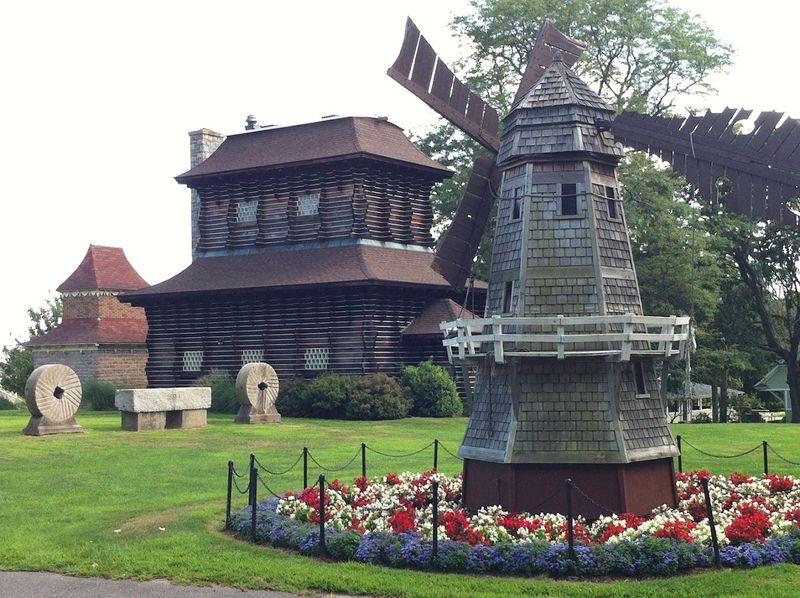
It takes a moment for Boothe Memorial Park and Museum to reveal just how unusual it really is. At first, it feels like a pleasant green space in Stratford.
Then the miniature lighthouse appears, followed by a blacksmith shop, a carriage house, a clock tower, gardens, and other unexpected structures spread across the grounds.
The park grew from the imagination of the Boothe brothers, who shaped the property into a personal collection of buildings, objects, and architectural experiments.
Rather than feeling like a formal museum arranged in neat order, the place has the charm of a family project that kept expanding in every direction.
Set at 5800 Main Street in Stratford, the park is free to enter and open to the public, with grounds that can be explored at an easy pace. Its mix of history, gardens, and playful design gives visitors plenty to notice, and repeat visits often reveal details missed the first time around.
13. Old New-Gate Prison & Copper Mine, East Granby
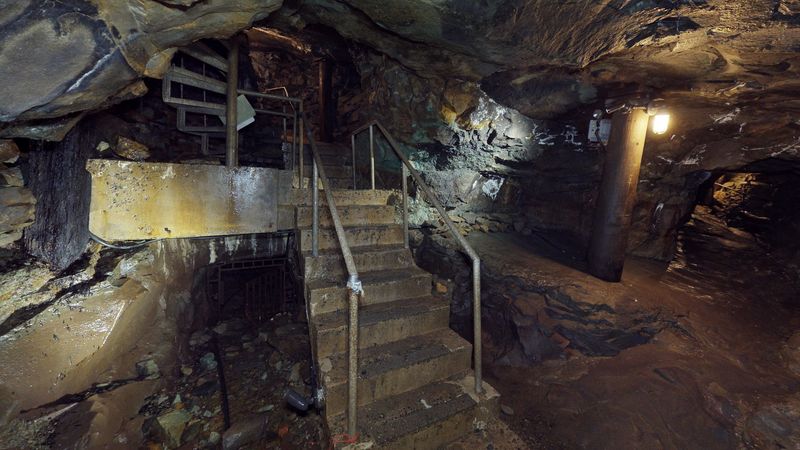
Before iron bars and guard towers shaped its reputation, this historic site had already made its mark deep underground. The Old New-Gate Prison and Copper Mine began as a colonial copper mine in the early 1700s before becoming America’s first state prison in 1773.
Today, visitors can descend into the same underground passages where prisoners were once held, surrounded by cool air, low ceilings, and rugged stone walls that make the past feel incredibly close. The experience is atmospheric, memorable, and far more powerful than a simple history display.
Back above ground, the weathered stone remains of the prison complex offer another glimpse into life during the 18th and 19th centuries. You’ll find the site at 115 Newgate Road in East Granby, and seasonal hours usually run from late spring through fall.
Wear sturdy shoes, since stairs and uneven ground are part of the visit.