Visit This Mountain Lavender Farm In North Carolina Before Its Clean-Grown Blooms Disappear For The Season
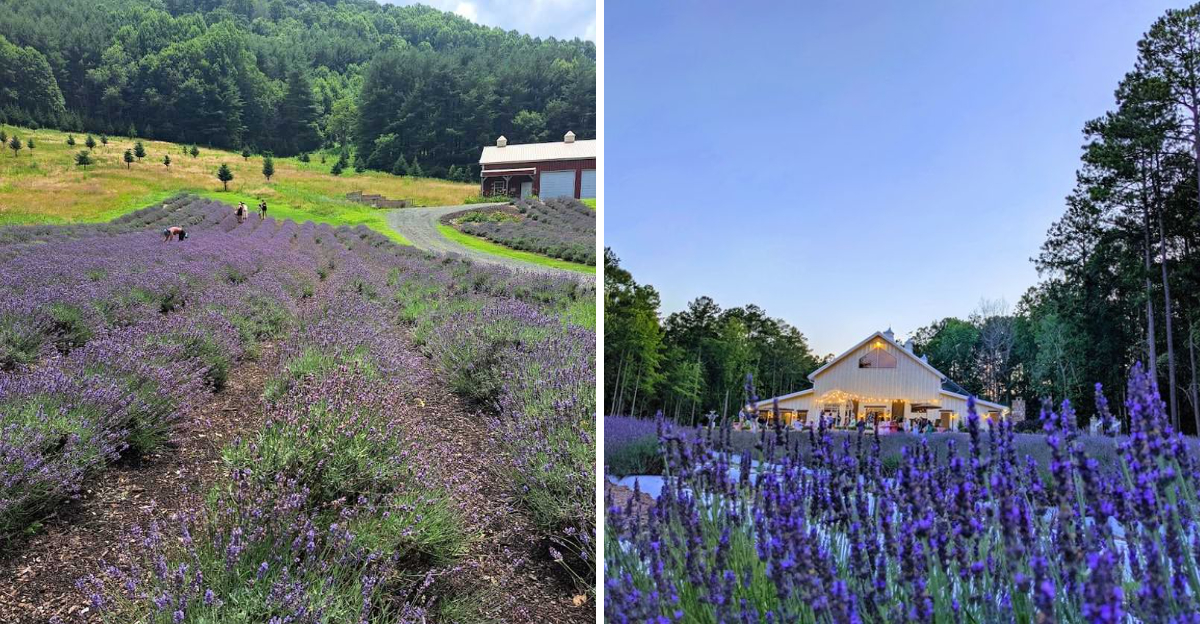
Lavender does not need much help being dramatic.
Give it one mountain breeze, a little sunlight, and a row of purple blooms, and suddenly everyone nearby starts acting like they have unlocked inner peace.
Yet this farm has more going for it than a pretty field.
The real pull is how carefully the lavender is grown.
Spring water, mountain air, and a clean approach give the whole visit a calmer, more thoughtful feeling before anyone even reaches the rows.
Nothing about it feels like a rushed photo stop.
The flowers look beautiful, but they also feel useful in a way that keeps people lingering.
A bundle can come home with the scent of the mountains still clinging to it, turning the visit into something that lasts longer than a few pictures.
Fresh air does half the convincing.
The fragrance handles the rest.
By the time the purple rows start swaying, this lavender farm feels less like a backdrop and more like one of the sweetest summer escapes in North Carolina.
Follow The Scent Until The Purple Rows Take Over
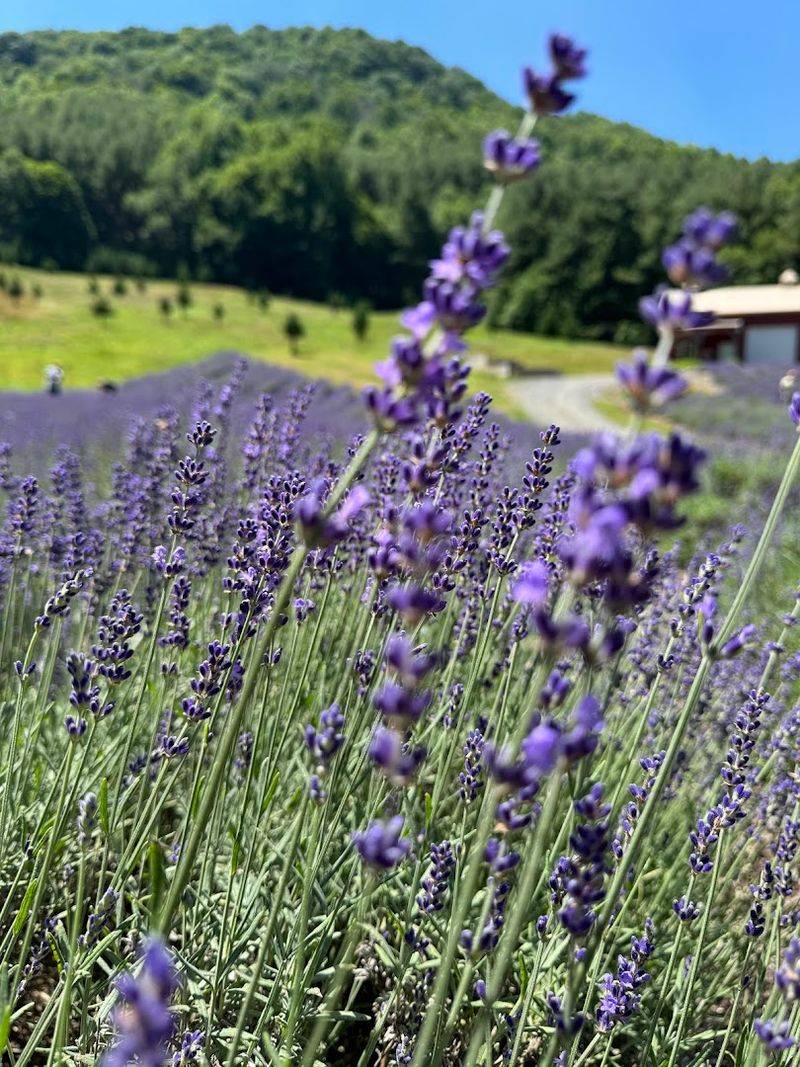
Mountain air does a little advance work before the lavender fully comes into view, giving this farm a softer welcome than any oversized sign could manage.
Good Ashe Lavender Farm grows lavender in the Northwest North Carolina Appalachian mountains, and its own site points to natural spring water and crisp mountain air as part of the growing story.
That setting matters because lavender feels different when it is not competing with crowds, traffic noise, or a packed attraction schedule. The rows become the whole point.
Visitors can slow down beside the plants, watch bees move through the blooms, notice how the fragrance changes in the warmth, and let the field feel like a working crop rather than a staged photo wall.
Visit NC Farms says Good Ashe has about 2,000 English lavender plants, including Royal Velvet, Munstead, Vera, and Sharon Roberts, which gives the field more variety than a single purple sweep might suggest.
The visit works best when treated as a seasonal farm stop, not a rushed errand. Lavender is living, blooming, shifting, and eventually harvested, so catching the rows at the right moment makes the color feel earned.
The scent draws people in first, but the slower mountain mood is what keeps them standing there.
Bend Close Enough To Notice The Clean-Grown Difference
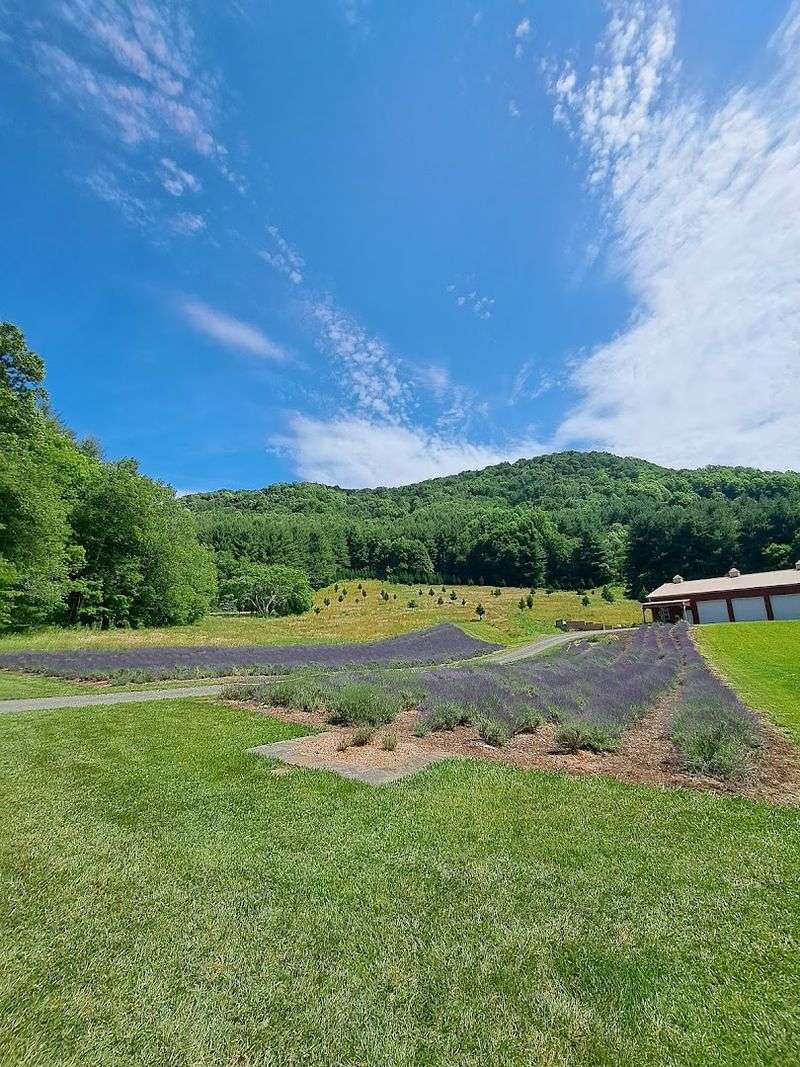
Purity is not just a nice label here, because this lavender often becomes something people bring into kitchens, closets, bathrooms, and homes.
Good Ashe says it uses no pesticides or other non-organic products, and its Certified Naturally Grown status adds a clearer standard to that claim.
The farm’s site explains that Certified Naturally Grown farmers do not use synthetic fertilizers, pesticides, herbicides, or GMOs, relying instead on peer inspection, transparency, and direct relationships. That matters once visitors start thinking beyond photos.
A bundle meant to dry in a bedroom, a sachet headed for a drawer, or buds intended for tea and baking all feel more trustworthy when the growing method is part of the story.
Certified Naturally Grown’s listing shows Good Ashe Lavender Farm has held certification since February 11, 2019. That history adds credibility to its clean-growing approach beyond a recent marketing claim.
Standing close to the blooms turns those details into something practical. The flowers look pretty from a distance, but the cleaner method makes every stem feel more useful up close.
Beauty brings visitors to the rows, while growing care gives them a better reason to take lavender home.
Let The Mountain Backdrop Slow The Whole Visit Down
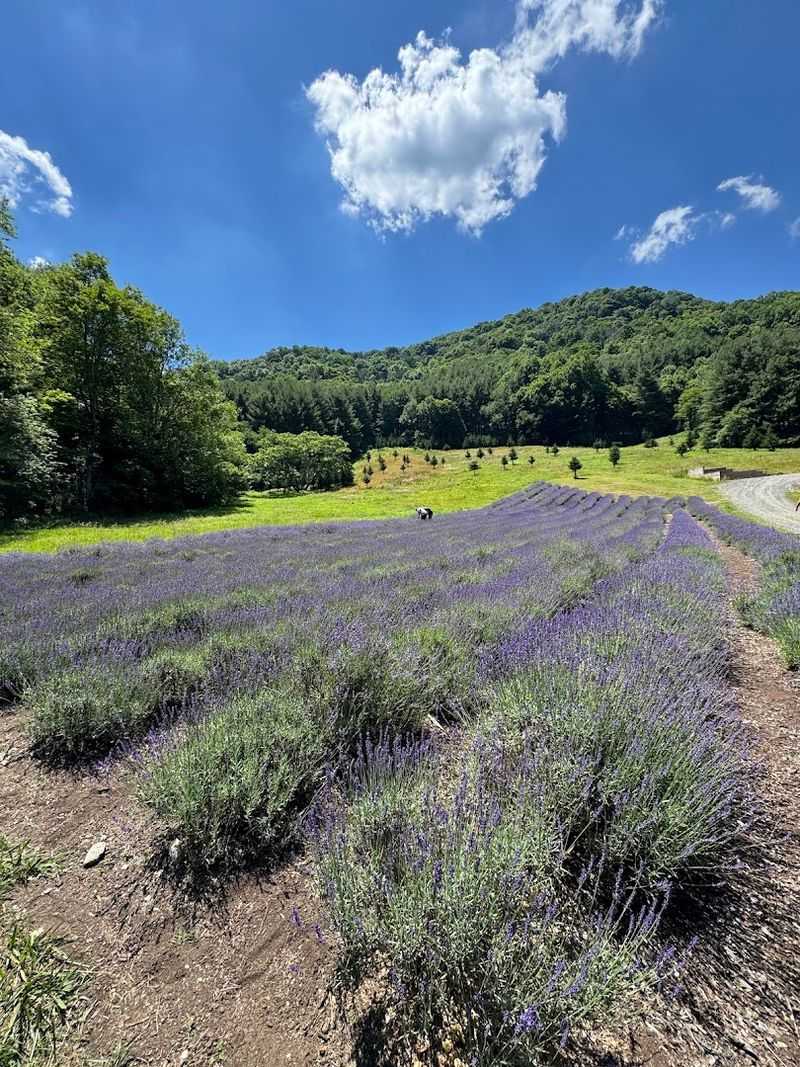
Ashe County gives the farm a calm that feels hard to fake. Good Ashe identifies itself as a small family farm in the Northwest North Carolina Appalachian mountains, and that location shapes the experience before anyone reaches the first row.
Roads feel quieter, the air feels cleaner, and the lavender seems to belong naturally against the mountain setting. Instead of creating a loud attraction around the flowers, the farm lets the landscape do much of the work.
Purple rows, open sky, natural spring water, and crisp mountain air give the field a grounded feeling that suits lavender’s slower personality. This is not the kind of place that needs constant entertainment to hold attention.
The breeze moving across the plants, the scent rising in warm weather, and the sight of English lavender varieties growing in rows can be enough.
Visit NC Farms notes that the farm grows Royal Velvet, Munstead, Vera, and Sharon Roberts among its English lavender, which adds quiet depth for visitors who care about the plants themselves.
The mountain backdrop also makes the visit feel less commercial and more connected to place. People come for a bloom-season view, but the bigger reward may be the way the whole setting convinces them to stop hurrying.
You Can Pick A Bundle That Feels Fresh From The Field
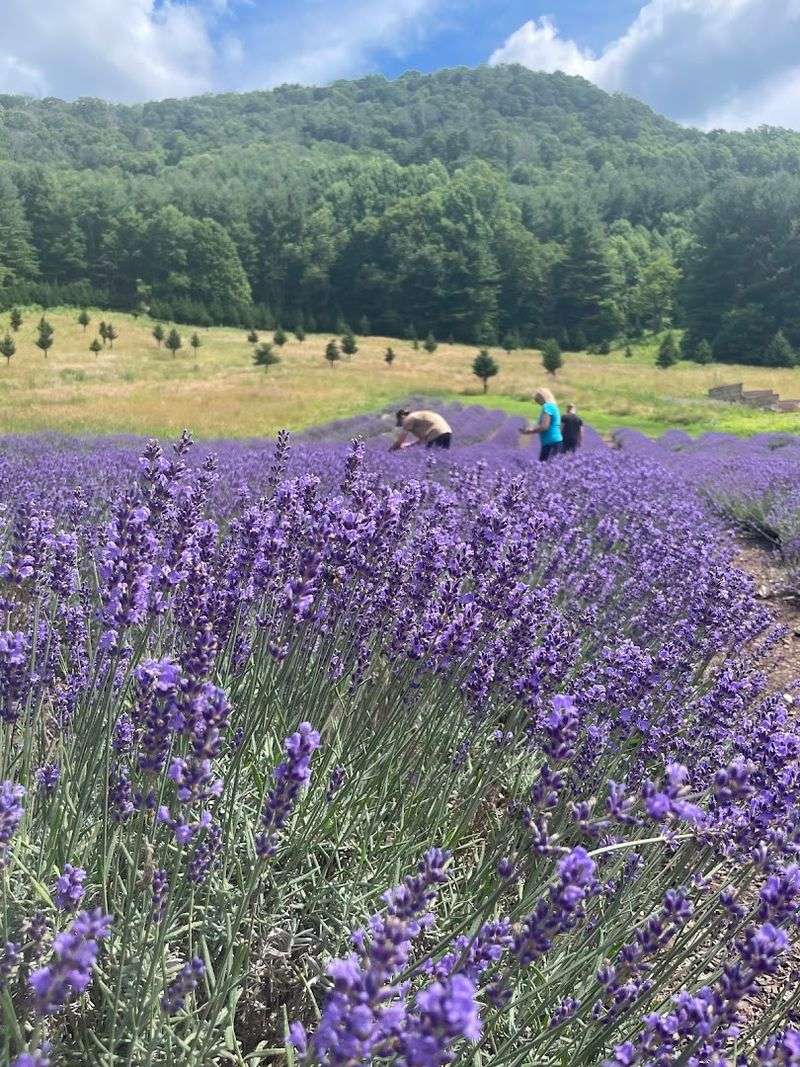
Harvesting changes lavender from something admired into something personal. Good Ashe has announced U-pick opportunities during bloom season through its social updates, with one current listing noting that the 2026 U-pick season began July 4.
That kind of hands-on visit makes the farm feel more memorable than a simple walk-by photo stop. A fresh bundle carries the field with it, from the color of the stems to the fragrance that lingers in the car on the way home.
Since lavender is a real crop, timing is everything. U-pick dates depend on bloom conditions, weather, harvesting, and farm updates, so checking before driving is essential.
The experience feels better when visitors arrive during an announced picking window rather than guessing and hoping the rows are ready.
Good Ashe’s clean-growing approach also makes the bundle feel more meaningful, because guests know those stems came from plants grown without pesticides or other non-organic products.
Once cut, the lavender can dry beautifully, scent a room, become a gift, or inspire small kitchen and craft ideas. A picked bundle is not just a souvenir.
It is proof that the visit happened at the right point in the season.
Watch The Rows Change With Weather, Light, And Bloom Time
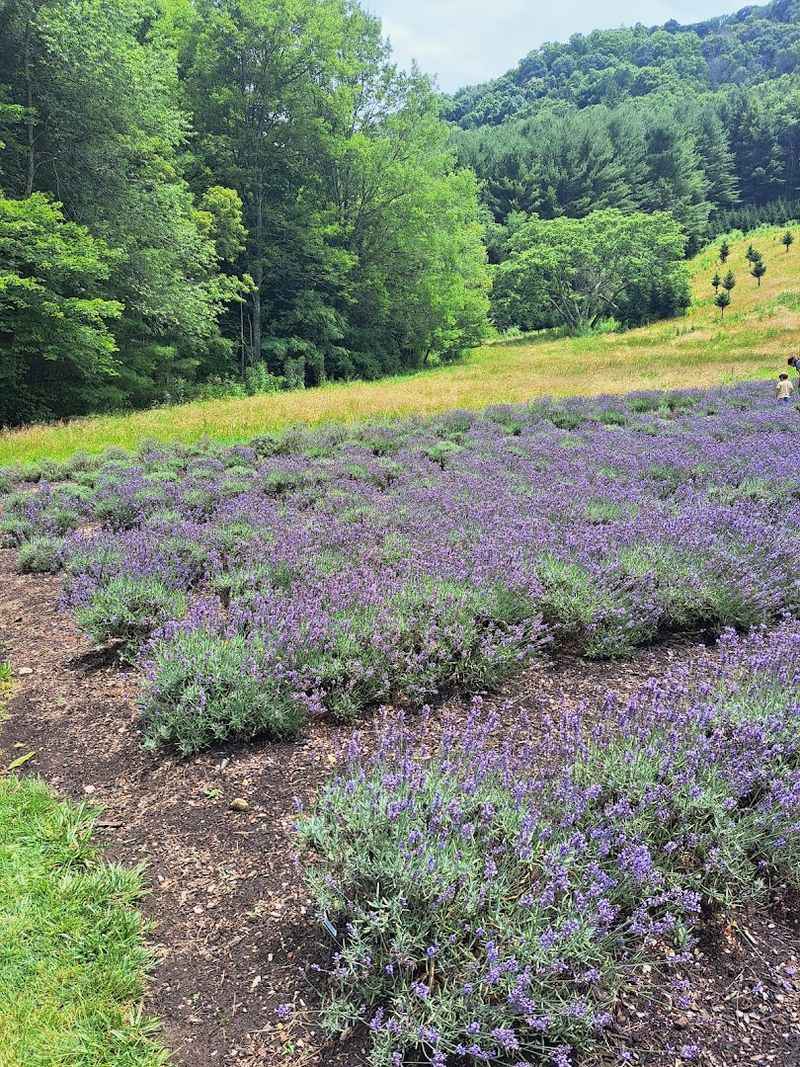
Bloom season gives the farm its prettiest window, but it also keeps the experience honest. Lavender changes with weather, light, heat, rain, and harvest timing, which means the field will not look exactly the same every day.
Early blooms can feel delicate, peak color brings the fuller purple view people hope to see, and later visits may reveal more harvesting, drying, and product-making energy.
Good Ashe’s social updates have pointed visitors toward specific U-pick windows, which is a good reminder that the farm opens around the plant’s real rhythm rather than forcing the field to perform year-round.
That seasonality is part of the appeal. A lavender field feels more special because it does not wait forever.
The color arrives, deepens, shifts, and leaves, making each visit feel tied to a short summer moment. Visit NC Farms describes Good Ashe as having about 2,000 English lavender plants and notes that the farm’s lavender is culinary level, adding another reason the harvest window matters.
Visitors who want the strongest purple rows should follow current farm posts, check hours, and watch for bloom updates. The reward is not a manufactured attraction.
It is a real mountain farm caught at its most fragrant point.
Bring Home Buds That Still Carry The Field With Them
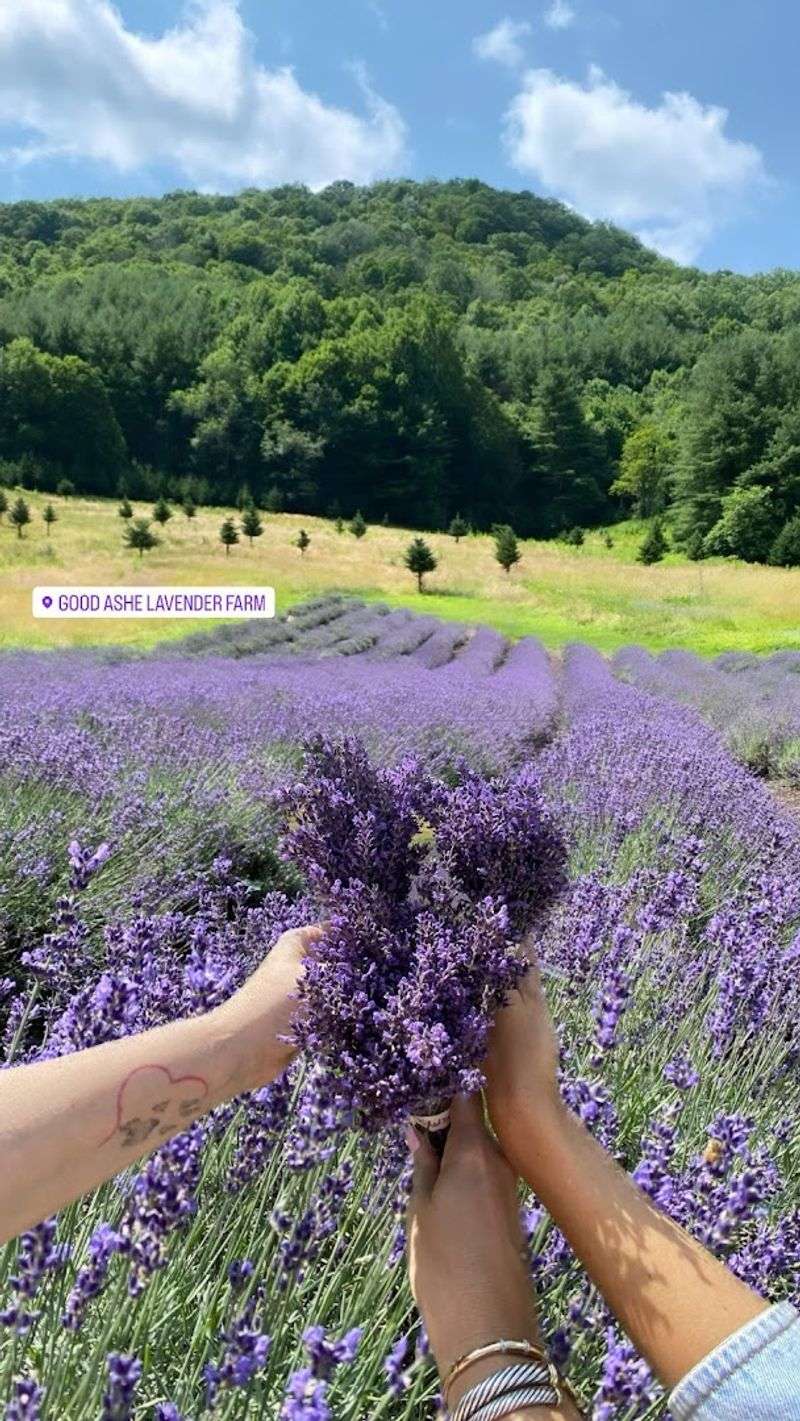
Small dried buds may be the most practical way to keep the farm close after leaving.
Good Ashe produces Certified Naturally Grown lavender in forms such as stems, buds, sachets, and soap. Its culinary-safe lavender is also used by Molley Chomper Hard Cider and several restaurants for lavender-infused beverages.
That makes the products feel connected to real uses, not just pretty shelf fillers. Culinary lavender can be steeped into tea, mixed carefully into sugar, added lightly to baked goods, or used to give simple recipes a floral note when handled with restraint.
Sachets can freshen drawers or closets. Soap and handcrafted items turn the field into something useful for daily life.
Good Ashe also says it handcrafts its own products with close attention to purity, which strengthens the connection between the crop and the finished goods. The best part is knowing where the scent started.
A sachet feels different after standing beside the rows. A bundle feels less generic when the farm’s mountain air and clean-growing method are part of the memory.
The field may be seasonal, but the buds let visitors take a quieter version of it home.
Find The Calm Spot Where Lavender Does The Talking
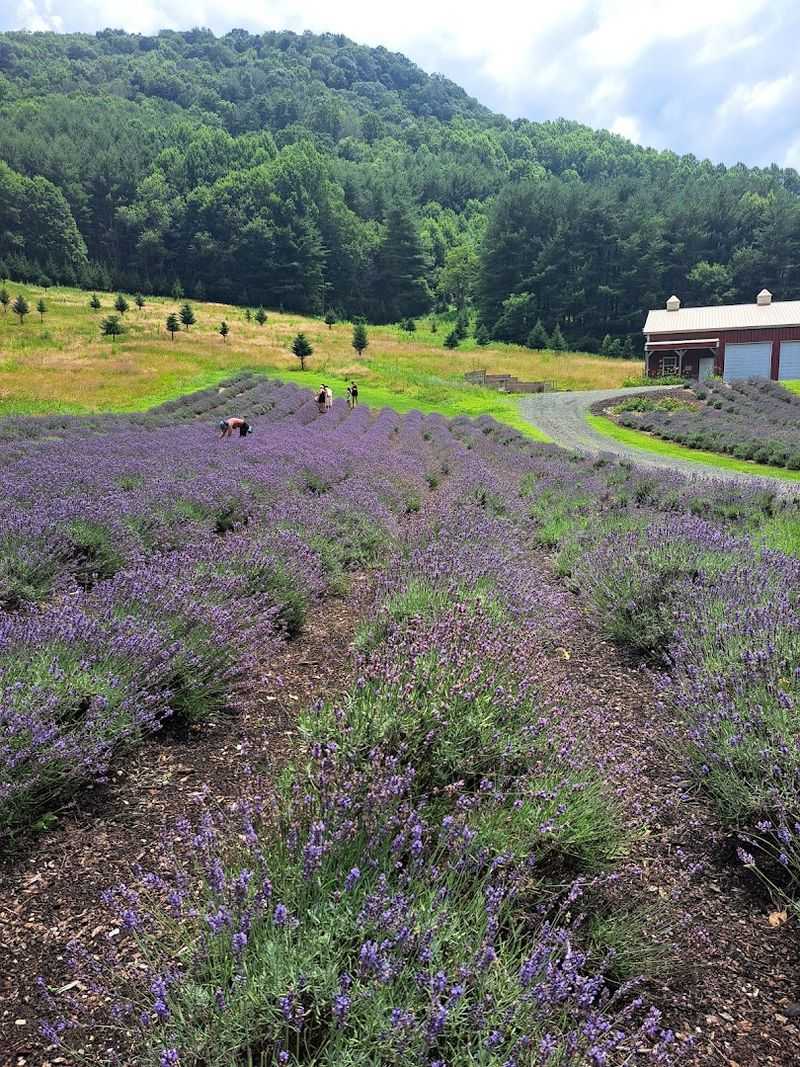
Restraint may be the farm’s strongest feature. Good Ashe does not need to compete with larger flower attractions by turning lavender into a carnival of props and noise.
Its own description focuses on a small family farm, clean growing, mountain air, natural spring water, Certified Naturally Grown lavender, and handcrafted products. That simple identity gives the visit a calmer feel.
People can come for the rows, breathe in the scent, choose stems or products, and enjoy a field that knows exactly what it is.
The farm’s Certified Naturally Grown listing also keeps the focus on produce and flowers, with Louise Jordan-Norman listed for the Lansing property and certification dating back to 2019.
Nothing about that reads like a place trying to overwhelm visitors. It reads like a working lavender farm with a clear purpose.
That makes the experience especially appealing for people who want a peaceful stop, not a crowded summer scene. Lavender already has enough presence on its own.
It brings color, fragrance, bees, texture, and a sense of quiet usefulness. Good Ashe’s strength is giving those qualities room to stand out.
Visitors who appreciate simple farm beauty will likely understand the appeal within a few minutes of arriving.
Check The Bloom Window Before Chasing The Purple View
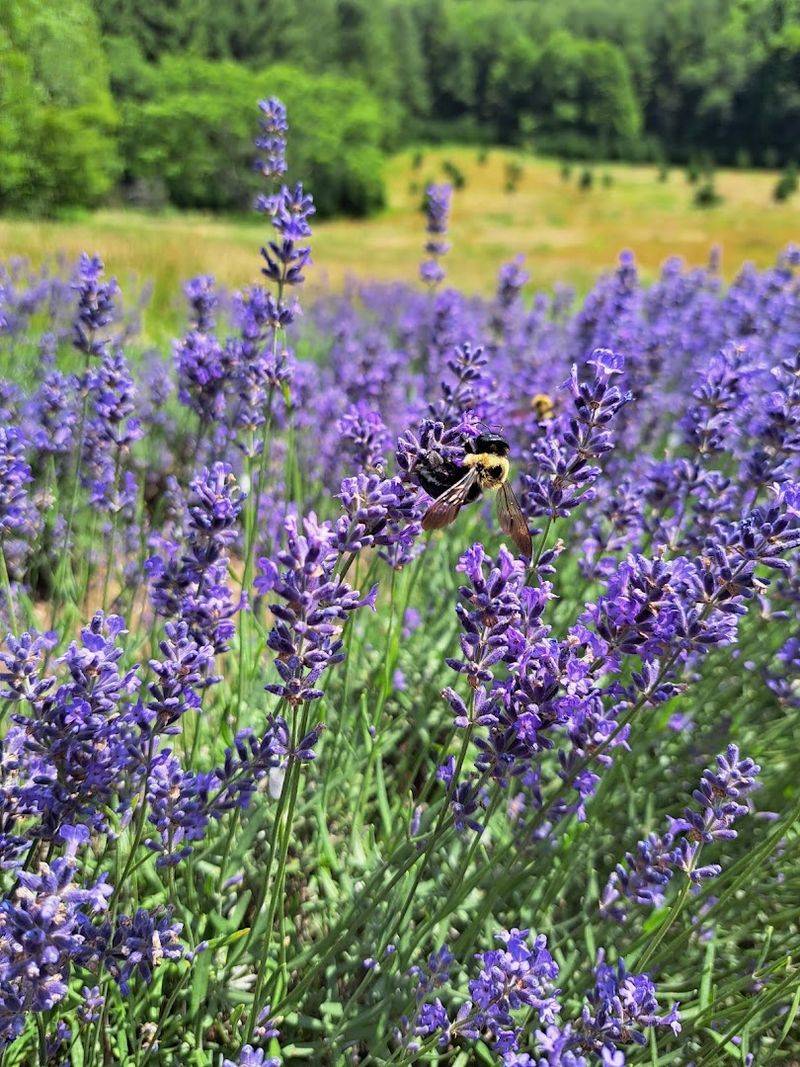
Planning ahead makes the difference between a dreamy lavender visit and an awkward drive with no blooms in sight.
Good Ashe’s contact page lists hours as by appointment and gives the farm’s official contact information, so visitors should not assume the field is open at all times.
Seasonal U-pick announcements also appear through the farm’s social channels, including a current update noting that the 2026 U-pick season begins July 4, which makes checking recent posts especially important before heading out. Lavender does not follow a tourist schedule.
Weather, bloom stage, and harvesting can all affect what visitors see, and mountain conditions can shift the timing even more. That limited window is part of what makes the farm feel special.
When the rows are ready, the color and fragrance feel fresh because they will not last forever. Once the season moves on, the flowers become bundles, buds, sachets, soap, and other handcrafted goods rather than field scenery.
Catching the bloom while it is still standing is the whole point of the title. Good Ashe Lavender Farm is at 225 Joe Hampton Road in Lansing, North Carolina, and the smartest visit starts with confirming current hours, U-pick dates, and bloom status before the purple view disappears for the season.