One Of America’s Happiest Small Towns Is Hiding On California’s Coast
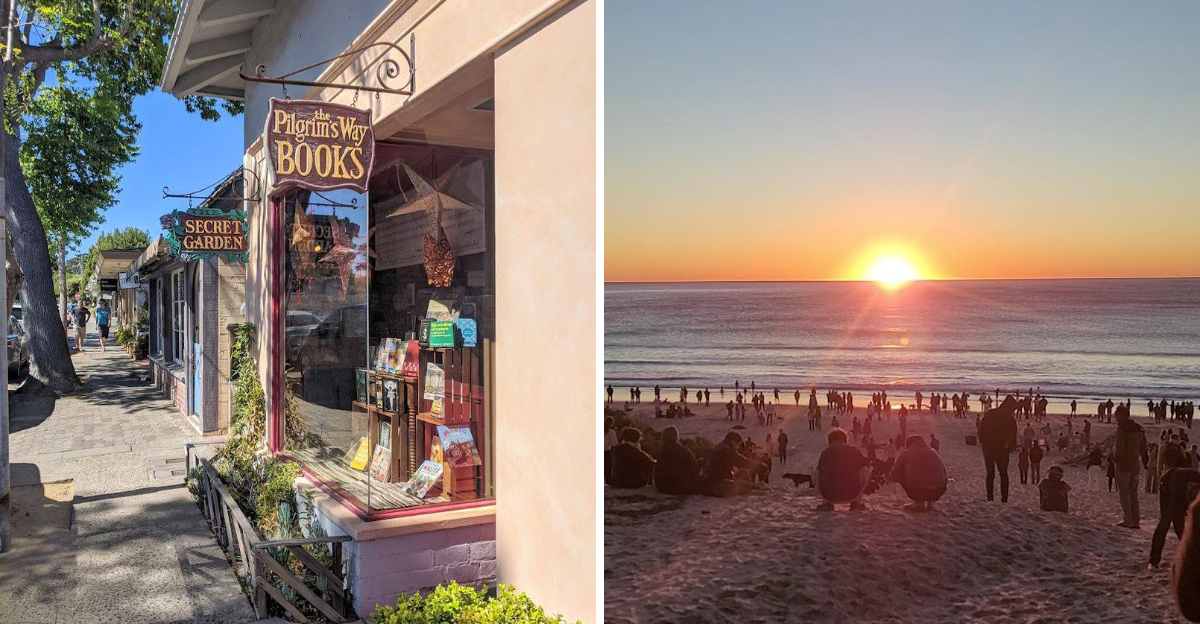
Happiness gets easier to understand when the sidewalks look this good.
A coastal town with storybook cottages, white-sand beach access, cypress trees, art galleries, courtyards, and ocean air definitely has a head start.
Add walkable streets, no need to rush, and the kind of scenery that makes even a short errand feel suspiciously pleasant. Just like that, the “happy town” label starts sounding less mysterious.
A California coast this charming can make stress feel wildly underdressed.
The appeal is not just the postcard look. It is the pace too.
People wander instead of hurry. Dogs seem to be living better than most vacationers. Lunch turns into a longer pause.
Shop windows, garden gates, and quiet corners all compete for attention without making the day feel crowded.
This is the kind of small town that makes a visitor lower their voice without knowing why. Not because it feels stiff. Because everything feels cared for.
Leave enough time to walk with no real plan. That might be the happiest part.
Start With A Barefoot Walk Along Carmel Beach
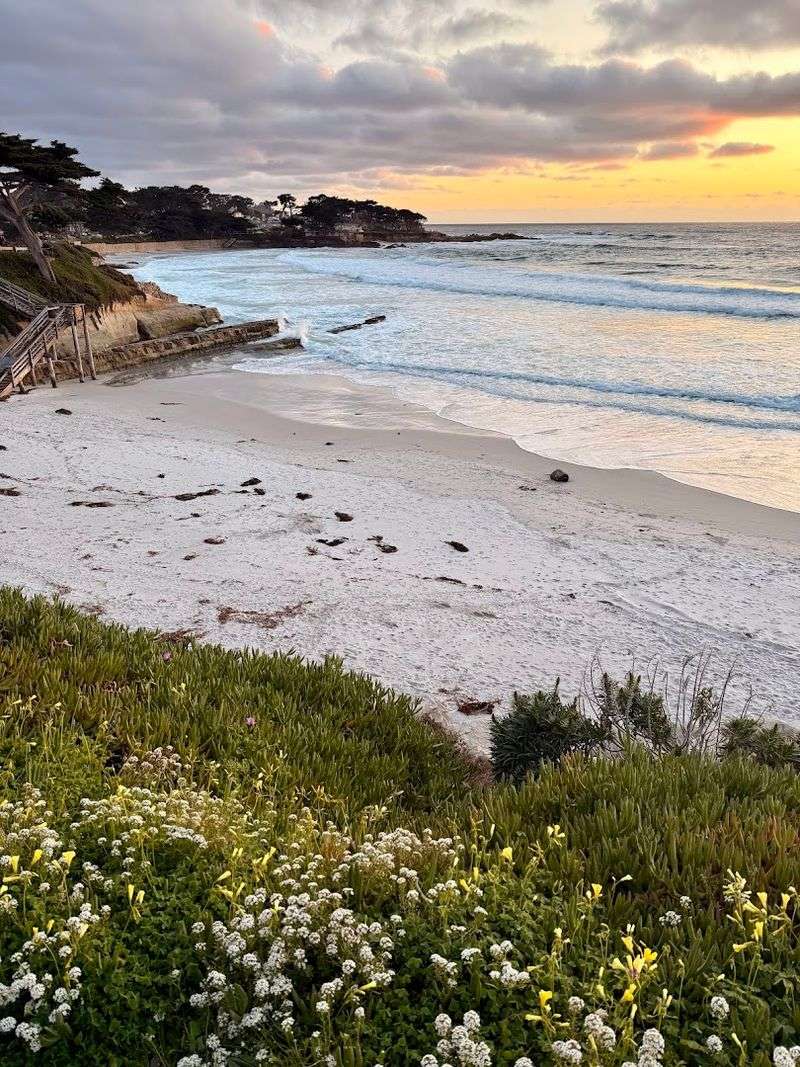
Few experiences reset the mind quite like pulling off shoes and stepping onto the powdery white sand of Carmel Beach.
The grains here are unusually fine and cool, squeaking softly underfoot as the Pacific rolls in with a deep, rhythmic boom that fills the air.
Monterey cypress trees line the bluff above, their wind-sculpted silhouettes leaning inland like natural sculptures framing the entire scene.
The beach stretches in a gentle crescent, wide enough that even on busy weekends there is room to spread out and find a quiet pocket of shoreline.
No vendors, no boardwalk distractions, and no loud music compete with the sound of the waves.
Public restrooms are available at the foot of Ocean Avenue and along Scenic Road, making it easy to settle in for a longer visit.
Dogs are welcome off-leash when under reliable voice control, which adds a playful energy to the beach without feeling chaotic.
Morning visits tend to offer the calmest atmosphere, with soft fog burning off gradually to reveal the full blue-green stretch of Carmel Bay.
Arriving early also means finding easy parking along Scenic Road before the lots fill later in the day.
Follow Ocean Avenue From Storybook Shops To The Sand
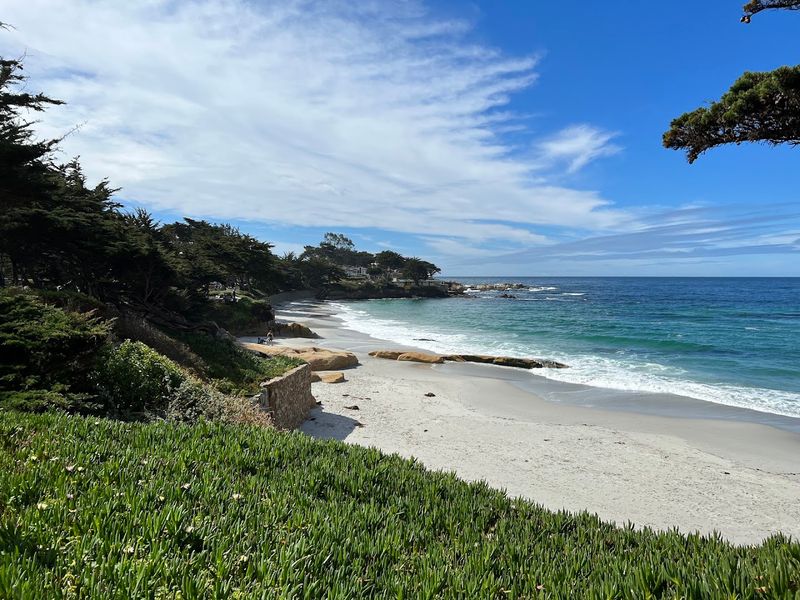
The street slopes gently toward the Pacific, drawing visitors forward through a canopy of Monterey pines and twisted cypress trees.
Storefronts along the way carry a storybook quality, with low-pitched rooflines, hand-painted signs, and warm light spilling through gallery windows onto the sidewalk.
One of the most distinctive features of the avenue is what it deliberately lacks. There are no neon signs, no parking meters, and very few chain businesses to interrupt the visual calm.
The overall effect feels closer to a European village lane than a typical California tourist corridor, which tends to surprise first-time visitors who expect something more commercial.
The walk from the top of Ocean Avenue to the beach at the bottom covers just under half a mile, making it comfortable for most visitors regardless of pace.
Along the way, small courtyard entrances hint at the hidden shops and cafes tucked just off the main path.
Reaching the sand at the end of the avenue, with the full expanse of Carmel Bay suddenly opening up, provides a satisfying payoff for a leisurely stroll through the village.
Slip Through The Village’s Hidden Courtyards And Passageways
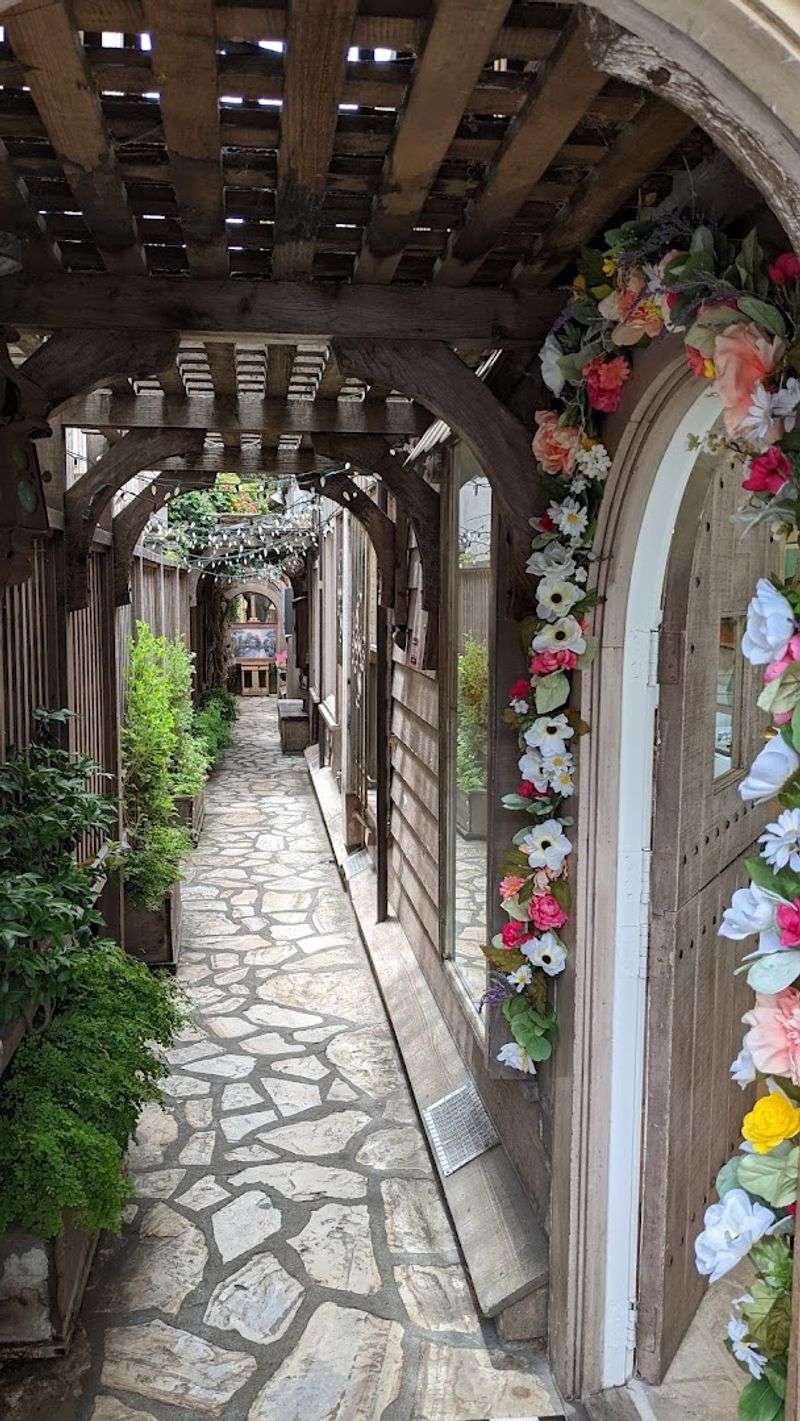
Some of the best discoveries in Carmel happen when a narrow gap between two buildings turns out to lead somewhere entirely unexpected.
The village contains more than 40 hidden courtyards and passageways, each one offering a small world of its own tucked away from the main streets.
Overhead string lights, climbing ivy, and the sound of small fountains are common features that make these spaces feel genuinely intimate rather than staged.
Der Ling Lane, accessible from Ocean Avenue and Lincoln, is frequently photographed for its glowing overhead lights and layered signage that creates a sense of depth and discovery.
The Pine Inn Courtyard on Ocean Avenue opens onto a red brick terrace surrounded by boutique shops with an unhurried, gallery-like atmosphere.
The Doud Arcade at Ocean Avenue and San Carlos Street offers a colorful indoor bazaar with gift shops and small eateries that feel completely separate from the street outside.
The Secret Garden Passageway connects Dolores Street to San Carlos Street and passes through a tranquil stretch decorated with Asian-inspired elements and water features.
Each of these passages rewards slow exploration rather than a rushed walk-through.
Returning at different times of day can reveal entirely different moods, as the light shifts and the mix of visitors changes from morning browsers to afternoon wanderers.
Browse Galleries Rooted In Carmel’s Century-Old Arts Scene
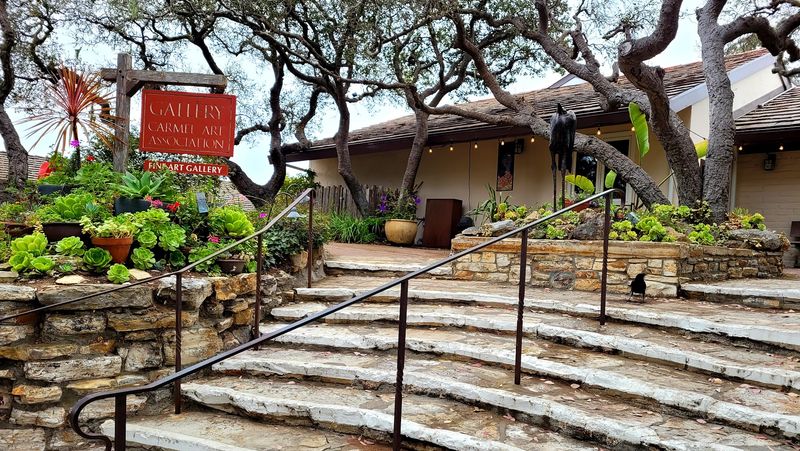
Nearly 100 art galleries are packed into just one square mile of Carmel, a concentration that reflects an artistic identity stretching back well over a century.
The range of work on display is genuinely wide, moving from 19th-century Impressionist landscapes to contemporary sculpture, fine art photography, and hand-blown glass pieces.
Many of the galleries occupy charming cottage-style buildings that feel like extensions of the artwork inside rather than neutral white-box spaces.
The Carmel Art Association, established in 1927, holds the distinction of being the oldest gallery in the area and continues to feature works from more than 100 professional local artists.
Gallery Sur specializes in striking fine art photography focused on the Carmel and Big Sur coastline, offering a regional perspective that feels deeply connected to the landscape just outside the door.
Mountainsong Galleries presents an expansive collection that includes bronze sculptures, glass art, and custom furniture alongside traditional paintings.
On the second Saturday of each month, the Carmel Art Walk transforms gallery visits into a social evening, with multiple venues participating across the village.
Stopping into galleries without any pressure to purchase is entirely normal here, and most gallery staff are knowledgeable and happy to discuss the work at length.
The density of options means a single afternoon of browsing barely scratches the surface of what is available.
See The Gardens And Architecture At Carmel Mission Basilica
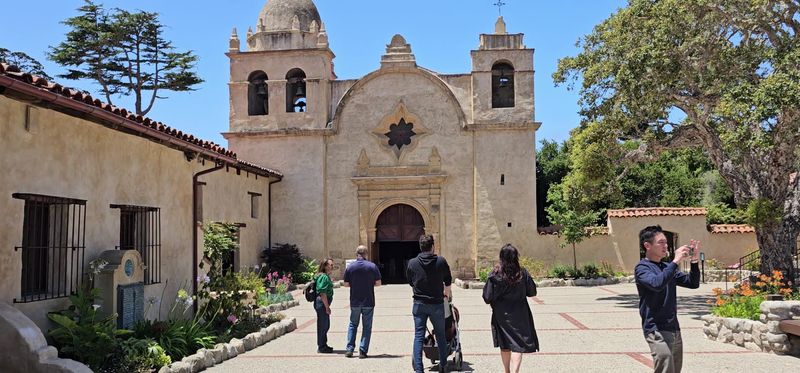
Founded in 1770, the Carmel Mission Basilica stands as one of the most historically significant sites on the entire California coast.
It served as the headquarters for Junipero Serra and was the second mission established in what is now the state of California.
The stone architecture, with its distinctive Moorish tower and sun-bleached walls, has a quiet gravity that sets it apart from almost anything else in the region.
The courtyard gardens are meticulously maintained and open to visitors throughout the week, offering a peaceful space for unhurried exploration.
Four museum galleries within the complex preserve artifacts, historical documents, and personal belongings from the mission period, including the preserved cell where Serra lived and eventually passed away.
Both self-guided and docent-led tours are available, giving visitors flexibility in how deeply they choose to engage with the history.
Admission fees support ongoing restoration work, which has been continuous given the age and complexity of the structure.
Visiting on a weekday morning tends to offer the quietest experience, with fewer crowds moving through the galleries and more time to absorb the details of the architecture and garden plantings.
Explore Mission Trail Nature Preserve Beneath Monterey Pines
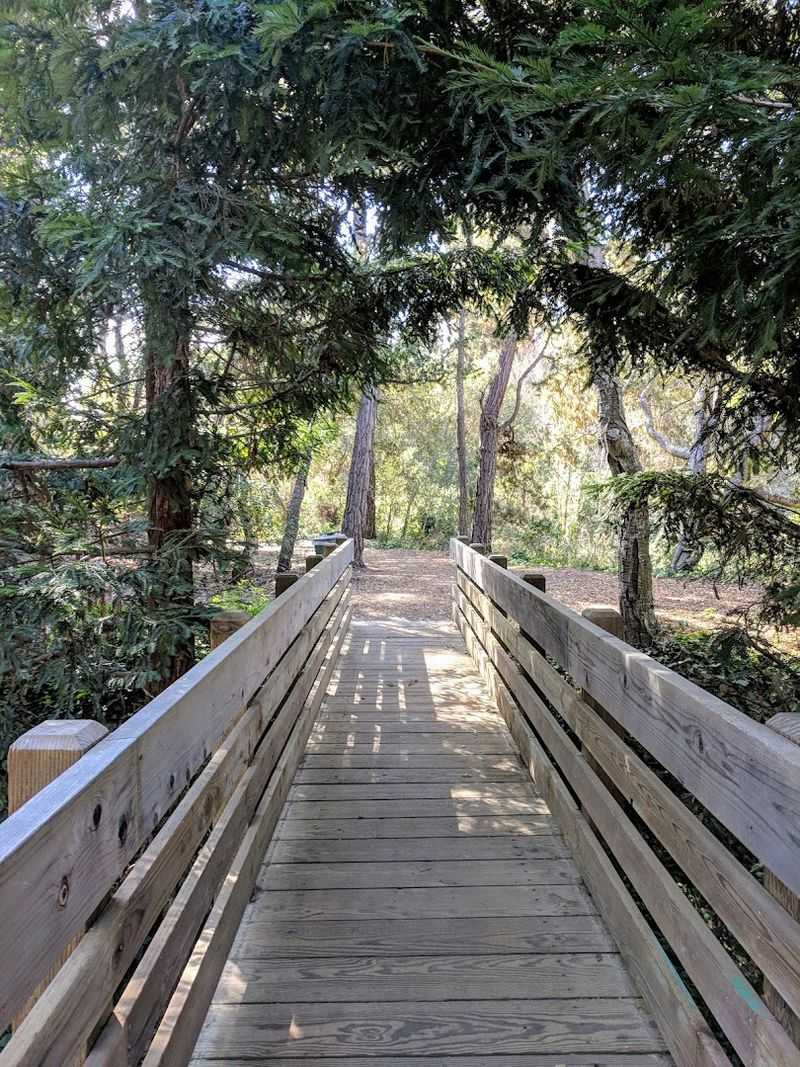
Just a short walk from the center of the village, Mission Trail Nature Preserve opens into a surprisingly dense and quiet forest landscape that feels worlds away from the nearby shops and galleries.
The preserve covers between 34 and 37 acres and contains approximately five miles of trails that wind through Monterey pine forest, coastal live oak woodland, and riparian corridors fed by small seasonal streams.
The canopy overhead filters the light into shifting patterns on the trail surface below.
Access points are available from Mountain View Avenue and from Rio Road, which sits directly across from Carmel Mission Basilica, making it easy to combine both visits in a single outing.
Dogs are welcome off-leash when under reliable voice control, and the trail system sees a steady flow of local dog walkers throughout the week.
Native plants along the trail edges provide habitat for a variety of bird species, and patient walkers may spot woodpeckers, warblers, or white-crowned sparrows moving through the understory.
Trail surfaces are generally well-maintained but include some gentle inclines that may require a slower pace in certain sections.
No fees or permits are needed to enter the preserve, which keeps the experience accessible and low-key.
Morning visits tend to offer the best combination of cool temperatures and active wildlife before the midday warmth settles in.
Catch A Performance Inside The Historic Sunset Center
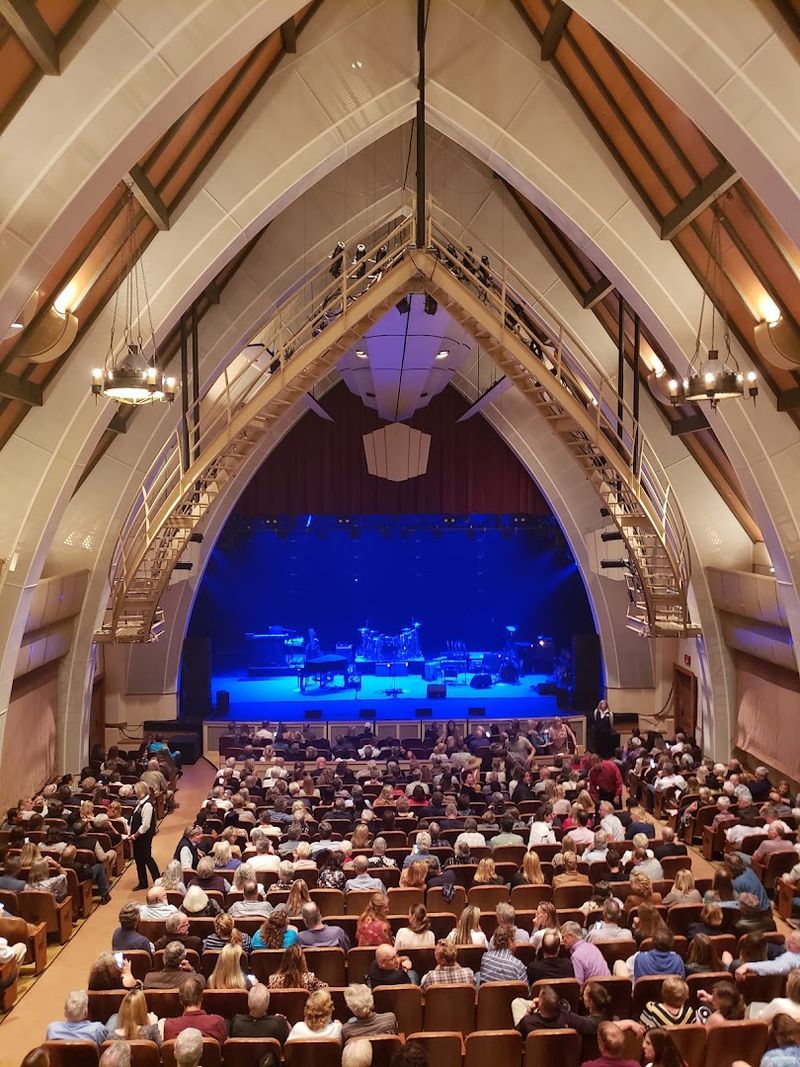
Originally built as the Sunset School in 1926, the Sunset Center has served as Carmel’s primary performing arts venue for decades and carries an architectural character that feels genuinely historic rather than merely old.
The building’s gothic design elements, including arched windows and textured stone surfaces, give it a presence that stands apart from more modern performance spaces.
Inside, the 718-seat theater is known for its warm acoustics and intimate sightlines that make even the back rows feel connected to the stage.
The programming calendar is dense and varied, with over 150 events presented each season spanning classical music, comedy, theatrical productions, and dance performances.
Resident organizations including the Carmel Bach Festival, the Monterey Symphony, and the Carmel Music Society use the space as their primary home venue throughout the year.
Two on-site art galleries extend the cultural experience beyond the main stage, offering rotating exhibitions that are open to visitors even outside of performance evenings.
Checking the center’s schedule in advance is recommended since popular performances tend to sell out, particularly during summer festival season.
The surrounding neighborhood is walkable, making it easy to pair an evening performance with dinner at one of the nearby village restaurants beforehand.
Spend An Afternoon Browsing Independent Bookshops And Boutiques
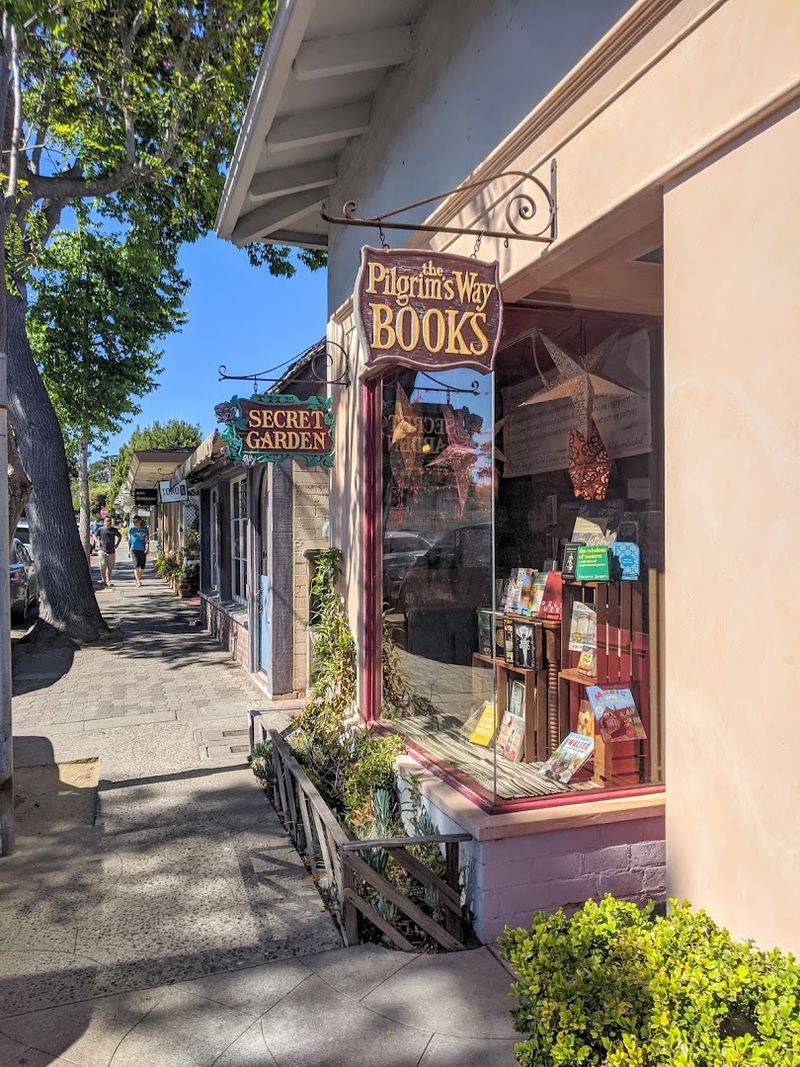
Shopping in Carmel operates on a different rhythm than most retail experiences, favoring slow exploration over efficient errand-running.
The village is home to a collection of locally owned boutiques and specialty shops spread across cottage buildings, hidden courtyards, and charming side streets that reward wandering over planning.
High-end fashion, handcrafted home goods, artisan jewelry, and specialty food items all coexist within a compact and walkable area.
Pilgrim’s Way Bookstore and Secret Garden holds a particularly meaningful place in the village as the only remaining bookstore in Carmel-by-the-Sea.
The bookstore carries a carefully curated selection that spans new releases, classics, personal growth titles, and children’s books.
Behind the shop, a Secret Garden adorned with fountains and statuary provides a peaceful outdoor space to sit with a new book before heading back into the village.
Most boutiques in the area carry inventory that leans toward quality over quantity, reflecting the overall character of the town.
Browsing without purchasing is entirely comfortable in nearly every shop, and staff tend to be knowledgeable about their products without being pushy.
Weekend afternoons bring more foot traffic, so weekday visits offer a quieter and more leisurely browsing experience across the village as a whole.
Watch The Sunset From The White Sand Without Leaving Town
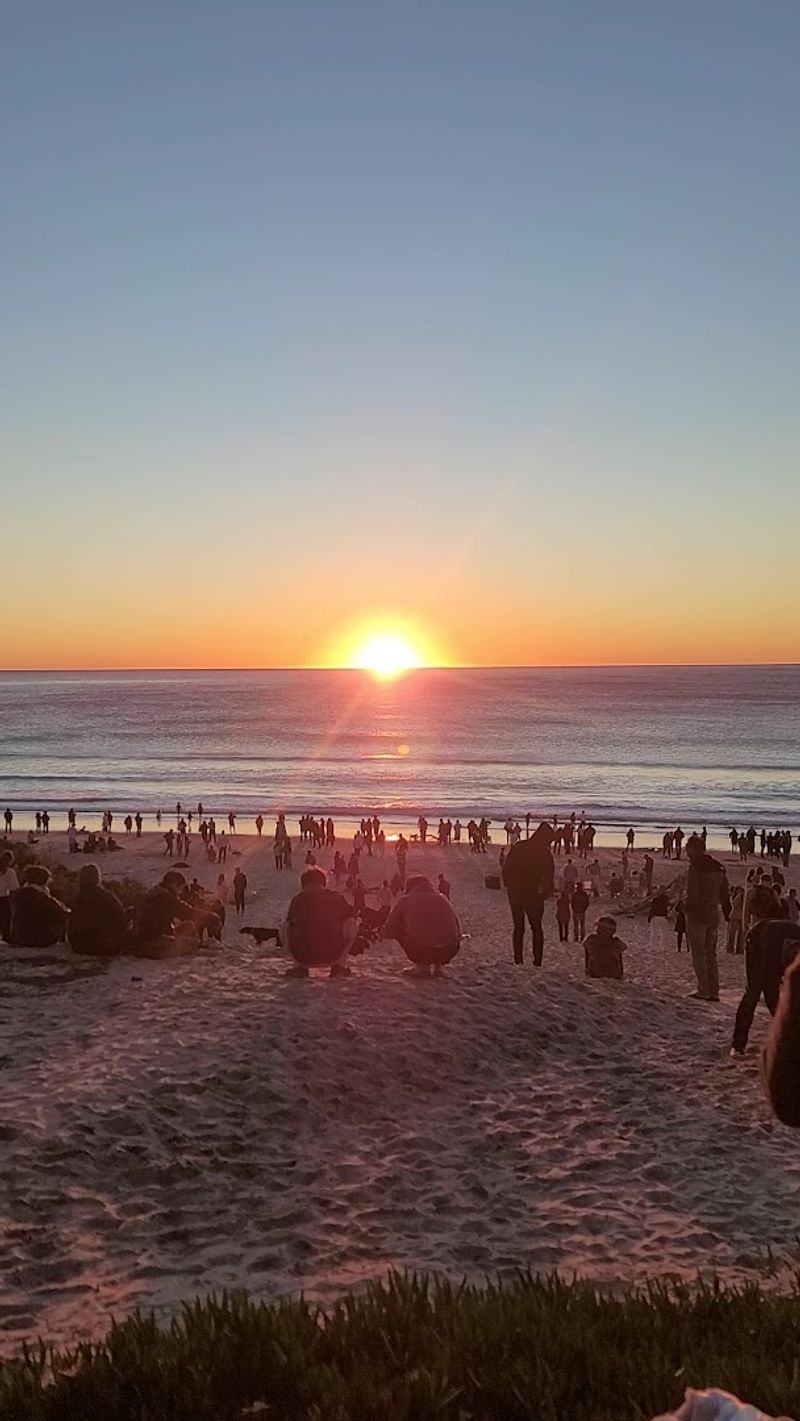
As the afternoon light begins to shift and the air takes on a cooler edge, Carmel Beach transforms into one of the most naturally beautiful sunset-watching spots on the California coast.
The beach faces directly west, which means the sun drops straight into the Pacific Ocean without any obstacles interrupting the view.
The sky tends to move through a wide range of colors, from pale gold near the horizon to deeper amber and rose spreading upward into the fading blue.
Monterey cypress trees along the bluff create dramatic silhouettes that frame the scene without competing with it, adding a sense of depth and wildness to what could otherwise be a straightforward beach sunset.
Arriving roughly 30 to 45 minutes before the sun reaches the horizon allows enough time to find a comfortable spot and settle in before the main event begins.
The wet sand near the waterline catches the reflected colors and extends the visual display across the beach surface in a way that makes the whole scene feel larger than it is.
Layered clothing is a practical necessity since the coastal air cools quickly once the sun drops below the waterline.
Blankets and light jackets are common sights among regular sunset watchers here.
The walk back up to the village takes only a few minutes, making it easy to transition from the beach directly into the warm lights of the evening without any complicated logistics.