The 5,844-Acre Georgia State Park That So Many People Haven’t Discovered
Everyone crowds the same three parks. You know the ones.
Packed trailheads, full parking lots, a line just to snap a photo at the overlook. Meanwhile, one of the largest state parks in Georgia sits quietly with nearly six thousand acres and barely a fraction of the foot traffic.
I found it almost by accident, following a thin gray line on a map with no plan at all. What waited there stopped me cold.
Deep gorges, waterfalls pouring through rock, and trails where the only sound was my own footsteps. No crowds.
No noise. Just Georgia showing off with almost nobody around to see it.
The whole drive home I kept asking the same question. How does a place this big and this beautiful stay this overlooked?
By the end, you will be planning your own trip.
A Conservation Area Unlike Any Other Georgia Park
Not every state park earns the title of conservation area, but this one wears it proudly. Spanning a remarkable 5,844 acres of North Georgia wilderness, the scale here is genuinely hard to wrap your head around.
Most visitors arrive expecting a simple trail loop and leave completely stunned by what they found.
Cars are not allowed past the main parking area. That single rule changes everything about how you experience the land.
You slow down, breathe deeper, and start noticing things you would have rolled right past from a car window.
The park sits at 61 Tsalaki Trail, Helen, GA 30545, and it operates as a true working conservation area managed by the Georgia Department of Natural Resources. Smithgall Woods State Park is not just preserved land.
It is actively restored, studied, and protected with real intention and care.
The visitor center sets the tone perfectly. Staff greet you with trail maps, genuine enthusiasm, and a taxidermy exhibit that surprises almost everyone.
Rangers here actually know their stuff, and that knowledge is contagious.
The Trail System That Rewards Every Fitness Level
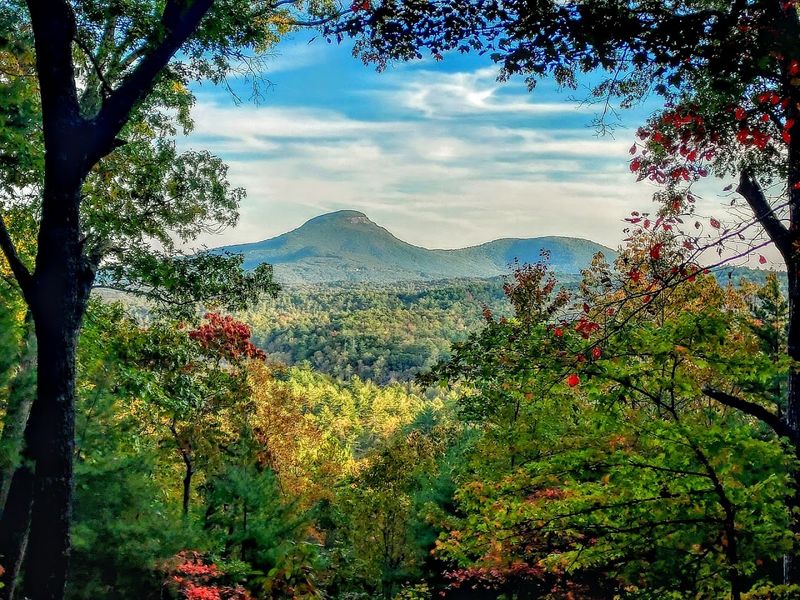
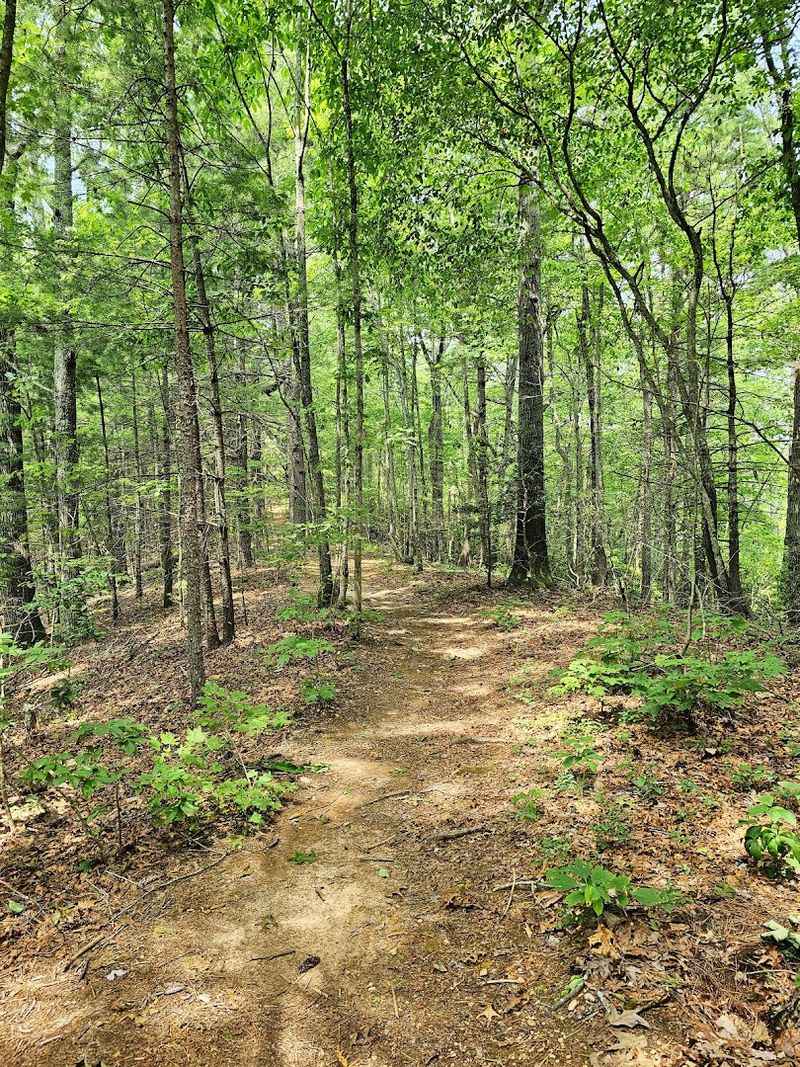
Five miles of hiking trails and 18 miles of roads give visitors plenty of ways to explore the park on foot or by bicycle. Some are paved and smooth enough for strollers.
Others cross creek beds and climb steep ridges that will make your calves argue with you.
The Laurel Ridge Trail is a crowd favorite for good reason. It offers a view of Mount Yonah, especially during seasons when foliage is lighter.
At just under two miles, it is challenging enough to feel earned but accessible enough for most fitness levels.
Martin’s Mine Loop takes you past an old abandoned gold mine shaft from the 1800s. The park thoughtfully provides pink informational flyers at the visitor center to guide you through the history at each stop.
That little detail makes the walk feel like a real adventure rather than just exercise.
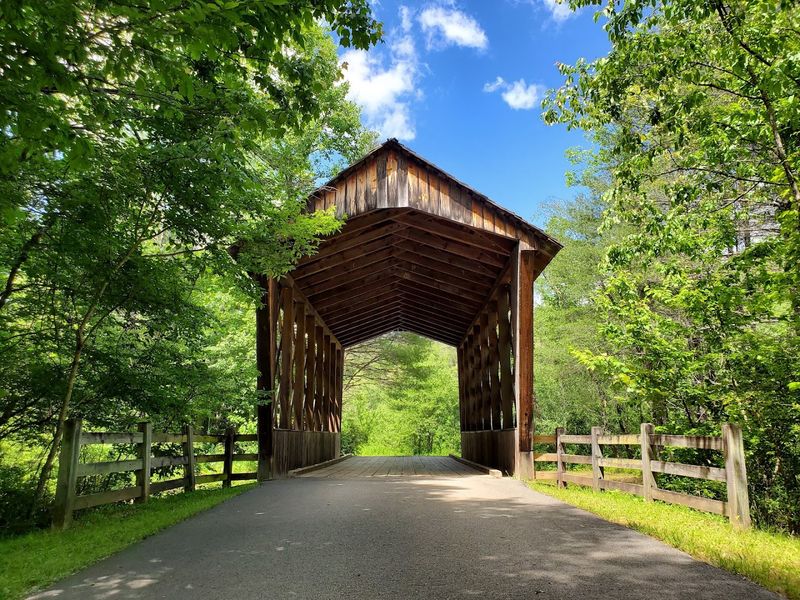
For families, the main paved road offers a gentle incline followed by a satisfying downhill return. Kids can splash near the covered bridge area.
Dogs are welcome on the trails, which makes this place a genuine win for the whole crew.
Dukes Creek And The Art Of Catch-And-Release Trout Fishing
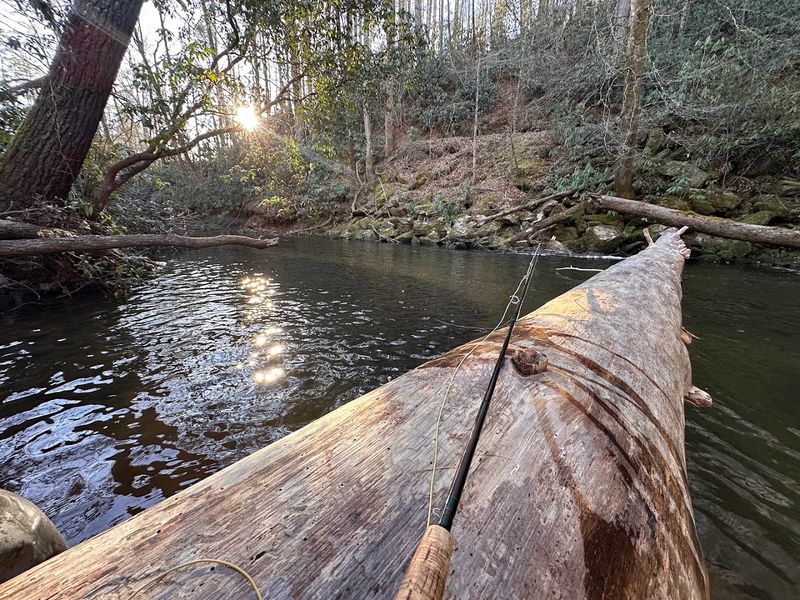
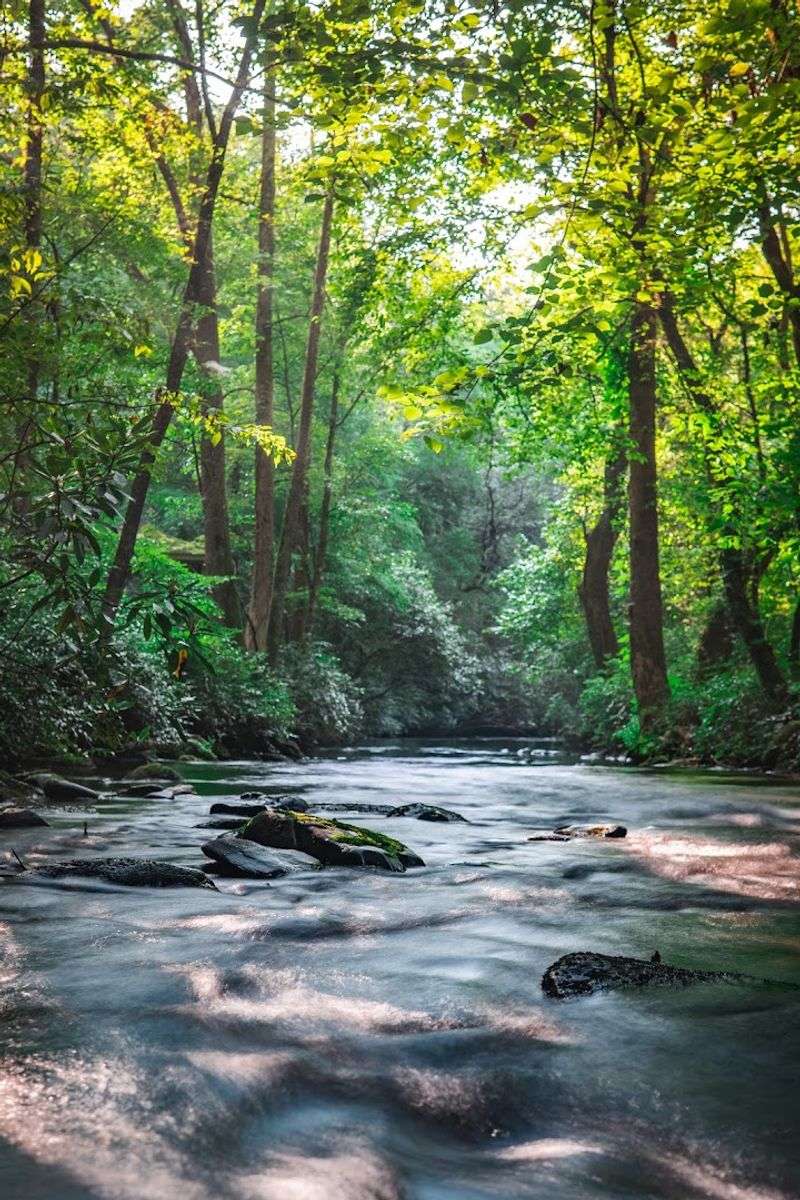
Dukes Creek does not mess around. This crystal-clear mountain stream is considered one of the premier trout fisheries in all of North Georgia.
Anglers who have fished it once tend to rearrange their calendars to come back.
Fishing here is catch-and-release only, and reservations are required for day visitors. That system keeps the experience calm, uncrowded, and genuinely high quality.
You are not fighting twenty other people for the same stretch of water.
The creek has serious historical weight too. Dukes Creek is associated with one of Georgia’s earliest documented gold discoveries, dating to 1828.
Old mine tailings are still visible along the trails nearby, which gives the whole area a layered, time-travel kind of feeling.
The sound of moving water follows you through much of the park. Even if you are not fishing, the creek adds something calming to every hike nearby.
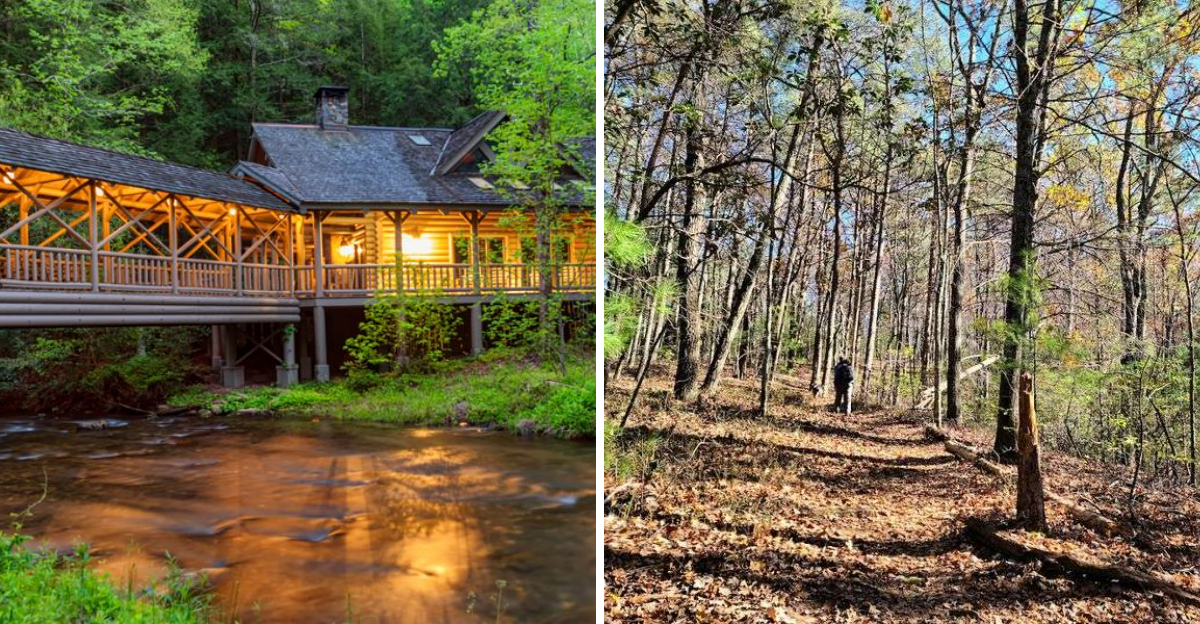
There is a covered bridge crossing the creek that becomes a natural gathering point for visitors wanting to pause and take it all in. It is one of those spots where people just stop talking and listen.
Wildlife That Actually Shows Up
Seeing a black bear on a trail is the kind of story you tell for years. At least one visitor has had exactly that experience here, watching a startled bear crash through the underbrush and disappear into the trees.
The park is genuinely wild in the best possible way.
White-tailed deer are common sightings, especially in the early morning. Wild turkeys strut across the main road without much concern for human schedules.
Hawks circle overhead, herons stand motionless in the creek shallows, and beavers have claimed certain wetland areas as their own.
The diversity here reflects decades of active habitat restoration. Before Charles A.
Smithgall Jr. began the process of reclaiming this land, it had been heavily damaged by hydraulic gold mining and logging. He gift-sold the property to the state in 1994, and nature has been making a comeback ever since.
Near the visitor center, you can spot rare Florida Torreya trees growing in an open field. These unusual cedars are considered endangered, which makes their presence here genuinely significant.
The park also maintains active beehives on the property, which adds another unexpected layer of ecological purpose.
The Visitor Center That Actually Teaches You Something
Most visitor centers get a quick glance and a map grab before people head outside. This one earns a proper stop.
The taxidermy exhibit inside is genuinely impressive, featuring local wildlife displayed with real educational context rather than just mounted trophies.
The interpretive displays cover the park’s gold mining history, its restoration story, and the current conservation efforts underway. It is the kind of place where you walk in thinking you will spend five minutes and end up staying thirty.
Kids especially tend to get hooked by the interactive elements.
Staff and rangers are available to answer questions, suggest trail combinations, and point out what is currently blooming or active in the park. That kind of real-time local knowledge is genuinely useful.
No app replaces a ranger who walked the trails that morning.
A small gift shop offers souvenirs and a vending machine provides water and drinks for those who forgot to pack enough. Clean restrooms are available near the center.
Picnic tables sit in a nearby field, making the visitor center area a comfortable base before you head deeper into the park.
Spring Wildflowers And Seasonal Beauty Worth Timing
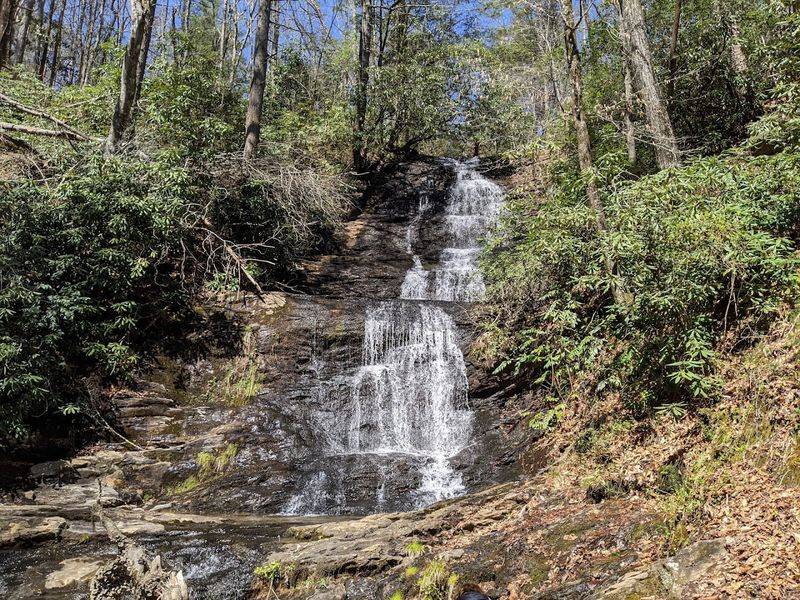
Timing a visit to catch the spring wildflower bloom here is one of those decisions that feels almost too good to be true. The marsh trail in particular transforms into something genuinely breathtaking when the wildflowers peak.
Visitors who have stumbled onto it in season describe it as glorious, and that word actually fits.
Fall is equally spectacular. The surrounding hardwood forests shift into full color mode, and the trail system becomes a moving painting of orange, red, and gold.
Weekday visits during fall foliage season mean you often have entire stretches of trail completely to yourself.
Summer brings a different kind of reward. The creek crossings that some trails require become refreshing rather than inconvenient.
The tree canopy provides enough shade that even warm days feel manageable on the main paved road.
Winter visits are underrated here. The bare trees open up long sightlines through the forest that are impossible in other seasons.
The quiet is even deeper in winter, and the lack of crowds means you might genuinely spend hours without crossing paths with another person. Each season makes a strong argument for coming back.
Luxury Cottages That Redefine Camping Expectations
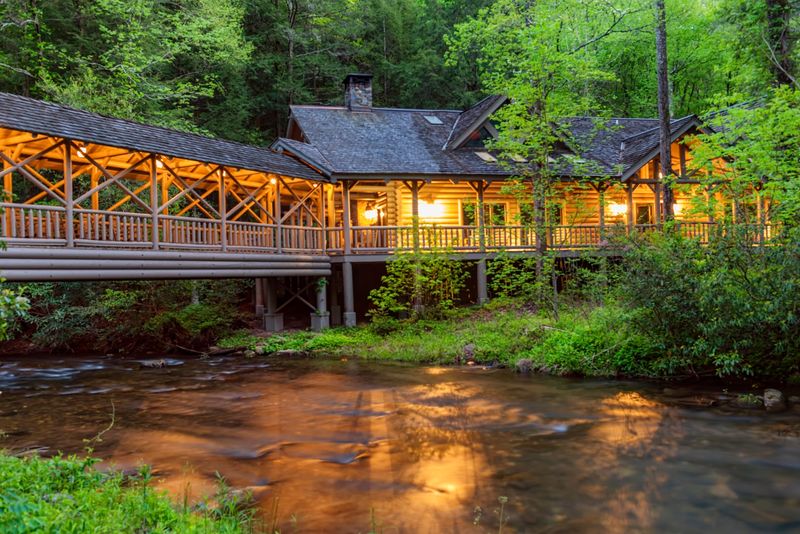
Roughing it is overrated when the alternative looks like this. The six cottages available for overnight stays at this park are a genuine surprise.
These are not the bare-bones cabins you might expect from a state park. They are fully equipped, thoughtfully decorated, and seriously comfortable.
The cottages carry names like Creekside, Smithgall, Dover, Parkside, Garden, and Laurel. Together they offer a total of 17 bedrooms across various configurations.
Some feature private hot tubs. Others have porches that sit directly above the sound of running water.
Staying overnight unlocks something that day visitors simply cannot access. The park quiets down in the evening in a way that feels almost surreal.
Morning light through the trees hits differently when you have had eight hours of mountain air sleep.
A dedicated one-mile trail connects the cottage area to Dukes Creek Falls. That kind of exclusive access adds real value to an overnight booking.
The falls are worth the hike on their own, but reaching them from your front porch before breakfast makes the whole experience feel like something you planned for years. Cottage reservations fill up, so booking early is strongly recommended.
Guided Tours And Programs That Go Beyond The Trail Map
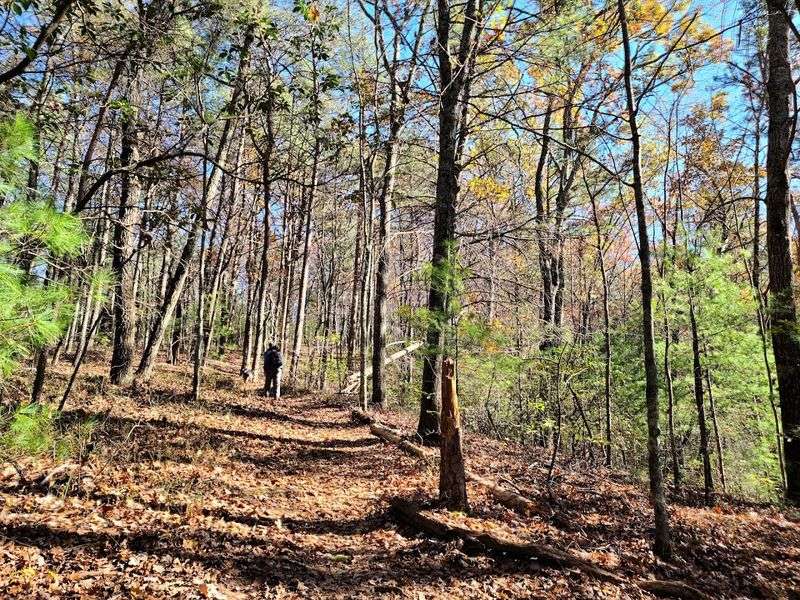
Showing up with just a trail map is perfectly fine, but showing up for a guided tour is a completely different experience. The park offers guided bus tours that cover ground and history you would likely miss on your own.
These tours have earned enthusiastic responses from visitors who expected something basic and got something genuinely informative.
Guided hikes happen on the second Saturday of each month. These are ranger-led walks that focus on the park’s ecology, restoration story, and current wildlife activity.
Spots fill up, so checking ahead with the visitor center before your visit is a smart move.
The first Saturday of each month brings a different type of guided tour, offering a broader overview of the conservation area. Between these programs, the park also runs educational events tied to seasonal changes and specific wildlife activity.
It is a surprisingly active calendar for a place this peaceful.
Even without a guided program, picking up the pink informational flyer at the visitor center before hitting the Martin’s Mine Loop makes a noticeable difference. The flyer maps out specific points of interest along the trail.
That small piece of paper turns a walk into a genuinely educational experience worth every step.
Why This Park Stays Peaceful Even When The Lot Is Full
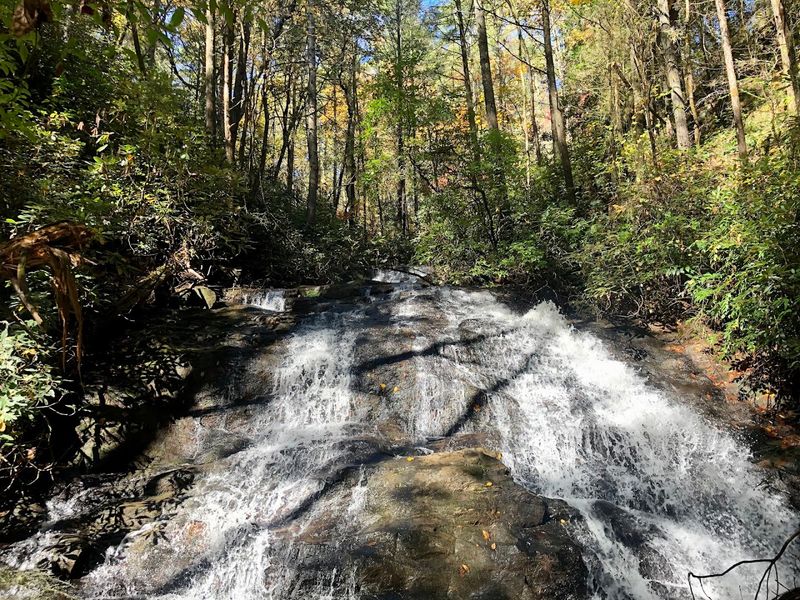
A full parking lot at most parks means crowded trails and zero personal space. Here, the math works differently.
Five thousand acres absorbs visitors in a way that smaller parks simply cannot manage. People spread out naturally across the trail system, and within minutes of leaving the parking area, the crowd disappears.
The no-vehicle policy past the main lot is the biggest factor. Without cars pushing deeper into the park, noise levels stay remarkably low.
The loudest thing you are likely to hear is the creek or a woodpecker working on a dead oak somewhere above you.
The trail variety also helps distribute visitors across the property. Some people head straight for Laurel Ridge.
Others go for the covered bridge. A few wade into the creek crossings on Ash Creek Trail.
The park essentially sorts itself out without any management effort required.
A $5 vehicle parking fee applies at entry, which is genuinely reasonable for what you get. Visitors should check the park’s current fee information before arriving, as parking fees and pass options may change.
The fee helps maintain what makes this place worth visiting in the first place. Quiet, clean, well-managed, and honest about what it is.
That combination is rarer than it should be.