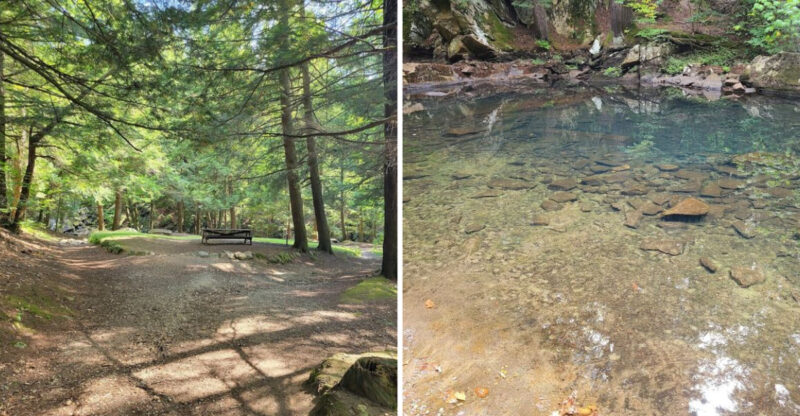
10 Must-Try July Day Escapes Just Outside Boston, Massachusetts
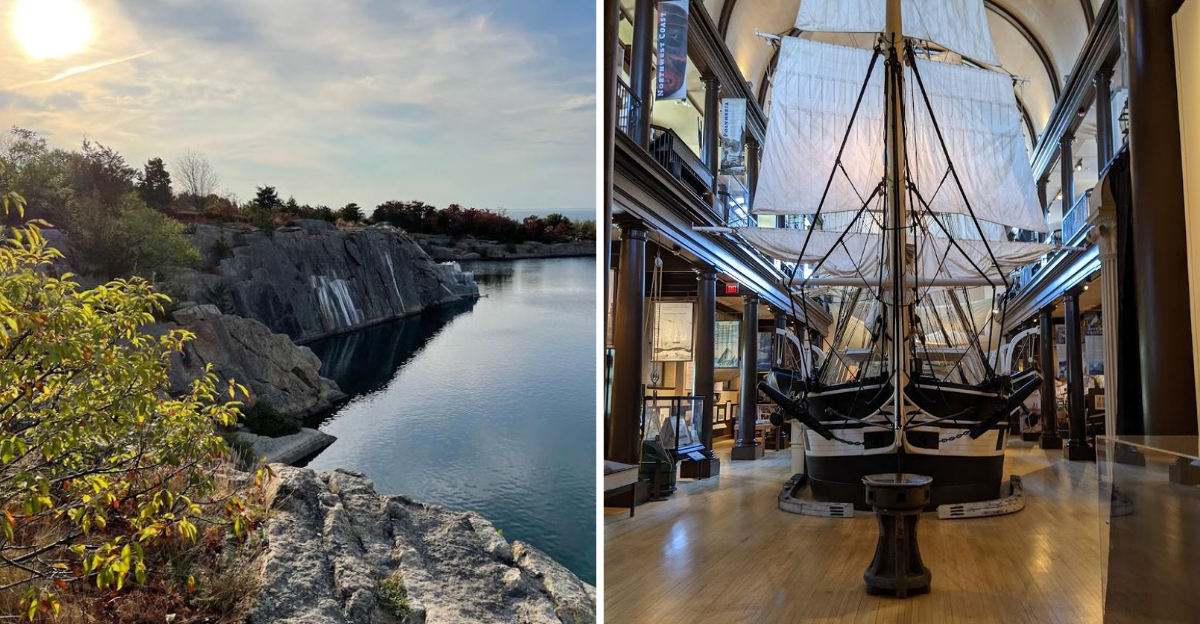
City summers can make you feel like you are missing out. The pavement bakes while real adventure waits nearby.
Just past the big city, Massachusetts opens up fast. Wild coastlines and chilling history sit within easy reach.
July is the ideal month to load a bag and go. I have taken these drives and never regretted one.
Some lead to crashing surf, others to eerie old sites. You return with stories that outlast any sunburn. The contrast from downtown feels almost unreal.
These escapes make a single day feel huge. Sea breeze replaces the humid haze. The best summers happen just past the city limits.
1. Salem Witch Museum
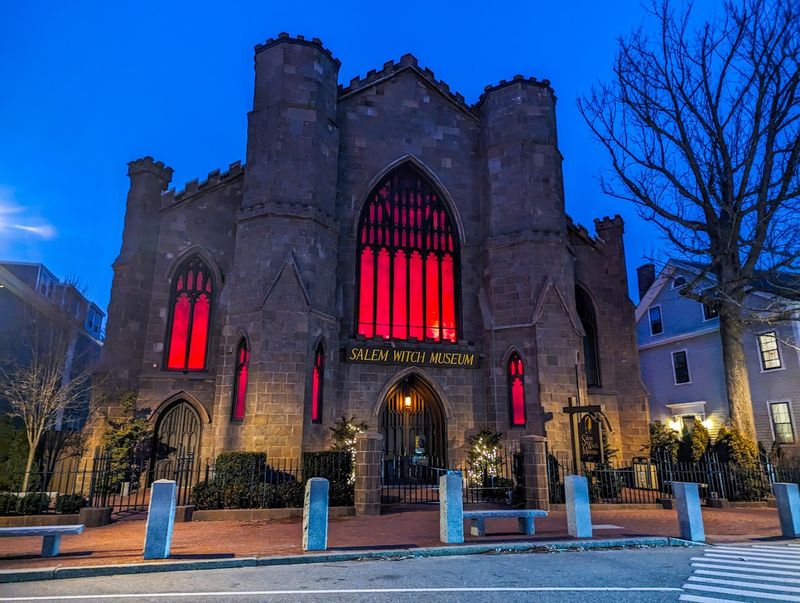
History gets uncomfortable here, and that is exactly the point.
The Salem Witch Museum at 19 1/2 N Washington Square, Salem, brings the events of 1692 to life in a way that feels urgent and real.
The large stage presentations use life-size figures and dramatic lighting to walk you through the trials that changed a community forever.
What makes this place stand out is how it balances storytelling with honesty. You learn about fear, community pressure, and what happens when people stop asking questions.
It is heavy material, but presented in a way that a middle schooler and an adult can both absorb and discuss on the drive home.
Salem in July is lively without being overcrowded like it gets in October. The surrounding area has great food, quirky shops, and a harbor worth strolling.
Plan at least three hours here, and consider buying tickets online in advance. The museum does not just show you what happened. It asks you why, and that question follows you out the door.
2. Plimoth Patuxet Museums
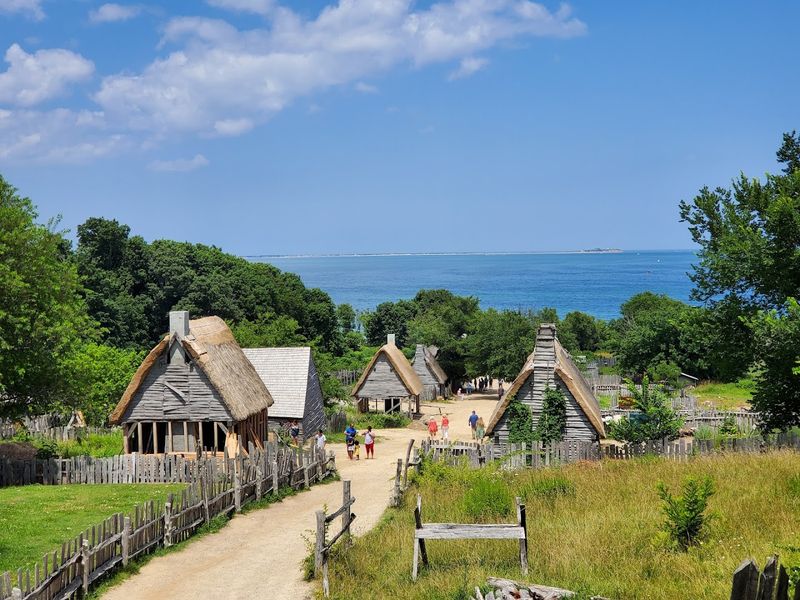
Standing inside a recreated 1620s Pilgrim village while someone in period clothing explains how to make a fire without matches is a genuinely strange and wonderful experience.
Plimoth Patuxet at 137 Warren Ave, Plymouth, is one of the most immersive history museums in New England. It is not a dusty exhibit hall.
It is a living, breathing recreation of early colonial and Wampanoag life.
The Wampanoag Homesite is the part most visitors remember longest. Indigenous educators share their own history in their own words, which makes the experience feel grounded and important rather than performative.
The Mayflower II, a full-scale replica of the original ship, is also part of the experience and is genuinely impressive up close.
July is a fantastic time to visit because the outdoor areas are fully operational and the summer programs are running. Kids are especially drawn in by the hands-on demonstrations like canoe building and cooking over open fires.
Bring sunscreen because you will be outside for most of the visit. Budget around four to five hours and pack a lunch to eat by the waterfront. This one earns its reputation every single time.
3. Hammond Castle Museum
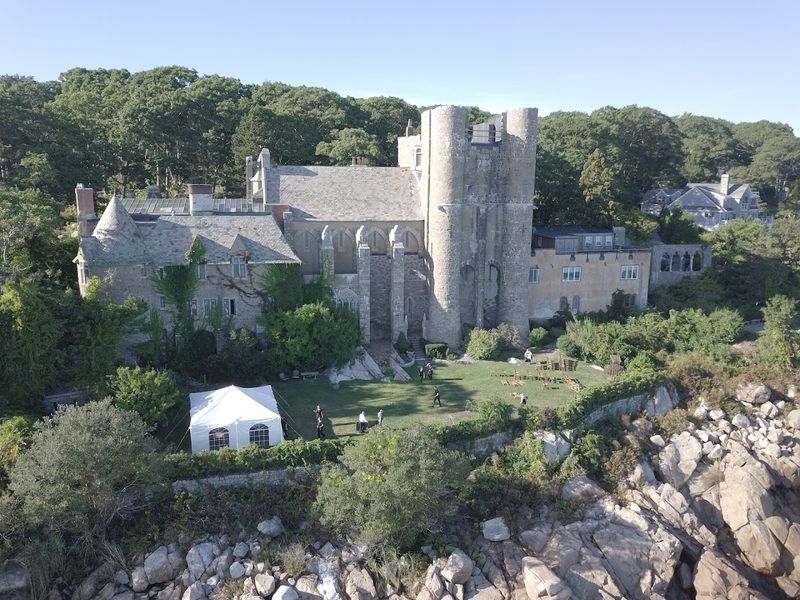
Somebody built a medieval castle on a cliff above the Atlantic Ocean in Massachusetts, and somehow that is not the most surprising part.
Hammond Castle Museum at 80 Hesperus Ave, Gloucester, was built by inventor John Hays Hammond Jr. in the late 1920s as both his home and a showcase for his collection of Roman, medieval, and Renaissance artifacts.
The man held over 400 patents. He also apparently loved drama.
Walking through the great hall, the indoor courtyard with a pool, and the rooms filled with European antiques feels like stumbling into a fantasy novel.
The pipe organ inside is one of the largest residential organs ever built. Hammond reportedly used it to serenade guests during dinner parties. That detail alone makes the visit feel worth it.
The castle sits right on the rocky Gloucester coastline, so the views from the grounds are stunning on a clear July day. The combination of architectural wonder and ocean scenery makes it one of the most photogenic spots on this entire list.
Tours run regularly throughout the summer. Go with someone curious, because you will have a lot to talk about on the way home.
4. Crane Beach
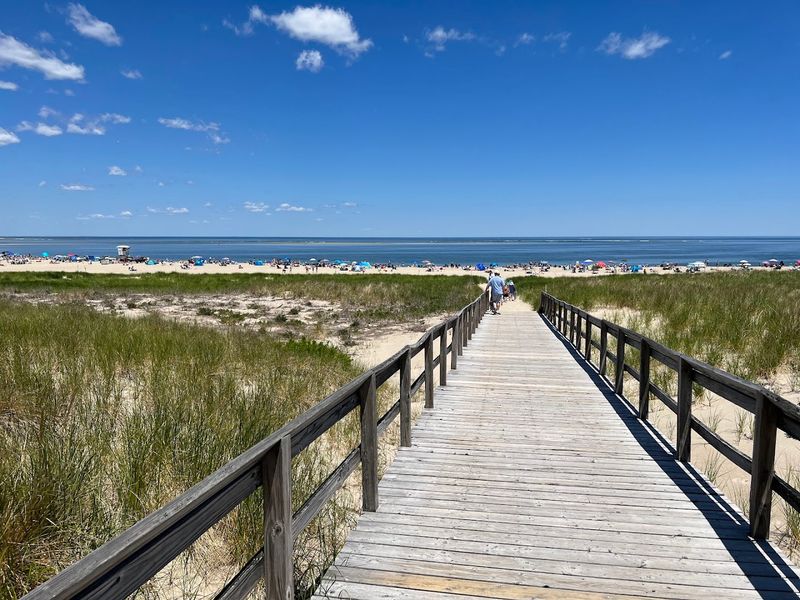
Not all beaches are created equal, and Crane Beach in Ipswich makes that point immediately.
The moment you crest the boardwalk and see four miles of clean white sand stretching ahead of you, it is hard not to feel a little triumphant. This is not a crowded boardwalk scene.
It is a proper barrier beach with dunes, clear water, and enough space to actually relax.
The beach is part of a larger reservation managed by The Trustees of Reservations. Behind the sand, there are trails through the dunes and salt marsh that are genuinely peaceful.
Birders love this place, and even if you are not into birds, spotting a great blue heron standing in the marsh is pretty cool.
July mornings are the sweet spot here. The parking lot fills up fast on hot weekends, so arriving before 9 a.m. is a real strategy, not just advice.
The water is cold by most standards but refreshing in the July heat. Bring a picnic because the snack bar lines get long.
Located at Crane Beach Road in Ipswich, this spot consistently ranks among the best beaches in New England, and after one visit you will understand exactly why.
5. Norman Rockwell Museum
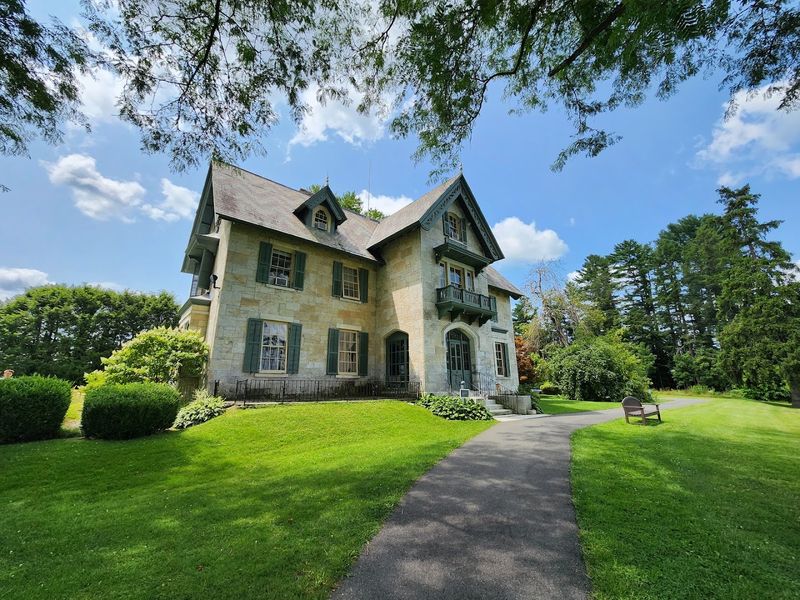
You think you know Norman Rockwell because you have seen his Saturday Evening Post covers on greeting cards.
Then you walk into the Norman Rockwell Museum at 9 Glendale Rd, Stockbridge, and realize you had no idea.
The originals are enormous, detailed, and emotionally precise in a way that reproductions simply cannot capture. Standing in front of them, you feel the full weight of what he was doing.
The museum holds the largest collection of Rockwell’s original art in the world, including his personal studio which was moved to the grounds. Walking through the studio is oddly moving.
His brushes, his reference photos, his easel. It all sits exactly as he left it, and the light through the windows is the same light he worked in for decades.
Stockbridge itself is a gorgeous western Massachusetts town that feels untouched by time. The drive out from Boston takes about two hours, but the Berkshires scenery makes it feel shorter.
July programming at the museum often includes outdoor events and family activities.
Plan to spend at least two and a half hours inside, then walk the grounds and breathe the air. It is the kind of afternoon that resets your perspective completely.
6. Parker River National Wildlife Refuge
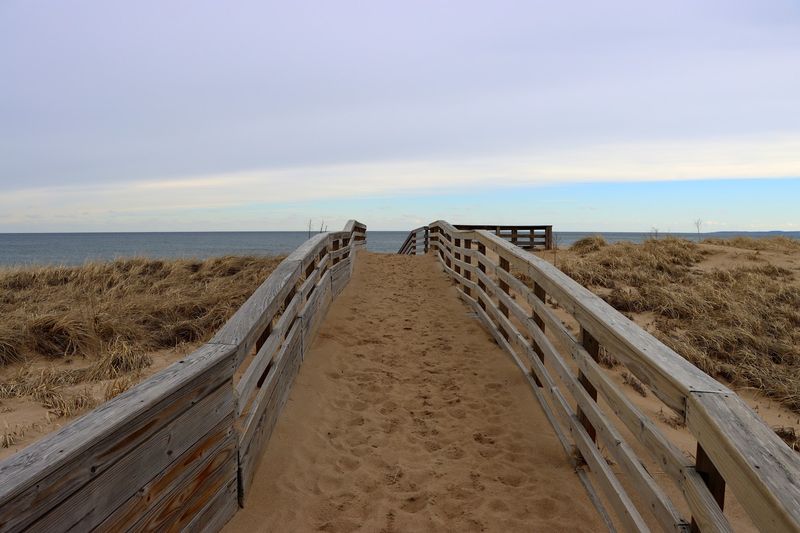
There is something quietly thrilling about a place where the wildlife outnumbers the visitors.
Parker River National Wildlife Refuge on Refuge Rd in Newbury stretches across Plum Island, one of the longest barrier islands on the New England coast.
In July, the marsh is buzzing with life, and the beach on the ocean side is wild and beautiful in a completely different way than a typical summer destination.
The refuge is home to hundreds of bird species, and July is prime time for shorebird migration. Even casual visitors end up stopping to watch oystercatchers, egrets, and piping plovers doing their thing along the water’s edge.
Bring binoculars if you have them. Borrow a pair if you do not.
The trails range from easy boardwalk loops through the marsh to longer beach walks. The combination of ecosystems packed into one narrow strip of land is genuinely impressive.
Note that parking is limited and the refuge can reach capacity on peak summer days, so an early start is smart. The entrance fee is modest, and the experience is anything but.
This is one of those places where you arrive planning to stay an hour and leave two hours later wondering where the time went.
7. Halibut Point State Park
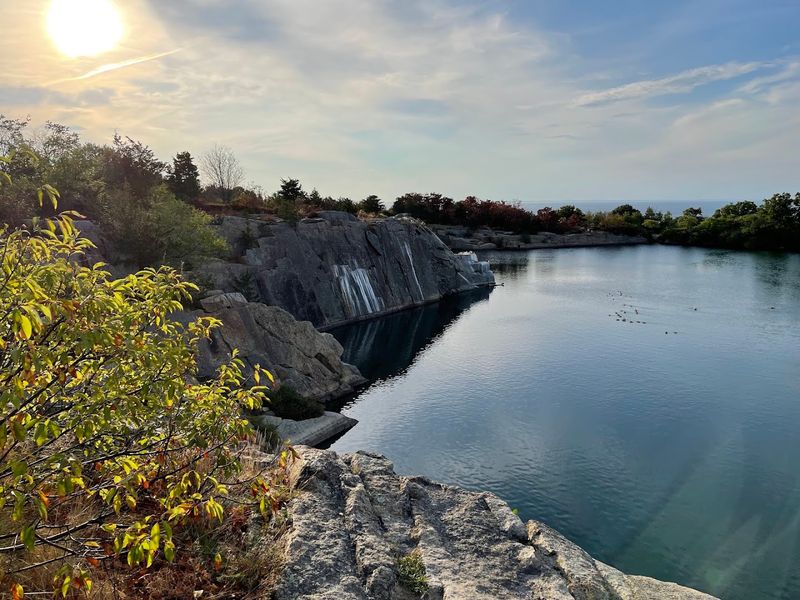
The granite here is ancient, and standing on it makes you feel appropriately small.
Halibut Point State Park on Gott Ave in Rockport sits at the very tip of Cape Ann, and the views from the rocky shoreline stretch all the way to Maine on a clear July day.
This is not a beach day destination. It is a raw, textured, go-stand-on-some-very-old-rocks kind of destination, and it is fantastic.
The park was once a working granite quarry, and the old quarry pit is now filled with water and surrounded by wildflowers. The contrast between the industrial history and the natural beauty is striking.
Short interpretive trails wind through the site and explain how the stone was cut and shipped off to build some of Boston’s most iconic structures.
The tide pools along the shoreline are a highlight, especially for kids. Sea urchins, periwinkles, and tiny crabs make every rock worth flipping.
The surf can be dramatic even on calm days, so stay aware of wave activity near the water’s edge.
Parking is easy and the entrance fee is low. Pair this with a visit to downtown Rockport for lunch and you have a near-perfect July day on the North Shore.
8. New Bedford Whaling Museum
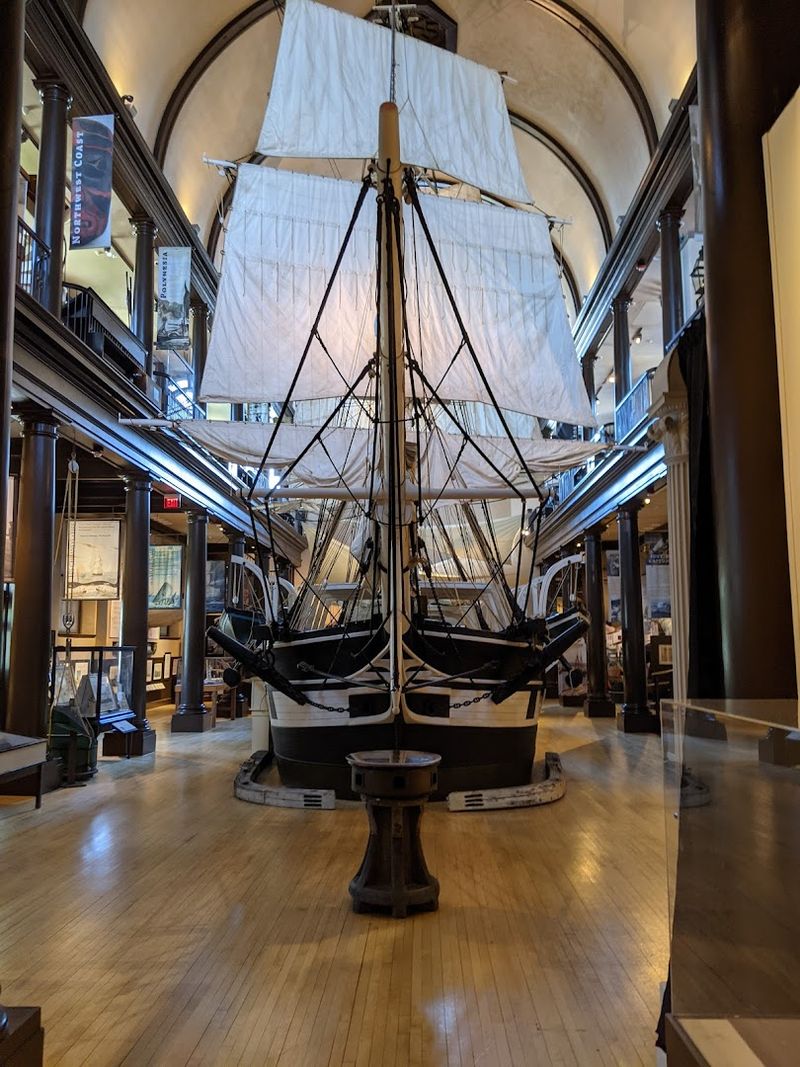
New Bedford was once the richest city per capita in the United States, and it earned every dollar from the sea.
The New Bedford Whaling Museum at 18 Johnny Cake Hill, New Bedford, tells that story with an honesty and depth that makes it one of the most compelling museums in New England.
The half-scale replica of the whaling bark Lagoda sits inside the main hall and is genuinely jaw-dropping.
The museum does not romanticize the whaling industry. It shows the ambition, the danger, the economics, and the global reach of what was happening out of this small Massachusetts port city.
Crews came from around the world, and the multicultural history of whaling is explored with real care throughout the exhibits.
A full blue whale skeleton hangs overhead in one of the galleries, and it stops almost every visitor in their tracks. The research library and art collection are also exceptional for anyone who wants to go deeper.
New Bedford itself is worth exploring after your visit.
The historic district surrounding the museum is a National Historical Park, and the waterfront has excellent seafood. Plan a full day for this one.
The drive from Boston is about an hour, and it is absolutely worth the trip.
9. Walden Pond State Reservation
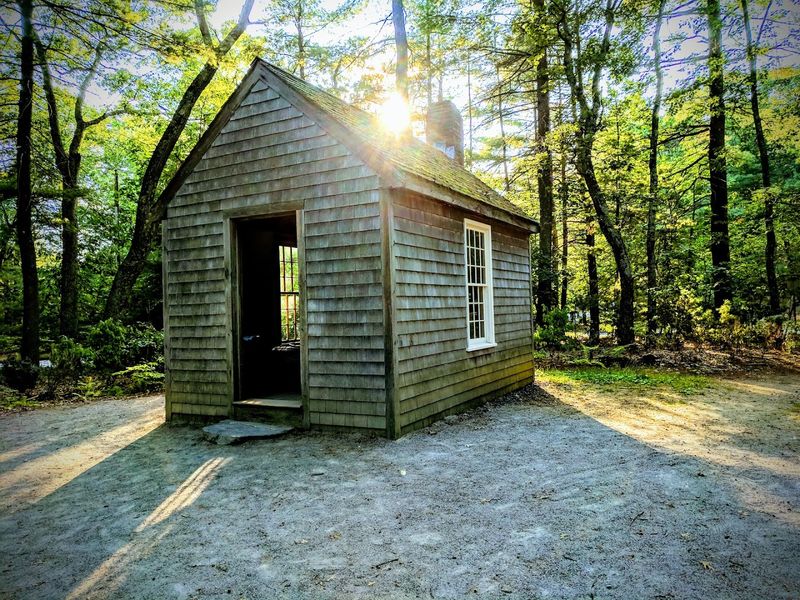
Henry David Thoreau spent two years here trying to figure out what mattered in life.
Most people spend a July afternoon here and leave feeling like they understand the impulse completely. Walden Pond State Reservation at 915 Walden St, Concord, is one of those places that somehow lives up to its reputation even when it is busy.
The pond itself is spring-fed and remarkably clear. Swimming is allowed at the main beach, and the water temperature in July is just right.
The loop trail around the pond is about 1.7 miles and passes the site of Thoreau’s original cabin, marked with a small cairn and a reconstructed cabin nearby. It is a peaceful walk even with other visitors around.
What makes Walden feel different from a typical swimming hole is the weight of the place. Thoreau’s observations about simplicity, nature, and self-reliance were written right here, and that context adds something to the experience that is hard to explain but easy to feel.
Parking fills up fast on weekends, so arriving early is important. The reservation is only about 30 minutes from Boston, making it one of the most accessible escapes on this list.
Bring a book. Thoreau would approve.
10. Cape Cod National Seashore
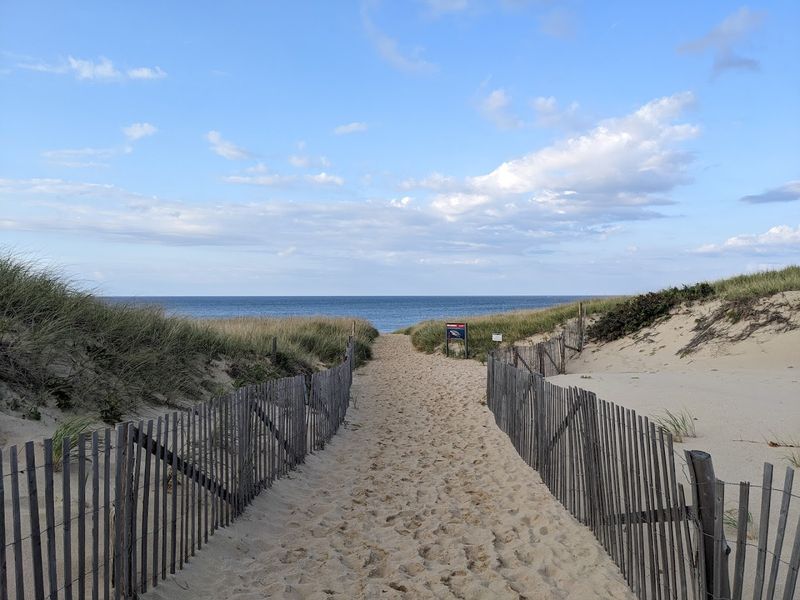
Forty miles of protected coastline, and almost none of it looks like it belongs to a parking lot or a strip mall.
Cape Cod National Seashore, headquartered at 99 Marconi Site Rd, Wellfleet, is one of the most spectacular stretches of natural shoreline on the entire East Coast.
The federal protection that has kept it this way since 1961 is something worth being genuinely grateful for every single time you visit.
The Marconi Beach area offers dramatic views from the bluffs above the Atlantic, and the beach below is wide, clean, and backed by dunes that feel prehistoric.
The site is also where Guglielmo Marconi sent the first transatlantic wireless message in 1903, so the history here goes beyond the natural beauty.
July brings warm water, long days, and enough variety to fill an entire weekend if you wanted to. Hiking trails, bike paths, kettle ponds for freshwater swimming, and historic lighthouses all sit within the park boundaries.
The Cape Cod Rail Trail runs nearby for cyclists.
Parking fees apply at the beach lots, and they fill early on hot days. The drive from Boston is roughly ninety minutes, which feels completely reasonable once you step out of the car and hear the Atlantic.