This Stunning Mansion In Georgia Feels Almost Too Beautiful To Be Real
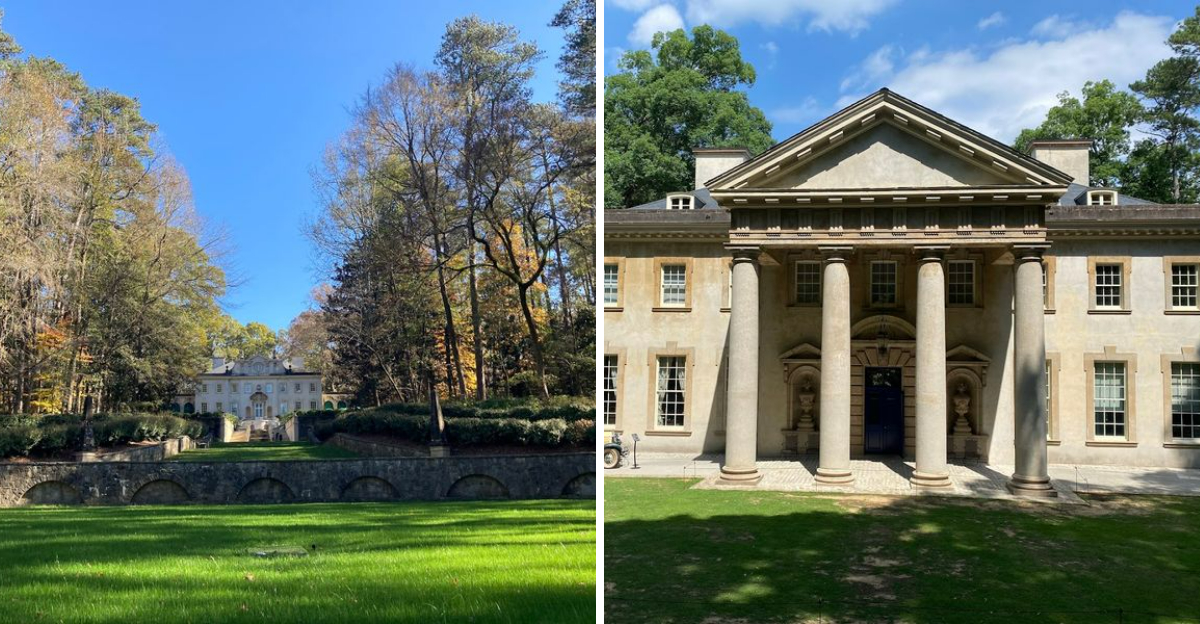
Some places stop you cold the moment you see them. You round a corner, and suddenly there it is. Something so grand and elegant that your brain needs a second to catch up.
I had that exact moment standing before a 1928 mansion that looks like it was lifted straight from a European dream. Trust me, once you see it, you will want to know everything about it.
Georgia hides plenty of surprises, but this one plays in a different league. The gardens alone could fill an afternoon. The architecture makes you question if you are still in the South at all.
Photos do not prepare you for the scale of it. People drive across Georgia just to stand on this lawn, and most of them leave already planning a second visit. This place earns every bit of that devotion.
The Architecture That Makes Your Jaw Drop
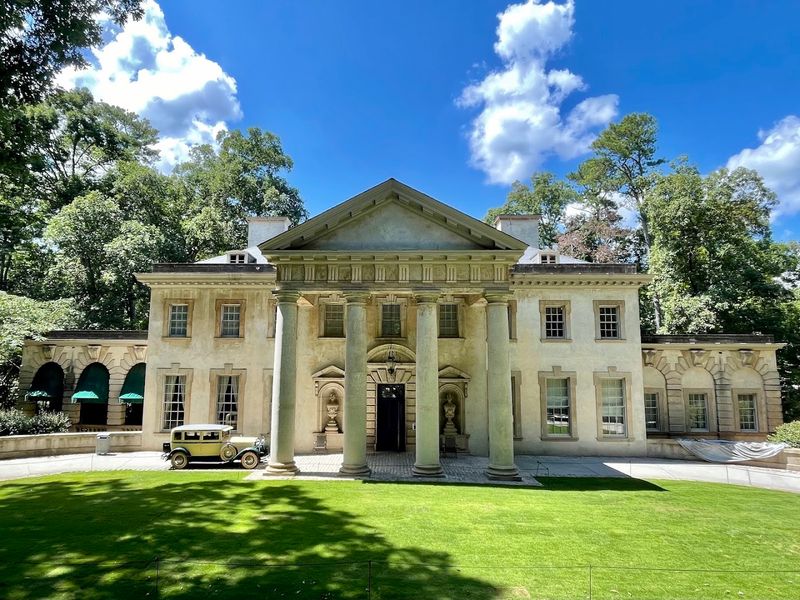
Few buildings in Atlanta command attention quite like this one. The moment you step back and take in the full scale of the structure, your first instinct is to grab your camera.
Every angle offers something new and breathtaking.
Architect Philip Trammell Shutze designed the mansion in an eclectic style, blending Renaissance Revival with Italian and English classical influences. His mastery shows in every carved detail and perfectly proportioned column.
The mansion is widely regarded as one of Philip Trammell Shutze’s finest residential designs.
The eastern facade greets visitors with a grand two-story portico featuring four massive columns and a triangular pediment. It feels less like a home entrance and more like the front of a European palace.
The formal motor court adds to the stately, organized drama of the arrival experience.
Swan House at Atlanta History Center, located at 130 W Paces Ferry Rd NW, Atlanta, Georgia, earns its reputation instantly. The sheer confidence of the design is hard to put into words.
Shutze built something timeless here, and standing in front of it, you feel that weight completely.
The Western Facade And Its Cascading Fountain
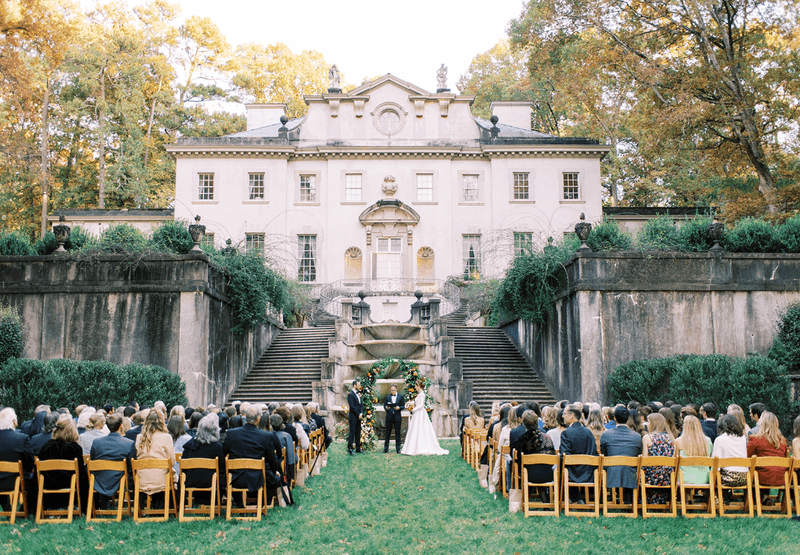
Flip the house around and prepare to be stunned all over again. The western facade is where Shutze truly let his imagination run wild.
It is a masterclass in dramatic, symmetrical design that you simply cannot stop staring at.
Inspired by Rome’s Villa Corsini, this side of the mansion features a five-basin cascading fountain flanked by symmetrical double staircases. The whole composition rises up a sloping hillside in a way that feels almost theatrical.
Water tumbles down through each basin with quiet, steady elegance.
The Italian Mannerist style of this facade creates a visual rhythm that pulls your eye upward and outward simultaneously. Stone, water, and greenery combine here in a way that feels intentional down to the last inch.
It is the kind of view that makes you stop mid-sentence.
Visiting on a sunny afternoon makes this spot even more spectacular. The light catches the water and bounces across the stone in ways a photograph can barely capture.
Plan to spend extra time here because leaving feels genuinely difficult once you have taken it all in.
The Grand Spiral Staircase Inside
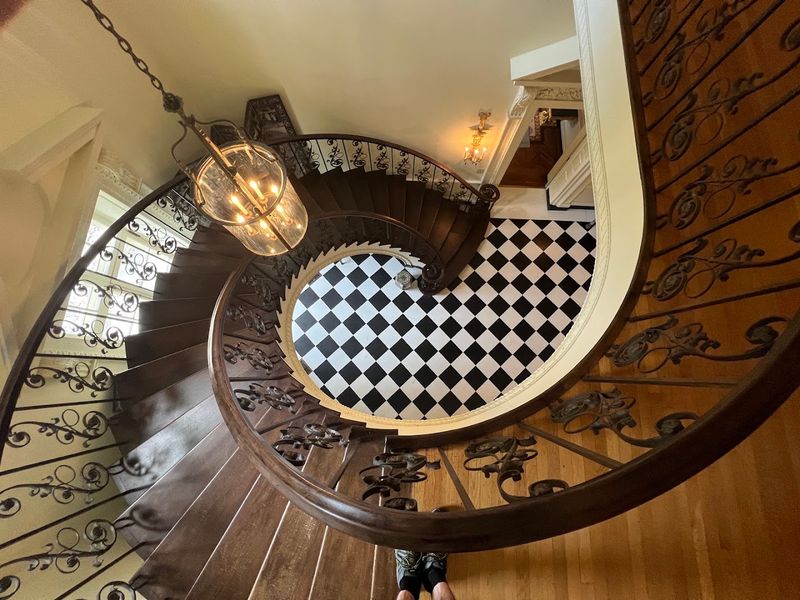
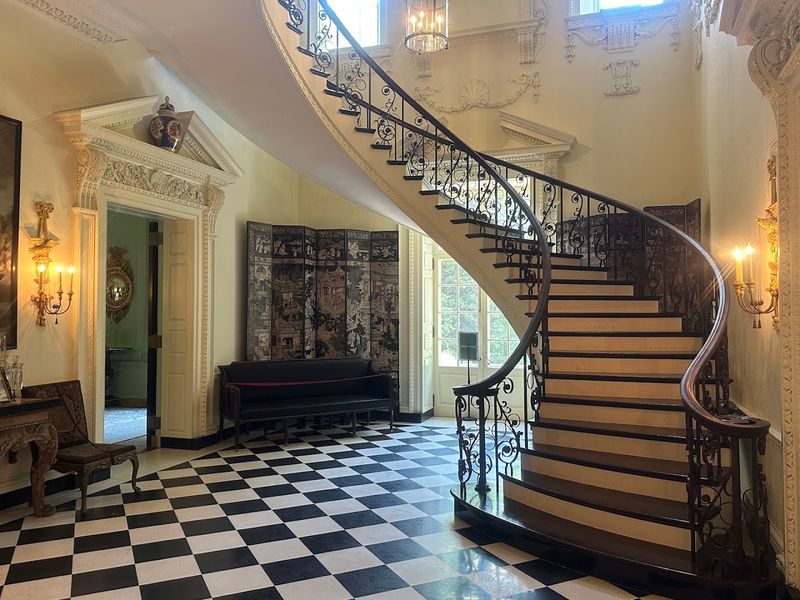
Walking through the front door and seeing the spiral staircase for the first time is a full-stop moment. It rises upward with such graceful confidence that you instinctively lower your voice.
The black and white marble floor beneath it only amplifies the drama.
Emily Inman, the original owner, loved this staircase so much that she famously refused to let her family use it. According to accounts shared by the Atlanta History Center, she preferred family members and guests to use the servants’ staircase to help preserve the main staircase.
That level of dedication tells you everything about how seriously this home was taken.
The craftsmanship on the staircase railing and balusters is extraordinary up close. Each detail feels deliberate and precise, nothing here was rushed or improvised.
Shutze clearly understood that the staircase would become the emotional heart of the interior.
Guides are available throughout the home to answer questions, which makes exploring so much richer. Asking about the staircase usually opens up a fascinating conversation about Emily herself.
She was a sharp, independent woman who managed her own finances during the Great Depression, and her personality is woven into every room here.
The Hand-Painted Dining Room
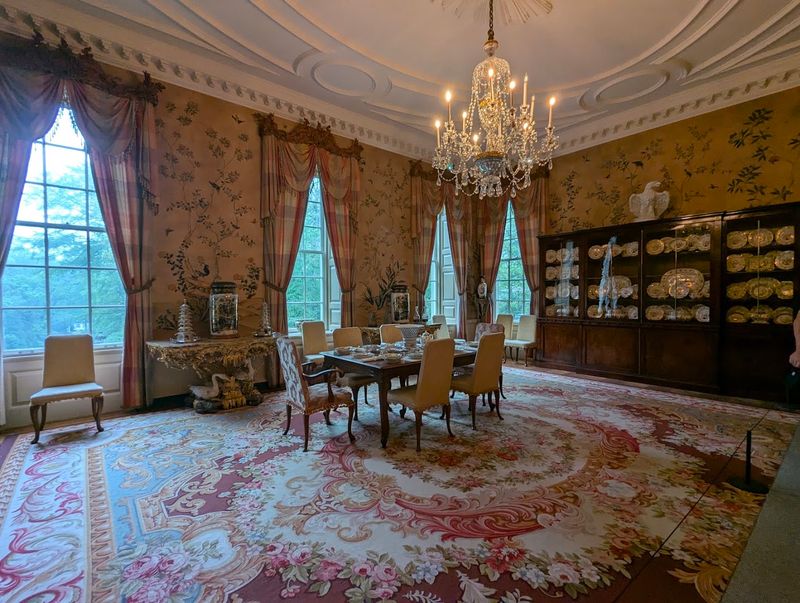
Some rooms exist purely to impress, and the formal dining room here does exactly that without apology. The hand-painted chinoiserie wallpaper wraps every wall in intricate scenes that feel more like art gallery pieces than home decor.
Your eyes keep moving because there is always something new to notice.
Swan motifs appear throughout this room in clever, subtle ways. The side tables feature elegant swan decorations that tie directly to the home’s recurring theme.
Emily Inman had a deep personal affection for swans, and this room reflects that passion most visibly.
The overall color palette in the dining room is rich but not overwhelming. Deep tones and golden accents create an atmosphere that feels both formal and surprisingly warm.
You can easily imagine a lively dinner party here in 1930, conversations buzzing under soft candlelight.
Every piece of furniture in this room was chosen with intention and care. Original furnishings from the 18th through 20th centuries are still present throughout the home.
The dining room showcases that collection at its most concentrated and impressive, making it a true highlight of any visit.
The Swan Motifs Hidden Throughout The Home
There is a quiet game happening inside this mansion, and once you know about it, you cannot stop playing. Swan motifs are hidden throughout the home in sculptures, furniture details, and architectural accents.
Finding each one becomes a fun personal challenge.
The house earned its name directly from Emily Inman’s love of swans. A fanlight above the main entrance door features a swan design that greets you before you even cross the threshold.
From that moment forward, you start seeing swans everywhere, and each discovery sparks real delight.
Some swans are obvious and large, proudly displayed on furniture or carved into woodwork. Others hide in corners or blend into decorative patterns in ways that reward careful observation.
The hunt adds a layer of engagement that makes the tour feel interactive rather than passive.
Visitors consistently mention this detail as one of their favorite surprises about the home. It transforms a standard house tour into something more personal and playful.
The swans give the mansion a signature identity that no other historic home in Atlanta can claim or replicate.
The Stunning Italian-Style Gardens
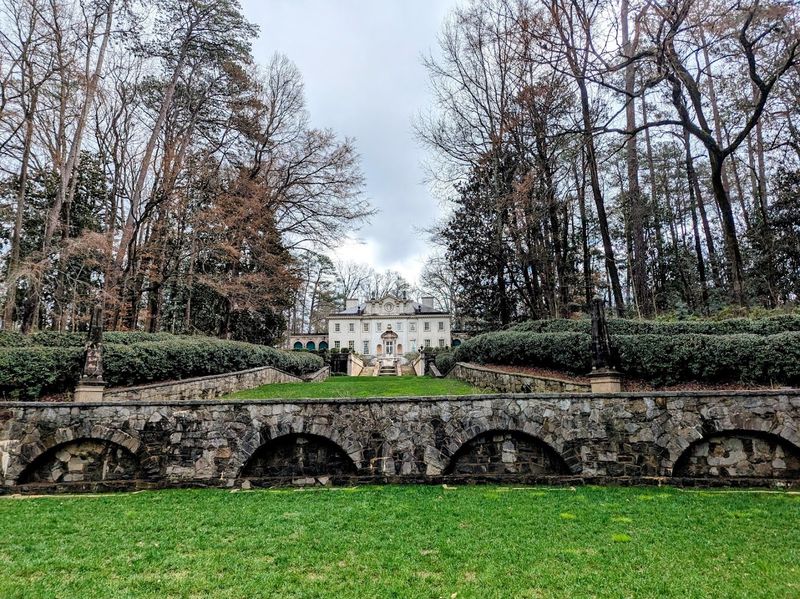
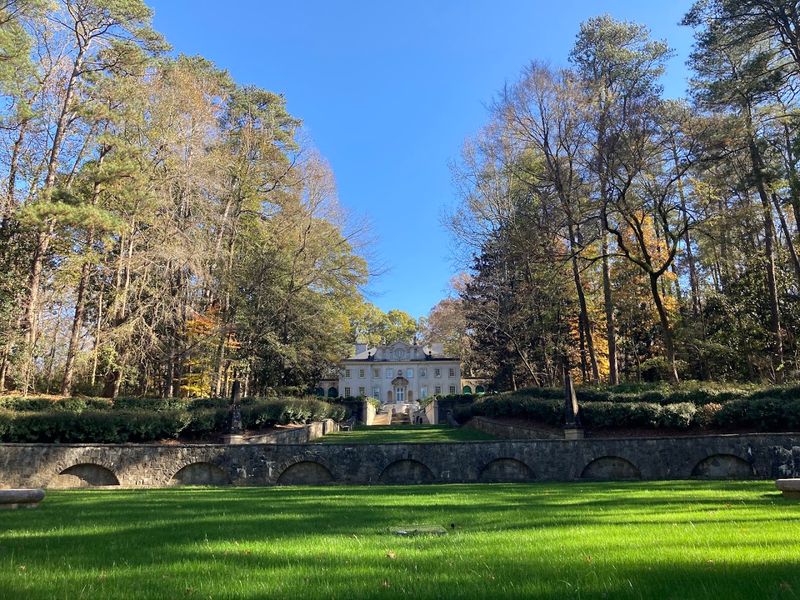
Stepping outside into the gardens feels like crossing into a completely different world. The landscape design by Philip Trammell Shutze mirrors the architectural precision of the mansion itself, with terraced lawns, clipped hedges, and stone walls working in perfect harmony.
Every sightline was clearly planned with artistic intention.
Boxwood gardens create intimate spaces within the larger landscape, offering moments of quiet within the grandeur. Unique clover-shaped pools add a whimsical touch that balances the formal Italian garden structure beautifully.
The overall effect is both organized and surprisingly romantic.
Walking through the gardens on a clear morning is one of the most peaceful experiences this property offers. The grounds extend across a generous portion of the Atlanta History Center’s 33-acre campus.
That scale gives the gardens room to breathe and evolve as you move through them.
Spring and fall visits are particularly spectacular when the foliage and blooms align with the stone and water features. Sunny afternoons bring the fountains and reflecting pools to life in photogenic ways.
Comfortable shoes are strongly recommended because the terraced layout involves meaningful walking across varied terrain.
The Hunger Games Connection You Did Not Expect
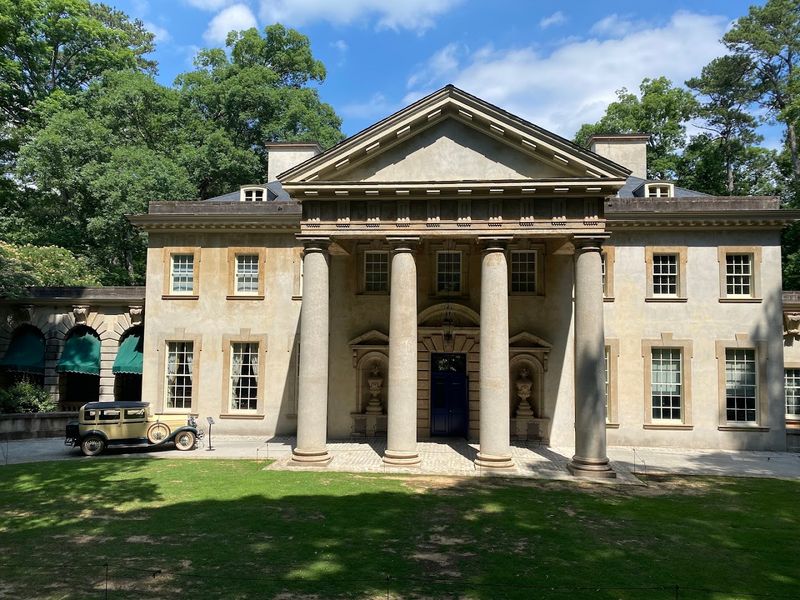
Not every historic mansion has a blockbuster film credit on its resume, but this one absolutely does. The mansion served as President Snow’s imposing Capitol residence in The Hunger Games: Catching Fire and Mockingjay Part 2.
Fans of the franchise often arrive already emotional before they even reach the front steps.
Seeing the real building after watching those films is a surreal and genuinely exciting experience. The grand columns and formal gardens translate perfectly to the screen’s vision of political power and intimidating wealth.
Hollywood clearly knew exactly what it was doing when it chose this location.
Even visitors who have never seen a single Hunger Games film find the connection fascinating. It adds a layer of pop culture relevance that makes the mansion feel alive and current rather than just preserved.
History and entertainment rarely intersect this dramatically or this well.
The filming connection draws a wide and wonderfully diverse crowd of visitors. Architecture lovers, history fans, and movie buffs all find their own reason to love this place equally.
That broad appeal is part of what makes a visit here feel so unexpectedly rich and layered.
The Basement Porcelain Collection Worth Exploring
Most visitors focus on the grand rooms upstairs, which means the basement gallery often gets overlooked entirely. That is a genuine mistake worth correcting before you visit.
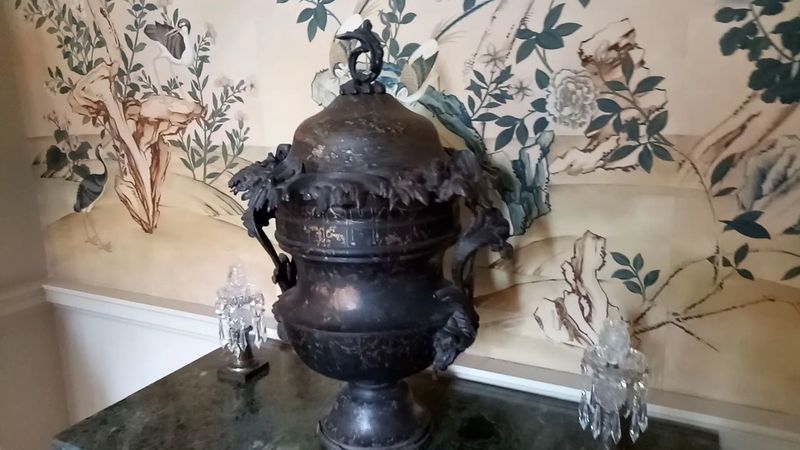
The basement gallery features a collection of export porcelain associated with Philip Trammell Shutze, offering visitors another perspective on his artistic interests.
The pieces span centuries and styles, offering a surprisingly rich mini-museum experience beneath the mansion. Display cases hold delicate items that tell their own story about trade, craftsmanship, and cultural exchange across continents.
Each piece is carefully labeled and thoughtfully arranged for easy appreciation.
Spending time in the basement reframes the entire visit in an unexpected way. You arrive thinking about grand staircases and painted wallpaper, then leave with an entirely new appreciation for ceramic artistry.
It is the kind of surprise that makes you glad you took the time to explore thoroughly.
The basement also includes rooms dedicated to Emily Inman’s passionate involvement in women’s suffrage. Display materials and visitor posts create an interactive and thought-provoking experience.
This section quietly reminds you that the woman who lived here was far more than a socialite with excellent taste in swans.
Planning Your Visit To This Extraordinary Place
Getting the most out of this place requires a little planning, and it is absolutely worth the effort. The Swan House is generally open Tuesday through Sunday, but hours may vary by season, so it is best to check the Atlanta History Center website before visiting.
Arriving early gives you the best light for photos and the most relaxed experience inside the rooms.
Your admission ticket covers access to the broader Atlanta History Center campus, which adds enormous value to the visit. The 33-acre grounds include gardens, exhibits, and additional historic structures beyond the mansion itself.
Budget a full day if you want to explore everything properly without feeling rushed.
Comfortable walking shoes are genuinely important here, not just politely suggested. The terraced gardens and sloped lawns require steady footing, especially after rain.
Visitors with mobility needs are encouraged to contact the Atlanta History Center in advance to learn about current accessibility options and available visitor services.
This spot also functions as a stunning wedding venue, so weekend visits may occasionally overlap with private events. Either way, the experience of standing inside this extraordinary mansion is something you will genuinely remember.