This North Carolina Observatory Lets You Gaze At Cosmic Wonders Through The Southeast’s Largest Public Telescope
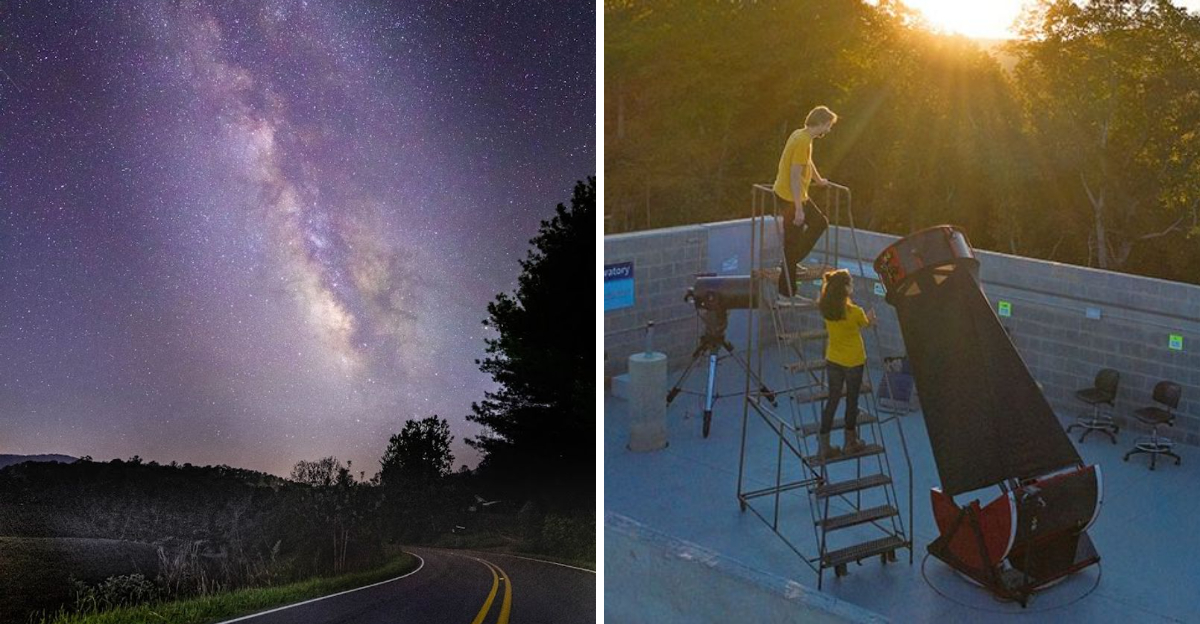
A sky full of stars sounds pretty until a mountain telescope makes the universe feel almost close enough to answer back.
High above the usual glow of town lights, one North Carolina observatory turns a simple night outside into something much bigger than stargazing.
The darkness does half the work. Then the telescope takes over.
Through a 34-inch instrument built for public viewing, the moon stops looking familiar, planets gain personality, and distant stars suddenly feel less like glitter and more like worlds with stories of their own.
It is the kind of night that makes people lower their voices without being asked. Not because the place is quiet.
Because the sky feels enormous. A visit here is not just about looking up.
It is about realizing how much has been waiting overhead while everyone was busy staring down.
Book A Community Viewing Night Before The Sky Fills Up
Popular sky nights can disappear quickly, so planning ahead matters here. The Bare Dark Sky Observatory hosts Community Viewing Nights as ticketed events, with Mayland describing each session as a two-hour opportunity to view the night sky with help from two astronomers.
Tickets are typically handled through Eventbrite, and many dates can sell out because the observatory keeps group sizes limited for a better experience. That smaller format is part of the appeal.
Visitors are not simply herded past a telescope for one rushed look. The evening gives people time to ask questions, learn what they are seeing, and rotate through viewing opportunities when the weather cooperates.
The observatory sits within Mayland Earth to Sky Park at 66 Energy Exchange Drive in Burnsville, which gives the whole outing a mountain-destination feel before the first telescope view even happens.
Booking in advance also helps avoid the worst kind of astronomy disappointment: arriving excited and realizing there is no space left.
Check the official calendar, choose a date that fits your schedule, and read the event details carefully. Stargazing sounds spontaneous, but the best public telescope nights often reward the person who planned first.
Plan Around Moon Phase If Deep-Sky Views Matter Most
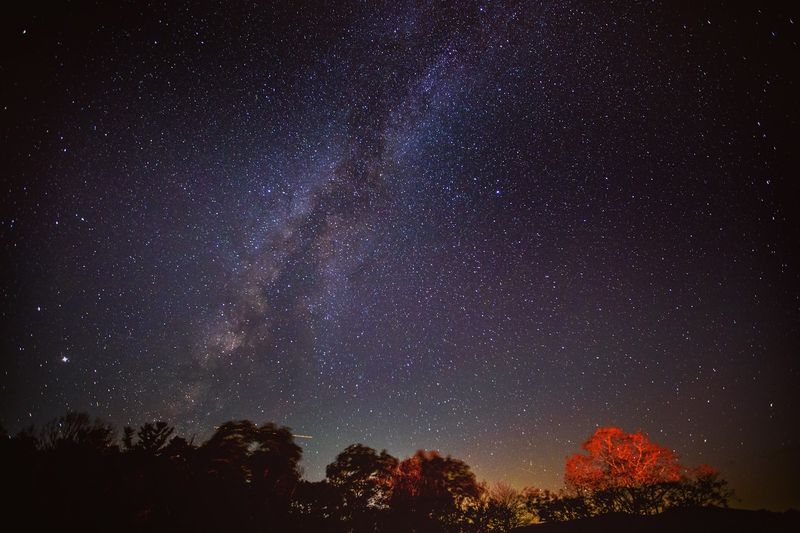
The moon is beautiful, but it can be a terrible spotlight when faint galaxies are on the wish list. Mayland notes that what visitors see during Community Viewing Nights depends on the time of year and moon phase, which is important for anyone hoping to catch dimmer deep-sky objects.
Darker nights near the new moon generally give nebulae, star clusters, and galaxies a better chance to stand out against the sky.
Brighter moon phases can wash out fainter details, especially for visitors hoping to see the Milky Way or distant objects with more contrast.
That does not mean a moonlit viewing night is wasted. It simply changes the show.
When the moon is bright, astronomers may focus more attention on lunar craters, planets, brighter stars, and objects that still hold up under extra light. For first-time visitors, that can be just as thrilling.
Seeing the moon through a serious telescope can make its surface feel startlingly textured and close. The smartest move is to match expectations to the calendar.
Choose a darker night for deep-sky drama. Choose a brighter phase if lunar detail sounds exciting.
Either way, the sky has something to offer.
Bring Layers Because Mountain Nights Do Not Care About Your Forecast App
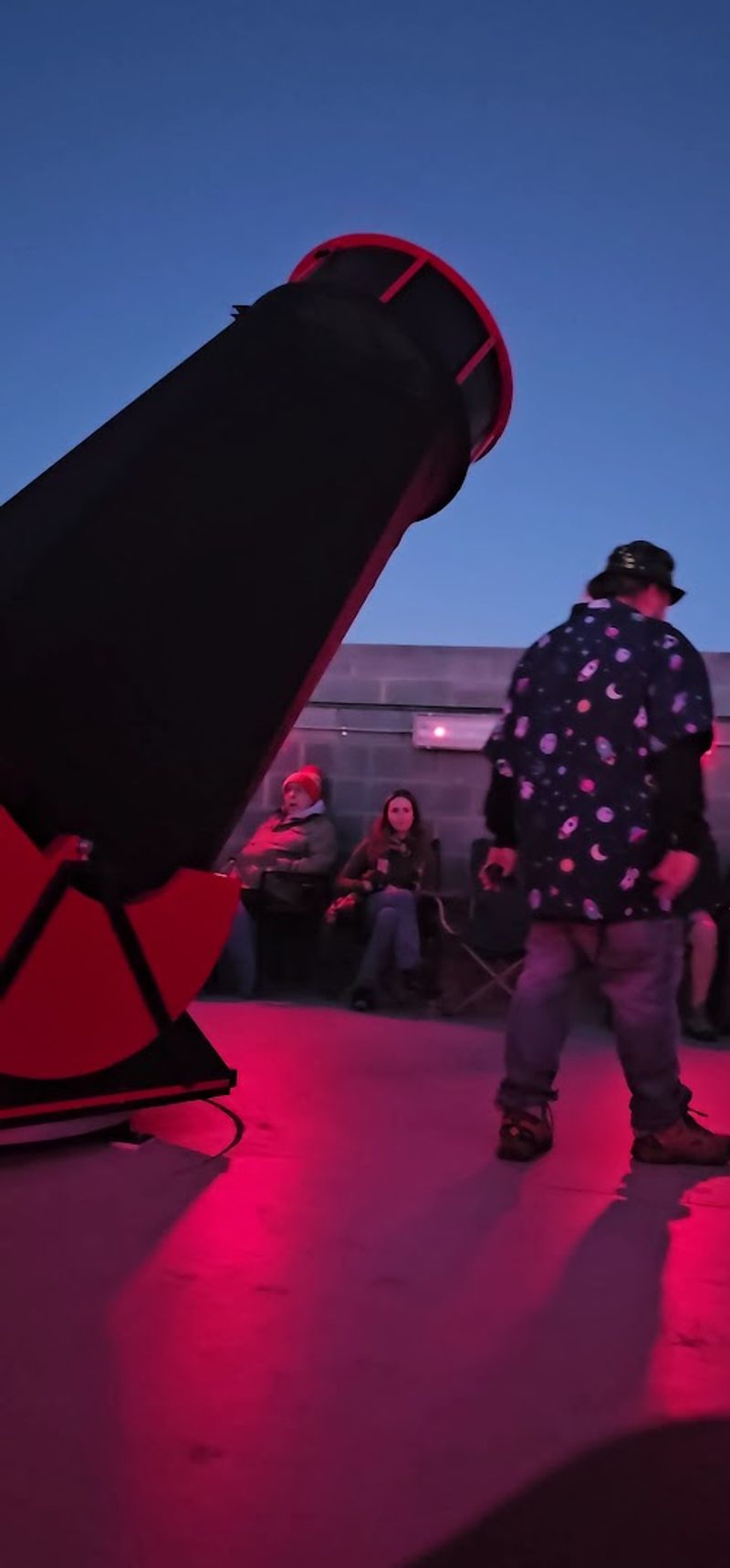
Comfort becomes astronomy equipment after sunset. The Bare Dark Sky Observatory is in the mountains near Burnsville, and evening temperatures can feel much cooler than visitors expect, especially during longer outdoor sessions.
A two-hour viewing night sounds easy until cold air starts sneaking through a light jacket thirty minutes in. Layers are the safest choice, even in warmer months.
Closed-toe shoes are also smart because visitors may move around outdoor areas and low-light conditions can make uneven ground harder to judge.
A small flashlight can help with the walk, but keeping lights dim and pointed down protects everyone’s night vision.
Red-light settings are best when available. Weather is the other major factor.
Cloud cover, rain, snow, or unsafe conditions can affect viewing, and astronomy sites cannot simply “push through” a covered sky.
Event pages usually explain weather policies, alternate programming, or cancellation procedures, so reading the details before leaving home is worth the minute it takes.
The mountain setting is part of what makes this experience special, but it asks visitors to come prepared. Warm hands, good shoes, and realistic weather expectations make it much easier to focus on the universe instead of your toes.
You Look Through The Sam Scope And Realize This Is Not Backyard Stargazing
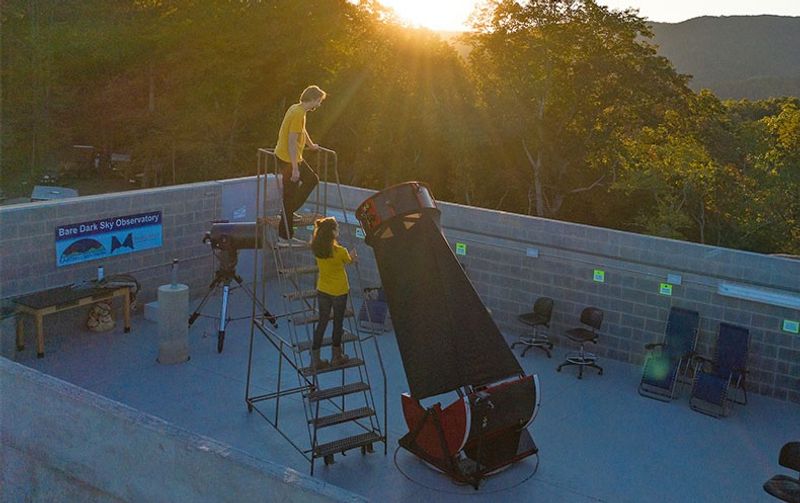
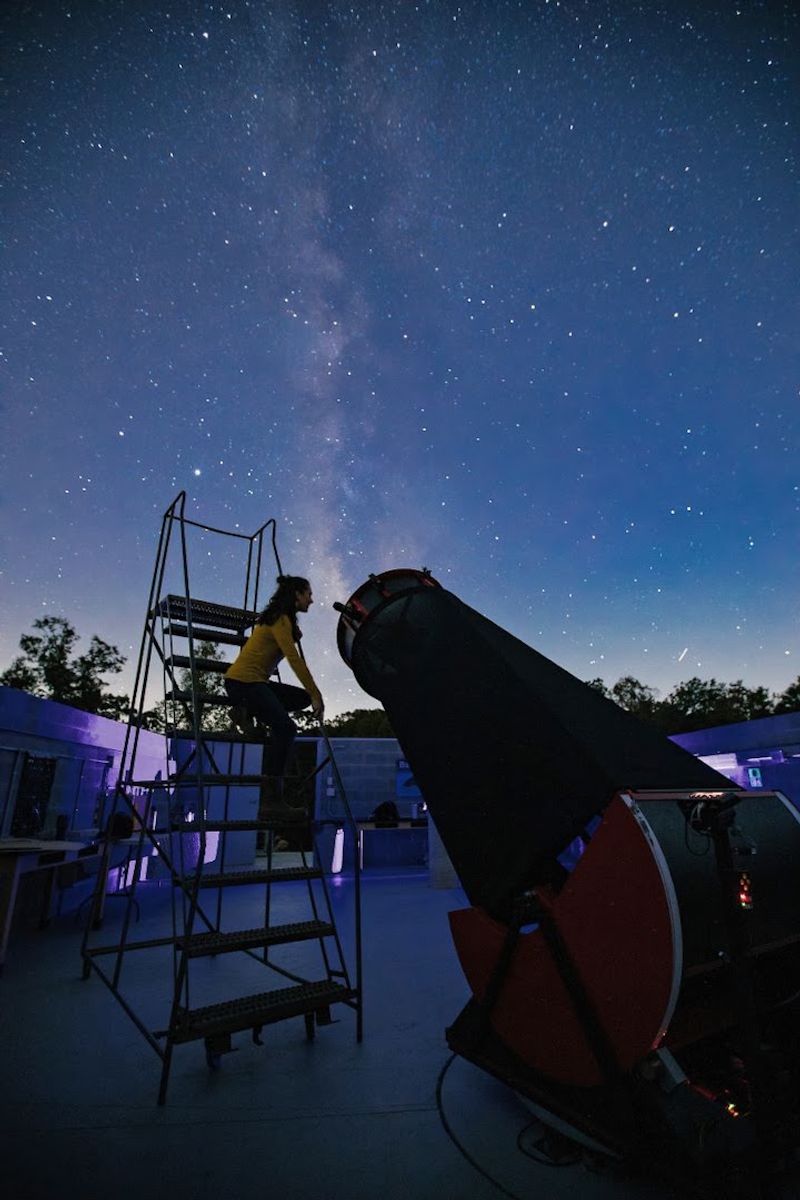
The first look through the Sam Scope is the moment the visit becomes real. Mayland describes the observatory’s main instrument as a custom-built Newtonian telescope with a 34-inch diameter mirror, paired with a smaller 14-inch Meade planetary telescope for public viewing nights.
Visit NC notes that the Sam Scope is the largest telescope in the southeastern United States dedicated to public use, which explains why people treat a ticket here like something special.
This is not the same as leaning into a small backyard telescope and hoping Saturn looks less blurry this time.
Under the right conditions, the Sam Scope can reveal lunar detail, planets, stars, clusters, nebulae, and other objects with a clarity most casual stargazers have never experienced.
Visitors may need to climb a short ladder or step platform to reach the eyepiece, depending on where the telescope is pointed, which adds a little observatory drama to the night.
The experience is both technical and emotional. One second, everyone is standing in a quiet building in western North Carolina.
The next, an object unimaginably far away is sitting in the eyepiece like it came closer just for the group.
Let The Astronomers Point Out Planets, Stars, And Galaxies
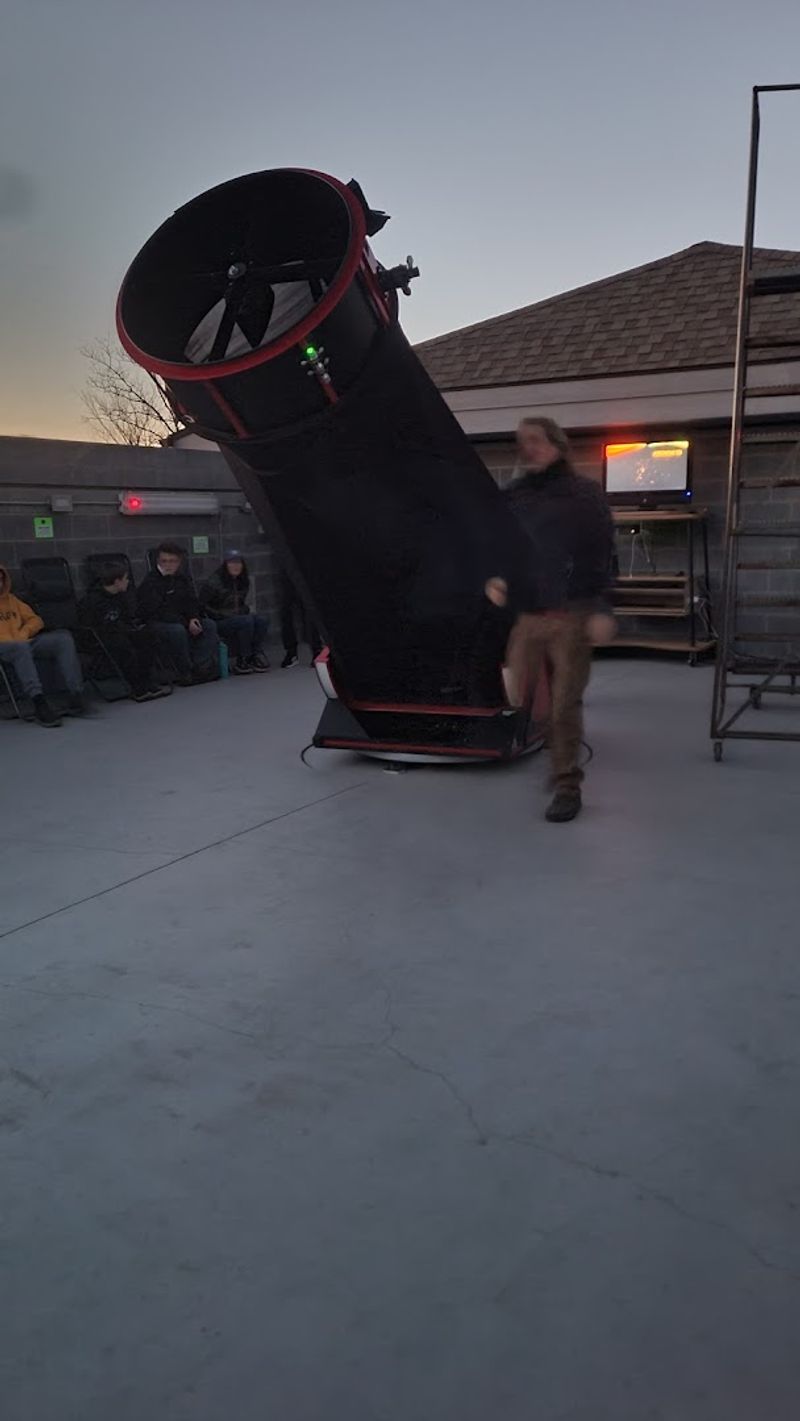
Guidance makes the sky less overwhelming. During Community Viewing Nights, Mayland says two astronomers assist visitors throughout the session, helping explain what is visible and why it matters.
That support is a huge part of the observatory’s value. Anyone can look up and admire stars, but understanding which object is a planet, which cluster is ancient, or why a fuzzy patch of light is actually a galaxy changes the whole experience.
The best astronomy educators make enormous concepts feel approachable without flattening their wonder.
A good guide can point out constellations, explain moon phases, describe deep-sky objects, answer beginner questions, and help visitors understand why dark skies need protection.
That matters for families, too. Kids may arrive excited about the telescope but leave remembering a planet, a crater, a star story, or the fact that light can take years, centuries, or far longer to reach Earth.
Adults often have the same reaction, just with slightly more polite amazement. The session is not only a telescope queue.
It is a guided introduction to the night sky. By the end, visitors usually know more than they did at arrival, and the sky looks less random forever.
Use The Dark Sky Park Setting For A Real Cosmic Detour
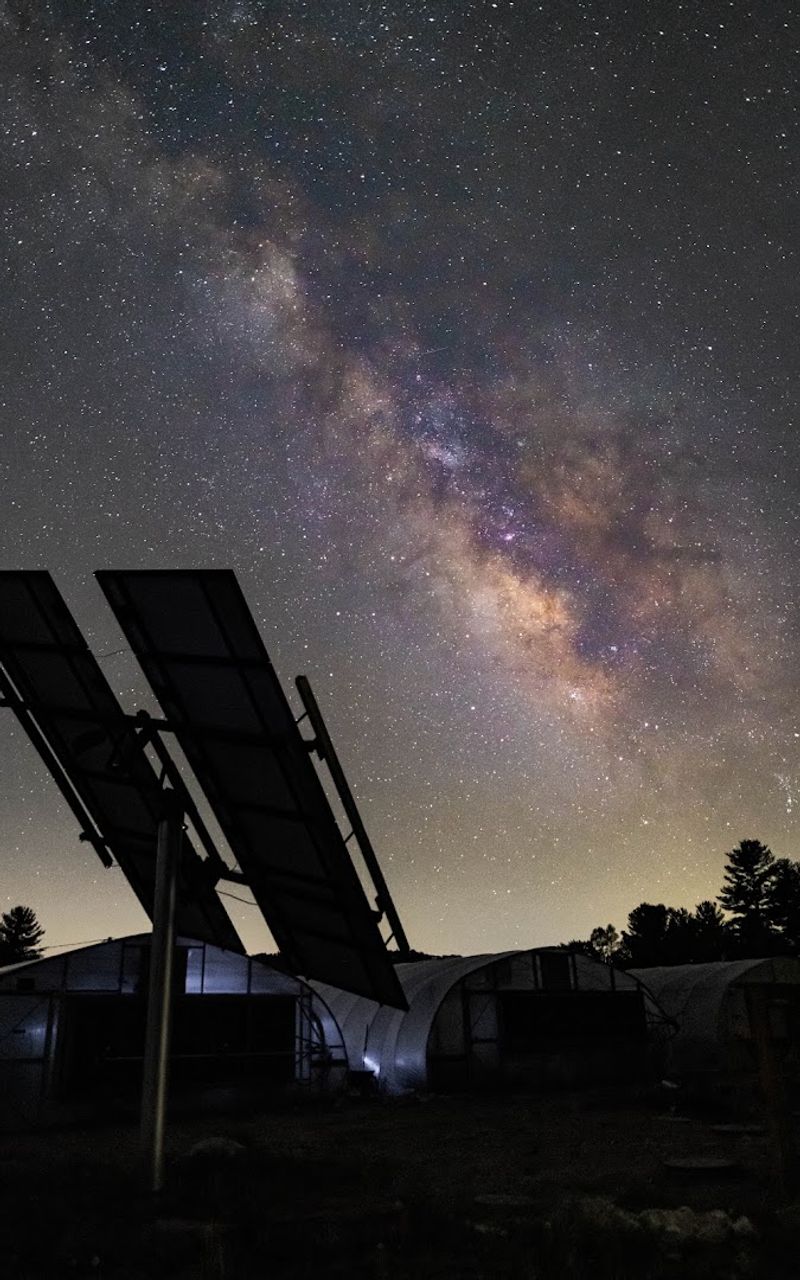
The observatory is only one part of a larger dark-sky destination. Mayland Earth to Sky Park is recognized as an International Dark Sky Park, and Mayland notes that the grounds provide 24-hour public access to the parking area for stargazing.
That distinction is helpful for visitors who want to experience the site even when they do not have a ticketed observatory event.
Telescope access inside the observatory is event-based, but the park setting still allows casual stargazers to look up from a darker mountain environment than most city or suburban neighborhoods can offer.
A reclining chair, blanket, warm layers, and patience can turn a clear night into a simple but memorable skywatching stop.
The park also includes features such as a moon garden and outdoor spaces tied to science, nature, and dark-sky appreciation.
Visitors should keep lights low, avoid disturbing others, and respect posted rules, especially because dark-sky sites depend on shared care. The setting gives the observatory context.
It is not just a building with a powerful instrument. It is part of a place designed around the relationship between land, sky, science, and wonder.
That makes the detour feel bigger than one telescope view.
Pair The Observatory With The Planetarium For A Bigger Space Night
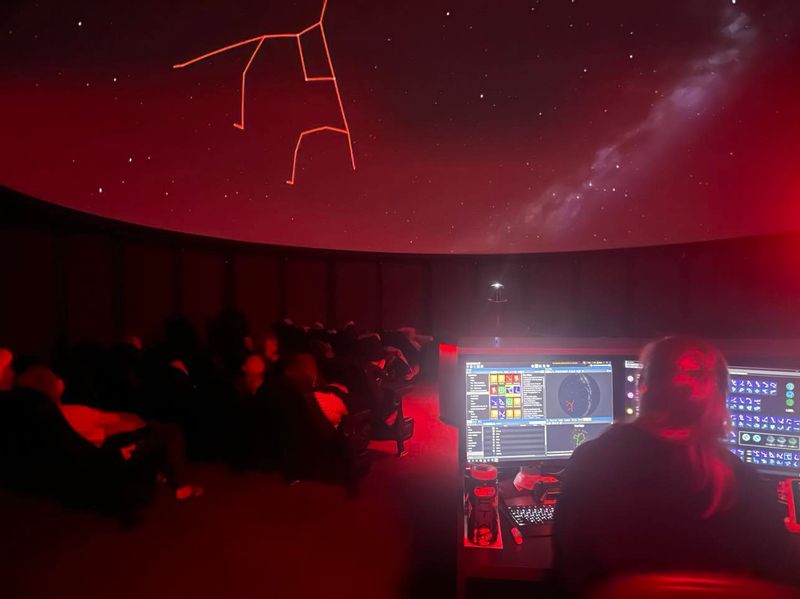
Clouds do not have to ruin the entire space mood.
The Glenn and Carol Arthur Planetarium at Mayland Earth to Sky Park offers an indoor astronomy experience alongside the observatory. Its 36-foot projection dome hosts weekly shows covering topics from traditional stargazing to STEM education.
That makes the park especially useful for families, school groups, and visitors who want a fuller astronomy outing.
The planetarium can introduce concepts indoors before guests step outside to look at the real sky, or it can provide a satisfying alternative when weather interferes with telescope viewing.
Mayland notes that weekly planetarium tickets are sold in person at the visitor center before showtime, so visitors should check current show schedules and ticket procedures before planning the day around it.
The dome experience is different from looking through the Sam Scope, but it complements it well.
Inside, the sky can be explained, simulated, and guided in a controlled setting. Outside, the actual night sky takes over with all its unpredictability.
Pairing the two gives visitors structure and awe in the same trip. One helps people understand the universe.
The other lets them feel its scale.
Head Back From Burnsville Feeling Small In The Best Way
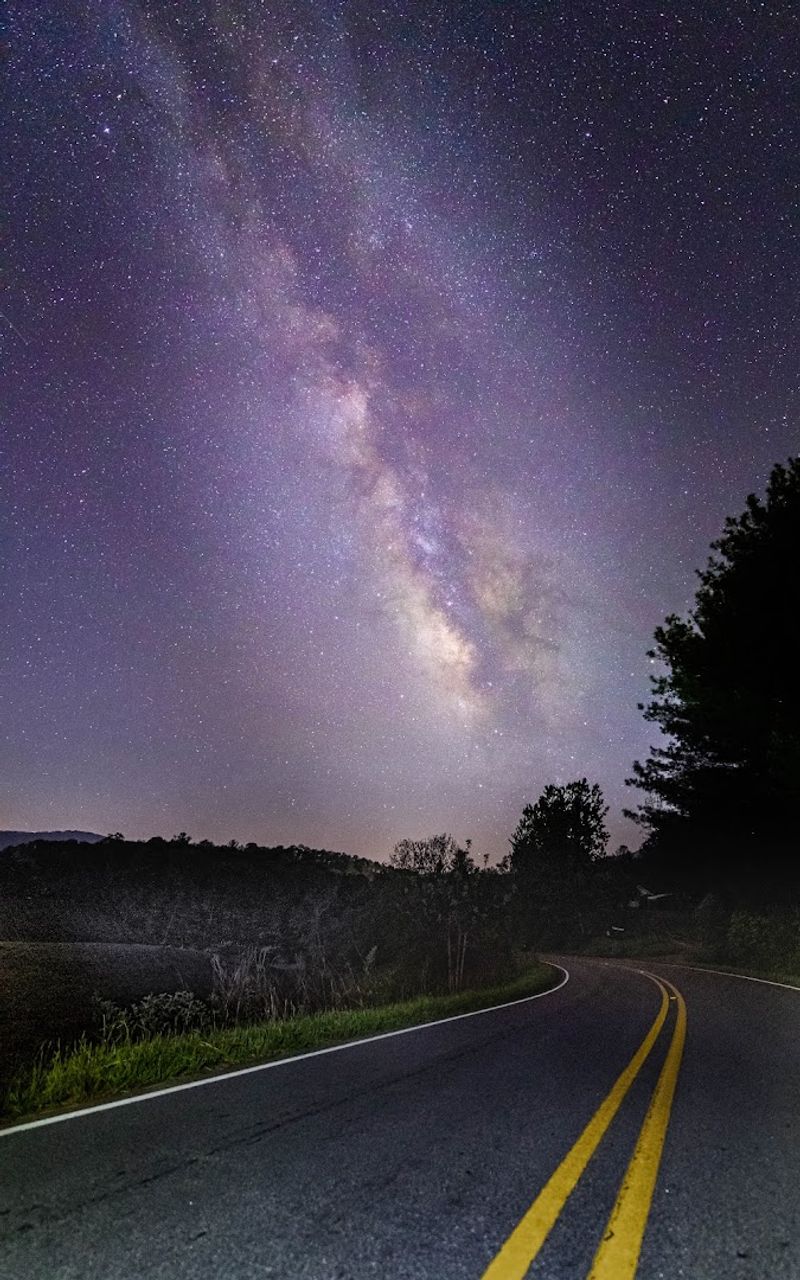
A good observatory visit follows you down the mountain. After two hours of planets, stars, lunar detail, galaxies, and expert explanations, the drive away from Mayland Earth to Sky Park can feel quieter than the drive in.
Burnsville and the surrounding Blue Ridge landscape already make the trip scenic, but the observatory adds a different kind of memory. It gives visitors perspective.
Daily worries do not vanish, exactly, but they do shrink a little after looking at objects that have been traveling through space and time far longer than any human schedule. That is the emotional power of a place like this.
It takes something enormous and lets ordinary visitors meet it through an eyepiece.
Burnsville’s mountain setting makes the experience easy to expand into a fuller getaway. Scenic drives, arts stops, hiking trails, and western North Carolina views offer plenty of ways to build a weekend trip around it.
Still, the night sky remains the main event. The Sam Scope, the dark park setting, the planetarium, and the astronomers all work toward the same feeling: wonder with context.
Leaving small in the best way is not a bad ending. It is the whole point.