This Overlooked Maine Landmark Feels Like Stepping Back In Time
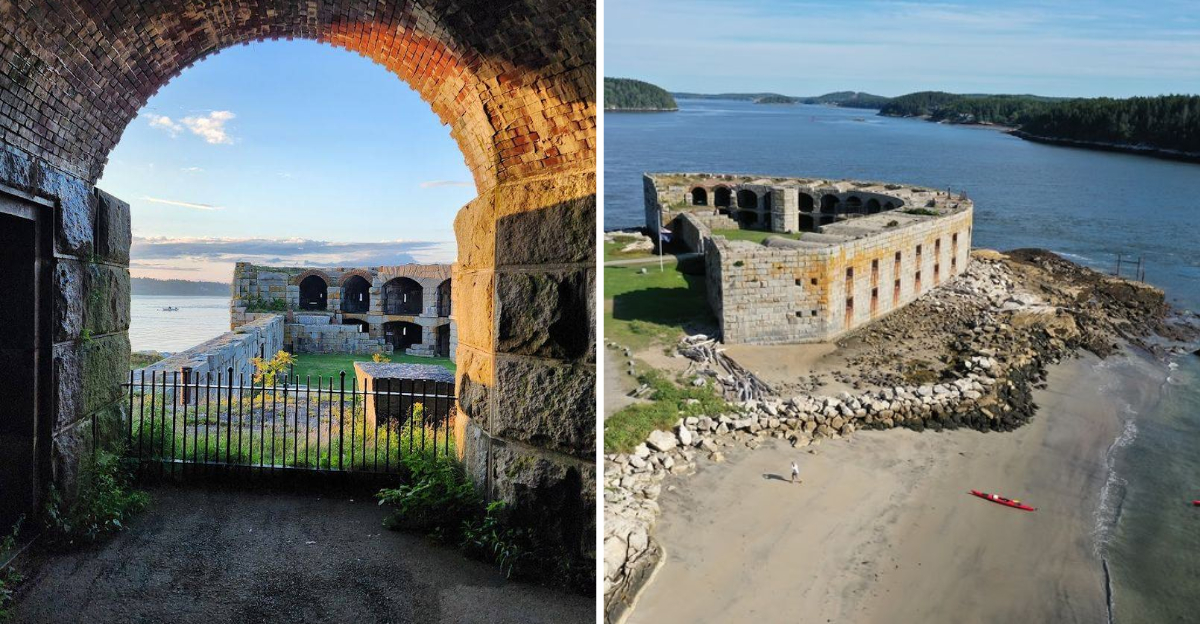
Massive granite walls rose straight out of the coastline. I expected somewhere quiet and forgettable, but what I found floored me.
The stonework looked lifted from a history book. Some corners of Maine feel frozen in another century.
It ranks among the most memorable spots in New England. You crane your neck and lose your words entirely.
Echoes of the past hum through every cold corridor. Nobody seems to talk about it nearly enough.
The sheer scale alone leaves you quietly stunned. History feels startlingly close out here. Cool wind whips off the gray water.
Some places make the past feel close enough to touch.
The Granite Walls That Look Like A Medieval Castle
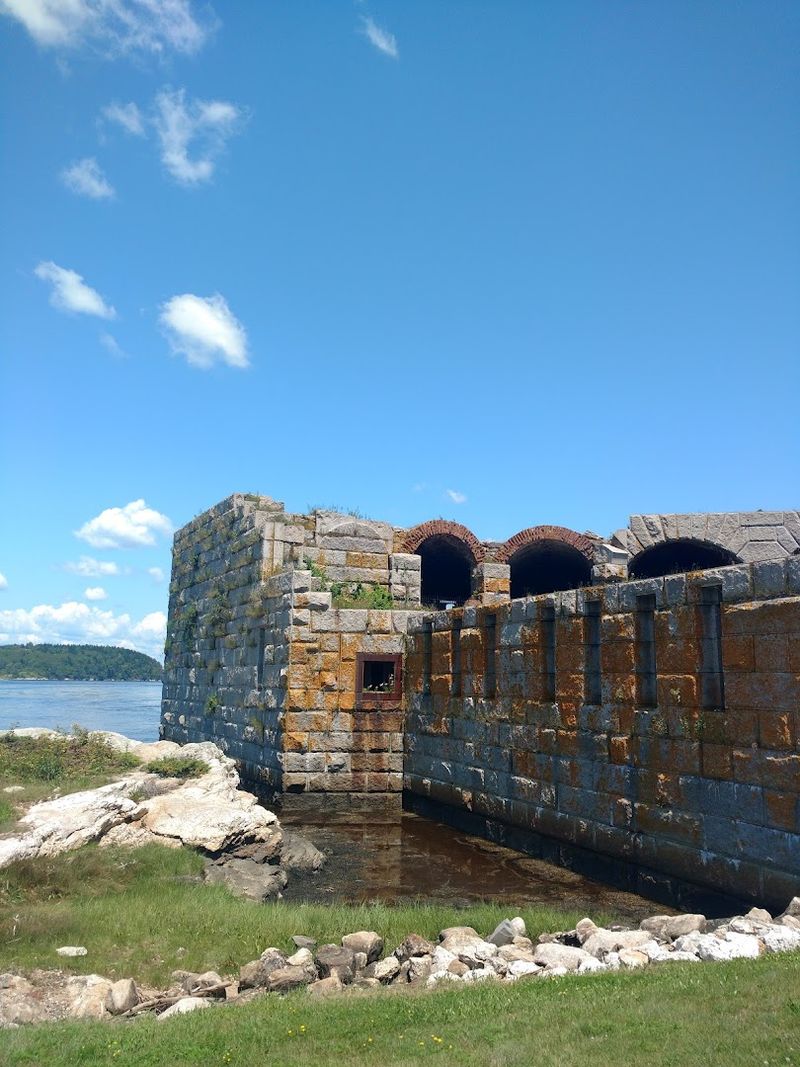
Nothing prepares you for the sheer size of these walls.
They rise 30 feet straight up from the ground, built entirely from massive granite blocks. Each stone was quarried from nearby Fox and Dix Islands.
The crescent shape stretches almost 500 feet around. From a distance, it looks more like a medieval fortress than an American Civil War structure.
The thick layered stonework gives the whole place an ancient, almost mysterious energy.
Up close, you can run your hand along the rough granite surface. Every block feels like it carries the weight of serious history.
The craftsmanship is honestly jaw-dropping for something built in the 1860s.
Informational placards are placed throughout the fort. They explain the construction process and the historical context behind each section. Reading them makes the whole experience feel far more personal and real.
Fort Popham State Historic Site at 219 Popham Rd in Phippsburg earns every bit of its 4.7-star rating. The architecture alone is worth the drive out here. Plan to spend at least an hour just taking it all in.
A Civil War History You Can Actually Touch
History class never felt this real. Construction on this fort began around 1861, authorized to protect Maine’s capital of Augusta and the vital Bath shipyards.
The threat of a Confederate naval invasion was taken seriously along this coastline.
The 7th Unassigned Company of Maine Infantry garrisoned this fort during the Civil War. Soldiers lived and worked inside these very walls. You can stand in the same spaces they occupied and feel the weight of that fact.
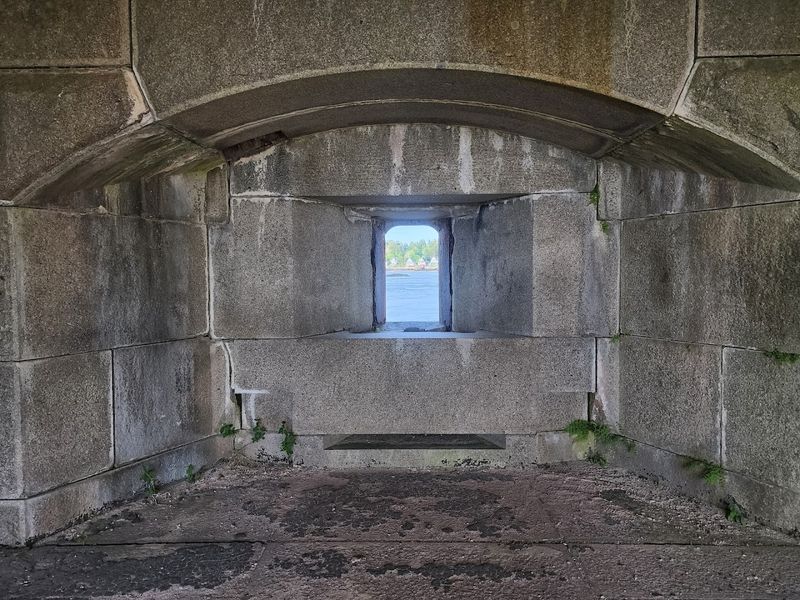
The fort was designed to hold 42 cannons. Each cannon weighed roughly 25 tons and could fire 480-pound shots across the water. Two tiers of casements, or gun ports, were built into the curved granite walls.
Construction stopped in 1869, leaving the fort unfinished with only two of three planned tiers completed. That unfinished quality actually adds to the atmosphere. It feels like time just froze here mid-project.
The fort was later garrisoned again during the Spanish-American War and World War I. Each era left its own mark on this place.
Spiral Staircases Worth Every Single Step
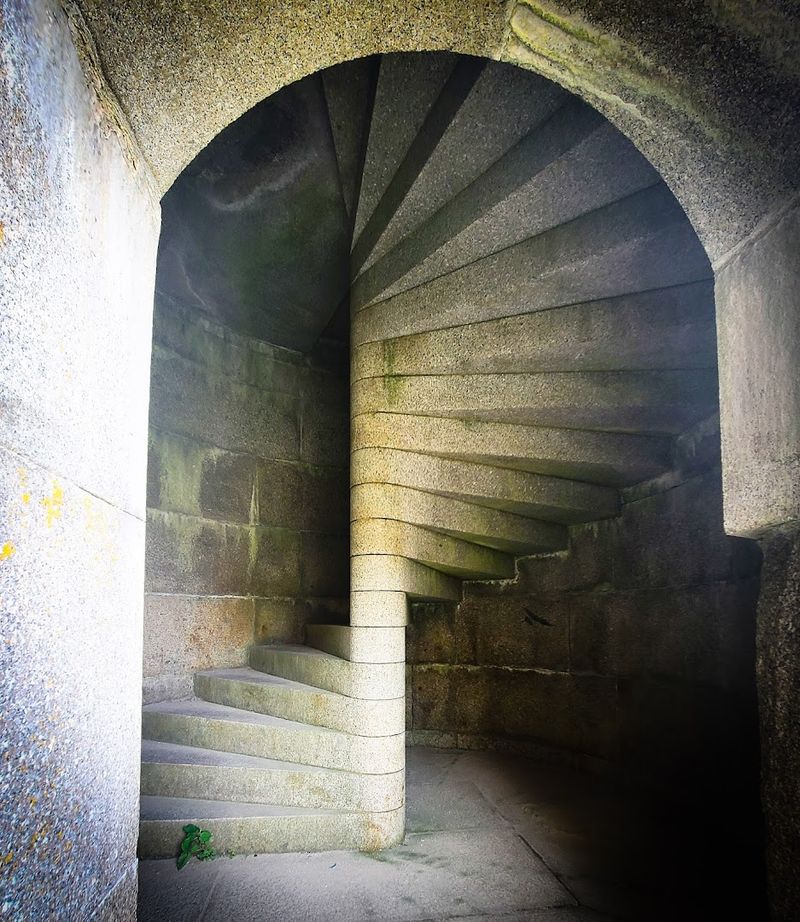
Most historic sites rope you off from the good stuff. Here, you can actually climb the granite spiral staircases yourself.
They wind upward through the stone towers in a way that feels genuinely adventurous.
Each step is carved from the same thick granite as the rest of the fort. The stairs are narrow and slightly uneven, which only adds to the old-world feel.
Kids absolutely love this part, and honestly so do adults.
At the top, the view opens up completely. You are looking out over the mouth of the Kennebec River and the open Atlantic beyond it.
The panoramic perspective from up there is something photographs barely do justice.
The upper galleries give you a clear sense of how the fort was designed to function. You can peer through original gun ports and imagine cannon crews working in those tight spaces.
The scale of the military operation becomes very real very quickly.
Climbing these stairs feels like earning the view. The physical experience of moving through the fort makes the history feel lived-in rather than just displayed. This is hands-on history at its absolute best.
Free Admission That Makes It Even Better
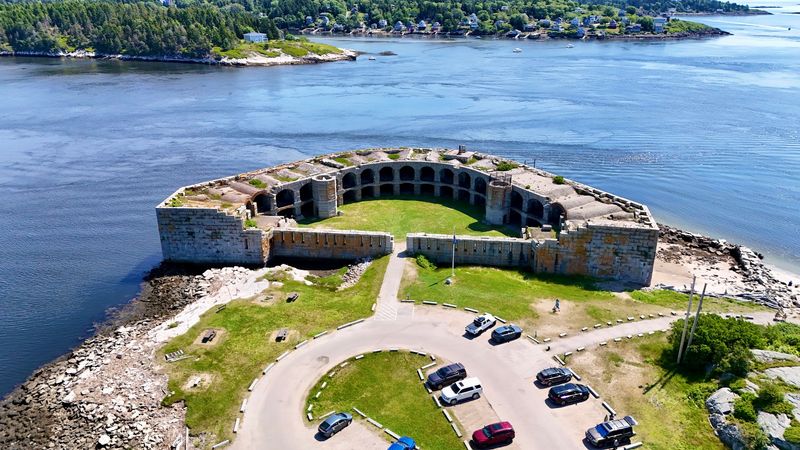
Free admission to a place this impressive feels almost too good to be true. There is no entry fee to explore the fort, the grounds, or the surrounding coastal area.
You just show up and start exploring.
The fort is open from Memorial Day through September 30. Hours run generally from 9 AM to sunset during the season. Arriving early is a smart move, especially on summer weekends when parking fills up fast.
Limited parking is available on-site. Peak season can get competitive for spots, so earlier in the day is always better. The drive down Popham Road itself is scenic enough to make the trip worthwhile.
There are picnic tables on the grounds where you can set up a proper outdoor meal. No grills or restrooms are located directly at the fort, so plan ahead. Restrooms are available a short drive away at Popham Beach State Park during summer hours.
For a free experience, the value here is genuinely extraordinary. You get history, architecture, coastal views, and wildlife all in one spot. Budget-friendly travel rarely comes packaged this well anywhere in New England.
Wildlife That Shows Up Like It Owns The Place

Seals have no respect for personal space here, and that is absolutely wonderful.
You can spot them hauling out on nearby rocks or poking their curious heads above the waterline. Some days you might count 20 or more along the beach near the fort.
The birdlife around this area is equally impressive. Great blue herons, seagulls, and various shorebirds move through the area regularly. Bringing binoculars is a genuinely good idea if you care about wildlife at all.
Otters have also been spotted around the fort and surrounding shoreline. The combination of river mouth and open ocean creates a rich habitat for coastal species.
You never quite know what will show up during a visit.
Basking sharks have even been reported near the beach on occasion. That detail alone makes this spot feel more like a nature documentary than a state historic site.
The wildlife here adds a completely unexpected layer to the experience.
Photographers tend to linger here much longer than they originally plan. The combination of granite architecture, coastal light, and unpredictable wildlife creates extraordinary photo opportunities.
The Beach Right Next Door That Seals The Deal
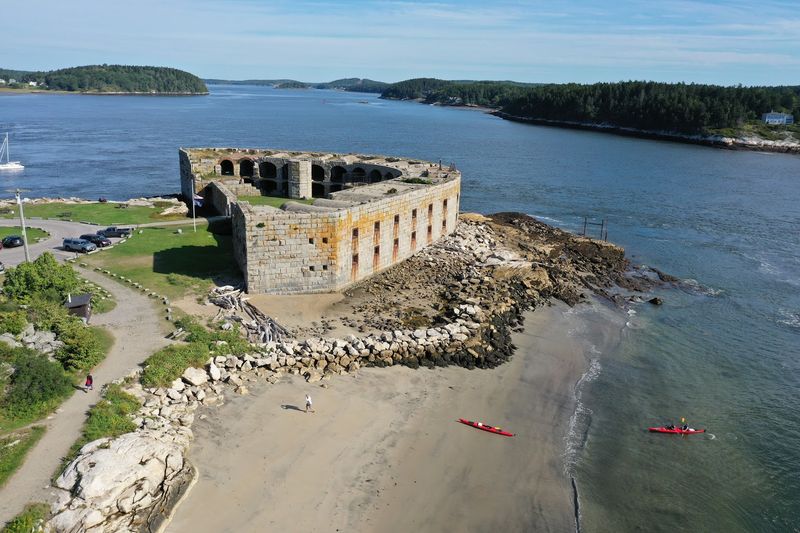
A gorgeous beach sits right alongside the fort, and most people do not even realize it is there until they wander over.
The sand is clean and the water is bracingly cold in the best possible Maine way. It feels like a private bonus reward for making the trip.
At low tide, you can actually walk from the fort all the way to Popham Beach State Park. The two spots are only about 1.5 miles apart.
That low-tide walk connects two of the most scenic spots on this stretch of the Maine coast.
The beach is dog-friendly, which makes it a favorite for people traveling with pets. Families spread out on the sand while kids explore the tide pools and collect shells. The whole scene feels relaxed and completely unhurried.
Seashells are plentiful along the shoreline here. People have reported finding impressive hauls just by walking slowly along the waterline. It is a simple pleasure that somehow never gets old.
The Popham Colony Connection That Predates Everything
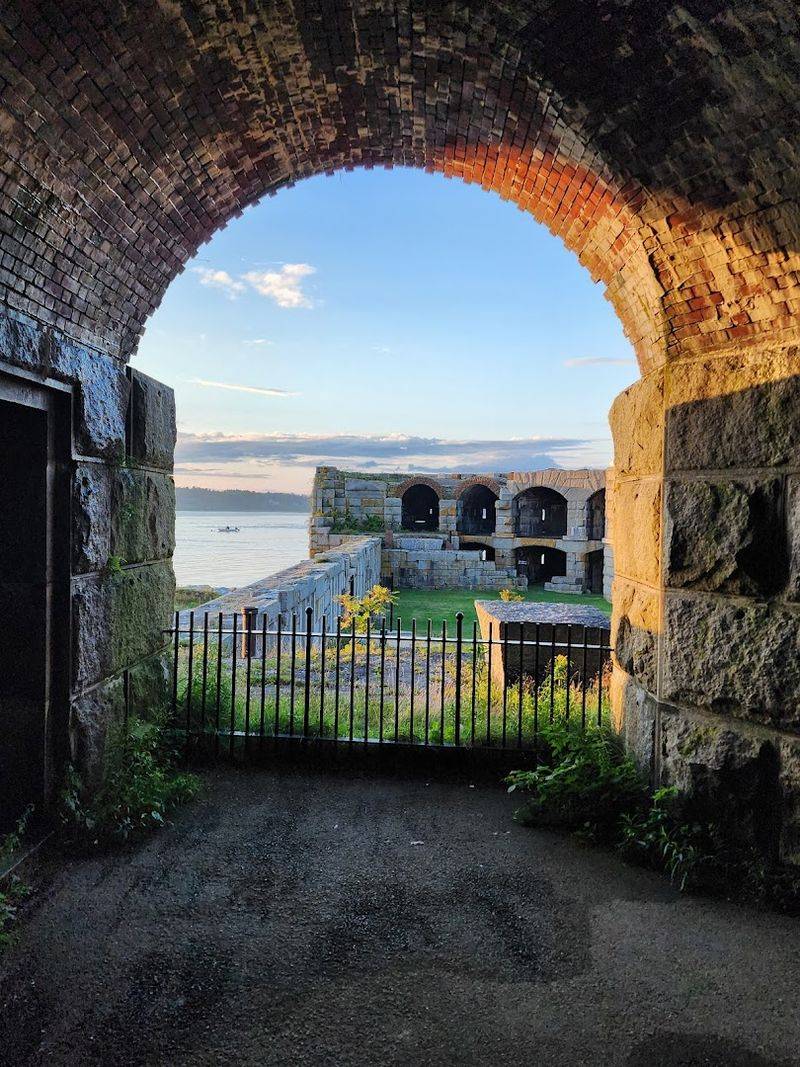
The name Popham carries more history than most people realize.
The fort is named for George Popham, leader of the Popham Colony established nearby in 1607. That makes this one of the earliest English settlement attempts in all of New England.
The Popham Colony predates the Mayflower by over a decade. It was America’s first attempted English colony in New England, though it was short-lived.
Standing near the fort knowing that fact reframes the entire landscape around you.
The site also hosted a minor fortification during the American Revolution. An embargo fort was built here in 1808 and saw action during the War of 1812.
This single stretch of coastline has been militarily significant across multiple centuries of American history.
In 1905, Fort Baldwin was constructed on the headland directly above the fort. Its longer-range guns made the original fortification obsolete as a primary defense.
During World War II, a high observation tower was added to help locate German submarines in the area.
Photography Opportunities Around Every Corner
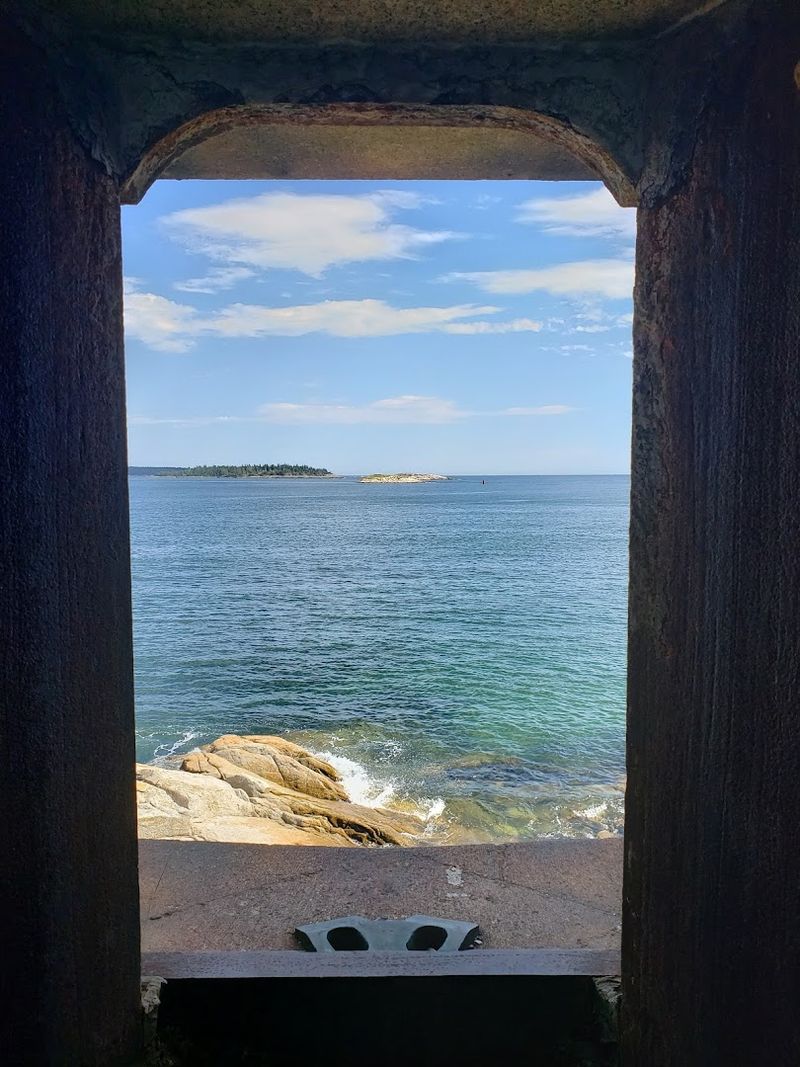
Every angle of this place looks like it was designed for a camera.
The curved granite galleries create natural frames for dramatic river and ocean shots. The changing coastal light shifts the mood of every photograph throughout the day.
The gun port openings work like built-in photo frames. Shooting through them toward the water creates a layered composition that is hard to replicate anywhere else.
Golden hour here is absolutely spectacular if you can time your visit right.
The spiral staircases photograph beautifully from both above and below. The winding stone geometry against the rough granite walls creates a moody, almost cinematic quality.
Architecture photographers specifically seek out this kind of detail.
Wildlife adds spontaneous energy to any shot taken near the shoreline. A seal surfacing unexpectedly or a heron landing on a nearby rock can turn a good photo into a great one.
Patience near the water tends to reward you.
Foggy days at this spot create an entirely different atmosphere. Several visitors have noted that fog makes the whole experience feel even more dramatic and atmospheric.